
Throughout history, many of the world’s most brilliant minds were shaped not just by intellect or power but by their hidden fears. Behind their confidence and achievements lurked phobias that often influenced how they lived, worked, and connected with others. Napoleon feared cats, Tesla avoided pearls, and Freud struggled with his own odd anxieties. These unusual fears reveal the delicate balance between brilliance and vulnerability, showing that even the greatest figures of history were deeply, unmistakably human.
1. Queen Victoria’s Fear of Death
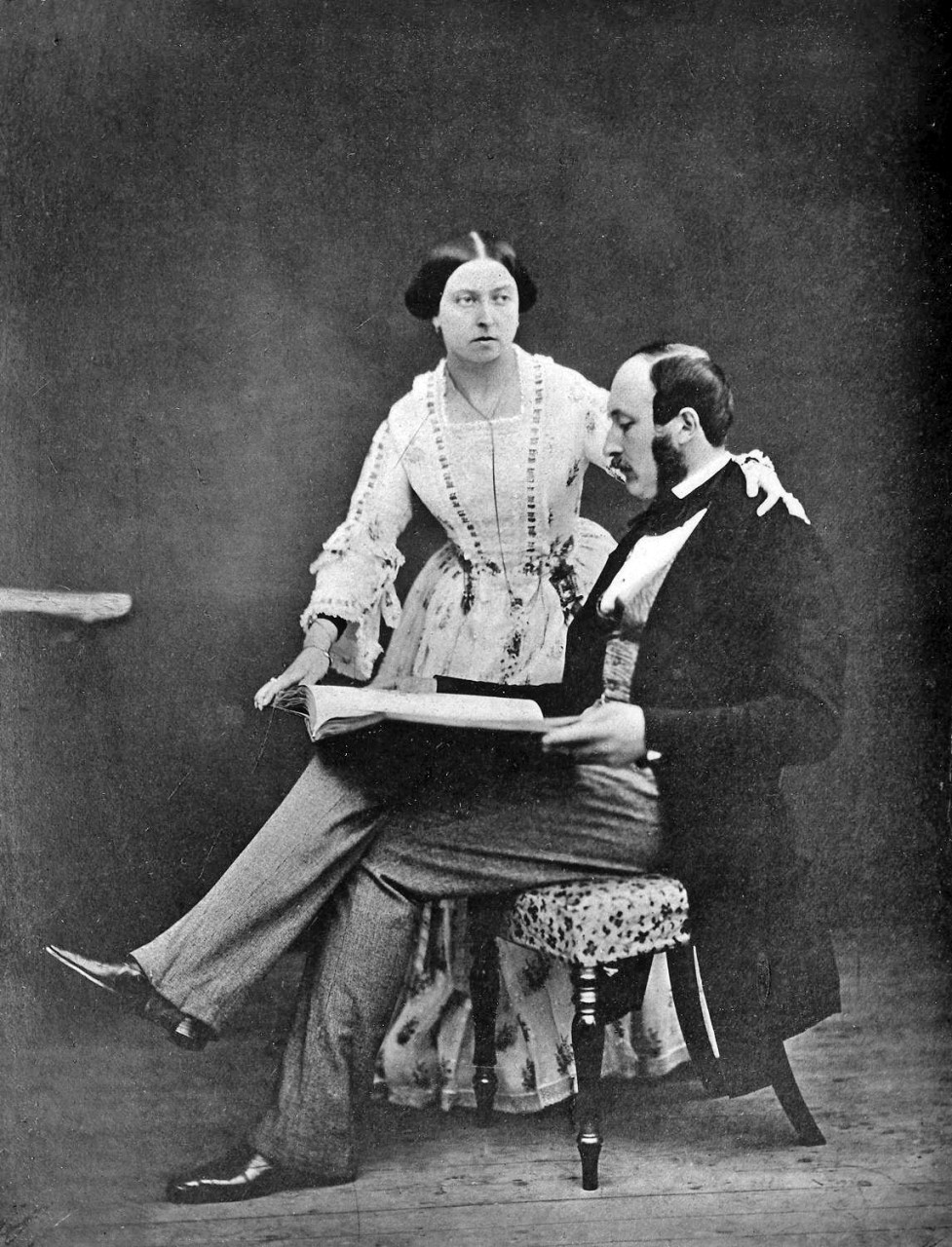
Queen Victoria, one of history’s most influential monarchs, lived with an intense fear of death known as thanatophobia. The loss of her beloved husband, Prince Albert, only deepened this anxiety. She surrounded herself with mourning rituals and even kept Albert’s rooms untouched, unable to face the finality of death. Her obsession with remembrance shaped Victorian mourning culture itself, turning personal grief into a societal tradition that emphasized the human struggle to accept mortality.
2. Nikola Tesla’s Fear of Pearls

Nikola Tesla’s mind birthed some of the world’s most groundbreaking inventions, but his peculiarities were equally legendary. Among them was an aversion to pearls; he simply couldn’t bear to look at them. Tesla would refuse to converse with anyone wearing them, sending away assistants who did. This odd phobia was likely linked to his obsessive-compulsive tendencies and hypersensitivity to textures and symmetry. In Tesla’s meticulously ordered world, pearls represented imperfection and imbalance.
3. Richard Nixon’s Fear of Hospitals
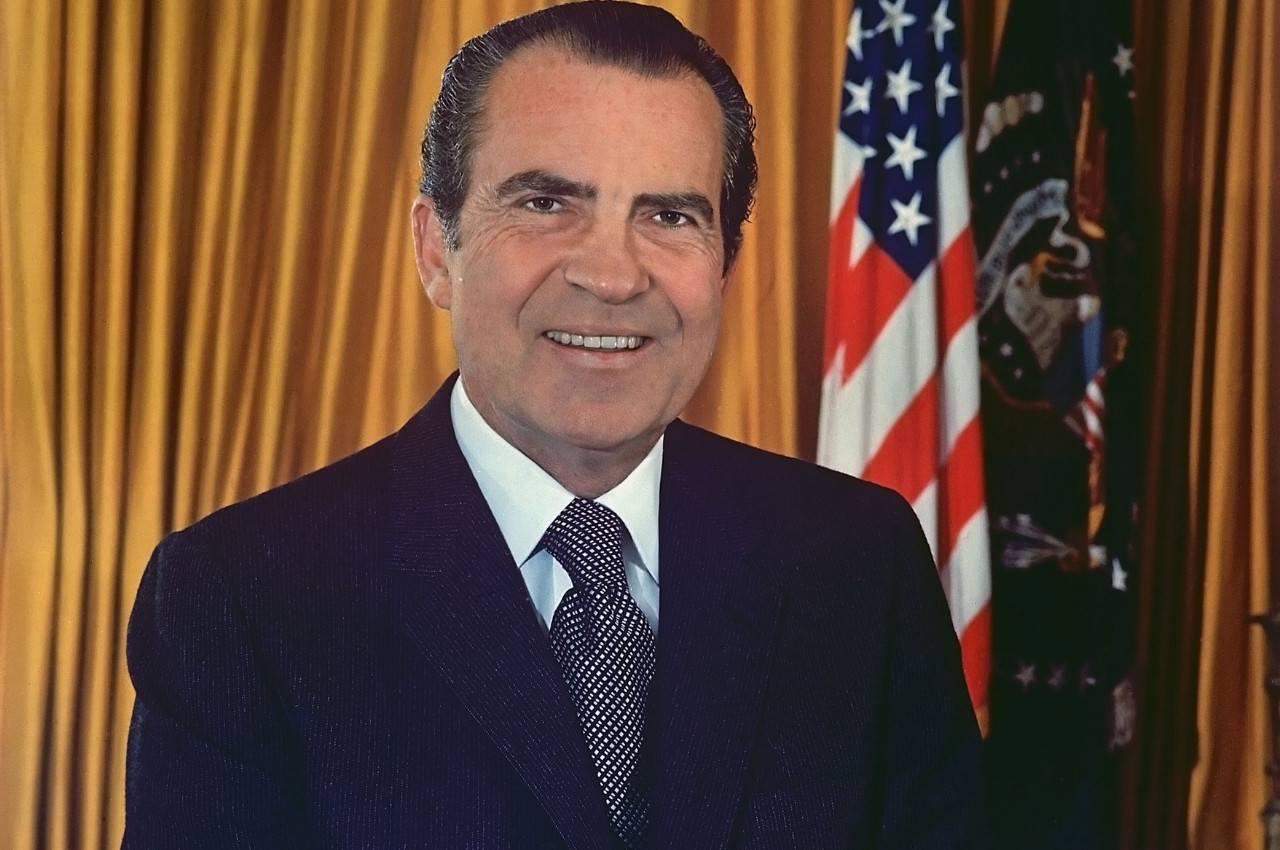
Former U.S. President Richard Nixon suffered from nosocomephobia, an intense fear of hospitals that haunted him throughout his life. He once declared he would rather die than be hospitalized, a statement rooted in deep emotional scars from witnessing his brother’s death from illness. This fear drove him to avoid doctors and medical treatment, even as his health worsened. For a leader known for his composure in global crises, Nixon’s downfall came not from politics but from an unshakable fear of a hospital bed.
4. Julius Caesar’s Fear of Thunder

Despite his unmatched bravery in battle, Julius Caesar was reportedly terrified of thunder and lightning, a fear known as astraphobia. Ancient accounts describe him seeking shelter during storms, visibly shaken by thunderclaps. In Roman culture, lightning was seen as a sign from the gods, which may have intensified his anxiety. For a man who ruled empires and defied fate, Caesar’s fear of the heavens reminded those around him that even the mightiest conquerors could feel powerless before nature’s wrath.
5. Adolf Hitler’s Fear of Blades
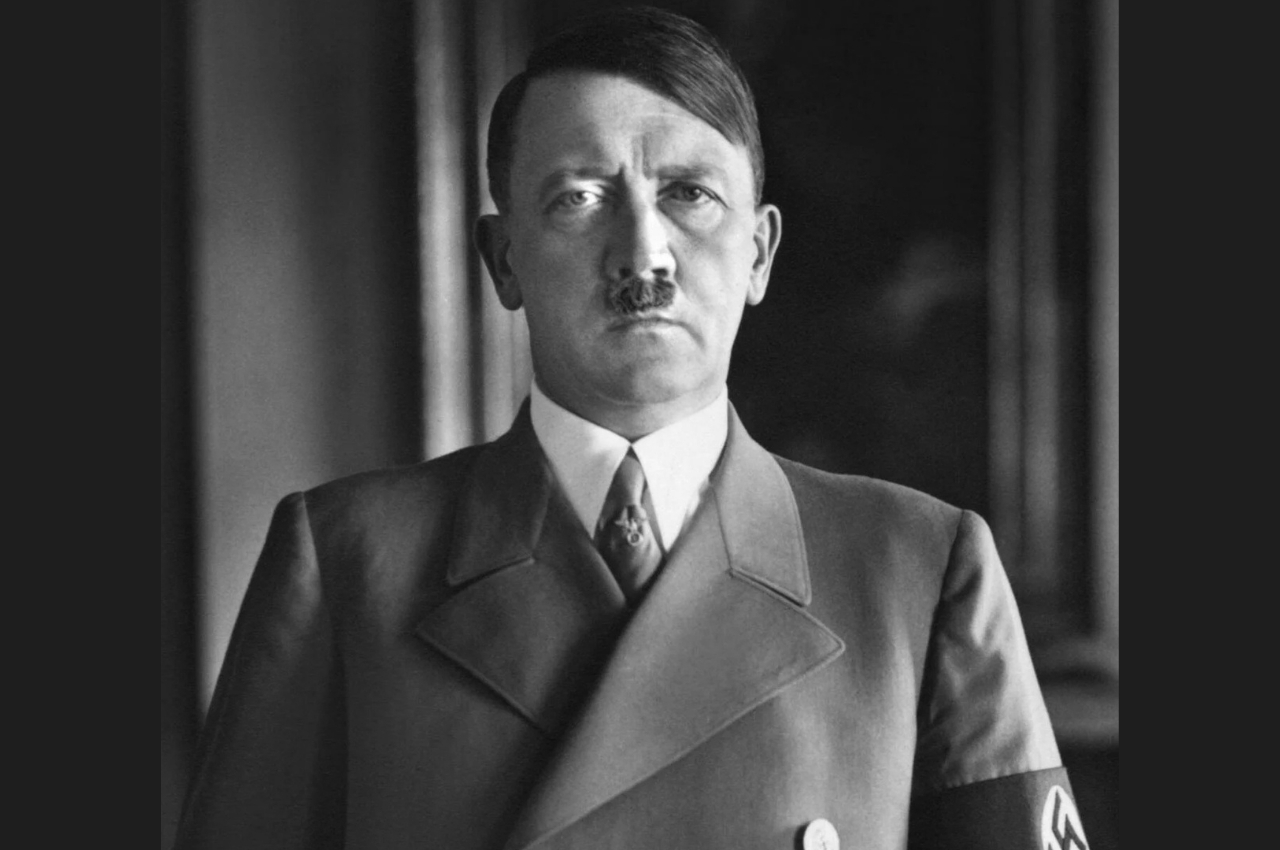
Paranoia ruled Adolf Hitler’s life, and among his many fears was an intense dread of sharp objects, particularly razors. He distrusted barbers and refused to be shaved by anyone but his closest attendants. This phobia likely emerged from his obsessive fear of assassination and his pathological need for control. It reflected the growing isolation and anxiety that consumed his regime. In the end, his fear of vulnerability mirrored the same psychological fragility that defined his dictatorship.
6. Alfred Hitchcock’s Fear of Eggs
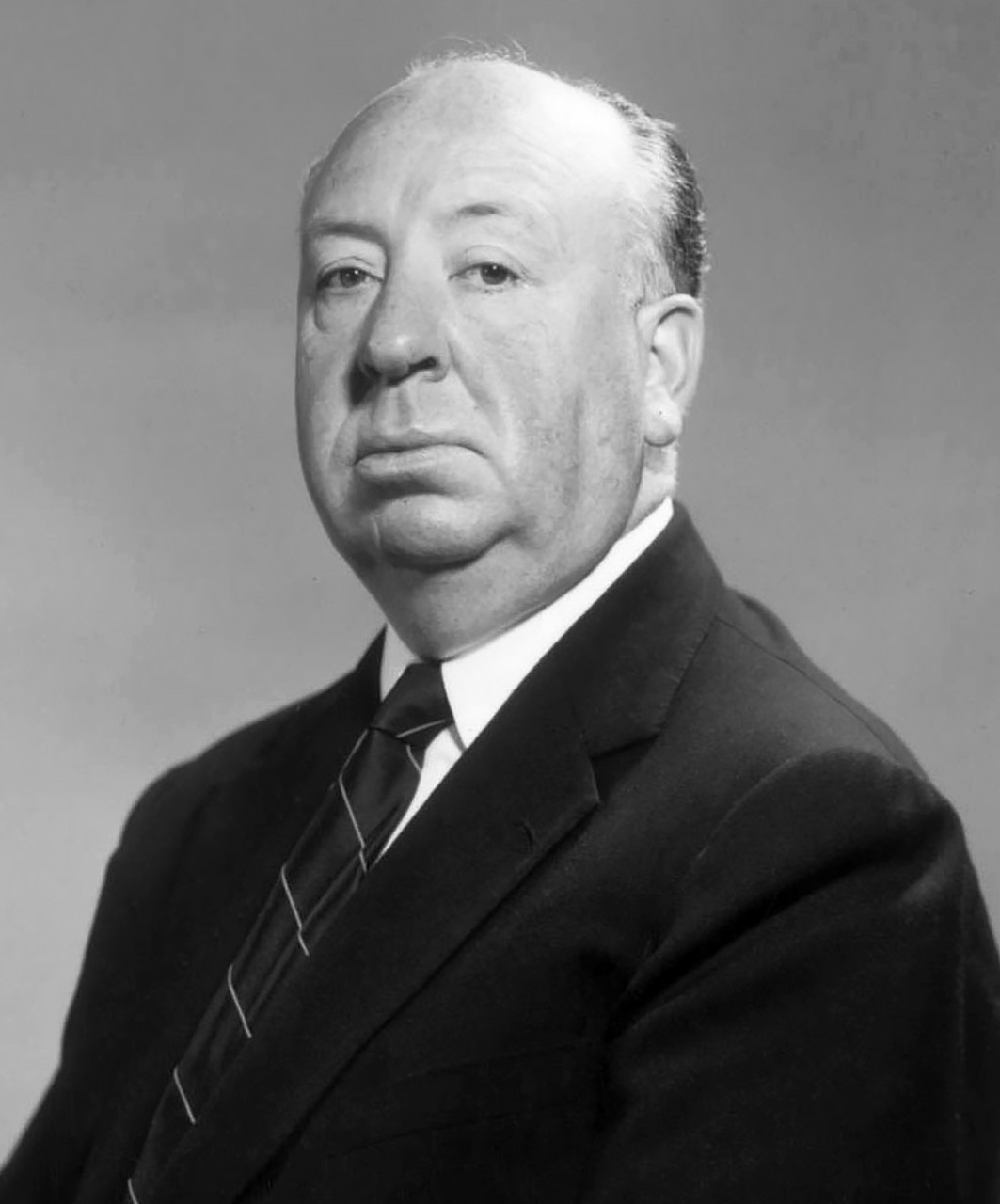
The “Master of Suspense” himself, Alfred Hitchcock, confessed to an unusual fear: eggs. His ovophobia made him recoil at the sight of their yolks, which he described as “disgusting and revolting.” This peculiar aversion found its way into his films, where food often symbolized psychological tension or hidden menace. Hitchcock’s fear revealed his fascination with the uncanny, the way something ordinary could hide something deeply unsettling, just as his movies did so masterfully.
7. Charles Darwin’s Fear of Public Speaking
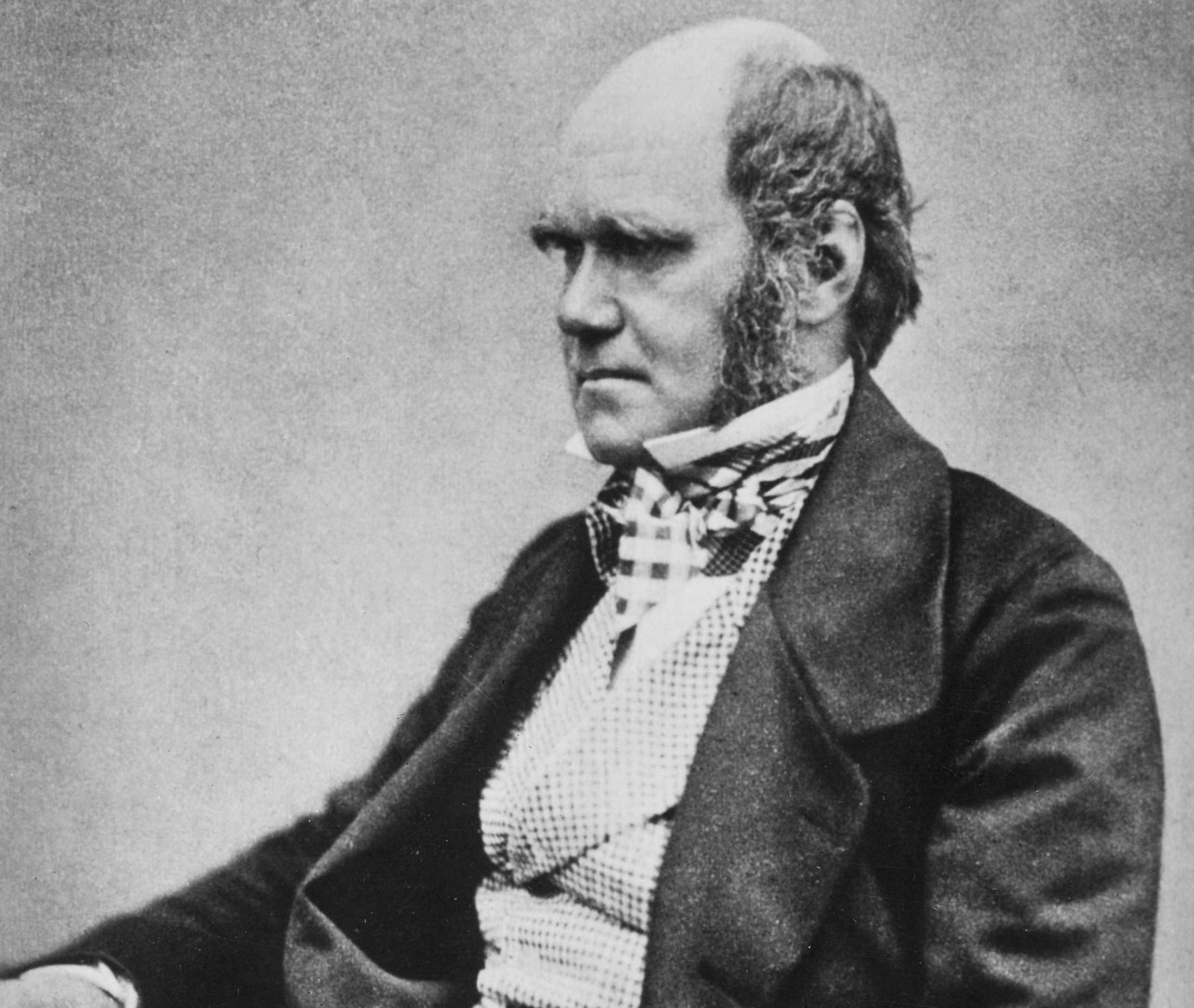
Charles Darwin changed the world’s understanding of life, yet he dreaded addressing people face-to-face. His glossophobia, or fear of public speaking, made him avoid lectures entirely. He preferred expressing his ideas through writing, where he could refine his thoughts without judgment. Scholars believe this fear stemmed from his shyness and constant self-doubt. Still, his quiet intellect proved that influence doesn’t require a loud voice; it requires conviction and persistence.
8. Joseph Stalin’s Fear of Flying
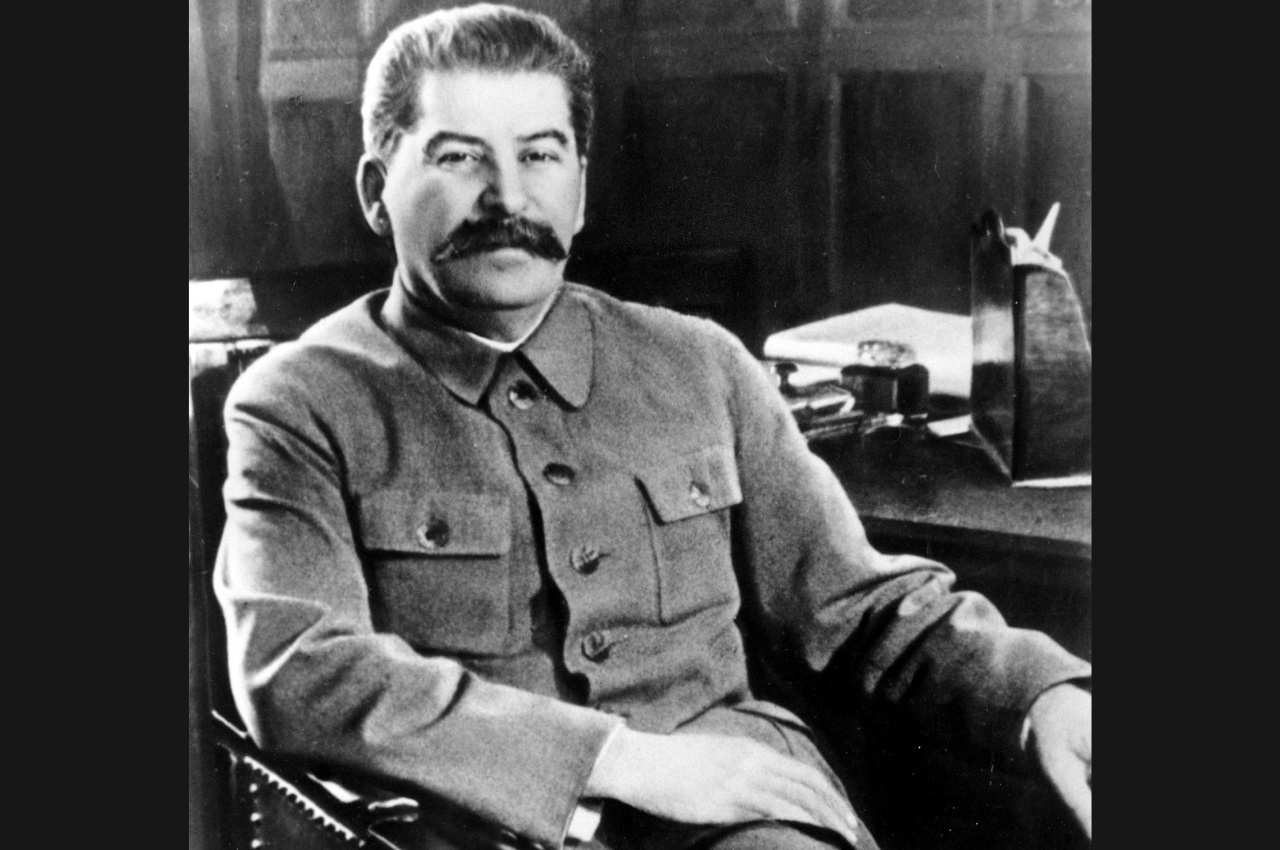
Despite commanding one of the world’s most powerful nations, Joseph Stalin feared flying. His aviophobia kept him grounded throughout his rule, preferring long train journeys that often took days. This fear was deeply tied to his obsessive desire for control and mistrust of technology. He couldn’t bear the thought of surrendering power to something beyond his grasp. For a man who dominated others through fear, it was the uncontrollable vastness of the sky that terrified him most.
9. Howard Hughes’ Fear of Germs
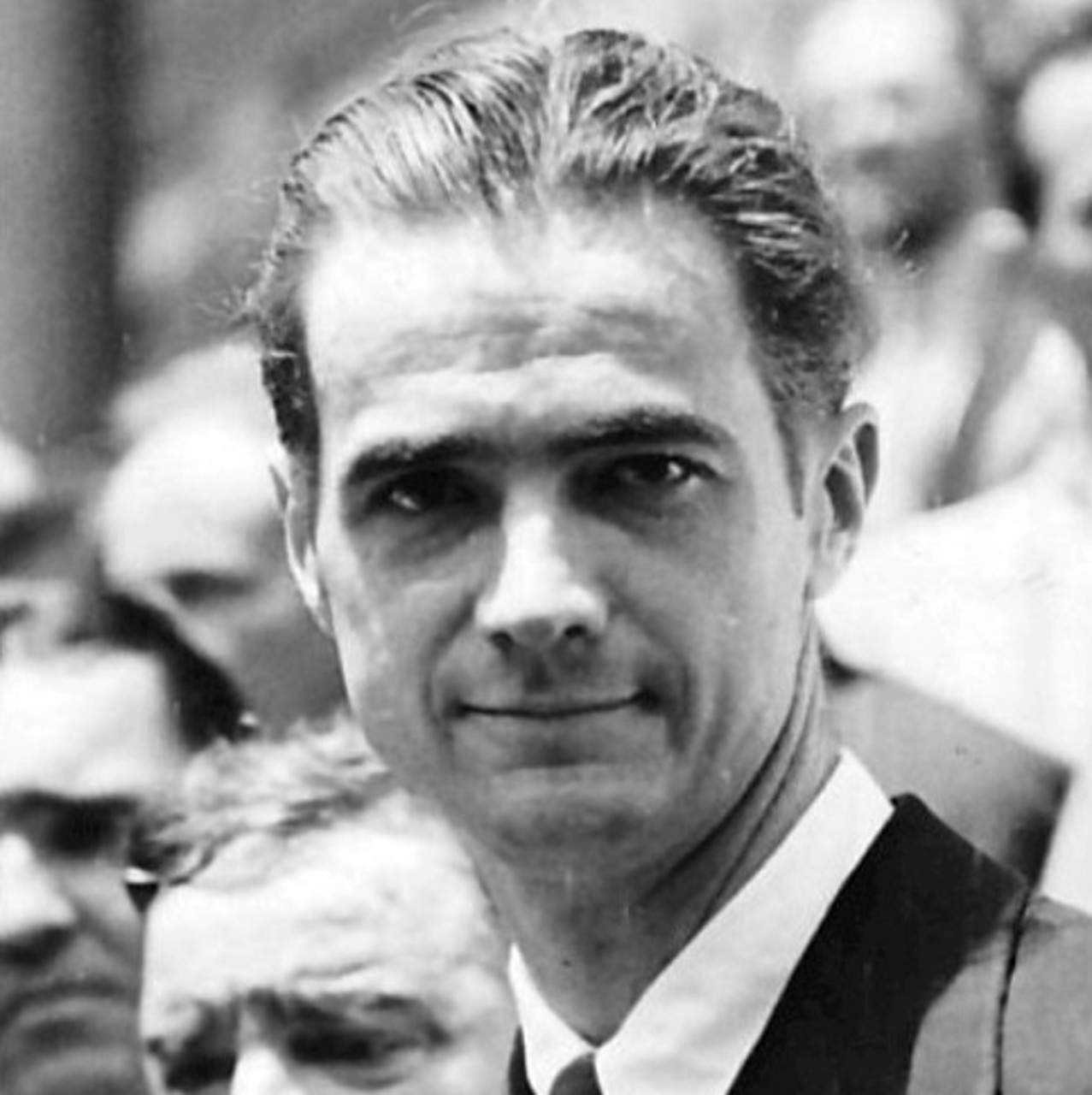
Howard Hughes, the reclusive billionaire and aviation visionary, was tormented by mysophobia the fear of germs, that ruled his later life. What began as a careful concern for cleanliness evolved into an all-consuming obsession. He locked himself away in dark hotel rooms, communicated through written notes, and avoided human touch entirely. His brilliance in aviation and engineering became eclipsed by paranoia and isolation, turning one of America’s greatest minds into a haunting symbol of genius undone by fear.
10. Isadora Duncan’s Fear of Conventional Clothing
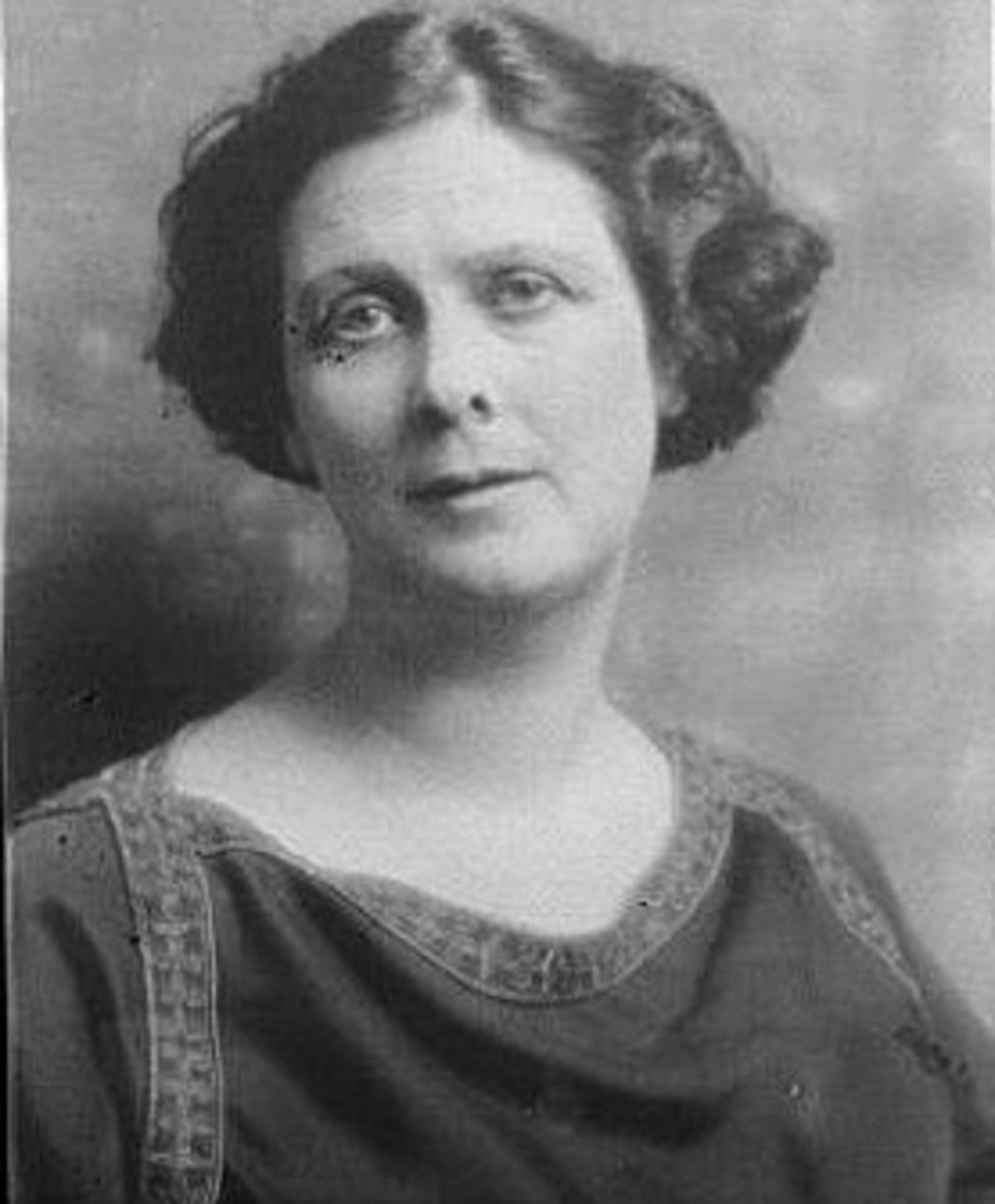
Isadora Duncan, hailed as the mother of modern dance, lived as freely as she moved. She suffered from vestiphobia, the fear of tight or restrictive clothing, which deeply influenced her art and identity. In an era defined by corsets and rigid formality, Duncan’s flowing Grecian tunics symbolized both rebellion and release. Her fear transformed into a philosophy of liberation, inspiring generations to see dance, dress, and self-expression as acts of defiance against suffocating convention.
11. Hans Christian Andersen’s Fear of Being Buried Alive
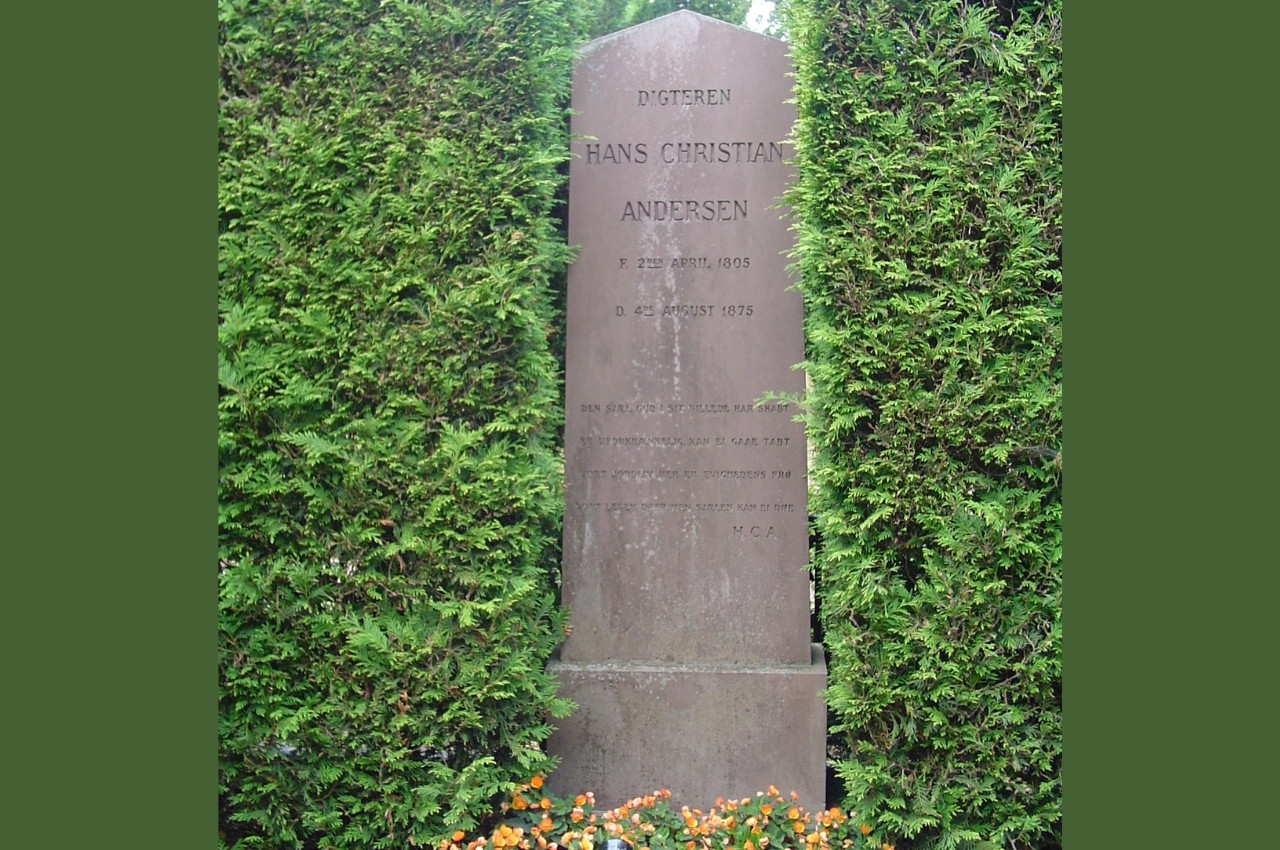
Hans Christian Andersen’s gentle imagination hid a haunting fear, taphophobia, the terror of being buried alive. In the 19th century, when medical certainty about death was far less reliable, this fear was not unfounded. Andersen was so consumed by it that he reportedly slept with a note beside his bed pleading for doctors to ensure he was truly dead before burial. This anxiety bled subtly into his fairy tales, where life, death, and transformation were recurring themes, giving his timeless stories an unsettling, almost ghostly edge.