

Rome’s Spanish Steps No-Sitting Rule
From selfie bottlenecks to beach noise limits, Europe’s tourist rules protect beauty, sleep, and shared space in surprising ways.
Europe’s most visited streets come with quiet rules that locals rarely need explained, but visitors can miss in the rush of sightseeing. Some ordinances protect ancient stone, some protect sleep, and others simply keep narrow places moving when crowds swell. Taken together, they reveal a simple truth: a great trip is not only about seeing beauty, but about leaving it undisturbed.
Portofino’s No-Waiting Selfie Zones
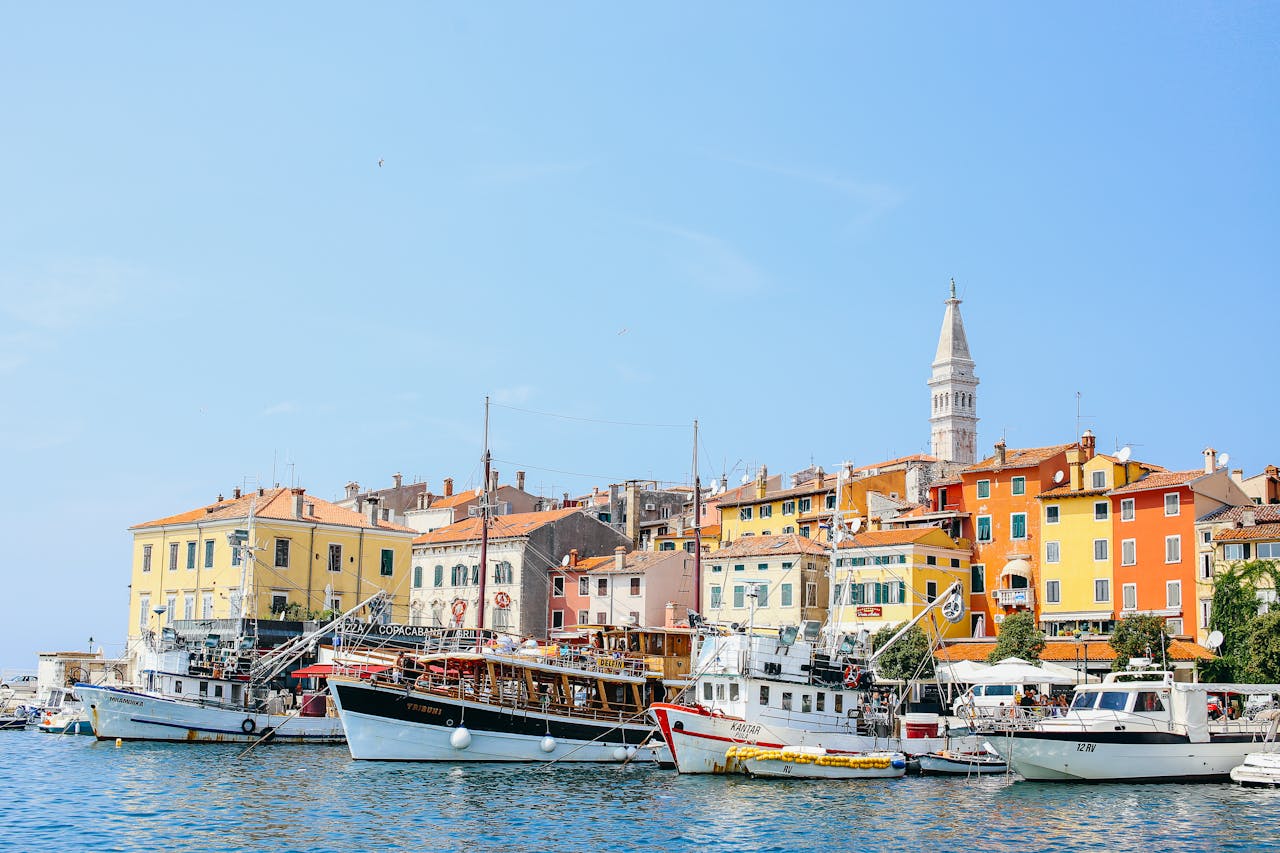
Portofino’s waterfront lanes are so tight that a few paused selfie sessions can back up the whole quay when tour groups arrive together and boats unload passengers nearby in quick bursts. To keep the promenade moving, the town marked summer no-waiting zones in its busiest photo spots, and officers can fine visitors for lingering and blocking foot traffic, with penalties often cited around €270. The idea is simple: photos are welcome, but the village still needs clear space for ferries, scooters, strollers, emergency access, and the everyday deliveries that keep cafés and shops running.
Portugal’s Beach Speaker Limits
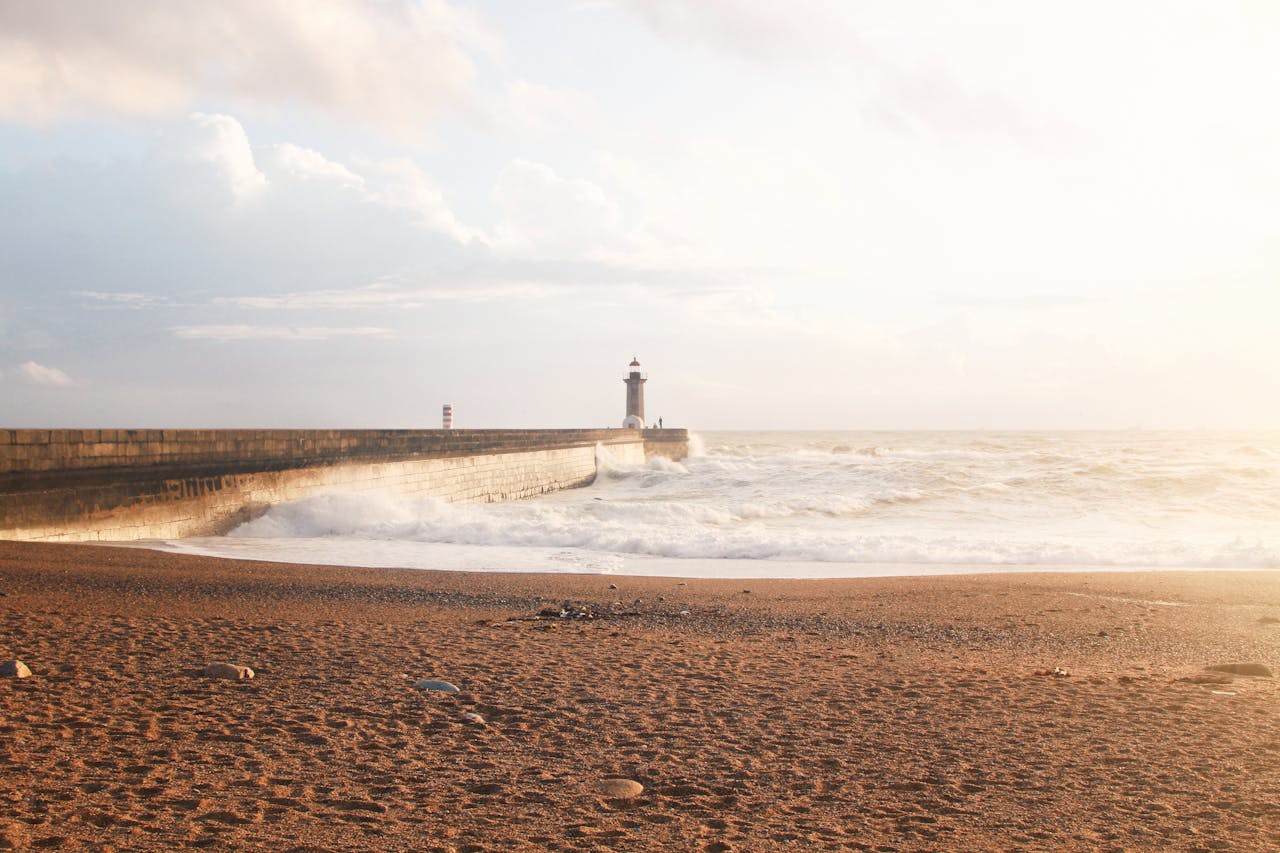
Portugal’s beaches trade on quiet, and that quiet disappears fast when speakers turn a public shoreline into someone’s private playlist that carries far beyond one umbrella and into nearby cafés and homes. The National Maritime Authority has warned that disruptive noise and sound equipment that disturb others can bring steep administrative penalties, with published ranges that can reach about €36,000 for groups and lower tiers for individuals. It is a boundary meant to keep the ocean audible, protect families and residents nearby, and stop one loud setup from dictating the mood of an entire stretch of sand.
Venice’s Canal-Side Picnic Restrictions
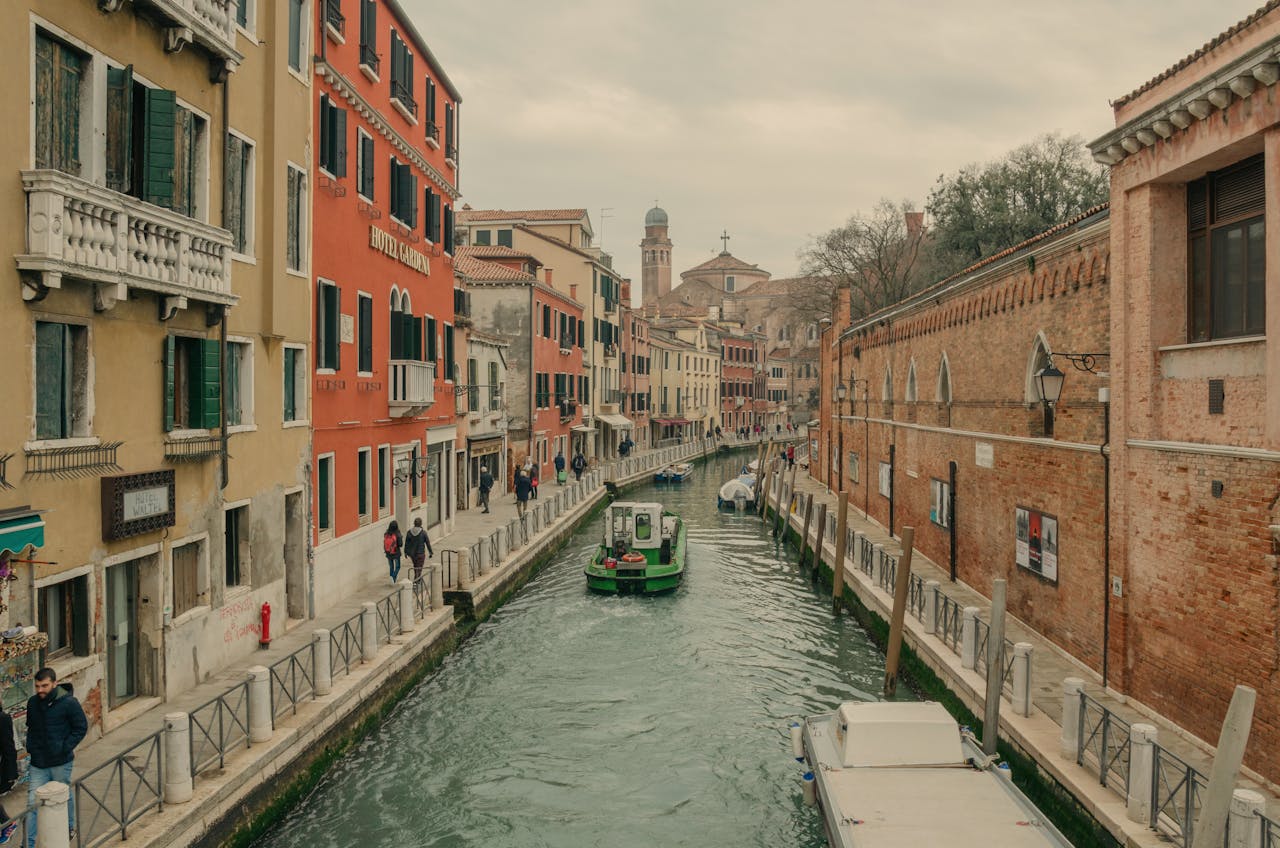
Venice restricts picnicking and sitting on the ground to eat or drink in sensitive areas near major landmarks, where narrow walkways, bridges, and fragile stone leave little room for spills, crumbs, and clutter. The city has enforced these rules after episodes where visitors treated canal edges like campsites, including cooking with portable stoves near the Rialto and lingering with takeout on steps and ledges. It is less about judging lunch and more about keeping a dense corridor passable, clean, and safe, so residents can move through their own neighborhood without weaving around a tourist picnic line.
Rome’s Spanish Steps No-Sitting Rule
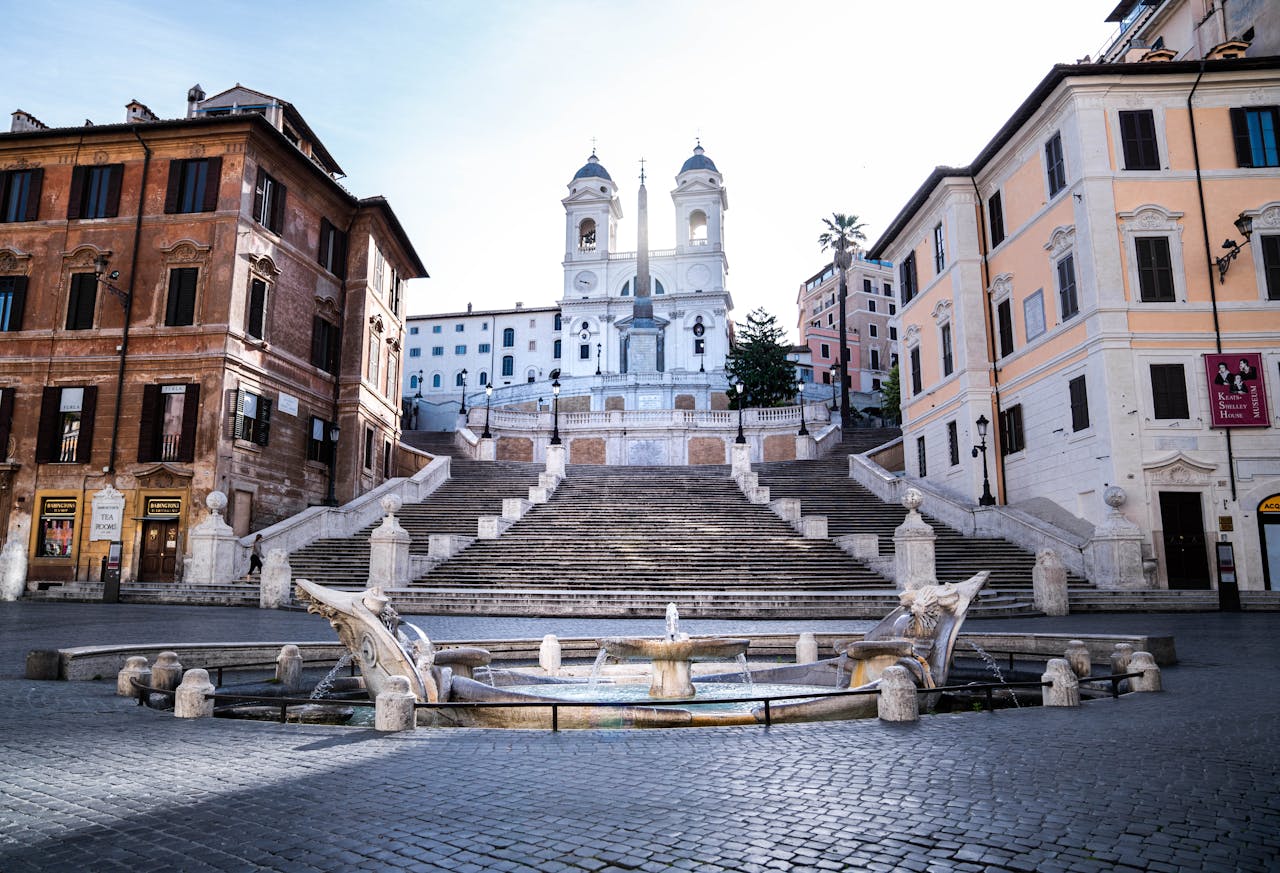
Rome treats the Spanish Steps as a protected monument, so sitting there and eating or drinking on the steps is prohibited to limit wear, stains, and litter in one of the city’s most crowded corners. Fines are widely reported as high as €400, and enforcement tends to rise during peak months when the steps become a natural waiting room for tours, meetups, and sunset photos. The rule can feel strict, yet the math is obvious: thousands of quick breaks every day grind down travertine, and cleaning sticky spills from carved stone is far harder than asking people to rest a few meters away on nearby benches or plazas.
Rome’s Fountain Cooling-Off Fines

Rome fines visitors who enter or dip feet in landmark fountains, including Trevi, because the city sees it as harm to heritage rather than harmless relief when summer heat makes the water look inviting. Penalties are commonly reported around €500, and repeat behavior can bring added consequences, especially at heavily monitored sites where staff intervene quickly. The practical reasons are immediate: sunscreen and grit foul the water, maintenance shifts from care to cleanup, and one person’s splash can spark a copycat wave that crowds the basin and turns a monument into a backdrop for attention-seeking posts.
Cinque Terre’s Flip-Flop Trail Rule
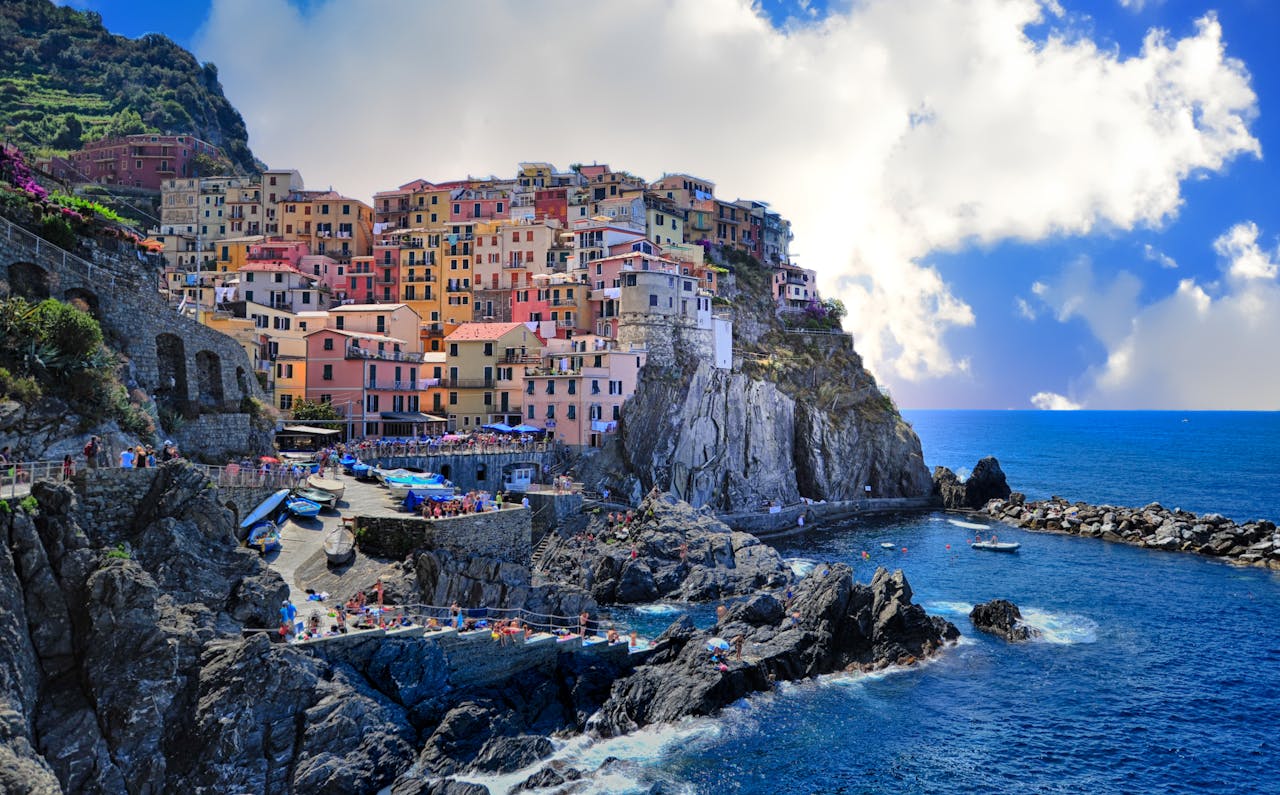
Cinque Terre warns that open or smooth-soled footwear, including flip-flops, is not allowed on certain hiking paths, and checks can happen during busy periods when the trails are packed and the margins are slim. Reported fines range from €50 up to €2,500, because the park treats footwear as a safety requirement on steep, uneven sections with loose rock, sudden steps, and slick shade. A slip on a narrow ledge can trigger rescues and temporary closures that ripple through the whole area, so the rule protects hikers, local responders, and the small villages below that depend on predictable access.
Greece’s High-Heel Ban at Ancient Sites

Greece banned high heels at major archaeological sites in 2009, including places like the Acropolis, to stop sharp tips from gouging marble and worn stone that cannot be replaced once chipped. The rule also reduces falls on slick surfaces, which matters when crowds move through tight paths, uneven steps, and sun-polished slabs that can surprise even careful walkers. It sounds picky until you picture thousands of pointed steps, day after day, causing lasting damages that would be slow, quiet, and irreversible.
Florence’s Sidewalk Snacking Limits
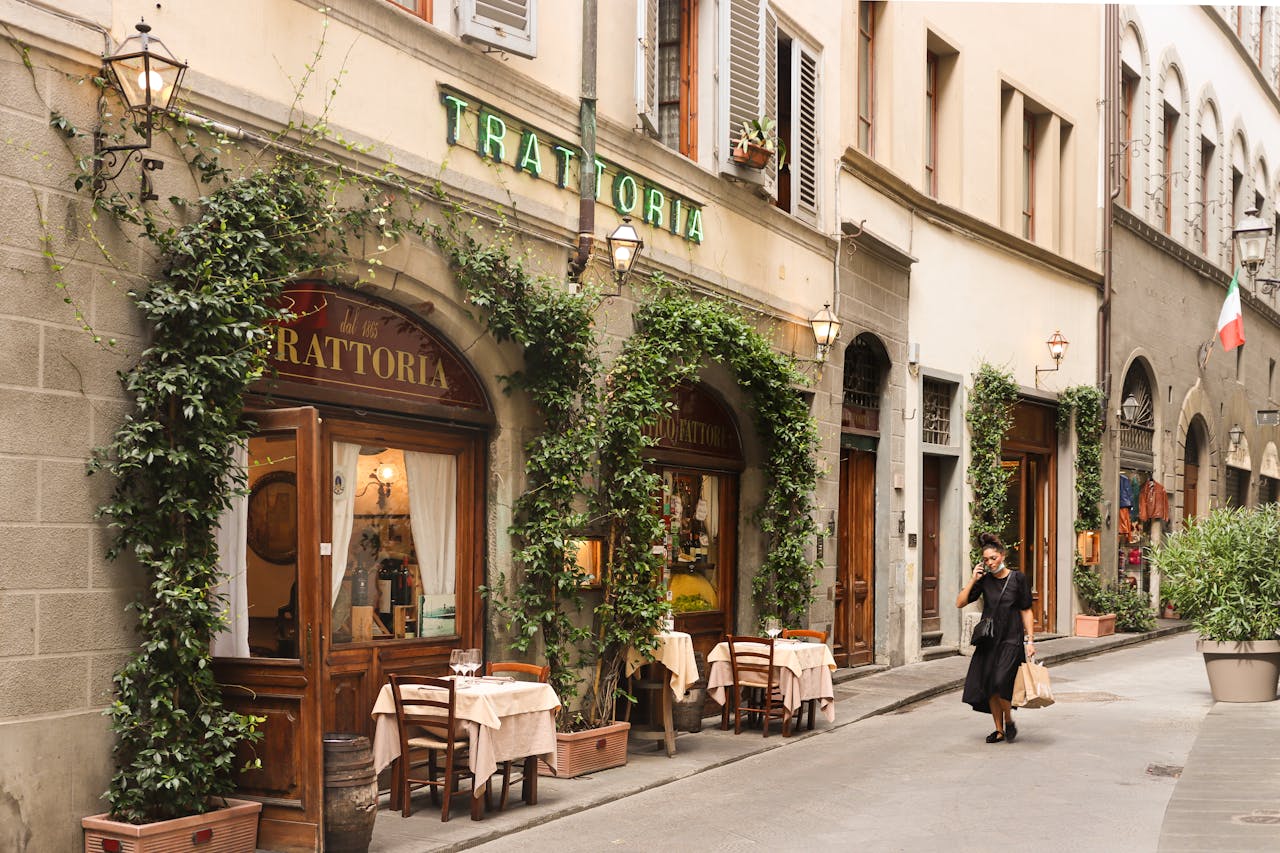
Florence limits eating while paused on sidewalks, doorsteps, and certain lanes in the historic center during busy hours to curb litter and keep narrow passages moving on streets laid out long before modern crowds. Fines have reached up to €500, especially where takeout clusters block entrances, press into doorways, and leave grease marks and wrappers on stone ledges. It’s not anti-street-food; it’s a practical push to eat without turning alleys into sticky bottlenecks, so residents and visitors can pass through with ease.
Prague’s Night Pub-Crawl Restriction
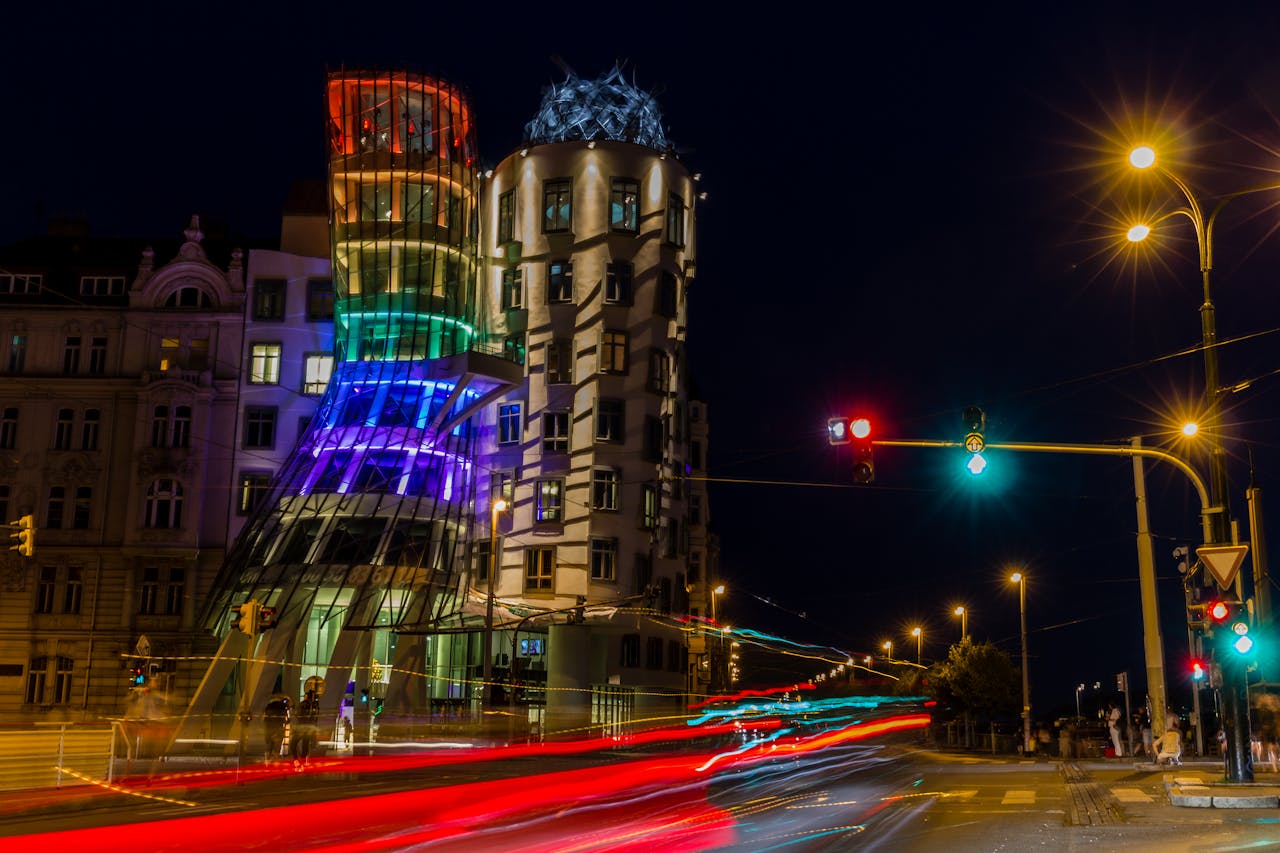
Prague approved limits on organized pub crawls during late hours to curb noise that travels through the old center like an echo chamber. Operators can face penalties around 100,000 koruna, while typical nightlife and individual bar-hopping remain legal and enjoyable. The aim is to reduce chanting and stop-and-go crowds outside bedrooms, so the city stays lively without turning historic lanes into a nightly obstacle course for sleepers.
Dubrovnik’s No-Swimwear-in-Town Rule
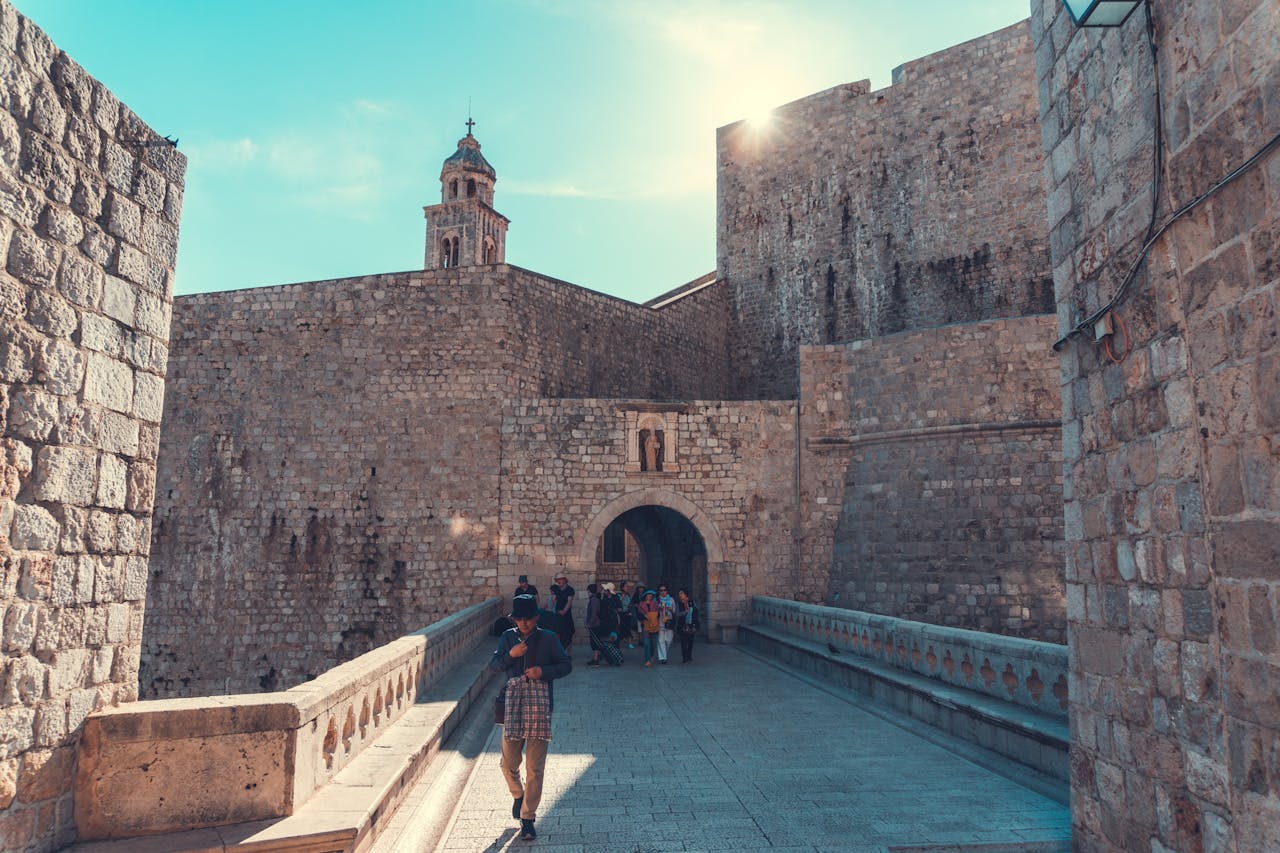
Dubrovnik warns against strolling through the Old Town in beachwear, drawing a clear line between seaside attire and the streets of a historic center that houses churches, museums, and family-run eateries. Fines may apply when visitors treat the city like a boardwalk, especially near entrances where crowds funnel in from the waterfront in summer. The expectation is simple: cover up for town, then return to the sea, so public spaces feel respectful for residents, staff, and other travelers who did not come to dine beside someone in a bathing suit.
Amsterdam’s Red Light District No-Photo Norm
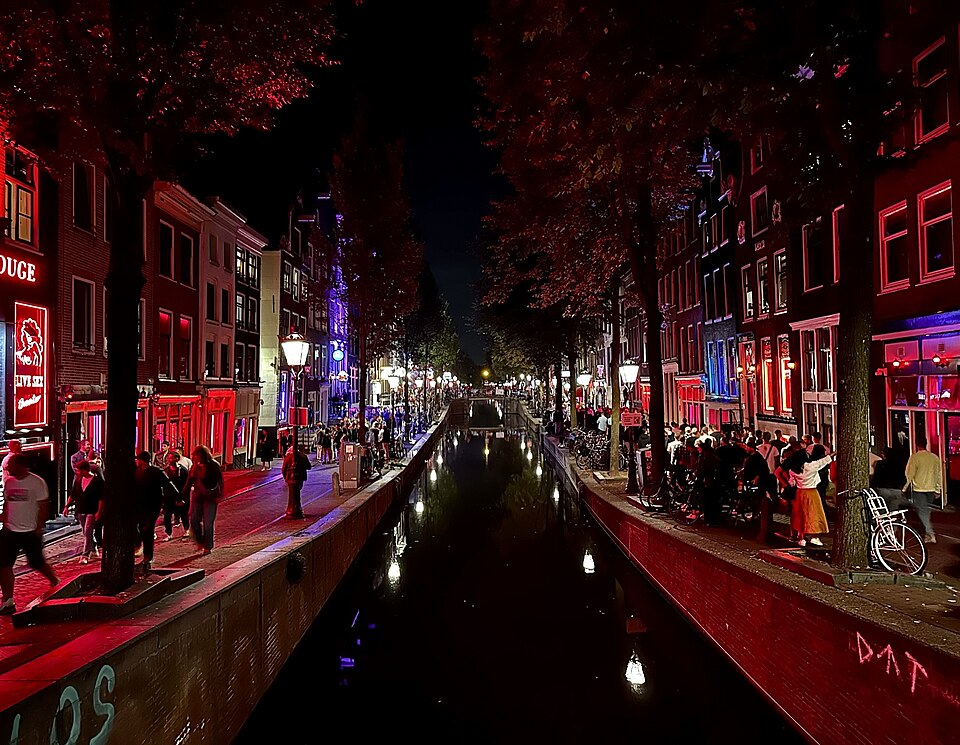
Amsterdam’s Red Light District enforces a firm norm against photographing workers in windows, with signs, local reminders, and quick interventions when cameras appear in the crowd on busy nights. The reason is direct: images spread instantly, and one photo can expose identities, invite unwanted attention, and follow a person long after a visit to the canals. It is a rule about dignity and safety in a nightlife zone that draws curiosity, and it asks visitors to enjoy the area without turning anyone into a collectible for group chats, travel reels, and social feeds.