

Long before Jackie Robinson made history on a Major League Baseball field, Black athletes were quietly and courageously breaking barriers in sports around the world. From boxing rings and cycling tracks to Olympic arenas, football fields, and tennis courts, these pioneers faced constant discrimination, limited opportunities, and social prejudice. Yet they competed with skill, determination, and resilience, opening doors for future generations. Their remarkable stories show that the fight for equality in athletics began long before Robinson’s celebrated debut, and their achievements laid the foundation for progress that continues today.
1. Moses Fleetwood Walker
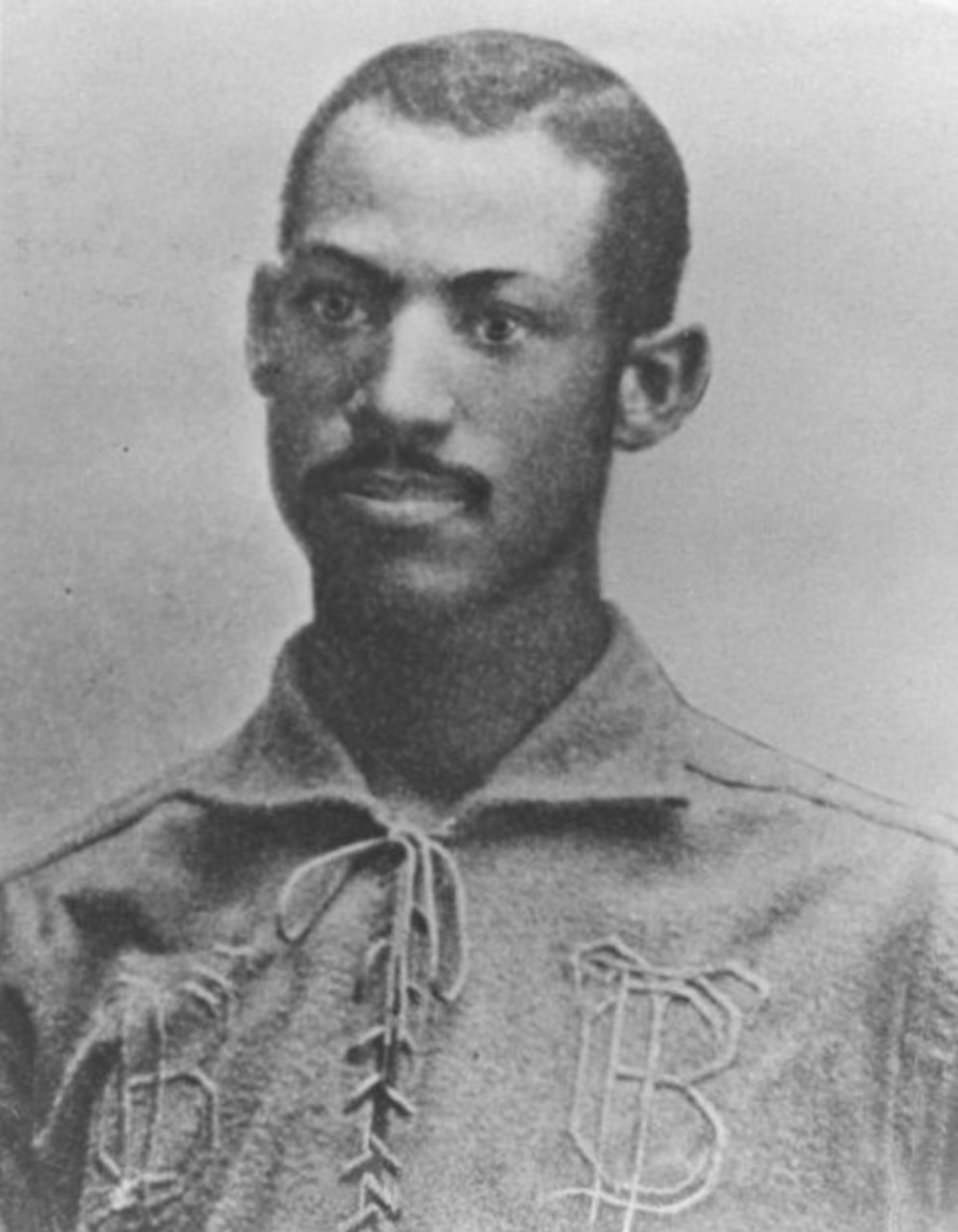
In 1884, Moses Fleetwood Walker became the first openly Black player in Major League Baseball, playing for the Toledo Blue Stockings. Despite facing relentless racial prejudice from fans, teammates, and the press, Walker showcased his exceptional skill as a catcher and hitter. His presence challenged the entrenched color barriers in baseball decades before Robinson. Though his career was short, Walker’s courage and talent made him a pioneer, laying the groundwork for integration in America’s pastime.
2. Marshall Taylor
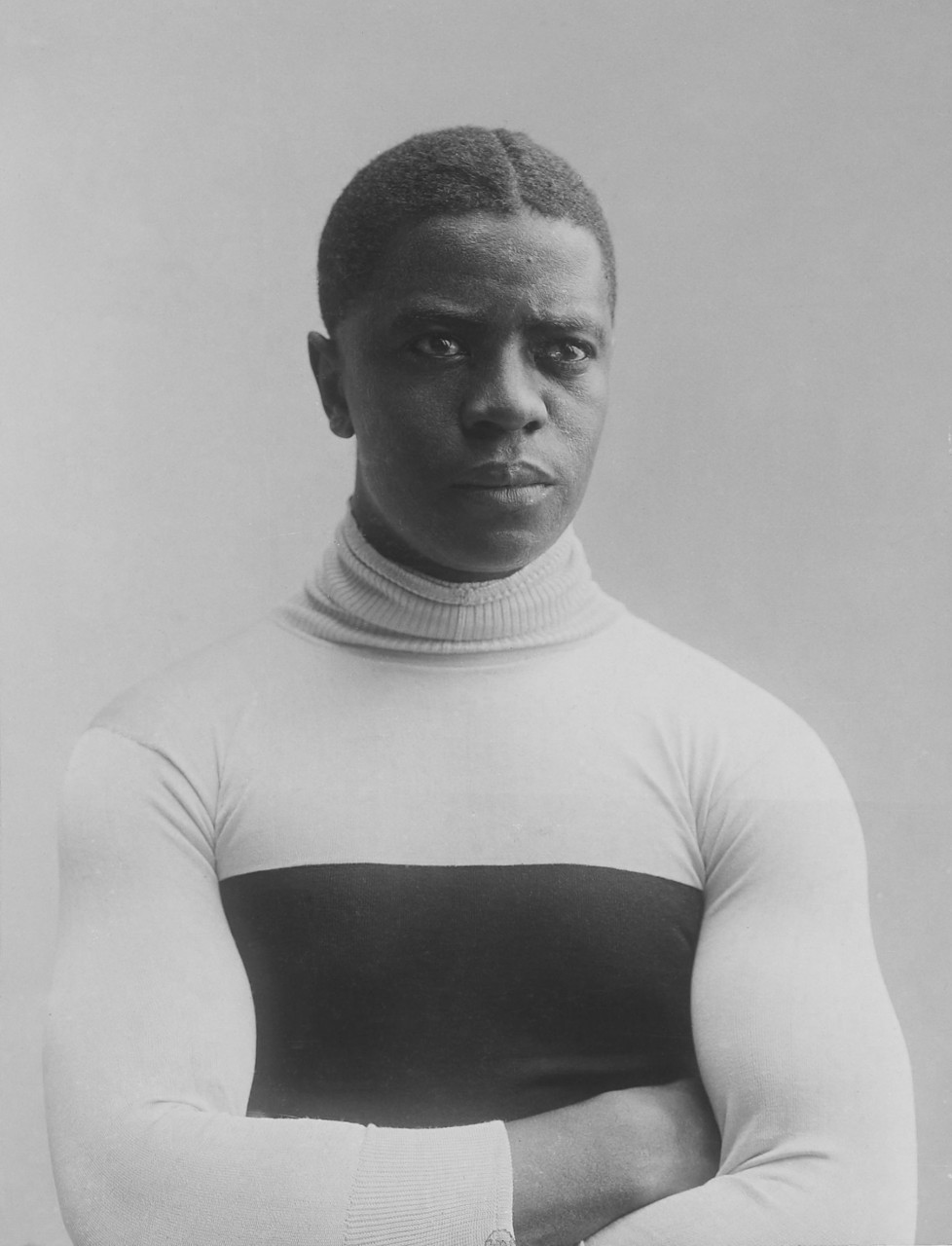
Marshall Taylor rose to prominence in the 1890s as a world champion cyclist. Known for his incredible speed and strategic intelligence on the track, Taylor faced constant racial discrimination, including boycotts and threats from competitors. He dominated international races, winning the world sprint championship in 1899. Taylor’s success demonstrated that Black athletes could compete and excel at the highest levels, inspiring future generations to pursue excellence despite societal barriers.
3. Bill Richmond
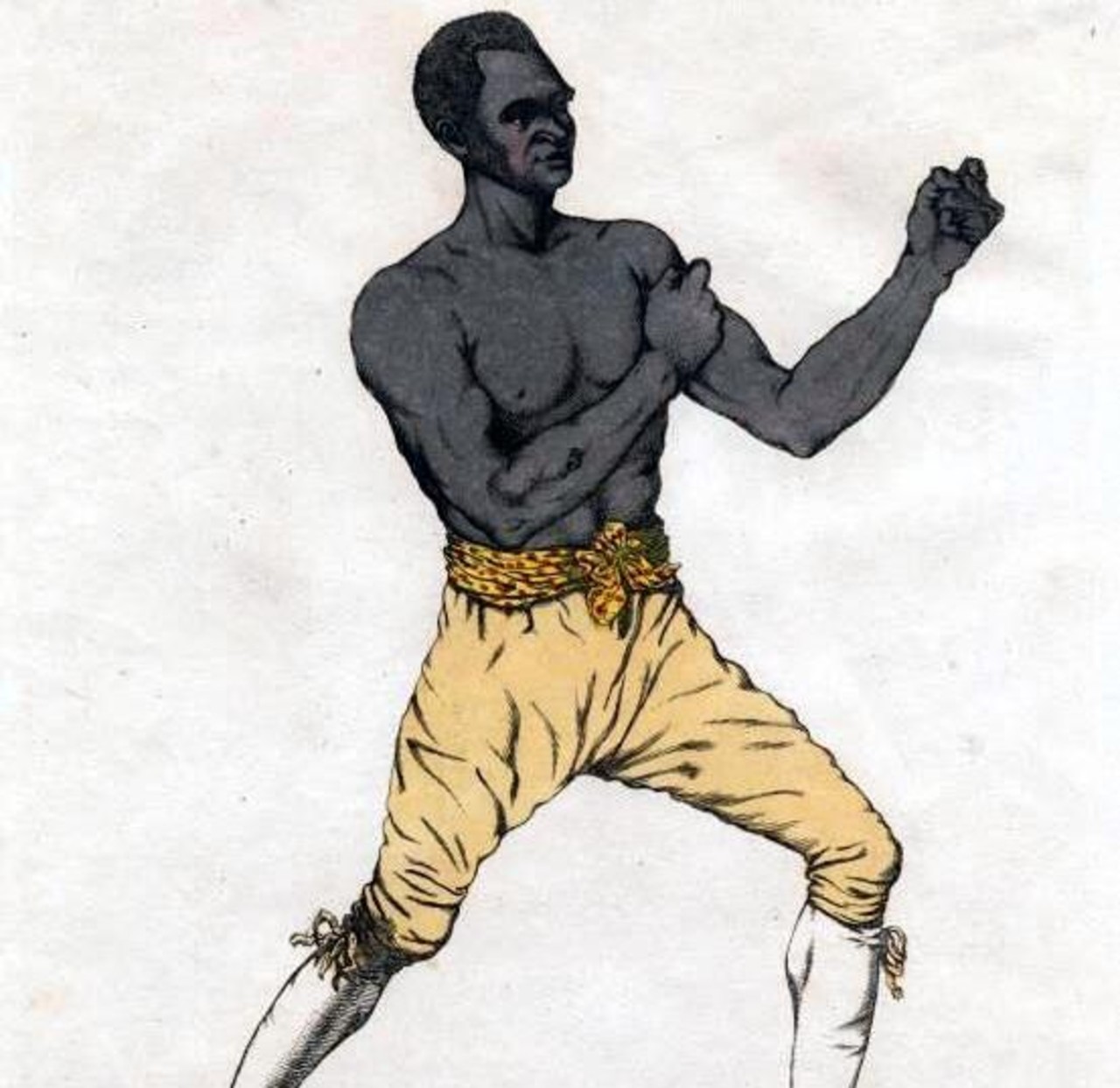
Bill Richmond became one of the most celebrated boxers of the early 1800s, building a reputation in England for his strength, skill, and strategic brilliance in the ring. Competing against some of the era’s toughest fighters, he earned respect not only for his victories but also for his sportsmanship and discipline. Richmond defied racial prejudice, showing that Black athletes could rise to prominence through talent and determination. His remarkable career challenged societal norms and inspired generations to pursue excellence against all odds.
4. George Dixon
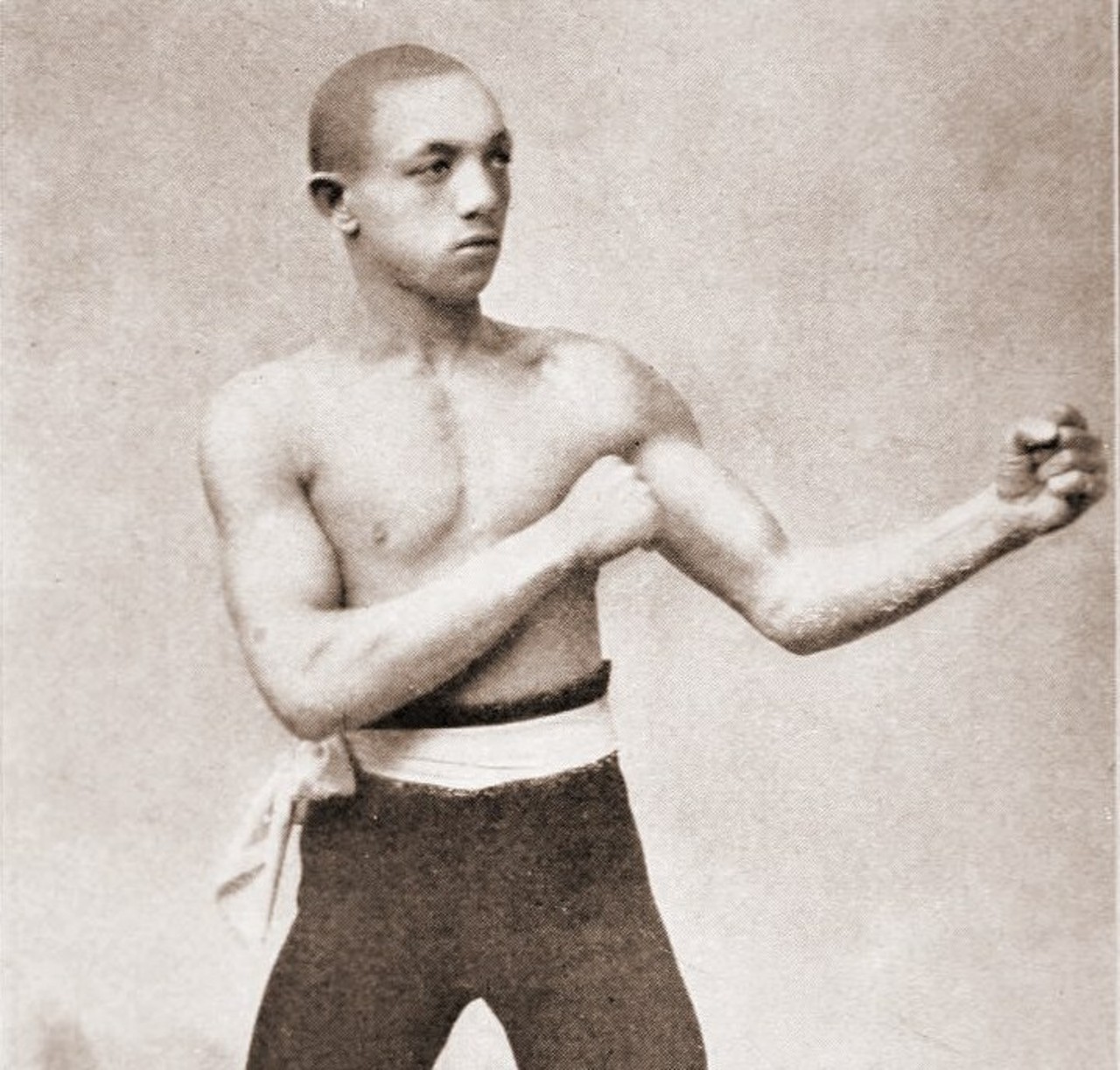
George Dixon, a Canadian boxer in the late 19th century, made history as the first Black world champion, winning the bantamweight title in 1890. His agility, precision, and relentless training set him apart in a sport dominated by white competitors. Dixon’s victories extended beyond personal glory; they challenged racial stereotypes and inspired countless young Black athletes. His ability to maintain dignity and excellence in the face of discrimination left a lasting mark on boxing history.
5. Isaac Murphy
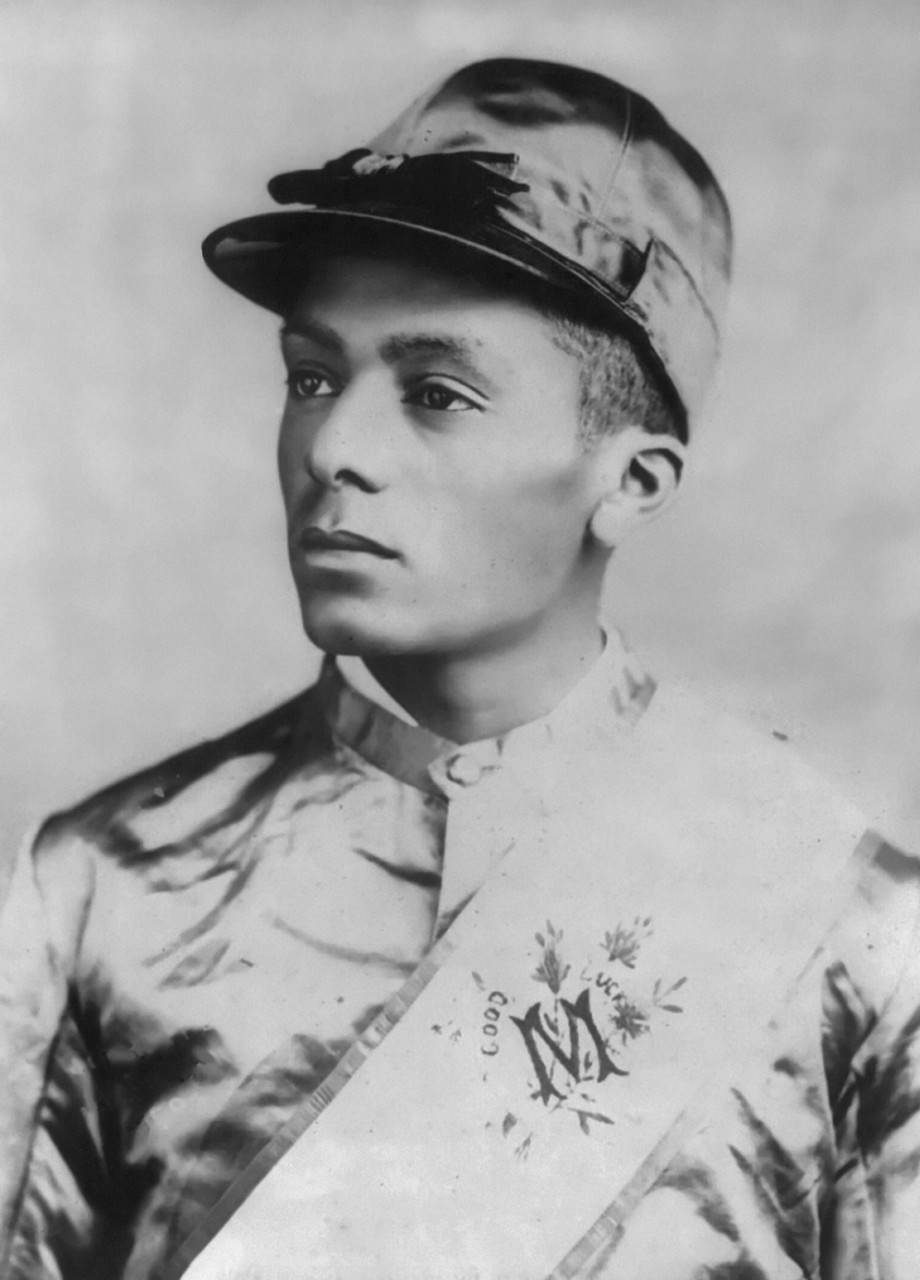
Isaac Murphy, a freed slave turned jockey, dominated horse racing in the late 1800s. Known for his calm demeanor and strategic brilliance, he won the Kentucky Derby three times, a record that still stands unmatched among Black riders. Murphy often faced prejudice and dangerous conditions but maintained unmatched focus and consistency. His legacy illustrates how skill and determination could overcome racial barriers, making him one of the most celebrated athletes of his time.
6. Charles Follis
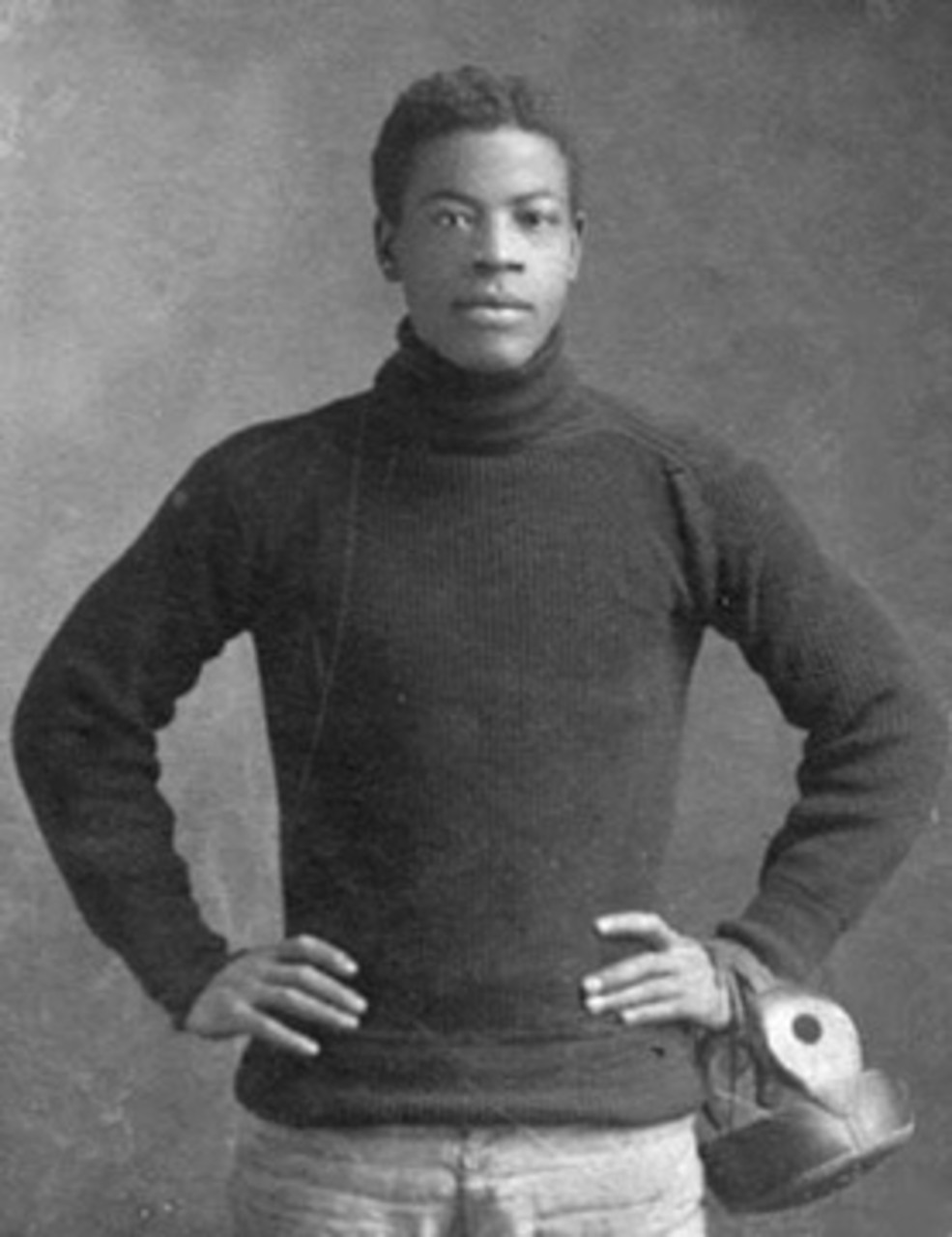
Charles Follis broke new ground in early 1900s American football, becoming the first Black professional player. Nicknamed “The Black Cyclone,” he played for the Shelby Blues in Ohio and was admired for his speed, strength, and leadership on the field. Follis excelled despite facing hostility from opponents and limited opportunities due to segregation. His pioneering role opened doors for Black athletes in professional football, laying a foundation for future integration in the sport.
7. Paul Robeson
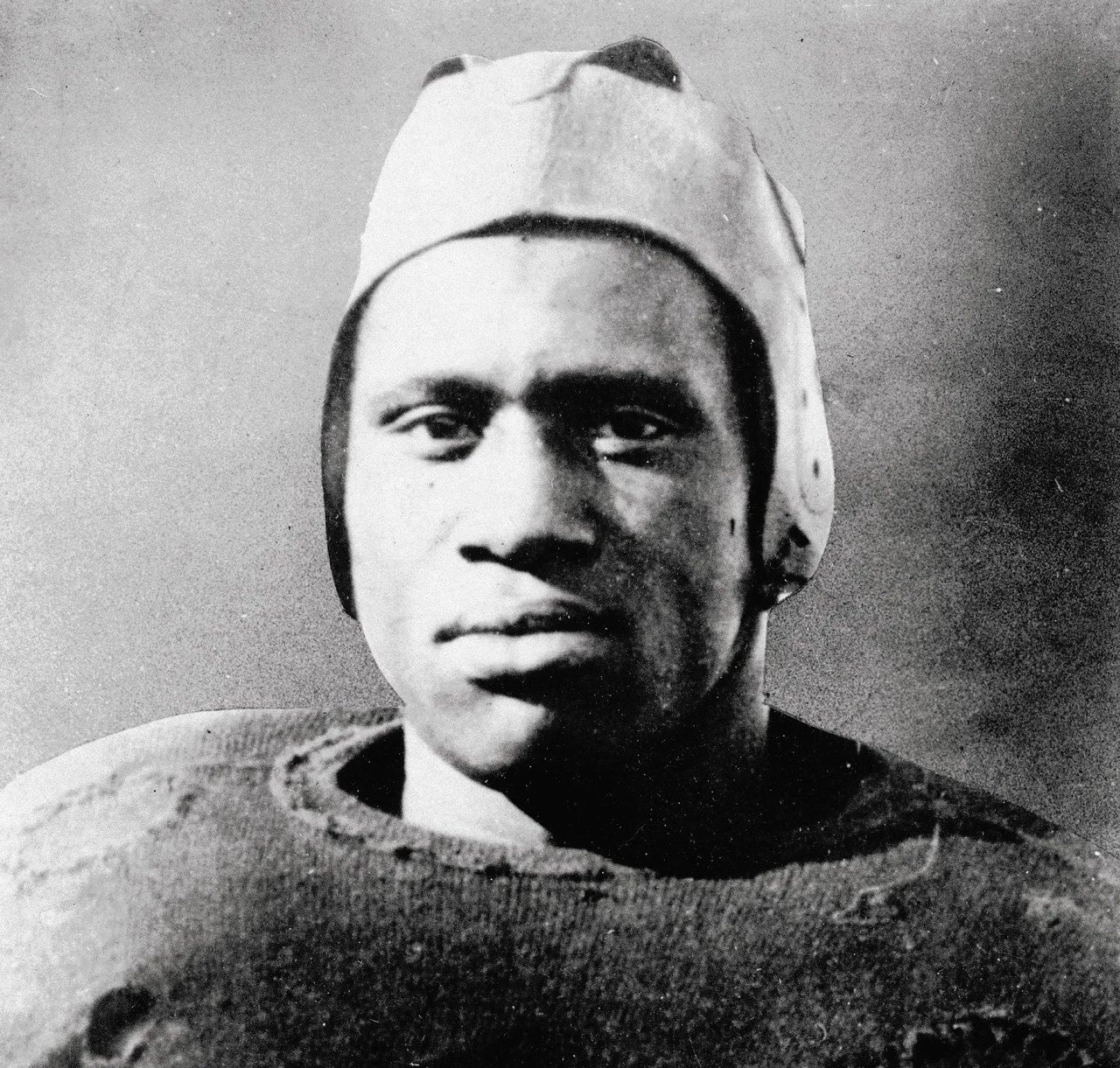
Before becoming an internationally renowned singer, actor, and activist, Paul Robeson was an exceptional athlete at Rutgers University. Excelling in football, he earned All-American honors for his speed, strength, and skill. Robeson’s athletic achievements challenged prevailing racial stereotypes and showcased the intellectual and physical capabilities of Black Americans. His success on the field foreshadowed a life dedicated to breaking barriers in both sports and society, inspiring generations of athletes and activists.
8. Fritz Pollard
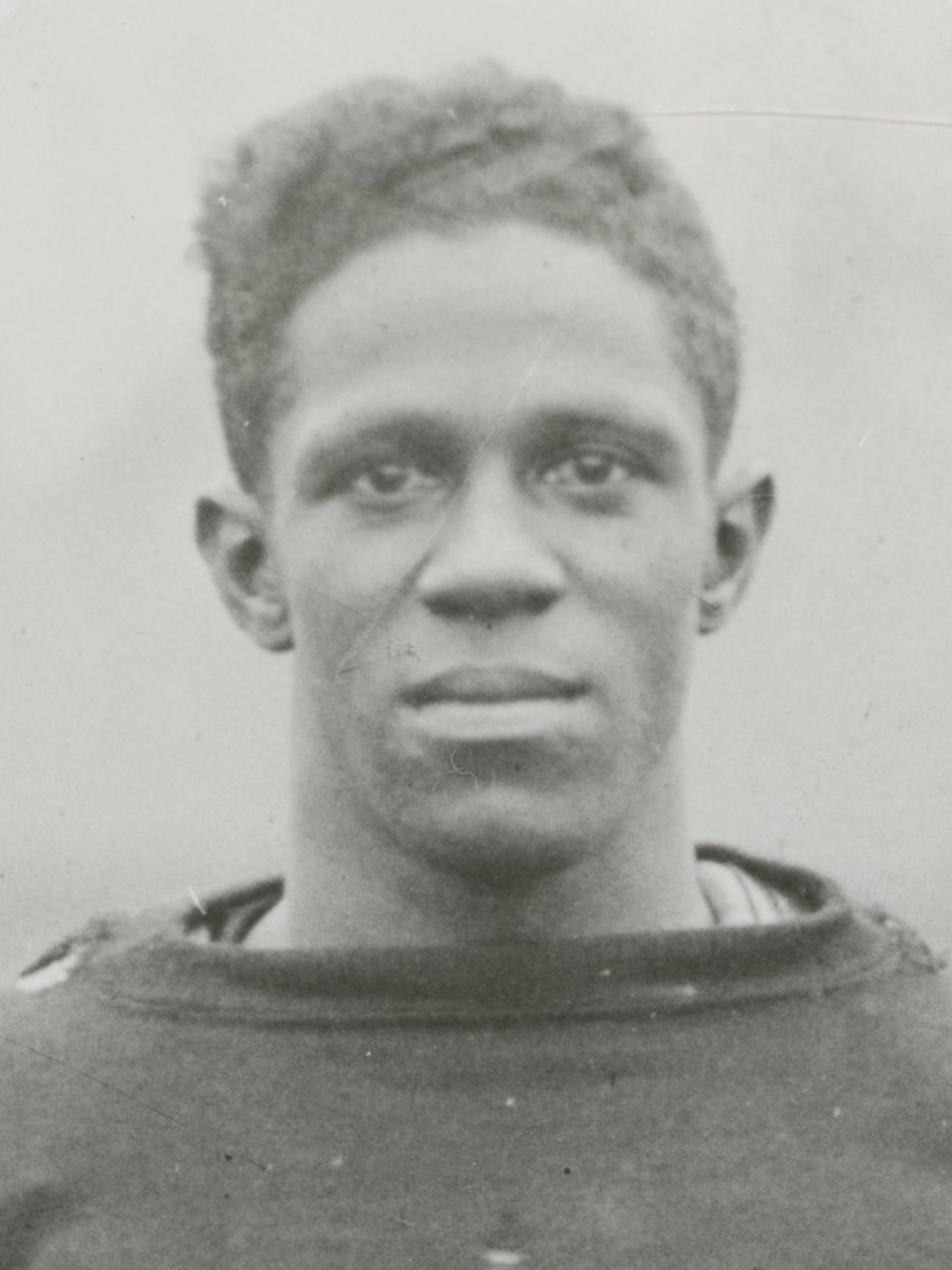
Fritz Pollard became one of the first Black players and later the first Black coach in professional football during the 1910s and 1920s. Playing in the early National Football League, he dazzled with speed, agility, and strategic awareness, often outperforming opponents despite facing segregation and discrimination. Pollard’s resilience on and off the field helped challenge racial barriers in football and inspired future generations to pursue leadership roles in the sport, proving talent and determination could triumph over prejudice.
9. Tidye Pickett
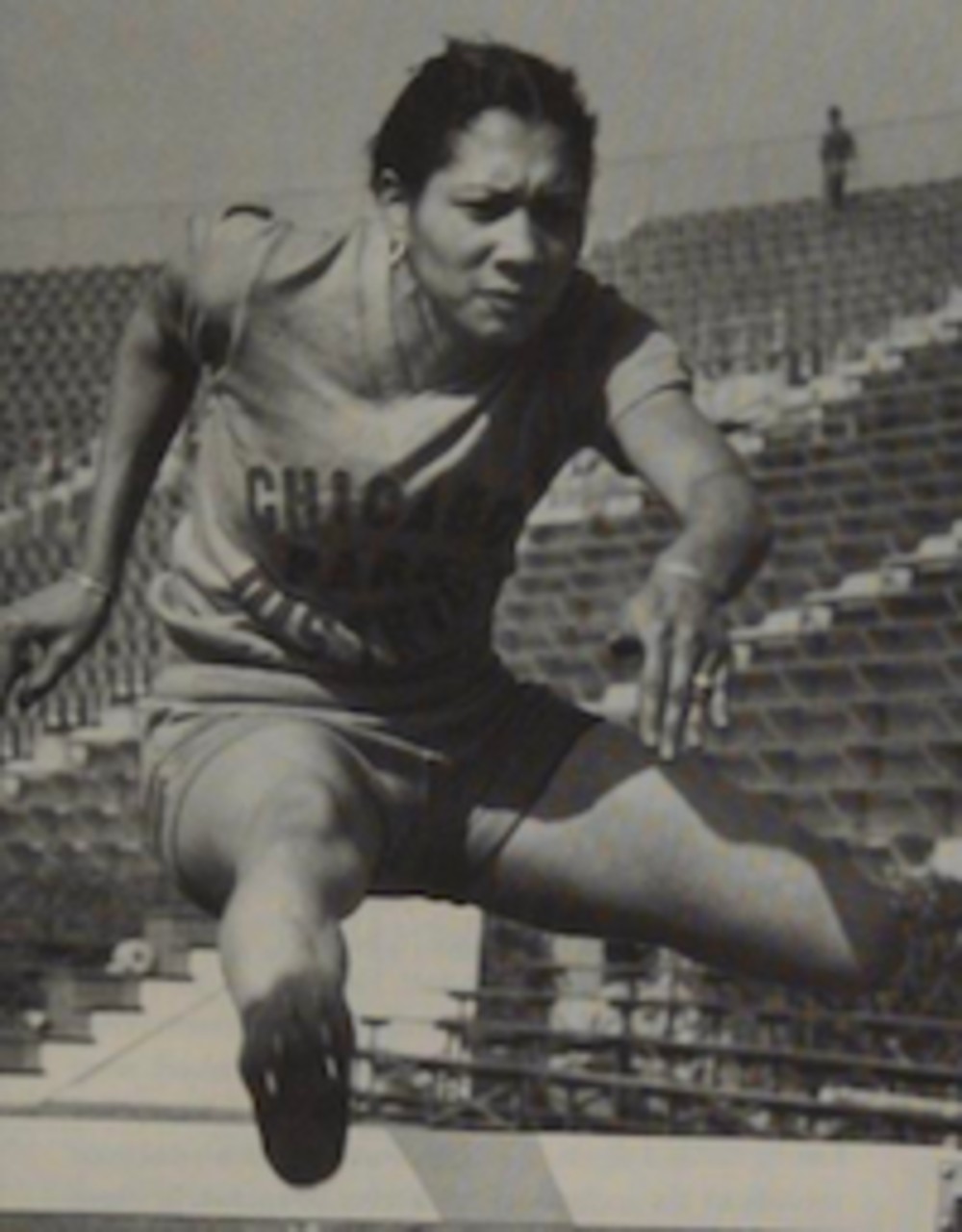
Tidye Pickett broke barriers as the first Black woman to compete in the Olympic Games in 1936. A talented track and field athlete, she faced immense challenges, including limited access to training facilities and pervasive racial and gender discrimination. Despite these obstacles, Pickett represented the United States on the world stage, inspiring countless young women to pursue athletics. Her courage and determination helped pave the way for Black female athletes to achieve recognition and success in competitive sports.
10. Rube Foster
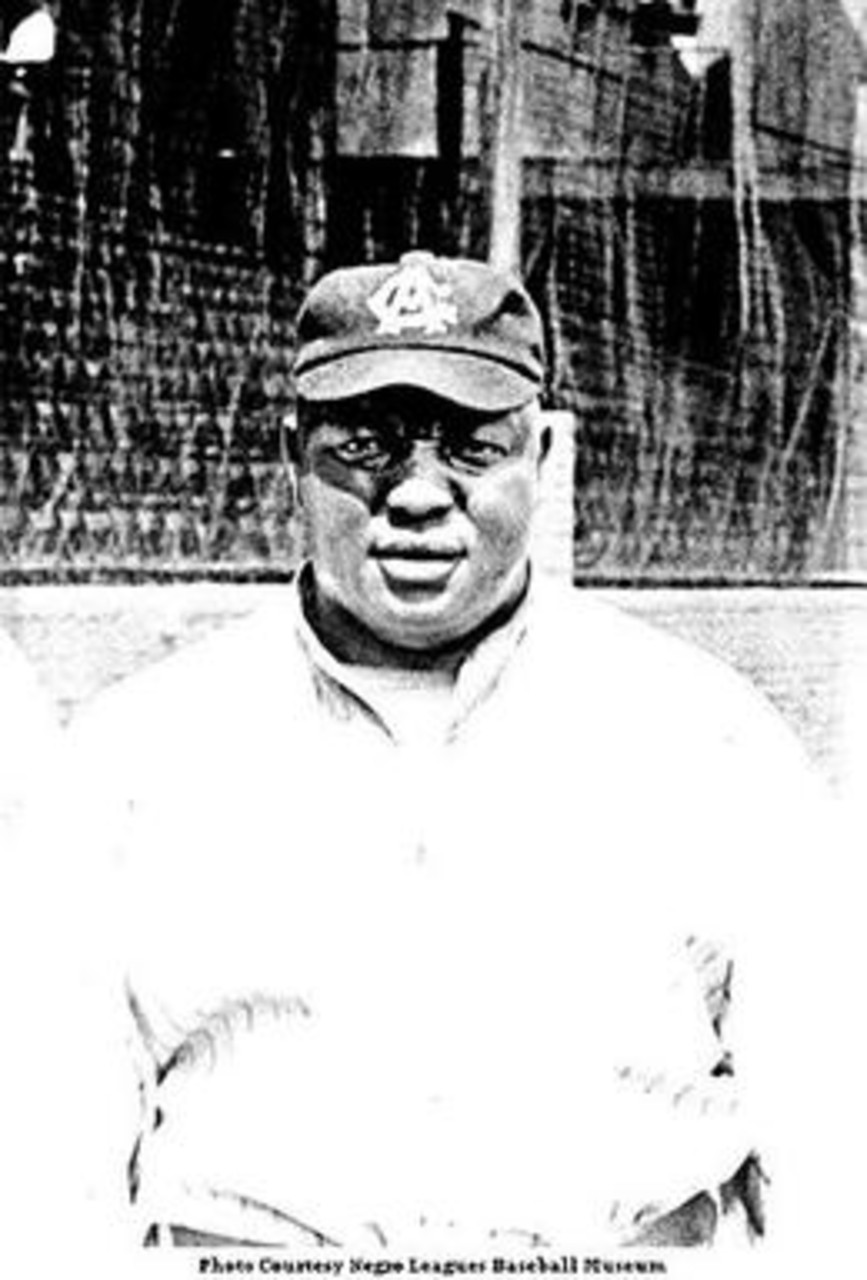
Rube Foster was a visionary pitcher, manager, and organizer who founded the Negro National League in 1920. As a player, he dominated the field, but his greatest impact came as a leader, creating a professional platform for Black baseball players excluded from Major League Baseball. Foster’s commitment to fair competition, strategic excellence, and community development elevated the status of Black athletes. His work ensured that talent could thrive despite segregation, leaving an enduring legacy in baseball history.
11. Althea Gibson
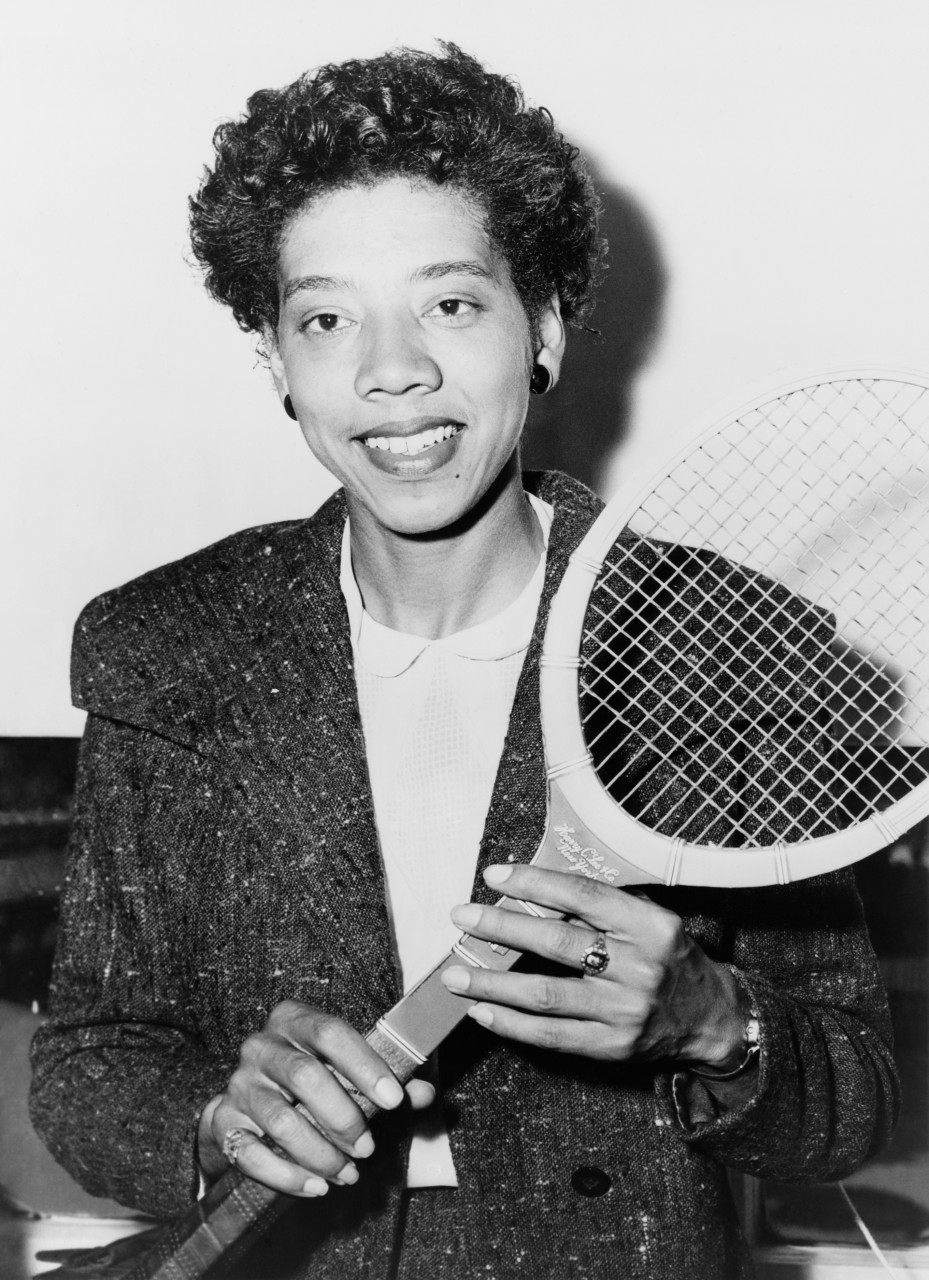
Althea Gibson broke racial barriers in tennis long before widespread integration in American sports. In the 1940s and 1950s, she became the first Black athlete to compete in the U.S. National Championships, later winning Wimbledon and the U.S. Open. Gibson’s graceful play, powerful serve, and competitive spirit demonstrated that Black athletes could excel in arenas previously closed to them. Her victories inspired a generation, showing that talent and determination could challenge entrenched racial barriers in all sports.
12. Jack Johnson
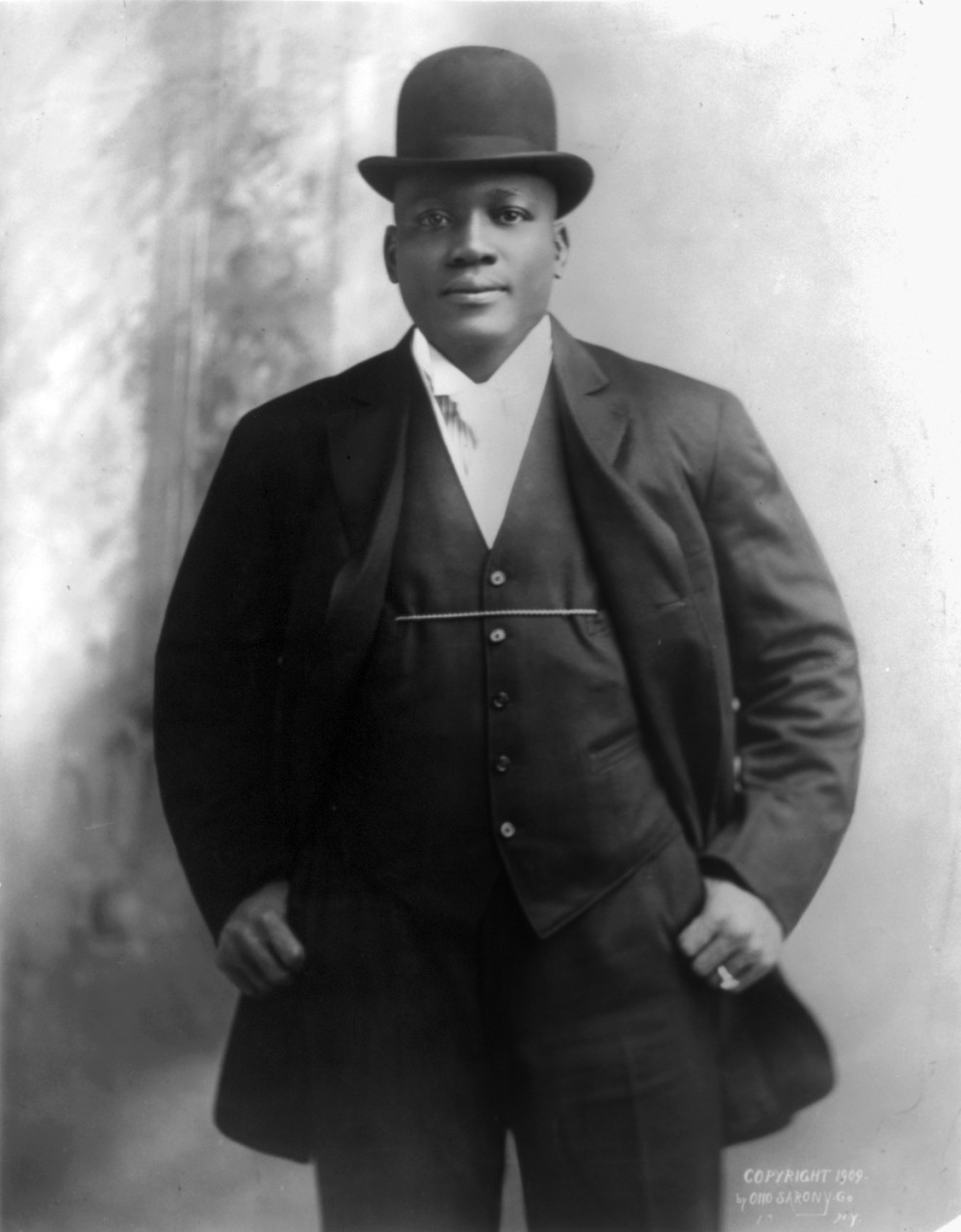
Jack Johnson became the first Black heavyweight boxing champion in the early 1900s, dominating a sport that had long excluded Black fighters from its highest ranks. Known for his skill, speed, and tactical brilliance, Johnson faced intense racism and public scrutiny throughout his career. He defied Jim Crow-era restrictions and societal expectations, living boldly both inside and outside the ring. Johnson’s triumphs shattered stereotypes and provided a powerful symbol of resistance, courage, and excellence for Black athletes everywhere.