
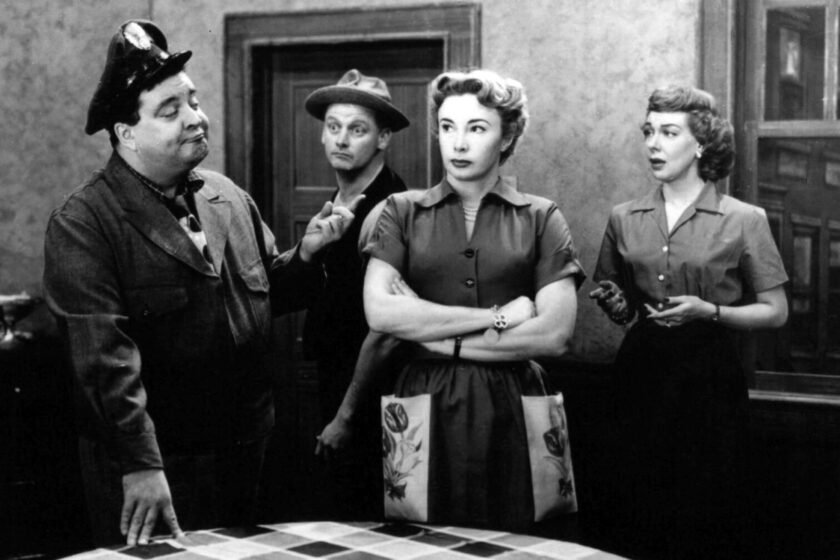
Television in the 1950s set the stage for the stories and characters that still captivate audiences today. From Lucille Ball’s unforgettable humor to Rod Serling’s imaginative and thought-provoking tales, these shows shaped the way people experience comedy, drama, and family life on screen. Their influence reaches modern sitcoms, legal dramas, and superhero series, leaving a lasting imprint on pop culture and proving that the creativity of early television continues to inspire storytellers around the world.
1. I Love Lucy (1951–1957)
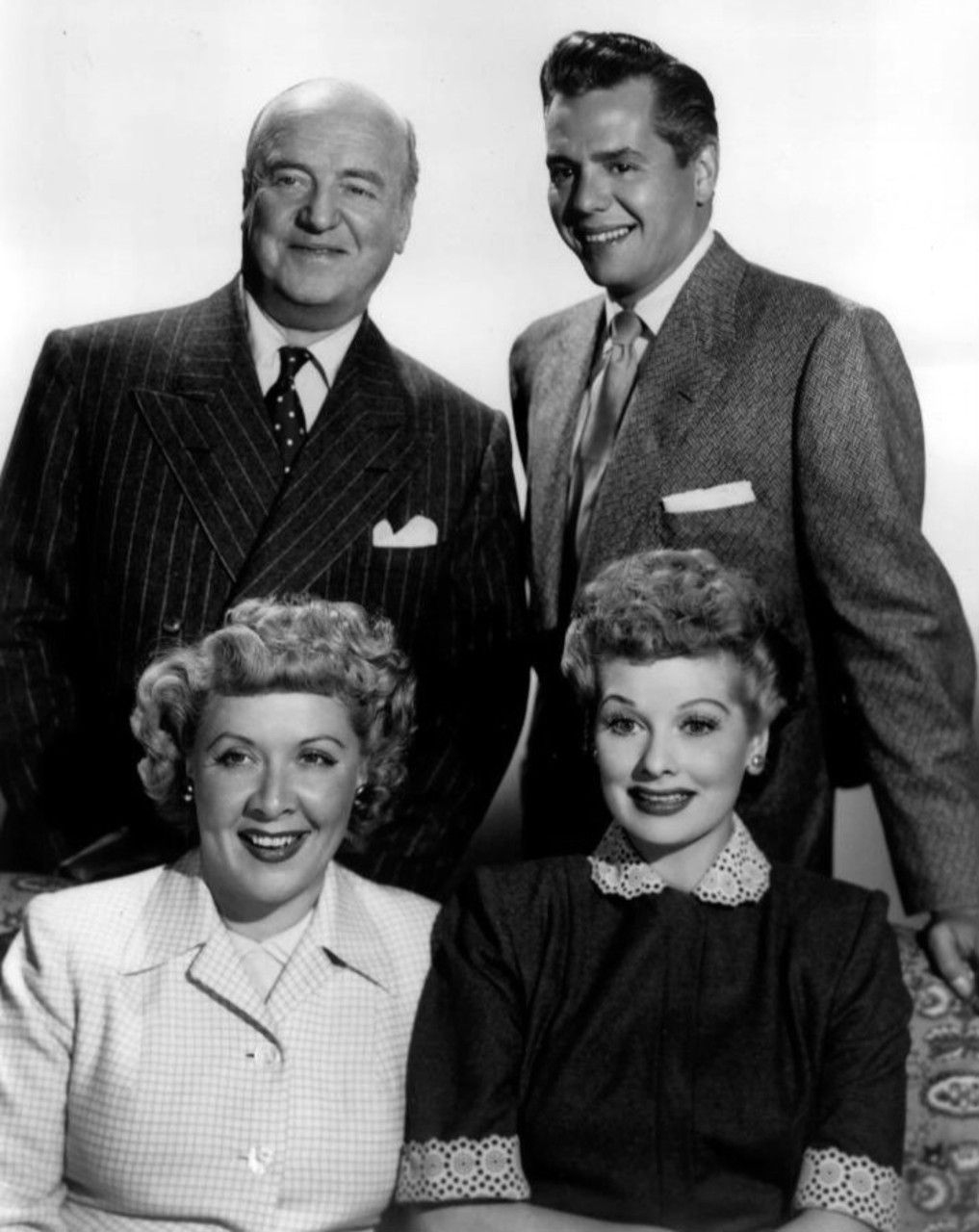
Lucille Ball’s genius brought physical comedy and timing to the forefront of television, turning I Love Lucy into a groundbreaking sitcom. Its use of a multi-camera setup in front of a live audience revolutionized TV production. Beyond humor, the series portrayed a progressive view of marriage, showing Lucy and Ricky as a working couple navigating life together. Iconic episodes like “Vitameatavegamin” remain culturally referenced, cementing its role in shaping sitcoms for generations.
2. Life with Elizabeth (1953–1955)

Life with Elizabeth starred Betty White as a clever, quick-witted woman navigating the humorous ups and downs of everyday domestic life. Unlike many shows of its era, Elizabeth’s character was independent, resourceful, and often the problem-solver in her household, subtly challenging gender norms of the 1950s. The show’s simple yet sharp humor, combined with Betty White’s magnetic charm, influenced how women were portrayed in later sitcoms, paving the way for strong, funny, and relatable female leads in television comedy.
3. Leave It to Beaver (1957–1963)
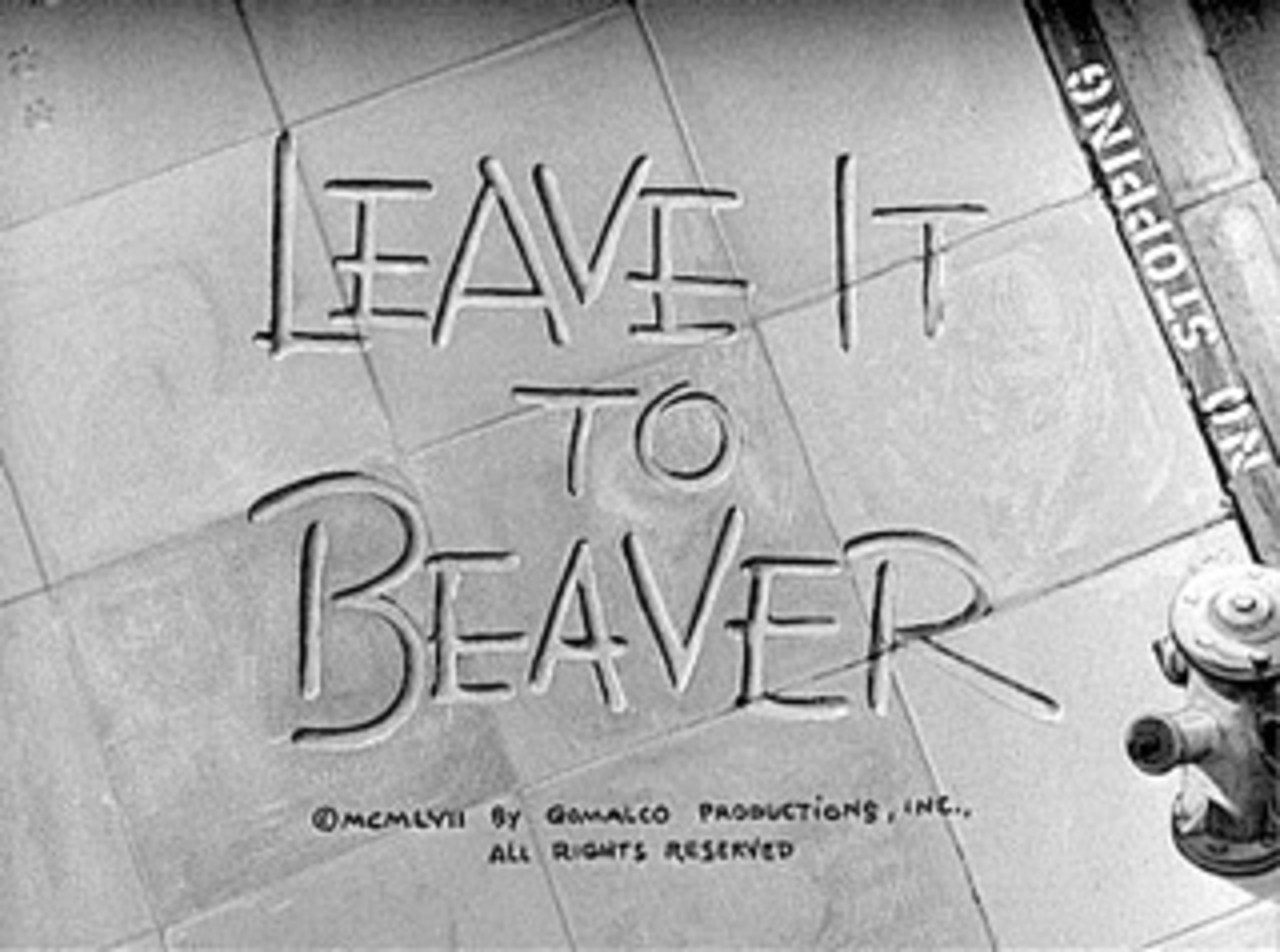
This sitcom captured the idealized vision of suburban family life in postwar America, portraying the daily adventures and lessons of the Cleaver family. Theodore “Beaver” Cleaver and his brother Wally became archetypes for American youth, navigating challenges with honesty and integrity. The show emphasized morality, problem-solving, and family cohesion, setting a standard for wholesome programming. Its depiction of childhood and suburban life continues to influence family sitcoms and nostalgic storytelling.
4. The Honeymooners (1955–1956)
Jackie Gleason’s portrayal of Ralph Kramden, a working-class bus driver, brought humor and relatability to 1950s television. The show explored everyday struggles with wit, often highlighting Ralph’s lofty ambitions and comical failures. Its sharp dialogue and memorable characters set a precedent for sitcom storytelling. Despite a brief original run, the show’s influence echoes through references in later television, making The Honeymooners a lasting emblem of blue-collar comedy and human folly.
5. Gunsmoke (1955–1975)
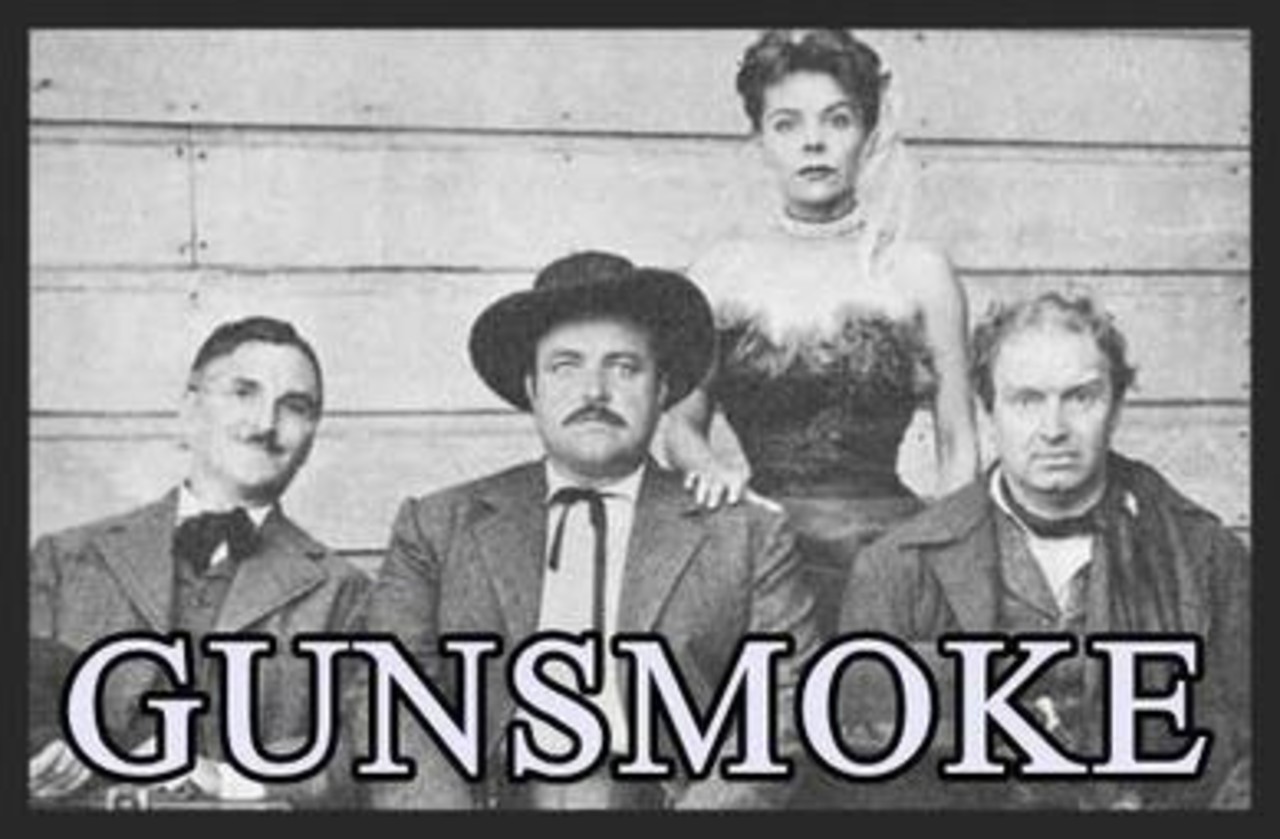
Gunsmoke combined Western action with deep character development, exploring the moral complexities of frontier life. Its realistic portrayal of law, order, and survival distinguished it from other Westerns of its era. Characters like Marshal Matt Dillon embodied justice and ethical challenges, influencing the structure of later TV dramas. The series’s long run and compelling storytelling cemented its place as a cultural touchstone, shaping Western narratives and dramatic television for decades to come.
6. The Adventures of Superman (1952–1958)
George Reeves brought Superman to life on the small screen, blending adventure, morality, and heroism. The series shaped the perception of superheroes as role models while setting a visual and narrative standard for adaptations. Each episode highlighted ethical dilemmas alongside thrilling feats, inspiring audiences with clear moral lessons. Its influence is visible in modern superhero television and film, proving the enduring appeal of serialized heroic storytelling that began with this pioneering 1950s series.
7. Father Knows Best (1954–1960)
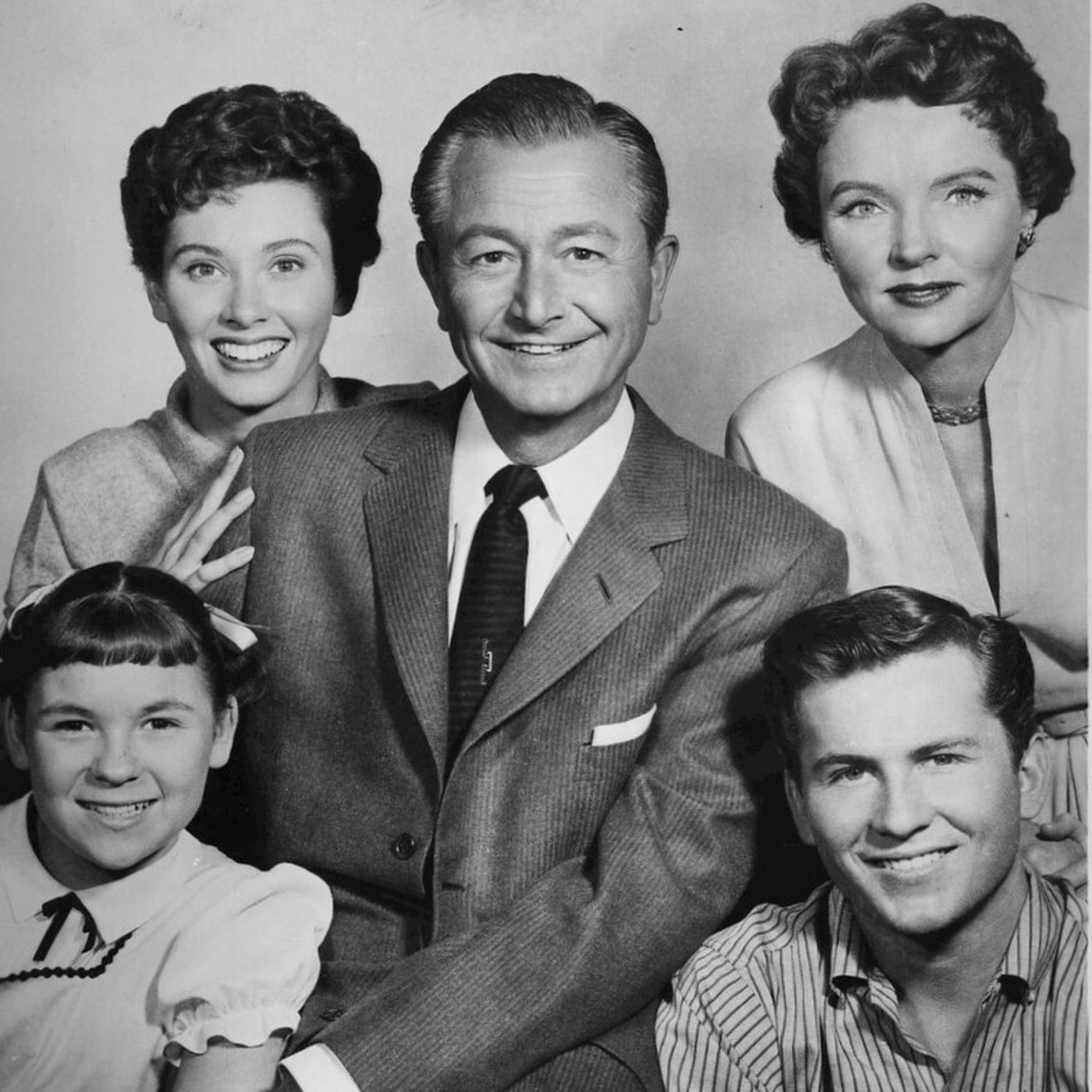
This sitcom portrayed a warm, idealized vision of suburban family life with patriarch Jim Anderson guiding his family through everyday challenges. It emphasized communication, moral reasoning, and family unity, resonating deeply with audiences of the era. By showcasing father figures as supportive and wise, the series set a precedent for family-centric narratives. Its legacy is seen in countless programs that highlight parental guidance and the balance between humor and life lessons in television storytelling.
8. The Lone Ranger (1949–1957)
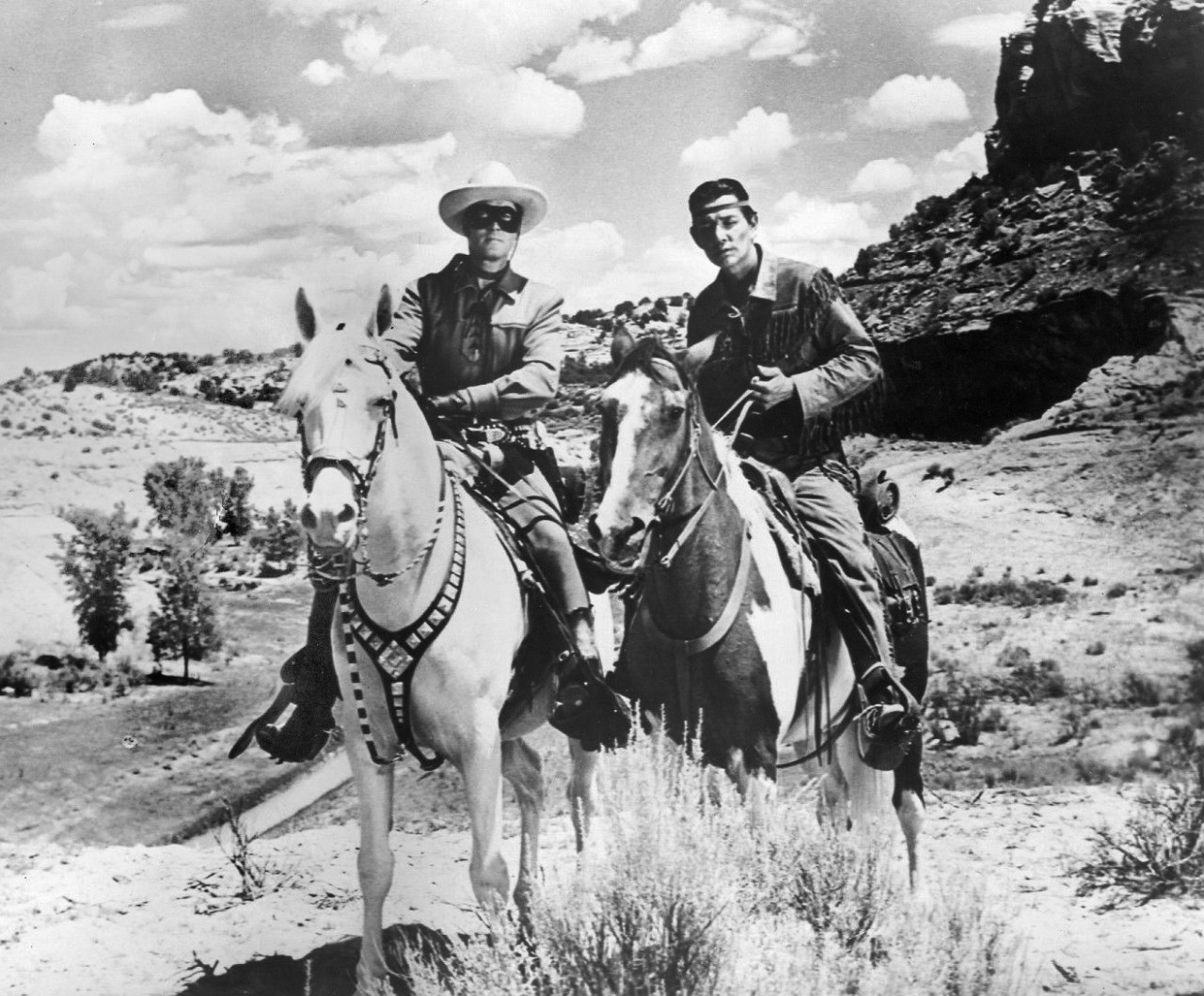
The masked hero and his loyal companion, Tonto, became enduring symbols of justice and bravery in the American West. The show’s morality-driven stories, iconic theme music, and memorable catchphrases captivated viewers and set a standard for heroism on television. Its portrayal of courage, loyalty, and ethical action influenced countless Westerns, adventure series, and even modern superhero narratives, proving that a 1950s TV show could create timeless characters and storytelling traditions that resonate across generations.
9. Perry Mason (1957–1966)
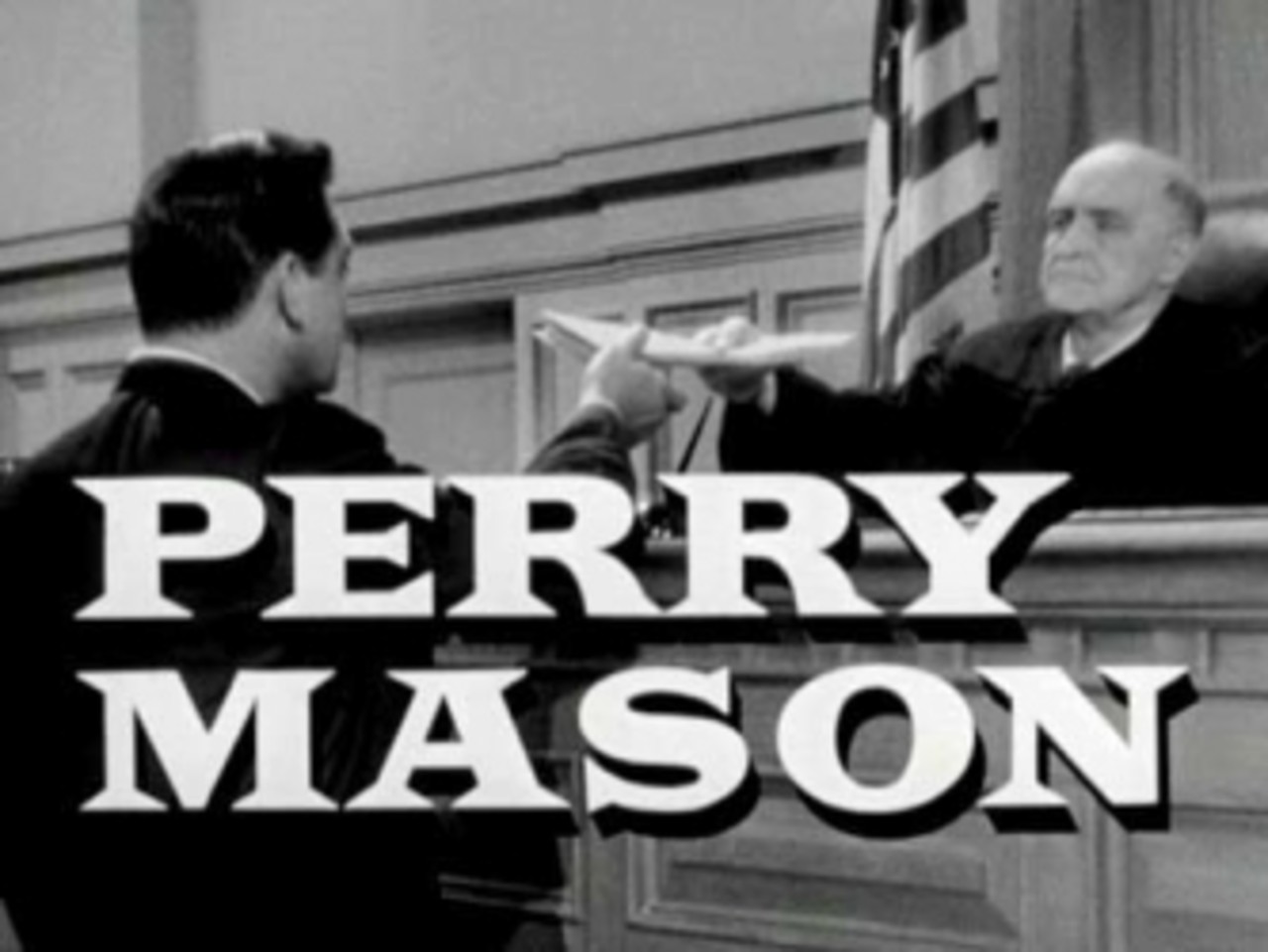
Raymond Burr’s portrayal of the brilliant defense attorney set a new standard for legal dramas. Each episode combined intricate courtroom strategy with suspenseful detective work, highlighting justice and ethical decision-making. Its focus on legal procedures, investigative methods, and character development influenced later series like Law & Order and Boston Legal. Perry Mason continues to serve as a benchmark for combining compelling storytelling with procedural accuracy in television law dramas.
10. Dragnet (1951–1959)
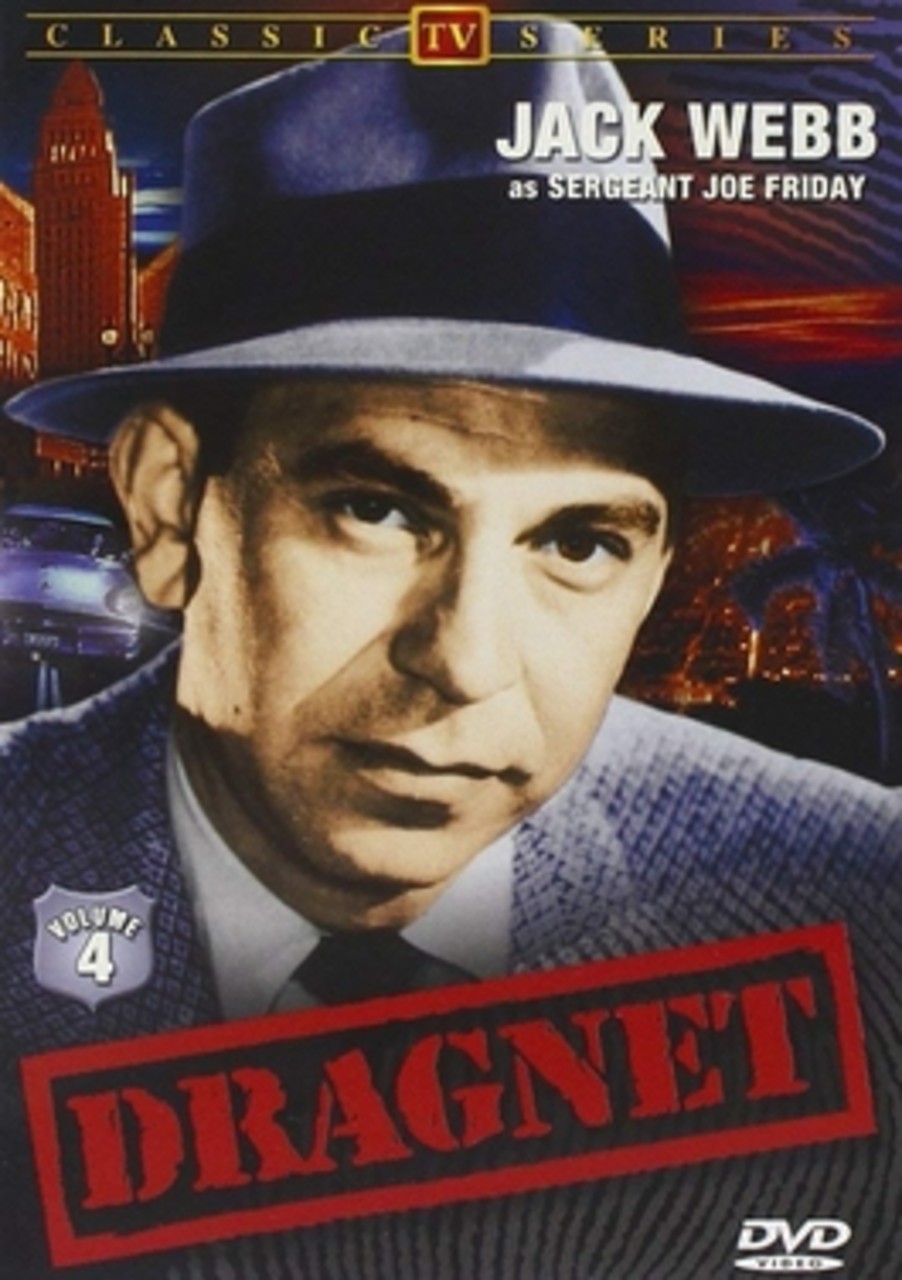
Jack Webb’s Dragnet introduced audiences to realistic police procedural storytelling, emphasizing methodical investigations and attention to detail. The show’s documentary-style presentation, iconic narration, and adherence to factual cases set it apart from other crime dramas. It shaped public perception of law enforcement and inspired future procedurals, influencing the way police work and investigative rigor are depicted in modern television, from NYPD Blue to contemporary crime series.
11. The Danny Thomas Show (1953–1964)
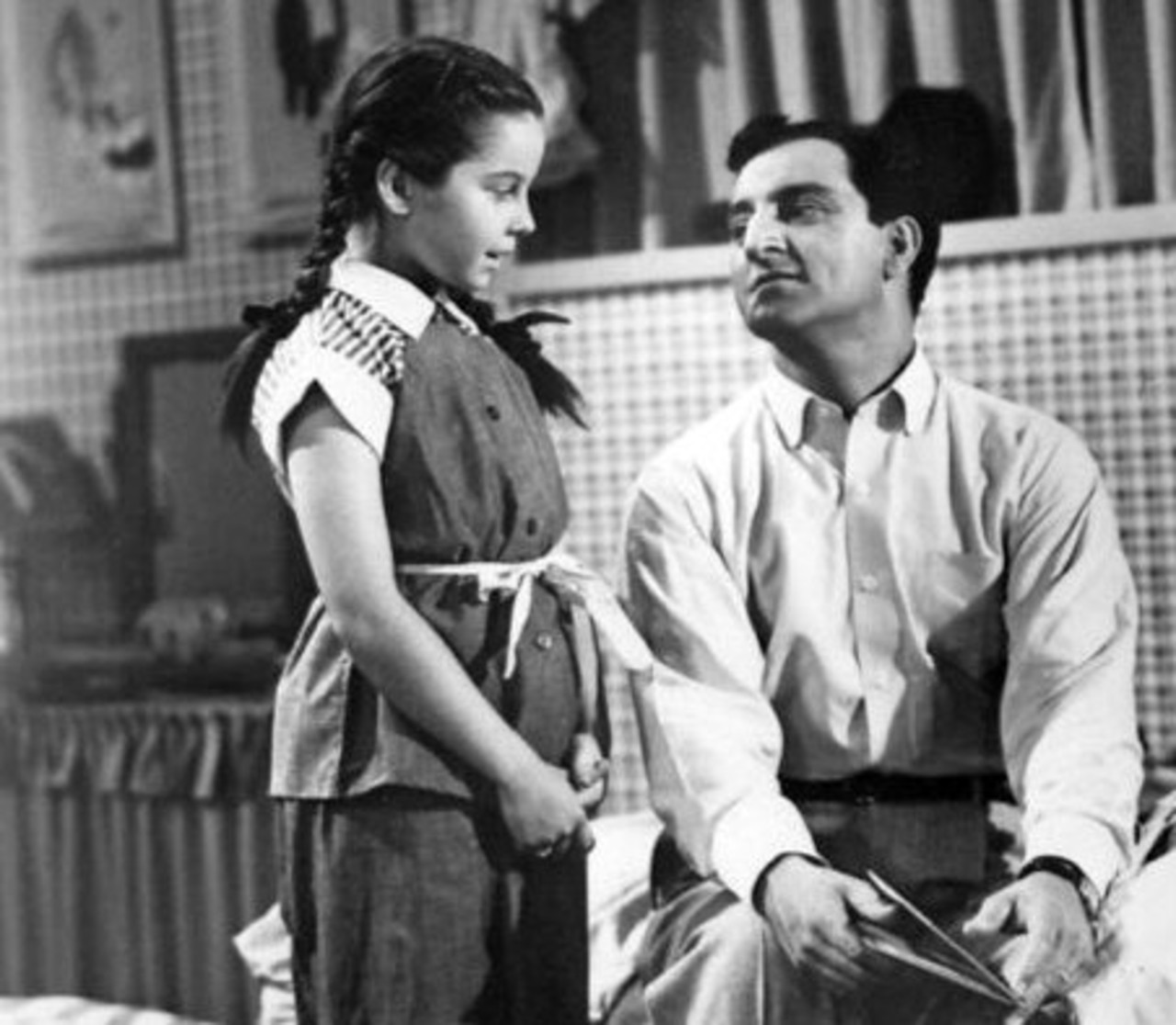
This sitcom explored the life of a working entertainer balancing family responsibilities, blending humor with heartwarming moments. Danny Thomas’ character navigated relatable challenges in parenting, career, and social life, giving audiences an authentic yet entertaining look at mid-century domestic life. The series influenced future sitcoms by demonstrating how humor and emotional storytelling can coexist, leaving a lasting imprint on portrayals of show business and family dynamics on television.
12. Howdy Doody (1947–1960)

Howdy Doody pioneered children’s television with puppetry, audience participation, and educational storytelling. Its innovative format captivated young viewers, combining entertainment with interactive engagement. Characters like Howdy and Clarabell became cultural icons, and the show laid the groundwork for later children’s programming, including Sesame Street. By blending education, performance, and audience involvement, Howdy Doody established standards that continue to shape children’s media today.