

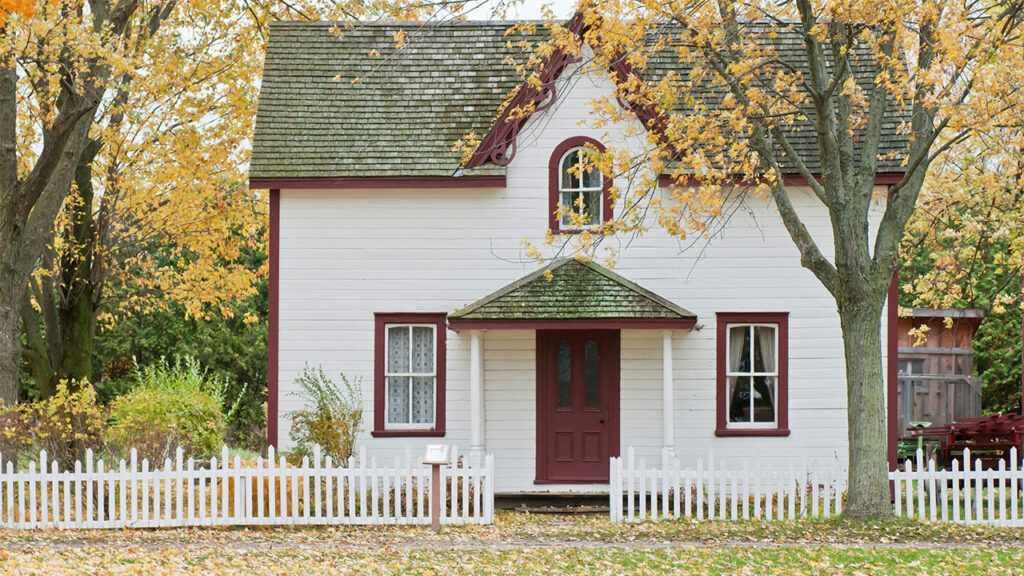
Choosing the right trees for your yard can boost curb appeal and add value—but some popular species are now being avoided by homeowners. Whether due to invasive roots, messy debris, or pest problems, certain trees can cause more headaches than beauty. Knowing which trees to steer clear of helps protect your home’s foundation, landscaping, and overall enjoyment of your outdoor space. Here are 12 common trees savvy homeowners often skip.
1. Silver Maple
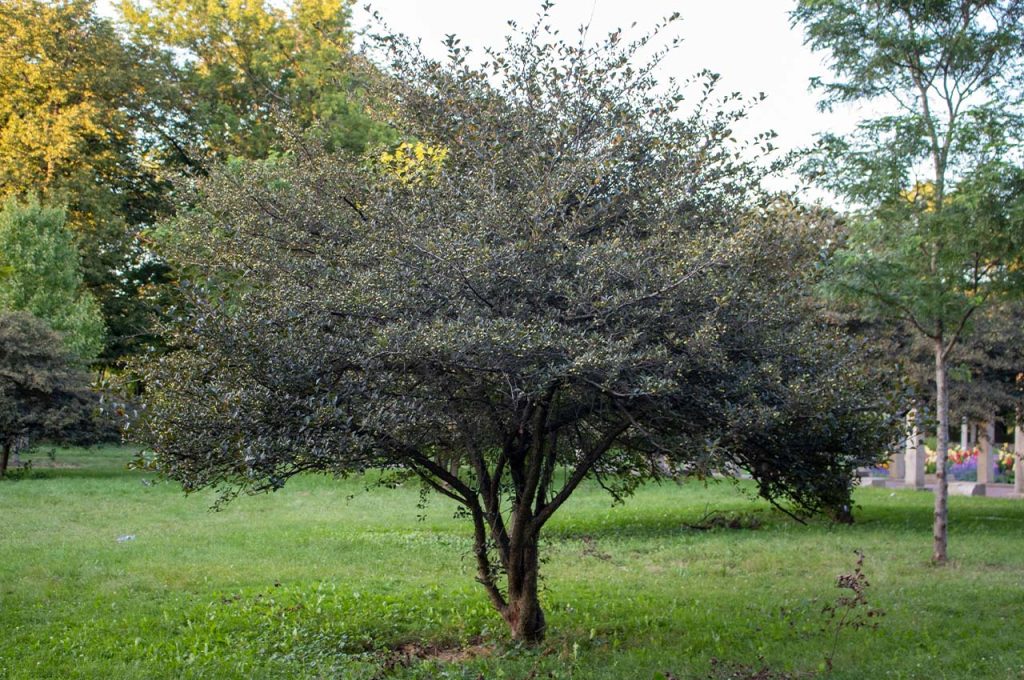
Silver maples grow fast but can be a headache for homeowners. Their brittle wood breaks easily in storms, leading to costly damage and cleanup. Their invasive roots can clog pipes or damage foundations, and the tree produces copious seed pods that litter yards in spring. While they offer quick shade, their maintenance demands and potential hazards have made many homeowners think twice before planting silver maples near their homes.
2. Bradford Pear
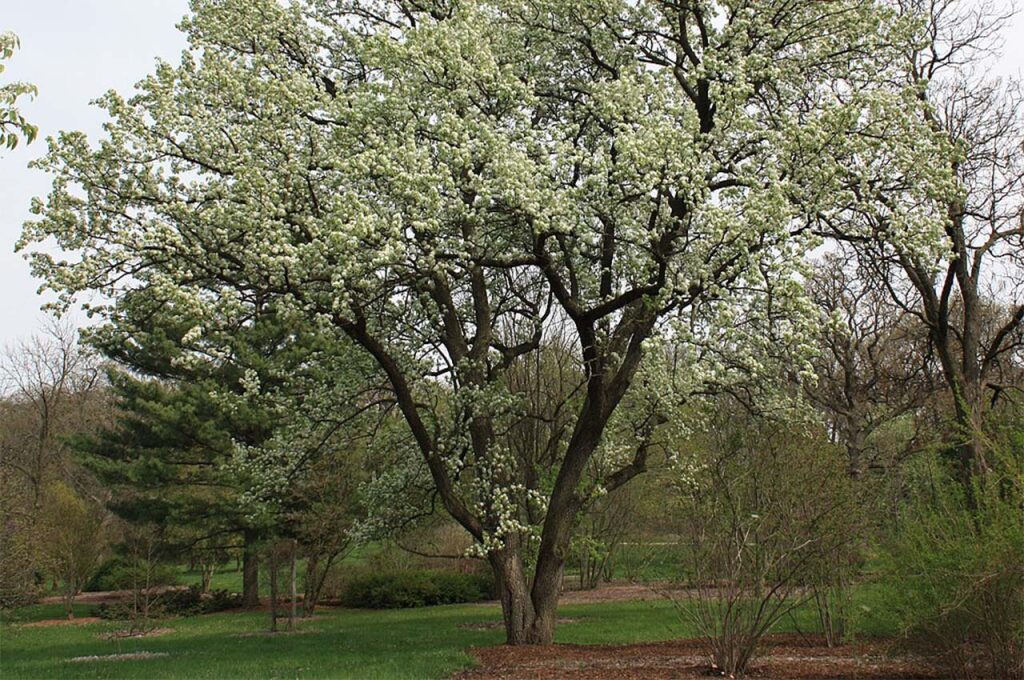
Once celebrated for its showy spring blooms, the Bradford pear has since lost its charm—and gained a reputation as a neighborhood nuisance. This tree is prone to splitting due to its weak branch structure, making it dangerous during storms. It also spreads aggressively, outcompeting native plants and altering local ecosystems. Its rapid growth is a double-edged sword—beauty matched by fragility and invasiveness—leading many to avoid it despite its charming appearance.
3. Black Walnut
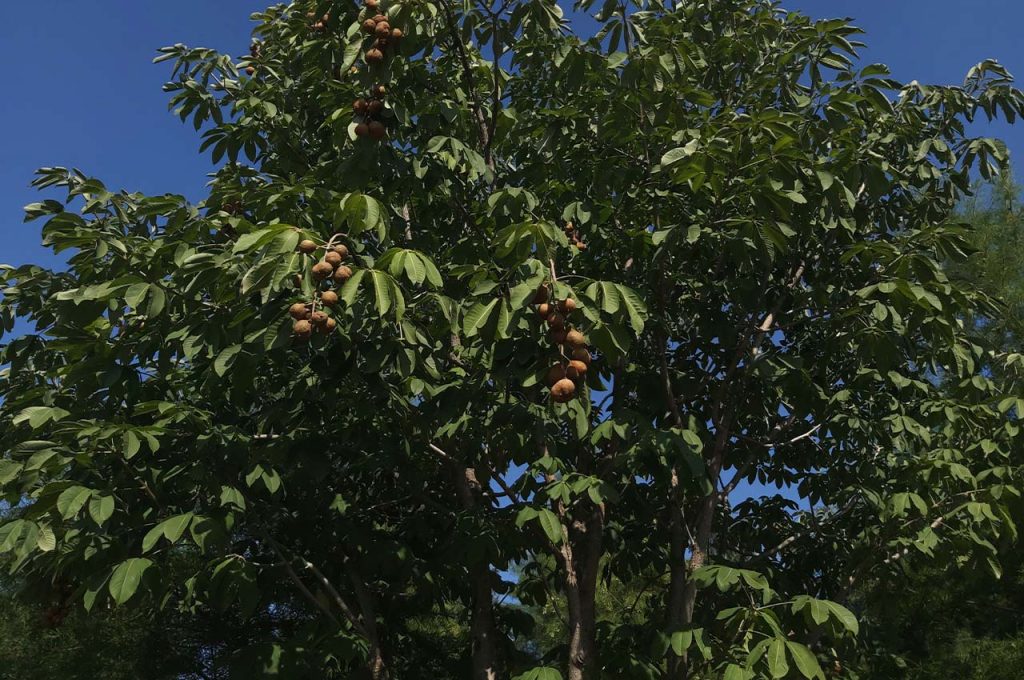
Black walnut trees produce a chemical called juglone, which inhibits the growth of many plants nearby, limiting garden choices. Their nuts can be messy and pose a slipping hazard when they fall. Though valued for their rich wood and shade, the allelopathic effect and the challenge of managing surrounding plants make black walnuts less popular in residential yards today.
4. Leyland Cypress
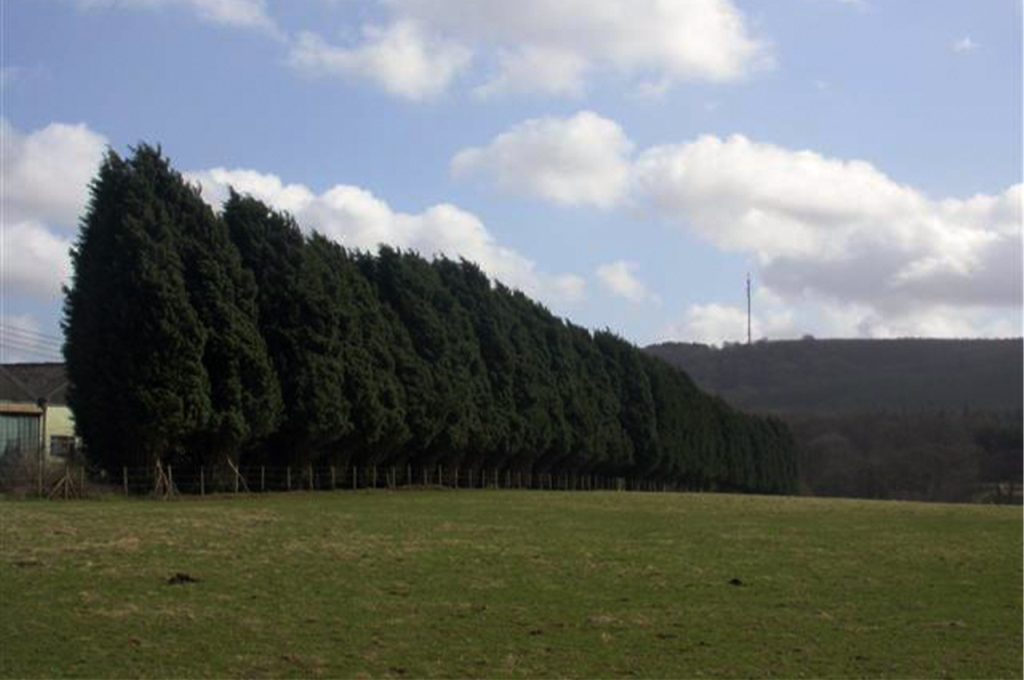
Popular for privacy screens, Leyland cypress grows quickly but often suffers from disease and pests, leaving homeowners with thinning, unsightly hedges. Their dense root systems can compete with other plants, and their rapid growth requires regular pruning to prevent them from becoming overgrown. These drawbacks have prompted many homeowners to seek alternative evergreens with better longevity and lower maintenance.
5. Weeping Willow
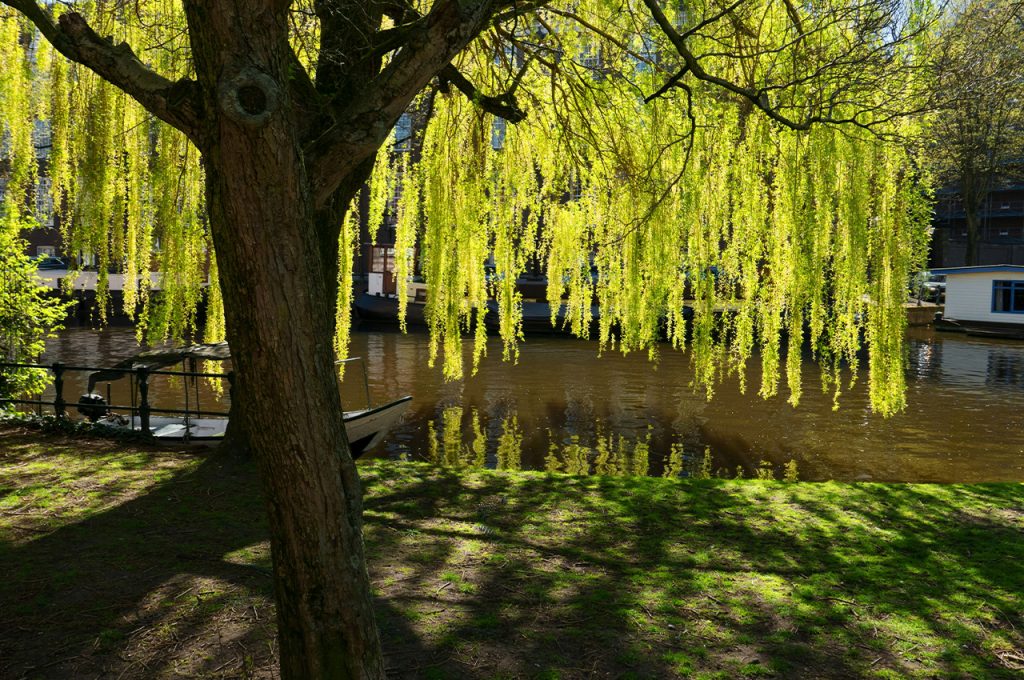
Weeping willows enchant with their graceful, drooping branches but come with big maintenance challenges. Their extensive roots seek out water, potentially clogging sewer lines and damaging foundations. The tree sheds a lot of leaves and branches, demanding frequent cleanup. While picturesque near water, their aggressive growth and infrastructure risks make them a less favored choice for many homeowners.
6. Eucalyptus
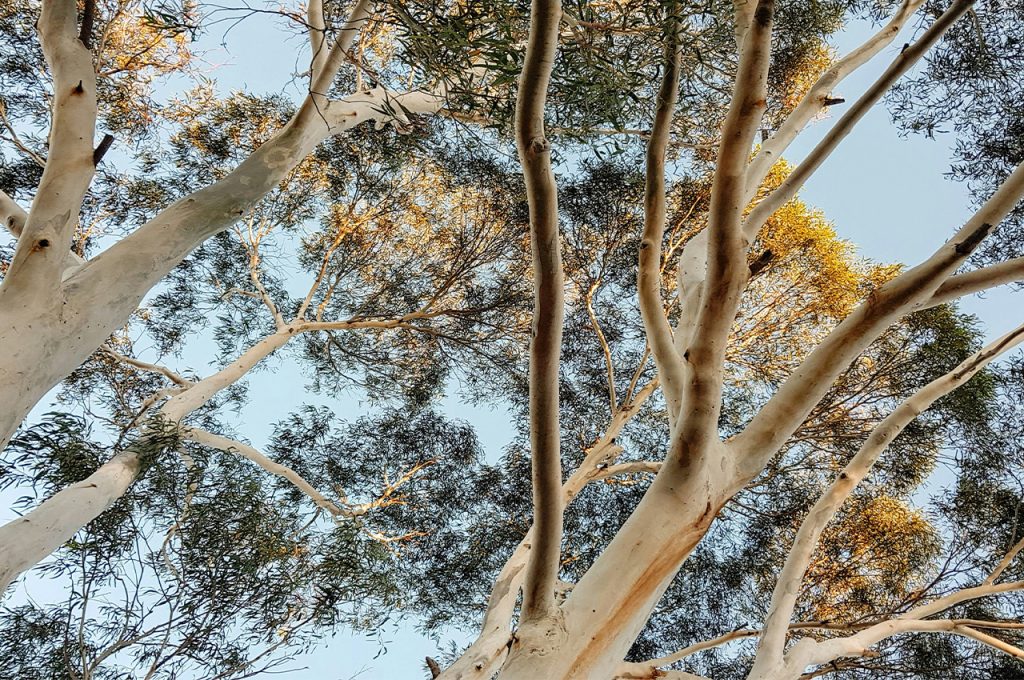
Eucalyptus trees are known for their aromatic leaves and fast growth, but homeowners are wary due to their high oil content, which makes them extremely flammable. In dry conditions, this fire risk is a serious concern. Their shedding bark and leaves can create a mess, and the tree’s aggressive root system can interfere with underground utilities. While striking in appearance, these factors have led many to avoid eucalyptus in residential landscapes.
7. Mimosa Tree
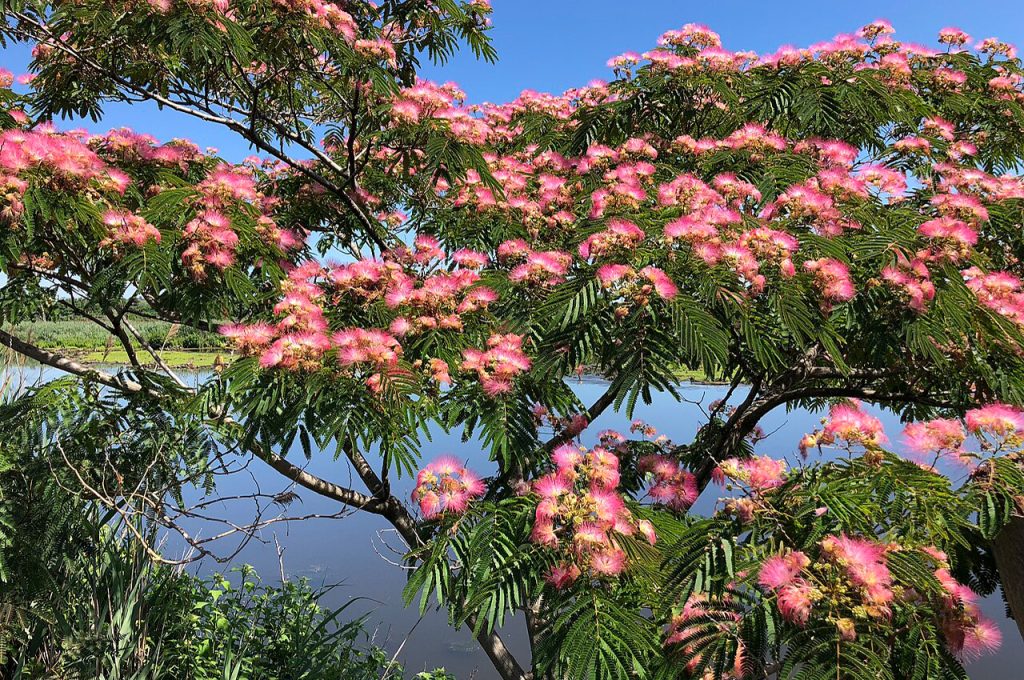
With its fluffy pink blooms and fern-like leaves, the mimosa tree may seem like a charming addition—but it’s a short-lived mess-maker. Highly invasive in many regions, it spreads aggressively through seeds and root suckers, often taking over gardens and nearby natural areas. Its weak wood is prone to breakage, and fallen flowers create a slippery, sticky carpet that’s tough to clean. Though beautiful in bloom, the mimosa’s fast growth and lack of durability make it more trouble than it’s worth.
8. Siberian Elm
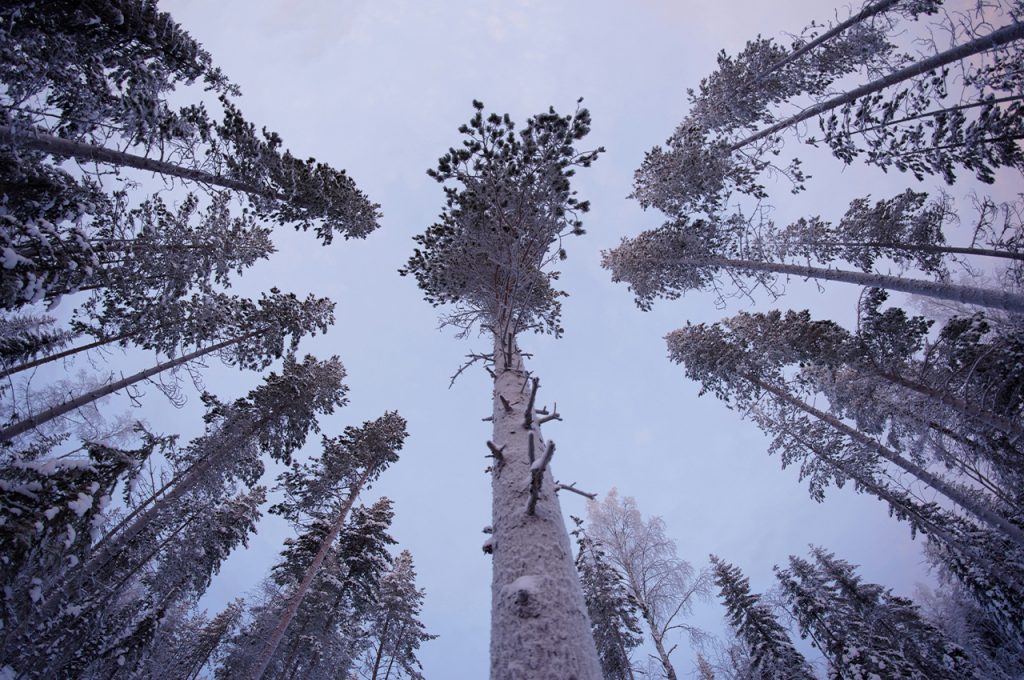
Siberian elm was once favored for its rapid growth and hardiness, but it’s now shunned due to weak wood prone to breakage and invasive roots. It churns out an abundance of seeds that hitch rides on wind and wildlife, quickly invading nearby landscapes and pushing out native flora. The tree’s messy seed pods and susceptibility to disease add to its drawbacks, making it a less attractive choice for those wanting durable, trouble-free landscaping.
9. Tree of Heaven
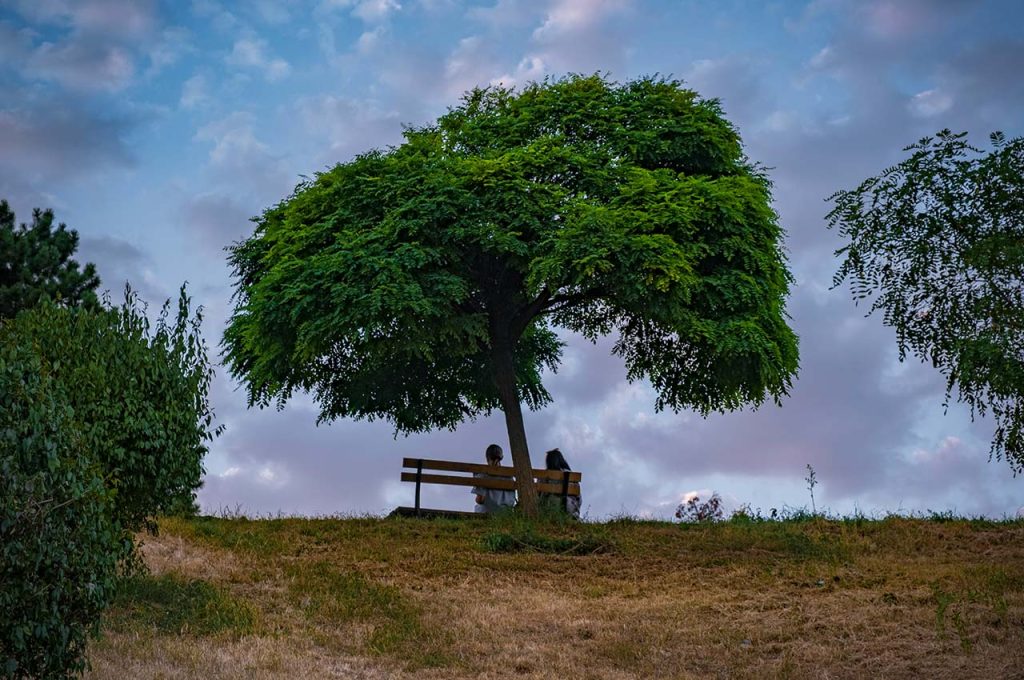
The Tree of Heaven is infamous for its ability to thrive in tough urban conditions, but it’s a double-edged sword. It spreads aggressively through suckers, often invading gardens and natural areas. Its rapid growth and foul-smelling leaves, combined with the difficulty of removal, make it a nuisance. Homeowners avoid it because it disrupts ecosystems and can damage sidewalks or foundations with its vigorous roots.
10. Red Maple
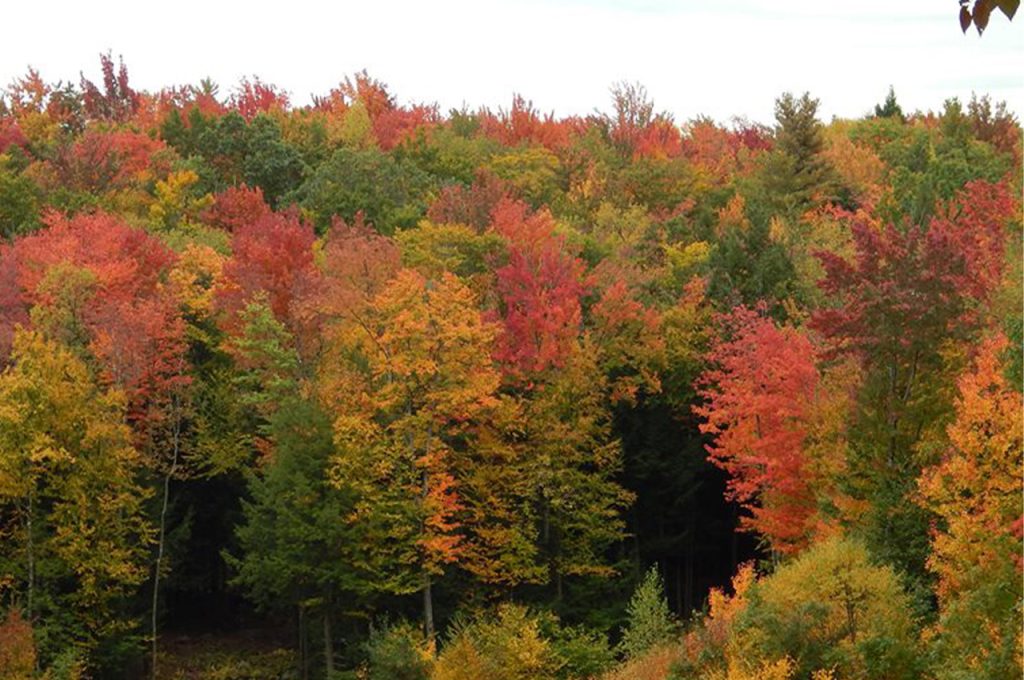
While red maples are beloved for their vibrant fall foliage, they can be problematic in residential settings. Their shallow roots often interfere with lawns and nearby structures, and the tree is susceptible to various pests and diseases. Additionally, red maples can drop messy seeds and twigs, requiring extra upkeep. Though stunning in color, these maintenance issues have made some homeowners cautious about planting red maples close to their homes.
11. Poplar
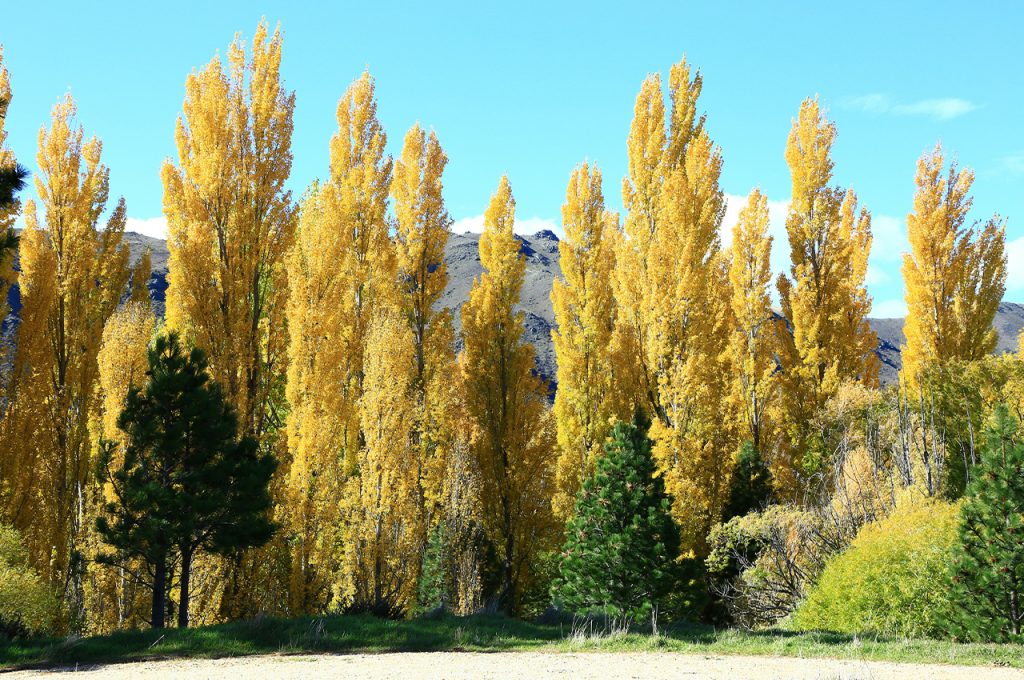
Poplar trees are fast growers, often chosen for quick shade, but their rapid growth comes with drawbacks. Their wood is soft and prone to splitting or limb drop, which can pose safety risks around homes. Poplars may look stately above ground, but their roots tell a different story—spreading fast and far, they can crack foundations, infiltrate septic systems, and wreak havoc on underground pipes, turning a peaceful yard into a costly repair zone. Additionally, their short lifespan and tendency to produce large amounts of fluffy seed hairs create messes, leading many homeowners to avoid them despite their initial appeal.
12. Mulberry Tree
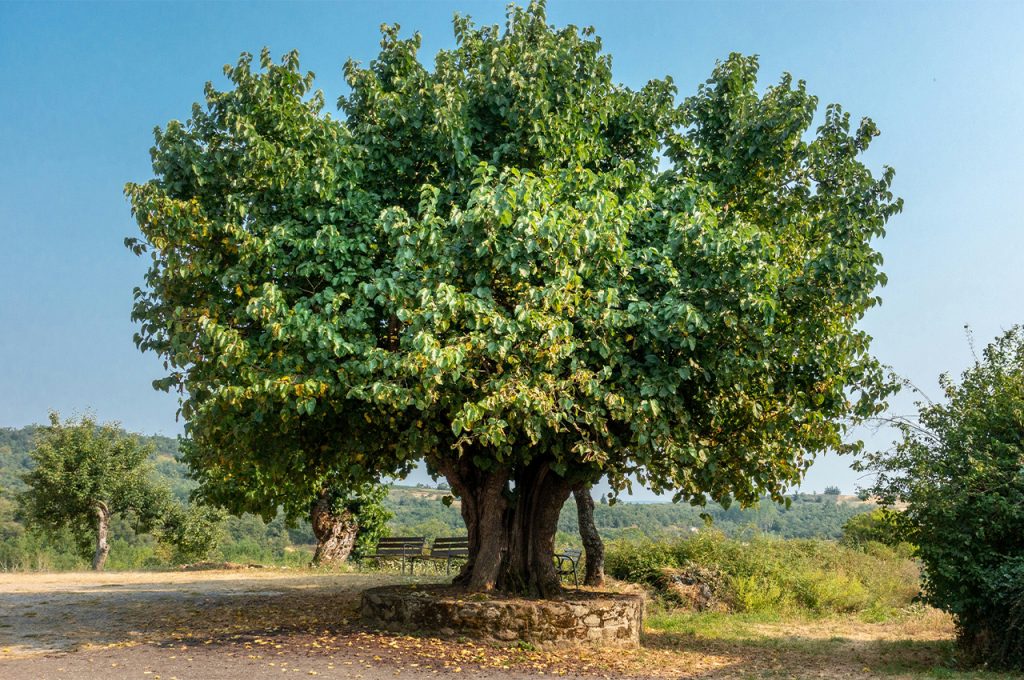
The mulberry tree may offer sweet fruit, but it comes with a bitter list of homeowner headaches. Its aggressive roots can crack sidewalks, invade foundations, and clog sewer lines, making it a costly choice for residential areas. The fruit stains everything—from patios to cars—and attracts birds that leave behind unwanted messes. With fast growth and dense canopies, mulberries also crowd out other plants. For most homeowners, the downsides far outweigh the seasonal fruit.
Want to see more from Remodr?

Drop a comment below, share this with your friends and family, and don’t forget to follow us for more fresh ideas, updates, tips, and home trends.
This article was created with the assistance of AI but thoroughly edited by a human being.