
Life today feels fueled by sleek gadgets and digital tools, but many of the things we depend on every day were born in the 19th century. It was a time of restless creativity, when inventors reshaped ordinary living with bold ideas that still touch how we cook, travel, dress, and connect. The light bulb pushed back the night, the telephone brought distant voices near, and the bicycle gave freedom on two wheels. These everyday breakthroughs prove that true innovation can outlast centuries, quietly shaping modern life.
1. The Safety Pin
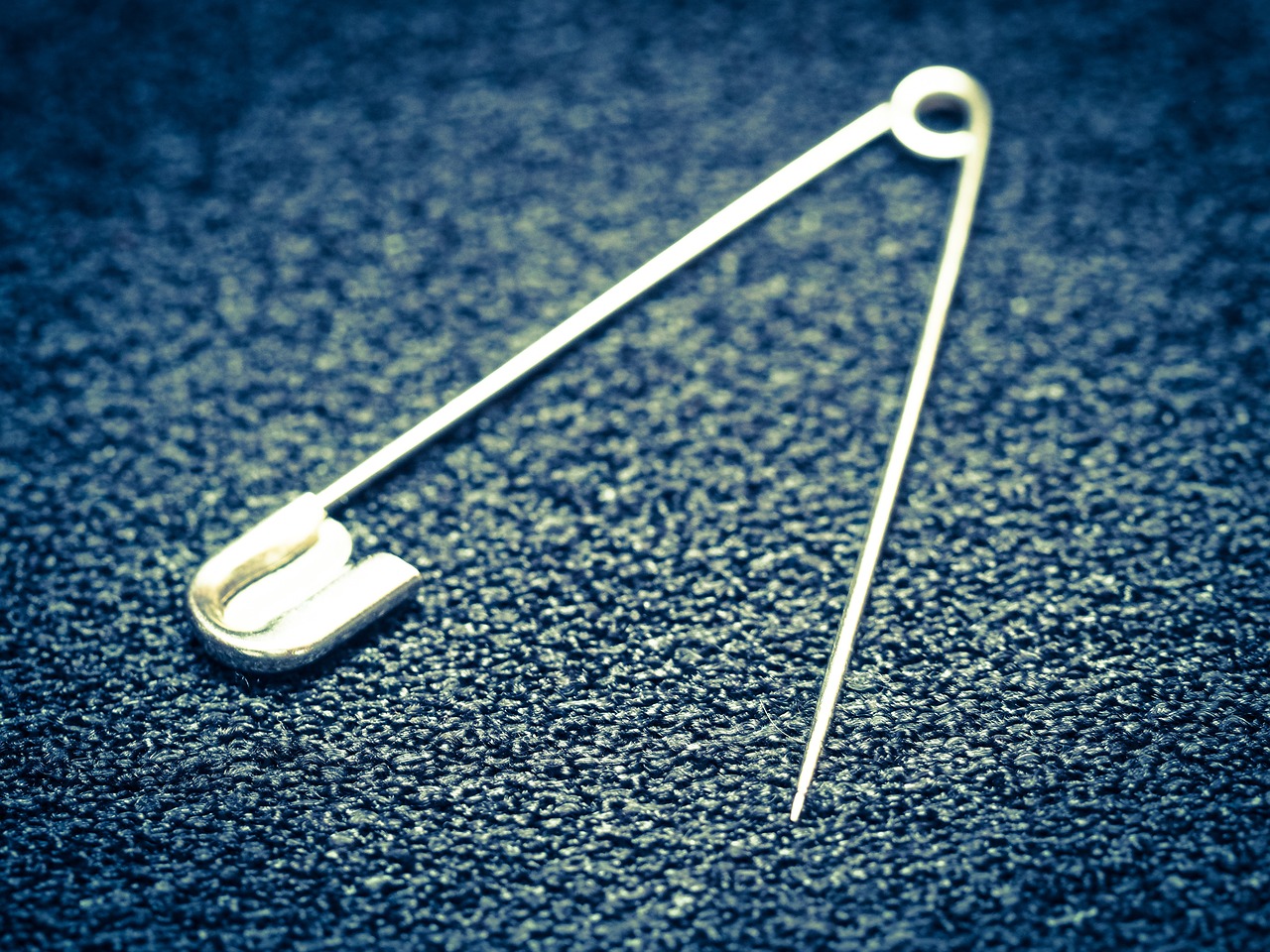
Sometimes the simplest ideas are the most enduring. In 1849, Walter Hunt invented the safety pin as a quick way to pay off a debt, yet it became a household essential that has never gone out of use. Its coiled spring and clasp design made it safer than straight pins, preventing accidental pricks. Over the years, it has held together torn hems, secured diapers before disposables, and even found a place in fashion. Despite countless fastening alternatives, the safety pin remains the go-to backup tool.
2. The Typewriter

The clatter of early typewriters may be long gone, but their influence is everywhere. Christopher Latham Sholes patented the typewriter in 1868, giving the world a machine that standardized writing speed and clarity. To prevent keys from jamming, he designed the QWERTY layout, which is still used on computers and phones today. This invention reshaped offices, journalism, and personal communication. Every email, text, and report typed today is a direct descendant of Sholes’ breakthrough.
3. The Bicycle

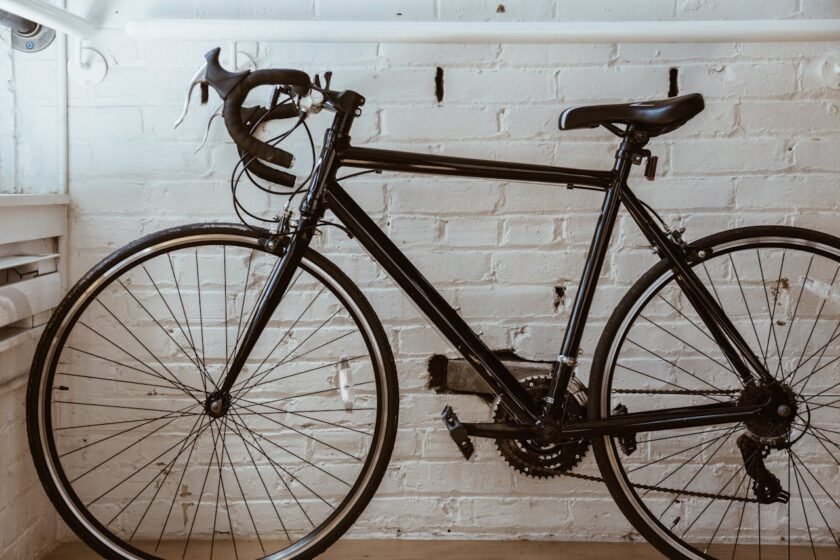
Few inventions brought as much freedom as the bicycle. By the 1860s, the pedal-driven design had emerged, evolving into the “safety bicycle” with equal-sized wheels in the 1880s. Affordable and practical, bicycles gave workers and families new mobility long before cars became common. They also played a surprising role in social change, offering women independence and influencing fashion. Today’s bikes, whether for commuting, exercise, or leisure, trace their roots back to this 19th-century marvel.
4. The Sewing Machine

What once took hours by hand could suddenly be done in minutes. Elias Howe patented the sewing machine in 1846, and Isaac Singer’s improvements soon made it widely available. The machine’s basic needle-and-shuttle mechanism remains central even in modern designs. This invention transformed clothing production, making garments cheaper and more accessible, while also empowering home sewers and tailors. From high fashion to simple mending, the sewing machine still stitches together everyday life.
5. The Telephone

The world changed forever in 1876 when Alexander Graham Bell’s telephone carried a human voice across a wire, shrinking distances like never before. What once required letters or telegraphs could now be shared in real time, revolutionizing how families, neighbors, and businesses stayed connected. Early telephones may have been bulky and limited, but they laid the foundation for a global communications network. Even today, every phone call, whether on a landline or a smartphone, still relies on Bell’s 19th-century breakthrough.
6. The Battery
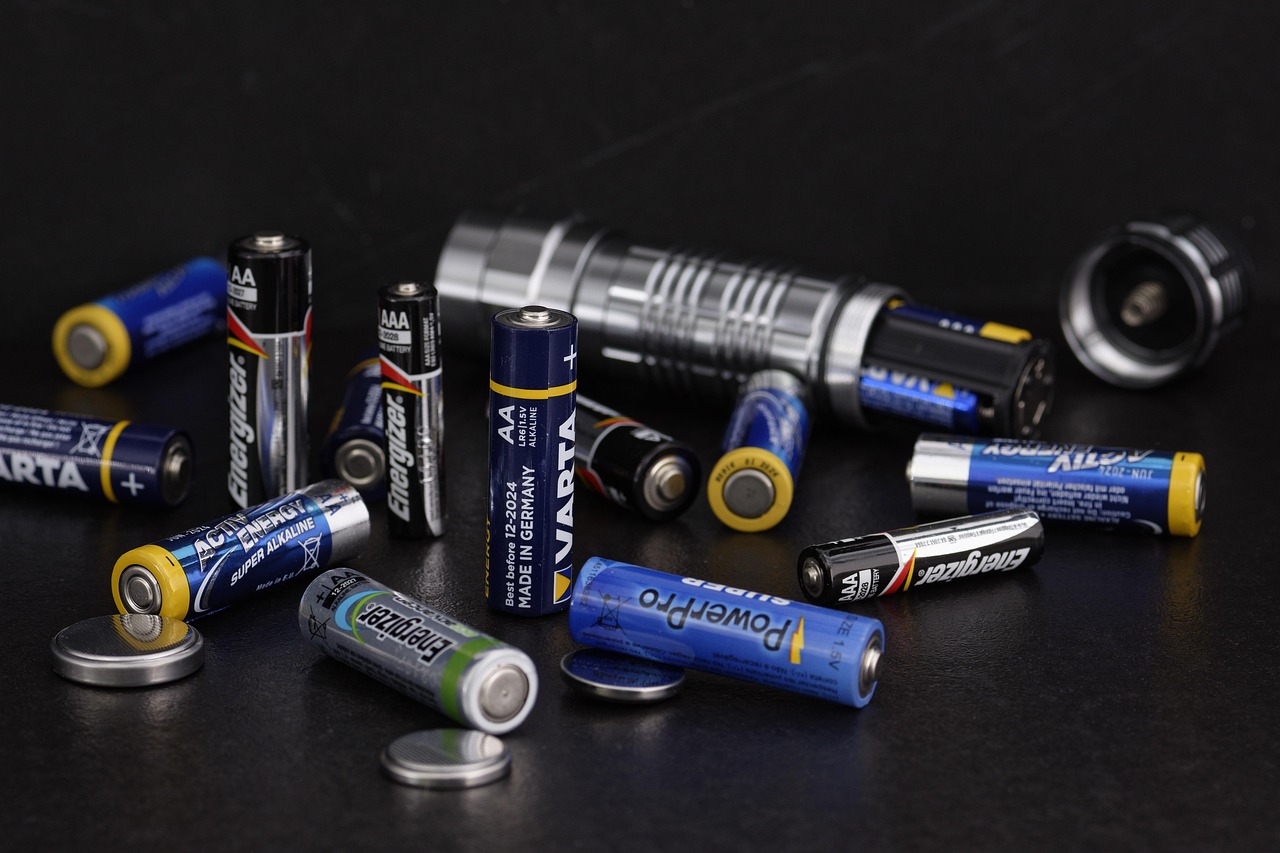
Portable power became a reality in the 19th century thanks to advances in battery technology. While Alessandro Volta created the first voltaic pile in 1800, it was later improvements like Gaston Planté’s rechargeable lead-acid battery in 1859 that made electricity practical for everyday use. These early batteries powered telegraphs, lamps, and scientific equipment, laying the groundwork for portable energy. Modern cars, laptops, and smartphones still rely on the same principle of storing and releasing electrical charge.
7. The Light Bulb

The steady glow of electric light reshaped human life after Thomas Edison introduced his practical bulb in 1879, refining earlier experiments by inventors in both Europe and America. Before its arrival, households relied on candles and gas lamps that were dim, expensive, and prone to fire hazards. The light bulb made nights brighter, extended working hours, and allowed cities to flourish safely after dark. While today’s LEDs and smart bulbs are more efficient, they still rest on the same 19th-century idea of harnessing electricity for light.
8. The Flush Toilet
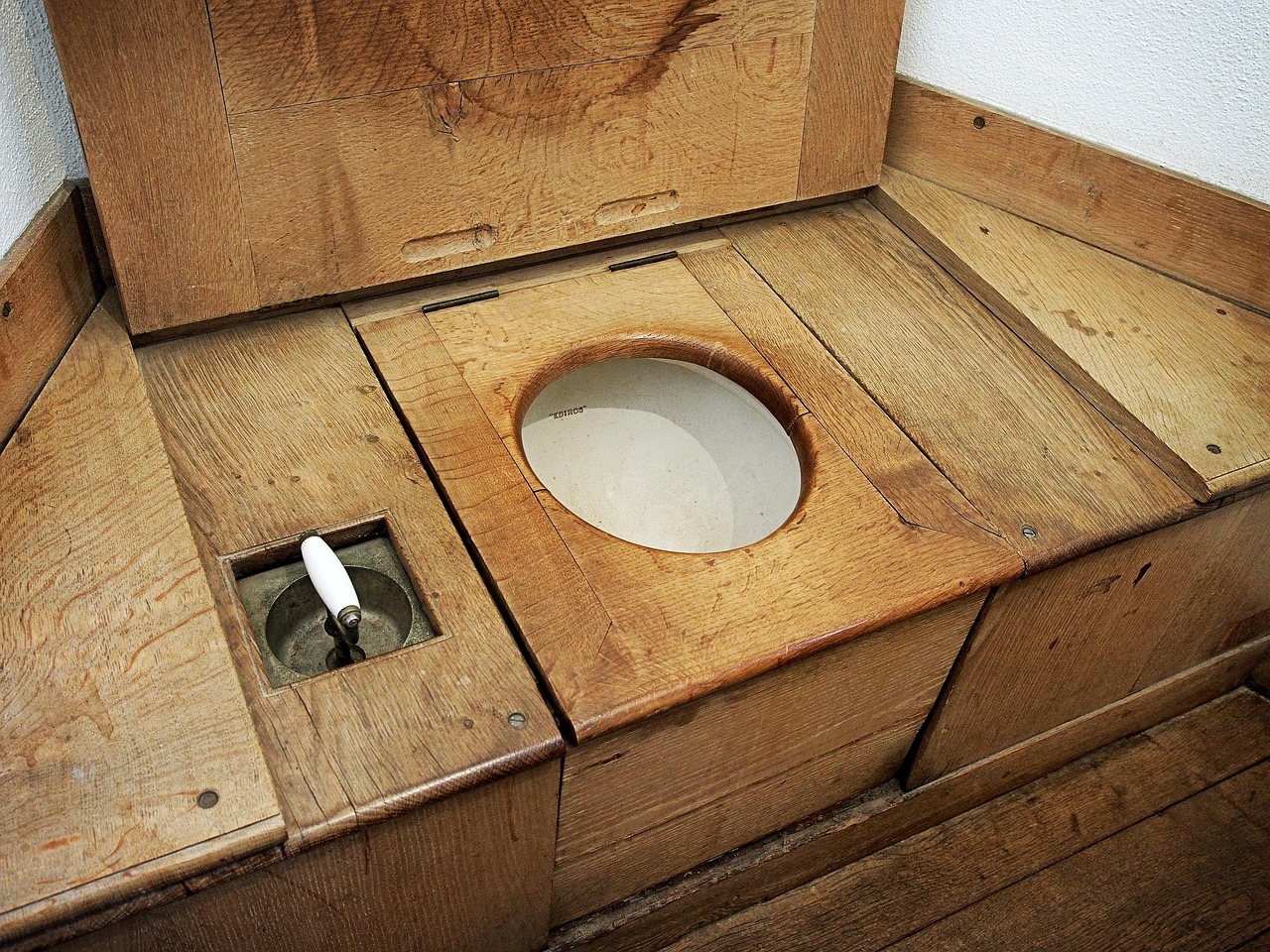
Though early versions existed, the 19th century brought major plumbing improvements that made flush toilets practical for everyday use. These advances revolutionized sanitation, reducing disease and improving urban living. Water closets with reliable valves and sewer connections became common in homes, changing hygiene standards forever. Today’s toilets with their efficient flushing systems owe their design to those early breakthroughs that made indoor plumbing a necessity rather than a luxury.
9. The Icebox and Refrigerator

Long before electric refrigerators became kitchen essentials, families stored perishables in iceboxes, insulated wooden chests chilled by large blocks of ice delivered by wagon. By the mid-1800s, these iceboxes were common in homes, keeping milk, meat, and produce fresh longer than ever before. Toward the late 19th century, inventors began experimenting with mechanical refrigeration, setting the stage for modern appliances. Though designs have advanced, the principle remains the same: cold storage to preserve food and safeguard daily meals.
10. The Matches
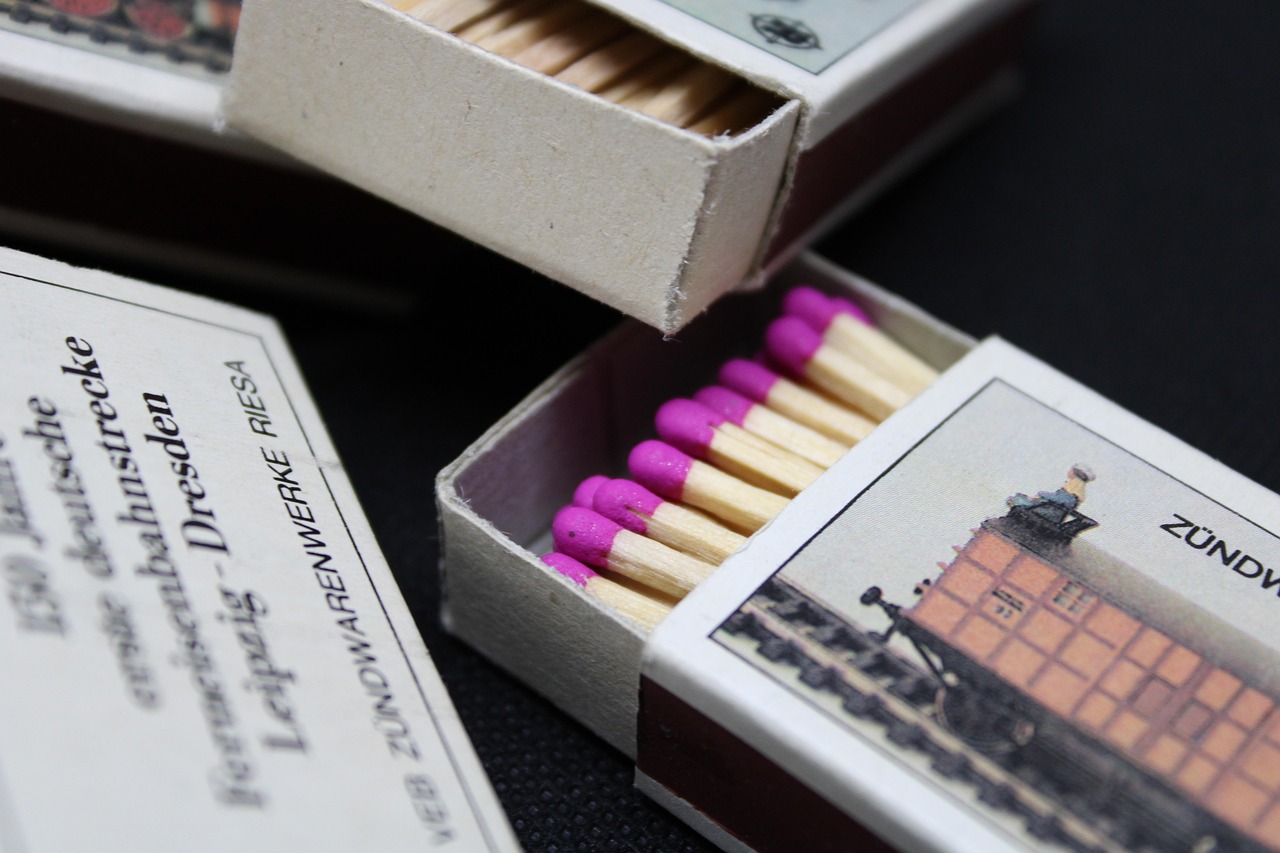
Striking a match feels so ordinary today that its ingenuity often goes unnoticed. In 1826, English chemist John Walker invented the first friction match, sparking flame with a quick strike instead of tedious flint and steel. This simple stick transformed daily life, making it easier to light lamps, stoves, and cigars while offering households instant fire on demand. For nearly two centuries, matches have remained largely unchanged, still tucked into drawers, pockets, and survival kits as a dependable source of flame.
11. The Vacuum Cleaner
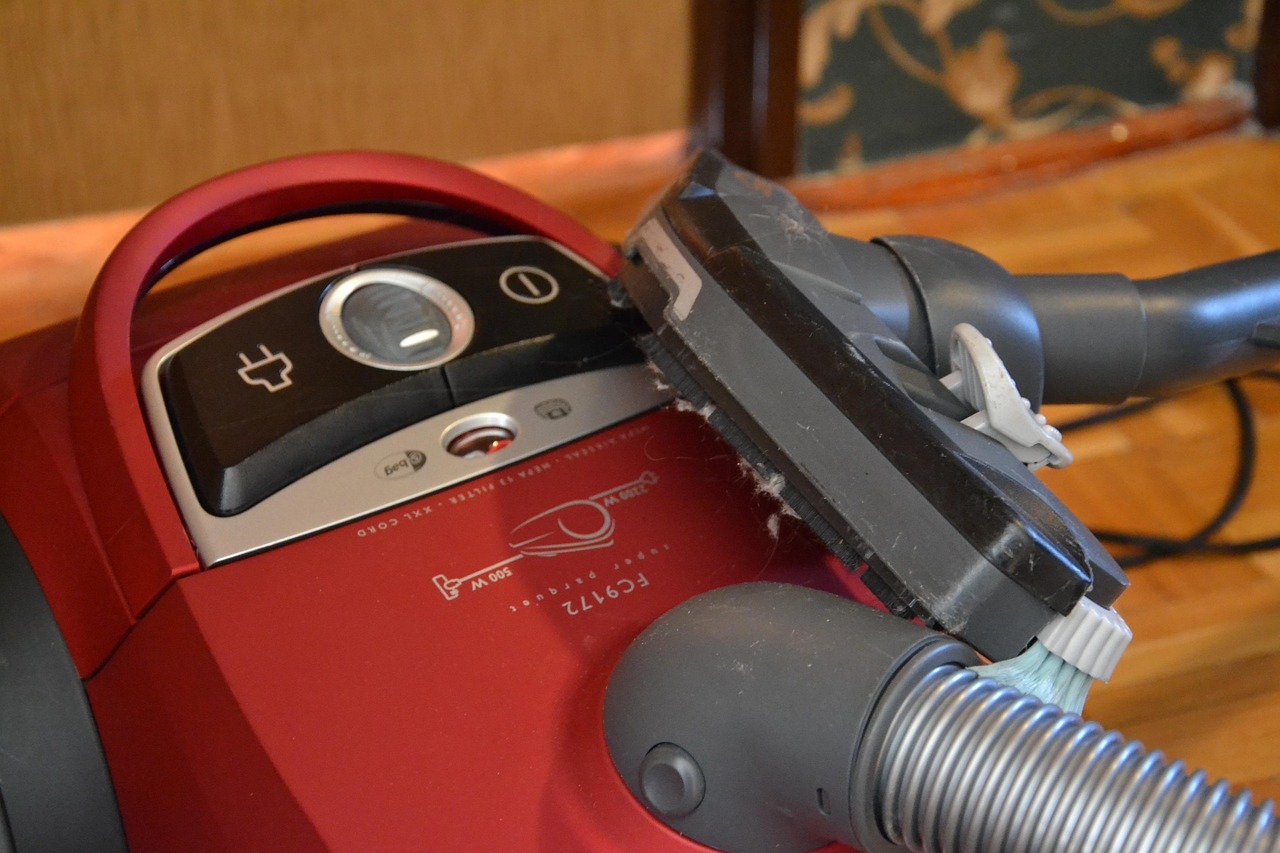
Clean floors owe much to 19th-century inventors determined to make housekeeping less backbreaking. In 1860, Daniel Hess patented a carpet sweeper that used air flow and brushes, planting the seed for modern vacuum cleaners. Later designs introduced true suction, though the machines were heavy and awkward to use. Over time, they evolved into lighter, more powerful devices that revolutionized home cleaning. Today’s vacuums, robotic, cordless, and equipped with advanced filters, still rely on the same core idea of lifting dirt with airflow.
12. The Camera

The power to capture a moment forever began in 1839 with Louis Daguerre’s daguerreotype process. Photography quickly spread, making portraits affordable beyond the wealthy and fueling a new era of visual storytelling. Cameras evolved throughout the century, becoming portable and easier to use. Despite digital advances, the core principle remains the same: recording light to preserve memory. From family albums to phone selfies, every photo is rooted in that 19th-century leap in technology.