

GRACELAND, ELVIS PRESLEY’S ESTATE
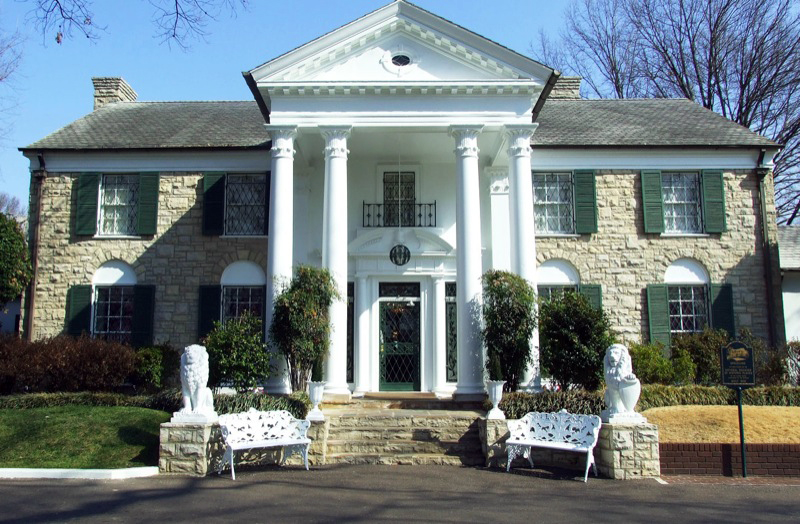
Graceland in Memphis reads as a lived‑in set rather than a shrine, with lush 1970s interiors, stained‑glass glow, and the Jungle Room exuding both comfort and swagger. The tour centers on how Elvis safeguarded a private rhythm amid constant attention, while across the street Elvis Presley’s Memphis atmosphere reanimates the public roar with cars, stagewear, guitars, and studio‑era context that clarifies the machine surrounding him. It lands because the details stay human: a hallway mirror, a stack of well‑worn records, and décor that reads as confidence made tangible, warm and a touch defiant as you move through each room.
PAISLEY PARK, PRINCE’S CREATIVE FORTRESS
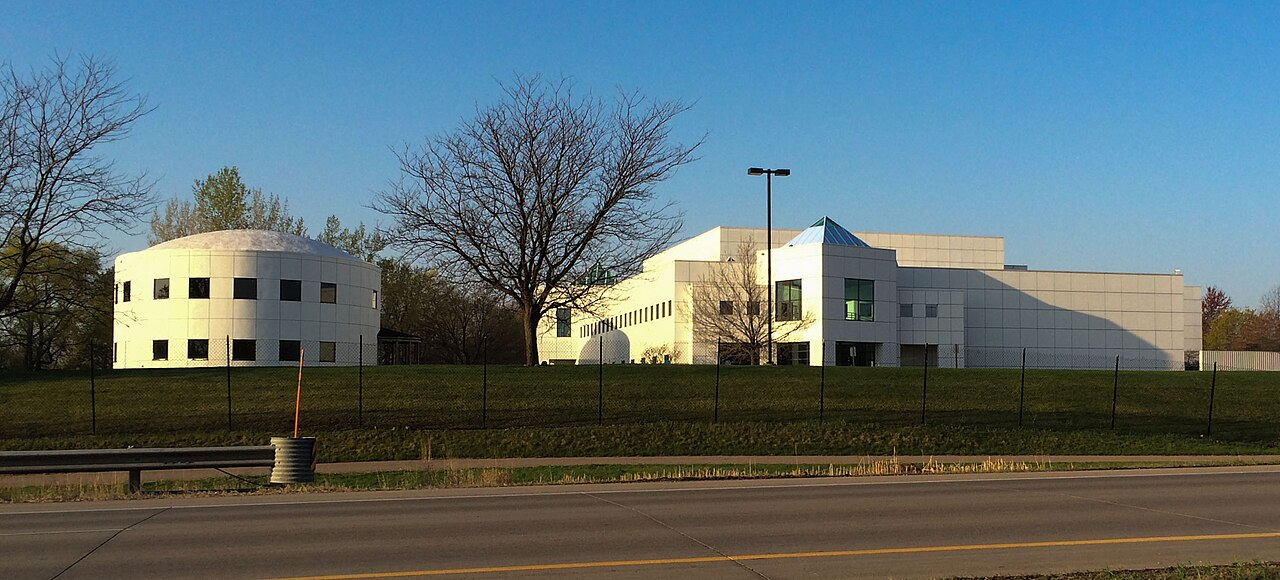
Paisley Park in Chanhassen was designed as home, studio, and stage, so the tour unfolds like a track list: hush, build, then a bright reveal that explains why Prince guarded the place with such intensity. Guides emphasize process over myth, showing how spaces were engineered for sound, privacy, and sudden bursts of creativity, with instruments, costumes, handwritten notes, and control‑room details revealing the craft behind the mystique. It feels less like a museum and more like a working concept preserved in motion, where lighting, sightlines, and stage access hint that rehearsal could begin again at any moment today.
CASA AZUL, FRIDA KAHLO’S BLUE HOUSE
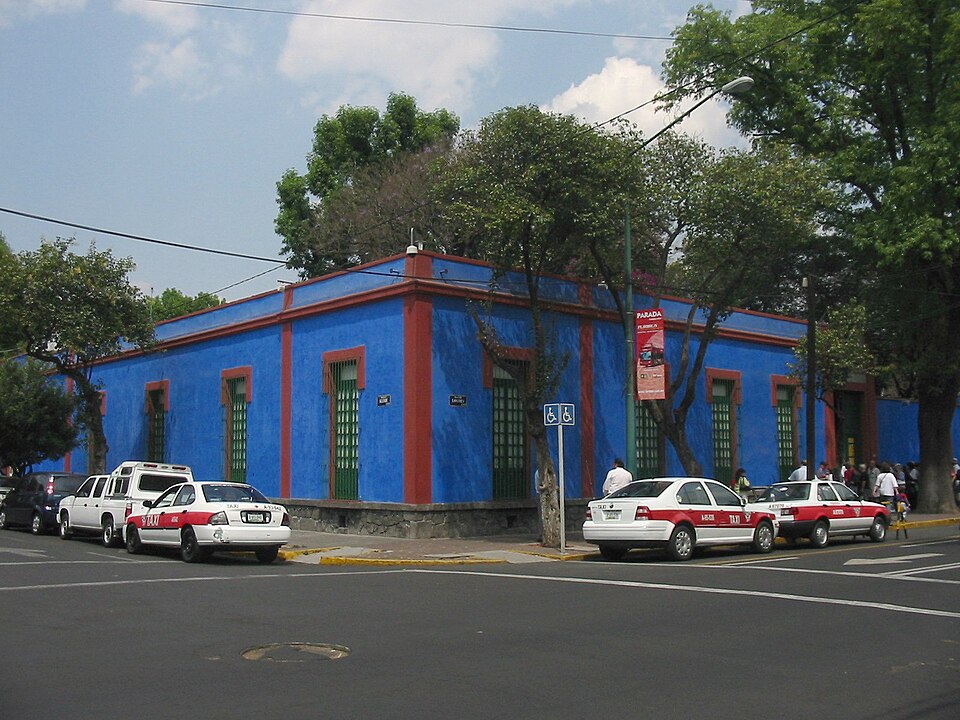
Casa Azul in Coyoacán holds Frida Kahlo’s world in saturated color, with cobalt walls, a sunlit courtyard, and rooms arranged around painting, recovery, and stubborn joy. Rather than polishing her into a poster, the museum lets personal objects, family photographs, textiles, and the garden’s quiet geometry reveal how art arose from ordinary needs and unwavering will, often under tight physical limits and constant observation. The house preserves an intimate tempo even when lines grow long, and each doorway frames a small, decisive statement, grounding the legend in daily life with color doing the remembering for her.
HEARST CASTLE, HOLLYWOOD HOST ON THE HILLTOP
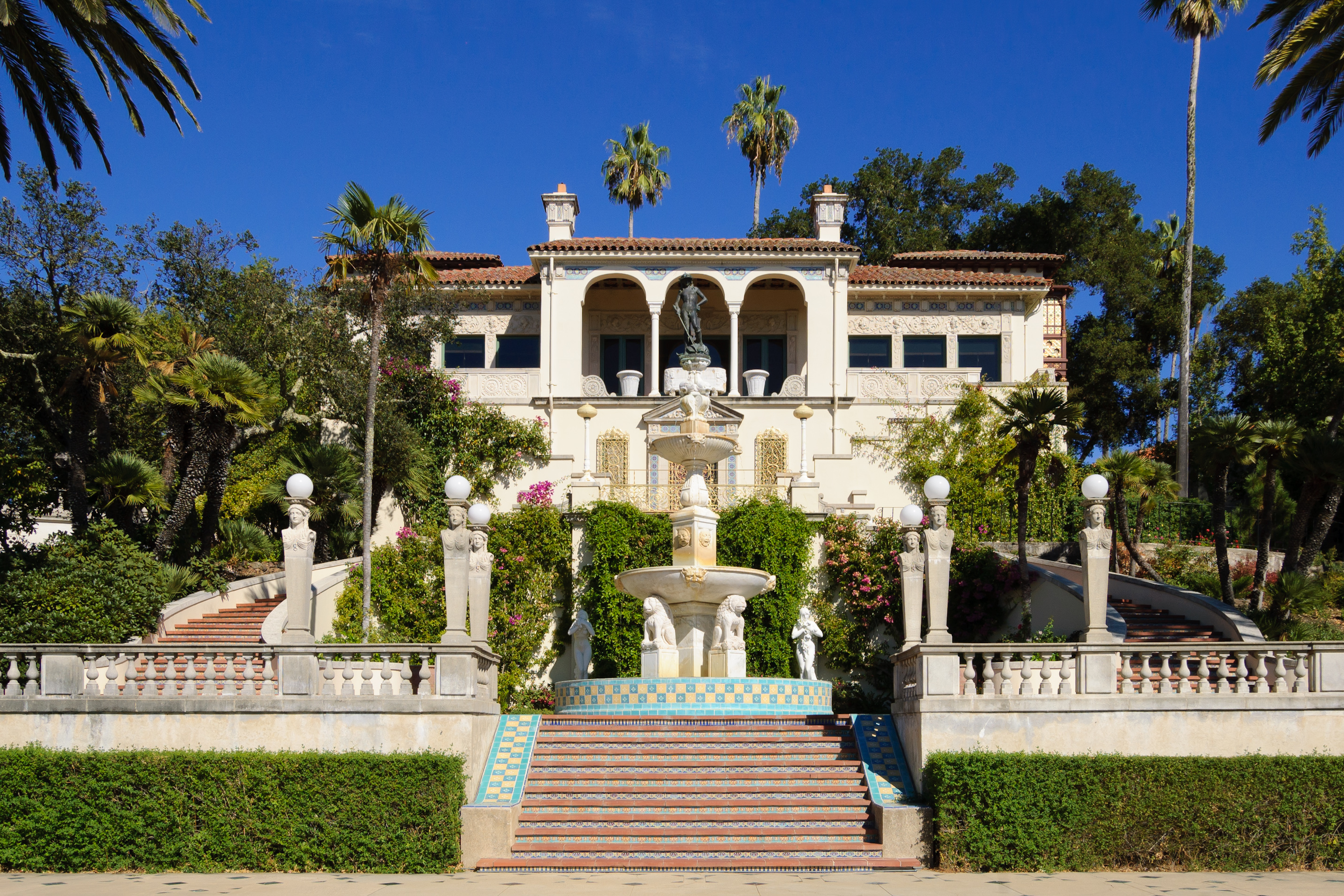
Hearst Castle above San Simeon transforms private ambition into a grand public walk-through, with ocean air filtering through rooms dense with tapestries, carved ceilings, imported stone, and art amassed to overwhelm on purpose. Guided routes shift emphasis day by day, but the effect remains the same: a host’s instinct for spectacle, built to impress famous weekend guests and keep conversation moving from cocktails to midnight. Between interiors, terraces and pools reset the mood, and the Pacific light softens the scale enough to make the extravagance feel oddly livable even as it borders on the dreamlike here.
THE MARK TWAIN HOUSE, HARTFORD’S GILDED AGE WIT
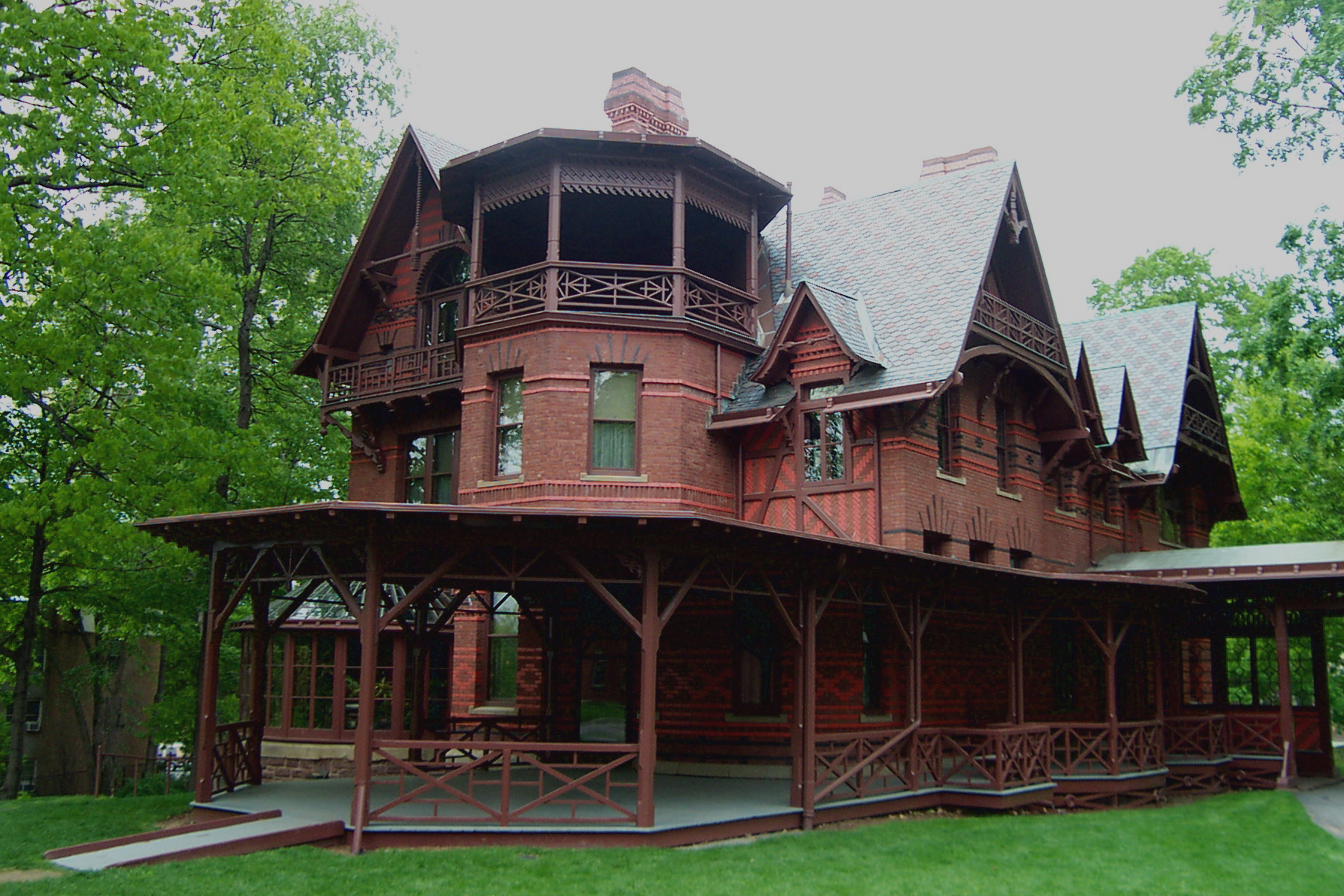
The Mark Twain House in Hartford appears playful from the street, with sharp angles and dark timber, yet the tour quickly becomes a lesson in craft, pressure, and offstage performance. This is where Samuel Clemens produced major work, and guides connect room design to daily routines, money worries, family dynamics, and the steady parade of guests who treated the place like a salon, expecting stories as readily as supper. Since tours are guided, the mansion remains a narrative rather than a photo loop; it reveals discipline, deadlines, and humor sharpened into prose, with each room showing how a public voice was forged from private moments.
ERNEST HEMINGWAY HOUSE, KEY WEST’S LITERARY HAVEN
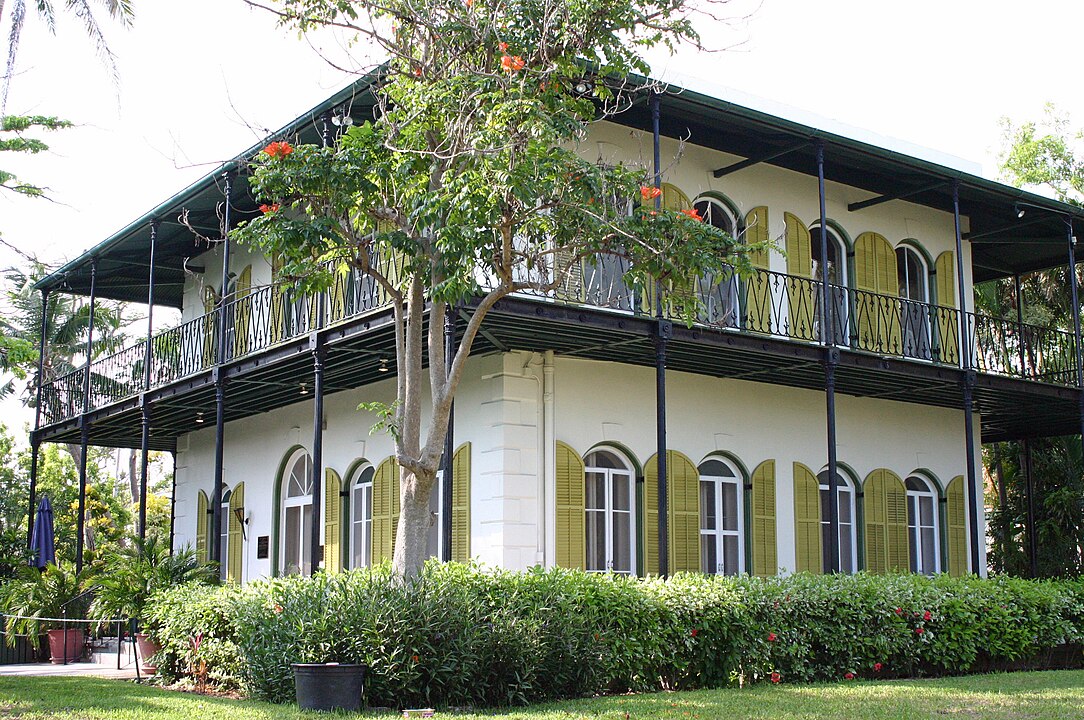
Hemingway’s Key West residence balances swagger with shade, featuring thick walls, breezy spaces, and a courtyard that invites cooling down after tough sentences and lively nights. Guides keep the tale practical, tracing work rhythms, friendships, and the push‑pull between fame and focus, while resident polydactyl cats lounge as if they own the place, turning legend into something oddly domestic. The home works because it isn’t grand; it feels like a chosen refuge where confidence meets routine, and routine keeps the words flowing day after day, until the rooms learned the sound of work without fanfare or apology.
THE MOUNT, EDITH WHARTON’S CAREFULLY CRAFTED WORLD
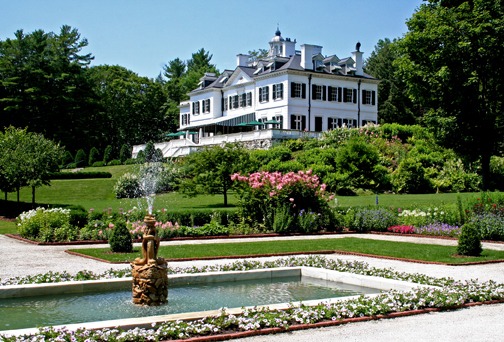
Edith Wharton’s The Mount in Lenox reads like architecture guided by an editor’s hand, where sightlines, light, and movement feel as deliberate as paragraph breaks. Docents treat the house as a form of authorship, showing how design choices shaped hosting, solitude, and the focus required to produce work at scale, with rooms that manage noise, views, and social flow as carefully as dialogue. Outside, terraces and gardens extend the same logic, arranged not as ornament but as a calm that feels earned, quietly modern in its restraint even amid winter light and intimate closeness.
FRANK LLOYD WRIGHT HOME AND STUDIO, OAK PARK ROOTS
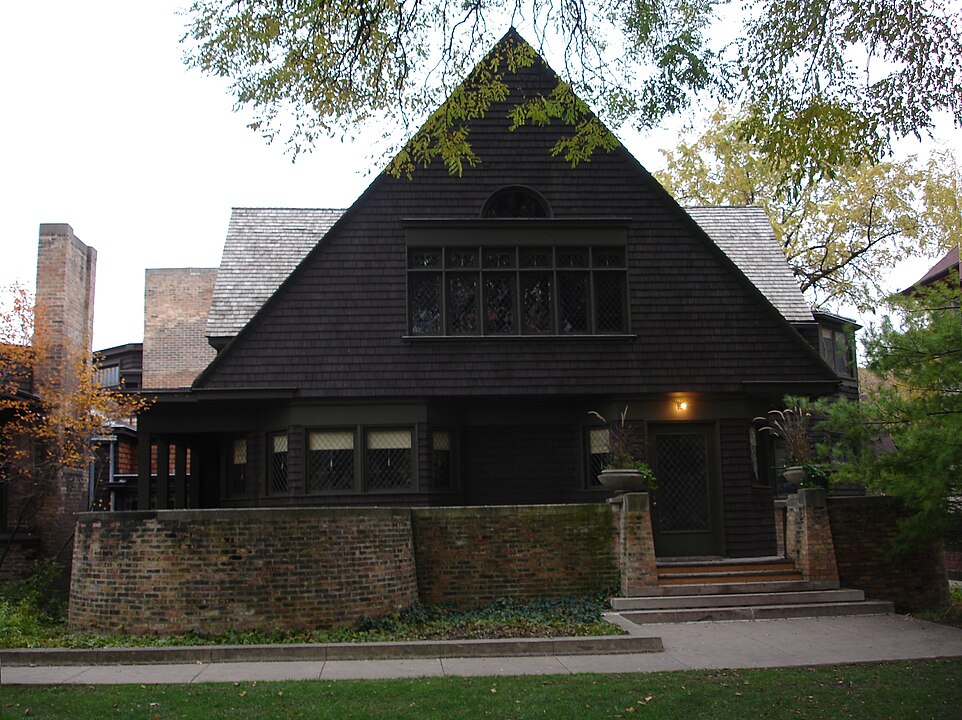
Frank Lloyd Wright’s Home and Studio in Oak Park is where major theories were tested on a domestic scale, so the tour feels like watching architecture learn to speak. Guides highlight early Prairie moves: compact entries that open into daylight, rooms that flow rather than stack, and details that defy convention while serving everyday life, then the studio side shows how clients and commissions shaped the experiments. It remains a family house too, with additions and adjustments that reveal ambition, budget pressure, and restlessness, making the brilliance feel earned in every corner.
LOUIS ARMSTRONG HOUSE MUSEUM, QUEENS—SWING ERA CENTER
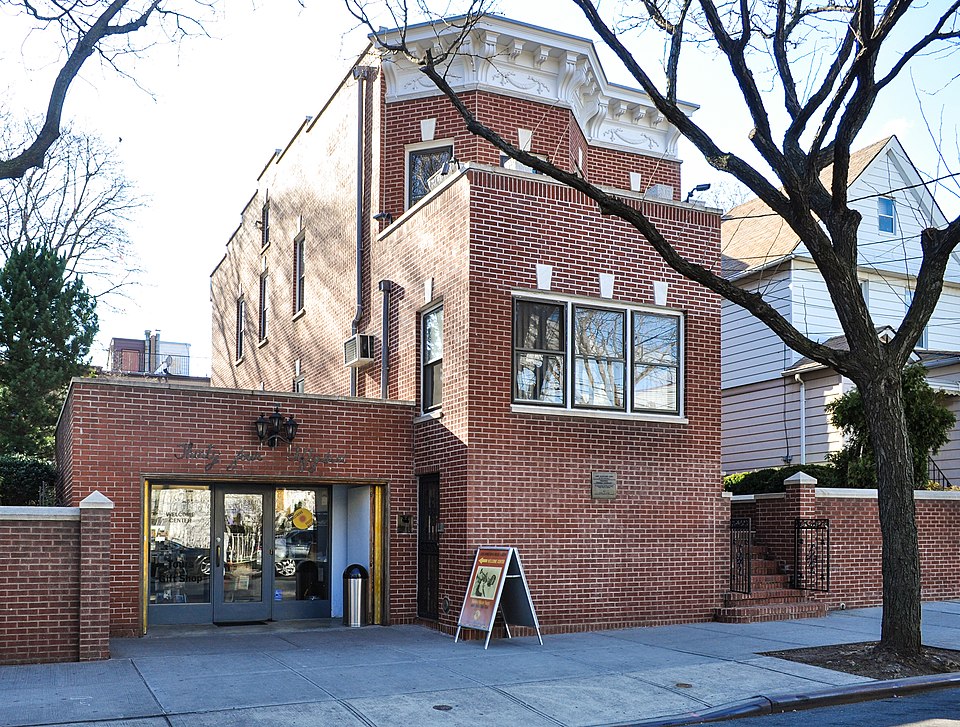
Louis Armstrong’s brick residence in Corona, Queens keeps a refreshingly modest vibe, and that restraint becomes the headline the moment you enter. Timed visits guide you through preserved rooms that frame a life built on hospitality and discipline, from domestic corners to memorabilia hinting at constant travel, while the visitor center deepens the story with recordings, photos, and context that keep the home from feeling like a relic. The result is intimate without fragility, a place where swing‑era joy and everyday routine share the same chair, still in rhythm with neighbors’ footsteps and memory of a horn.
SHAKESPEARE’S BIRTHPLACE, STRATFORD’S PRIMARY STAGE
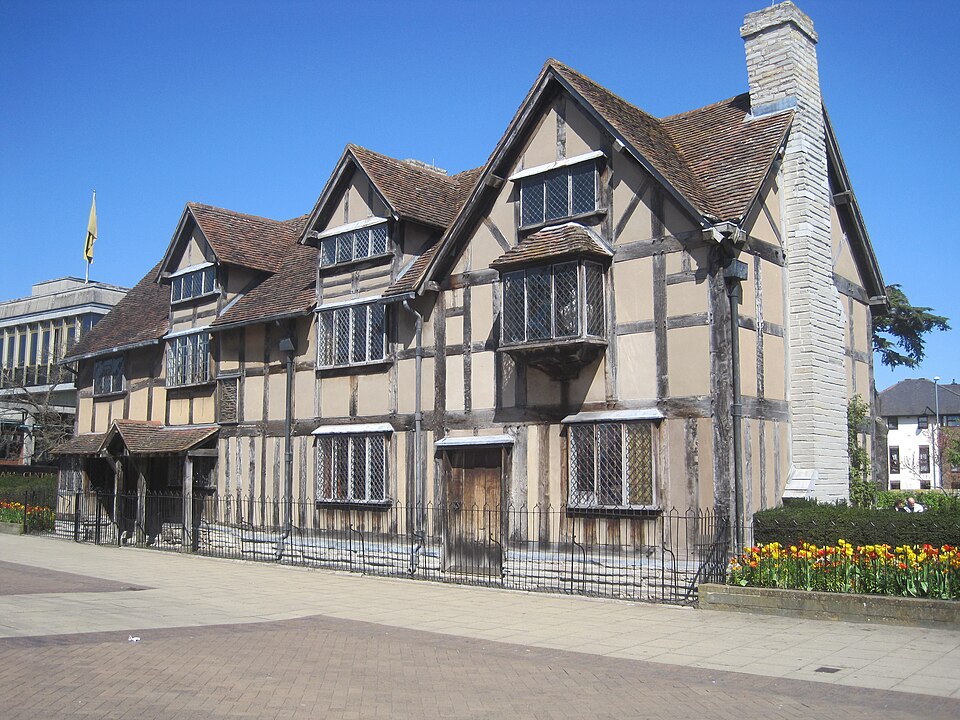
Shakespeare’s Birthplace in Stratford-upon-Avon isn’t a palace; it’s a compact timber‑framed home whose creaking stairs made early fame seem unlikely, which is exactly why it convinces. The rooms and courtyard anchor the tale in family trade and provincial life, while thoughtful interpretation avoids turning the site into mere reverence, letting the ordinary scale, worn thresholds, and simple domestic layout carry the emotion. Outside, the garden offers a slower tempo, and the walkable streets around keep the past feeling local, as if language could begin again here on any quiet afternoon, with no spotlight required.
MOZART’S BIRTHPLACE, SALZBURG’S YELLOW HOUSE
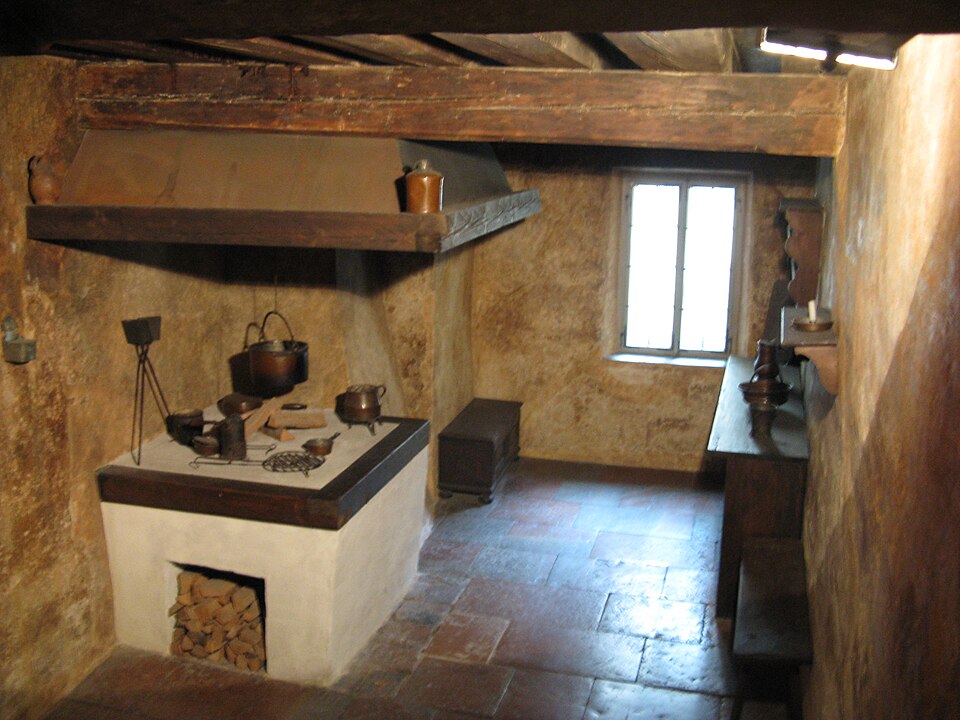
Mozart’s Birthplace on Getreidegasse looks almost pristine from the street, yet inside it recovers the messy reality of genius growing within a bustling household. Exhibits traverse original rooms and recreated domestic scenes, weaving instruments, letters, portraits, and everyday objects so the eighteenth century feels legible rather than museum‑flat, and the family’s constant motion becomes part of the soundtrack. It’s a compact visit with a long aftertaste, focusing less on grandeur and more on the conditions that let music take hold, room by room, in the middle of a city lane.
BOB MARLEY MUSEUM, KINGSTON’S HOUSE OF SOUND
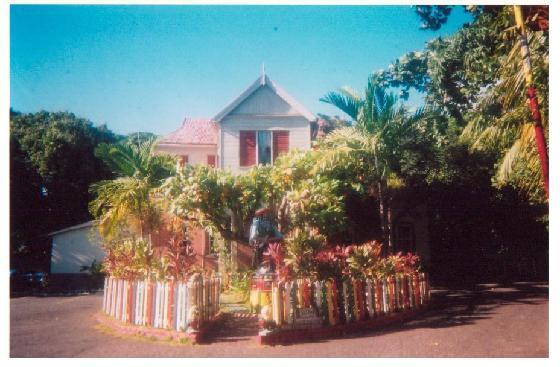
At 56 Hope Road in Kingston, the Bob Marley Museum preserves a working life, not merely a legend, with rooms that still feel ready for writing, meetings, and recording when momentum calls. Guided tours move through the house and exhibits with a steady rhythm, letting photographs, stage pieces, memorabilia, and the lived‑in layout explain how reggae became both message and industry, without turning the story into worship or tidy morality. The tone stays warm, and the meaning lands in small contrasts: quiet corners beside public imagery, simplicity beside fame, and a home that kept its center even as the world grew louder.