
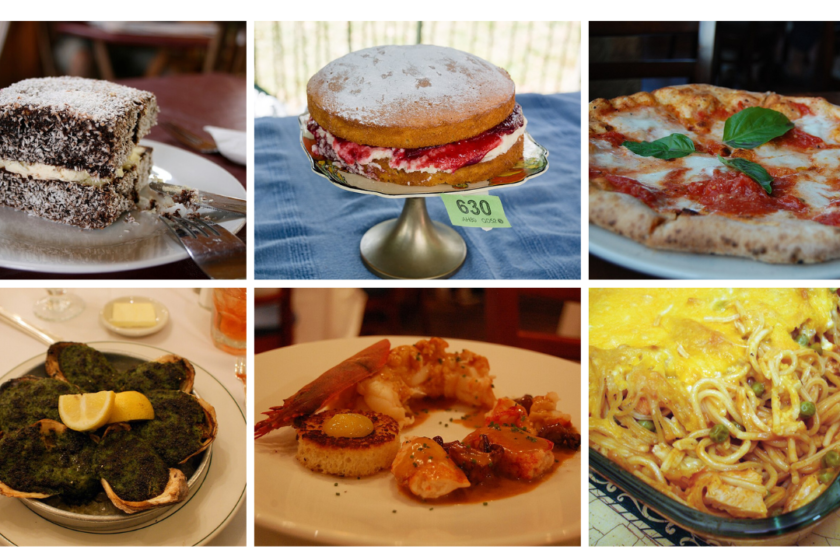
Famous names meet holiday hunger: Wellington, Pavlova, Melba, and more, each turning history into something worth sharing tonight.
Holiday tables carry history into the realm of edibles. A name on a menu can convey a full tale: a chef striving to impress a diva, a restaurateur improvising during a rush, or a tribute to a public figure whose fame spread faster than any recipe. These courses feel festive even when their origins were ad hoc, because they were crafted for joy and remembered through repetition. Served at Christmas feasts, New Year gatherings, and late-season gatherings, they spark conversation and taste delicious too.
BEEF WELLINGTON
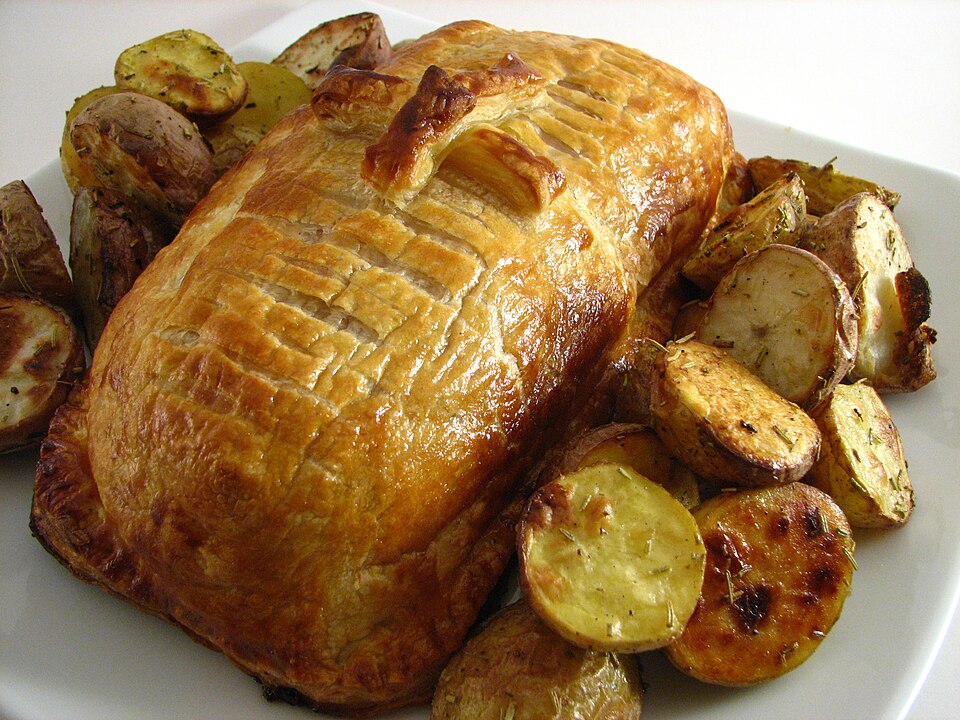
Few centerpiece dishes scream holiday quite like a beef tenderloin swathed in pastry, sliced to reveal rosy meat, mushrooms, and a crackly shell that yields a juicy core. The name is commonly tied to Arthur Wellesley, the Duke of Wellington, though the trail is thin and the link may be more homage than documented proof. That half-legend suits December entertaining: visually striking, deeply comforting in flavor, and demanding solid technique—dry the meat, chill the pastry, and rest before carving so every slice stays neat, crisp, and worthy of a crowded table with gravy nearby and smiles all around.
PAVLOVA
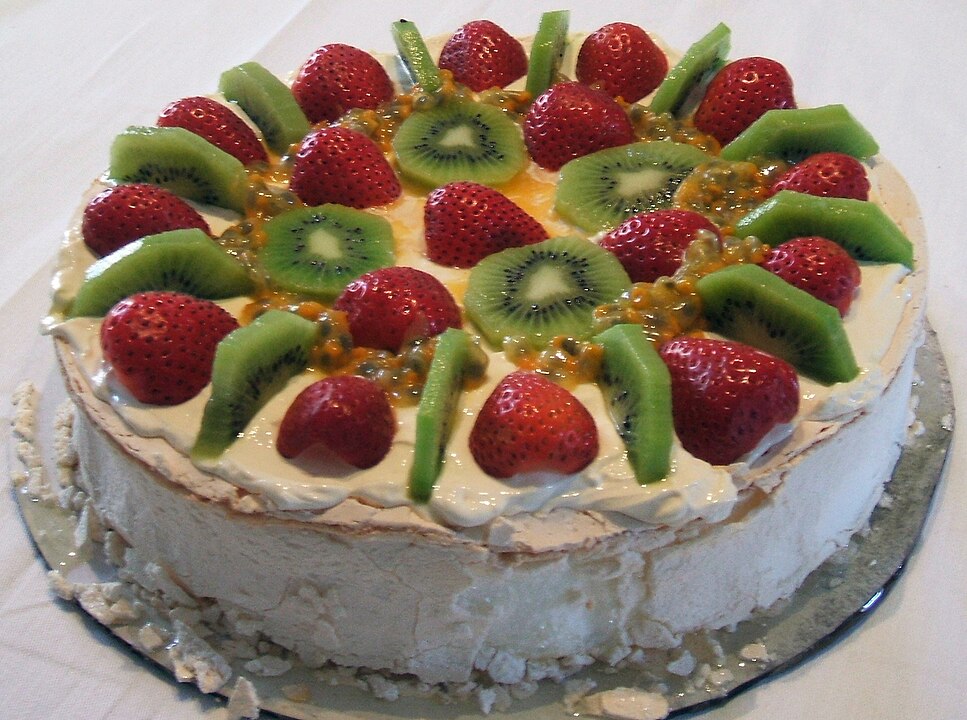
Pavlova offers a welcome lift after rich courses, featuring a crisp meringue crust, a soft marshmallow center, and cream piled high beneath fruit that reads like confetti against winter light. The dessert is named after Russian ballerina Anna Pavlova and is commonly linked to Australia or New Zealand during her 1920s tours, with friendly debate over which country first claimed it. Either way, it earns a holiday slot by feeling light yet special, a sweet that holds up on buffets, pairs well with berries or citrus, and vanishes quickly once the first spoon cracks the shell and reveals that tender center in a space of sweets.
PEACH MELBA
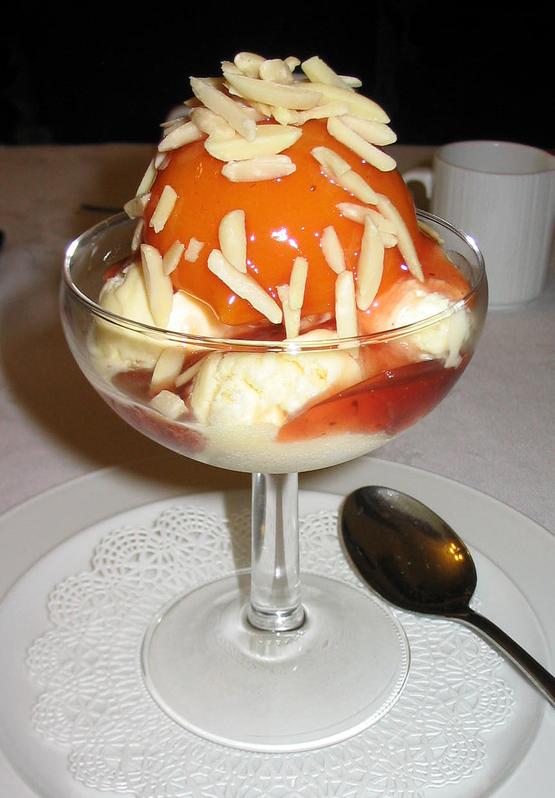
Peach Melba lands like a polished finale, tender peaches over vanilla ice cream, finished with raspberry sauce that brightens the bowl as nights grow shorter. It is attributed to Auguste Escoffier, created in honor of opera star Nellie Melba while she was in London in the 1890s, then refined into a signature that traveled far beyond the Savoy. In December it works because it can be staged ahead: peaches poached ahead, sauce chilled, ice cream scooped at the last moment, so the dessert feels restaurant-clean while remaining comforting, and the tart raspberries cut through rich dinners with a confident finish.
MELBA TOAST
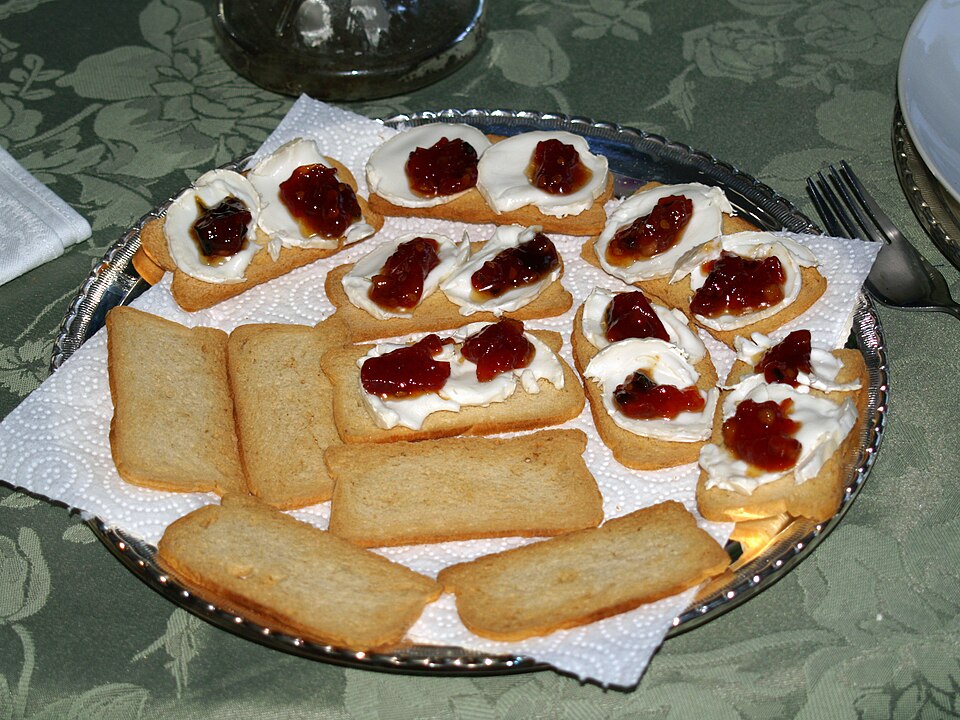
Melba toast is the quiet workhorse of holiday boards, thin slices toasted until crisp enough to support pâté, smoked fish, cheese, or jam without going soggy. It shares its name with soprano Nellie Melba, and many tales connect it to Escoffier, who served it in an era when a singer’s voice was treated like something to protect, not risk. The best versions are split, toasted twice, and kept dry until serving, making them ideal for parties: they stack neatly, stay crisp, and give dips and spreads a clean base so the spotlight stays on the topping, not the bread. It buys time between courses and keeps hands busy.
CAESAR SALAD
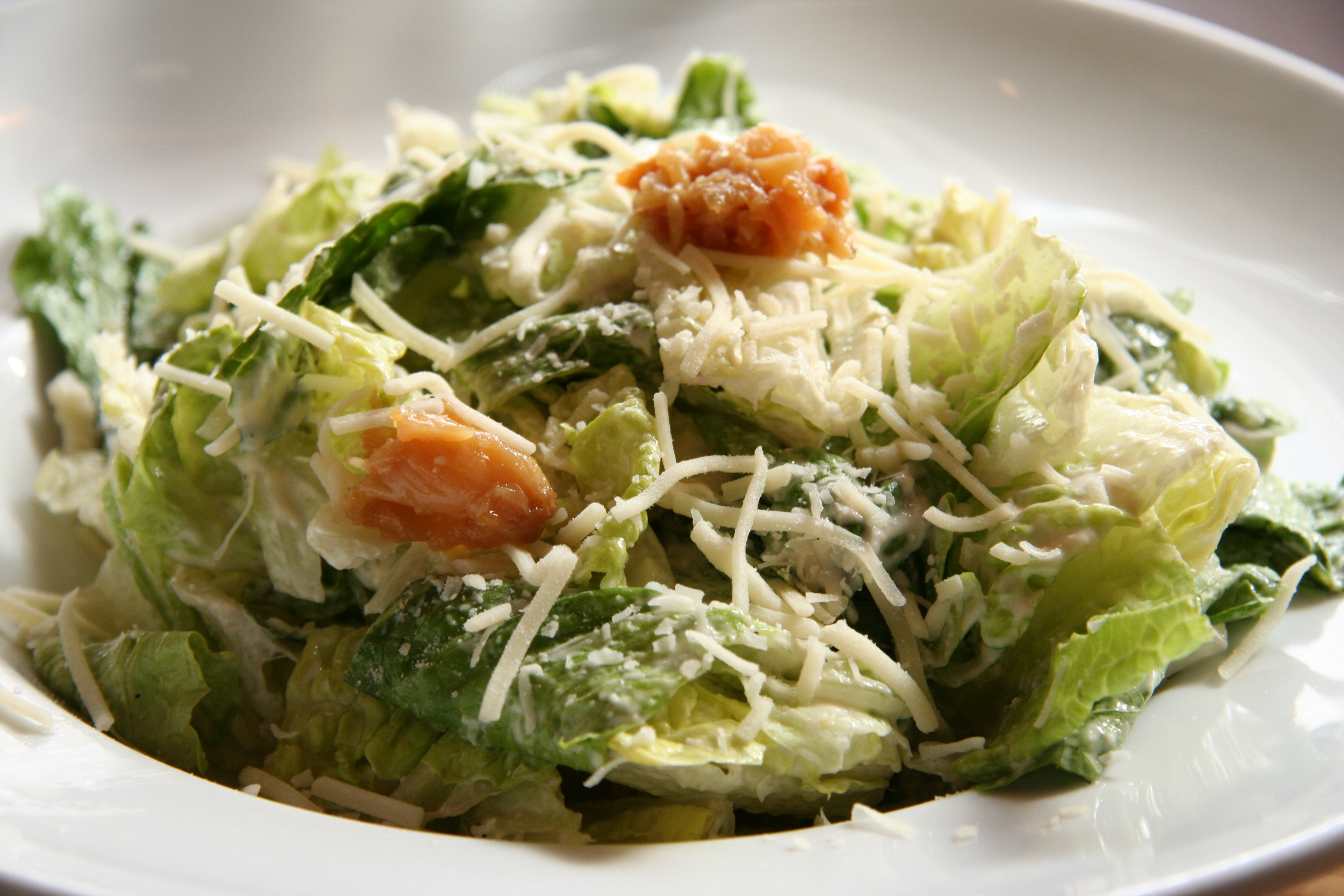
Caesar salad earns its place in a season of indulgence by resetting the palate: cool romaine, croutons, and a dressing balancing garlic, lemon, Parmesan, and anchovy depth. The standard origin story credits restaurateur Caesar Cardini, said to have improvised it in the 1920s during a rush when the kitchen was running low. That energy matches holiday hosting, where calm improvisation matters. Served in a big bowl, it adds crunch and brightness, and it also plays well with roast meats, seafood, and heavy sides, keeping the meal from drifting into fatigue. A quick toss right before serving keeps the leaves crisp and the room hungry.
VICTORIA SPONGE
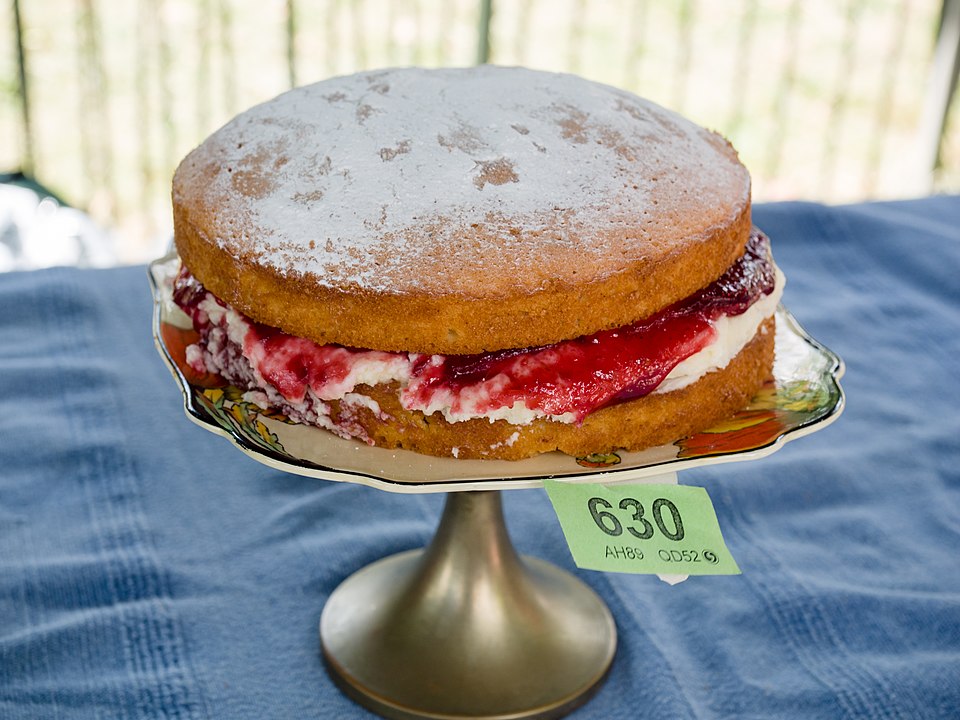
Victoria sponge feels made for winter afternoons, a tender cake layered with jam and often cream, finished with a dusting of powdered sugar rather than heavy icing. It is named for Queen Victoria, who was known to enjoy a slice with afternoon tea, turning a plain sponge into a quietly royal habit. During the holidays it fits beside shortbread and fruit desserts, offering comfort that still looks polished on a stand. A good sponge stays light, not dry, and the jam does the talking, making it the kind of sweet that people reach for again while tea is poured and conversations slow. It travels neatly, so it suits gift tins and potlucks.
PIZZA MARGHERITA

Pizza Margherita brings effortless ease to bustling holiday kitchens, where guests drift in and out and the oven stays busy. Legend says it was named for Queen Margherita of Savoy in 1889, with tomato, mozzarella, and basil echoing the Italian flag, a story that has traveled almost as widely as the dish itself. Whether the tale is perfectly accurate matters less than the mood it creates: simple ingredients, generous portions, and instant warmth. It feeds a crowd quickly, keeps cleanup simple, and still feels festive when it arrives blistered, glossy, and fragrant, with everyone grabbing a slice between toasts. It keeps spirits high even after dessert.
CHICKEN TETRAZZINI
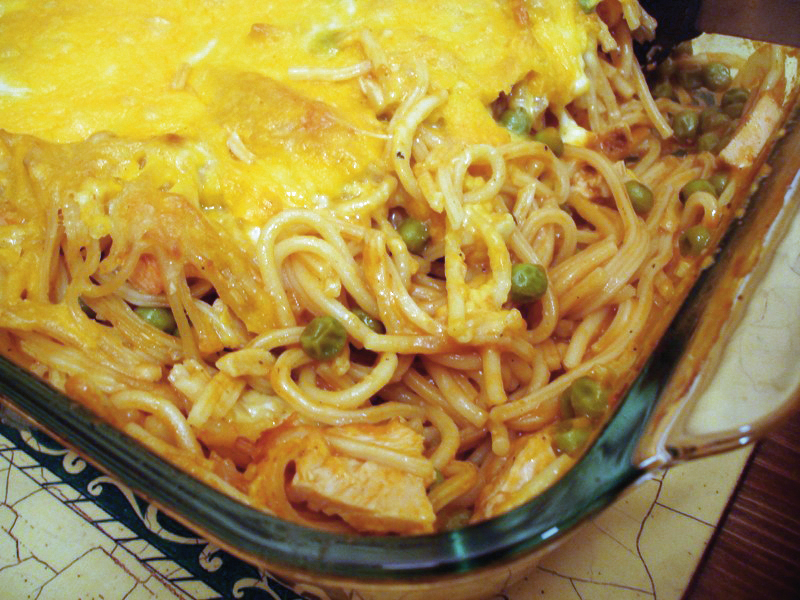
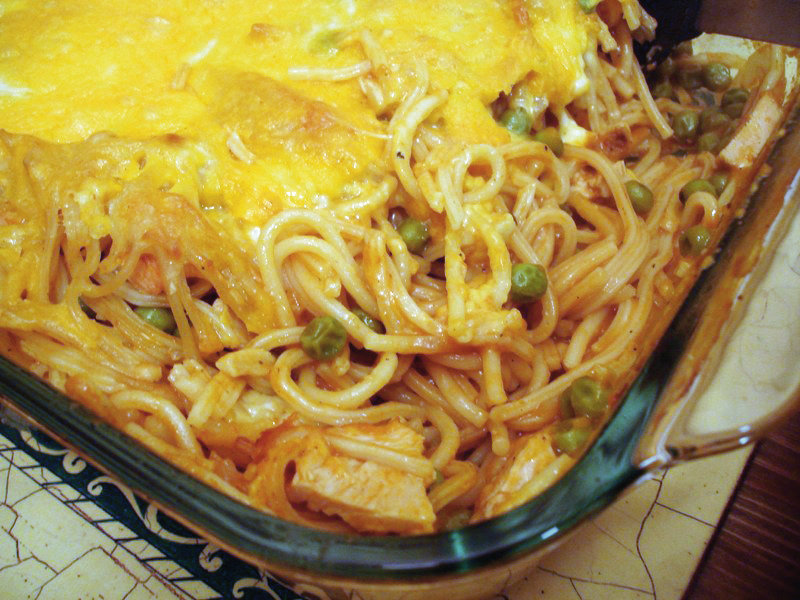
Chicken or turkey tetrazzini is designed for the days after big celebrations, when leftovers deserve a second life and comfort takes center stage. Pasta is folded into a creamy mushroom sauce and baked until bubbling and browned at the edges. The dish is named after opera star Luisa Tetrazzini, though its exact restaurant origin is contested, with claims tied to early 1900s American dining. That ambiguity fades once the pan lands on the table: it tastes like an encore—practical, rich, and satisfying, and it makes the house smell of the holidays even after the party closes. It reheats beautifully, which is the whole point of leftovers.
OYSTERS ROCKEFELLER
Oysters Rockefeller arrives as edible luxury, oysters topped with a rich green sauce and crumbs, then baked or broiled until the edges brown and the aroma commands attention. Named for John D. Rockefeller, the dish symbolized opulence and stuck as shorthand for indulgence. At New Year’s gatherings it shines as a small, glamorous bite that still feels traditional, especially with lemon nearby and something sparkling in the glass. Each oyster is portioned, making it easy to pass and quick to savor, while giving hosts a touch of theatrical flair without extra mess.
LOBSTER NEWBERG
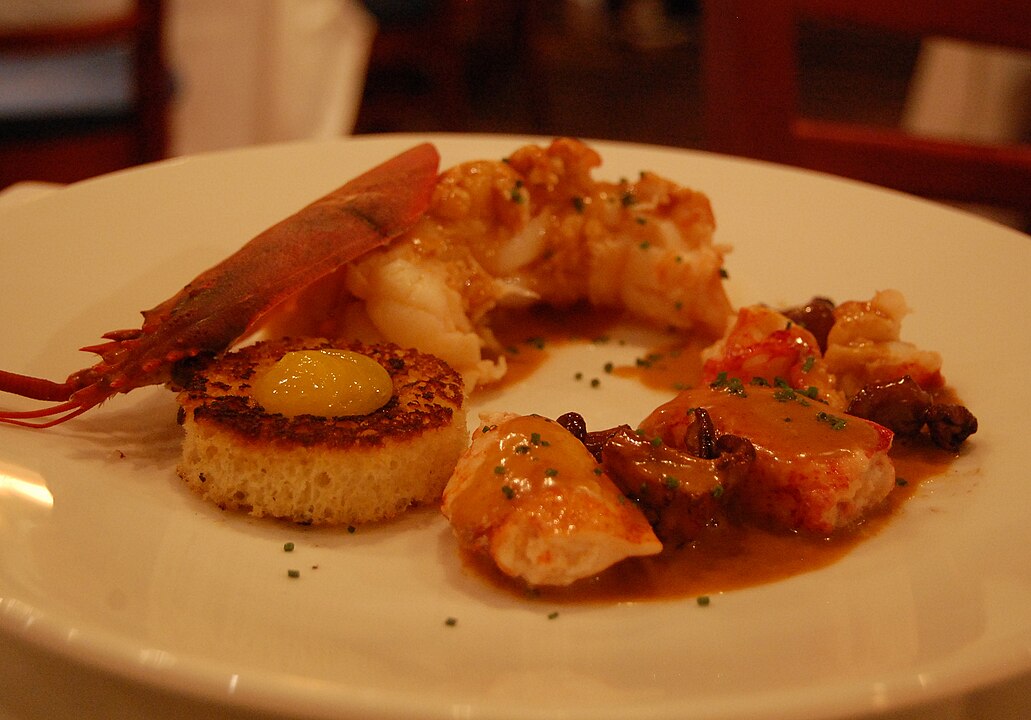
Lobster Newberg embodies holiday bravura: lobster dipped in a velvety sauce of butter, cream, and spirits, spooned over toast or pastry so nothing goes to waste. The name is often linked to a sea captain named Ben Wenberg and a famed New York restaurant in the 1870s, with stories of a quarrel and a renamed dish. Even with murky history, the flavor remains unmistakable. It slows a meal on purpose, inviting smaller bites and longer pauses, and it pairs beautifully with candlelight, fine wine, and conversations that stretch past midnight. Serve it over rice or toast points for a pleasing crunch.
SANDWICH
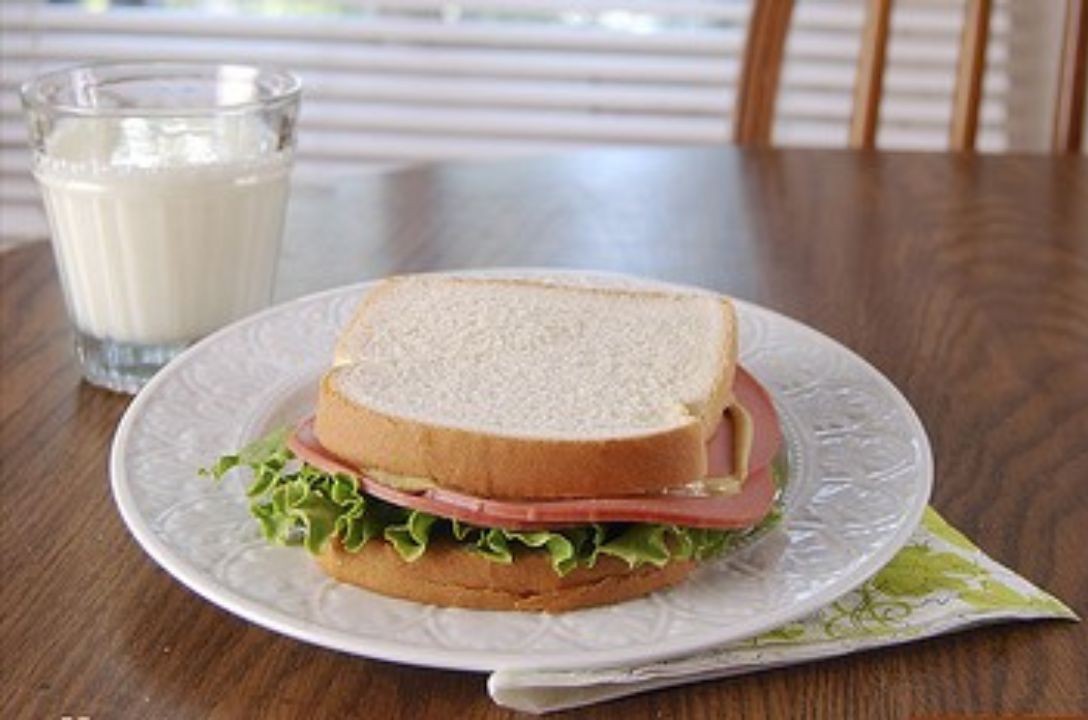
The sandwich stands out as an underrated holiday fix, turning leftovers like ham, turkey, or roast beef into a satisfying bite at any hour, from tea trays to late-night snacking. Its name traces back to John Montagu, the Earl of Sandwich, famed for eating meat between bread to keep meals from interrupting work or card games, and the idea stuck for its practicality. In December it becomes pure freedom: cucumber rounds with afternoon tea, thick slices of turkey with gravy-soaked stuffing, or a simple cheese melt for tired hosts—quick to assemble, easy to carry, and ideal for feeding a crowd without restarting a full meal.
LAMINGTON
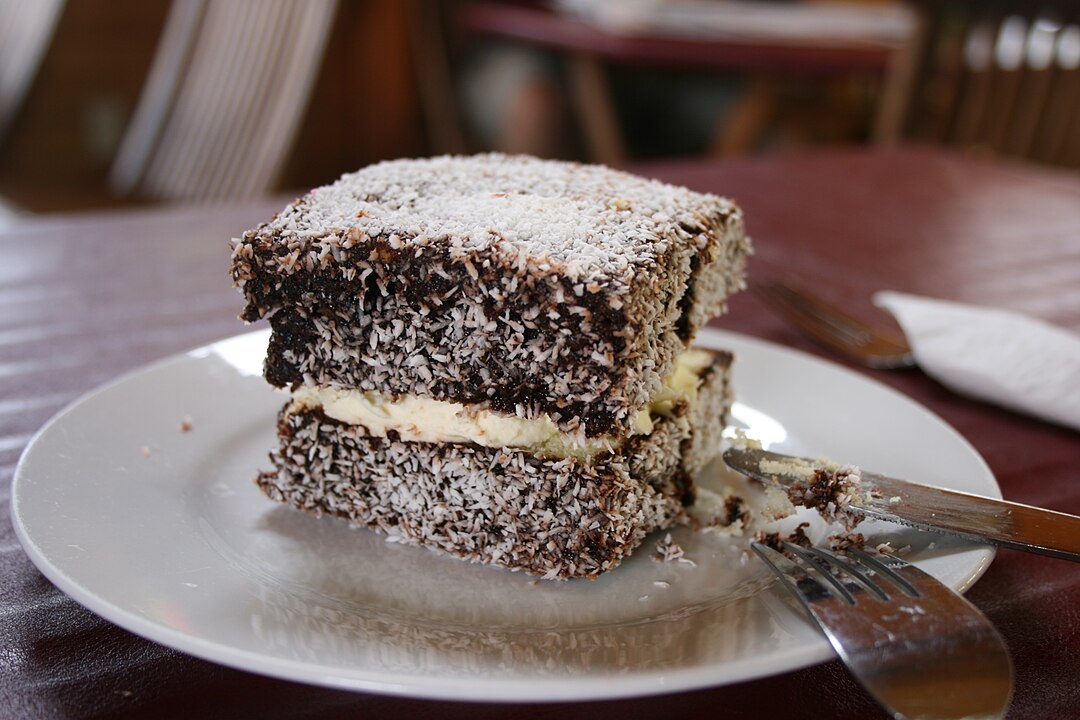
Lamingtons appear perfectly suited for December tins, sponge squares coated in chocolate and rolled in coconut, sometimes split and filled with jam and cream for extra softness. They are widely believed to be named after Lord Lamington, Governor of Queensland around the turn of the 20th century, though some accounts credit Lady Lamington instead. Either way, they travel well, stay steady on platters, and evoke nostalgia without fuss, a sweet that endures busy kitchens, crowded parties, and gift bags, still tasting tender after time in the fridge or a long drive, with coconut lingering on fingers in the nicest way.