
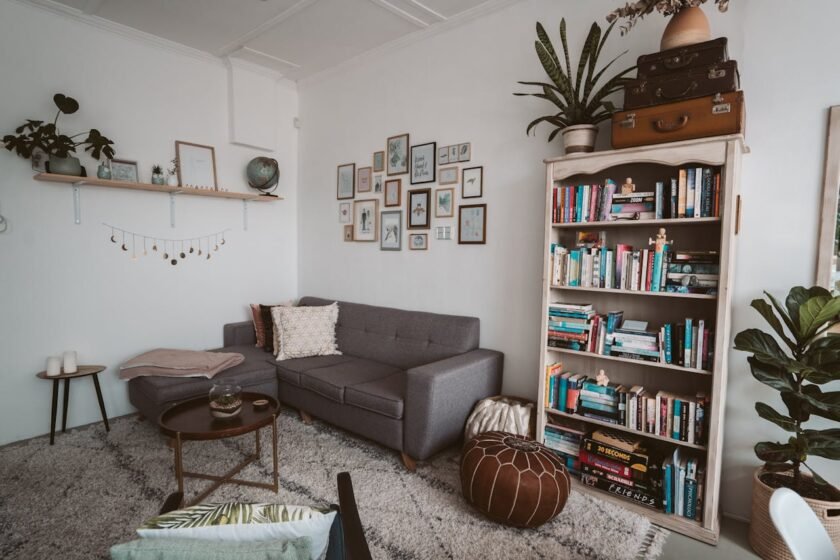
The homes of highly intelligent people reveal far more than style or decoration; they reflect curiosity, creativity, and an ongoing hunger for knowledge. From towering bookshelves filled with diverse reads to brain-teasing puzzles, musical instruments, globes, and other tools that spark exploration, these spaces are designed to stimulate the mind. Every corner encourages reflection, learning, and imaginative thinking, creating an environment where ideas thrive and inspiration is never far away.
1. A Wide Variety of Bookshelves
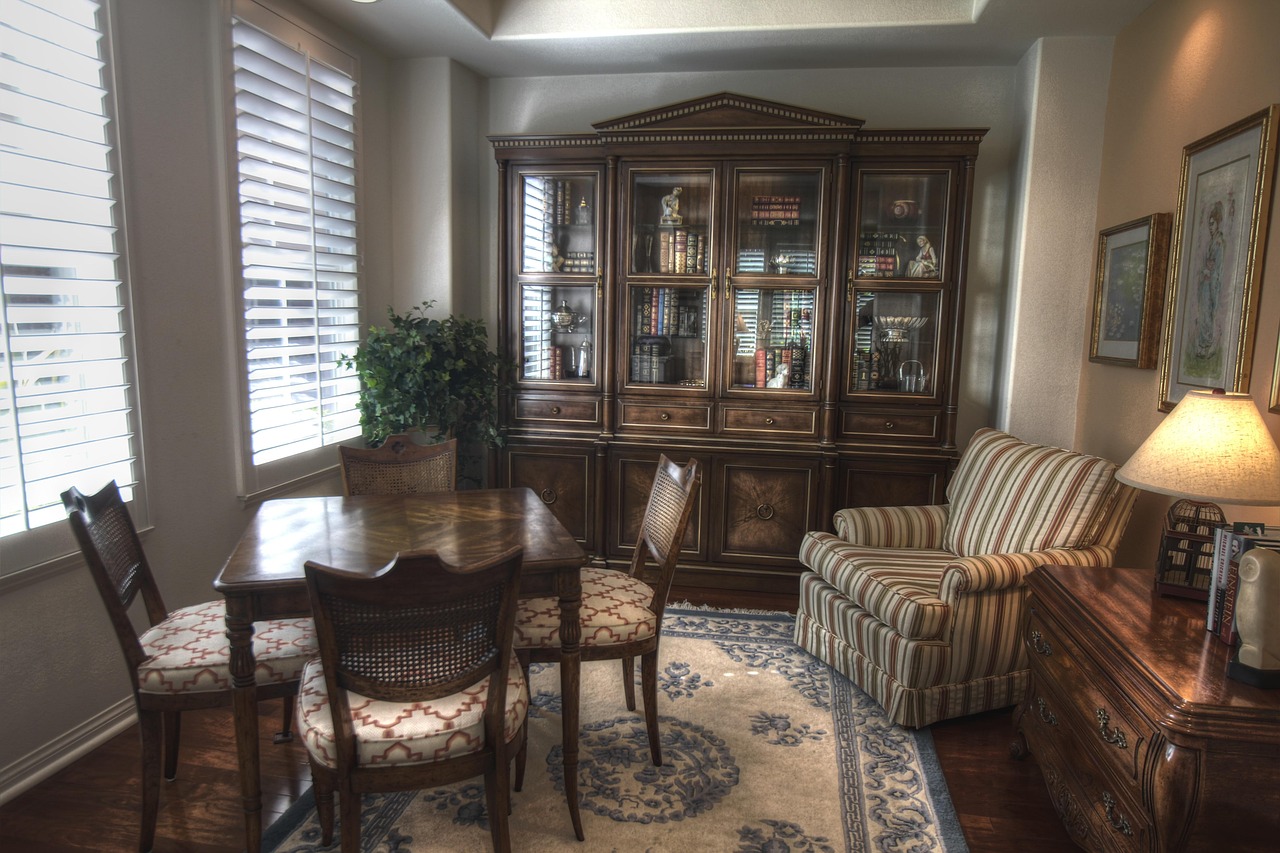
Bookshelves are more than just storage; they are windows into a mind that craves knowledge. Highly intelligent people often fill their shelves with a mixture of fiction, nonfiction, history, science, and philosophy. This diversity reflects curiosity across disciplines. Books within arm’s reach allow for spontaneous exploration of ideas. Reading stimulates imagination, enhances memory, and strengthens critical thinking. A well-stocked bookshelf signals a life dedicated to learning and an environment where intellectual growth is a daily habit.
2. A Whiteboard or Idea Board

Whiteboards and corkboards turn abstract thoughts into visible, actionable plans. Intelligent individuals use these tools to brainstorm, track goals, and map complex ideas. Visualizing thoughts helps with memory retention and problem-solving, making it easier to identify connections or gaps. Research shows that people who sketch or map ideas often solve problems faster. Having a whiteboard at home demonstrates an organized, active mind that values clarity and strategy, turning creativity into structured thinking that can be acted upon immediately.
3. Brain Games and Puzzles

Puzzles and brain teasers challenge the mind and refine problem-solving skills. Rubik’s Cubes, chess boards, and complex jigsaws are staples in the homes of the intellectually curious. These activities enhance memory, logical reasoning, and patience while providing a playful way to engage the brain. Studies indicate that engaging in mentally stimulating games regularly can improve cognitive function over time. Displaying or using these games shows that the person values mental agility and enjoys tackling challenging tasks that require focus and creativity.
4. Musical Instruments

Guitars, pianos, and other musical instruments are common in homes of those who nurture both creativity and intelligence. Playing music strengthens memory, enhances pattern recognition, and develops discipline. Research indicates that musicians often outperform non-musicians in memory and cognitive tests. Music combines logical structure with expressive freedom, making it a unique tool for brain development. Keeping an instrument in the home signals a dedication to continuous learning and a belief in exercising the mind through artistic as well as analytical pursuits.
5. Indoor Plants
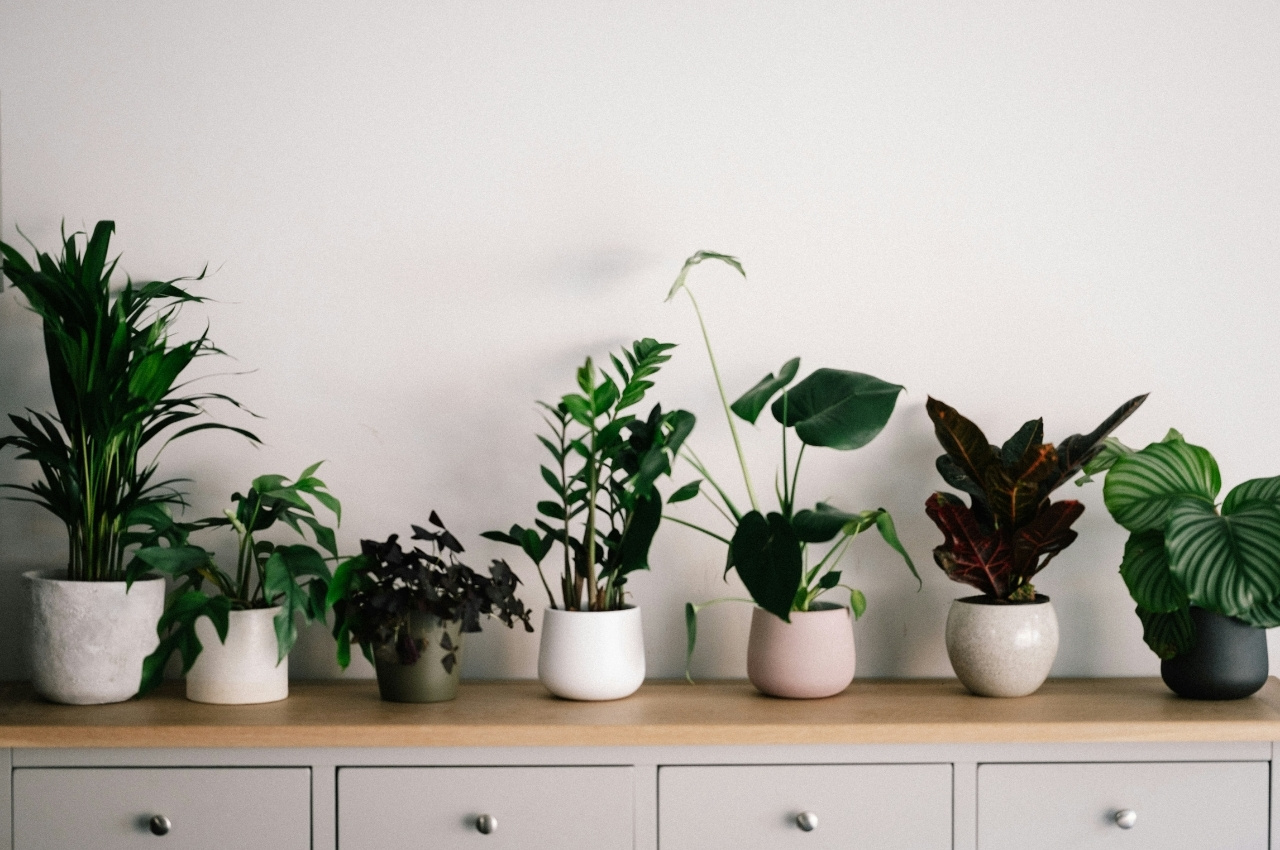
Greenery indoors does more than beautify a space; it fosters focus, calm, and patience. Intelligent individuals often care for plants like ferns, succulents, or small herbs, which require consistent attention. Studies suggest that tending plants can improve concentration and memory while reducing stress. Indoor plants also improve air quality, indirectly supporting mental clarity. Their presence indicates a balance between intellectual pursuits and mindfulness, creating an environment where both thought and tranquility can thrive.
6. A Quiet Reading Nook

A dedicated reading corner encourages deep focus and uninterrupted learning. With a comfortable chair, good lighting, and minimal distractions, these nooks provide a sanctuary for reflection and absorption of knowledge. Research shows that even short daily reading sessions can expand vocabulary, improve comprehension, and strengthen critical thinking. Highly intelligent people often cultivate such spaces to immerse themselves in books or studies, creating an environment where the mind can rest, explore, and expand without external interruptions.
7. Notebooks and Journals

Journals and notebooks are vital tools for organizing thoughts and capturing fleeting ideas. Writing stimulates cognitive processing, helps with problem-solving, and enhances self-reflection. Studies indicate that people who journal regularly perform better on complex tasks requiring planning and analysis. Intelligent individuals often use these tools to record insights, track goals, and develop ideas over time. A notebook on a desk or bedside table signals a habit of reflection, intellectual curiosity, and the value placed on continuous learning and self-expression.
8. Maps or Globes

Maps and globes inspire curiosity about the world, cultures, and geography. Intelligent individuals often display these tools as both decor and learning instruments, sparking questions about global events and travel. Historically, maps have been essential for understanding the world and developing strategic thinking. Globes and detailed maps serve as constant visual reminders that learning extends beyond one’s immediate environment. Their presence demonstrates an eagerness to explore, understand, and engage with a global perspective.
9. Smart Home Devices
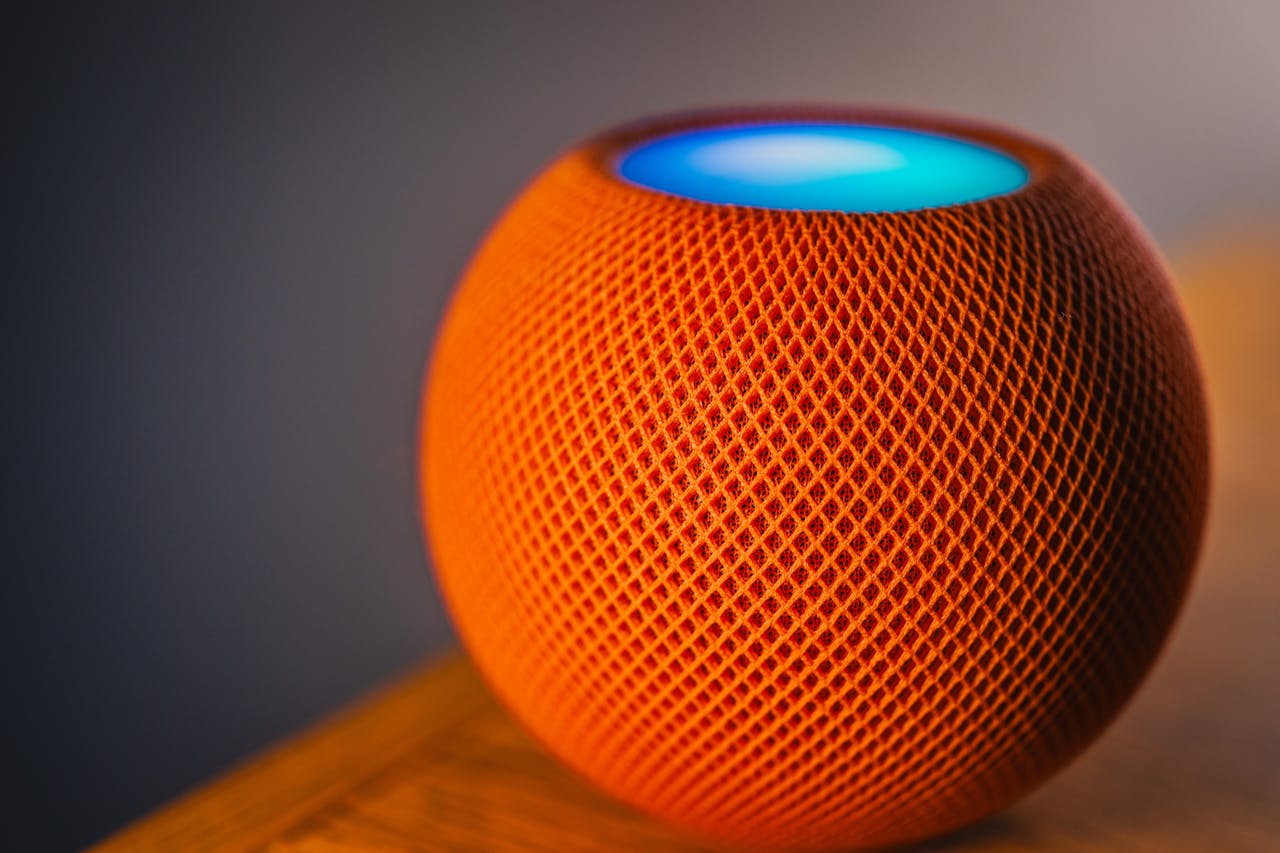
Smart devices like voice assistants, automated lighting, and smart thermostats streamline everyday life and optimize efficiency. These tools allow intelligent people to focus energy on cognitive or creative tasks rather than routine chores. Research indicates that reducing mental clutter improves productivity and focus. Smart devices also provide instant access to information, aiding in learning and decision-making. Their presence reflects a forward-thinking mindset that embraces technology to enhance organization, productivity, and intellectual engagement.
10. An Organized Workspace

A tidy, well-arranged workspace promotes mental clarity and efficient problem-solving. Clutter can hinder focus, while a structured environment encourages concentration and creativity. Intelligent individuals often design work areas with practical tools like drawer dividers, shelving, and cable management systems to minimize distractions. This organization supports complex thinking and allows projects to progress smoothly. A clean workspace is a visual and functional manifestation of an orderly mind ready to tackle challenges with clarity and precision.
11. Science or History Decor

Decor that reflects scientific or historical interests, such as models of planets, atoms, or antique maps, serves as constant inspiration and a learning aid. These items stimulate curiosity, spark conversations, and remind occupants of the larger context of human knowledge. By surrounding themselves with such decor, intelligent people maintain engagement with subjects they are passionate about. This approach makes learning an integral part of daily life, turning even walls and shelves into tools for continuous intellectual stimulation.
12. Creative Tools or Kits
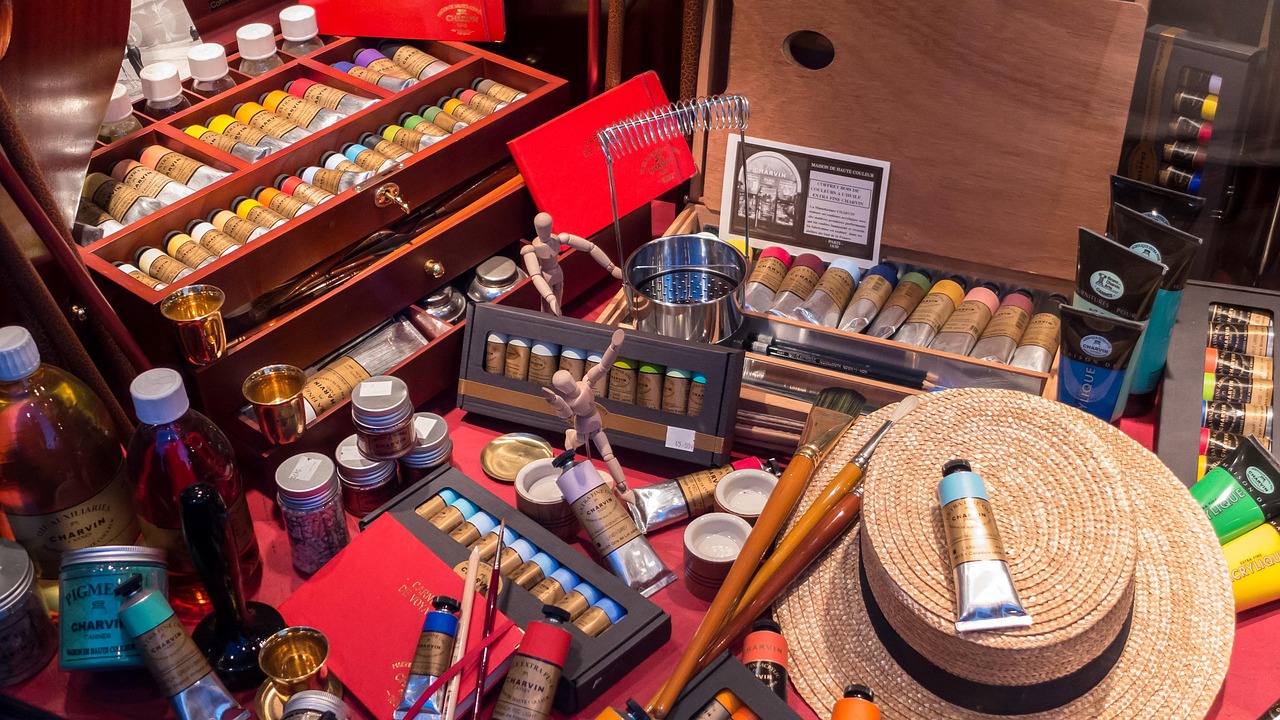
Art supplies, sketchpads, or craft kits encourage imaginative thinking alongside intellectual development. Engaging in creative projects strengthens problem-solving, spatial reasoning, and innovation. Highly intelligent individuals often keep these tools accessible for spontaneous creativity, integrating artistic expression into daily routines. Creative kits offer a tactile, hands-on approach to learning and exploring ideas. Their presence in the home signals a recognition that intelligence is multifaceted and that nurturing creativity is as important as analytical thinking.