
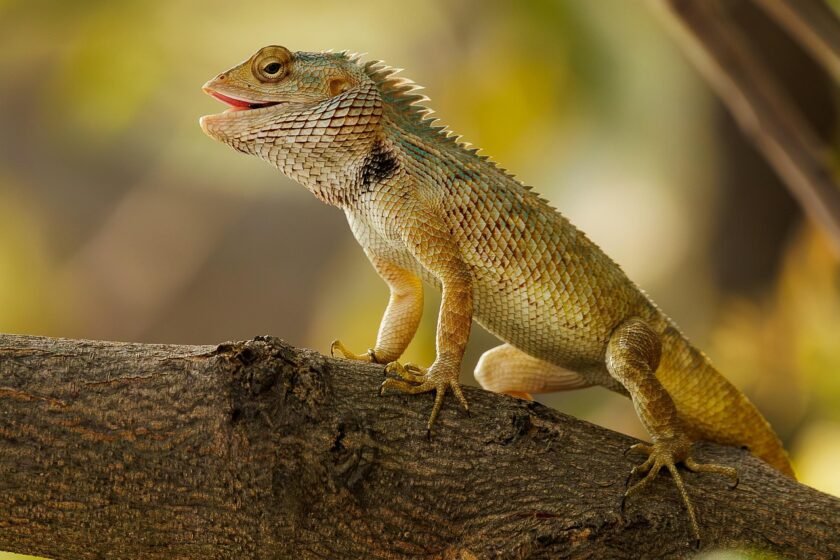
Many people live in constant unease around animals, often believing myths that exaggerate danger or misrepresent behavior. Harmless creatures like snakes, bats, or spiders frequently trigger irrational fear, despite posing little or no real threat to humans. These misconceptions are often fueled by movies, folklore, or exaggeration in the media. Understanding the true nature of these animals is not only important for safety but also for appreciating the role they play in ecosystems.
1. Snakes Are Always Aggressive
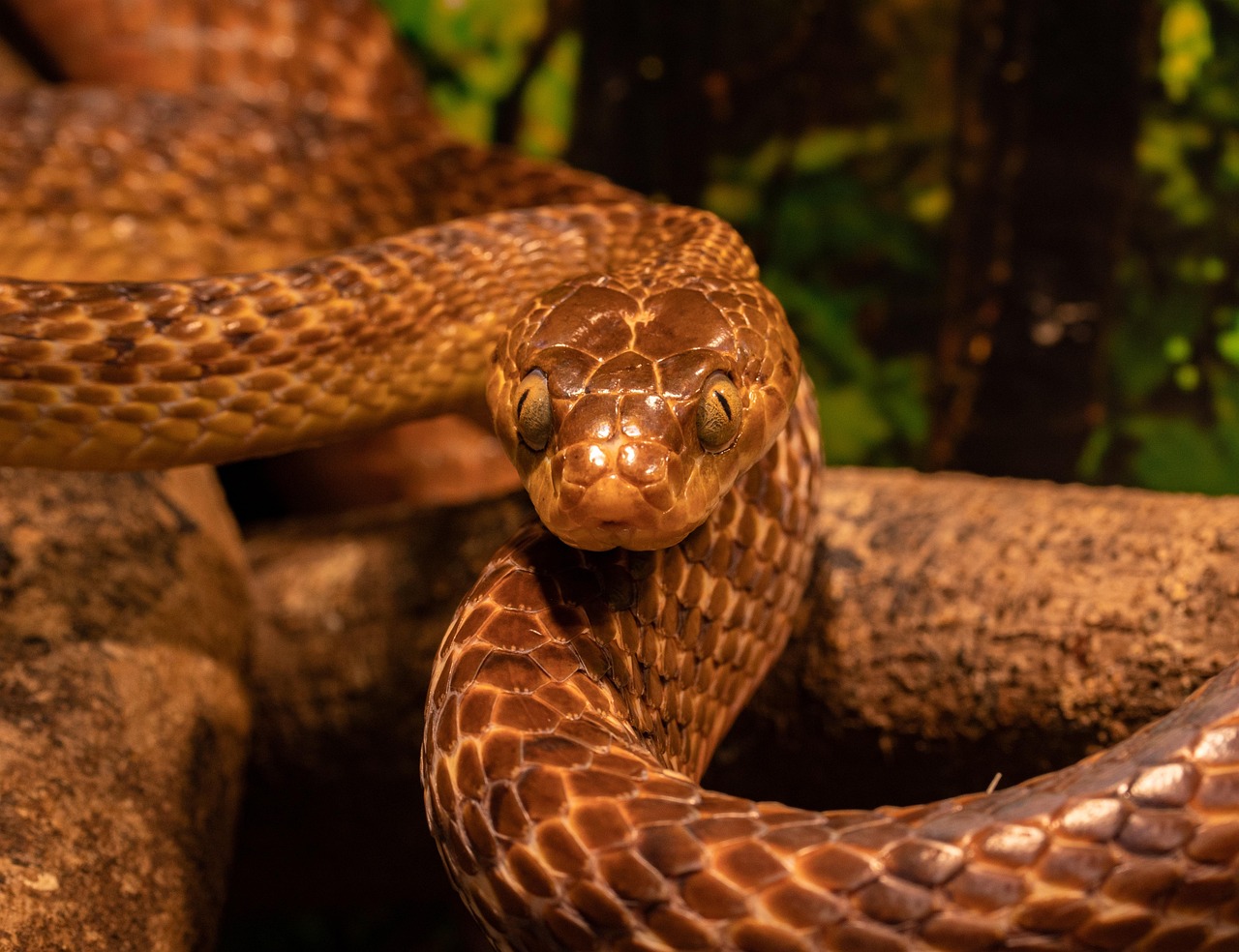
Many fear snakes because they believe every encounter leads to an attack. In reality, most snakes are non-aggressive and avoid human contact whenever possible. Only a small fraction of species are venomous, and even then, bites usually occur when the snake feels threatened or cornered. Snakes play crucial ecological roles, controlling pests and balancing ecosystems. Approaching them calmly and respecting their space reduces risk dramatically. The myth of perpetual aggression has led to the unnecessary killing of these beneficial reptiles in many areas.
2. Bats Will Swoop Down and Attack Humans
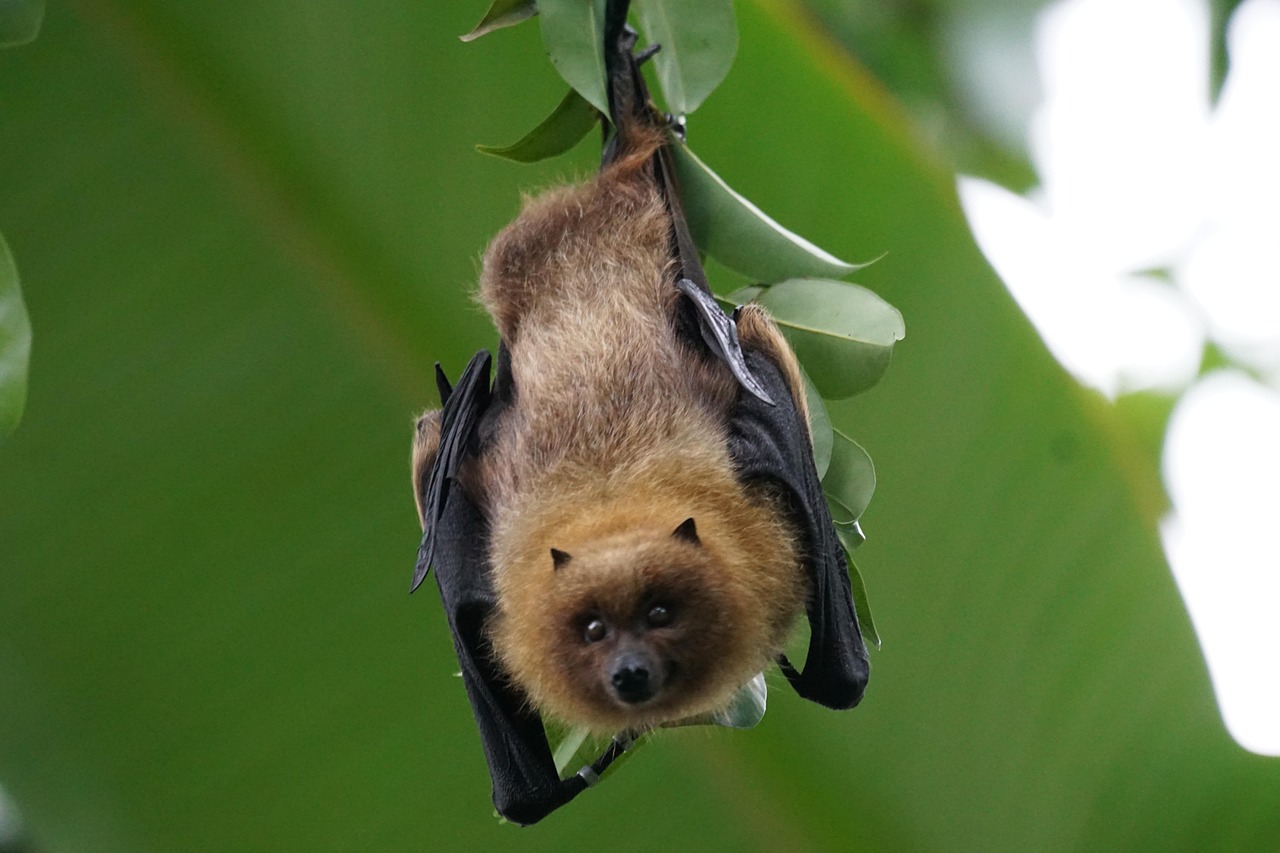
Bats often get a bad reputation from horror stories and Halloween imagery. In truth, bats are shy nocturnal creatures that feed primarily on insects or fruit. They do not intentionally attack humans. Only a tiny percentage carry rabies, and the risk of transmission is extremely low if people avoid direct contact. Bats are vital pollinators and pest controllers, helping reduce mosquito populations and protect crops. Misunderstanding their behavior has caused needless fear, leading to harmful eradication campaigns in places where bat populations are already declining.
3. Spiders Are Deadly and Aggressive
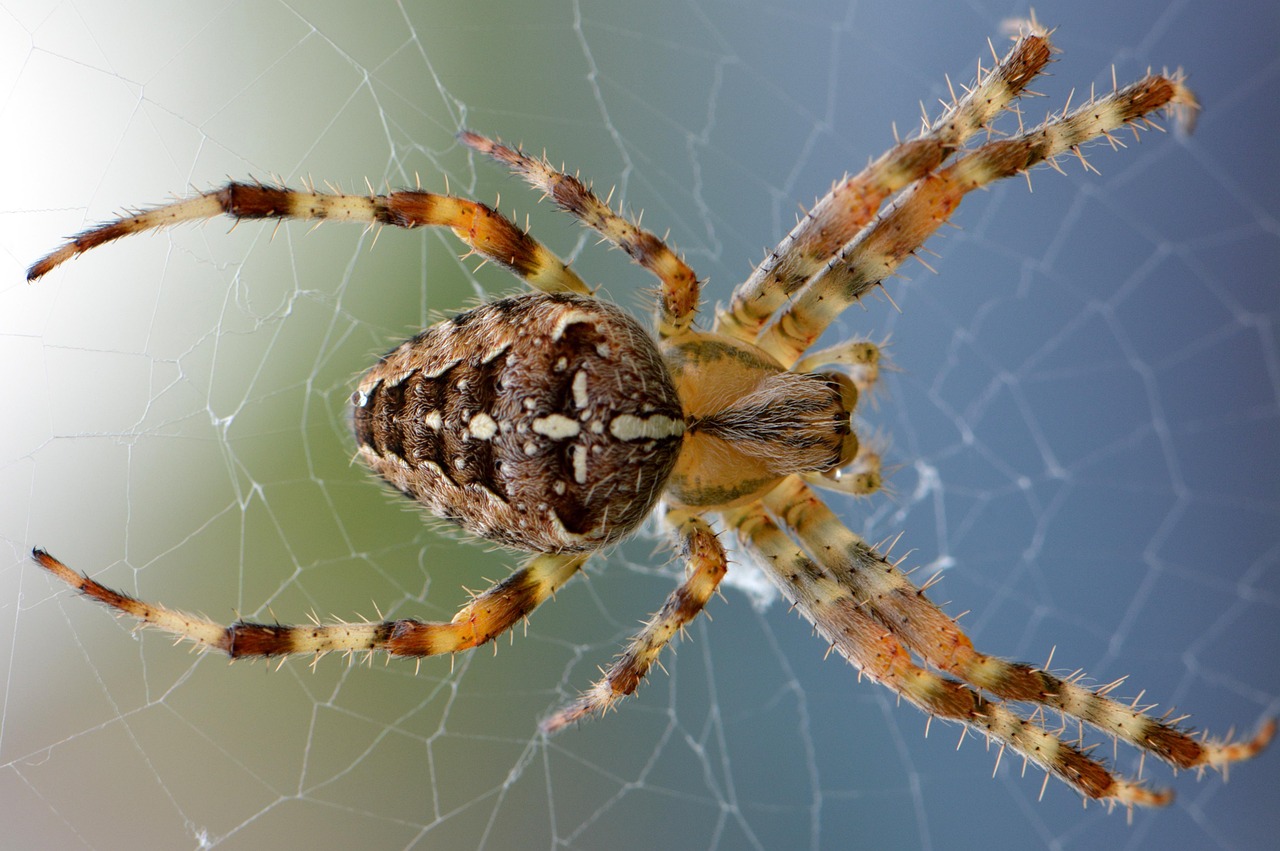
Spiders are commonly associated with danger, yet most species are harmless to humans. Bites are rare and usually occur only if the spider is provoked or trapped against the skin. Even the few venomous species rarely cause serious harm. Spiders play a critical role in controlling insects and maintaining balance in gardens and homes. The myth that all spiders are lethal leads to unnecessary extermination and panic. Learning to identify species and understanding their behavior can transform fear into appreciation for these silent, efficient predators.
4. Raccoons Are Rabid by Default
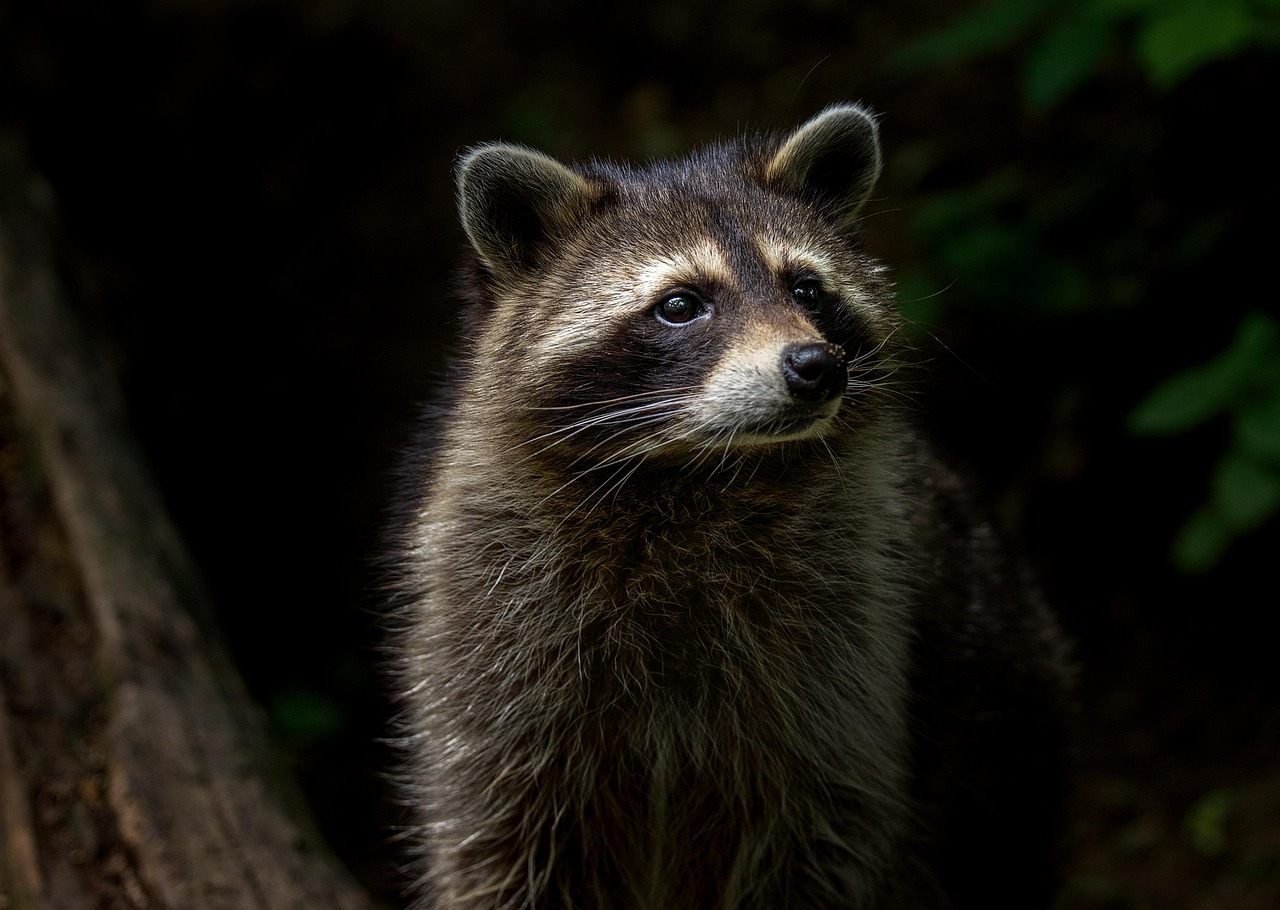
Raccoons often frighten people due to stories about rabies. While raccoons can carry the virus, the majority are healthy and avoid human interaction. Rabies transmission is rare, usually occurring only if a raccoon bites or scratches. These clever nocturnal mammals often forage near urban areas, but they are primarily focused on food, not aggression. Recognizing signs of illness and keeping distance reduces risk. Mislabeling all raccoons as rabid fosters unnecessary fear and disrupts their important role in urban and wild ecosystems as scavengers.
5. Sharks Intentionally Hunt Humans

Sharks are frequently portrayed as man-eating monsters, especially in movies. However, shark attacks on humans are extremely rare and often a case of mistaken identity. Sharks mostly feed on fish and marine mammals, and humans are not their preferred prey. Responsible swimming practices and awareness of local conditions reduce the already minimal risk. The myth of relentless aggression exaggerates their danger and undermines conservation efforts, as sharks are vital for healthy marine ecosystems, regulating populations and maintaining the balance of ocean life.
6. Deer Will Charge Aggressively Without Cause

Deer are often feared as unpredictable threats on trails or roads. While male deer may become defensive during mating season, most deer are skittish and flee at the first sign of humans. Attacks are extremely rare and usually happen if the animal feels trapped or cornered. Misunderstandings about their behavior have led to needless fear and sometimes harmful interventions in their habitats. Learning to observe deer from a safe distance allows for safe encounters and fosters appreciation of their graceful presence in forests and parks, without exaggerating risk.
7. Owls Will Attack Humans at Night
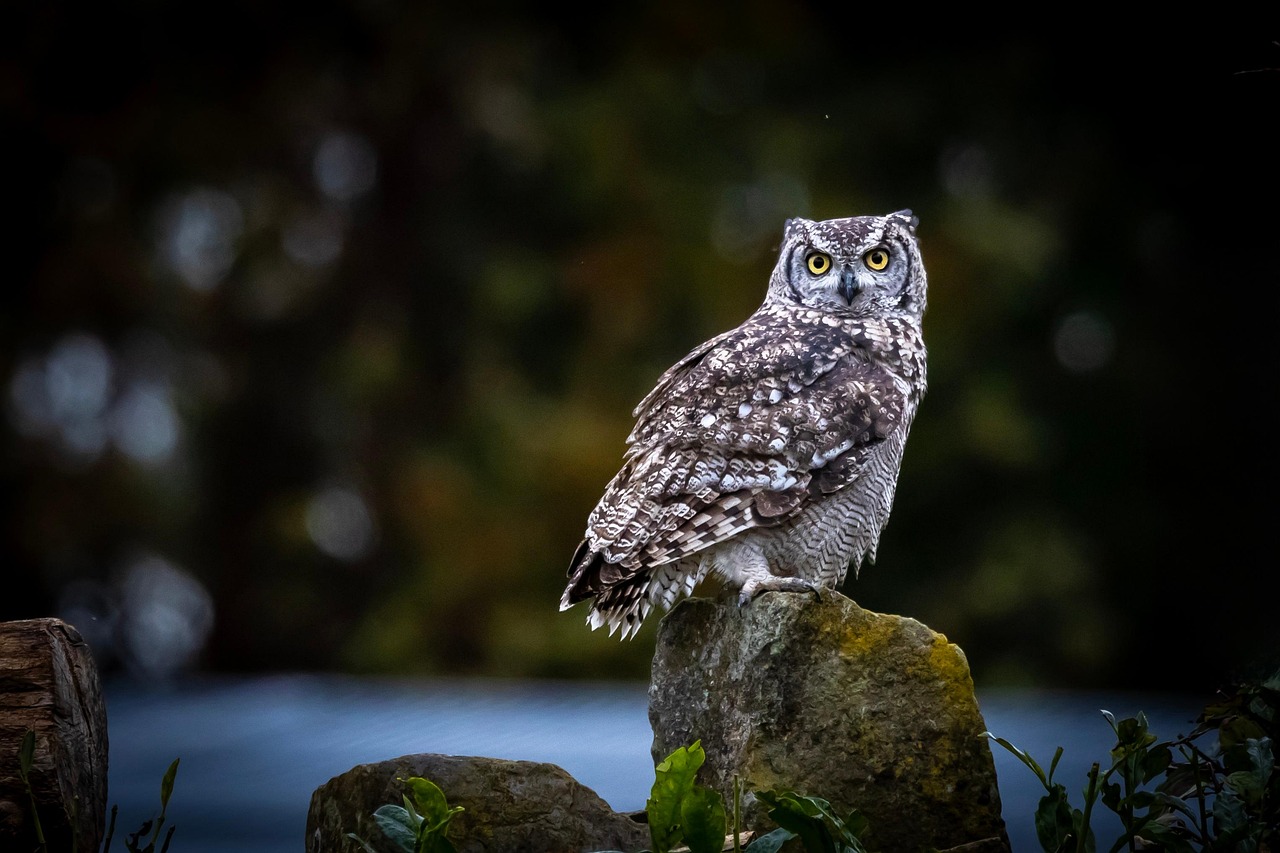
Owls are commonly depicted as ominous predators that swoop down on humans. In reality, they are mostly nocturnal hunters of rodents and insects. Owls generally avoid humans entirely and are unlikely to attack unless provoked or protecting a nest. Their silent flight and mysterious calls contribute to the fear, but education about their hunting habits can reduce misconceptions. Protecting owls benefits the agriculture and wildlife balance, as they control rodent populations naturally. Respecting their space ensures peaceful coexistence rather than unnecessary fear.
8. Turtles Bite Hard and Are Dangerous
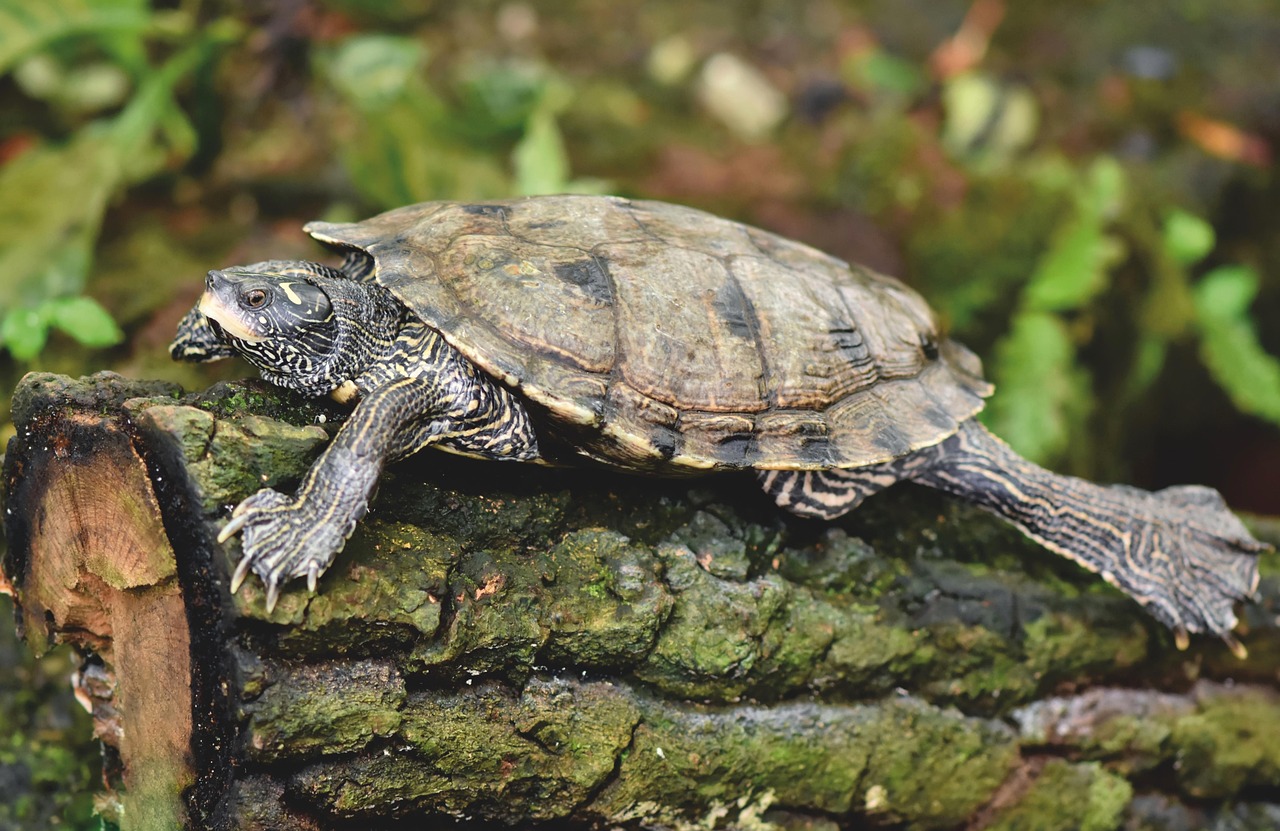
Turtles are often thought to be aggressive because of their strong jaws, but most species are docile and slow-moving. They bite only when handled improperly or threatened. Wild turtles prefer avoiding confrontation, and even snapping turtles rarely attack humans without provocation. They play an essential role in ecosystems by cleaning waterways and dispersing seeds. Misunderstanding their behavior has caused overreaction and unnecessary harm. Learning safe handling techniques and observing turtles from a distance can eliminate fear while allowing people to enjoy these gentle creatures.
9. Frogs and Toads Are Poisonous to Humans
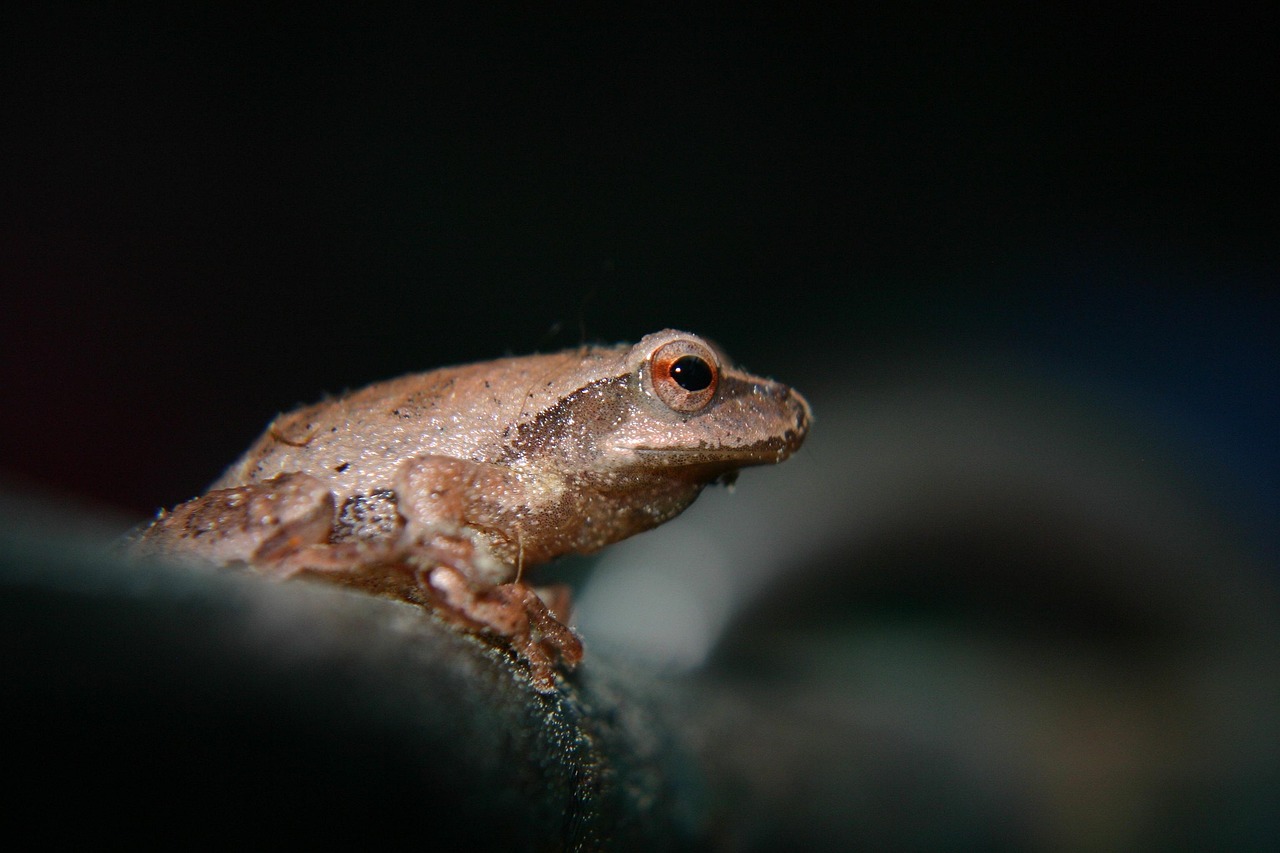
While some frogs secrete toxins, very few are dangerous unless ingested or handled incorrectly. Many species found near homes and gardens are entirely harmless and help control insects. Misbeliefs about widespread toxicity have led to unnecessary fear and the killing of these amphibians. Frogs and toads contribute to ecological balance, serving as both predators and prey. Educating people about which species pose real danger versus harmless types encourages coexistence and appreciation, ensuring these important animals continue thriving in natural habitats without unwarranted human interference.
10. Dolphins Can Be Aggressive Toward Swimmers
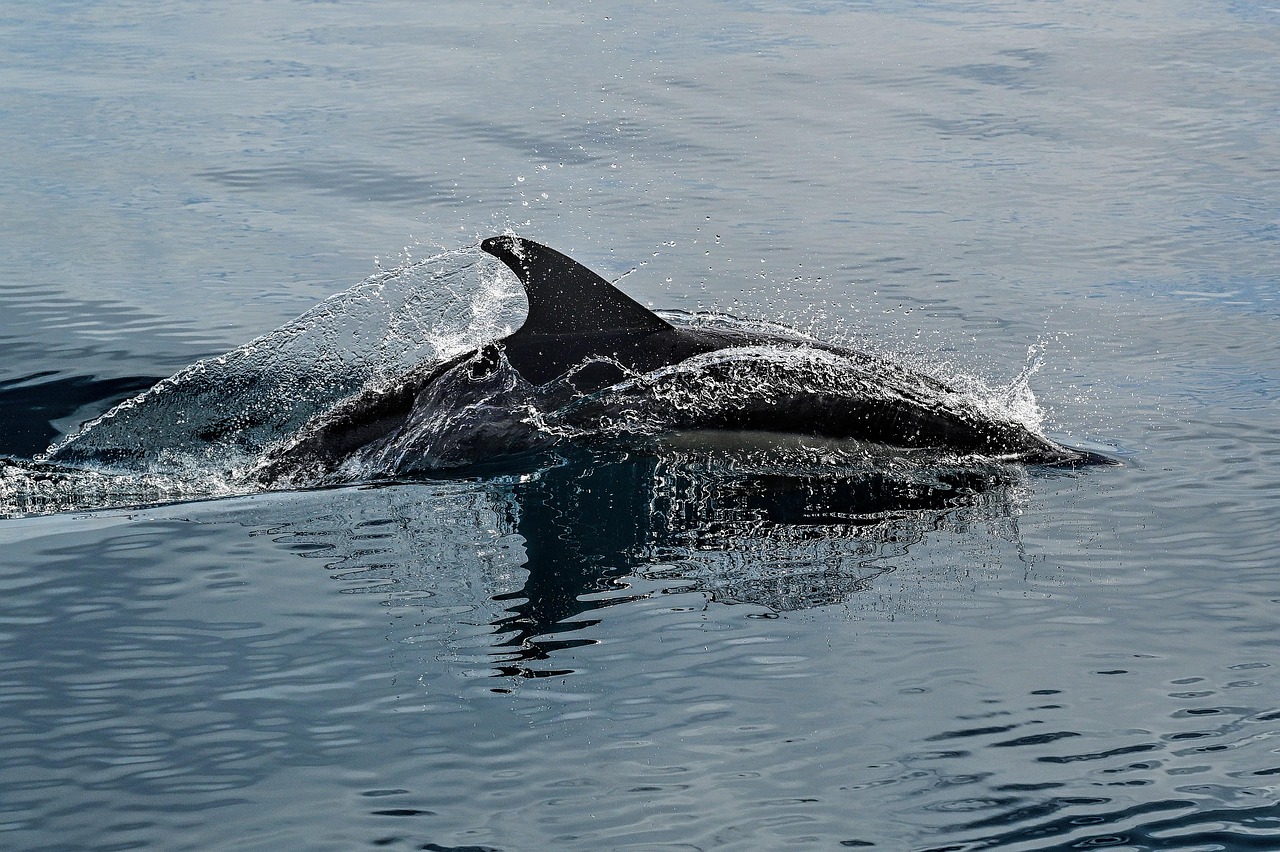
Dolphins are admired for intelligence and friendliness, but myths exaggerate their potential aggression. Wild dolphins are generally curious, not hostile. Injuries to humans are extremely rare, usually occurring if people provoke or encroach on them. Misinterpretation of playful behavior can feed exaggerated fears. Dolphins are vital marine species, often helping maintain fish populations and ecosystem health. Understanding boundaries and observing from a respectful distance ensures safety while fostering a deeper appreciation for their social intelligence and complex behavior, rather than fearing harmless interaction.
11. Rabbits Carry Dangerous Diseases That Threaten Humans

Rabbits are often thought to transmit harmful illnesses, creating unnecessary alarm. While they can carry certain parasites or bacteria, the risk of serious disease is extremely low with proper hygiene. Rabbits are generally shy, non-aggressive, and harmless to humans. Their presence supports biodiversity, as they serve as prey for predators and help disperse seeds. Misconceptions about disease risk have led to unwarranted fear and unnecessary culling. Learning safe handling and observing their natural behaviors allows people to coexist with these gentle animals without anxiety or danger.
12. Porcupines Will Chase and Attack People
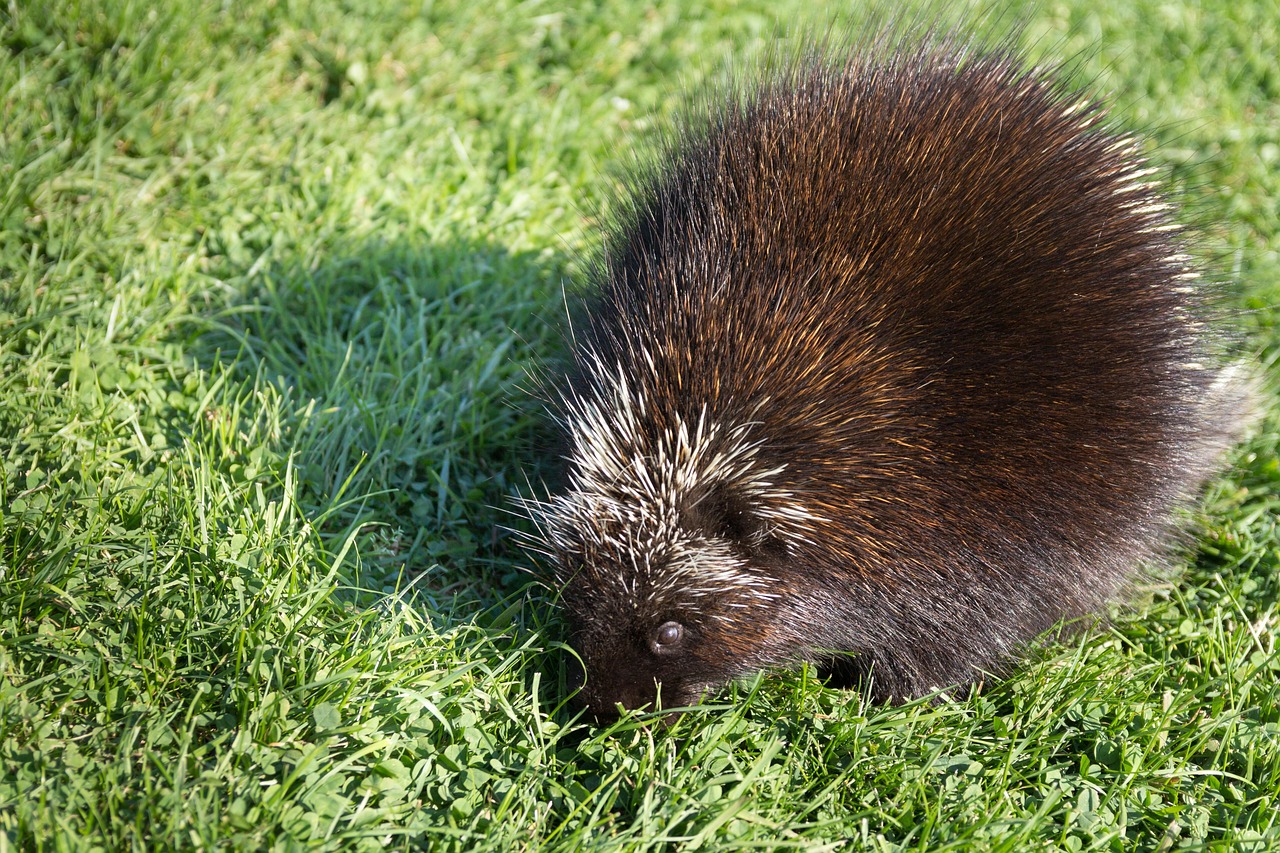
Porcupines are often feared due to their quills, leading people to believe they actively attack humans. In reality, porcupines are slow, peaceful creatures that only defend themselves if provoked or threatened. They prefer climbing trees or escaping rather than confrontation. Accidental quill injuries are preventable with caution and awareness. These animals play an important ecological role by feeding on vegetation and providing food for predators. Understanding their defensive behavior rather than assuming aggression reduces fear, promotes safety, and allows humans to appreciate their quiet contribution to forest ecosystems.
The post 12 Myths About Harmless Animals That Make People Unnecessarily Afraid appeared first on Bushcraft Base Camp.