

Survival guides from the past often contain clever-sounding tricks that now seem tempting or ingenious. But many of these “life-saving” methods are outdated, unsafe, or even deadly when applied today. From dubious hydration techniques to risky fire-starting methods, these obsolete survival tricks were shaped by limited knowledge and the urgent need to improvise. Modern survival emphasizes safety, preparation, and science-backed strategies. Exploring these outdated methods reveals just how far survival knowledge has evolved and why relying on old myths could turn a daring adventure into a dangerous situation.
1. Drinking Your Own Urine to Stay Hydrated
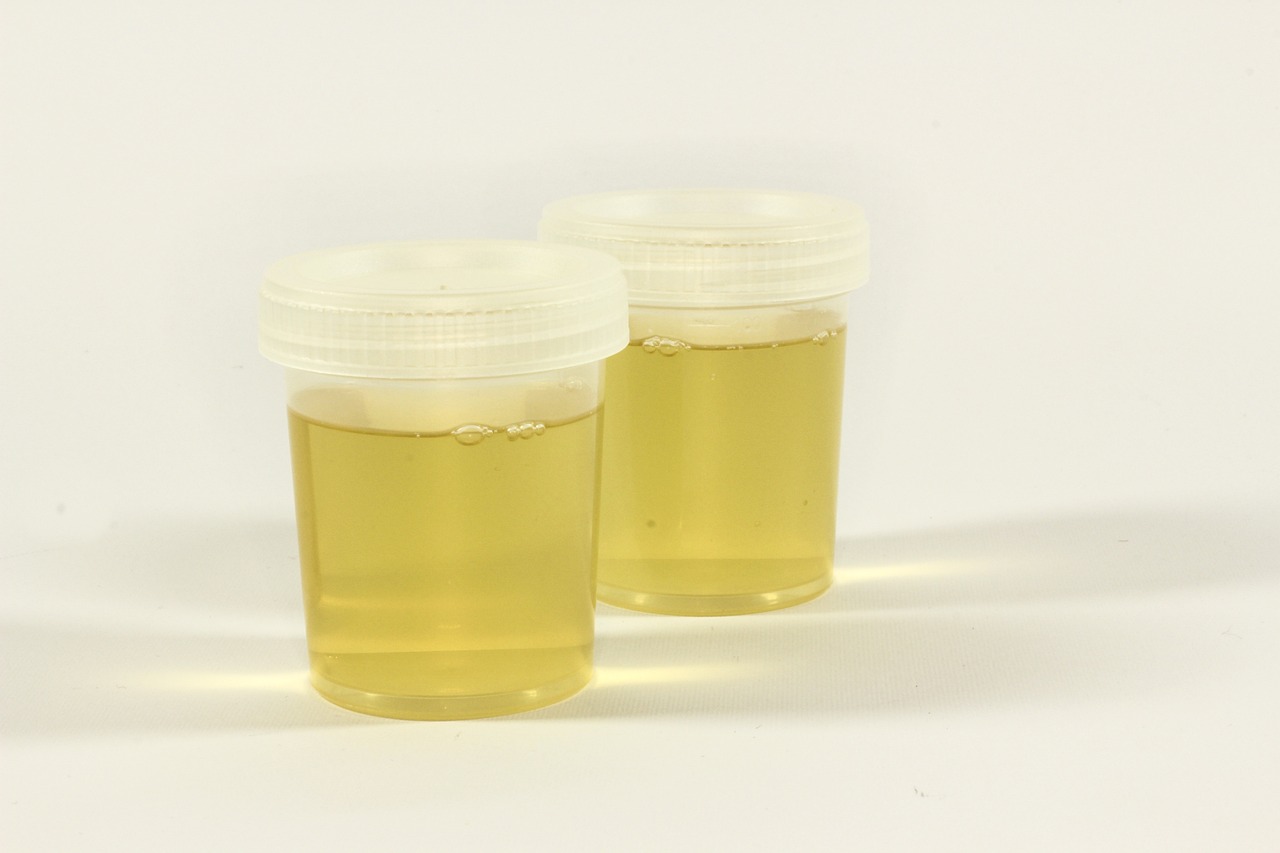
Drinking urine might sound like a desperate last resort, but it is far from safe. Urine contains salts and waste products that can strain the kidneys, worsen dehydration, and cause nausea or vomiting. In extreme survival situations, repeated consumption can lead to serious electrolyte imbalances and other health complications. Modern survival emphasizes clean water collection, purification tablets, and filters, making this outdated method a dangerous myth that should never be attempted.
2. Eating Raw Wild Plants Without Proper Identification

Foraging for wild plants can be tempting in emergencies, but consuming them without proper identification is risky. Many plants carry toxins or compounds that can cause severe digestive issues, organ damage, or even death. Historical survival guides often overlooked these dangers, assuming people knew local flora. Today, survivalists stress using reliable field guides, verified edible lists, and proper education. Venturing into the wild without understanding plant toxicity is a mistake modern adventurers avoid.
3. Using Wet Clothes to Cool Down in Extreme Heat
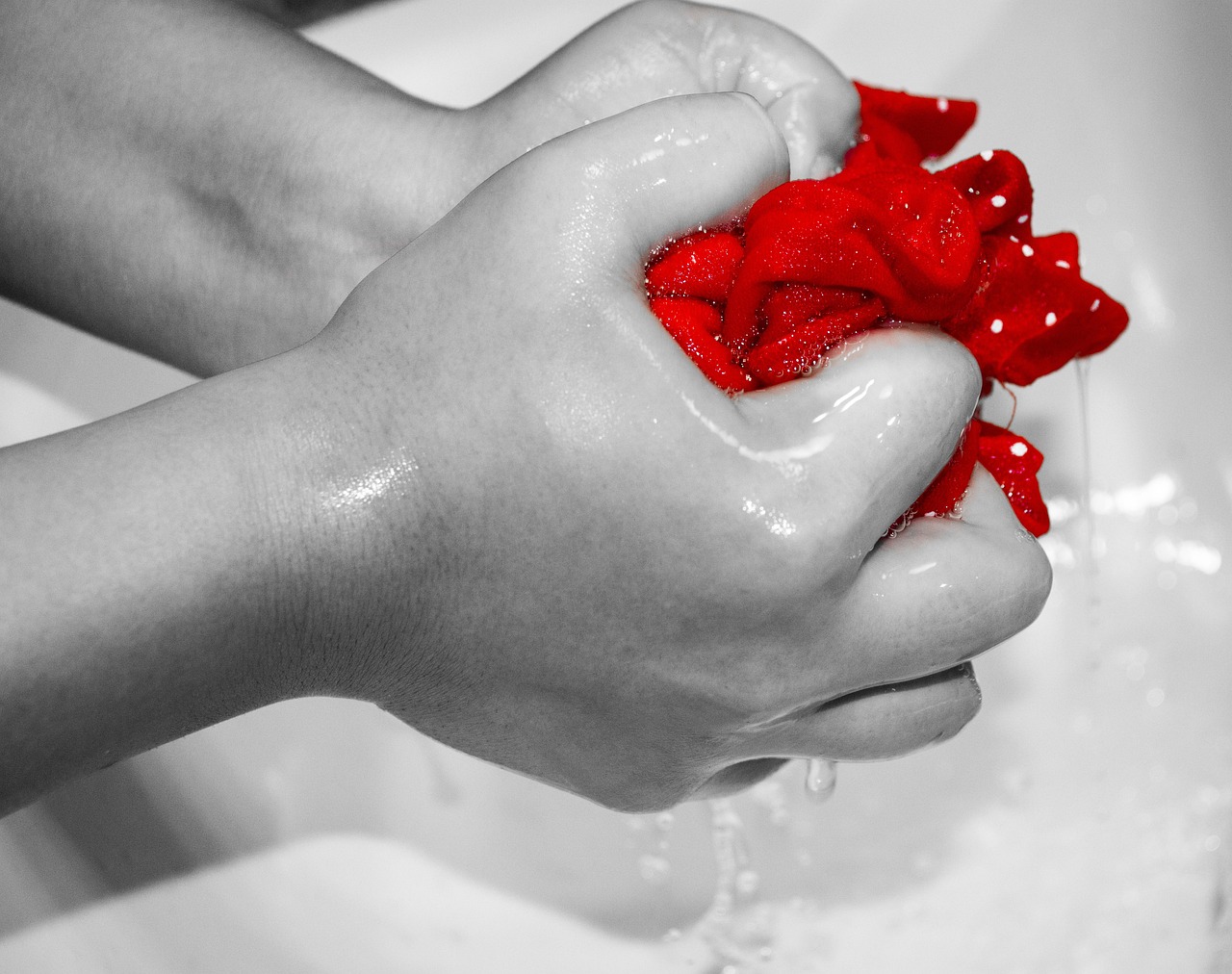
Wetting clothing to stay cool was once considered a smart survival hack. While evaporative cooling can lower body temperature temporarily, it can also backfire. Wet clothes in windy or shaded areas can cause rapid heat loss and increase the risk of hypothermia, especially during the night. Modern survival focuses on breathable fabrics, shade, hydration, and regulated activity. This old method of cooling with soaked clothing is now considered unsafe and unreliable in real-world situations.
4. Rubbing Mud on Cuts to Stop Infection
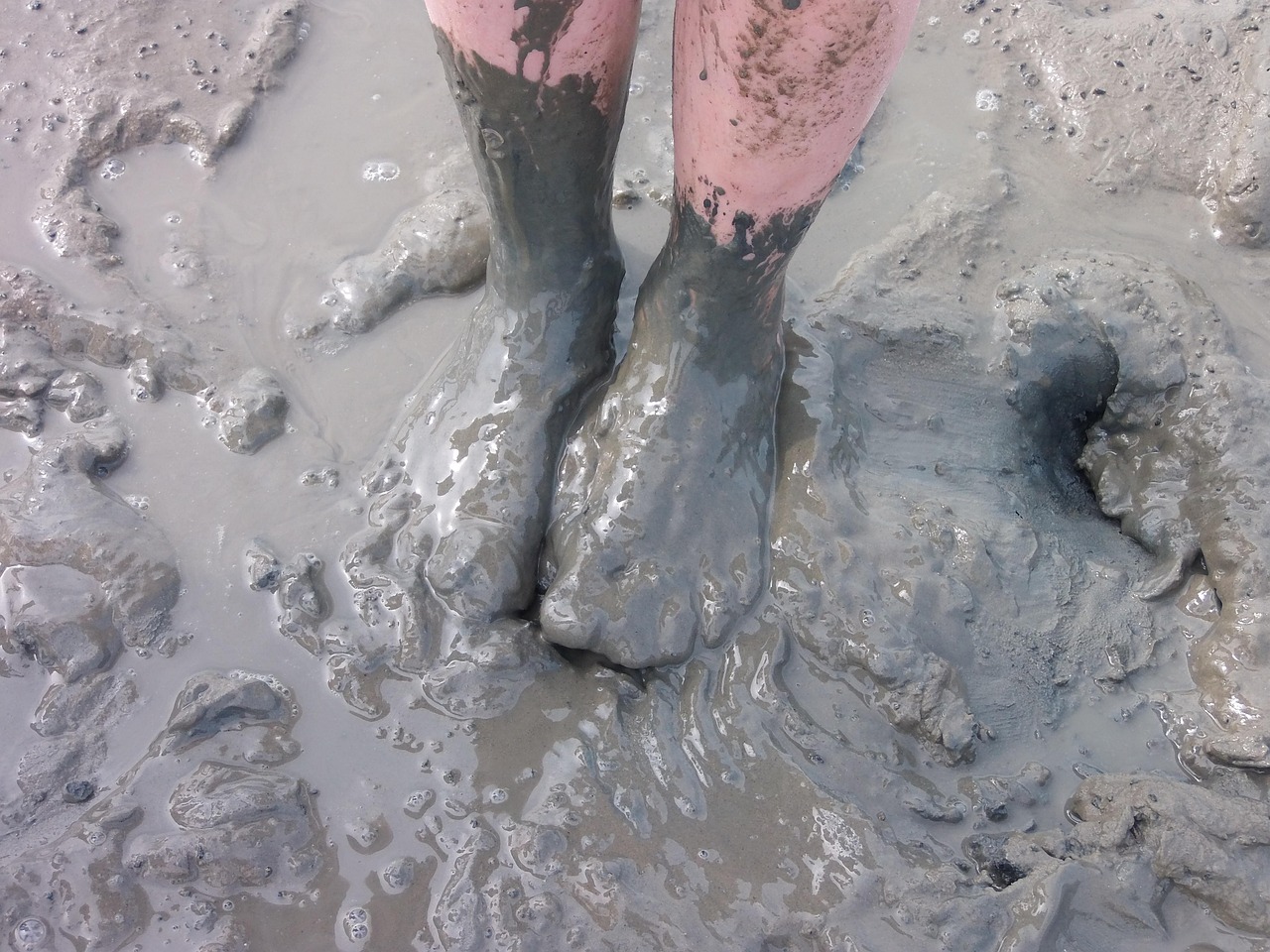
Applying mud to wounds was a common recommendation in early survival manuals. It was thought to protect against injuries, but it introduces bacteria, parasites, and contaminants that can cause serious infections or sepsis. Modern survival and first aid techniques prioritize cleaning wounds with potable water, applying antiseptics, and covering them with sterile bandages. Mud is no longer considered a protective agent; it is a hazardous practice that increases the risk of complications and should be avoided entirely.
5. Drinking Salt Water for Electrolytes

Salt water consumption was once believed to hydrate the body and provide essential minerals. In reality, seawater accelerates dehydration and damages the kidneys due to its high salt content. Drinking it can lead to severe electrolyte imbalance, nausea, and long-term health risks. Modern survival emphasizes desalination, filtration, and chemical treatment to make water safe. Salt water as a hydration method is an outdated and dangerous survival tactic that can turn a desperate situation into a critical emergency.
6. Relying on Alcohol to Stay Warm

Alcohol has been falsely credited with warming the body in cold weather. Although it causes a temporary feeling of warmth, it dilates blood vessels near the skin, which accelerates heat loss and increases the risk of frostbite and hypothermia. Modern survival prioritizes insulation, layered clothing, and high-calorie foods to maintain core temperature. Alcohol does not actually warm the body and can make cold-weather survival far more dangerous than relying on scientifically proven methods.
7. Using Insects as Primary Protein Without Cooking
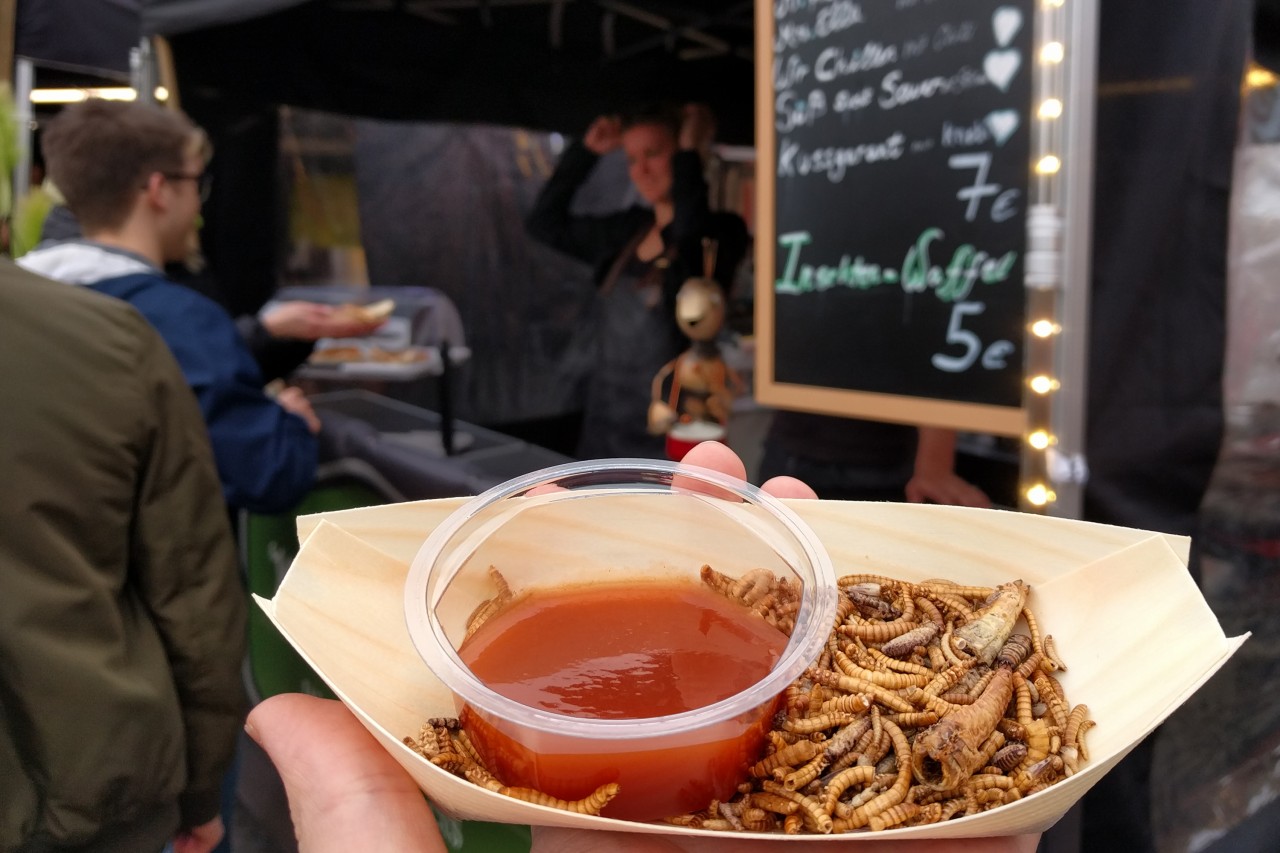
Eating insects is an ancient survival tactic, but consuming them raw is a risk. Many insects carry bacteria, parasites, or toxins that can make you severely ill. Cooking insects neutralizes these dangers and ensures a safer protein source. Earlier manuals sometimes encouraged eating them raw without warning of the risks. Modern survivalists recommend cooking insects thoroughly or avoiding unfamiliar species. This approach strikes a balance between nutrition and safety, eliminating the risks associated with consuming raw insects.
8. Ignoring Sunscreen and UV Protection

Early survival advice rarely included sun protection, assuming the body could endure long exposure. Today, we understand that UV radiation can cause severe burns, dehydration, and long-term skin damage, including cancer. Modern survival techniques emphasize protective clothing, wide-brimmed hats, and sunscreen as essential gear. Ignoring the sun’s dangers can transform a minor outdoor challenge into a serious health risk. Sun protection is no longer optional but a critical part of safe survival planning.
9. Making Fire by Rubbing Sticks Without Modern Techniques
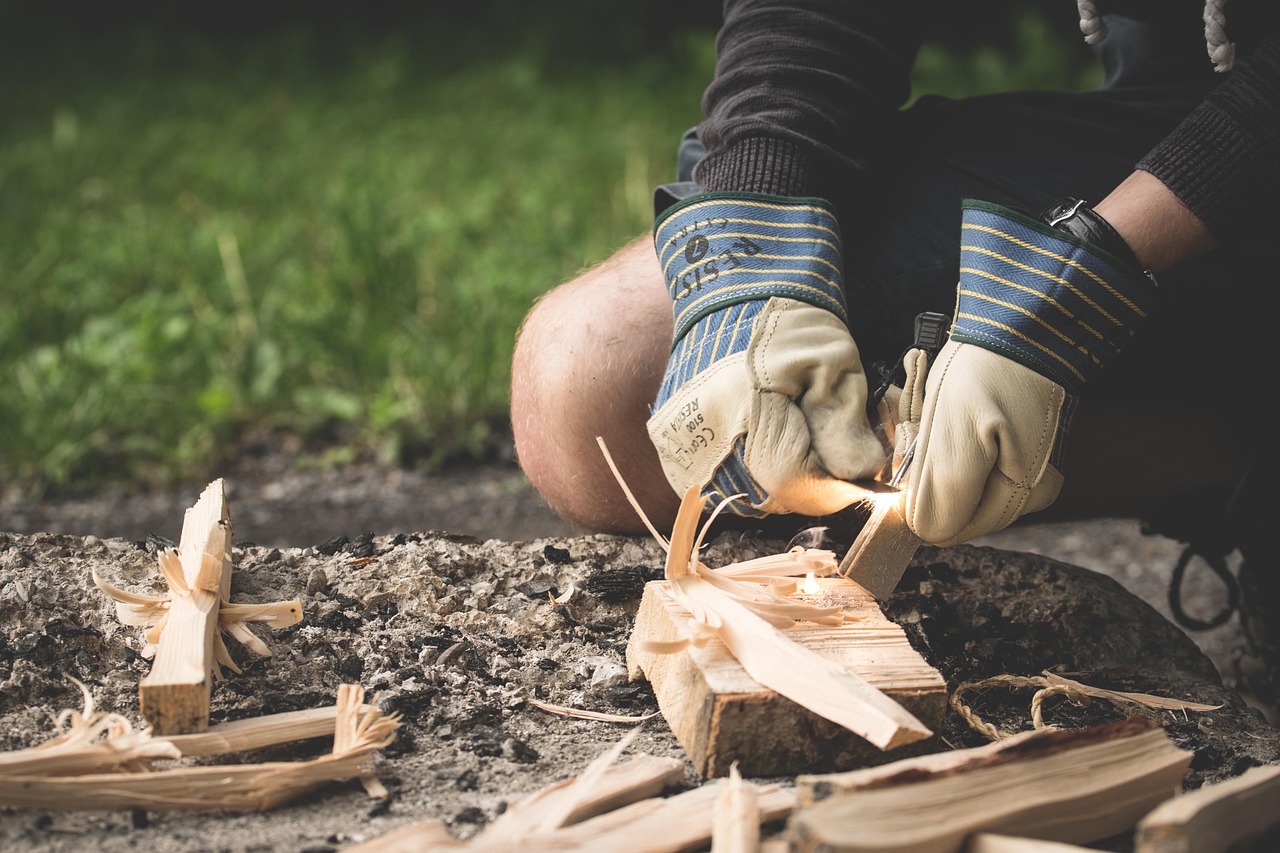
Friction-based fire-starting has a romantic appeal but is inefficient and energy-intensive. It requires dry wood, patience, and skill, and often fails in damp or windy conditions. Modern survival favors lighters, waterproof matches, and fire-starting tools that are reliable, fast, and less exhausting. Attempting primitive fire methods without skill can leave you exposed, tired, and at risk. Fire is essential for warmth, cooking, and signaling, making modern tools a far safer choice than traditional stick-rubbing techniques.
10. Drinking Water from Stagnant Puddles
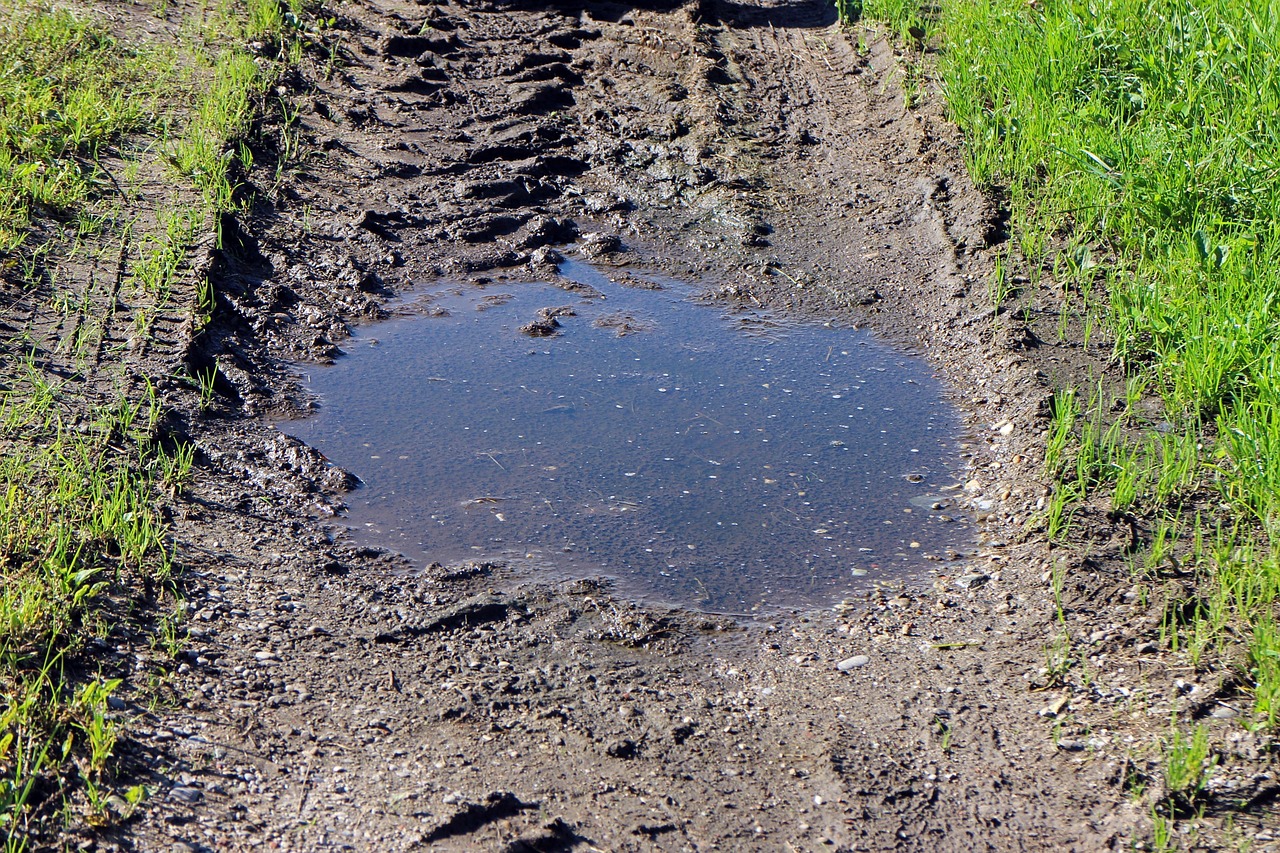
Early survival guides sometimes suggested drinking from any available water source, including stagnant puddles. This water is often contaminated with bacteria, parasites, and viruses that can cause life-threatening gastrointestinal illnesses. Modern survival teaches purification through boiling, filtration, or chemical treatment. Consuming untreated puddle water is extremely dangerous and outdated. Safe water sourcing and treatment are essential for survival, making this old habit one of the most hazardous mistakes to avoid.
11. Using Animal Fat as a Bandage or Healing Salve
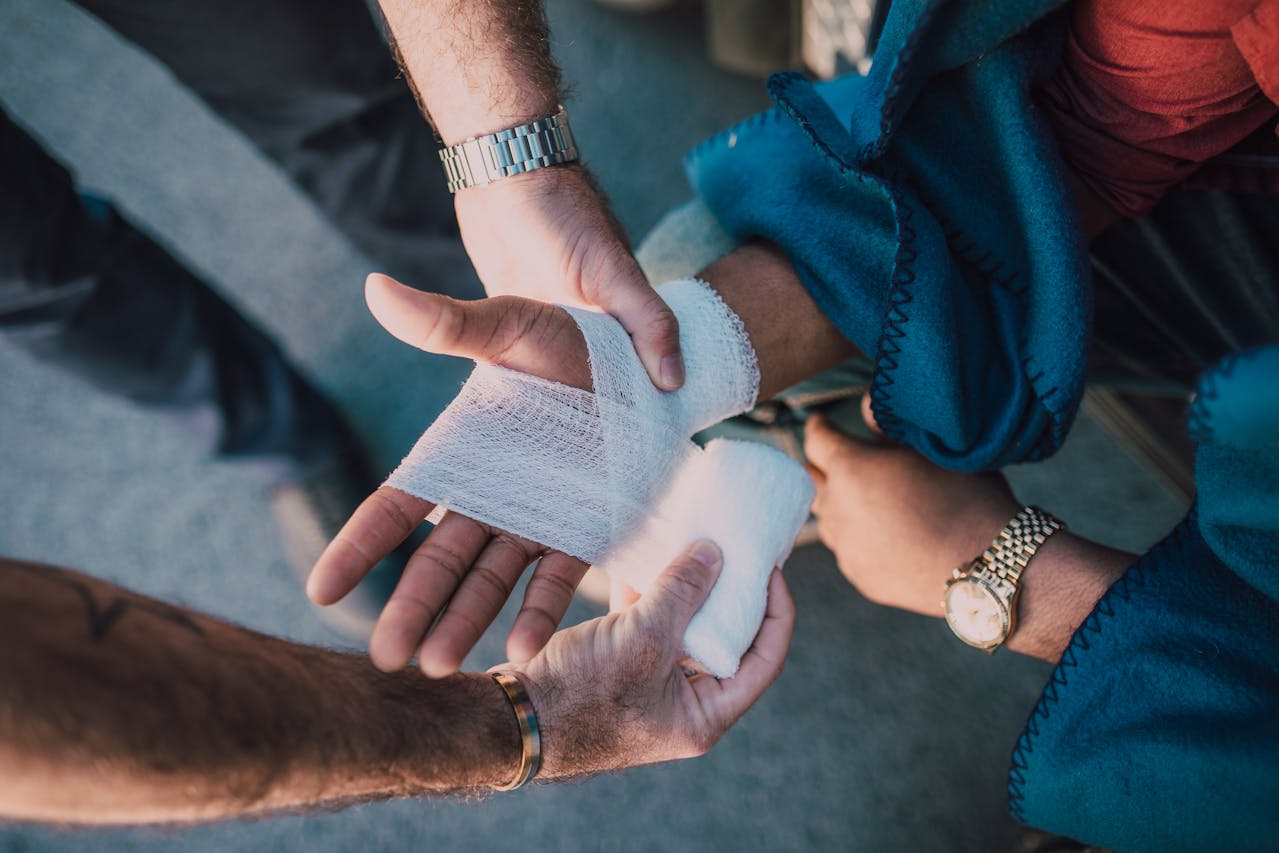
Animal fat was historically used on wounds to provide moisture and protection. While it may temporarily cover an injury, it also traps bacteria and increases infection risk, especially in unsanitary conditions. Modern first aid practices prioritize cleaning wounds, applying antiseptics, and using sterile bandages. Relying on animal fat is not only ineffective but potentially dangerous, reflecting outdated medical knowledge that could worsen an injury instead of aiding recovery.
12. Ignoring Modern Navigation Tools

Traditional survival emphasized using landmarks, stars, and maps for navigation. While these skills are valuable, ignoring modern tools like GPS devices, compasses, and emergency beacons can be fatal in unfamiliar terrain. Modern survival combines these classic skills with technology to maximize safety. Sole reliance on outdated navigation increases the risk of getting lost and prolonging exposure to dangerous environments. Embracing modern tools while understanding traditional methods is the safest approach to orientation in the wild.