
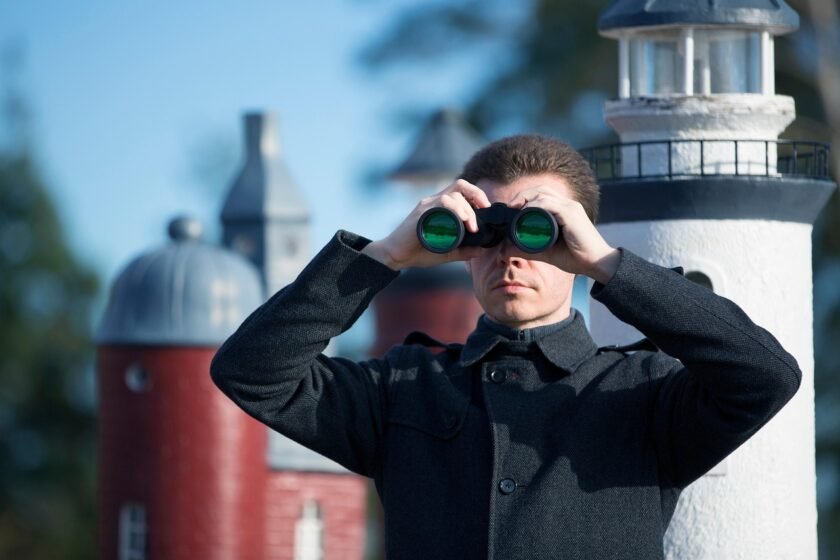
Low-light hunting and shooting demand optics that can gather every usable bit of available light without sacrificing clarity or eye comfort. Early mornings, late evenings, heavy tree cover, and overcast weather all challenge visibility. The following list explores twelve optic types known for dependable low-light performance. Each section focuses on clarity, usability, and real-world benefits, written in a clean, picture-friendly format that highlights exactly why these optics shine when light is limited.
1. Large Objective Lens Binoculars
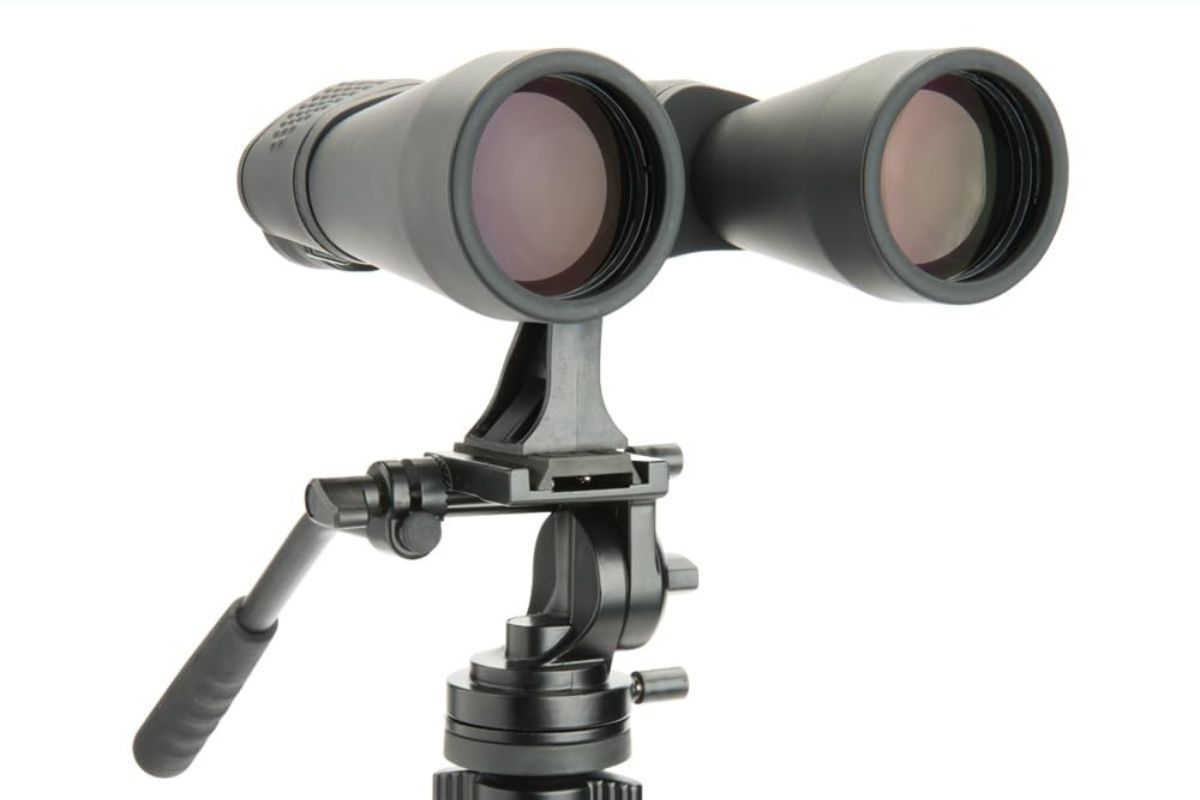
Binoculars with large objective lenses are highly valued for low-light observation because they gather more light and deliver a brighter image at dusk and dawn. Lenses measuring forty-two millimeters or larger allow hunters to distinguish shapes and movement when shadows deepen. Image brightness helps reduce eye strain during extended glassing sessions. Quality coatings improve contrast, making animals stand out against dark backgrounds. These binoculars perform well in wooded terrain and open fields alike. Their balanced weight and ergonomic design support steady viewing. For hunters who spend time scanning wide areas before taking a shot, large objective binoculars remain a trusted low-light tool.
2. Low-Magnification Rifle Scopes
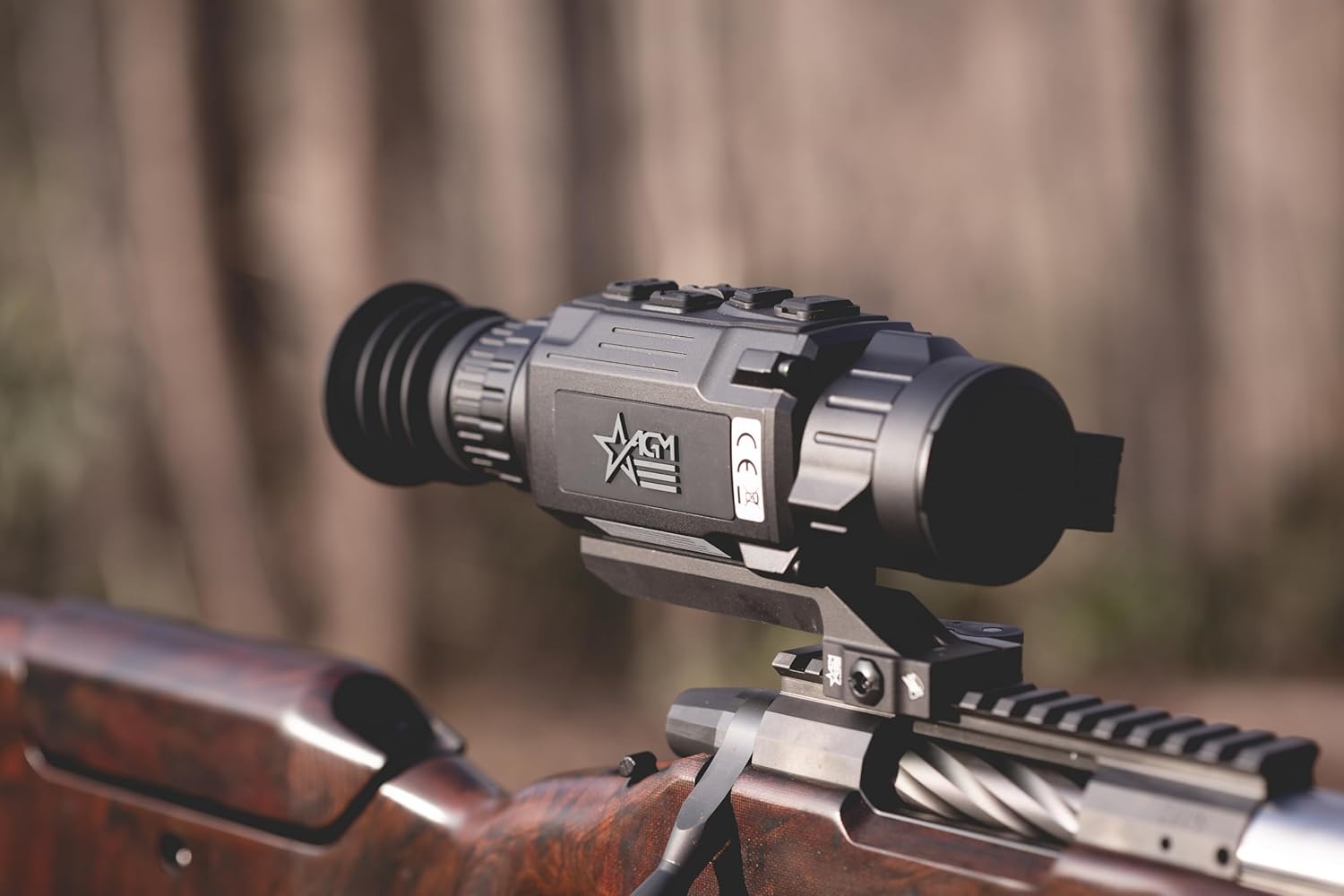
Low magnification rifle scopes excel in dim conditions by allowing more light to pass through the optic. Lower power settings produce a wider exit pupil, resulting in a brighter sight picture. This makes target acquisition faster during legal shooting light. Clear glass and efficient coatings enhance detail without over-darkening the image. These scopes are especially effective for close to mid-range hunting where speed matters. Hunters appreciate their forgiving eye position and natural field of view. In thick cover or fading light, low-magnification scopes provide confidence, clarity, and consistent performance when visibility is limited.
3. High Quality Lens Coatings
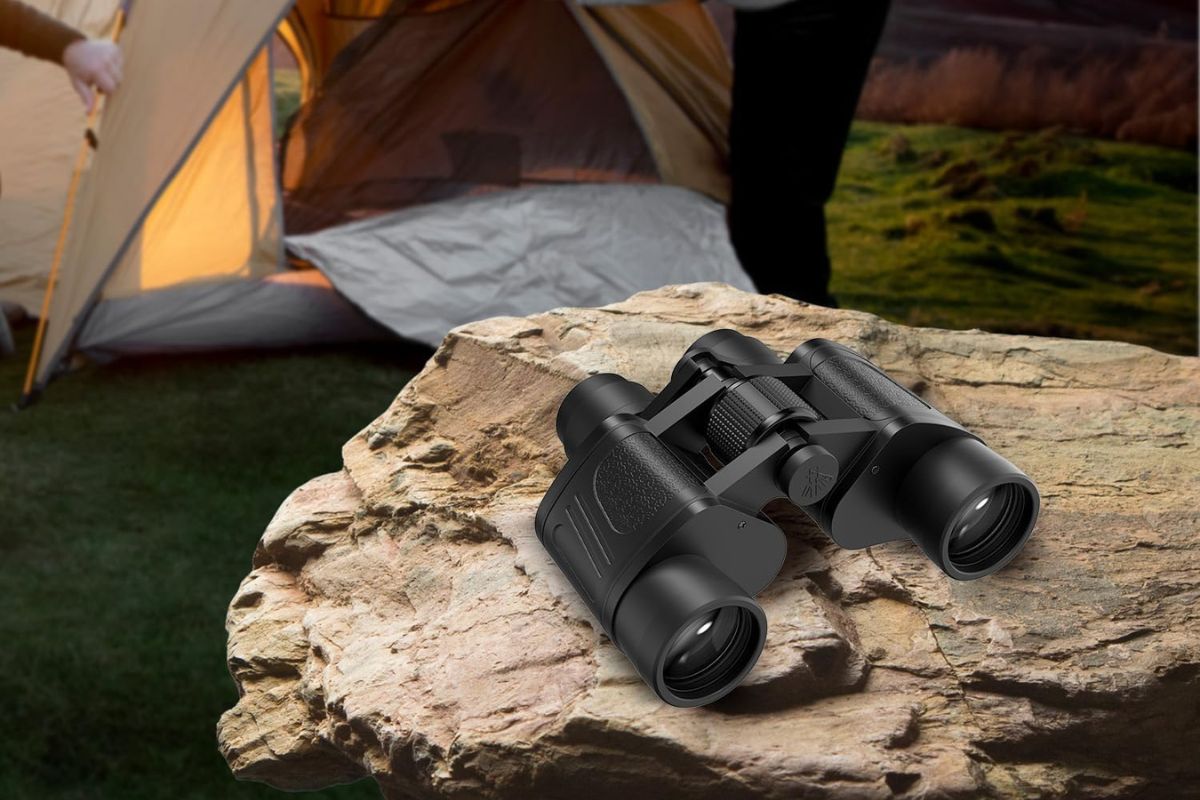
Optics with advanced lens coatings perform noticeably better in low-light environments. These coatings reduce glare and improve light transmission, delivering sharper contrast and more natural color reproduction. Fully multi-coated lenses minimize internal reflections that can wash out images at dusk. Hunters benefit from improved detail recognition, such as antler outlines or subtle movement. Coatings also help maintain clarity during humid or misty conditions. Quality coatings extend usable viewing time without increasing eye fatigue. For anyone hunting during early or late hours, well-coated optics make a clear difference in how much detail remains visible as light fades.
4. Fixed Power Scopes
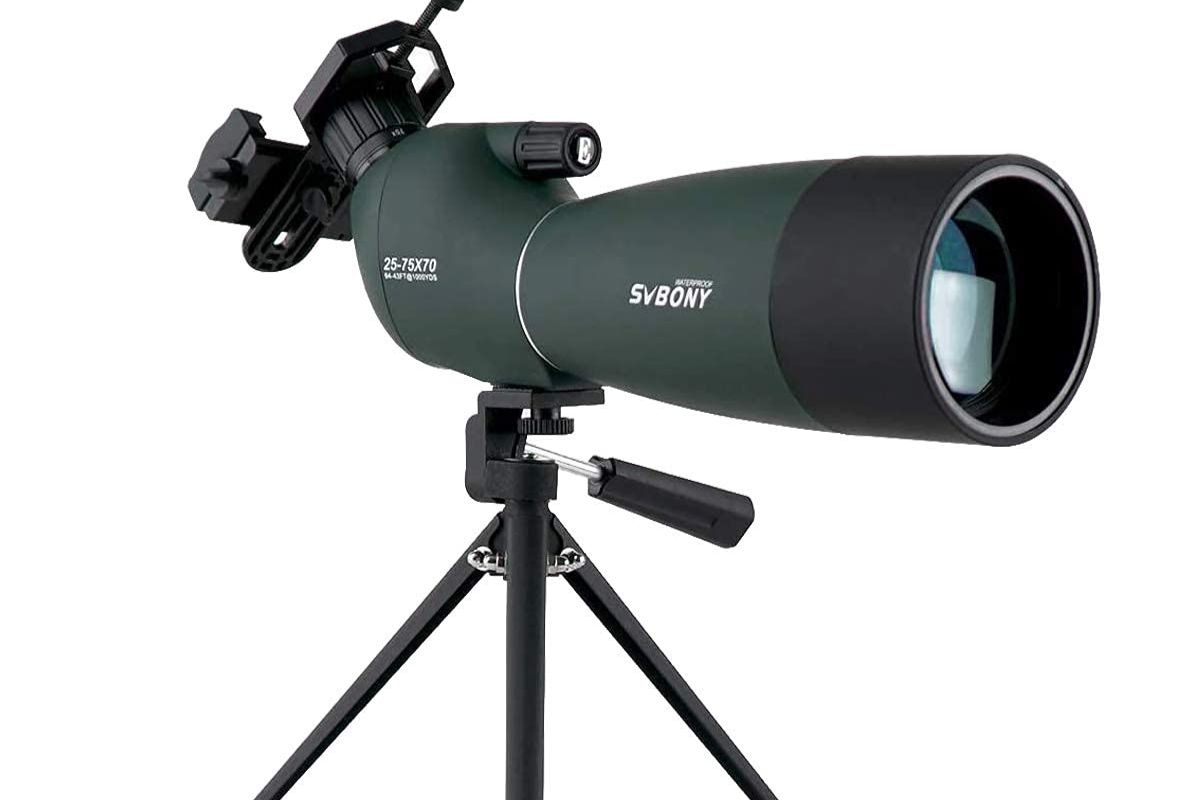
Fixed power scopes are often overlooked, but perform exceptionally well in low light. With fewer internal lenses than variable scopes, they allow more light to reach the eye. This results in a brighter and cleaner image during dawn and dusk. Fixed magnification also eliminates time spent adjusting power, keeping focus on the target. Hunters appreciate their reliability and consistent optical performance. These scopes are lightweight and well-balanced, making them easy to handle in the field. For those who value simplicity and dependable clarity, fixed power scopes remain a strong choice for low-light shooting.
5. Wide Exit Pupil Optics
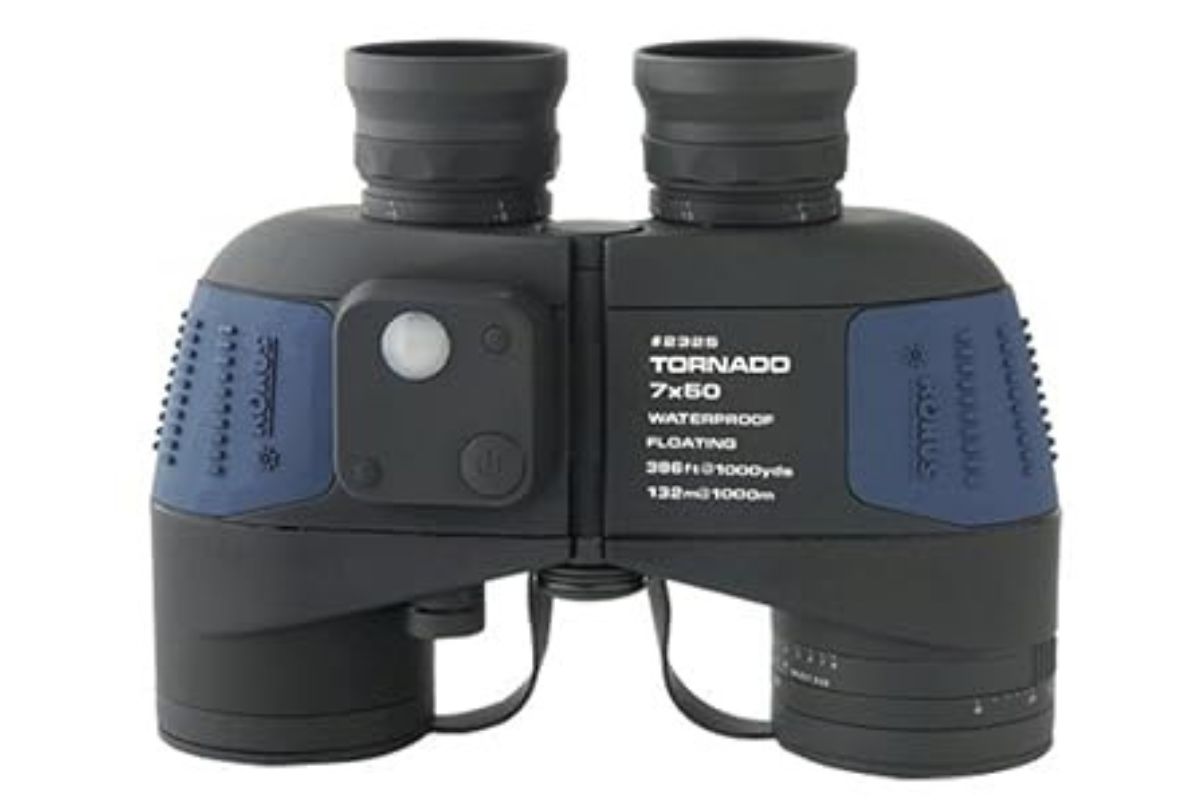
Optics designed with a wide exit pupil deliver brighter images when lighting conditions are poor. A larger exit pupil allows more light to enter the eye, especially when pupils are naturally dilated in darkness. This improves comfort and reduces visual strain during long viewing sessions. Wide exit pupil designs are forgiving of head position, helping maintain a clear image even with slight movement. Hunters benefit from faster target acquisition and improved situational awareness. These optics perform well during early morning setups and late evening waits. A wide exit pupil is a key factor in reliable low-light performance.
6. High Contrast Reticle Systems

Optics with high contrast reticle systems are easier to use when light is limited. Reticles designed with bold yet refined patterns remain visible against dark backgrounds without overpowering the target. This improves shot placement during low-visibility moments. Clean reticle design helps the eye focus naturally, reducing hesitation. Hunters value reticles that remain usable without illumination. High contrast systems work well in wooded areas where shadows dominate. By maintaining visibility without distraction, these optics support confident aiming when ambient light is low and time-sensitive decisions matter most.
7. Compact Spotting Scopes
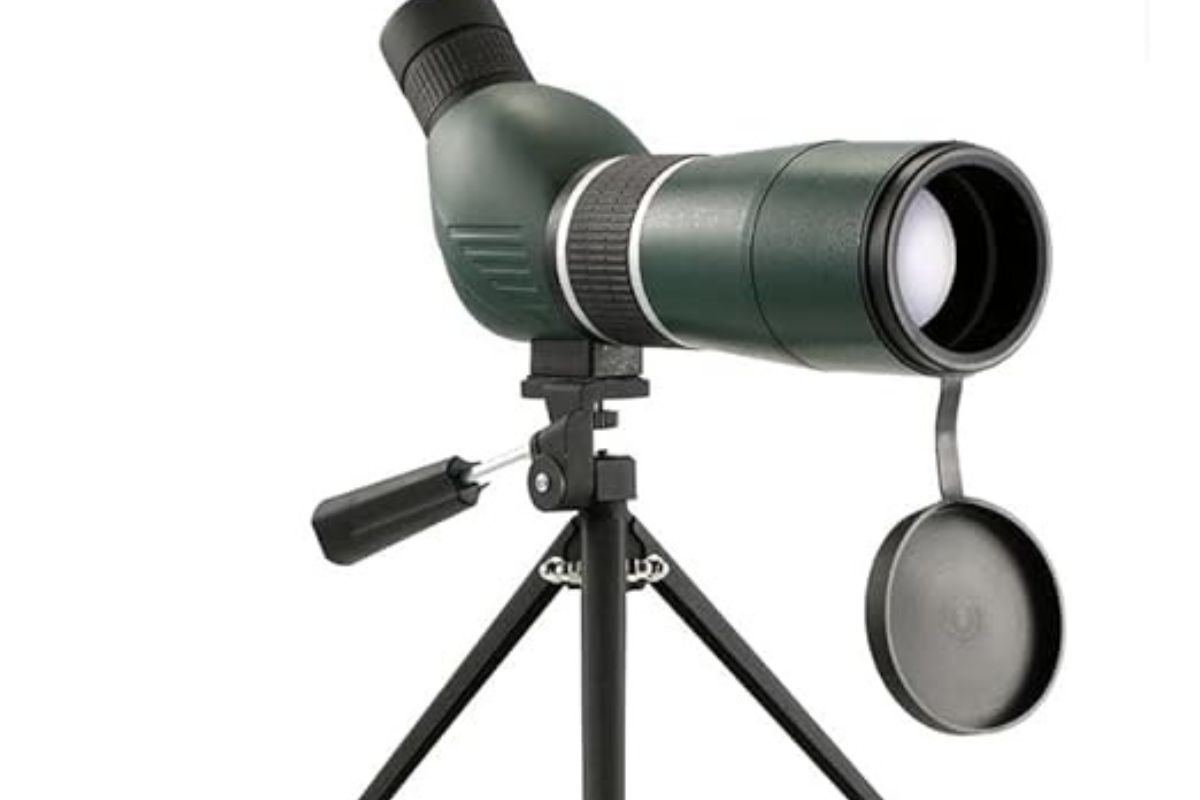
Compact spotting scopes designed for low-light observation provide clarity without excessive bulk. High-quality glass and efficient light transmission allow users to evaluate distant targets during fading light. These scopes are useful for confirming details before moving closer. Compact designs are easier to transport and set up quickly. Hunters appreciate their sharp focus and stable image at moderate magnifications. When paired with a steady rest, compact spotting scopes extend observation time without fatigue. They are especially helpful during evening glassing sessions when larger optics may be impractical to deploy.
8. Prism Optics
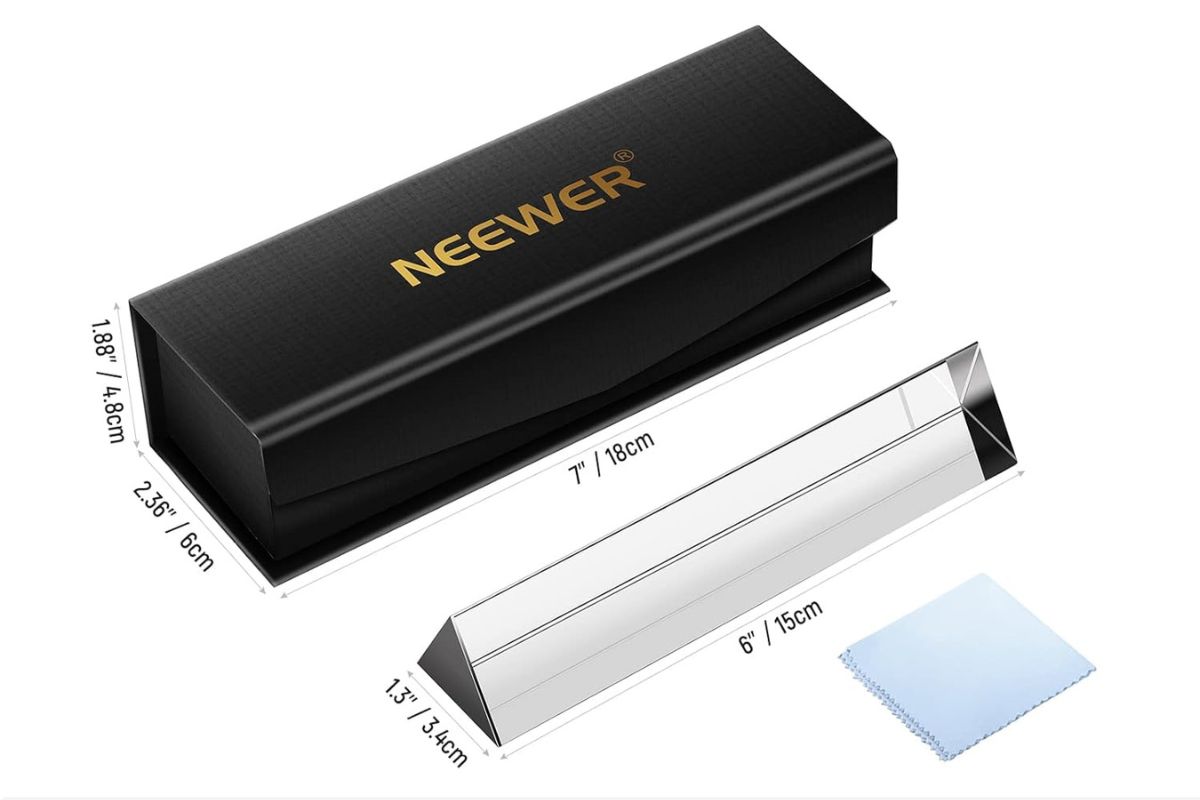
Prism optics perform well in low light due to their efficient internal light path. Their compact design allows for excellent light transmission and sharp image quality. Prism systems produce clear reticles that remain visible without illumination. Hunters like their durability and consistent performance across lighting conditions. These optics are well-suited for quick target acquisition in dim environments. Their solid construction holds up reliably, even with frequent use. For hunters seeking a balance between clarity, durability, and low-light usability, prism optics offer dependable performance when visibility drops.
9. High Transmission Glass

Optics built with high transmission glass maximize available light by reducing loss through the lens system. This results in brighter images and improved contrast in low light. Fine details such as fur texture or body outlines remain visible longer into dusk. Hunters experience less eye fatigue due to smoother light delivery. High transmission glass also improves color accuracy, helping distinguish targets from their surroundings. These optics perform consistently across varied lighting conditions. Investing in high transmission glass enhances overall viewing comfort and extends effective hunting time during challenging light.
10. Lightweight Hunting Scopes

Lightweight hunting scopes designed for low light offer practical advantages in the field. Reduced weight improves handling and stability, especially during offhand shots at dusk. Quality optics ensure brightness and clarity are not sacrificed. Hunters appreciate the balance between performance and portability. Lightweight scopes are easier to carry during long hunts and quick repositioning. Clear glass and efficient design help maintain visibility as light fades. These scopes support fast, confident shooting without adding unnecessary bulk, making them ideal for hunters who move frequently in low visibility conditions.
11. First Focal Plane Low Light Optics

First focal plane optics maintain reticle accuracy across magnification levels, which is helpful in low-light scenarios. Reticle subtensions remain consistent, allowing precise holdovers even as light fades. These optics often feature excellent glass quality and strong contrast. Hunters benefit from predictable performance during critical moments. Clear reticle visibility supports confident aiming without distraction. First focal plane designs are particularly useful in changing light where magnification adjustments are needed. Their consistency and clarity make them a reliable choice for hunters operating in low-visibility environments.
12. Optimized Twilight Performance Optics
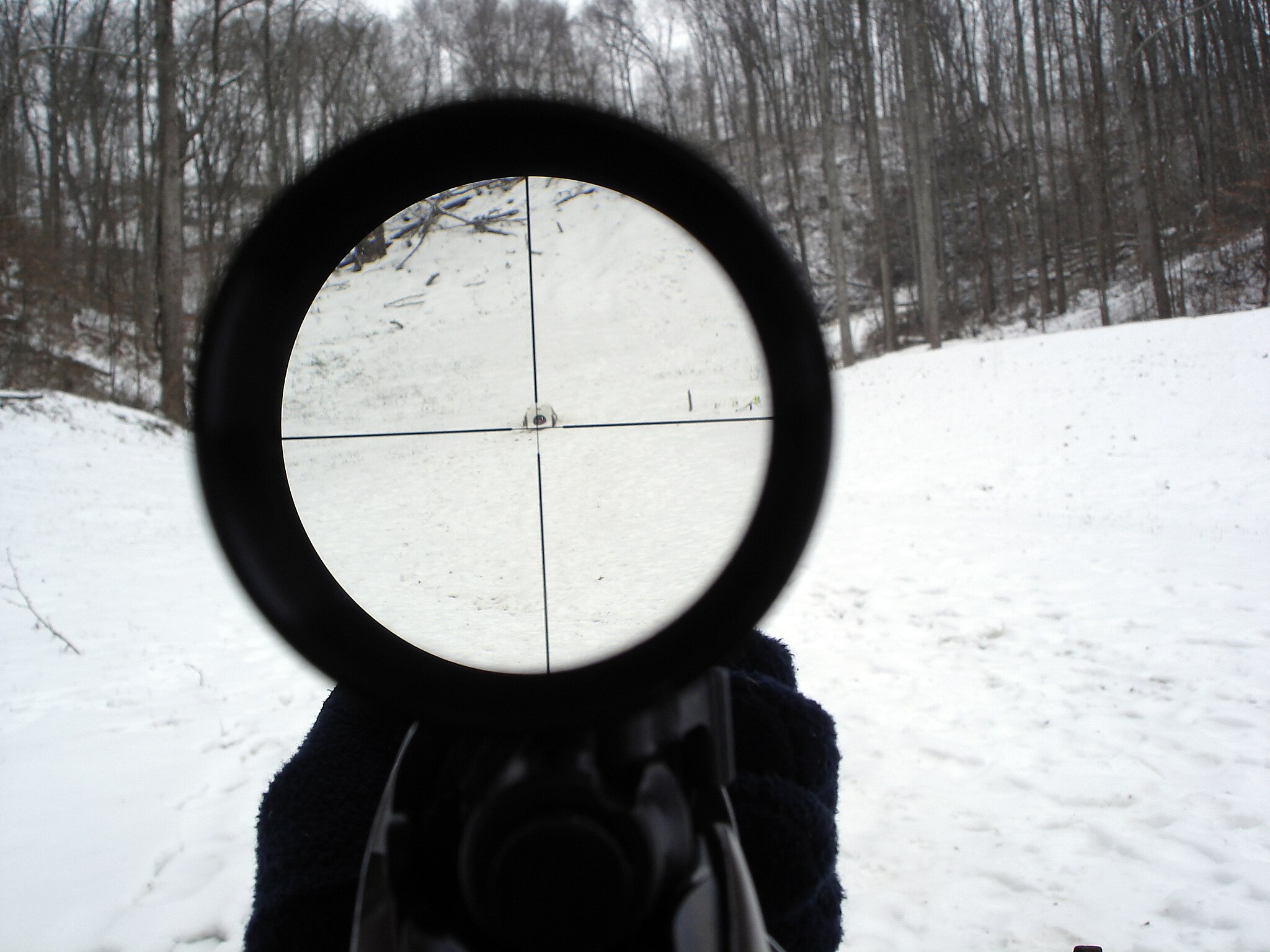
Optics specifically optimized for twilight conditions focus on maximizing usable light during the final minutes of legal shooting time. Enhanced coatings, precise lens alignment, and balanced magnification work together to preserve image detail. These optics reduce shadow washout and improve edge clarity. Hunters can better identify targets and surroundings as daylight fades. Comfortable eye relief and smooth focus adjustments support steady viewing. Twilight optimized optics are built for real-world low-light challenges. They provide dependable clarity when it matters most, making them a favorite among experienced hunters.
The post 12 Optics That Perform Exceptionally Well in Low-Light Conditions appeared first on Bushcraft Base Camp.