
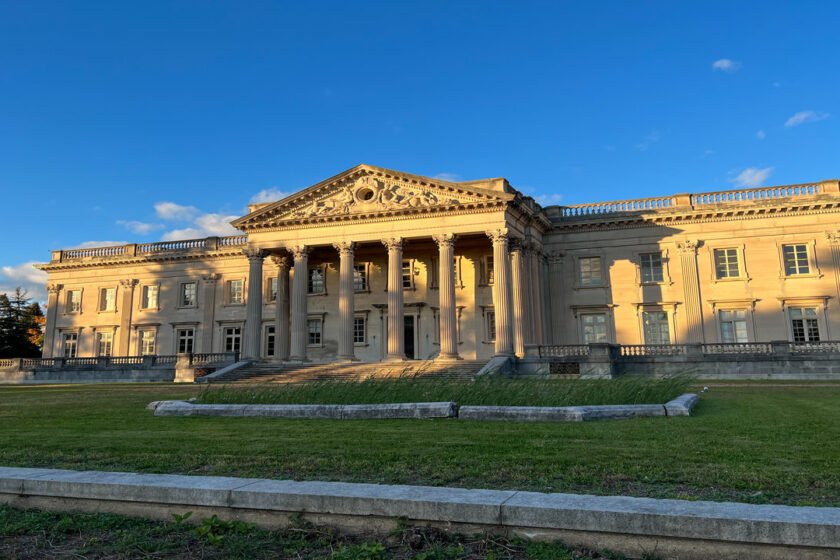

The railroad once ruled Pennsylvania like a steel spine, its veins carrying coal, steel, and ambition from Philadelphia to Pittsburgh. The tycoons of that era, rail barons, coal kings, and steel lords, built homes to reflect their towering wealth. Not content with mere mansions, they crafted architectural marvels perched on hillsides, hidden in forests, and stretched across rural expanses. These were palaces forged in the fires of the Industrial Age, grand homes that stood tall as locomotives thundered by.
But fortunes shift like tracks in the frost. As rail empires collapsed and industries crumbled, so did the legacies left behind. These once-stately homes now sit rusted, weather-worn, and forgotten. Here are 12 Railroad-Era Palaces in Pennsylvania Left to Rust, places where the echo of engines has been replaced by the whisper of the wind.
1. Lindenhurst Mansion (1887) – Altoona

Built in 1887 at the peak of the Pennsylvania Railroad’s golden era, Lindenhurst was once the pride of Altoona. This Gothic Revival gem belonged to a senior railroad executive and featured turrets, stained glass windows, and intricate iron balustrades. The mansion overlooked bustling railyards, giving its owner a commanding view of an empire in motion. But as the PRR declined in the mid-20th century, so did Lindenhurst. Today, its spires crumble, ivy creeps through shattered panes, and dust coats rooms that once hosted iron-fisted tycoons and silk-draped soirées.
2. The Hazleton House (1893) – Hazleton

Constructed in 1893 by a coal magnate with deep ties to the Lehigh Valley Railroad, this grand Italianate mansion once stood as a symbol of northern Pennsylvania’s resource-rich boom. Boasting stained glass transoms, 14-foot ceilings, and hand-carved oak staircases, the Hazleton House was the jewel of Luzerne County. After the collapse of the coal trade and shifting rail priorities, the home was abandoned. Its iron gates now droop on rusted hinges, and peeling paint reveals a skeleton of past luxury.
3. Wetherill Estate (1901) – Chester

Built in 1901 by a steel baron who supplied parts for railcars, the Wetherill Estate stood as a fortress of industry. Its exterior was wrapped in red sandstone, and its inner sanctum boasted iron-framed skylights and marble pillars. But when the company failed during the Great Depression, the estate was left to rot. Graffiti mars its grand salon, its fountains are dry, and the cast-iron fire escapes groan with decay. The house, once protected by rail wealth, is now defenseless against time.
4. Barclay Heights (1879) – Wilkes-Barre

Built atop a hill in 1879, Barclay Heights offered a view as powerful as its owner’s influence. The granite-and-iron fortress belonged to a railway tycoon whose freight lines once cut through half the state. The palatial estate was known for its massive library and copper-domed observatory. But after labor strikes, economic downturns, and eventual abandonment, the home became a shadow of itself. Now, its gardens are wild, its ballroom roof has caved, and silence has taken the place of revelry.
5. Reading Crest Manor (1905) – Reading

In 1905, a magnate of the Reading Railroad built Crest Manor as a testament to his growing empire. Its white stucco walls, Romanesque towers, and sprawling terraces made it a local legend. But following legal troubles and industrial collapse, the family left. Crest Manor’s private rail spur was dismantled, its stained glass windows shattered by decades of storms. Today, it’s a cracked shell resting in tall grass, where deer roam where tycoons once dined.
6. Glenmoore Hall (1896) – Glenmoore

This countryside retreat was built in 1896 by a Philadelphia railway investor seeking fresh air and prestige. Glenmoore Hall was styled after English manor houses, complete with a private rail station and imported Italian marble floors. By the 1940s, the rail line was abandoned, and the estate slowly unraveled. Today, the ballroom echoes only with rain, and its once-bustling platform lies buried beneath leaves and rusted rail spikes.
7. Stonegate Mansion (1894) – Pittsburgh

A product of Pittsburgh’s industrial peak, Stonegate was built in 1894 by a steel executive who outfitted freight trains from coast to coast. The mansion’s stone façade, vaulted ceilings, and wraparound iron veranda were made to impress. But when his fortune dissolved, Stonegate was sold and then abandoned. Its grand conservatory is now shattered, its rooftop observatory stripped bare. Wildflowers now bloom where private rail cars once arrived.
8. Tannery Hill Estate (1890s) – Tyrone

Hidden in the forests near Tyrone, this Tudor-style estate was the pride of a tannery heir whose business thrived due to rail transport. From its balconies, one could once see freight trains winding through the valley. But with the tannery’s closure and the railway’s re-routing, Tannery Hill was left to wither. Its stained beams are now warped, and its brick chimneys crumble. Locals call it the “Rail Widow,” a ghost from an age of soot and steam.
9. Vandergrift House (1890) – Greensburg

Constructed in 1890, the Vandergrift House belonged to a coal broker who leased freight trains across Pennsylvania. This sandstone-and-copper mansion featured a three-story turret and private car stables. Today, the turret leans, the copper gutters are long gone, and the carriage house is caving in. The wind moans through broken windowpanes, echoing with the sound of vanished locomotives.
10. Northumberland Pines Estate (1903) – Northumberland

Built in 1903 by a baron who financed much of the state’s rail expansion, this estate was a testament to prestige. It featured its own station, a mirrored ballroom, and three miles of manicured hedgerows. Today, the ballroom floor is warped, and the hedges have long since gone wild. The only train that remains is a rusted shell tucked in the rear gardens—a silent marker of ambition left behind.
11. Coalbrook Villa (1900) – Scranton

The Coalbrook Villa, finished in 1900, was the centerpiece of Scranton’s industrial elite. This Neoclassical palace boasted Corinthian columns and murals commissioned from European painters. It hosted coal tycoons and rail executives alike. But with the demise of both industries, the villa lost its patrons. Its floors sag, its ceiling plaster falls like snow, and only the black soot stains remain to hint at its fiery past.
12. Keystone Crest (1902) – Harrisburg

Designed by a Paris-trained architect, Keystone Crest was the height of sophistication. Built for a financier behind multiple Pennsylvania railroads, the home featured marble staircases and a stained-glass dome over the main atrium. But like many homes of its kind, it couldn’t survive the economic collapse that followed. Now, Keystone Crest is silent. Its stained glass lies in shards, and vines scale walls once cleaned by servants in starched uniforms.