


Parenting standards rarely change overnight. Instead, expectations evolve quietly through social norms, research, and cultural pressure. Many parents find themselves following new rules without realizing when or why they appeared. These subtle shifts reflect broader changes in society, technology, and emotional awareness.
Emotional Validation

Parents are now expected to acknowledge children’s feelings rather than dismiss them. What was once called discipline is sometimes reframed as emotional neglect. Many parents adopted this shift without formal guidance. The emphasis reflects growing awareness of emotional intelligence.
Gentle Discipline Language

Yelling or harsh punishment has become socially discouraged. Parents increasingly use calm explanations and collaborative problem-solving. Online parenting spaces normalized this approach gradually. Many parents adjusted instinctively without noticing the transition.
Constant Availability
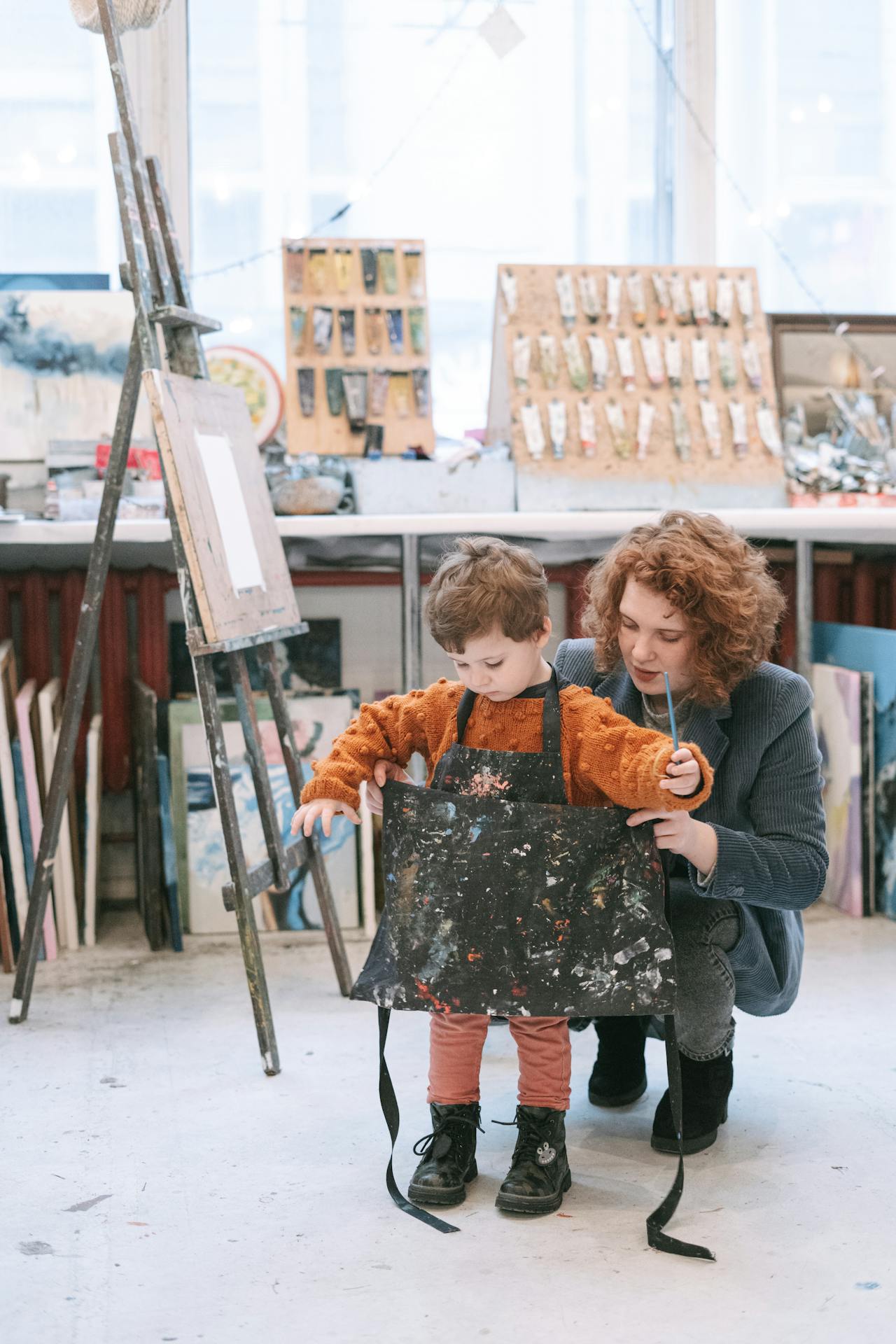
Parents are now expected to be emotionally and physically present at all times. Independence once encouraged is sometimes misinterpreted as detachment. Technology blurred boundaries between supervision and control. This shift increased parental pressure and guilt.
Homework Involvement

Helping with schoolwork became an expectation rather than optional support. Parents are now seen as co-educators. Online comparisons intensified academic competition. Many families adjusted without realizing the cultural change.
Monitoring Screen Use

Digital supervision became a core parenting responsibility. Earlier generations allowed unsupervised media consumption. Research and online discourse reshaped expectations quietly. Parents now manage content, timing, and device access as routine.
Explaining Rules

“Because I said so” lost social acceptance over time. Parents increasingly explain reasoning behind boundaries. This shift reflects changing views on authority. Many parents adopted it naturally without naming the change.
Safety Over Risk

Unsupervised play once symbolized independence. Modern expectations prioritize constant safety awareness. Online discussions reframed risk as negligence. Parents adjusted routines without consciously deciding to do so.
Praise Frequency
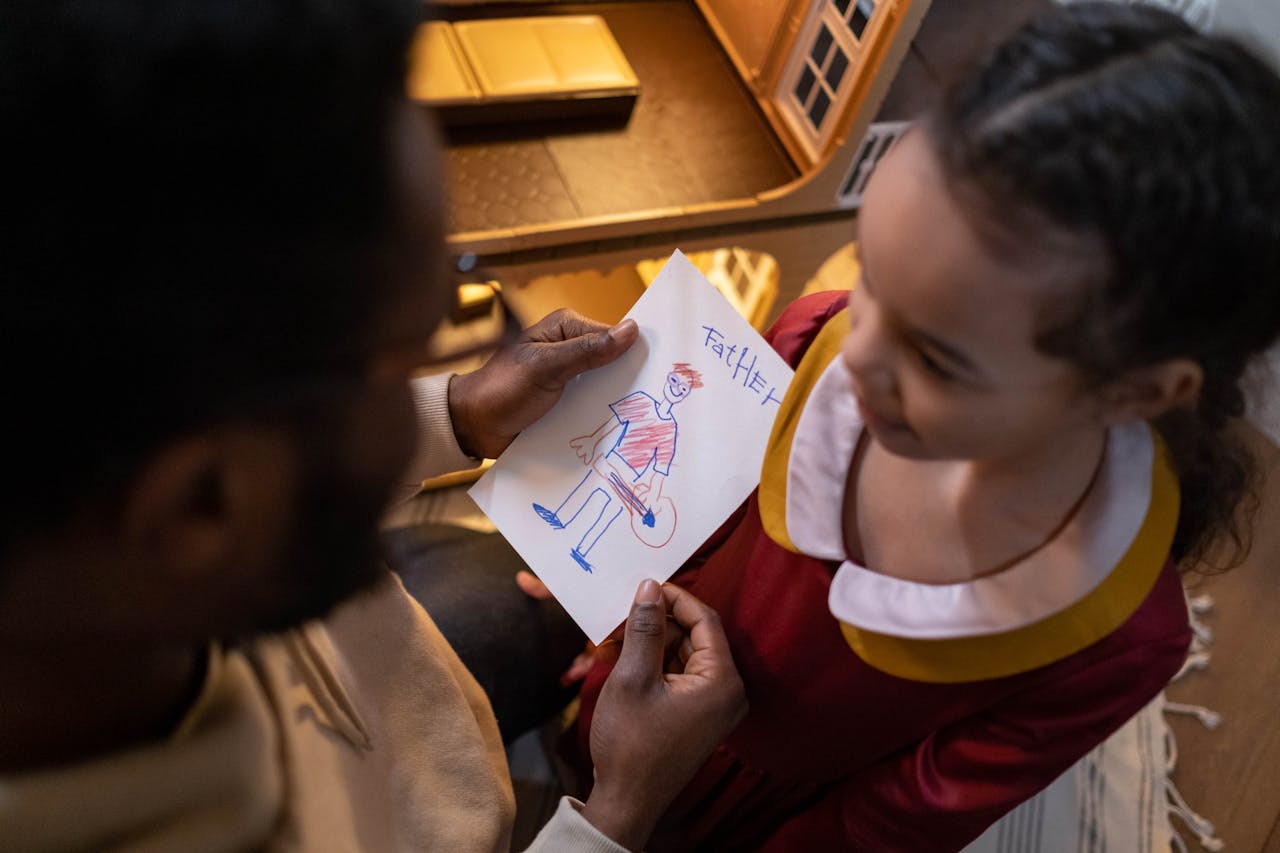
Children now receive more frequent verbal affirmation. Past norms emphasized resilience through limited praise. Research shared online reshaped confidence-building strategies. Parents often adopted this shift unintentionally.
Mental Health Awareness

Parents are now expected to recognize anxiety or stress early. Emotional struggles are treated as valid health concerns. Online visibility normalized these conversations. Expectations shifted faster than formal education systems.
Scheduling Children

Unstructured time declined as enrichment became expected. Activities now signal good parenting. Online comparison fueled pressure quietly. Many parents followed the trend without questioning it.
Respecting Children’s Opinions

Children’s preferences increasingly influence family decisions. What was once adult-led is now collaborative. Cultural narratives reshaped authority dynamics. Parents adapted gradually without clear transition points.
Parenting as Identity

Parenting shifted from a role to a defining identity. Online spaces reinforced constant self-evaluation. Expectations intensified without formal acknowledgment. Many parents feel the pressure without knowing its source.