
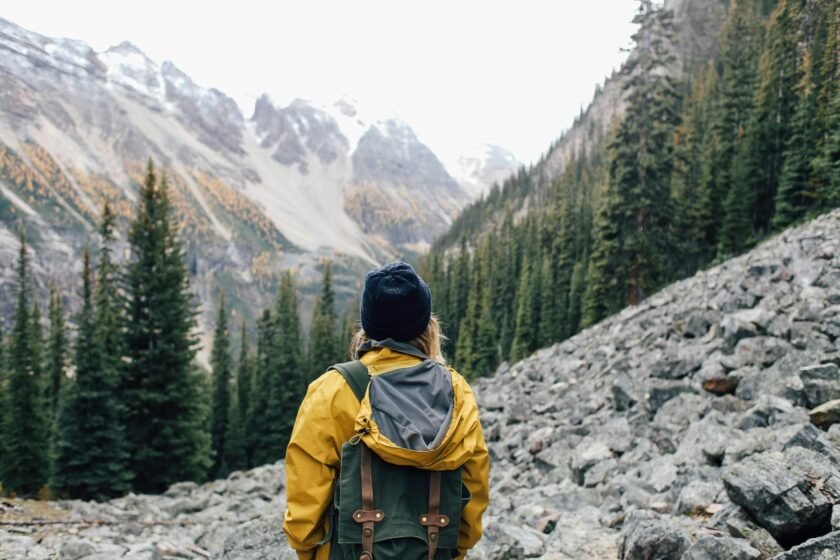
The wilderness has a unique way of reshaping how people think about risk and confidence. Away from crowds, signs, and constant reassurance, every decision feels more real and more personal. You learn quickly that confidence is not about bravado or forcing your way forward, but about understanding limits, conditions, and consequences. Risk stops being an abstract idea and becomes something you measure carefully with experience, awareness, and patience. Nature does not reward recklessness, but it does reward calm judgment and adaptability. Over time, the wilderness teaches lessons that stay with you long after the trail ends, influencing how you approach challenges, uncertainty, and responsibility in everyday life.
1. Risk Cannot Be Eliminated, Only Understood
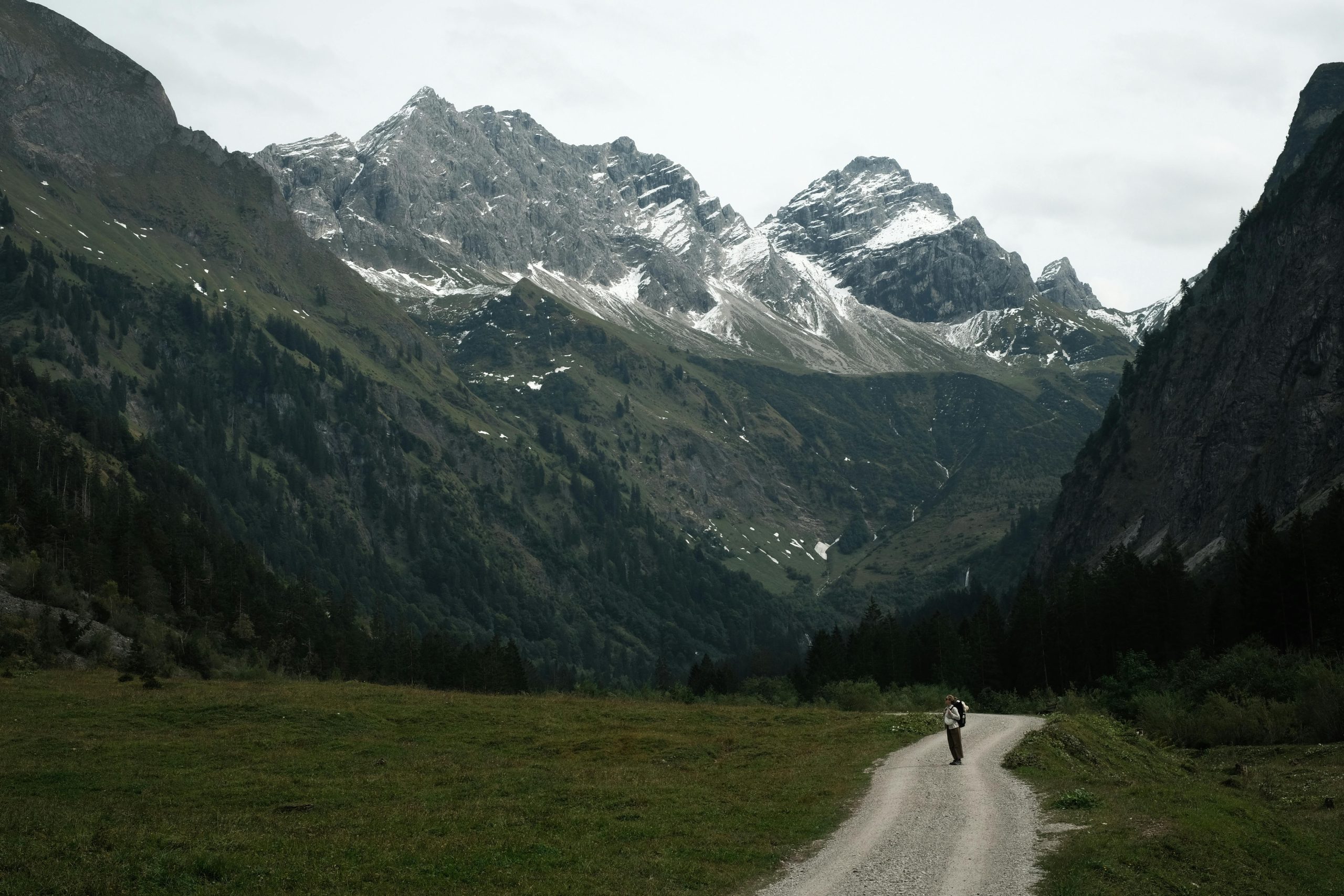
The wilderness makes it clear that risk is never fully removable. Weather shifts, trails erode, and plans change without warning. Instead of chasing the illusion of safety, you learn to read conditions and weigh consequences. Confidence grows from knowing what risks exist and choosing wisely rather than blindly. This lesson is often learned while standing still, studying terrain, clouds, or fading daylight. The outdoors teaches that avoiding all risk means never moving forward, while unmanaged risk leads to mistakes. True confidence comes from recognizing danger early, adjusting plans calmly, and accepting uncertainty without panic or denial.
2. Preparation Quietly Builds Confidence
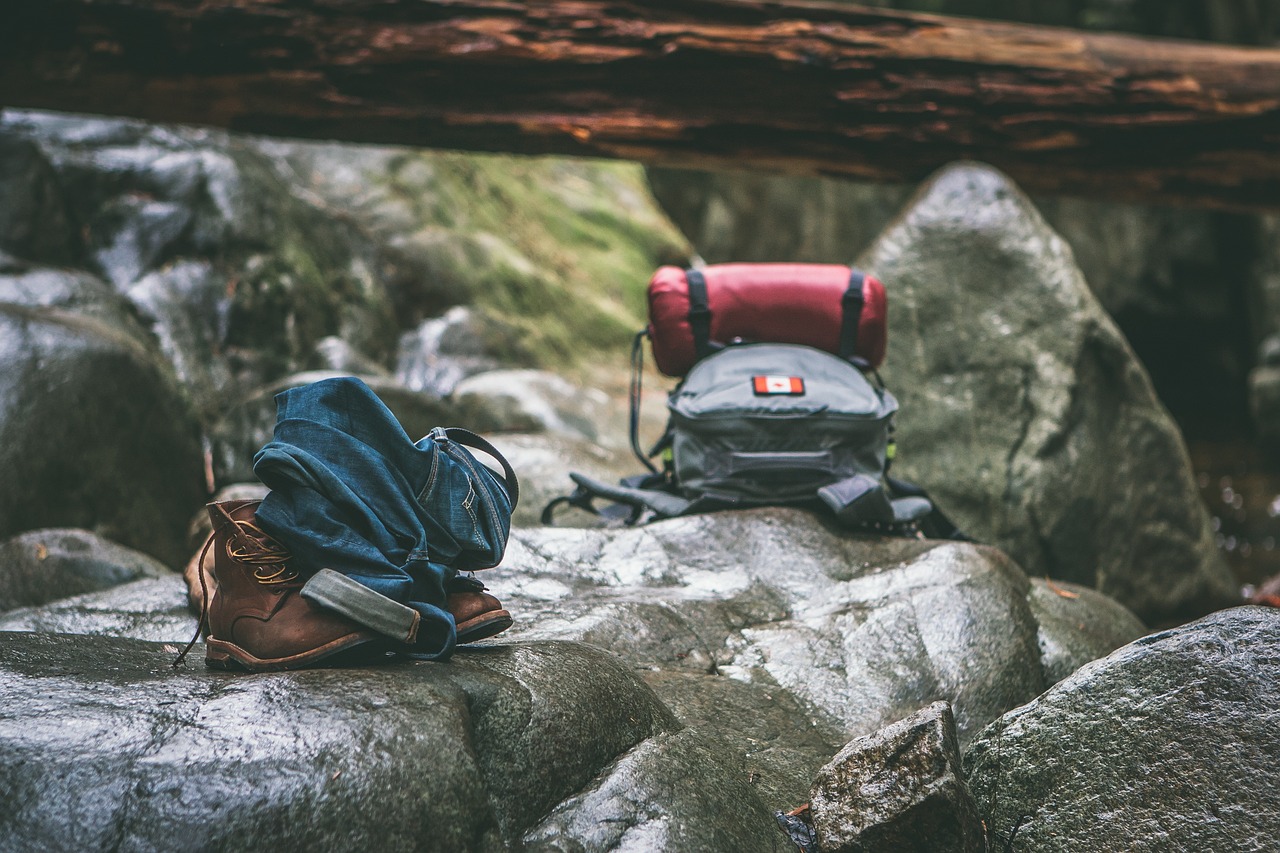
Packing carefully, studying routes, and checking forecasts may not feel dramatic, but the wilderness rewards preparation every time. Confidence shows itself quietly when gear works, food is sufficient, and navigation feels familiar. These moments rarely draw attention, yet they prevent problems before they start. Preparation reduces anxiety because it replaces guesswork with readiness. In the wild, you quickly learn that confidence earned beforehand lasts longer than confidence borrowed from optimism. Each well-planned step reinforces trust in your decisions, proving that thoughtful effort before action matters more than boldness once challenges appear.
3. Turning Back Is Not Failure
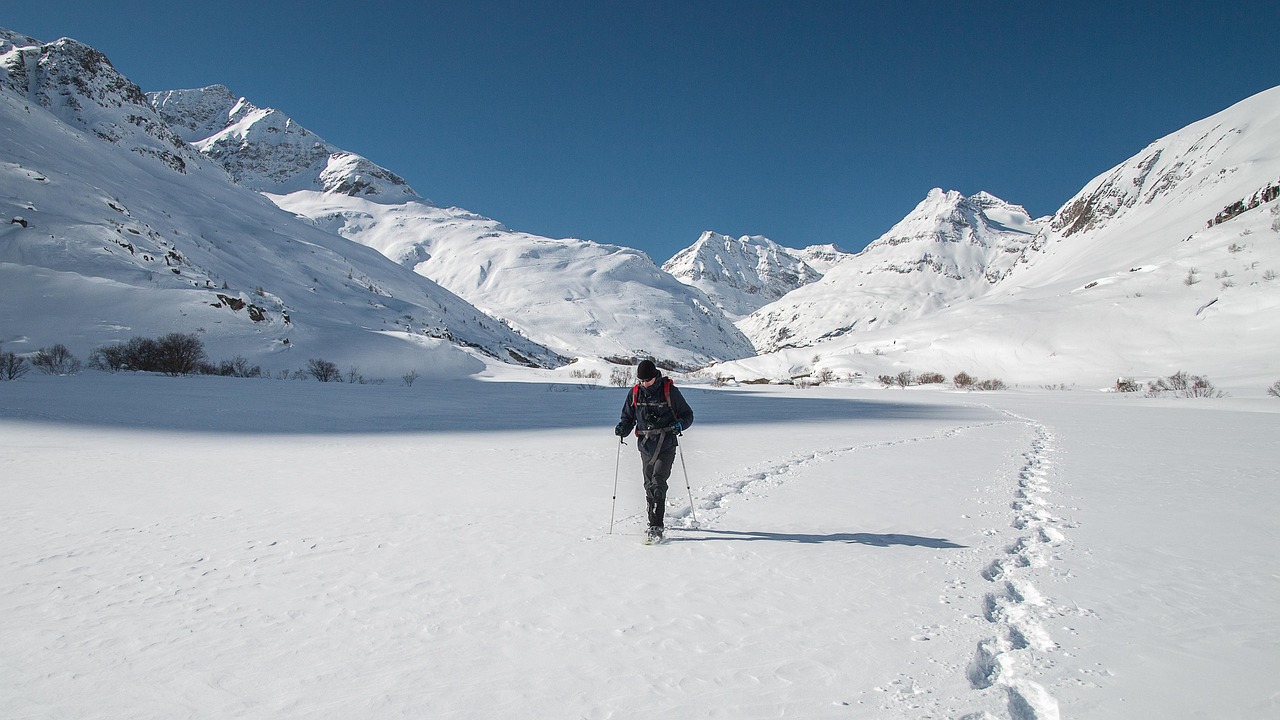
One of the hardest wilderness lessons is learning when to stop. Weather may worsen, energy may drop, or visibility may fade. Turning back often feels disappointing, but it is a powerful act of confidence. It shows respect for conditions rather than ego. The wilderness teaches that success is not measured by reaching a destination at all costs, but by returning safely with awareness intact. Choosing retreat strengthens judgment and reinforces self-trust. Over time, you realize that confidence includes the ability to say “not today” without regret or embarrassment.
4. Small Decisions Shape Big Outcomes
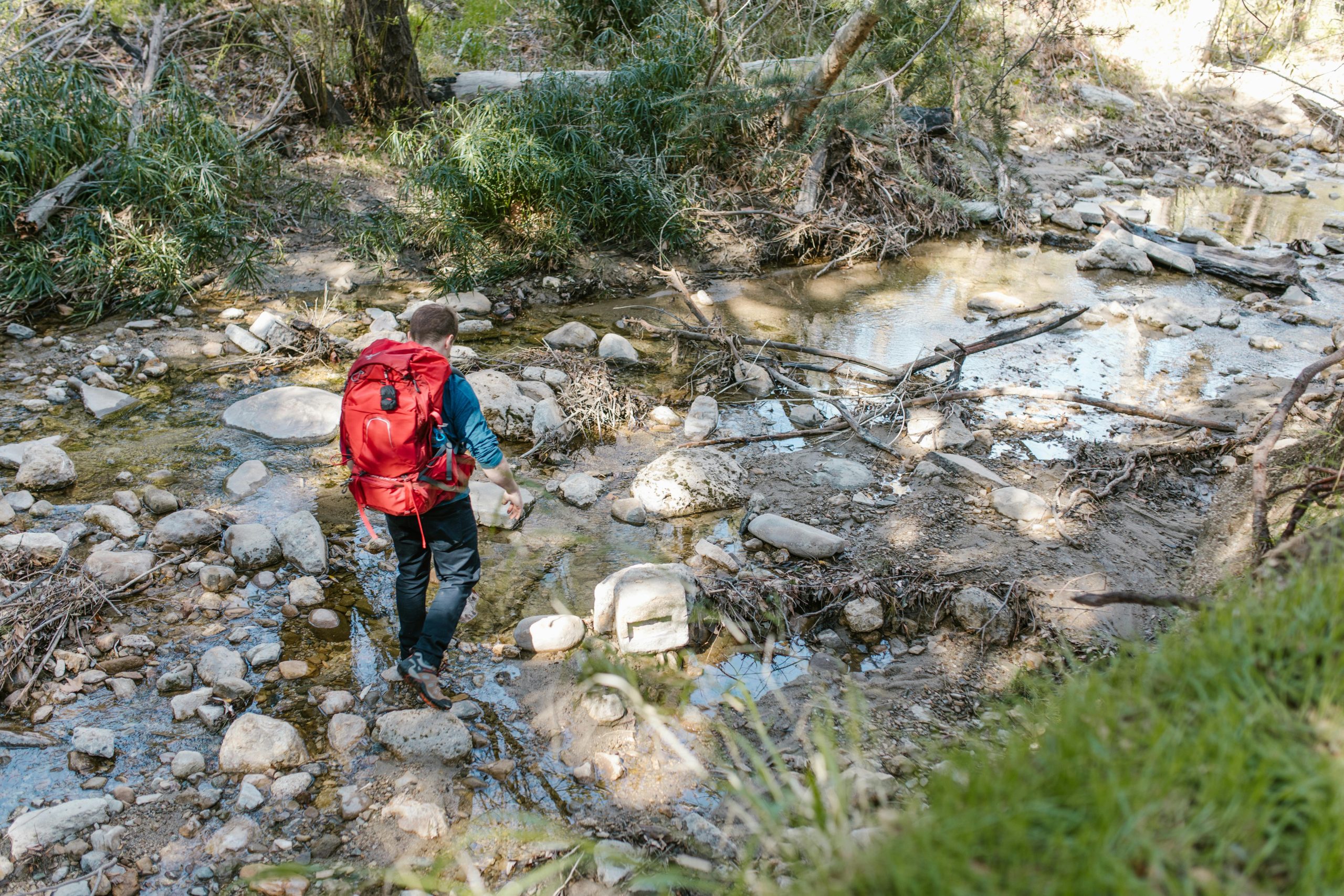
In the wilderness, progress is built from small choices: where to step, when to rest, how much water to drink. These decisions rarely feel important alone, but together they define the experience. Confidence grows as you notice patterns and outcomes connected to these choices. Skipping breaks, ignoring hunger, or rushing terrain usually leads to mistakes. Nature teaches patience through repetition. You learn that steady, thoughtful actions matter more than dramatic pushes. This lesson becomes visible in simple moments that quietly shape safe and successful journeys.
5. Fear Is a Useful Signal
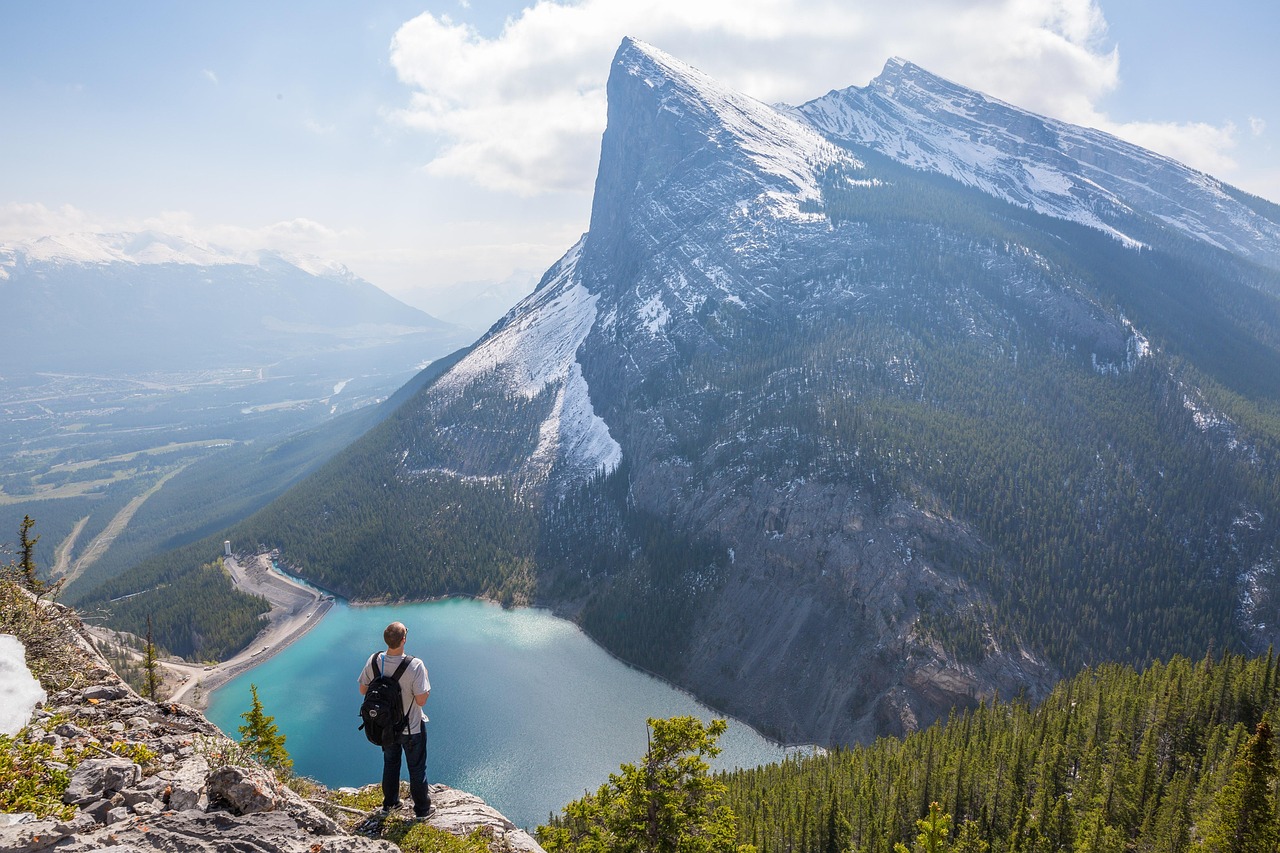
Fear often carries a negative reputation, but the wilderness reframes it as information. A sudden sense of unease may signal fatigue, poor footing, or changing conditions. Learning to pause and evaluate fear instead of suppressing it builds confidence. Panic clouds judgment, but awareness sharpens it. The outdoors teaches you to ask why fear appears and what it is trying to communicate. Over time, confidence grows not from the absence of fear, but from understanding it and responding with calm reasoning rather than impulse.
6. Conditions Always Have the Final Say
Nature does not adjust to human plans. Heat, cold, wind, and terrain dictate what is possible. The wilderness teaches humility by reminding you that control is limited. Confidence develops when you accept this truth instead of fighting it. Adapting routes, timing, or goals becomes second nature. Rather than feeling defeated, flexibility feels empowering. You learn that working with conditions leads to better outcomes than resisting them. This mindset transforms challenges into manageable adjustments rather than personal failures.
7. Skill Matters More Than Strength
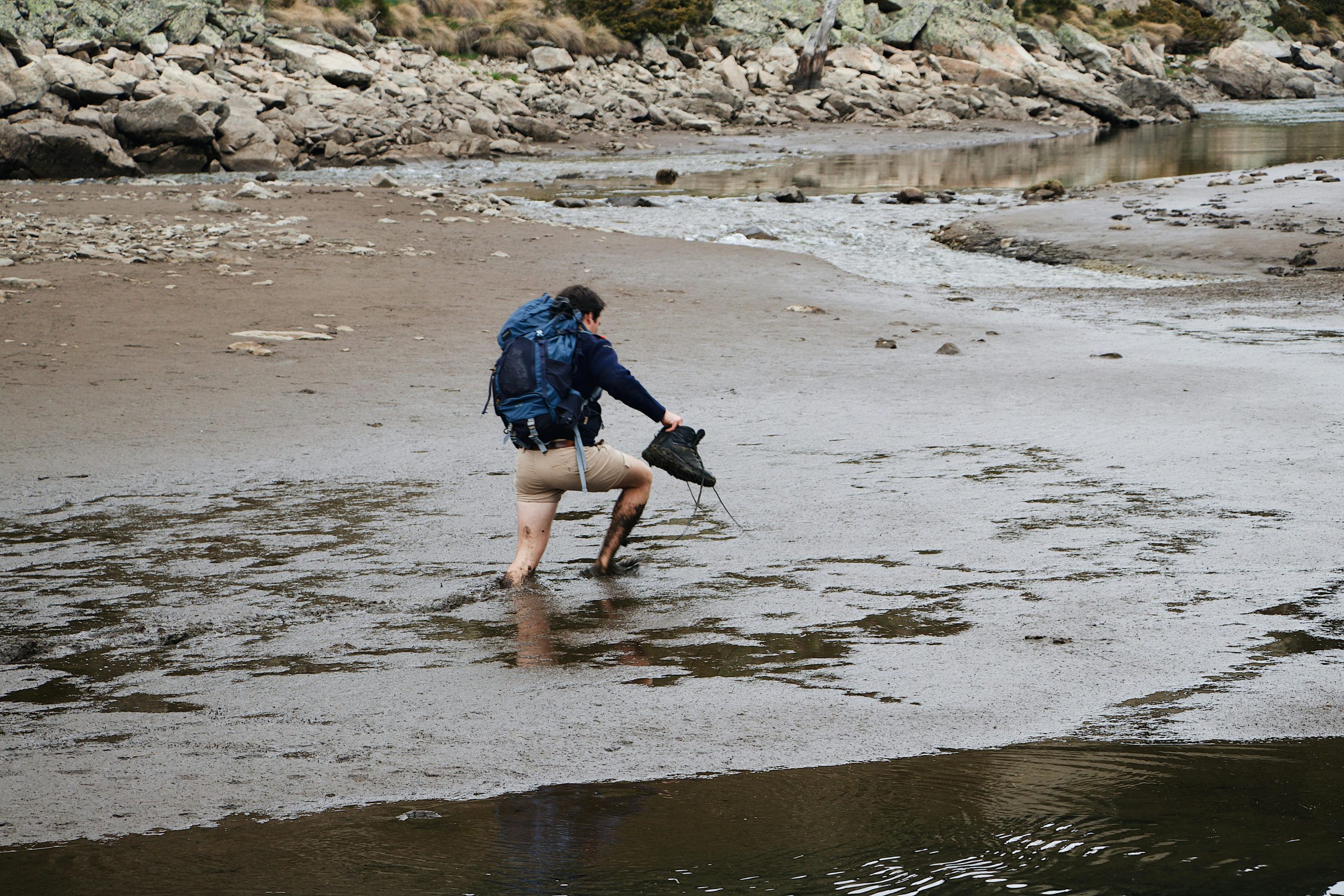
Physical strength has limits, but skill compounds over time. The wilderness rewards efficient movement, smart pacing, and learned technique. Confidence grows as experience replaces brute effort. Knowing how to read terrain, distribute weight, or manage energy conserves strength and reduces risk. These lessons often appear while navigating uneven ground or conserving energy late in the day. Skill-based confidence feels stable because it adapts to conditions. Unlike raw strength, it improves with experience and remains reliable even when fatigue sets in.
8. Experience Replaces Assumptions
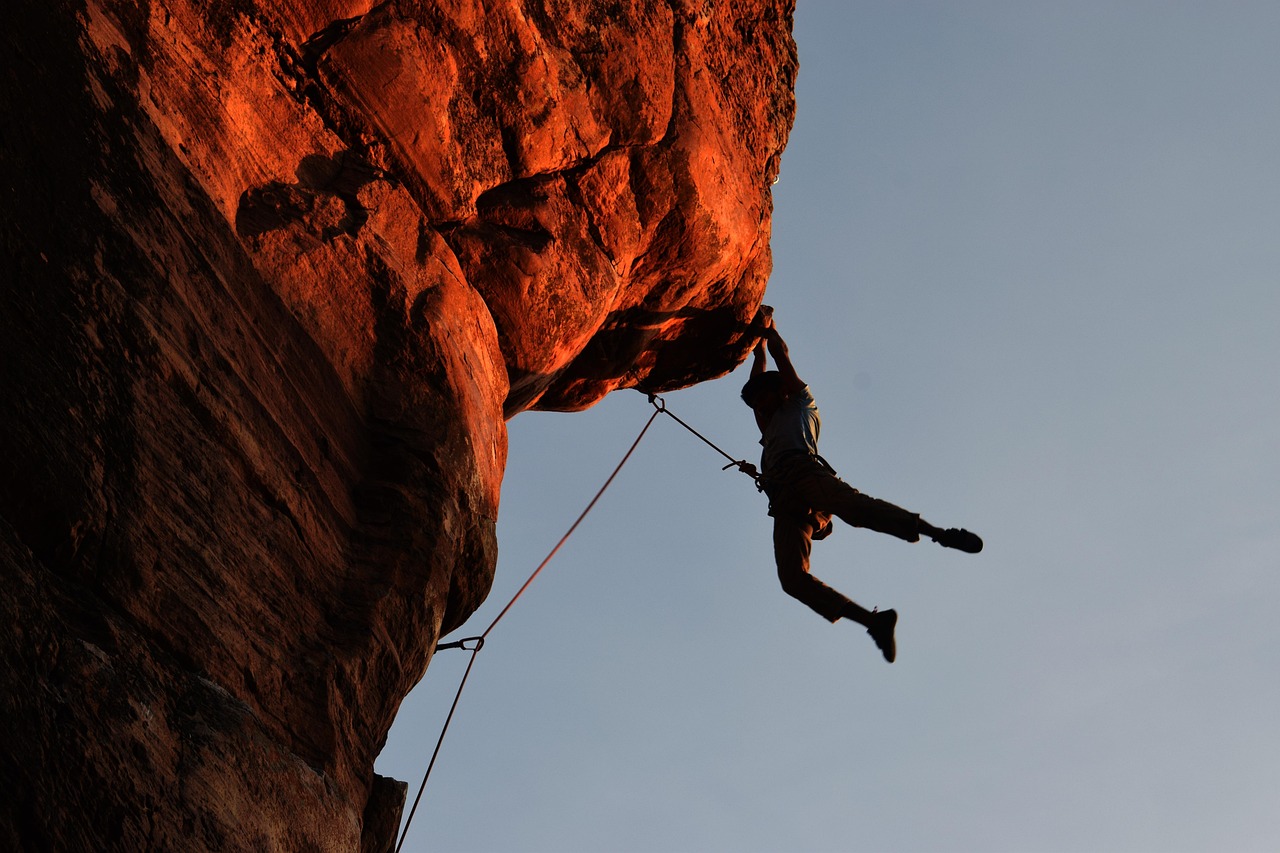
Before spending time outdoors, many risks feel exaggerated or misunderstood. Experience corrects these assumptions. What once seemed terrifying becomes manageable, while overlooked dangers gain respect. The wilderness teaches confidence through exposure, not shortcuts. Each experience reshapes expectations and sharpens judgment. You stop relying on stories or speculation and start trusting firsthand understanding. This shift builds confidence rooted in reality rather than imagination. Over time, experience becomes the most reliable teacher of both caution and capability.
9. Responsibility Is Personal and Immediate
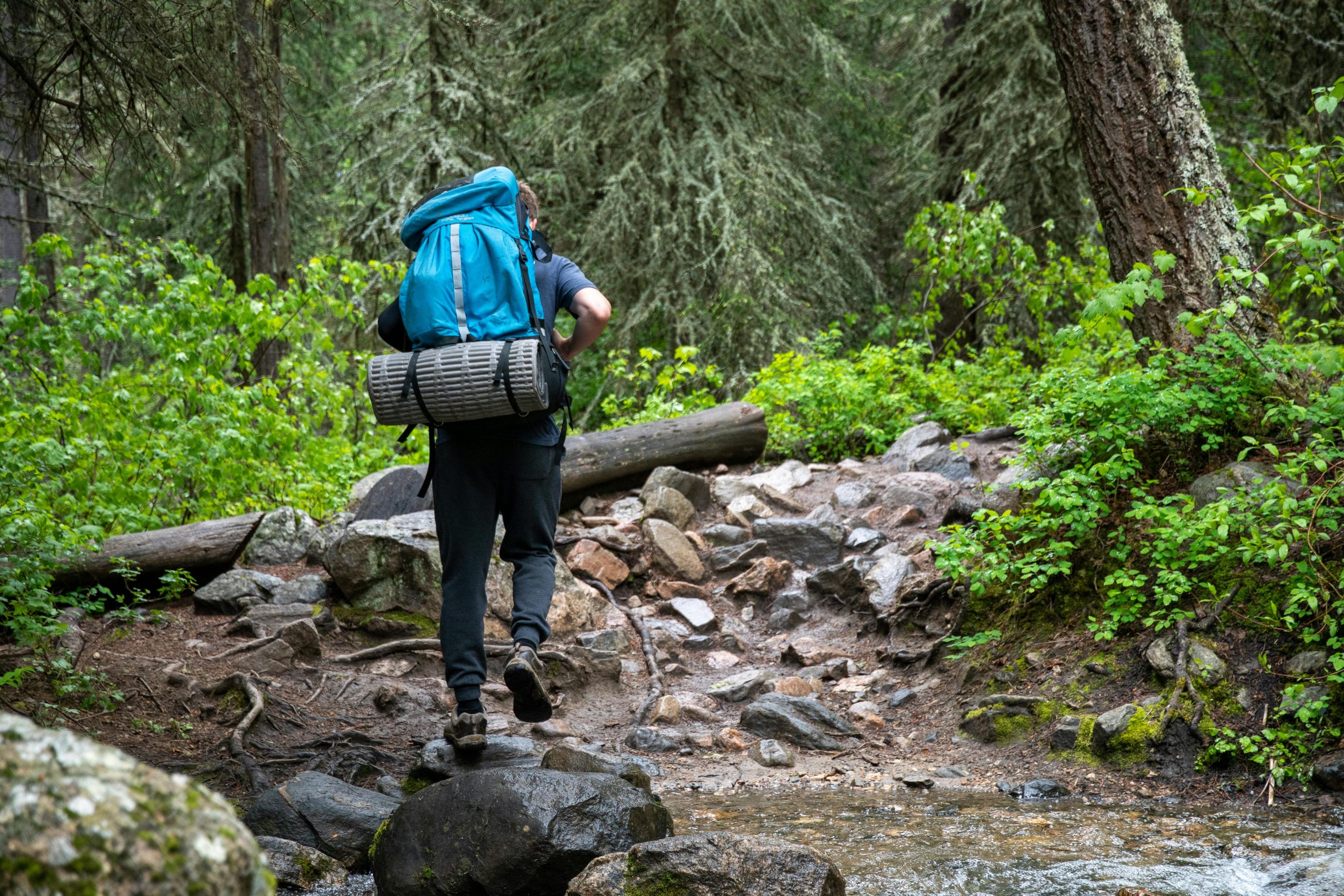
In the wilderness, decisions are not shared by committees or systems. Responsibility belongs to the individual. This awareness can feel heavy, but it builds deep confidence. Knowing that outcomes depend on your judgment encourages focus and accountability. Mistakes become lessons rather than excuses. The wilderness teaches that responsibility is not a burden when accepted willingly. Instead, it strengthens decision-making and reinforces trust in your ability to respond thoughtfully to challenges as they arise.
10. Discomfort Is Part of Growth
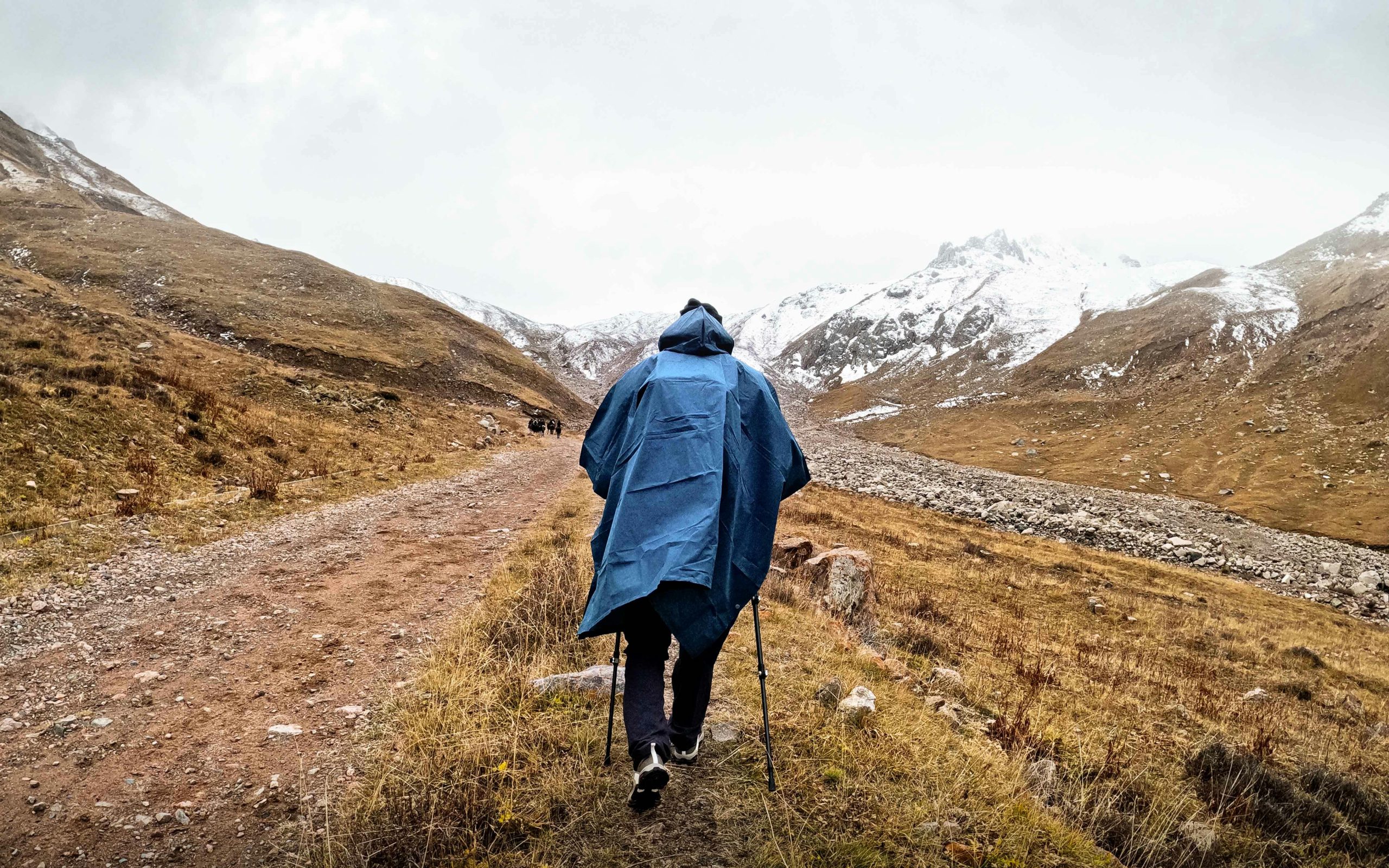
Cold mornings, sore muscles, and wet gear are common in the outdoors. The wilderness teaches that comfort is temporary, but resilience lasts. Confidence grows as you realize discomfort does not equal danger. Learning to function well despite inconvenience strengthens mental endurance. Over time, discomfort becomes familiar rather than intimidating. This lesson carries beyond the trail, reminding you that progress often requires patience through unease rather than retreating at the first sign of difficulty.
11. Focus Sharpens Under Pressure
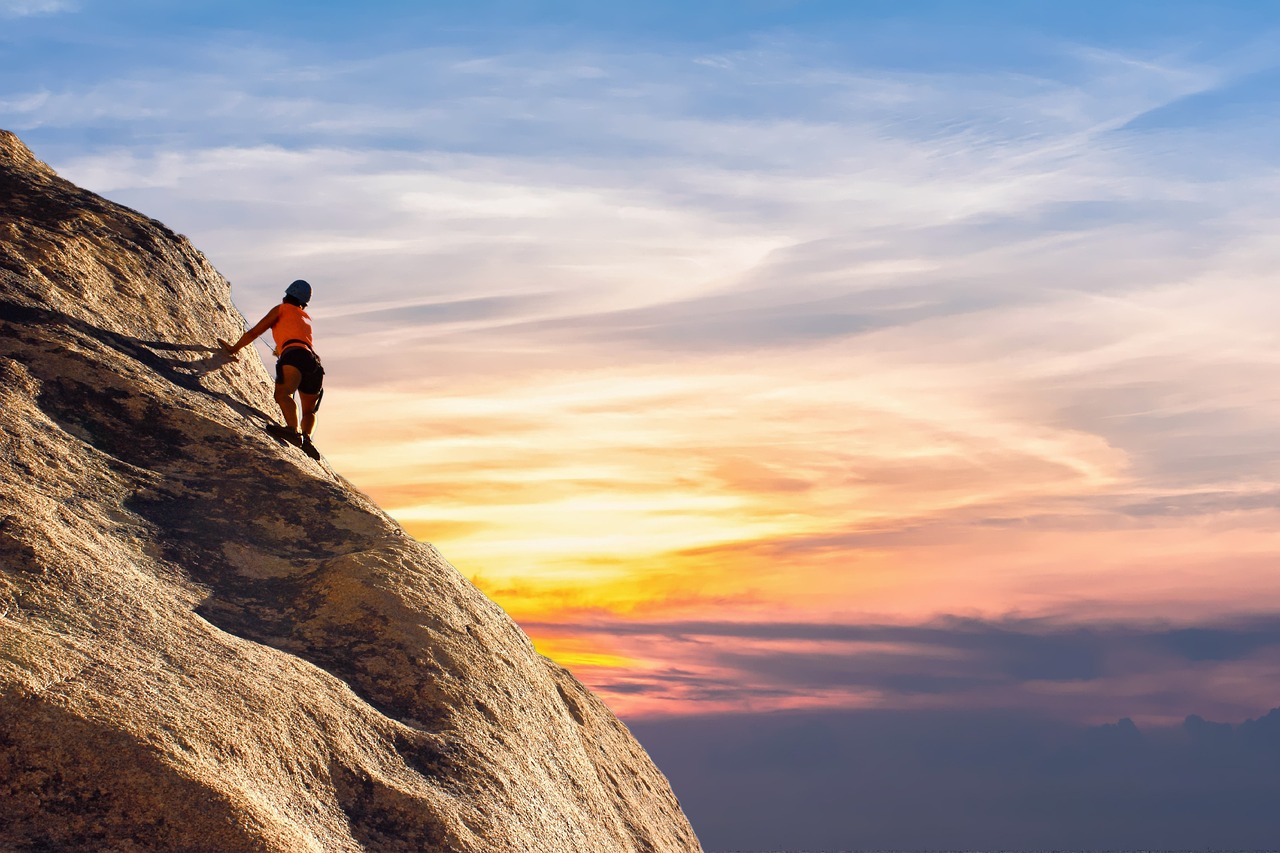
High-risk moments in the wilderness naturally narrow attention. Distractions fade as priorities become clear. This sharpened focus improves decision-making and builds confidence in your ability to concentrate when it matters most. You learn to filter noise and respond deliberately. The outdoors teaches that pressure does not have to overwhelm; it can clarify. Confidence grows as you trust your ability to remain calm, observant, and precise even when conditions demand full attention.
12. Confidence Extends Beyond the Wilderness
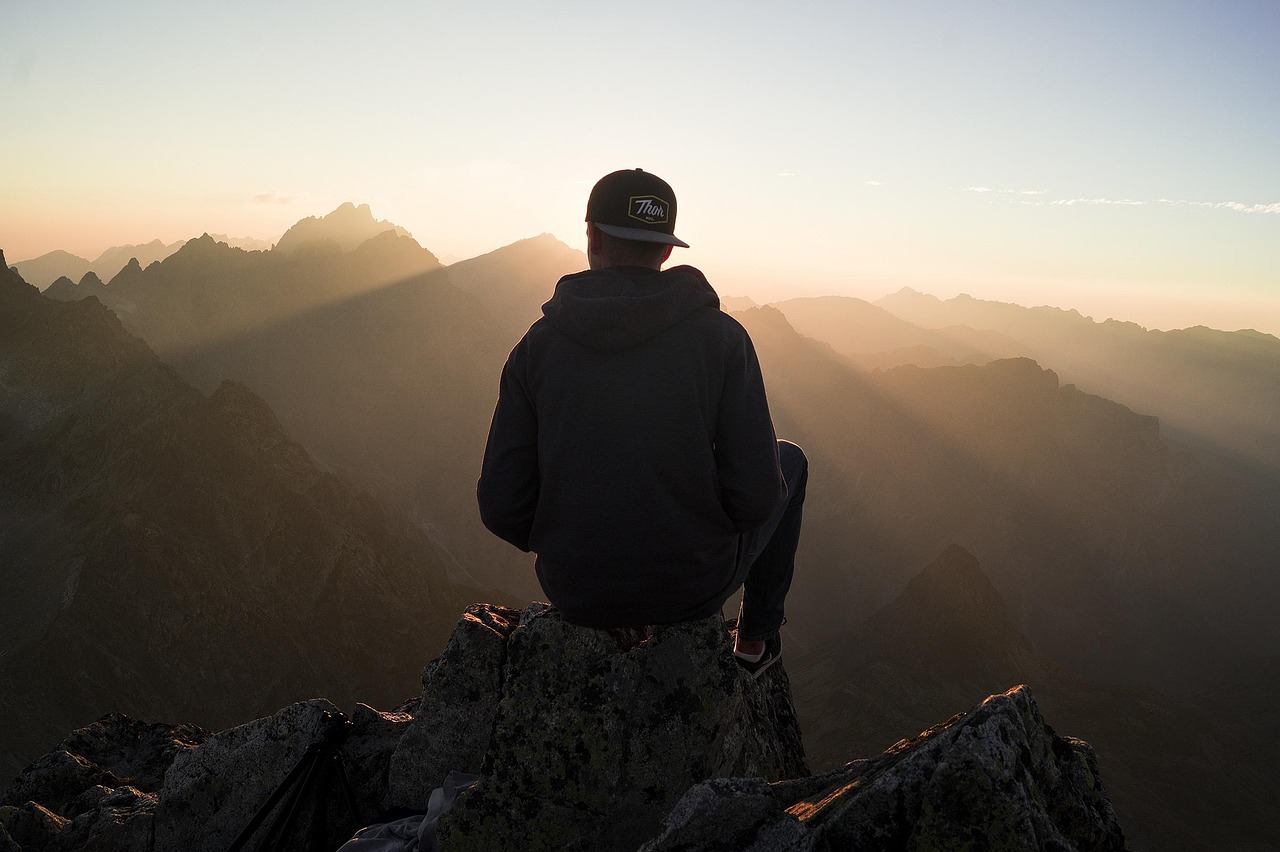
The final lesson reveals itself after returning home. Challenges that once felt overwhelming seem more manageable. The wilderness teaches confidence that transfers into daily life. Managing risk outdoors builds patience, humility, and perspective. You learn to pause, assess, and act deliberately. These habits remain long after the trail ends. Confidence earned in nature is not loud or showy, but steady and reliable, shaping how you approach uncertainty wherever it appears.
The post 12 Things the Wilderness Teaches About Risk and Confidence appeared first on Bushcraft Base Camp.