
Owning your own property might feel like total freedom, but surprisingly, there are plenty of rules that limit what you can do—even on your own land. From planting certain trees to building structures, or even how you maintain your yard, local laws and regulations often step in to protect safety, neighbors, and the environment. Knowing these hidden restrictions can help you avoid fines, disputes, or costly mistakes. Here are 12 things you might be unknowingly doing wrong on your own property.
1. Planting Invasive or Prohibited Trees

Planting trees might seem harmless, but some species are banned because they spread aggressively, damage local ecosystems, or threaten native plants. Invasive trees can choke out other vegetation, alter soil quality, and even damage underground utilities with aggressive roots. Before planting, check local regulations to avoid fines and protect your neighborhood’s natural balance. Choosing the right tree can beautify your property without unintended consequences.
2. Building Without Proper Permits

Constructing a shed, deck, or even a small addition without permits is more common than you’d think—and it’s illegal. Permits act like a safety passport—clearing your project for takeoff while keeping it grounded in local codes and community rules. Skipping this step can lead to costly fines, forced removal, or problems selling your home later. Always check with your city or county before starting any build. Proper permits protect your investment and keep your community safe.
3. Installing Fences Above Height Limits
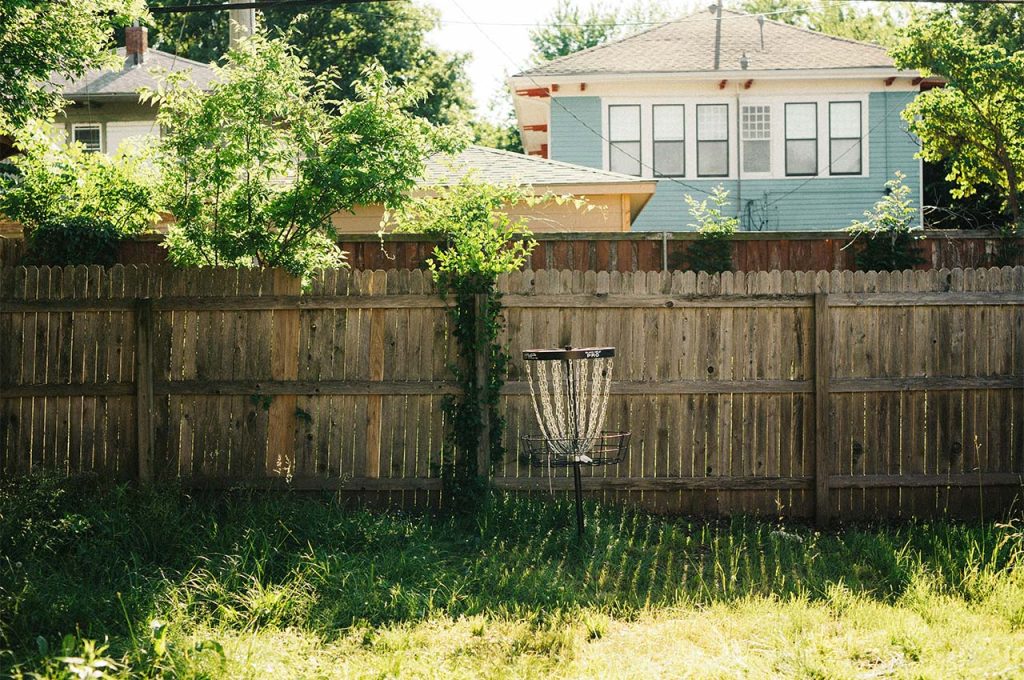
Fences help define property lines and add privacy, but most areas have strict height limits to avoid obstructing views or causing neighborhood disputes. Building a fence taller than allowed can lead to complaints, fines, or orders to cut it down. Know your local fence regulations before you start. Staying within limits ensures good neighbor relations and keeps your property looking neighborly—not like a fortress.
4. Parking RVs or Trailers in Driveways Long-Term
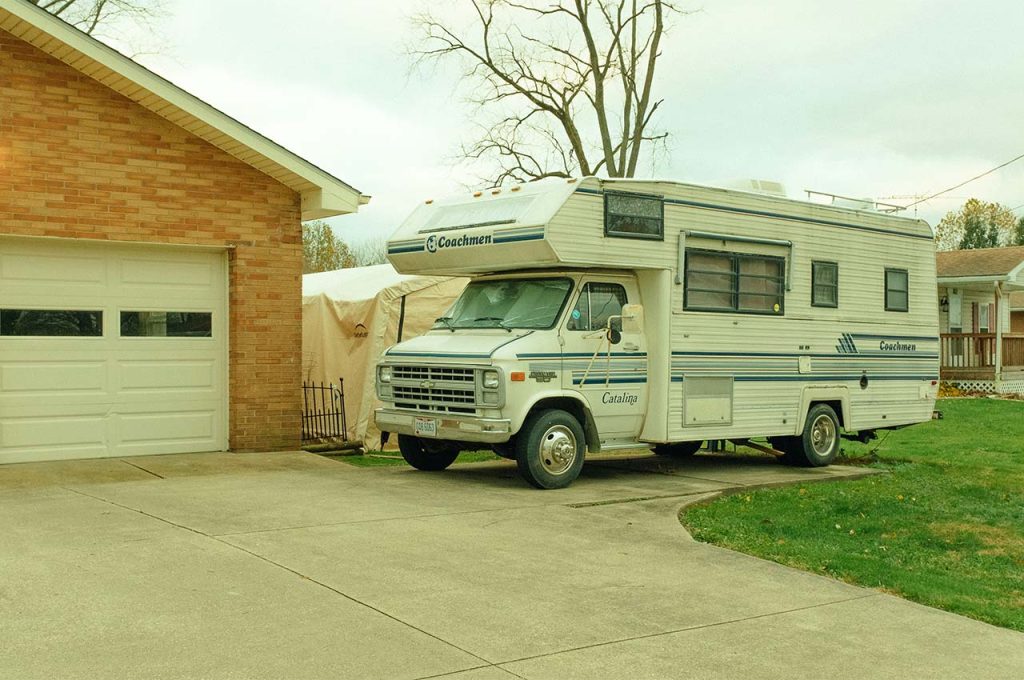
Storing large vehicles like RVs or trailers on your property might seem convenient, but many neighborhoods and municipalities limit how long they can stay visible. Long-term parking can violate local ordinances designed to maintain aesthetics and traffic safety. To avoid fines or warnings, check rules about vehicle storage, consider screened parking areas, or use off-site storage facilities. It’s a balance between convenience and community standards.
5. Dumping Yard Waste Outside Designated Areas
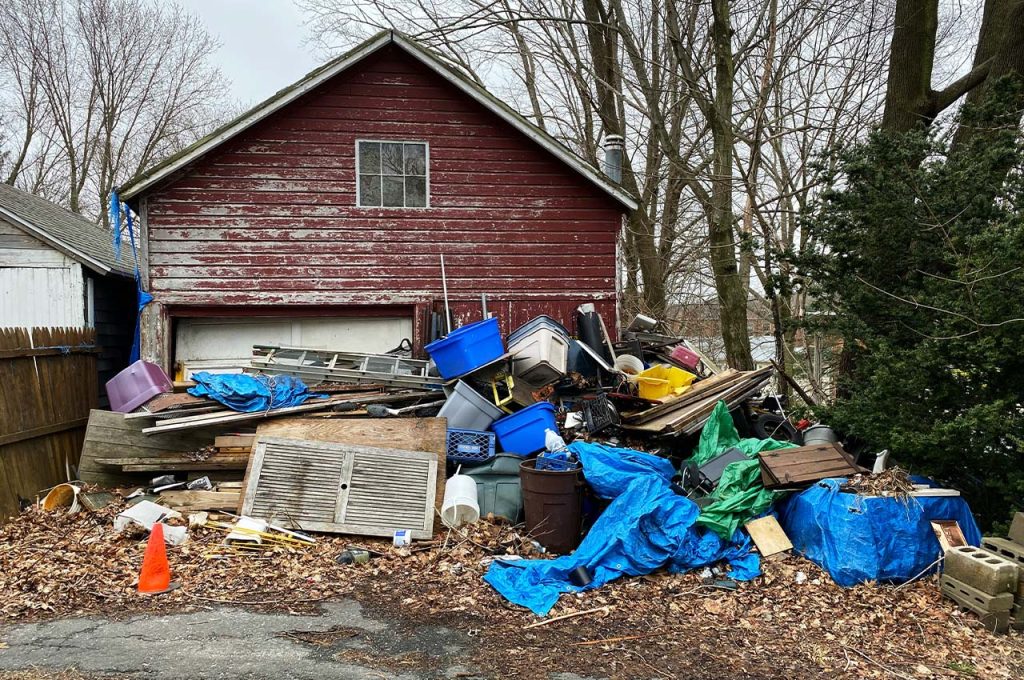
Yard waste might seem like just leaves or grass, but dumping it anywhere but approved spots is often illegal. Unauthorized dumping can clog storm drains, harm waterways, and attract pests. Most communities provide specific collection days or composting sites for yard debris. Follow these rules to keep your neighborhood clean and environmentally safe. Proper disposal protects the health of your property—and your neighbors’.
6. Setting Off Fireworks Without a Permit

Fireworks can be fun, but many areas require permits and have strict regulations on when and where they can be used. Skipping these rules can spark more than fireworks—think fines, safety hazards, and some seriously unhappy neighbors. Permits ensure fireworks are set off safely and at approved times to protect people and property. Always check local laws and get proper authorization before celebrating with fireworks—it’s a small step that keeps everyone safe.
7. Operating Loud Machinery During Quiet Hours
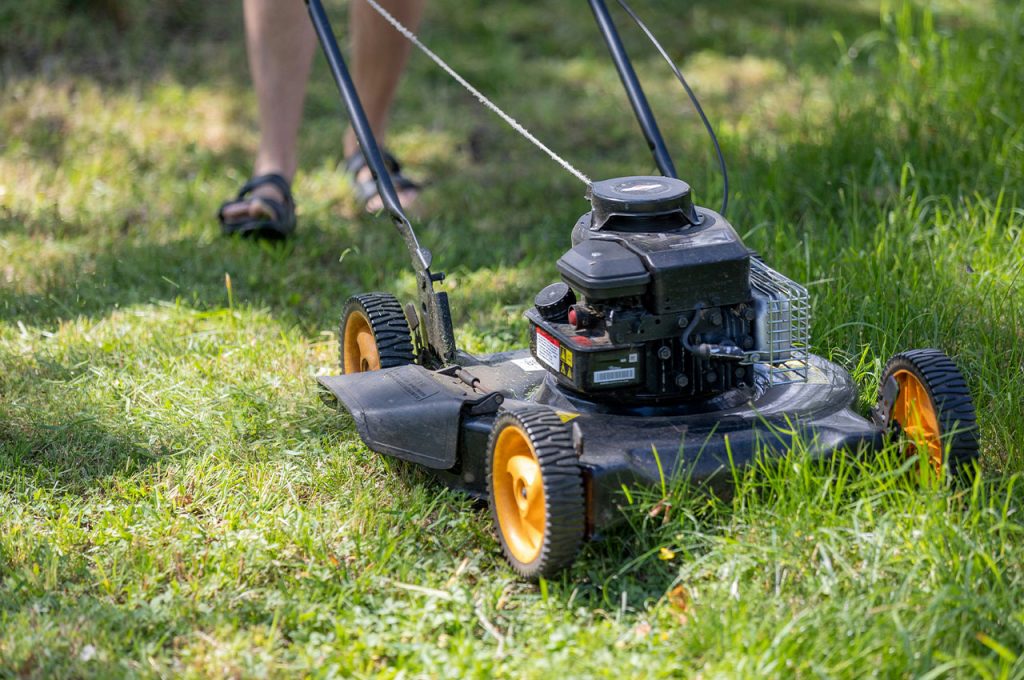
Running lawnmowers, leaf blowers, or power tools may seem harmless, but many communities have strict rules about noise during early mornings, evenings, and weekends. Operating loud machinery outside permitted hours can disturb neighbors, lead to complaints, and even fines. Respecting quiet hours helps maintain neighborhood peace and good relations. Check your local noise ordinances before firing up that equipment to avoid unwanted trouble.
8. Removing Protected Trees or Vegetation

Certain trees and plants are protected by local or state laws due to their environmental importance or historic value. Removing or damaging them without permission is illegal and can result in hefty fines or restoration orders. Before cutting down a large tree or clearing vegetation, verify whether it’s protected. Protecting these natural assets preserves biodiversity, safeguards wildlife, and maintains the character of your community.
9. Draining Pool Water into the Street or Neighbor’s Yard
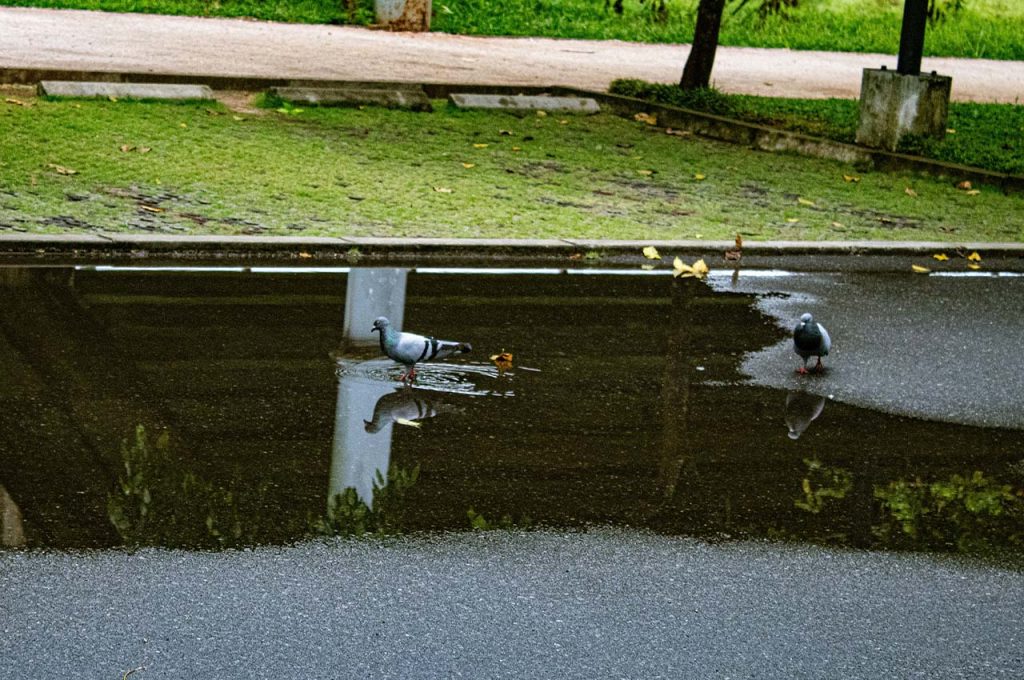
Draining your pool water might seem simple, but releasing it onto the street or a neighbor’s property can violate local regulations and cause damage. Pool water often contains chemicals that can harm plants, pollute waterways, or flood adjacent properties. Proper drainage methods, like connecting to approved stormwater systems, keep your neighborhood safe and environmentally friendly. Always check local rules before draining to avoid fines or conflicts.
10. Storing Hazardous Materials Unsafely
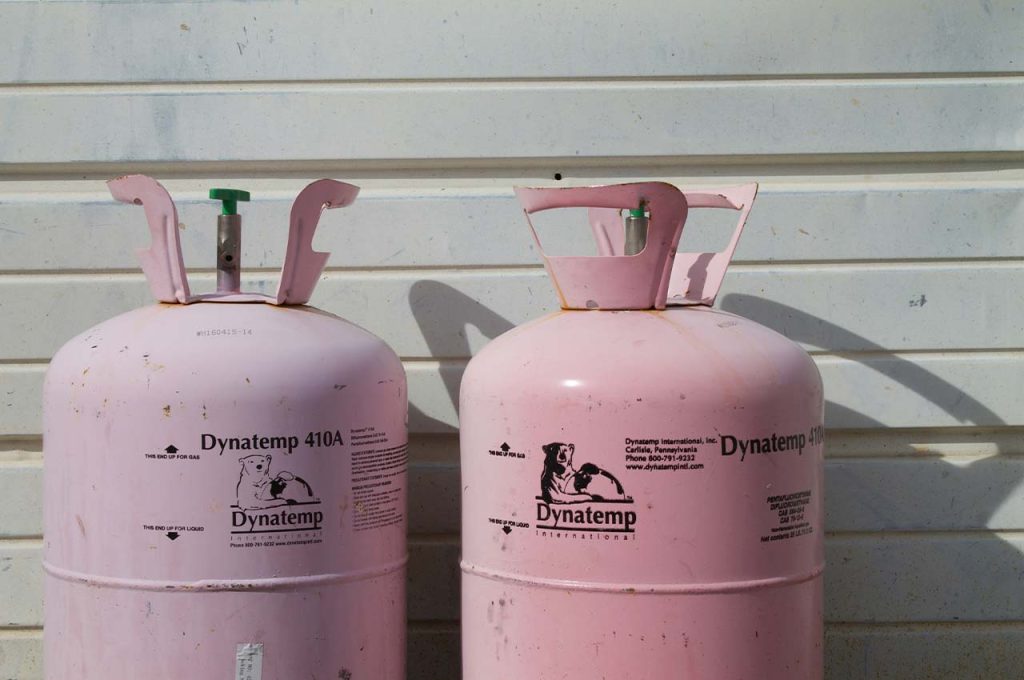
Storing chemicals, gasoline, pesticides, or other hazardous materials improperly on your property is both dangerous and illegal. Without correct containment, these substances pose fire risks, contaminate soil or water, and threaten human and animal health. Regulations often specify safe storage containers, locations, and quantities. Follow these guidelines to protect your family, neighbors, and the environment—and keep your property compliant.
11. Creating Unauthorized Driveways or Access Points
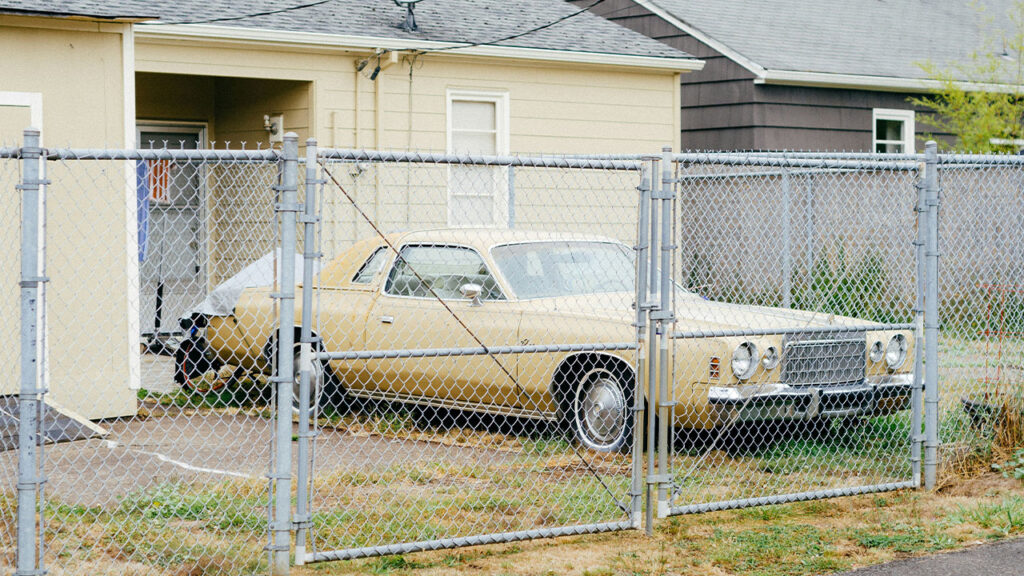
Adding a new driveway or access point without proper approval can disrupt traffic flow, block sightlines, and violate zoning laws. Unauthorized driveways may interfere with sidewalks, utilities, or drainage systems, creating hazards for pedestrians and drivers alike. Local governments usually require permits and inspections to ensure safe placement. Before paving a new access point, check regulations to avoid fines, forced removal, or strained relations with neighbors and authorities.
12. Ignoring Easements or Utility Access Rights

Easements grant utility companies or neighbors legal rights to access parts of your property for maintenance or repairs. Blocking these areas with fences, structures, or landscaping can lead to legal battles, fines, and forced removal. It’s crucial to understand and respect easements on your land to avoid costly disputes. Keeping these access points clear not only stays within the law but also supports essential services like water, electricity, and telecommunications for your community.
Want to see more from Remodr?

Drop a comment below, share this with your friends and family, and don’t forget to follow us for more fresh ideas, updates, tips, and home trends.
This article was created with the assistance of AI but thoroughly edited by a human being.