
Limited downtown parking shapes daily life in many American towns, affecting how people move, shop, and socialize. As historic street grids collide with modern traffic, curb space becomes a hotly contested resource. Bustling main streets, compact blocks, and tourist pressure complicate access further. These towns demonstrate how growth, preservation, and constrained infrastructure intersect in tangible ways. Understanding where parking is toughest offers insight into urban planning challenges and local habits. From coastal getaways to mountain towns, each spot reveals a unique reason why finding a downtown parking space can feel especially frustrating during peak hours.
San Francisco, California
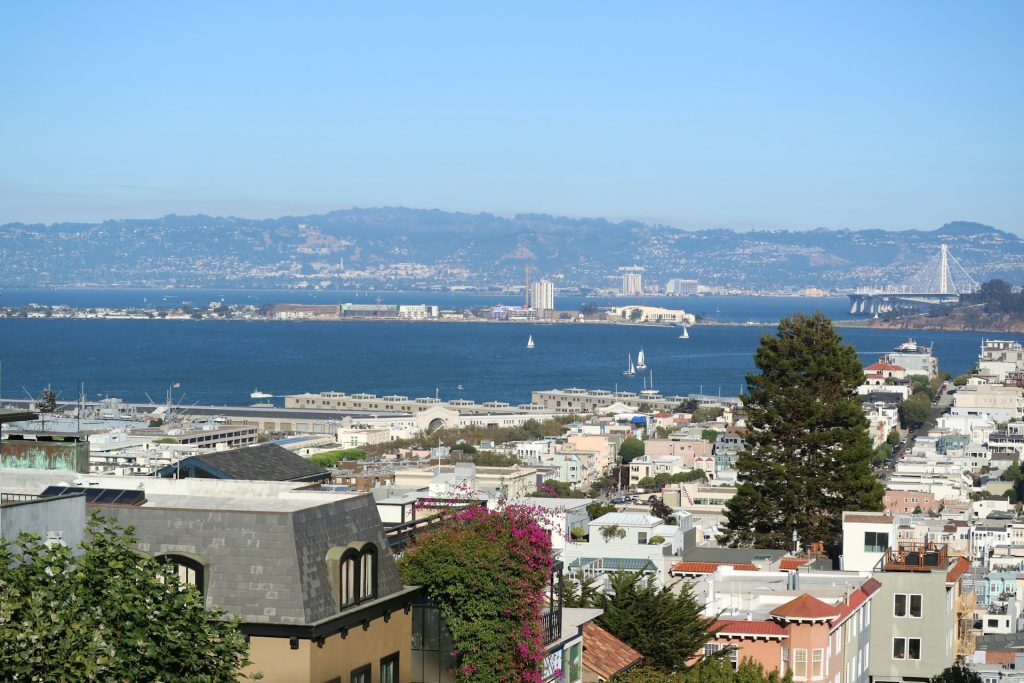
Downtown San Francisco ranks among the toughest parking landscapes nationally. Hilly terrain, dense development, and stringent rules shrink street availability. Areas around Market Street and Union Square depend heavily on transit, leaving scant space for cars. Metered spaces fill swiftly, garages levy steep fees, and residential permits curb many blocks. Day-to-day pressure from visitors, commerce, and ongoing projects compounds the strain. Consequently, drivers tend to circle blocks, repeatedly search for spots, or skip downtown altogether, as parking scarcity defines the city’s compact, transit-oriented core for most visitors.
Boston, Massachusetts
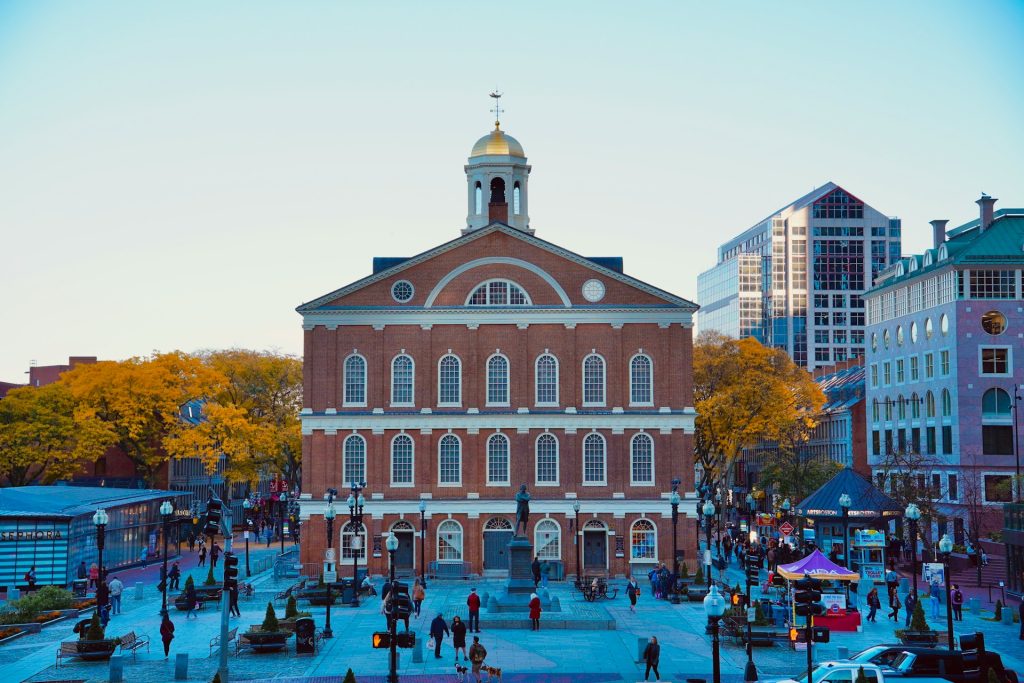
Downtown Boston showcases legacy street grids that didn’t foresee today’s car volume. Winding streets, awkward intersections, and preservation laws sharply constrain parking options. Neighborhoods around Faneuil Hall and the Financial District depend largely on garages, which fill up early in the workweek. On-street parking is limited and governed by resident permits and time restrictions. Student traffic, visitors, and commuter crowds heighten the fight for curb space. Many residents prefer walking or using public transit downtown, tolerating traffic delays, irritation, and steep parking charges in the city’s compact, history-steeped core most days.
New York City, New York
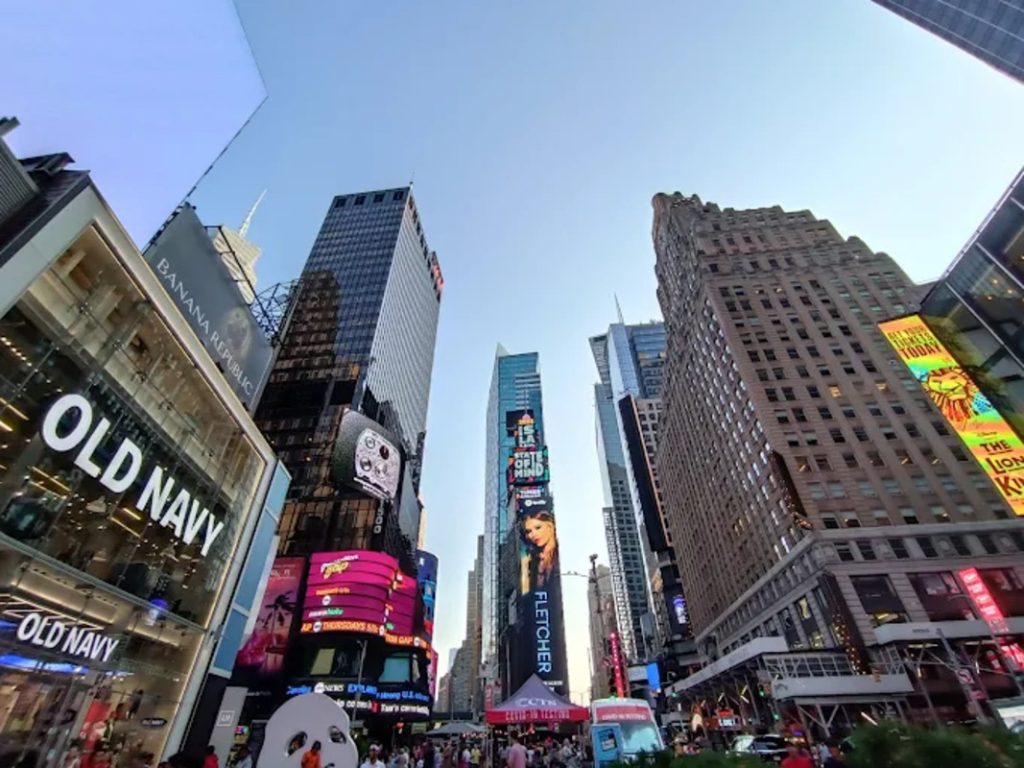
Manhattan’s downtown zone epitomizes acute parking scarcity caused by dense development and heavy demand. Areas south of 59th Street provide scant curb space, largely governed by meters or permits. Loading zones for businesses cut into availability during business hours. Garages are available but come with steep hourly rates that deter long visits. Persistent traffic, active construction, and delivery traffic complicate getting around. Residents frequently schedule trips around the subway rather than drive. For many, hunting for a downtown parking spot proves impractical, underscoring New York City’s dependence on transit and pedestrian-friendly streets for daily mobility.
Chicago, Illinois
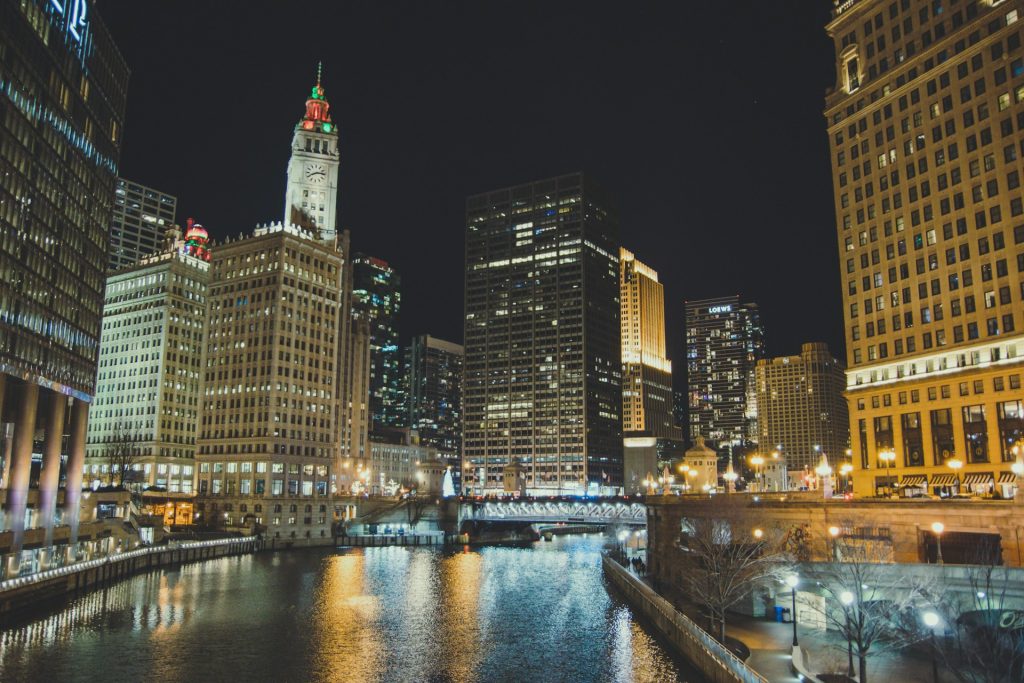
Chicago’s downtown, known as The Loop, encounters ongoing parking strains driven by its bustling core. The district houses offices, government sites, and tourist spots that compete for scarce spots. Metered spaces use dynamic pricing and fill rapidly at rush times. Nearby garages provide alternatives but can be pricier than anticipated. Event traffic around theaters and stadiums amplifies pressure. Winter rules and ongoing construction further shrink capacity. Many residents favor trains and buses for downtown trips, aware that driving often yields time-consuming searches and steep fees in Chicago’s central business district on weekdays and during major events.
Seattle, Washington
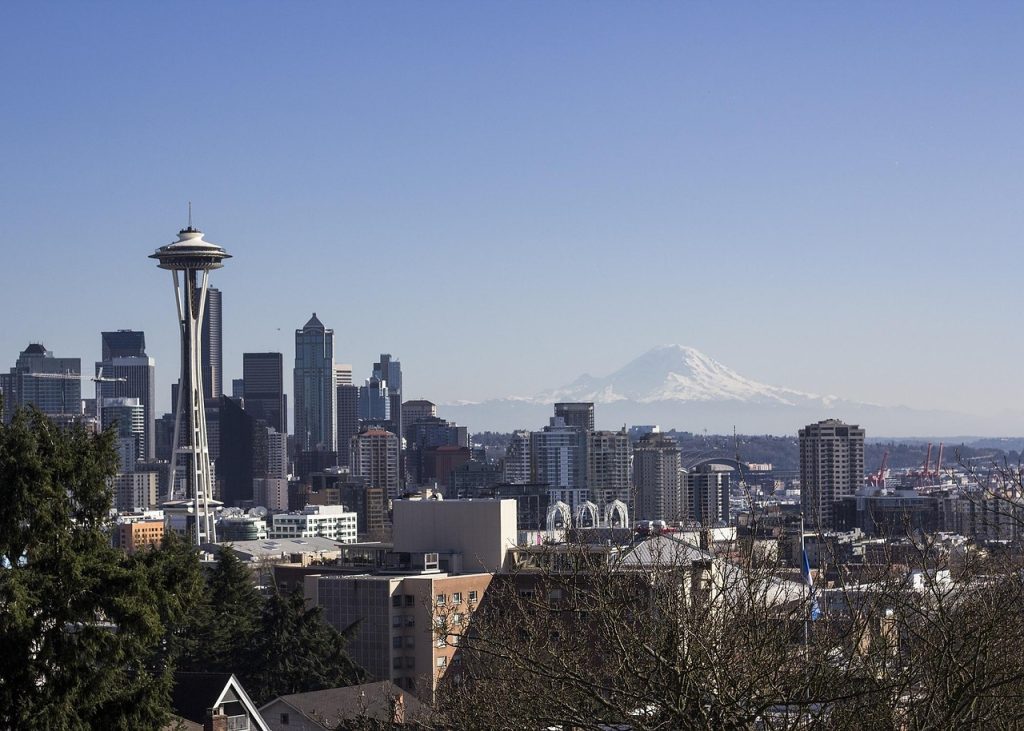
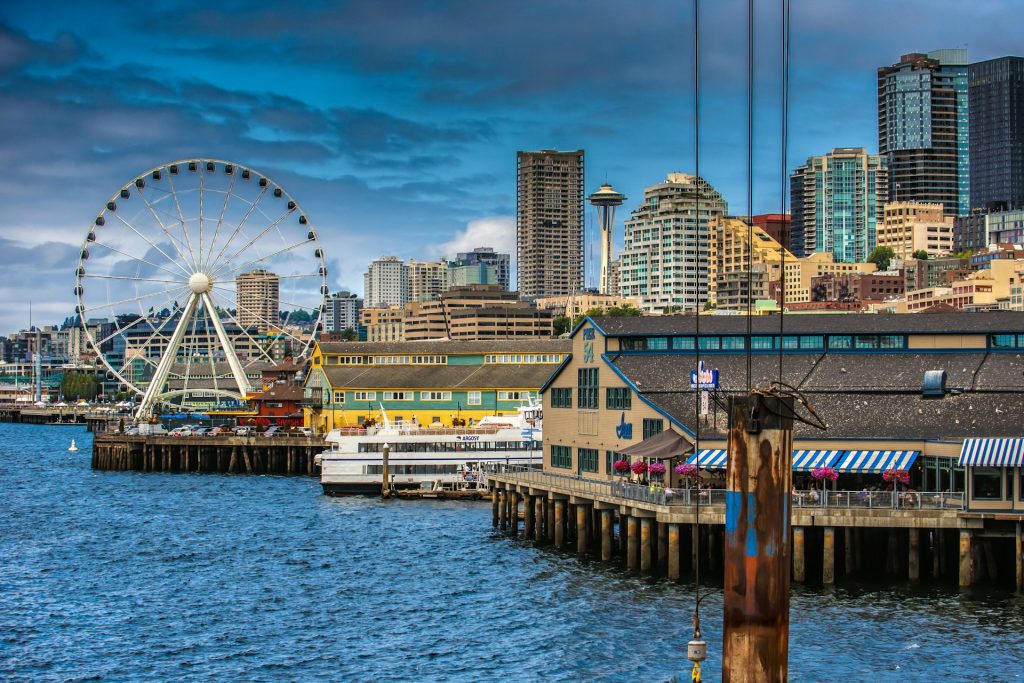
Seattle’s downtown grapples with parking due to its geography and growing population. Rivers and hills cap expansion, funneling traffic into tight corridors. Tech offices, shopping districts, and entertainment venues keep demand steady. On-street parking adheres to strict time limits and enforcement. Garages fill quickly on workdays and during events, notably around Pike Place Market. Ongoing construction and transit projects further shrink options. Residents frequently pair driving with transit or skip downtown trips, as the city maintains a compact core with limited space.
Washington, District of Columbia
Downtown Washington, DC experiences steady parking pressure driven by government activity. Federal buildings, offices, and tourist sites shape central neighborhoods. Security zones and restricted streets eliminate many parking options. Metered spaces follow strict rules and fill quickly on weekdays. Garages cater to commuters but levy high daily fees. Special events and protests frequently shift traffic patterns. Residents often depend on the Metro to avoid driving downtown. Planning emphasizes security and transit, making downtown parking scarce and unpredictable for drivers during standard business hours.
Los Angeles, California
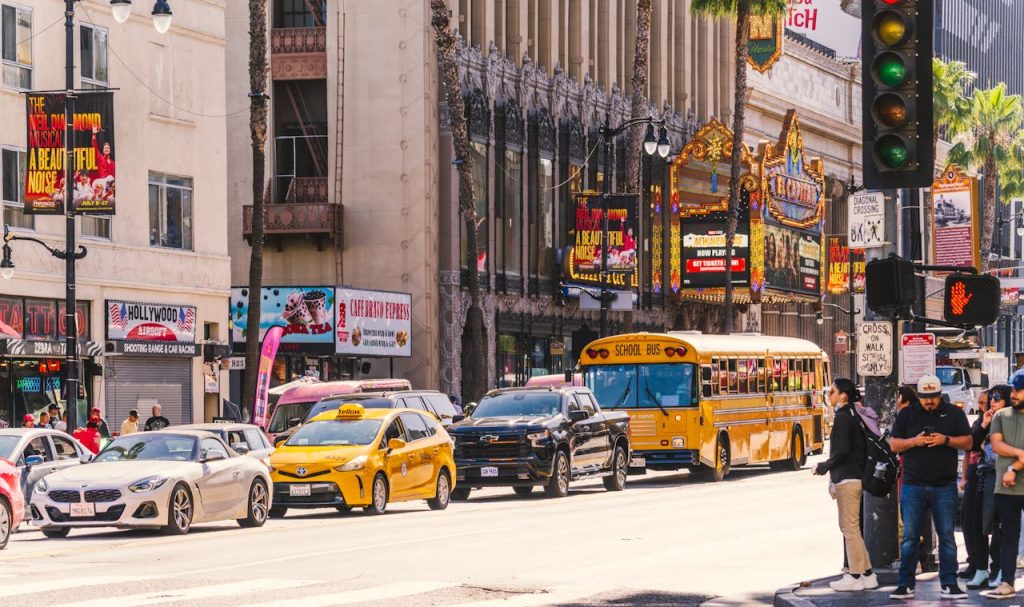
Downtown Los Angeles faces a distinctive parking challenge despite its car-centric image. Fast redevelopment has boosted residential density without matching parking capacity. Historic buildings lack ample garages, pushing people toward constrained street spaces. Meters, time limits, and permit zones limit options. Venues such as Crypto.com Arena heighten demand in the evenings. Construction and filming regularly close streets. Drivers tend to circle blocks seeking spots or use paid garages. Downtown parking stays difficult, mirroring LA’s ongoing move toward denser, mixed-use urban living in the city core.
Miami Beach, Florida
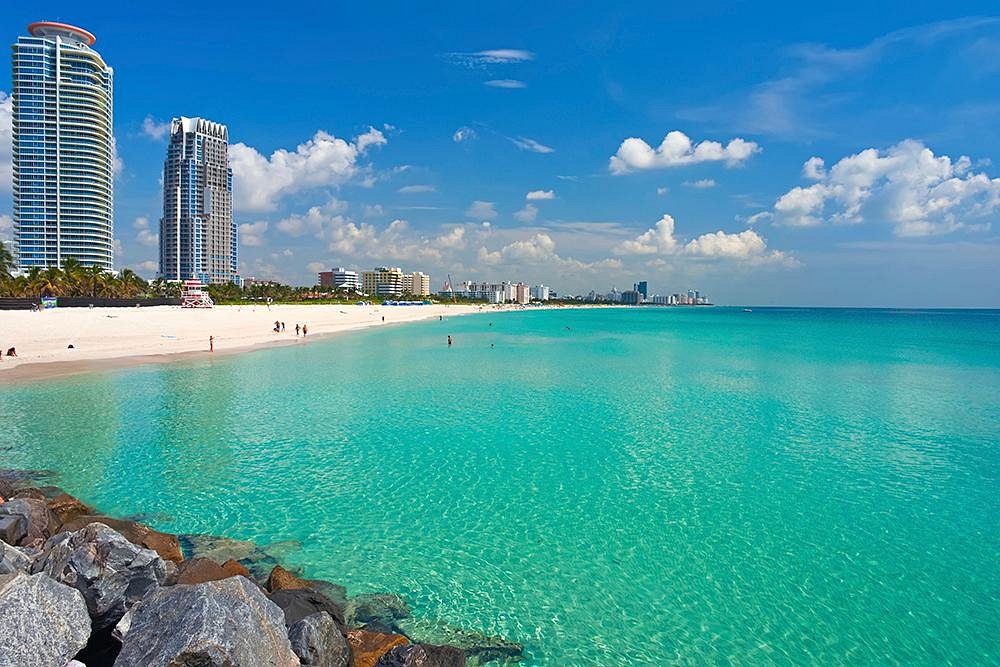
Miami Beach’s downtown suffers from tight parking constraints driven by geography and tourism. The barrier island limits land expansion, concentrating traffic on main corridors. Hotspots like South Beach draw visitors year-round, straining the parking system. On-street spots fill early, and garages command premium prices. Residential permit zones further restrict access. Seasonal events and nightlife heighten congestion. Many residents opt to walk or bike instead of driving downtown, a daily reality shaped by persistent demand, finite space, and the city’s compact coastal footprint for most of the year.
Charleston, South Carolina

Downtown Charleston blends historic preservation with contemporary traffic needs. Tight streets, preserved façades, and scarce garage space limit parking. Busy areas around King Street and the historic district draw visitors for dining, shopping, and sightseeing daily. Metered spots have strict limits and enforcement. Side streets are largely taken by residential permits. Seasonal tourism and events spike congestion. Locals tend to plan errands or choose to walk. The downtown parking struggle mirrors Charleston’s dedication to safeguarding its historic charm as visitor demand places strain on the infrastructure during peak seasons each year.
Aspen, Colorado

Aspen grapples with parking constraints intensified by its geography and popularity. Nestled among mountains, expansion space is limited. Street parking is scarce and tightly controlled. Public garages fill up rapidly during peak seasons and events. Residential permit zones further narrow access. Environmental goals promote transit, diminishing the emphasis on cars. Many residents skip driving downtown during busy times, understanding that parking scarcity mirrors Aspen’s compact layout and dedication to preserving its alpine vibe and pedestrian-friendly atmosphere. These factors shape local travel choices throughout peak seasons.
Santa Fe, New Mexico
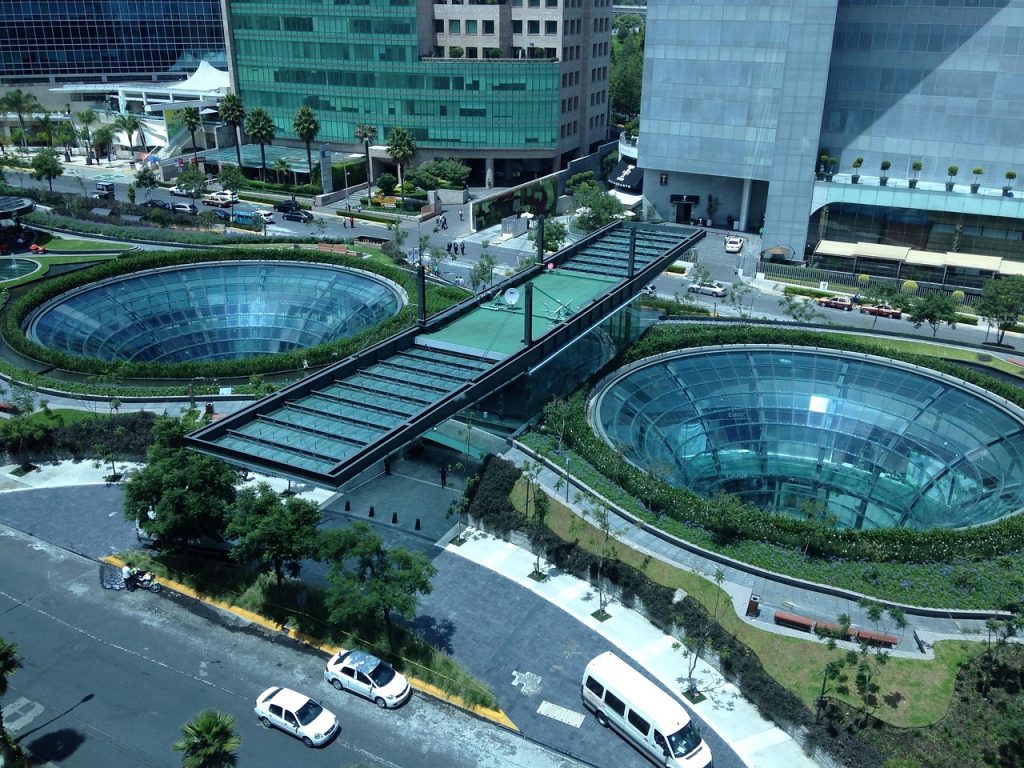
Santa Fe’s planning traditions stretch back centuries, complicating current parking needs. Winding streets and preservation rules cap new parking development. Popular spots around the Plaza draw daily crowds of visitors, artists, and shoppers. Metered spots run with short limits and high demand. Garages offer relief but fill quickly during festivals and weekends. Residential permits limit access in nearby areas. Residents frequently walk or take transit to dodge congestion. Downtown parking struggles highlight Santa Fe’s effort to balance cultural preservation with modern urban pressures tied to tourism and seasonal populations, especially during major events and holidays.
Key West, Florida
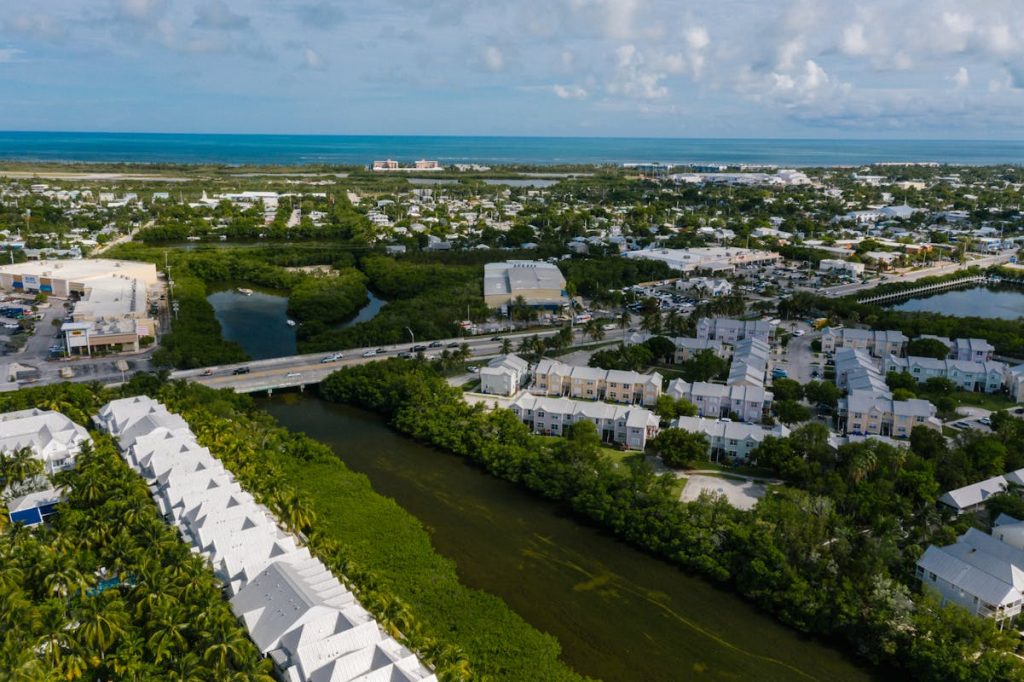
Downtown Key West faces enduring parking difficulties because of its island geography. Scarce land restricts expansion for roads and parking. Well-traveled streets near Duval draw tourists, locals, and service vehicles continuously. On-street spots fill early, and garages are limited. Residential permits curb visitor access even more. Seasonal tourism and cruise activity heighten congestion. Many residents opt to walk, bike, or ride scooters downtown. Parking scarcity defines daily life here, shaped by geography, tourism pressure, and the island’s compact historic layout, year-round. These factors keep guiding residents’ transportation decisions locally.