

Family roles are rarely static, but the years after midlife mark one of the most profound periods of transition within households. Historically, sociologists began closely examining midlife role shifts during the 1960s and 1970s, when increased life expectancy and changing retirement patterns revealed how family responsibilities extended far beyond early adulthood. As parents live longer, children become independent later, and economic pressures evolve, the traditional flow of authority, care, and dependence changes direction. Midlife often acts as a pivot point where individuals simultaneously support aging parents, guide adult children, and reassess their own identities. These changes are not sudden; they develop quietly through health events, financial adjustments, and emotional recalibration. Understanding how family roles shift after midlife helps explain why this phase can feel both stabilizing and unsettling. It reveals how families adapt, redistribute responsibility, and redefine connection in response to time, aging, and modern social realities.
1. Becoming the Emotional Anchor of the Family

Without formal discussion, many individuals after midlife become the emotional reference point others rely on during uncertainty. This role often develops because experience brings perspective, not because authority is claimed. Family members seek reassurance from someone who has already navigated loss, instability, and long-term consequences. Psychological research from the 1970s identified this pattern as emotional centrality, where one person absorbs collective stress by remaining composed. Unlike earlier parental roles, this position is less about instruction and more about emotional regulation. Being consistently calm, reflective, and available shapes how others respond to crises. However, this role can be draining when emotional labor goes unrecognized. Over time, individuals may suppress their own worries to maintain stability for others. While this role strengthens family trust, it also reshapes internal boundaries, requiring intentional self-care to prevent quiet emotional exhaustion.
2. Shifting from Authority Figure to Advisor

As families move beyond early adulthood stages, control gives way to guidance. Decisions once enforced now require consent, reflection, and respect for autonomy. Studies in developmental psychology during the 1980s showed that adult children respond more positively to advisory relationships than directive ones. After midlife, individuals often recognize that influence works best when it is optional rather than imposed. Guidance becomes situational, offered when invited instead of automatically delivered. This shift can feel uncomfortable, especially for those accustomed to responsibility. Letting others make mistakes challenges long-held instincts to protect and intervene. Yet this transition preserves dignity on both sides, allowing relationships to mature. Advisory roles emphasize shared reasoning rather than hierarchy, creating space for mutual learning. When successfully navigated, this change strengthens trust and reduces conflict, transforming authority into collaboration rather than control.
3. Taking on Caregiving Responsibilities for Aging Parents
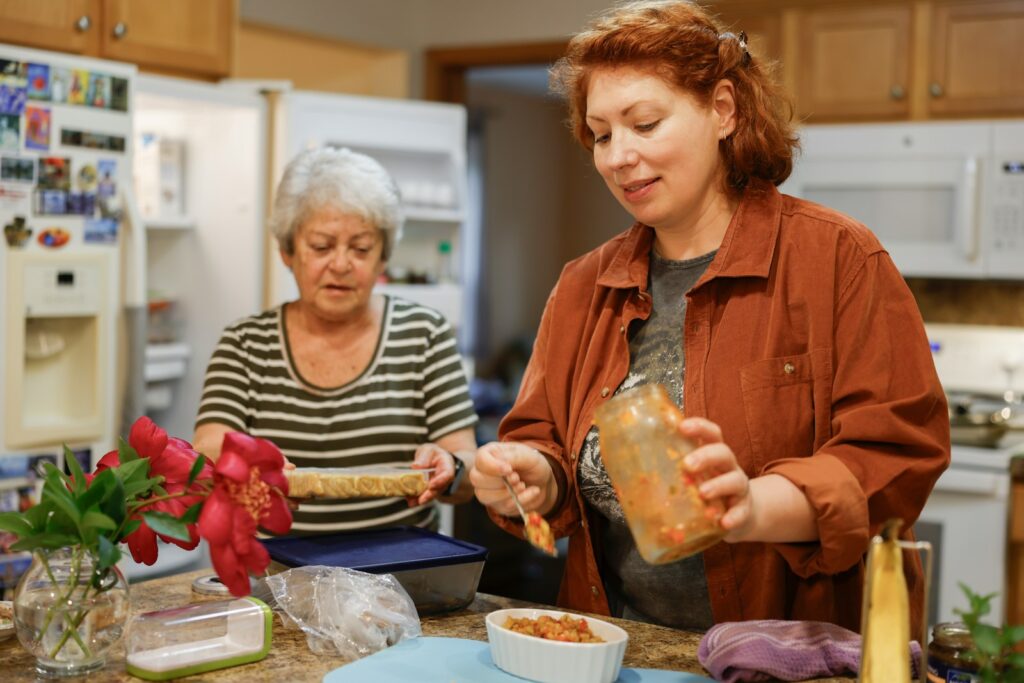
Caregiving often enters family life quietly after midlife, without a clear starting point. What begins as helping with appointments or paperwork can slowly expand into managing medications, finances, and daily decisions. This role shift became increasingly common after the 1970s as longer life expectancies meant parents required support for extended periods rather than brief illness-related care. Unlike raising children, caring for parents involves navigating pride, independence, and long-established family hierarchies. Many adults struggle emotionally as they assume responsibility for people who once guided them. The challenge lies not only in the physical tasks but in balancing respect with protection. Time constraints, emotional fatigue, and guilt frequently accompany this role. Yet caregiving can also deepen empathy and understanding across generations. Families that communicate openly and share responsibilities tend to adapt more sustainably, transforming role reversal into a relationship built on dignity rather than obligation.
4. Redefining Identity Beyond Parenting Roles

As children become independent, many individuals after midlife confront a quieter but significant question: Who am I beyond parenting? Sociologists began documenting this identity shift in the mid-twentieth century when extended adulthood revealed long life stages after active child-rearing. Daily routines once shaped by caregiving slowly dissolve, leaving both freedom and uncertainty. Some individuals feel loss when their role is no longer central, while others experience relief mixed with guilt. Redefining identity involves reconnecting with personal interests, relationships, and ambitions that may have been postponed for decades. This transition also requires adjusting emotional boundaries, resisting the urge to remain overly involved in adult children’s decisions. When acknowledged openly, this shift supports healthier family dynamics. Identity expansion allows individuals to remain present without being consumed by responsibility, fostering balance, self-respect, and renewed purpose during later adulthood.
5. Becoming a Financial Stabilizer Across Generations

Financial roles within families often become more complex after midlife, expanding rather than easing. Individuals may find themselves supporting adult children through unstable job markets while also assisting aging parents with medical or living expenses. This shift became more pronounced after the late twentieth century as housing costs rose and retirement security became less predictable. Unlike earlier financial responsibilities focused on a single household, midlife financial stabilization requires balancing competing needs across generations. Decisions about savings, emergency funds, and long-term care now carry wider consequences. The pressure to remain reliable can shape career choices and delay personal plans. Emotional strain may arise when expectations are unspoken or uneven. Families that openly discuss financial limits and shared responsibility tend to avoid resentment. When handled transparently, this role helps maintain stability without undermining independence, reinforcing trust while adapting to modern economic realities.
6. Acting as a Cultural and Family Memory Keeper

After midlife, individuals often become the primary carriers of family history, traditions, and shared meaning. As older relatives pass away or lose the ability to recount experiences, stories, and rituals risk disappearing unless intentionally preserved. Anthropologists have long noted that midlife adults serve as informal archivists, passing down values through everyday storytelling rather than formal records. This role may include maintaining holiday customs, explaining cultural practices, or safeguarding photographs and documents. In contemporary families, it can also involve digitizing memories and translating traditions for younger generations. While rarely acknowledged, this responsibility strengthens identity and continuity during periods of change. Acting as a memory keeper connects past and future, helping families remain grounded even as roles evolve. Through preservation and storytelling, individuals provide emotional cohesion that outlasts any single generation.
7. Shifting from Problem Solver to Boundary Setter

Experience often teaches that constantly solving family problems can unintentionally limit growth. After midlife, many individuals begin recognizing that stepping in too quickly may prevent others from developing resilience. Earlier family roles rewarded intervention, but modern family studies from the 1980s emphasized the importance of boundaries for healthy adult relationships. This shift requires learning when to offer guidance and when to allow discomfort to unfold naturally. Setting boundaries can feel unfamiliar, especially for those accustomed to being relied upon. Guilt and fear of appearing disengaged often accompany this change. However, clear limits protect emotional energy and reduce long-term strain. Families benefit when responsibilities are clearly defined rather than assumed. By transitioning from fixer to boundary setter, individuals encourage independence while preserving their own well-being, creating a more balanced and respectful family dynamic.
8. Becoming a Connector Between Generations

Midlife often places individuals in a unique position between aging parents and younger family members. This role involves translating expectations, values, and communication styles shaped by different eras. As cultural and technological shifts accelerated after the late twentieth century, misunderstandings between generations became more common. Individuals after midlife frequently help older relatives adapt to new systems while explaining traditional norms to younger ones. Acting as a connector requires patience and neutrality, especially when loyalties feel divided. Emotional labor increases as individuals attempt to maintain harmony without taking sides. When managed thoughtfully, this role strengthens family cohesion by reducing isolation and misinterpretation. Serving as a generational bridge helps families adapt to change without losing continuity, ensuring that relationships remain functional, respectful, and emotionally connected despite rapid social evolution.
9. Rebalancing Marriage and Partnership Roles

As daily pressures shift later in life, long-standing partnerships often enter a phase of quiet renegotiation. Responsibilities that were once divided by necessity, such as childcare, income generation, or household management, no longer hold the same urgency. Researchers studying marriage dynamics since the 1970s observed that midlife frequently marks a transition from efficiency-driven cooperation to emotionally intentional companionship. Partners begin reassessing how they support one another, especially as health, energy levels, or career priorities change. Emotional needs also evolve, with greater emphasis placed on understanding, patience, and shared presence rather than productivity. These changes can surface unresolved tensions, particularly if communication was previously limited. However, they also offer an opportunity to rebuild a connection on more equal terms. When couples adapt openly, partnerships mature into relationships defined by mutual respect, flexibility, and deeper emotional awareness rather than fixed roles.
10. Preparing the Next Generation for Responsibility

Instead of directing outcomes, midlife often brings a shift toward preparing others to manage responsibility independently. Family researchers in the late twentieth century emphasized that responsibility develops through exposure, not protection. This role involves allowing adult children to make decisions, experience consequences, and learn from mistakes without immediate intervention. Preparation may include transparent conversations about finances, caregiving expectations, and long-term planning. It also means demonstrating how decisions are made rather than prescribing solutions. Although stepping back can feel risky, it signals trust and confidence rather than disengagement. This transition requires restraint, patience, and emotional discipline, especially for those accustomed to leading. When handled intentionally, it strengthens resilience and self-reliance in the next generation. Preparing others for responsibility ensures continuity while reducing dependence, allowing family leadership to evolve naturally rather than abruptly.
11. Learning to Share Vulnerability Within the Family

For much of adulthood, strength within families is associated with consistency and emotional control. After midlife, that definition often begins to change. Psychological research emerging in the 1990s showed that selective vulnerability can deepen trust rather than weaken authority. Individuals who once felt obligated to appear unshakable may begin acknowledging uncertainty around health, aging, or future planning. This shift does not involve leaning on younger family members for reassurance, but modeling emotional honesty in balanced ways. When vulnerability is shared thoughtfully, it normalizes open communication and reduces unspoken pressure on everyone involved. Family members learn that stability does not require emotional silence. Although this role change can feel uncomfortable at first, it often strengthens connection and empathy. By allowing room for openness, families replace unrealistic expectations of constant strength with mutual understanding and emotional realism.
12. Accepting a Less Central but More Influential Role

At a certain point after midlife, influence within families becomes quieter but more enduring. Rather than being involved in every decision, individuals begin shaping outcomes through values, consistency, and example. Sociological studies in the early 2000s found that satisfaction increased when people accepted this transition instead of resisting it. Being less central does not mean being less important; it reflects trust in others’ abilities to lead their own lives. Advice is offered with restraint, presence replaces supervision, and availability matters more than control. This adjustment can challenge identities built around responsibility and visibility. However, it also brings emotional relief and balance. By stepping back strategically, individuals allow family systems to function independently while remaining grounded in shared principles. Influence becomes less immediate but more lasting, supporting continuity without dependence.
Keep reading on The WiC Project Lifestyle Blog & Miriam’s Boutique: Home Goods, Beauty, & Fashion Store