
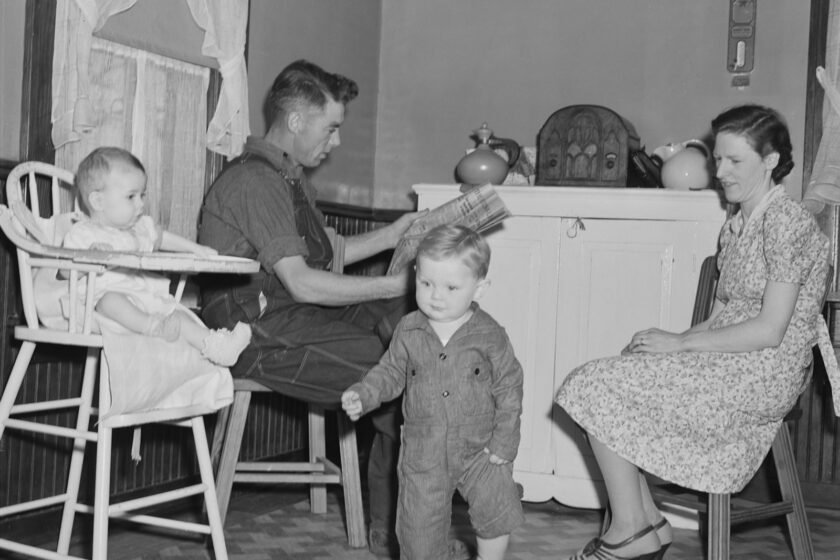
Life inside a typical household in the 1970s unfolded without the constant stream of updates that modern families now take for granted. There were no smartphones buzzing with alerts, no twenty-four-hour news cycles, and no instant access to global events. Information arrived slowly and often indirectly, which shaped how families organized their days, made decisions, and understood the world beyond their neighborhood. Homes functioned on routines, trust, and shared expectations rather than real-time confirmation. When something important happened, people often learned about it hours or even days later, and that delay influenced everything from meal planning to emergency responses. The absence of nonstop information did not mean households were disorganized; instead, they relied on systems built around patience, observation, and community knowledge. Understanding how families managed daily life in the 1970s reveals how adaptable households were long before constant connectivity became normal.
1. Morning Planning Happened Without Overnight Updates
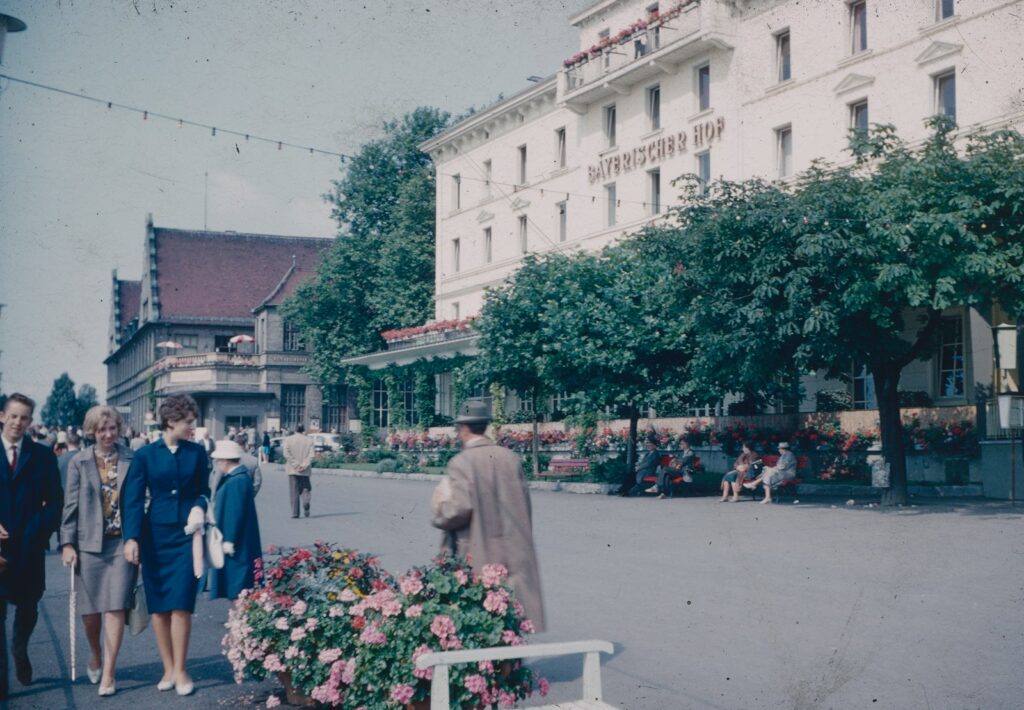
In the 1970s, most households began the day without knowing what had happened overnight beyond their immediate surroundings. Morning routines were built around predictability rather than updates. Families planned work schedules, school activities, and errands the night before because there was no expectation of last-minute changes driven by breaking news. The daily newspaper, typically delivered early in the morning, was often the first source of broader information, and even that reflected events from the previous day. Radios were used sparingly during breakfast, mainly for weather forecasts and traffic reports, which were shorter and less detailed than today’s updates. Because information arrived slowly, households developed habits that emphasized preparation and consistency. If a storm or labor strike was expected, families learned about it well in advance, not minutes before leaving the house. This slower pace encouraged planning ahead rather than reacting instantly.
2. Family Decisions Relied on Shared Knowledge, Not Constant Verification

Household decisions in the 1970s were made using collective experience rather than continuous fact-checking. Parents relied on memory, advice from relatives, and personal judgment instead of instantly looking things up. If a child felt unwell, families compared symptoms to past illnesses before deciding whether to call a doctor. Appliance purchases, home repairs, and financial choices were discussed using word-of-mouth recommendations rather than online reviews. Because information was harder to access, families trusted familiar sources more deeply. This created stronger internal decision-making systems within the household. Mistakes happened, but they were accepted as part of everyday life rather than failures to research enough. The lack of instant confirmation encouraged families to talk things through together, weigh options carefully, and accept uncertainty. Decisions often took longer, but they were grounded in shared understanding rather than rapid data.
3. News Was Consumed at Fixed Times, Not All Day

Households in the 1970s interacted with news at specific, predictable moments rather than continuously. Evening television news broadcasts, typically airing between 6:00 and 7:00 p.m., were a central ritual in many homes. Families planned dinner around these broadcasts, knowing this was when national and international updates would arrive. Outside of these windows, there was little expectation of new information unless something truly urgent occurred. Newspapers filled in the details the next morning, offering context rather than immediacy. This structure meant households were not emotionally pulled into events throughout the day. Conversations about world affairs happened after dinner or over breakfast, not in fragmented bursts. Because news consumption had clear boundaries, families were better able to separate daily responsibilities from external events. The absence of constant updates reduced anxiety and allowed households to maintain focus on routine life.
4. Emergencies Were Handled Through Pre-Established Plans

Without instant alerts or mobile phones, households depended on preparation rather than real-time guidance during emergencies. Families discussed what to do in situations like power outages, severe weather, or medical concerns well in advance. Emergency phone numbers were written near landlines, and children were taught when and how to use them. Neighbors played an essential role, often checking on one another during unexpected events. Because information traveled slowly, households assumed responsibility for initial responses instead of waiting for official instructions. This encouraged practical skills such as basic first aid and problem-solving. When emergencies occurred, families relied on calm routines rather than external reassurance. The lack of immediate updates meant panic was less likely to be fueled by speculation. Instead, households acted based on preparation, familiarity, and trust in local support networks.
5. Household Routines Replaced Real-Time Coordination

In the 1970s, households operated smoothly because routines substituted for constant coordination. Family members generally knew where others would be at specific times of day without needing confirmation. Children came home from school at predictable hours, meals were served on schedule, and errands followed familiar patterns. If someone was running late, it was usually discovered afterward rather than tracked minute by minute. Calendars were often paper-based and placed in kitchens or hallways, serving as shared reference points. Because updates were rare, households valued punctuality and clear expectations. This reduced the need for check-ins and explanations. Daily life depended on the trust that everyone would follow agreed plans. While this system allowed less flexibility, it minimized interruptions and reduced stress caused by constant communication. Routines acted as silent agreements that kept households functioning without continuous information flow.
6. Community Observation Filled Information Gaps

Without instant updates, households relied heavily on observation and informal community knowledge. Neighbors noticed patterns such as unfamiliar cars, changes in local businesses, or unusual activity, and shared information through conversation rather than alerts. Children learned neighborhood rules by watching others, not through online reminders. If something disrupted normal routines, such as a store closing early or a school schedule change, word spread naturally through social interaction. This reliance on observation encouraged attentiveness and awareness. Families trusted what they saw and heard directly rather than distant reports. Over time, this built a strong sense of local familiarity. While this system lacked speed, it provided context and nuance that quick updates often miss. Information was slower but more grounded in lived experience, helping households respond thoughtfully rather than reactively.
7. Shopping Decisions Were Made Without Price Comparisons

Household shopping in the 1970s happened with limited information and strong familiarity. Families typically visited the same grocery stores and local shops each week, learning prices through repetition rather than comparison. There were no instant deals to check or alerts announcing discounts elsewhere. Shoppers relied on memory to judge whether prices seemed fair and adjusted purchases accordingly. If an item costs more than usual, families notice over time rather than immediately. This encouraged practical budgeting habits and careful observation. Brand loyalty was stronger because trying alternatives required more effort and risk. Sales were discovered by seeing in-store signs, not notifications. As a result, households planned shopping lists carefully and avoided impulse buying driven by constant exposure to promotions. The slower pace of information reinforced thoughtful spending and long-term habits instead of rapid, reactive decisions based on constant price updates.
8. Parenting Relied on Judgment Instead of Constant Advice

Raising children in the 1970s involved far less external input than it does today. Parents did not have instant access to parenting forums, expert opinions, or real-time advice. Guidance came from personal experience, pediatric visits, books, and conversations with family members. Because information was limited, parents trusted their instincts more strongly. If a child misbehaved or struggled at school, solutions were discussed privately within the household rather than researched online. This approach placed responsibility squarely on caregivers to observe patterns and adjust gradually. Parenting styles were shaped by consistency rather than constant correction. While this sometimes meant fewer resources, it also reduced confusion caused by conflicting advice. Households developed clear expectations, and children learned boundaries through repetition. The absence of nonstop guidance encouraged confidence in parental judgment and reinforced stable family dynamics.
9. Travel and Appointments Required Long-Term Commitment

In the 1970s, households treated travel and appointments as firm commitments because last-minute updates were rare. Directions were written down in advance using maps, and families often reviewed routes the night before. If traffic problems or delays occurred, there was little way to notify anyone ahead of time. This encouraged punctuality and careful planning. Appointments with doctors, schools, or service providers were scheduled well in advance and rarely changed unless absolutely necessary. Missed appointments carried more weight because rescheduling was inconvenient. Travel plans depended on the trust that conditions would remain mostly stable. Families packed thoroughly, double-checked details, and left early to avoid uncertainty. The lack of instant communication made flexibility difficult, but it also reinforced responsibility. Households learned to respect time commitments and prepare thoroughly, knowing they could not rely on real-time information to adjust plans on the move.
10. Entertainment Was Chosen Without Endless Options

Household entertainment in the 1970s functioned within clear limits. Television offered a small number of channels, and programming schedules dictated what was available at specific times. Families planned evenings around favorite shows, and missing an episode often meant waiting for a rerun months later. Music was selected from record collections or radio stations, which played curated content rather than personalized choices. This scarcity encouraged deeper engagement with available entertainment. Families discussed shows together and shared musical tastes more naturally. Because options were limited, entertainment felt more intentional and communal. There was little pressure to keep up with trends in real time. Households accepted that not everything was accessible immediately. This slower consumption fostered patience and appreciation, allowing entertainment to fit into family life without dominating attention or requiring constant updates about what was new or popular.
11. Financial Awareness Developed Through Periodic Review

Households in the 1970s managed finances without continuous access to account balances or spending summaries. Bank statements arrived by mail once a month, and families reviewed them carefully at the kitchen table. Bills were tracked using notebooks, folders, or simple ledgers, which required discipline and memory rather than instant notifications. Because financial information was not constantly visible, households developed habits of periodic review instead of daily monitoring. This encouraged long-term thinking about money rather than reactive adjustments. Purchases were weighed more carefully, knowing their impact would not be immediately apparent. Families discussed budgets openly, often planning expenses weeks or months ahead. Unexpected costs were handled through savings or delayed purchases rather than quick credit solutions. The slower flow of financial information reinforced patience and responsibility. Money management became a shared household practice built on awareness rather than constant digital feedback.
12. Trust in Systems Replaced the Need for Continuous Updates

Perhaps most importantly, households in the 1970s functioned on trust rather than constant reassurance. People trusted that schools would follow schedules, utilities would operate reliably, and public services would respond when needed. There was no expectation of constant confirmation that systems were working. If something failed, households adapted locally instead of seeking immediate explanations. This trust reduced mental strain and allowed families to focus on daily life rather than monitoring every outcome. Delays and uncertainty were accepted as normal, not alarming. Over time, this mindset fostered resilience and independence. Families learned to cope with incomplete information and adjust when necessary. The absence of nonstop updates did not weaken households; it strengthened their ability to function calmly amid uncertainty. Trust became a quiet but essential foundation that allowed everyday life to move forward without constant information.
Keep reading on The WiC Project Lifestyle Blog & Miriam’s Boutique: Home Goods, Beauty, & Fashion Store