
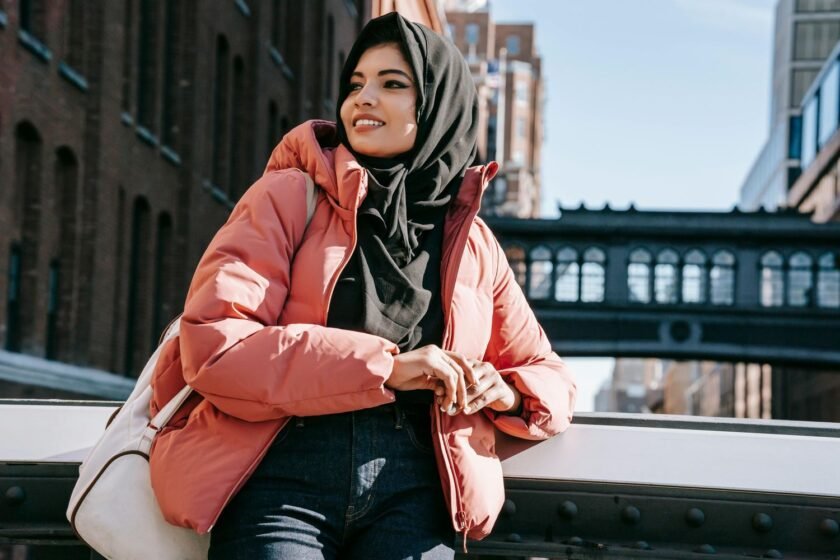
Traveling alone can be one of the most rewarding experiences of your life. It gives you the freedom to create your own itinerary, explore at your own pace, and embrace personal growth. However, the thought of being completely on your own can sometimes feel intimidating, especially if it’s your first solo adventure. The key is building confidence before and during your journey. By taking practical steps to prepare, staying aware, and trusting yourself, you can replace nervousness with excitement. Here are twelve effective ways to help you feel confident, safe, and empowered while traveling alone anywhere in the world.
1. Plan Your Trip Thoroughly

Confidence starts with preparation. Research your destination’s culture, customs, and safety tips before you leave. Book your accommodations and transportation in advance so you’re not scrambling at the last minute. Knowing where you’ll stay and how you’ll get around removes uncertainty. Keep important documents, like your passport and travel insurance, easily accessible. Make a rough itinerary, but allow some flexibility for spontaneous experiences. The more familiar you are with the basics, the less overwhelming the unknown will feel. A well-researched plan acts as a safety net, helping you navigate with ease and enjoy your journey without unnecessary stress.
2. Start With a Short Solo Trip

If traveling alone feels intimidating, begin with short getaways before embarking on a long overseas trip. A weekend trip to a nearby city or tourist spot can help you test your comfort level. These smaller adventures allow you to practice essential skills like navigating public transport, eating alone, and managing your schedule. Short solo trips also help you recognize your strengths and areas for improvement. Over time, you’ll become more confident in handling unexpected situations. Think of these as trial runs that prepare you for bigger journeys while still letting you enjoy the independence that solo travel brings.
3. Learn Basic Local Phrases

Speaking a few words in the local language can boost your confidence and help you connect with people more easily. Phrases like “hello,” “thank you,” “how much,” and “where is” can make a big difference. Locals often appreciate the effort, even if your pronunciation isn’t perfect. Language skills also help in navigating transportation, ordering food, and asking for help if needed. Apps and phrasebooks make learning simple and quick, even on the go. Communication builds trust and helps you feel less like an outsider. Knowing you can express yourself in basic ways provides a valuable sense of security.
4. Dress for Comfort and Confidence

The way you dress can influence how you feel and how others perceive you. Choose clothing that is both comfortable and respectful of local customs. When you feel good in what you’re wearing, you carry yourself with more confidence. Avoid flashy outfits or expensive-looking accessories that might draw unwanted attention. Instead, opt for versatile, practical pieces that suit the climate and activities you have planned. Comfortable shoes are a must, especially for walking tours. Dressing smartly not only keeps you physically comfortable but also helps you blend in, making your travels smoother and more enjoyable.
5. Stay Connected With Loved Ones

Keeping in touch with friends or family while traveling alone offers emotional reassurance. Share your itinerary with someone you trust, and send occasional updates or check-ins. Modern apps make it easy to share your live location or send quick messages. Knowing someone is aware of your whereabouts can give you peace of mind. At the same time, avoid oversharing details publicly on social media for safety reasons. Staying connected helps reduce feelings of isolation, especially during longer trips, while still allowing you the freedom to fully enjoy your solo adventure.
6. Trust Your Instincts

One of the most important skills for solo travelers is learning to trust your gut feelings. If a situation feels uncomfortable or unsafe, remove yourself from it immediately. Confidence comes from knowing you can rely on your own judgment. Pay attention to body language, surroundings, and your own intuition. This doesn’t mean you should be fearful of everyone, but staying aware and alert is key. Over time, you’ll become better at reading situations and making quick decisions. Trusting yourself builds both safety and confidence, allowing you to explore with peace of mind.
7. Engage With Locals and Fellow Travelers

Solo travel doesn’t have to mean being alone all the time. Chatting with locals or fellow travelers can enrich your experience and make you feel more connected. Join group tours, attend local events, or strike up conversations in cafés. People are often friendly and curious about travelers. These interactions can lead to valuable tips, shared meals, or even lasting friendships. Engaging socially also makes you feel less like an outsider and more like a participant in your surroundings. Building connections can transform your trip from a solo experience into a shared journey of memorable moments.
8. Pack Light and Smart

Traveling with fewer belongings can make you feel more in control. A lighter bag is easier to manage, whether you’re navigating train stations or walking through cobblestone streets. Choose multipurpose items that work in different settings. Keep essentials like medications, chargers, and a small first-aid kit in your carry-on. Being able to carry all your belongings yourself boosts independence and reduces the risk of losing items. Packing light also makes you more mobile, allowing you to change plans or move locations with ease. Confidence grows when you know you’re prepared without being weighed down.
9. Learn to Enjoy Your Own Company

Solo travel offers the perfect chance to embrace self-discovery. Spend time doing things you genuinely enjoy, whether that’s reading in a park, visiting museums, or trying local foods. Learn to be comfortable with quiet moments and dining alone. When you stop worrying about what others think, you become more confident in your choices. This self-reliance also translates into everyday life back home. The ability to enjoy your own company is one of the most empowering benefits of traveling solo, turning potential loneliness into an opportunity for personal growth and joy.
10. Stay Aware of Your Surroundings

Awareness is one of the best tools for staying safe and confident while traveling alone. Pay attention to people, traffic patterns, and landmarks. This helps you avoid potentially unsafe situations and navigate unfamiliar places more easily. Avoid distractions like looking down at your phone for long periods in public. Learn to observe without appearing anxious, as confidence can discourage unwanted attention. Staying alert not only keeps you safer but also makes your experiences richer, allowing you to notice small details you might otherwise miss while exploring a new destination.
11. Be Flexible With Plans

While preparation is important, flexibility is equally valuable when traveling solo. Unexpected delays, weather changes, or last-minute closures can happen anywhere. Instead of feeling stressed, view them as opportunities to discover something new. Confidence comes from knowing you can adapt without letting small setbacks ruin your trip. Keep a list of backup activities or alternative destinations in case your original plans change. Flexibility helps you stay calm, resourceful, and open to new experiences, often leading to unexpected adventures that become the most memorable parts of your journey.
12. Celebrate Your Achievements

Every challenge you overcome while traveling alone is a reason to feel proud. Whether it’s navigating a foreign subway system, trying a new food, or making friends in an unfamiliar place, these moments build your confidence. Take time to reflect on what you’ve accomplished during your trip. Write about it in a journal or share your stories with loved ones. Celebrating your successes helps you recognize your growth and encourages you to travel more in the future. Over time, these achievements form a foundation of self-assurance that stays with you long after you return home.