
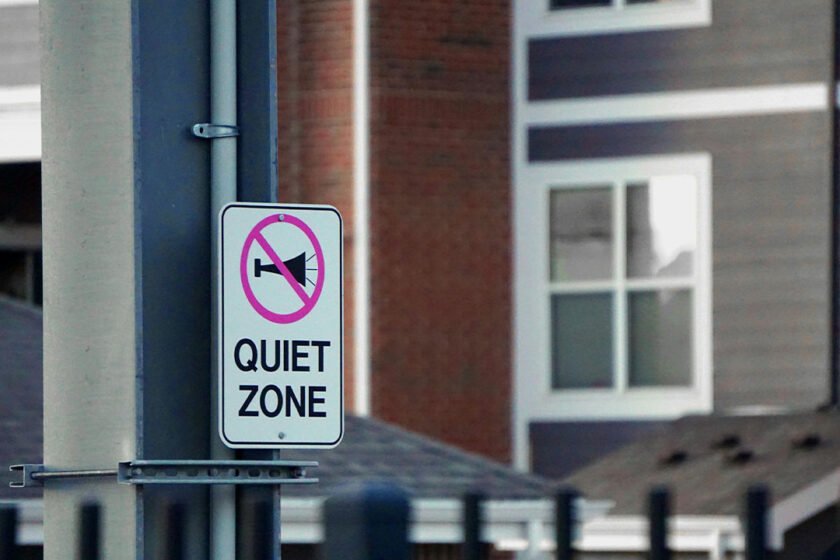
Every state has its own quirky homeowner rules that can catch you off guard. From unusual lawn care laws to unexpected pet regulations, these surprising rules reveal the unique ways communities protect their neighborhoods and maintain order. Whether you’re a new homeowner or just curious, exploring these wild and unexpected laws shows how local culture shapes everyday living in fascinating—and sometimes baffling—ways.
1. Florida: No Walking Backwards on Sidewalks

In Florida, the quirky rule against walking backwards on sidewalks might sound like a punchline, but it reflects a genuine concern for pedestrian safety. Designed to prevent accidents in crowded areas, this odd law encourages forward movement and awareness. It’s a reminder that sometimes even the simplest actions—like which way you walk—can be regulated to keep communities safe and orderly, blending humor with practicality under the Sunshine State’s sunny skies.
2. Texas: Fence Height Limits to Keep Neighbors Happy

In Texas, where wide-open spaces meet close-knit neighborhoods, fence height regulations strike a balance between privacy and community harmony. These limits prevent towering walls that block views or sunlight, encouraging neighborly goodwill while respecting property lines. It’s a rule that blends Texas pride with practical etiquette, ensuring fences serve as friendly boundaries rather than barriers, fostering a welcoming atmosphere in the Lone Star State’s sprawling backyards.
3. California: Strict Watering Hours to Conserve Resources

California’s strict watering schedules reflect the state’s long battle against drought and water scarcity. By limiting outdoor irrigation to specific hours, often early mornings or late evenings, these rules help minimize evaporation and promote sustainability. Beyond enforcement, this practice cultivates an environmentally conscious mindset among homeowners, blending responsibility with everyday routine. It’s a small sacrifice for a big cause—preserving precious water resources in the Golden State.
4. New York: Regulations on Window Air Conditioners
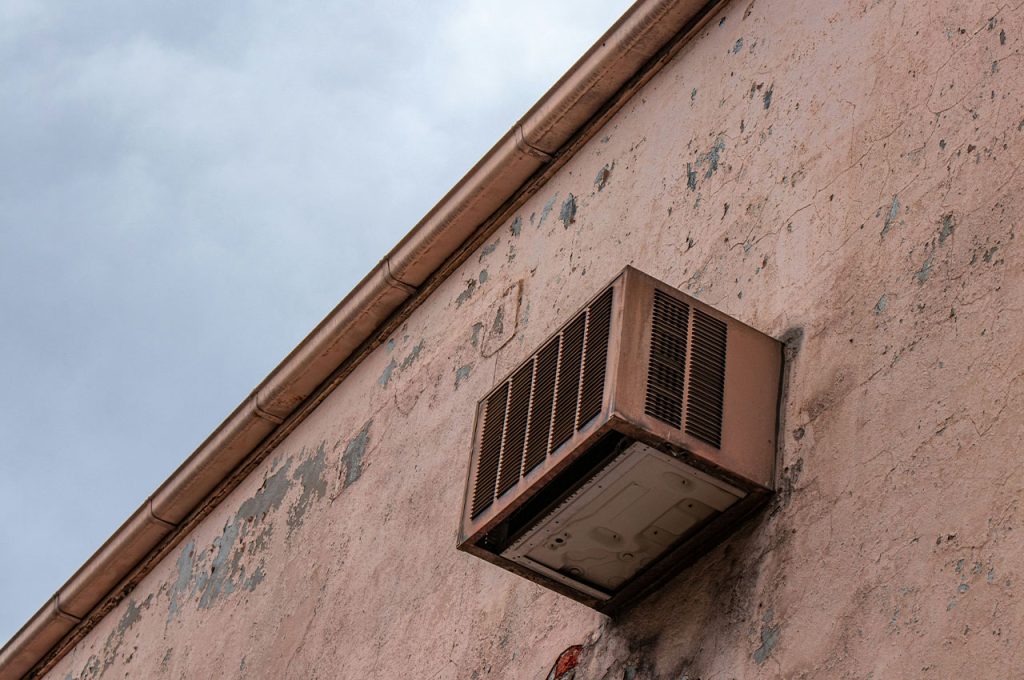
New York City’s rules on window air conditioners combine safety with aesthetics in a dense urban landscape. To prevent hazards like falling units, homeowners must follow specific installation and size guidelines. Beyond safety, these regulations help maintain the city’s architectural charm, avoiding the cluttered look of haphazardly placed window units. It’s a reflection of New York’s unique challenges—balancing individual comfort with public safety and visual appeal in its iconic skyline.
5. Colorado: Mandated Snow Removal Timelines
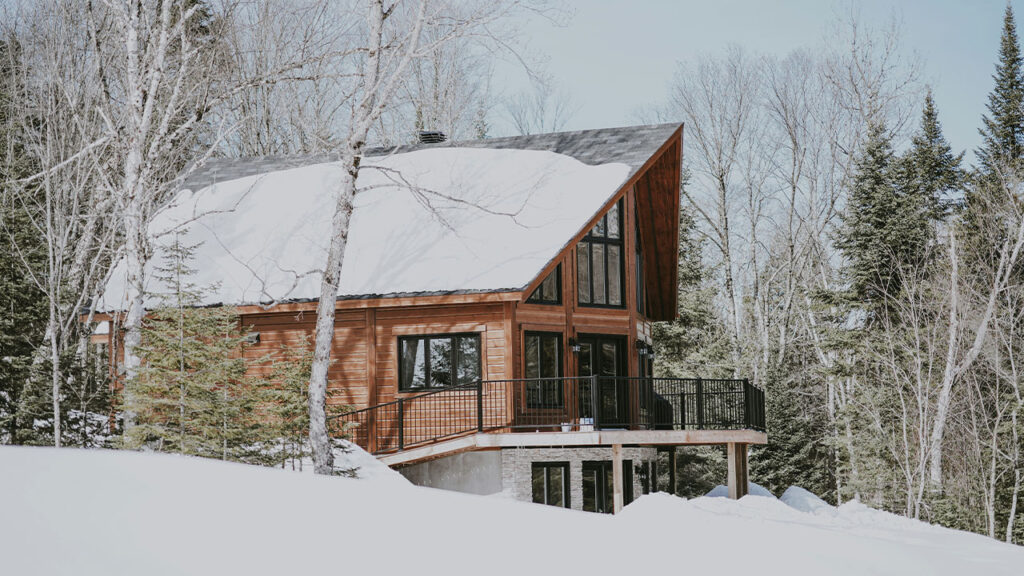
Colorado’s snow removal rules ensure sidewalks and driveways stay clear after a snowfall, maintaining safety for pedestrians and drivers alike. Homeowners face deadlines to shovel or plow, preventing icy hazards and promoting community responsibility. These timelines aren’t just about aesthetics—they’re vital in a state known for its winter wonderland conditions, helping residents navigate snowy streets safely and keeping neighborhoods accessible, functional, and neighbor-friendly during snowy months.
6. Illinois: Lawn Mowing Frequency Requirements
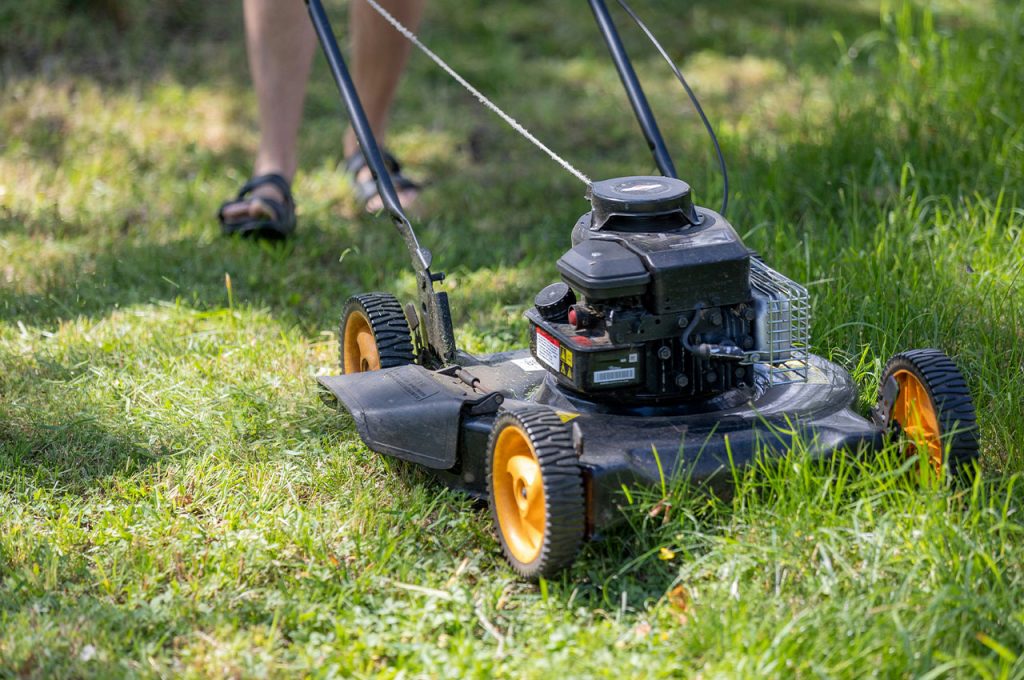
Illinois homeowners must keep their lawns neatly trimmed according to local regulations, which often specify maximum grass height or mowing frequency. These rules maintain neighborhood curb appeal, preventing overgrown yards that can attract pests or detract from property values. Beyond appearances, regular lawn care fosters pride and respect among neighbors, turning suburban streets into tidy, welcoming environments. It’s a simple rule with big impact, cultivating community pride through well-kept greenery.
7. Louisiana: Restrictions on Yard Decorations

In Louisiana, where vibrant culture meets community pride, rules on yard decorations help balance personal expression with neighborhood harmony. These restrictions prevent overly large or obstructive displays that might disrupt sightlines or annoy neighbors. The law encourages tasteful creativity, preserving the unique charm of Louisiana’s neighborhoods while fostering a respectful environment where festive spirit and neighborly peace coexist.
8. Arizona: Rules on Outdoor Lighting Brightness

Arizona’s outdoor lighting regulations protect the desert nightscape by limiting brightness and glare from home fixtures. These rules minimize light pollution, safeguarding starry skies and local wildlife while ensuring neighborly comfort. Homeowners are encouraged to use warm, downward-facing lights that blend function with natural beauty—turning outdoor spaces into serene retreats that honor Arizona’s stunning, clear-night vistas.
9. Massachusetts: Guidelines for Trash and Recycling Bins
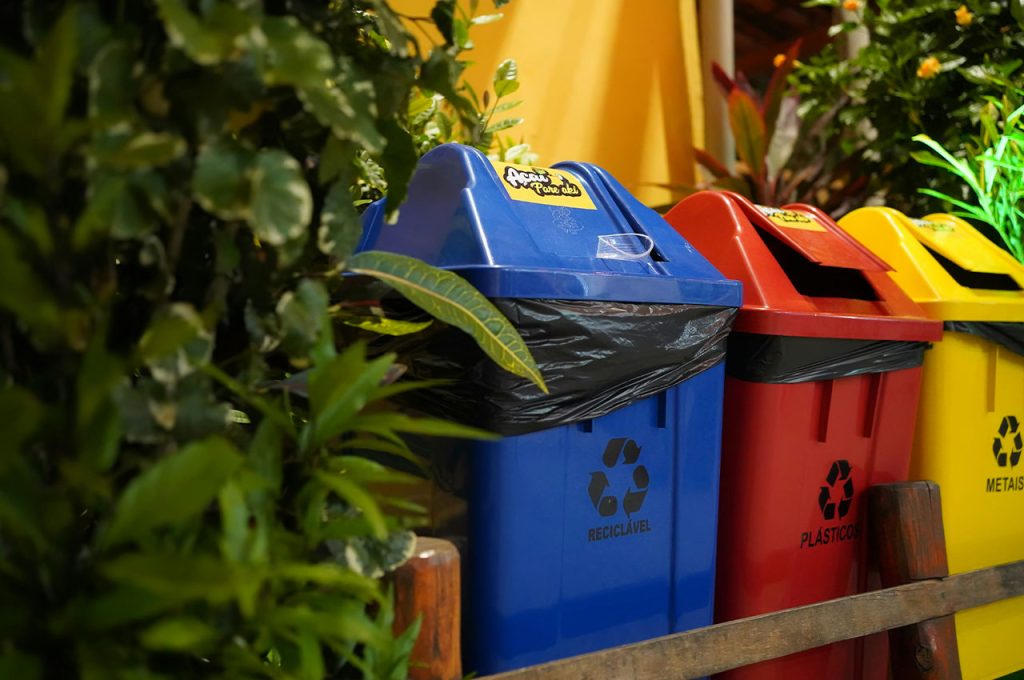
In Massachusetts, clear guidelines govern when and how trash and recycling bins should be displayed. These rules aim to keep streets tidy and neighborhoods visually appealing by preventing bins from lingering on sidewalks or lawns. Thoughtful management of waste receptacles reflects community pride and environmental responsibility, ensuring cleanliness without sacrificing convenience, all while fostering a collective effort toward a pleasant living environment.
10. Washington: Limitations on Tree Removal
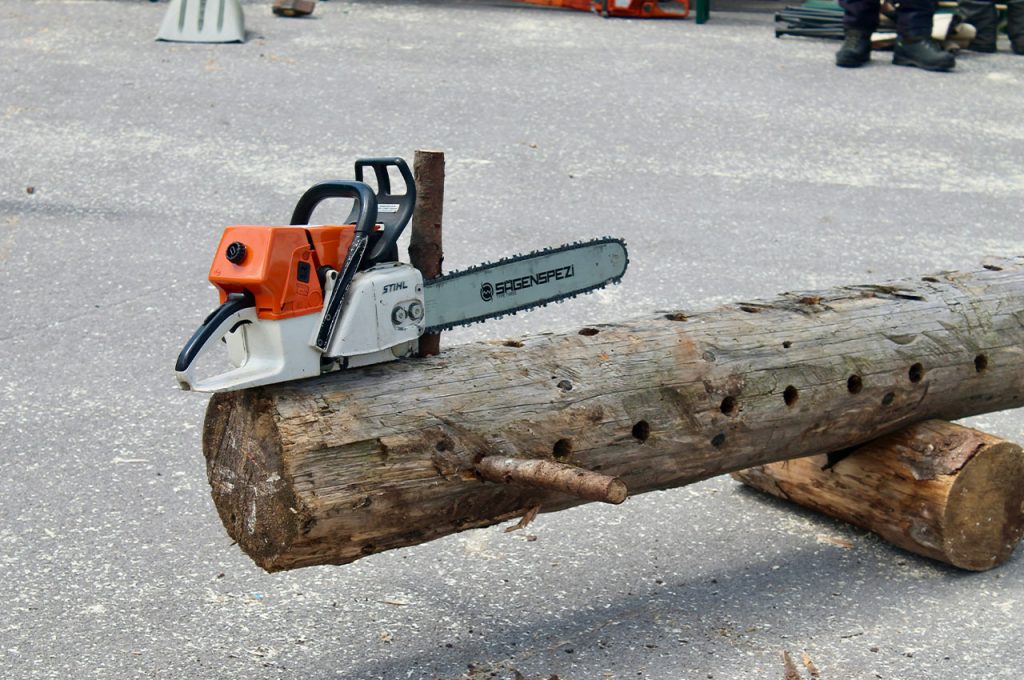
Washington’s tree removal rules protect the state’s lush, green identity by regulating when and how homeowners can cut down trees. These limitations preserve mature canopies that provide shade, habitat, and beauty, encouraging sustainable stewardship of natural resources. By balancing property rights with environmental care, Washington fosters neighborhoods where nature thrives alongside human habitation, creating healthier, more vibrant communities.
11. Nevada: Noise Curfews for Home Renovations

Nevada enforces noise curfews on home renovation projects to preserve peace and minimize disruption in residential areas. These rules restrict loud construction during early mornings, evenings, and weekends, respecting neighbors’ rest and routines. It’s a practical way to balance the excitement of home improvement with community courtesy, ensuring renovation efforts don’t become a source of unwanted disturbance.
12. Hawaii: Rules Governing Outdoor BBQs and Fire Pits

Hawaii’s regulations on outdoor BBQs and fire pits reflect a commitment to safety, air quality, and fire prevention amid lush island landscapes. Restrictions cover placement, usage times, and fuel types to reduce fire risk and preserve clean air. These rules encourage residents to enjoy outdoor cooking and gathering responsibly, blending the aloha spirit with practical care for Hawaii’s delicate natural environment.
This article was created with the assistance of AI but thoroughly edited by a human being.