

Traveling to a new country often comes with small surprises that guidebooks rarely explain. Beyond famous landmarks and food, everyday systems, habits, and rules can feel puzzling to outsiders encountering them for the first time. What locals consider normal often leaves visitors confused, amused, or unsure if they are doing something wrong. These curious differences are rarely mistakes or inconveniences; they are usually shaped by history, climate, laws, or deeply rooted social values. Understanding them helps travelers avoid awkward moments and appreciate how societies function beneath the surface. From how people pay for groceries to unexpected public rules, these details reveal how culture quietly shapes daily life. The following examples highlight everyday practices around the world that frequently confuse foreigners, even seasoned travelers.
1. Separate Bathroom Light and Shower Switches in Germany
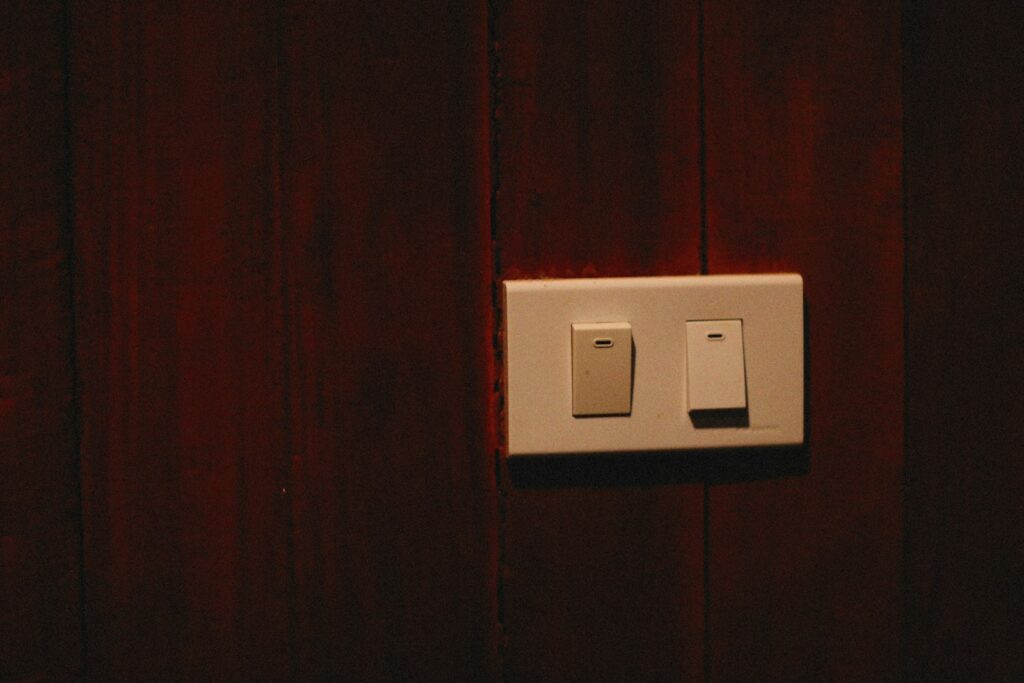
Many visitors to Germany are confused the first time they enter a bathroom and cannot immediately turn on the shower or light. In many German homes, light switches and shower power controls are deliberately placed outside the bathroom or in separate locations. This design dates back to strict electrical safety standards developed during the mid-20th century, when moisture-related accidents were a serious concern. German building codes prioritized minimizing electrical risk by isolating switches from damp environments. Foreigners often assume something is broken or that they are missing a hidden switch when, in fact, the system is functioning exactly as intended. While modern bathrooms elsewhere integrate everything into one panel, Germany’s approach remains conservative and safety-focused. Locals grow up with this layout and find it logical, but newcomers often find it inconvenient until they understand the reasoning behind it. The practice reflects Germany’s broader emphasis on regulation, engineering precision, and long-term safety over convenience.
2. Paying Extra for Public Restrooms Across Europe
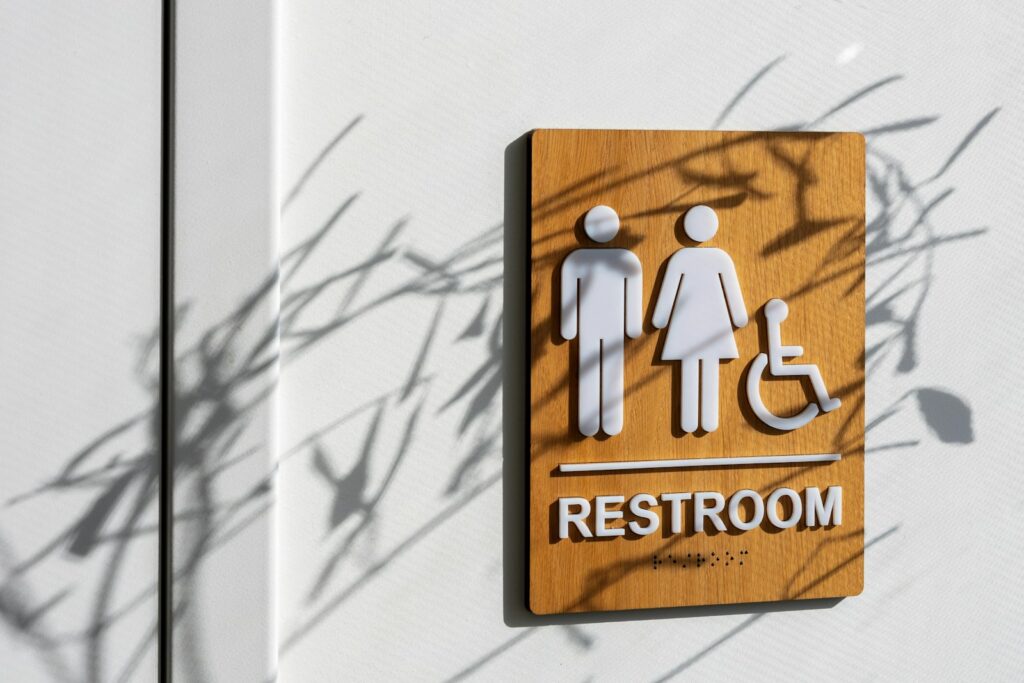
Foreign travelers are frequently surprised when asked to pay to use public toilets in many European countries. Unlike regions where public restrooms are free and tax-funded, much of Europe adopted a user-pay model in the late 20th century to maintain cleanliness and staffing. The small fee helps cover cleaning costs, supplies, and attendants, ensuring facilities remain usable throughout the day. Tourists often mistake this for exploitation or assume it targets foreigners, but locals pay the same amount. The system was developed as cities struggled with vandalism and poor hygiene in free public toilets. By charging a modest fee, misuse declined significantly. While the concept feels strange to visitors, many later appreciate the consistently clean conditions. The confusion arises from differing expectations about what public services should include. In Europe, paying for restrooms is seen as a practical solution rather than an inconvenience or penalty.
3. Slurping Noodles Loudly in Japan Is Considered Polite
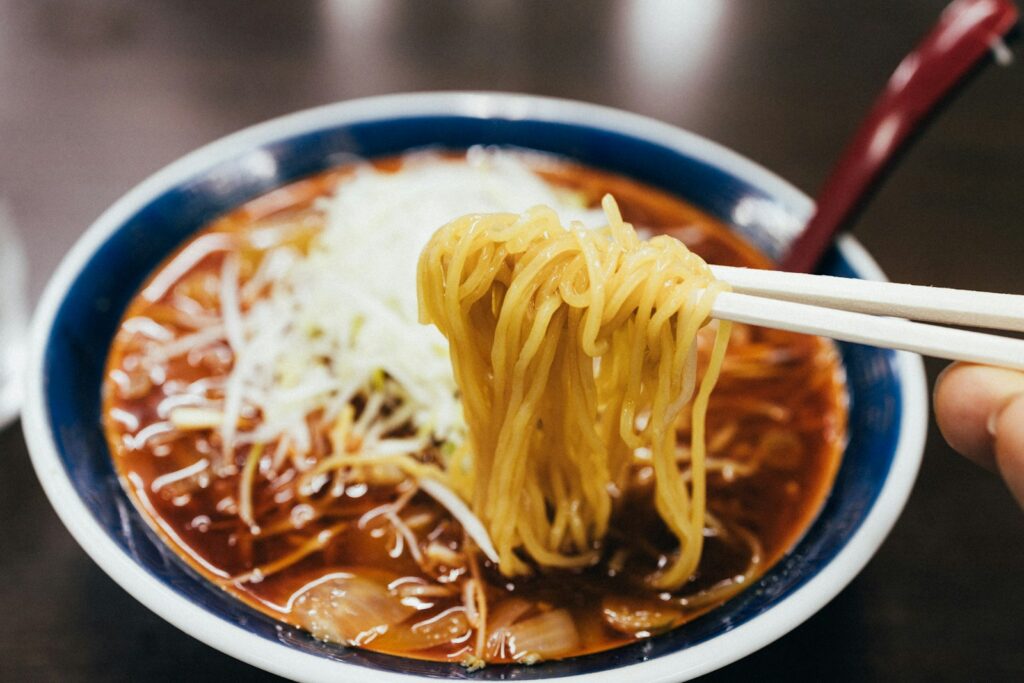
Many foreigners dining in Japan feel uncomfortable when they hear loud slurping sounds in noodle restaurants. In many cultures, making noise while eating is considered rude, so visitors often try to eat as quietly as possible. In Japan, however, slurping noodles is widely accepted and even encouraged. This custom developed during the Edo period, when soba and ramen stalls served extremely hot noodles. Slurping helped cool the food while enhancing aroma and flavor. Over time, the sound became associated with enjoyment and appreciation of the meal. Chefs often interpret silent eating as indifference rather than politeness. Tourists sometimes worry they are breaking etiquette by making noise, when in fact the opposite is true. While slurping is common for noodles, it does not apply to all foods. Understanding this distinction helps visitors feel more relaxed and prevents awkward moments at the table.
4. No Fixed Address System in Parts of Japan
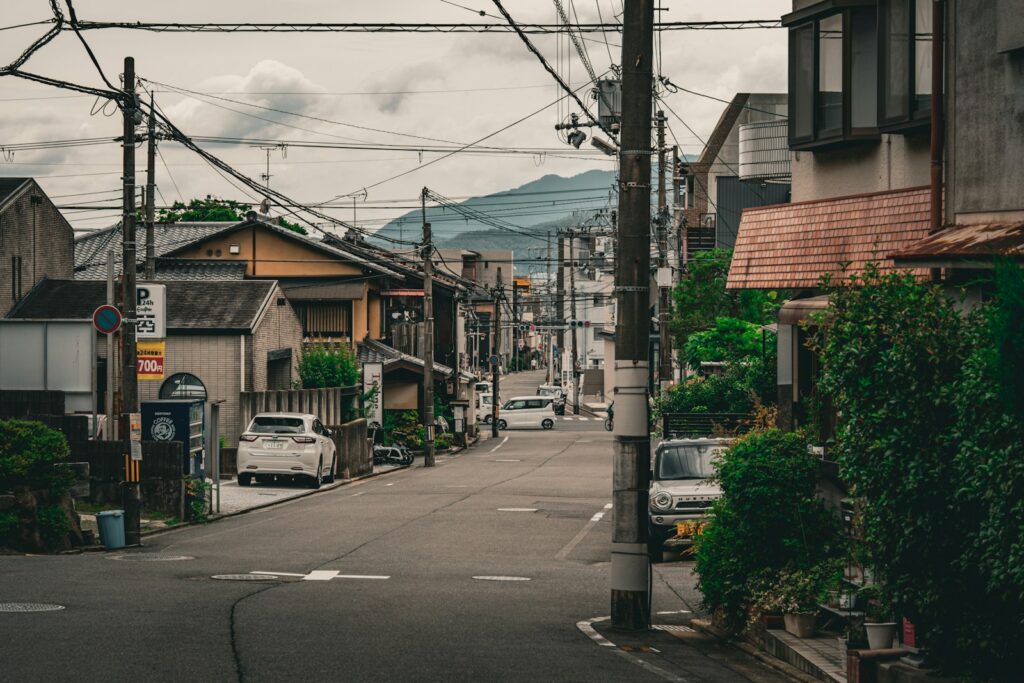
Foreigners are often confused when trying to navigate addresses in Japan, especially outside major cities. Unlike many countries where addresses follow a street-name system, Japan traditionally organizes locations by area, block, and building number. This system dates back centuries, when cities were designed around neighborhoods rather than linear streets. Buildings are numbered based on the order they were constructed, not their physical location along a road. As a result, two neighboring buildings may have numbers that appear unrelated. Tourists frequently assume maps are incorrect or that they have misunderstood directions. Locals rely more on landmarks, convenience stores, and train stations to give directions. While digital maps have made navigation easier, the underlying system still confuses newcomers. The address structure reflects Japan’s historical urban planning rather than modern convenience. Once understood, it reveals a community-based approach to city organization rather than a street-centered one.
5. Strict Quiet Hours in Switzerland
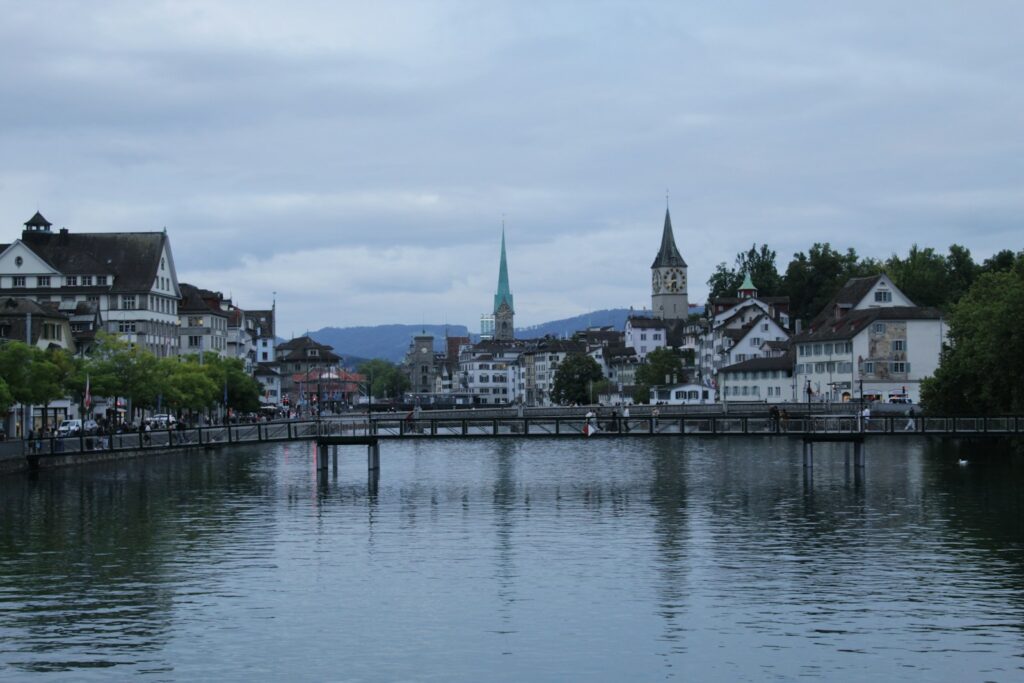
Foreigners living or traveling in Switzerland are often surprised by how seriously quiet hours are enforced. In many Swiss cities and towns, noise restrictions are not just social expectations but legal requirements. These rules, known as “Ruhezeit,” typically apply during nighttime, early afternoons, and all day on Sundays. The system was developed after World War II as urban density increased and communities sought to protect shared living spaces. Activities like vacuuming, using power tools, or even recycling glass can be prohibited during these hours. Visitors may assume such rules are flexible, only to receive complaints or fines. Locals view these regulations as a form of mutual respect rather than restriction. The emphasis on quiet reflects Switzerland’s cultural value of order, privacy, and community harmony. While the rules can feel excessive to outsiders, residents appreciate the predictable calm. Understanding this system helps foreigners avoid misunderstandings and respect local norms.
6. Bringing Your Own Groceries to Bars in Spain
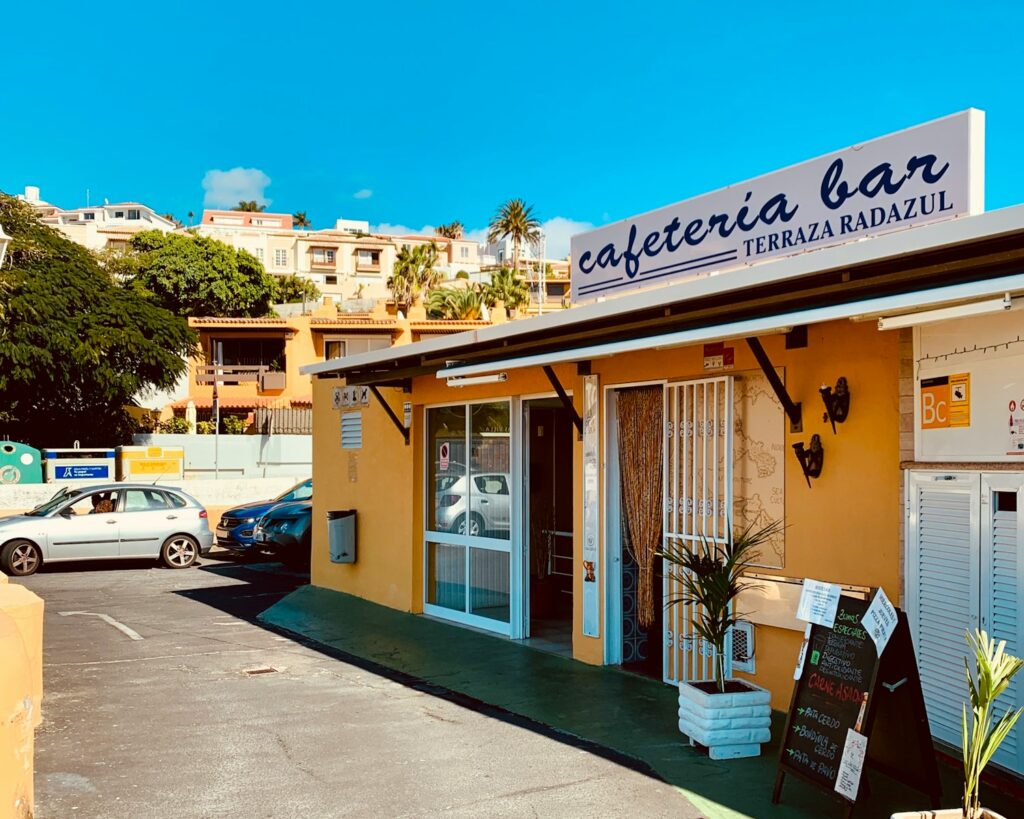
Many tourists in Spain are confused when they see locals bringing snacks or food into bars without issue. In some regions, especially in southern Spain, bars traditionally allow customers to bring their own food while purchasing drinks. This custom dates back to the early 20th century, when bars functioned as social gathering spaces rather than full-service restaurants. Families and friends would bring homemade dishes to share while ordering wine or beer. Foreigners often assume this breaks business etiquette or health regulations, but it remains socially accepted in certain areas. Bar owners benefit from drink sales while customers enjoy familiar food. The practice highlights Spain’s relaxed approach to socializing and hospitality. Visitors unfamiliar with this tradition may hesitate or feel unsure, but locals see it as normal. Understanding the context helps travelers appreciate how community life shapes dining customs.
7. Mandatory Cash Usage in Many German Businesses

Foreigners visiting Germany are often surprised when shops, cafés, or even restaurants refuse credit cards. Despite Germany’s reputation as a technologically advanced country, cash usage remains deeply ingrained in daily life. This preference developed after periods of economic instability in the 20th century, when physical money represented security and control. Many Germans associate cash with budgeting discipline and personal privacy. Unlike card payments, cash leaves no digital trail, which appeals to a population sensitive to data protection. Tourists frequently assume card machines are broken or that small businesses are outdated. In reality, many owners deliberately choose not to accept cards due to transaction fees and cultural habits. While digital payments are becoming more common, cash is still widely expected. Foreigners unfamiliar with this norm often find themselves scrambling for an ATM, learning quickly that carrying cash in Germany is still essential.
8. Eating Dinner Extremely Late in Spain

Visitors to Spain are often confused when restaurants remain empty during early evening hours. In many parts of the country, dinner typically starts between 9:00 and 11:00 p.m., much later than in many other cultures. This schedule developed historically due to Spain’s climate and workday structure. Hot afternoons encouraged longer midday breaks, pushing meals and activities later into the evening. During the Franco era, Spain also adopted a time zone misaligned with its natural daylight, reinforcing late schedules. Foreigners often mistake quiet restaurants at 7:00 p.m. as closed or unsuccessful. Locals, however, are simply not ready to eat yet. Late dining allows social gatherings to stretch into the night, reinforcing Spain’s strong social culture. Once visitors adjust, many come to enjoy the relaxed pace, though the timing initially feels confusing and exhausting.
9. No Jaywalking Concept in the United Kingdom
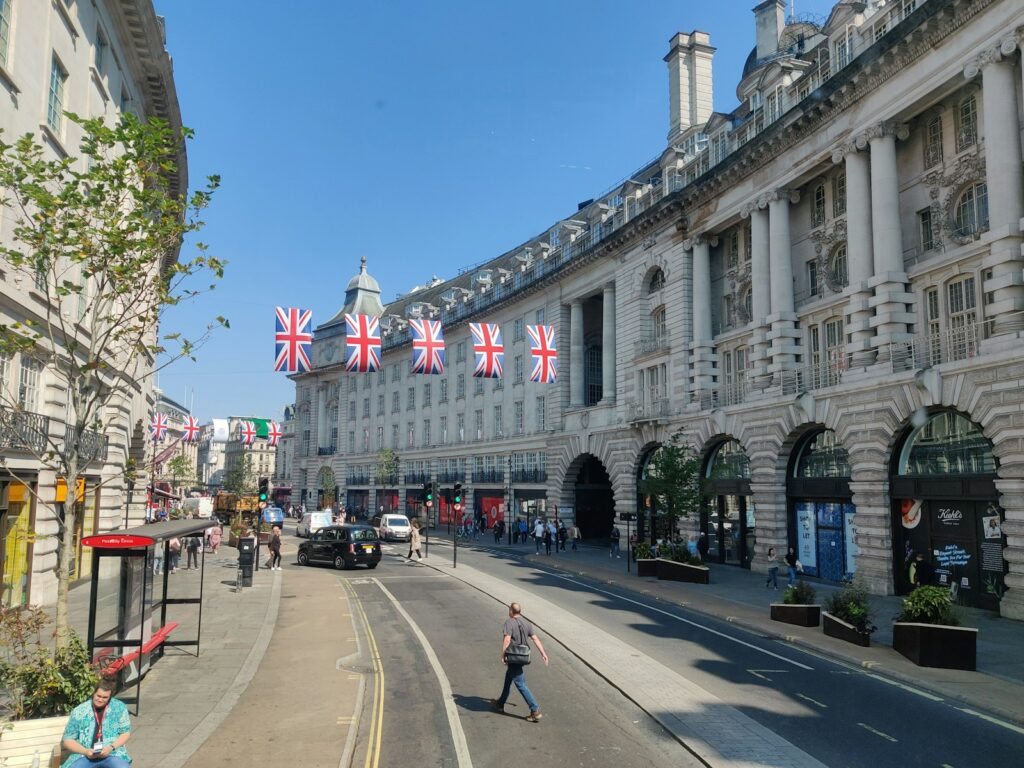
Foreigners visiting the United Kingdom are often surprised by how casually people cross streets. In many countries, jaywalking is illegal and heavily enforced, so visitors instinctively look for crosswalks and wait for signals. In the UK, however, jaywalking is not a formal offense. Pedestrians are expected to use personal judgment rather than strict rules. This approach developed alongside Britain’s long tradition of pedestrian-friendly urban design, where streets predate cars and traffic moves at slower speeds. Visitors may feel uneasy stepping into traffic, while locals confidently cross when it feels safe. Road signs and public campaigns focus more on driver responsibility than pedestrian restrictions. Tourists sometimes assume they are breaking laws or risk fines, but the system relies on common sense rather than enforcement. The lack of rigid pedestrian rules reflects a cultural emphasis on individual responsibility and situational awareness rather than strict regulation.
10. Strict Recycling Rules in Japan

Many foreigners living in Japan find the recycling system overwhelming at first. Trash is not simply divided into general categories but sorted into multiple detailed groups, such as burnable, non-burnable, plastics, cans, glass, and paper. These rules became widespread during the late 20th century as Japan faced limited landfill space and environmental concerns. Each municipality sets its own schedule, and incorrect sorting can result in trash being left behind with warning notices. Visitors are often confused when their garbage is rejected without explanation. Locals are taught these rules from childhood, making the system feel routine. The complexity reflects Japan’s collective responsibility mindset, where individual actions affect the community. While foreigners may initially struggle, many eventually appreciate the efficiency and cleanliness it creates. Understanding the reasoning behind the rules helps reduce frustration and highlights Japan’s commitment to environmental discipline.
11. No Tipping Culture in Japan

Foreigners visiting Japan are often confused when restaurant staff chase them down to return extra money left on the table. In many countries, tipping is a normal way to reward good service, but in Japan, it is generally discouraged. This custom developed from the belief that providing excellent service is a basic responsibility, not something that should be incentivized with extra pay. Historically, Japanese service culture emphasized pride, professionalism, and respect for the customer. Accepting tips can even be seen as awkward or disrespectful, suggesting the worker was not already doing their job properly. Visitors frequently worry they appear rude by not tipping, unaware that staff are paid fairly and trained to deliver consistent service. While some tourist-focused businesses may accept tips quietly, the broader culture still rejects the practice. Understanding this difference helps foreigners avoid uncomfortable interactions and appreciate Japan’s service philosophy.
12. Shops Closing Midday in Small Italian Towns
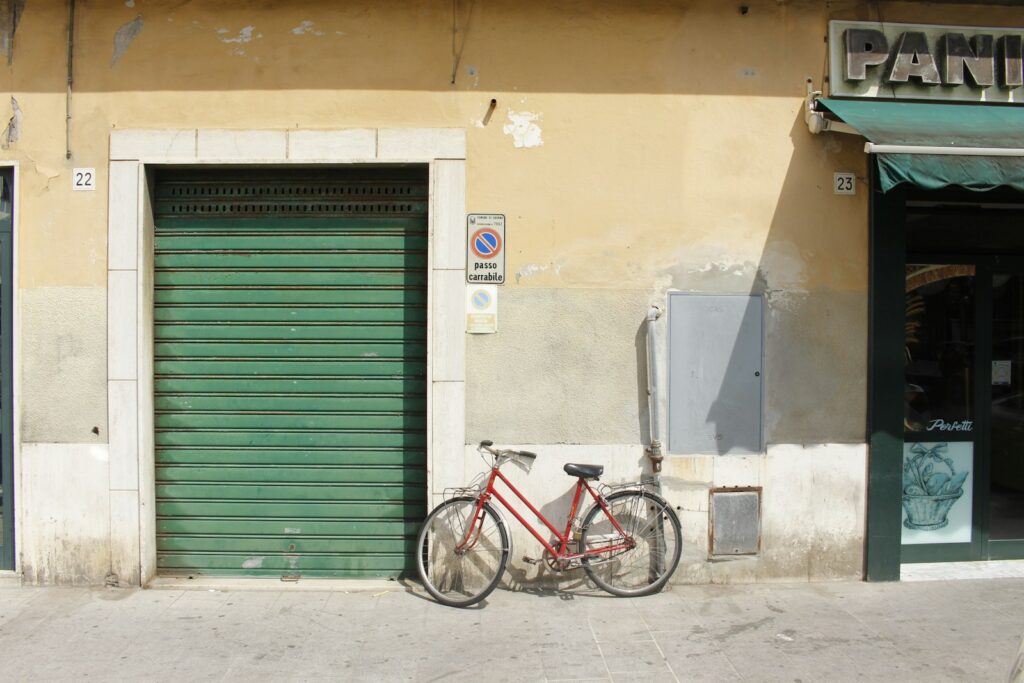
Travelers in Italy are often confused when shops suddenly close in the middle of the day, even during peak tourist season. This tradition, known as “riposo,” dates back centuries and was shaped by Italy’s climate and agricultural lifestyle. Historically, afternoons were the hottest part of the day, making rest essential. Small family-run businesses would close so owners could eat lunch at home and spend time with family. Foreigners accustomed to continuous business hours often assume the shop has closed permanently or is poorly managed. In reality, most reopen in the late afternoon and remain open into the evening. While large cities have adapted to modern schedules, riposo remains common in smaller towns. Locals value balance over convenience, prioritizing rest and family time. Visitors who understand this rhythm find it easier to plan their day and respect local traditions.
13. Government Forms Requiring Stamps Instead of Signatures in Japan

Foreigners handling official paperwork in Japan are often confused when asked to provide a personal stamp instead of a handwritten signature. These stamps, known as “hanko” or “inkan,” have been used for centuries and date back to systems adopted from China during the 7th century. Historically, stamps were considered more secure and formal than signatures, especially in bureaucratic and legal contexts. Many residents still register an official stamp with their local government, which is then used for banking, contracts, and administrative procedures. Visitors unfamiliar with this system may arrive unprepared, assuming a signature will suffice. While digital reforms have reduced reliance on hanko in recent years, many offices still require them. The practice reflects Japan’s respect for tradition and formality in governance. Although confusing at first, understanding the cultural and historical significance helps foreigners navigate official processes more smoothly.
Keep reading on The WiC Project Lifestyle Blog & Miriam’s Boutique: Home Goods, Beauty, & Fashion Store