

Boomers grew up following a set of etiquette rules that influenced nearly every social interaction, from greetings and table manners to phone calls and invitations. While many of these customs now seem curious, overly formal, or even unnecessary to Gen Z, they reflect a world where politeness, respect, and thoughtfulness were paramount. Exploring these habits reveals the deliberate care behind old-fashioned manners and offers insight into how social expectations have changed, helping bridge understanding between generations.
1. Holding Doors for Others

Boomers grew up believing that holding the door was a simple but meaningful courtesy, a way to show respect for elders, women, or anyone nearby. It was one of those unspoken rules that demonstrated good upbringing. Gen Z doesn’t reject the idea but sees it as more situational, sometimes feeling it creates awkwardness or unnecessary formality. While boomers view it as a timeless sign of kindness, younger generations often prefer more casual, flexible expressions of respect.
2. Handwritten Thank-You Notes

Boomers often prioritize handwritten thank-you notes as a meaningful expression of gratitude. Unlike quick texts or emails, a written note communicates thoughtfulness, effort, and sincerity. This practice is rooted in a time when personal correspondence was a central form of communication, reinforcing relationships and demonstrating respect for recipients. Gen Z may see the gesture as outdated, but for Boomers, it preserves an intentional, human connection, highlighting the value of slowing down to acknowledge someone’s time, effort, or generosity.
3. Waiting Your Turn to Speak Without Interrupting

Boomers often see conversation as a structured exchange where waiting your turn is the ultimate sign of respect. Speaking only after someone finishes shows patience and attentiveness, values they were raised to uphold. Gen Z, however, is used to quicker, overlapping interactions shaped by group chats, video calls, and social media. Jumping in mid-sentence isn’t always viewed as rude but as enthusiasm. The generational gap lies in how each group measures respect in dialogue.
4. Formal Greetings and Handshakes

A firm handshake accompanied by eye contact and a clear verbal greeting remains a hallmark of Boomer etiquette. This practice conveys respect, professionalism, and engagement, rooted in a time when first impressions were carefully observed and socially significant. Gen Z, more comfortable with casual hellos or digital greetings, may find this formality excessive. For Boomers, these rituals are a way to communicate trustworthiness and attentiveness, creating a sense of structure and dignity in interpersonal interactions that extend beyond casual social encounters.
5. Addressing People by Their Titles

Using titles such as Mr., Mrs., or Doctor is a key etiquette rule for Boomers, signaling respect for social standing, achievement, or professional expertise. It reflects a culture where formal address was considered essential for proper social navigation. Gen Z, favoring first-name familiarity, often sees this practice as overly stiff. Yet for Boomers, titles honor experience, establish boundaries, and demonstrate courtesy, showing that respect is conveyed not only through words but through acknowledgment of someone’s accomplishments and position within society.
6. Never Call Before 9 a.m. or After 9 p.m.

Boomers adhere to the unwritten rule of respecting “quiet hours” when making phone calls, avoiding early mornings or late evenings. This etiquette reflects consideration for personal time, household routines, and social boundaries. Gen Z, accustomed to asynchronous communication through texting or social media, may find this constraint unnecessary. For Boomers, it demonstrates thoughtfulness, self-discipline, and social awareness, reinforcing the idea that courteous communication respects others’ time as much as one’s own.
7. Writing Formal Invitations
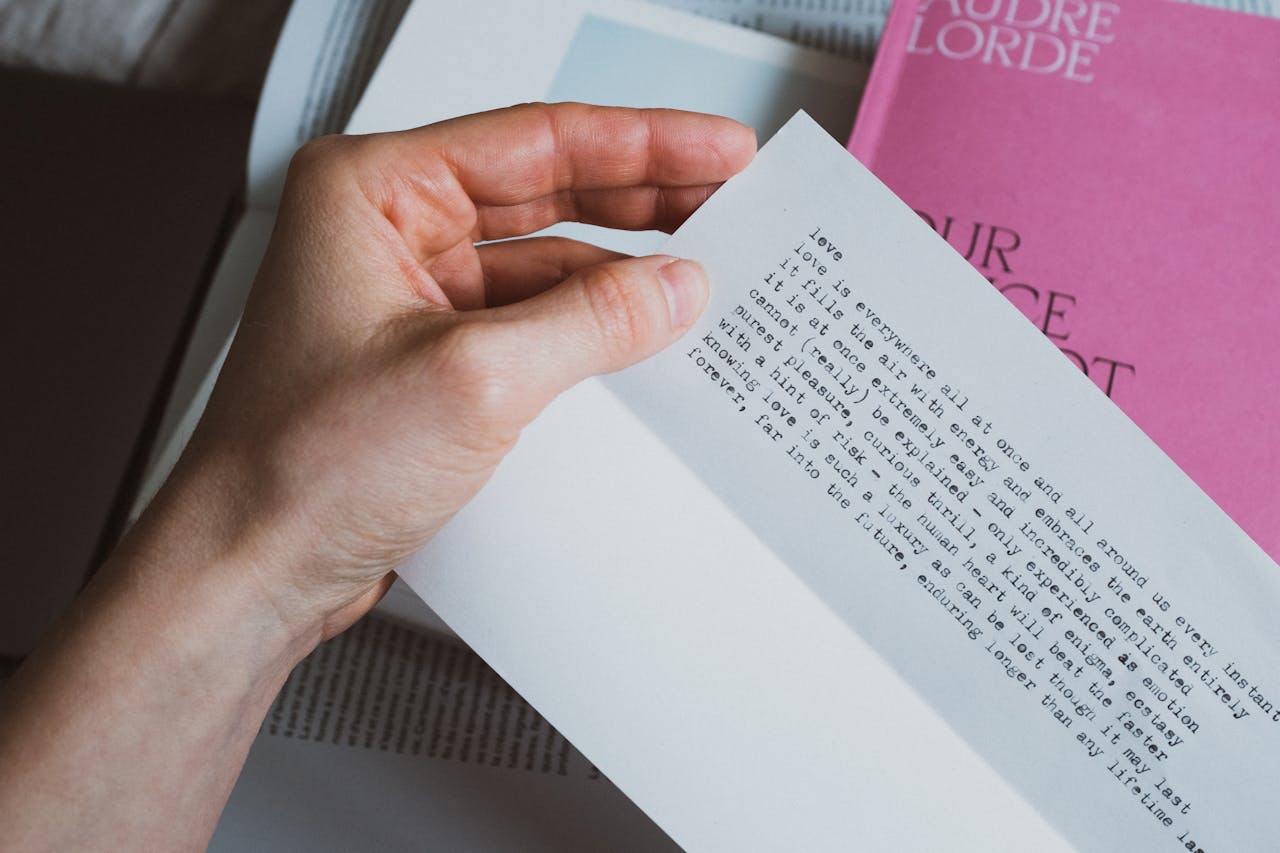
Many Boomers maintain the practice of sending printed, formal invitations for events such as weddings, milestone birthdays, and dinners. These invitations, with careful wording and RSVP instructions, convey thoughtfulness, planning, and respect for guests. Gen Z may prefer digital invites for convenience, but Boomers view formal invitations as a reflection of ceremony and social responsibility. They signal that the host values the occasion and its attendees, turning even small gatherings into meaningful, memorable events rooted in tradition.
8. Standing in Line Without Cutting

Queuing patiently remains a deeply ingrained habit for Boomers, emphasizing fairness and respect for others. Lines are not just about order; they are a reflection of social ethics and consideration. Gen Z, growing up in fast-paced digital environments, may occasionally bypass formal lines, yet Boomers see waiting as a demonstration of integrity and respect for communal norms. This etiquette reinforces social trust, ensuring that everyone has a fair opportunity, and highlights the value of patience in daily public interactions.
9. Dressing Up for Certain Occasions
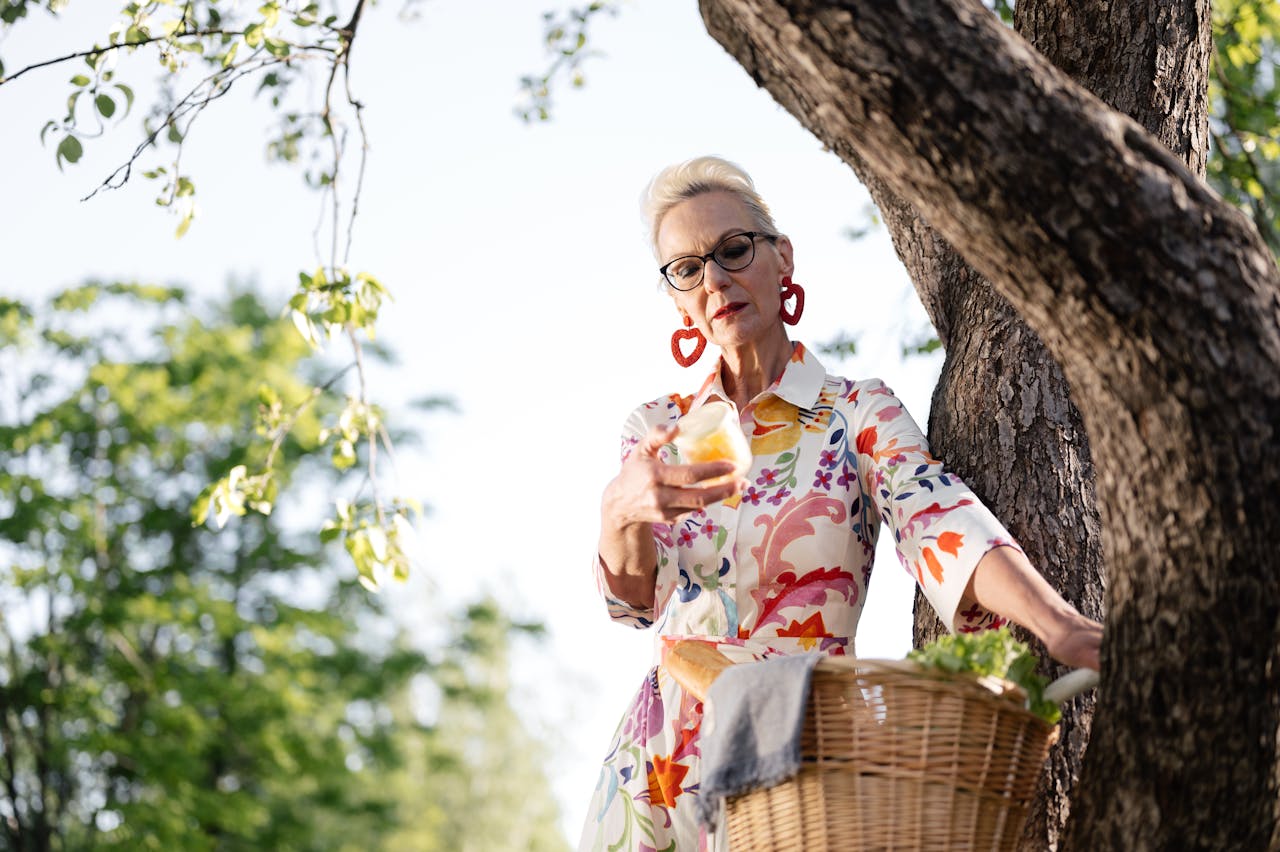
Formal attire continues to be important for many Boomers, signaling respect for occasions and the people attending them. Whether at the theater, church, or formal dinner, dressing appropriately demonstrates thoughtfulness and social awareness. Gen Z, favoring casual or athleisure styles, may see this as excessive. For Boomers, clothing is a form of nonverbal communication that conveys effort, consideration, and recognition of tradition, maintaining a sense of occasion and honoring social expectations through appearance.
10. Thanking Hosts Before Leaving

Expressing gratitude to hosts before leaving an event is a staple of Boomer etiquette. This simple act acknowledges the effort invested in organizing the gathering and demonstrates appreciation in person. Gen Z may prefer sending quick digital messages afterward, but Boomers believe in leaving a lasting impression through immediate, personal thanks. This practice reinforces relationships, shows attentiveness, and reflects a broader cultural emphasis on courtesy as a way to honor both effort and social bonds.
11. Polite Table Manners

Table manners remain central to Boomer etiquette, including keeping elbows off the table, chewing quietly, and using utensils properly. Dining is seen as both a social and moral exercise, teaching respect, self-control, and awareness of others. Gen Z may view some rules as overly rigid, yet for Boomers, proper table conduct reflects upbringing, consideration, and social sophistication. These habits ensure meals are pleasant for all participants and underscore that etiquette is as much about respect as it is about appearance or formality.
12. Sending Physical Greeting Cards

Handwritten greeting cards are still valued by many Boomers for birthdays, holidays, and special occasions. Unlike quick digital messages, a physical card conveys effort, thoughtfulness, and permanence, creating a keepsake that lasts beyond fleeting online interactions. Gen Z often favors text messages or social media posts for speed and convenience. Boomers see cards as a tangible expression of care, highlighting intentionality and emotional connection, demonstrating that the effort invested in acknowledging someone’s milestone is as meaningful as the sentiment itself.
13. Using Landlines Over Texting

Despite the prevalence of smartphones, many Boomers prefer landline calls for personal and professional communication. A phone call allows real-time interaction, clear voice tone, and the nuances of conversation that texting cannot convey. Gen Z often finds this method slow or inconvenient. For Boomers, speaking directly ensures attentiveness, clarity, and sincerity, reflecting a time when deliberate conversation was a cornerstone of relationships. This practice values depth over speed, emphasizing connection and mutual understanding.