

Hidden across the world are archaeological sites that reveal the brilliance, beliefs, and creativity of ancient civilisations, yet remain off-limits to most visitors. From caves adorned with breathtaking prehistoric paintings to lost cities tucked in forests or perched on mountains, these sites preserve delicate artifacts, fragile structures, and rare ecosystems. Restricted access ensures their protection, allowing historians and archaeologists to study them carefully. Even observing them from afar sparks wonder and appreciation for humanity’s most remarkable achievements.
1. Lascaux Caves, France
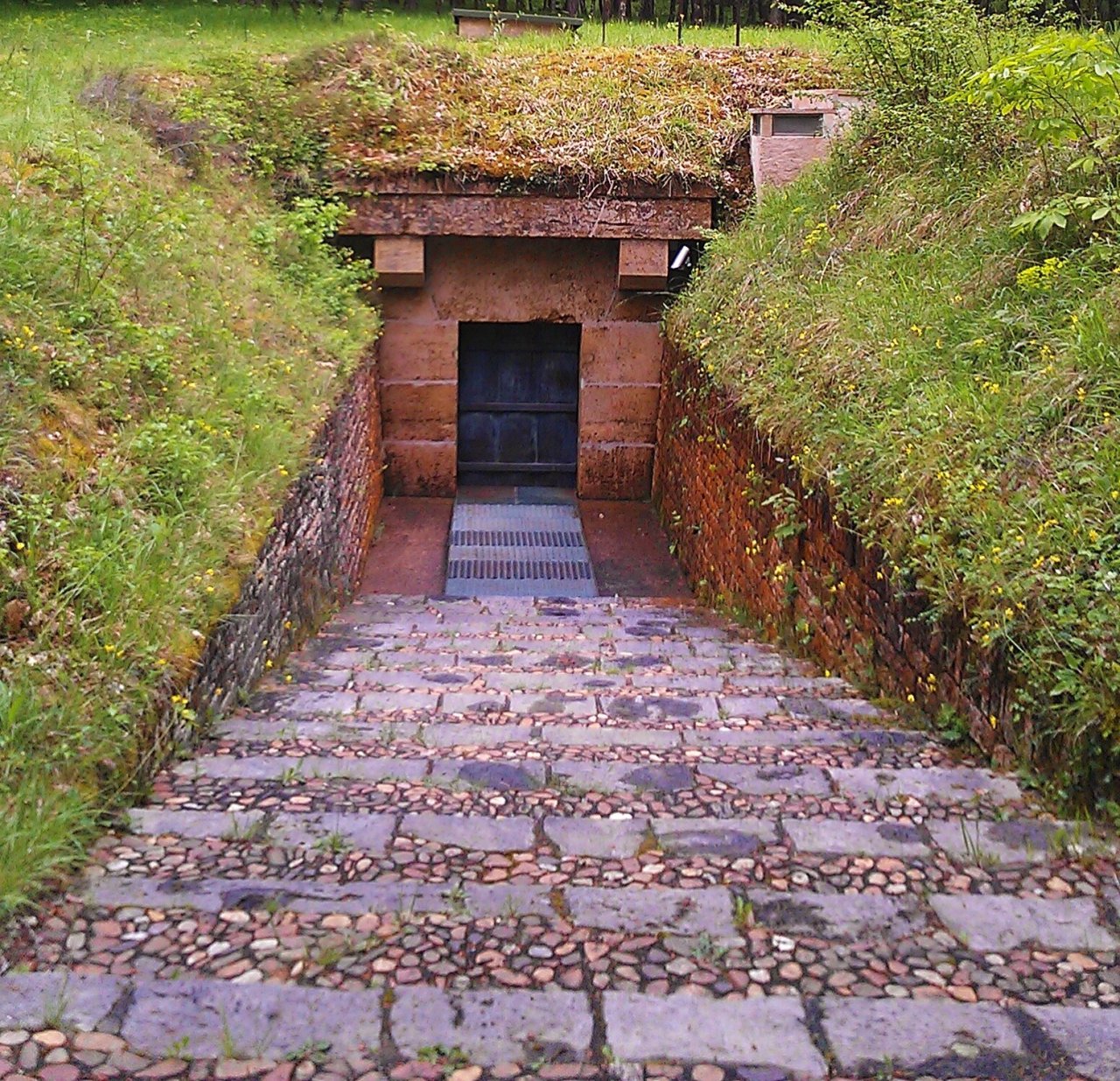
Stepping into the Lascaux Caves is like entering a portal to humanity’s distant past, where Paleolithic artists captured their world with remarkable skill. Discovered in 1940, the caves contain vivid depictions of bulls, horses, and stags, dating back over 17,000 years. When opened to the public, the constant flow of visitors altered the delicate climate inside, increasing humidity and carbon dioxide, which led to mould and algae growth. Authorities closed the caves in 1963 to protect these masterpieces. Today, replicas allow people to experience the artwork while preserving the originals, showing that some treasures must be shielded to survive.
2. Mausoleum of the First Qin Emperor, China
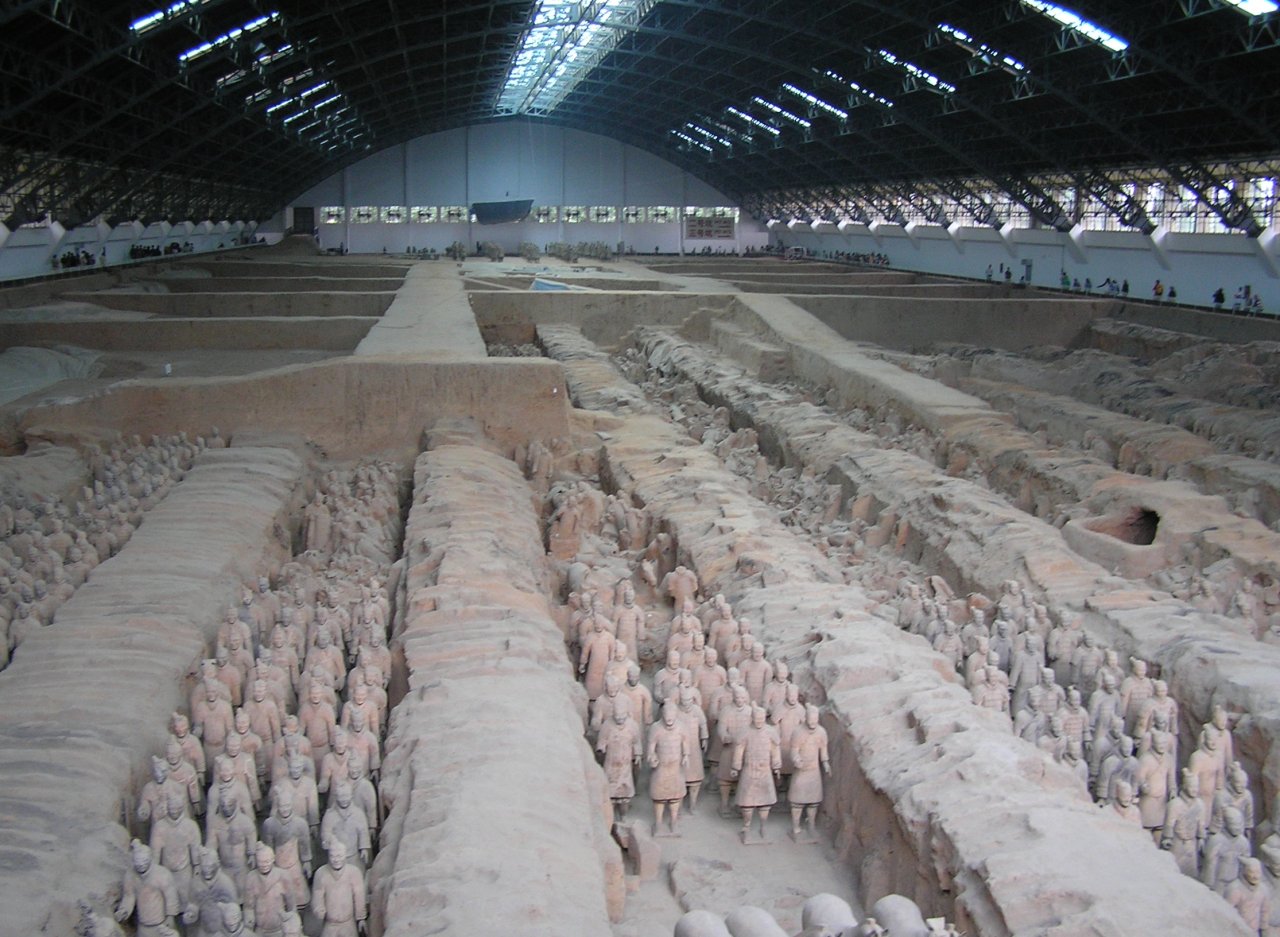
The Mausoleum of Qin Shi Huang represents ambition, power, and enduring mystery. Built in the 3rd century BCE, it includes the Terracotta Army meant to guard the emperor in the afterlife. While some pits are open, the central tomb chamber remains sealed. Archaeologists fear that opening it could irreversibly damage delicate artifacts, ancient lacquer, and organic materials. The tomb’s secrecy preserves both its historical authenticity and the awe surrounding China’s first emperor, highlighting the challenge of conserving monumental heritage while protecting fragile ancient structures.
3. Skellig Michael, Ireland
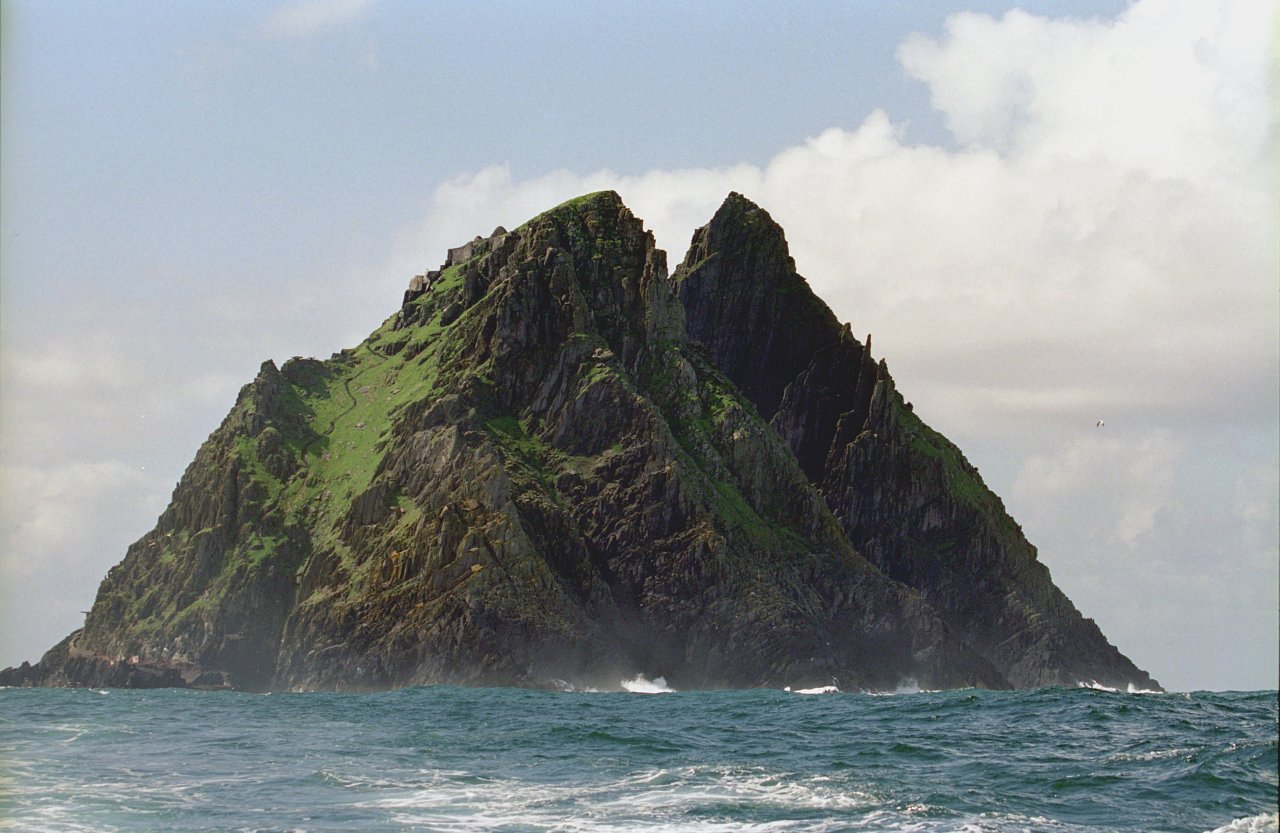
Skellig Michael is a remote island off the coast of Ireland, home to a well-preserved monastic settlement dating back to the 6th century. The island’s stone beehive huts, terraces, and medieval structures are perched on cliffs, making it highly susceptible to erosion and storm damage. To protect both visitors and the fragile site, access is strictly limited and controlled. Special permits and guided tours are required, ensuring that the monastery’s cultural and historical significance is preserved while safeguarding the island’s natural environment. Skellig Michael exemplifies the delicate balance between heritage preservation and public fascination.
4. Derbent Fortress, Russia
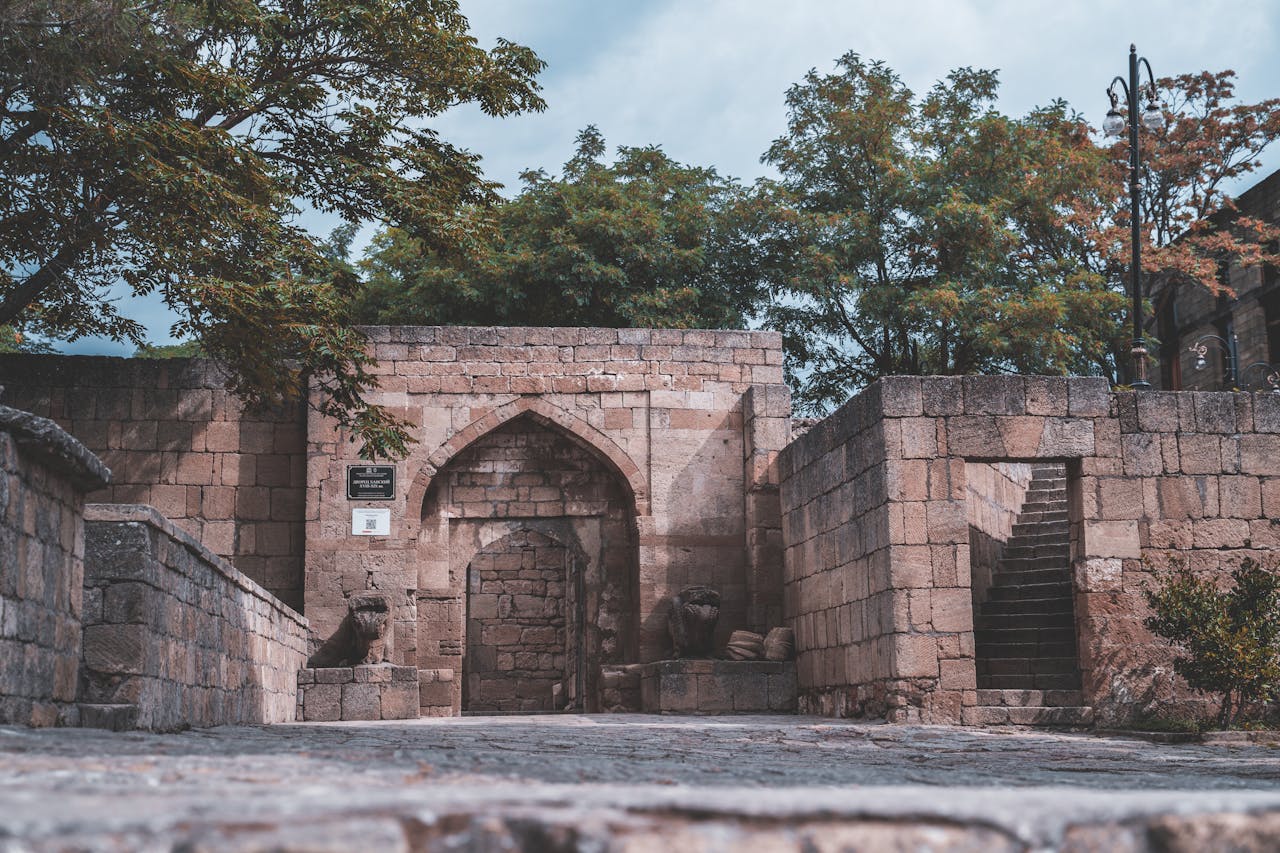
Derbent Fortress in Dagestan, Russia, is one of the oldest fortified cities in the world, with walls dating back over 2,000 years. Its strategic location along the Caspian Sea made it a key military and trade hub throughout history. Many areas of the fortress are closed due to unstable structures and ongoing restoration projects. Controlled access allows archaeologists to conduct detailed studies while preventing further damage from tourism. Preserving the fortress’s stone walls and ancient gateways is crucial to maintaining the historical legacy of this enduring cultural landmark.
5. El Castillo (Temple of Kukulcán), Chichén Itzá
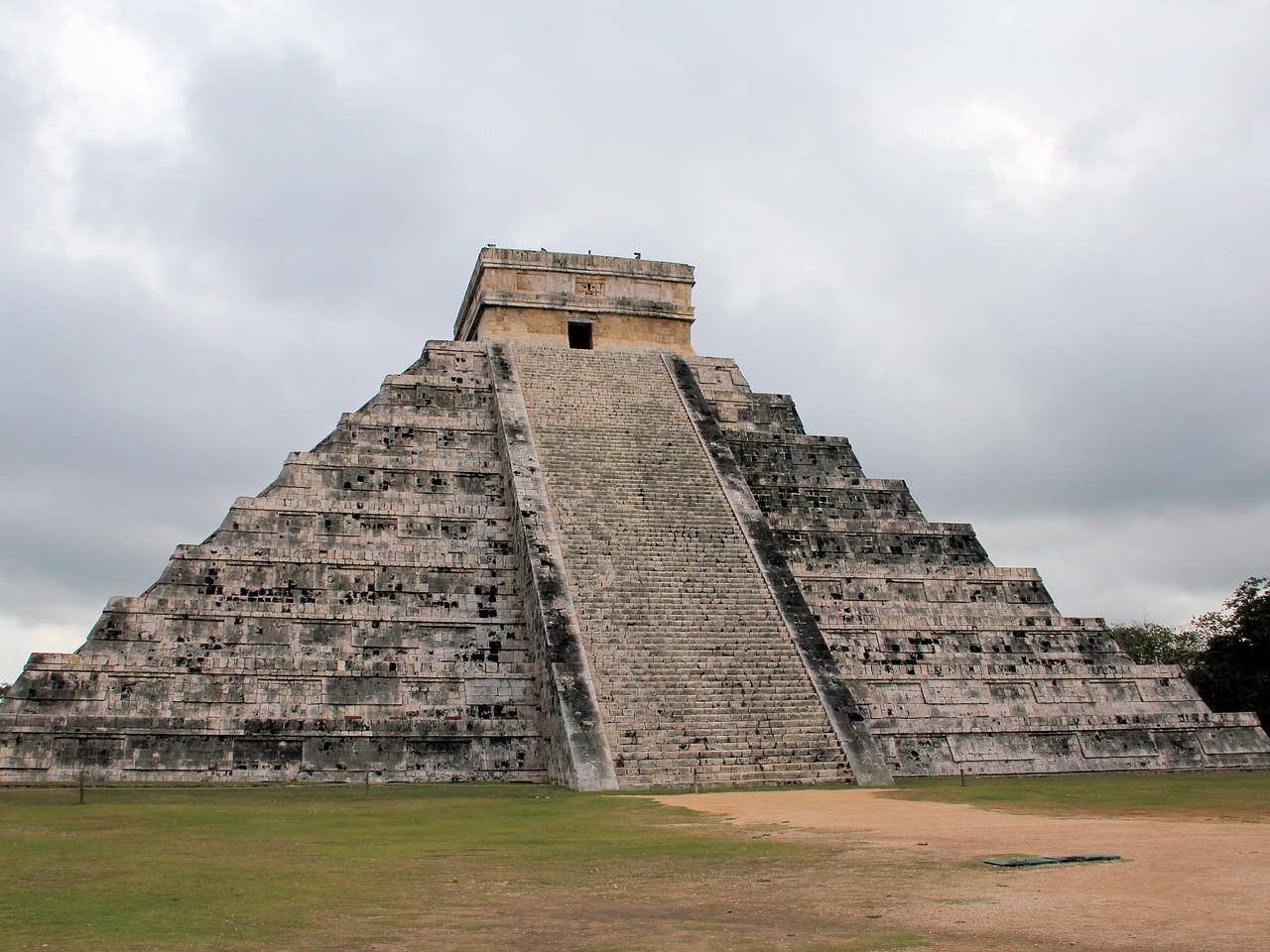
El Castillo is a Maya pyramid reflecting architectural brilliance and astronomical knowledge, with 365 steps representing the solar calendar and a shadow serpent appearing during equinoxes. Visitors can view but not climb it, as heavy tourism has begun eroding the stone steps. Following safety concerns, access was restricted entirely. This protects both the structure and its cultural significance, allowing visitors to admire the pyramid’s precision and symbolism while preserving its longevity for future generations.
6. Cave of Altamira, Spain
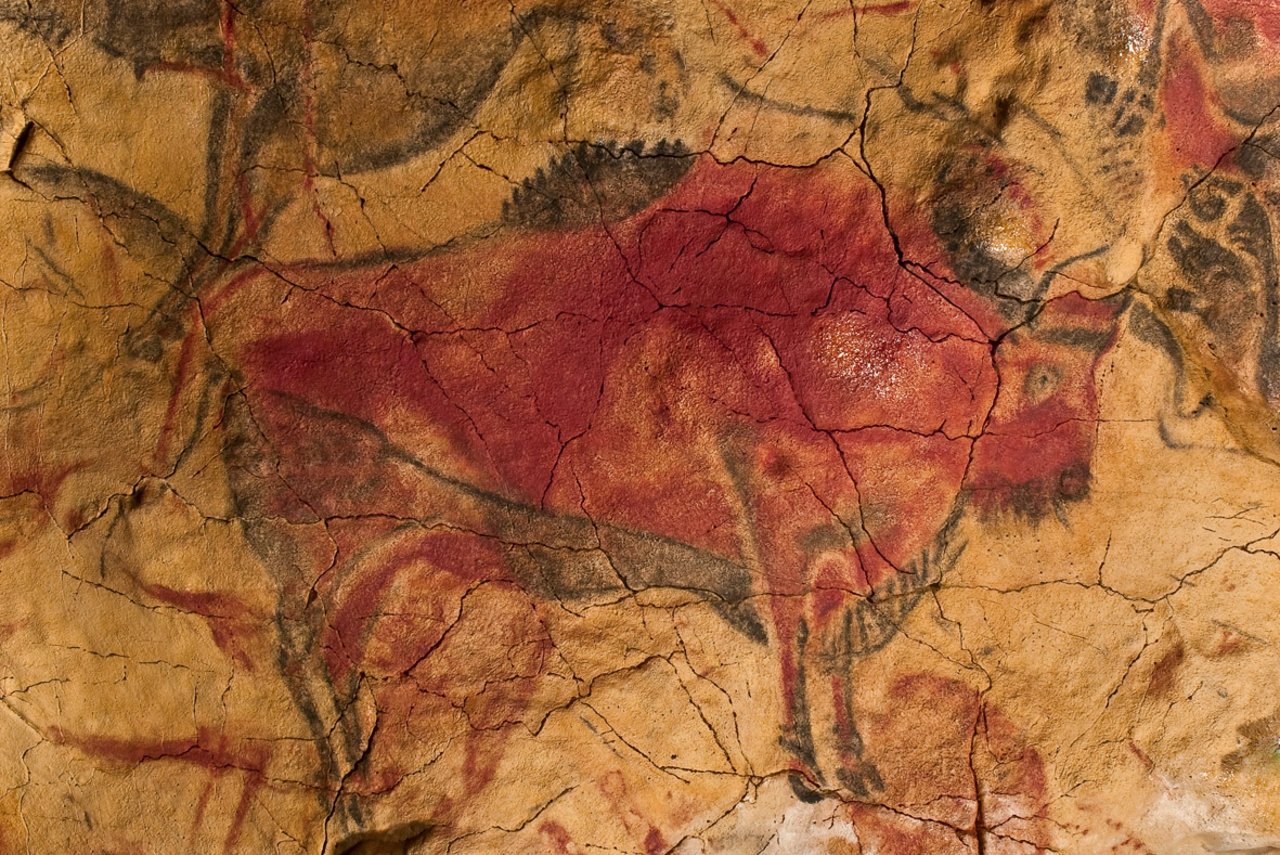
The Cave of Altamira holds some of the most sophisticated prehistoric paintings, depicting bison, deer, and human hands. Human presence increased humidity and carbon dioxide, causing microbial growth that threatened the pigments. To protect them, the cave is closed, with only limited scientific access allowed. Replicas now convey the scale, colour, and technique of the original paintings, providing a realistic experience without endangering the artwork, emphasising the need for preservation of delicate cultural treasures.
7. Poveglia Island, Italy

Poveglia Island in the Venetian Lagoon has a grim history as a plague quarantine site and later a psychiatric hospital. Its abandoned buildings are both historically significant and hazardous, leading authorities to restrict public access. Stories of suffering and tragedy have long surrounded the island. Limited entry is granted only to researchers and restoration teams to study and conserve the remnants safely, showing how some historical sites require strict control to protect both people and fragile structures.
8. Derinkuyu Underground City, Turkey
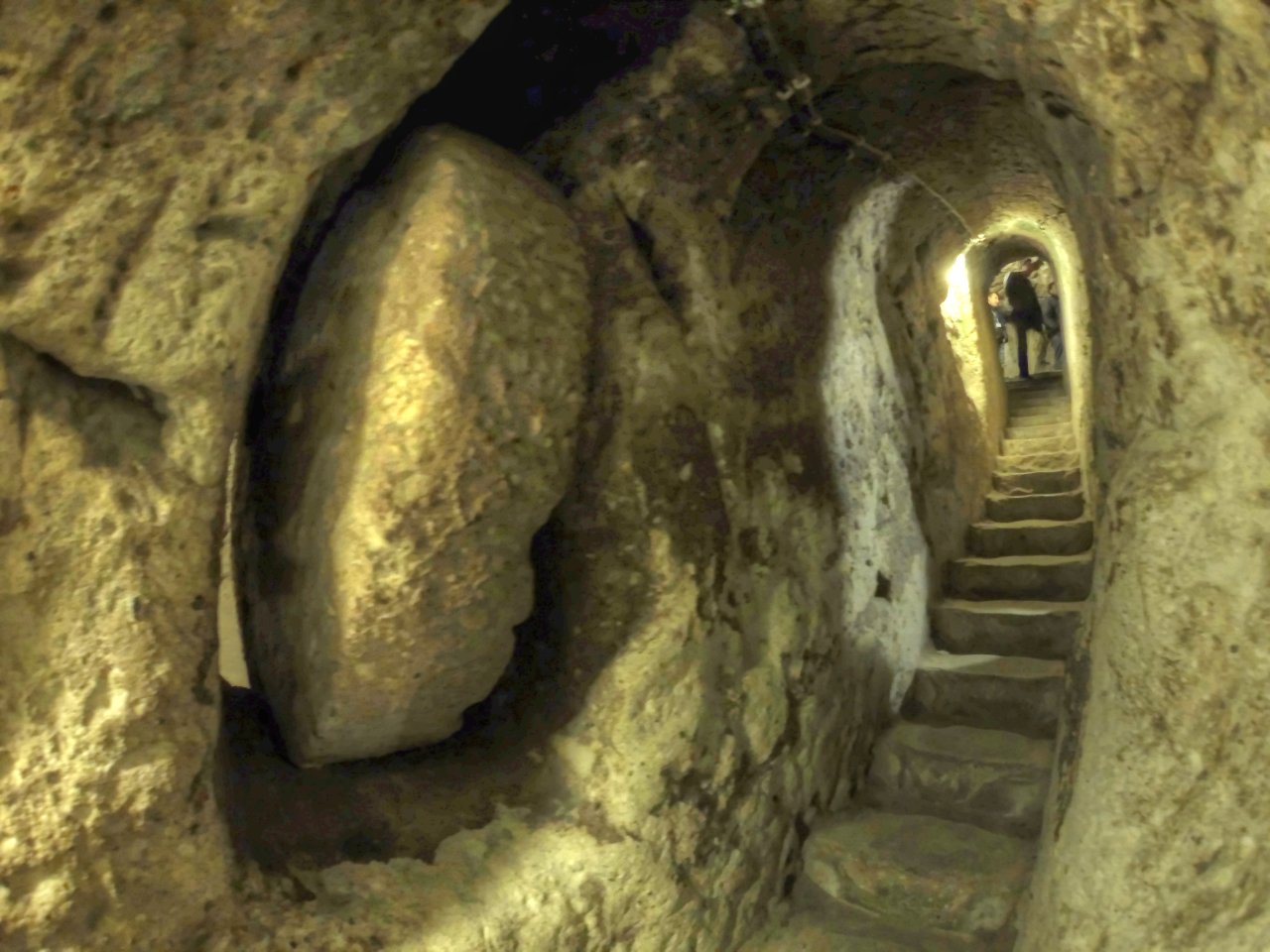
Derinkuyu is a vast underground city carved into volcanic rock in central Turkey, capable of housing thousands. Narrow tunnels and weakened sections make certain areas unsafe, so access is restricted. These measures preserve the site’s structural integrity while allowing visitors to witness its complexity. Controlled access protects fragile structures from collapse or degradation and ensures that people can explore this ancient marvel safely, highlighting the importance of careful management in subterranean archaeological sites.
9. Göbekli Tepe, Turkey
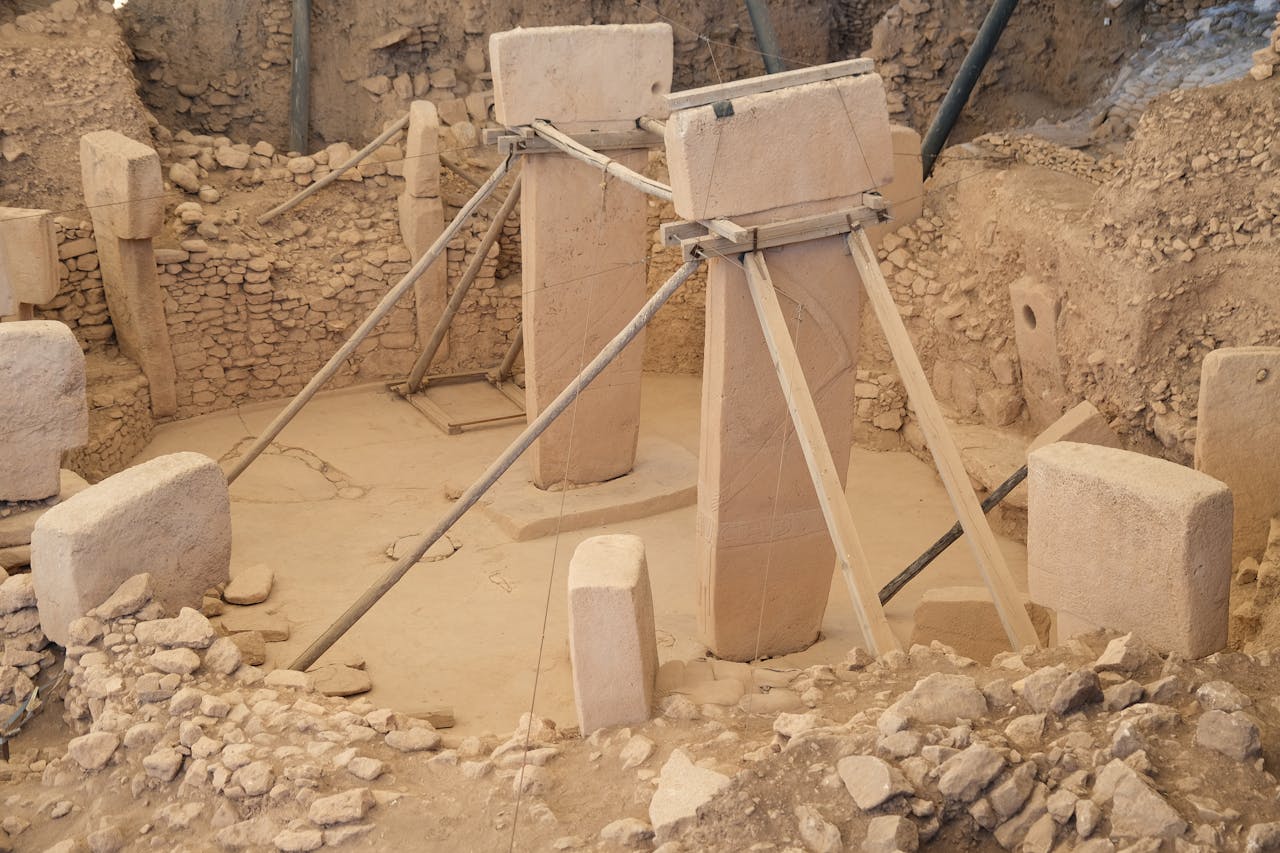
Göbekli Tepe, often regarded as the world’s oldest known temple, features massive stone pillars and circular enclosures dating back over 11,000 years. Its intricate carvings challenge conventional ideas about early human societies and their capabilities. Certain sections remain off-limits to protect the delicate stones and support ongoing archaeological research. Controlled access allows scholars to study the site carefully while minimising damage, highlighting the need to preserve humanity’s earliest religious monuments. Göbekli Tepe demonstrates the balance between exploration and conservation of fragile prehistoric heritage.
10. Ani Ruins, Turkey
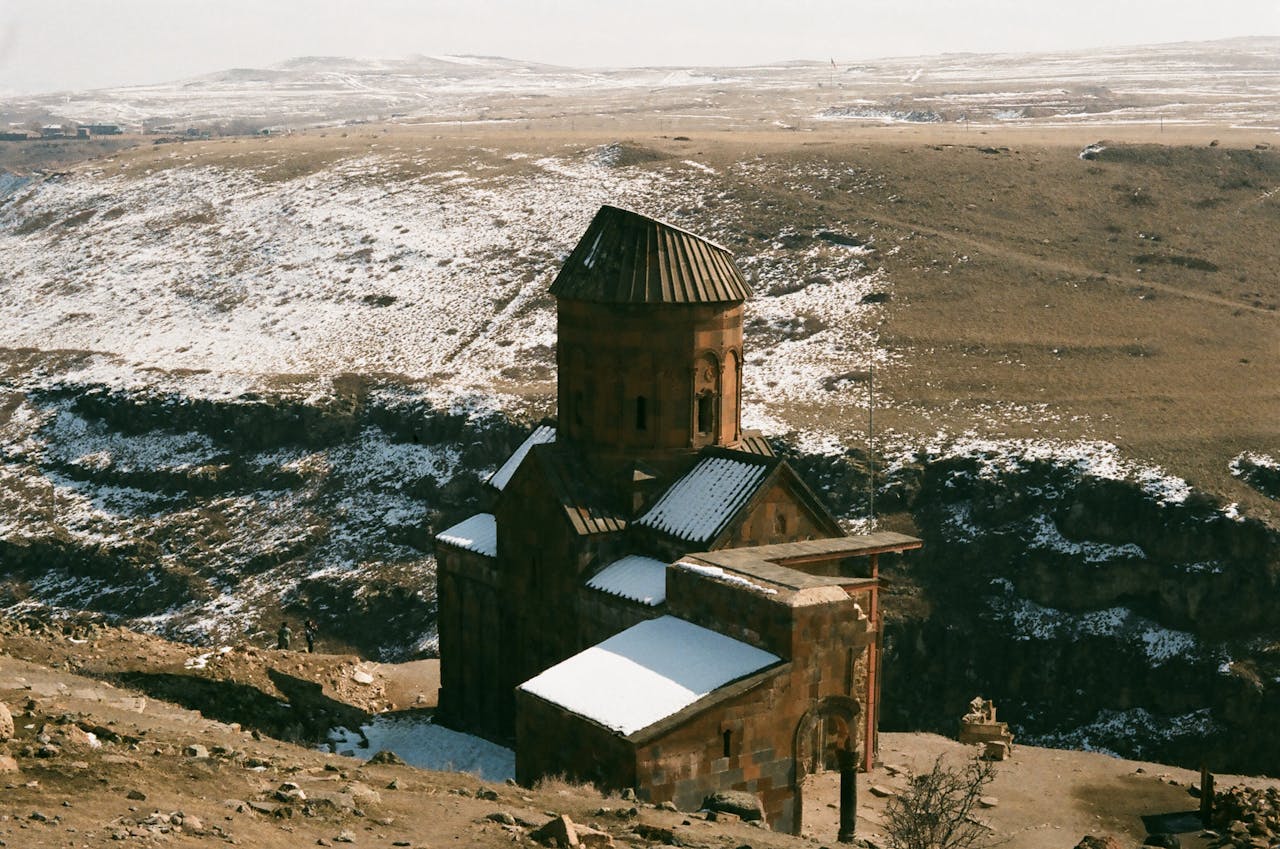
The medieval city of Ani, famously called the “City of 1001 Churches,” is a striking landscape of stone ruins along the Turkish-Armenian border. Centuries of earthquakes and weathering have left many structures unstable, leading authorities to restrict access to fragile areas. These measures prevent accidents and allow historians and archaeologists to study the architecture safely. Visitors can explore the more stable sections, experiencing the city’s rich medieval heritage while appreciating the importance of careful preservation and controlled access to protect Ani’s historical and cultural legacy.
11. Tiahuanaco, Bolivia
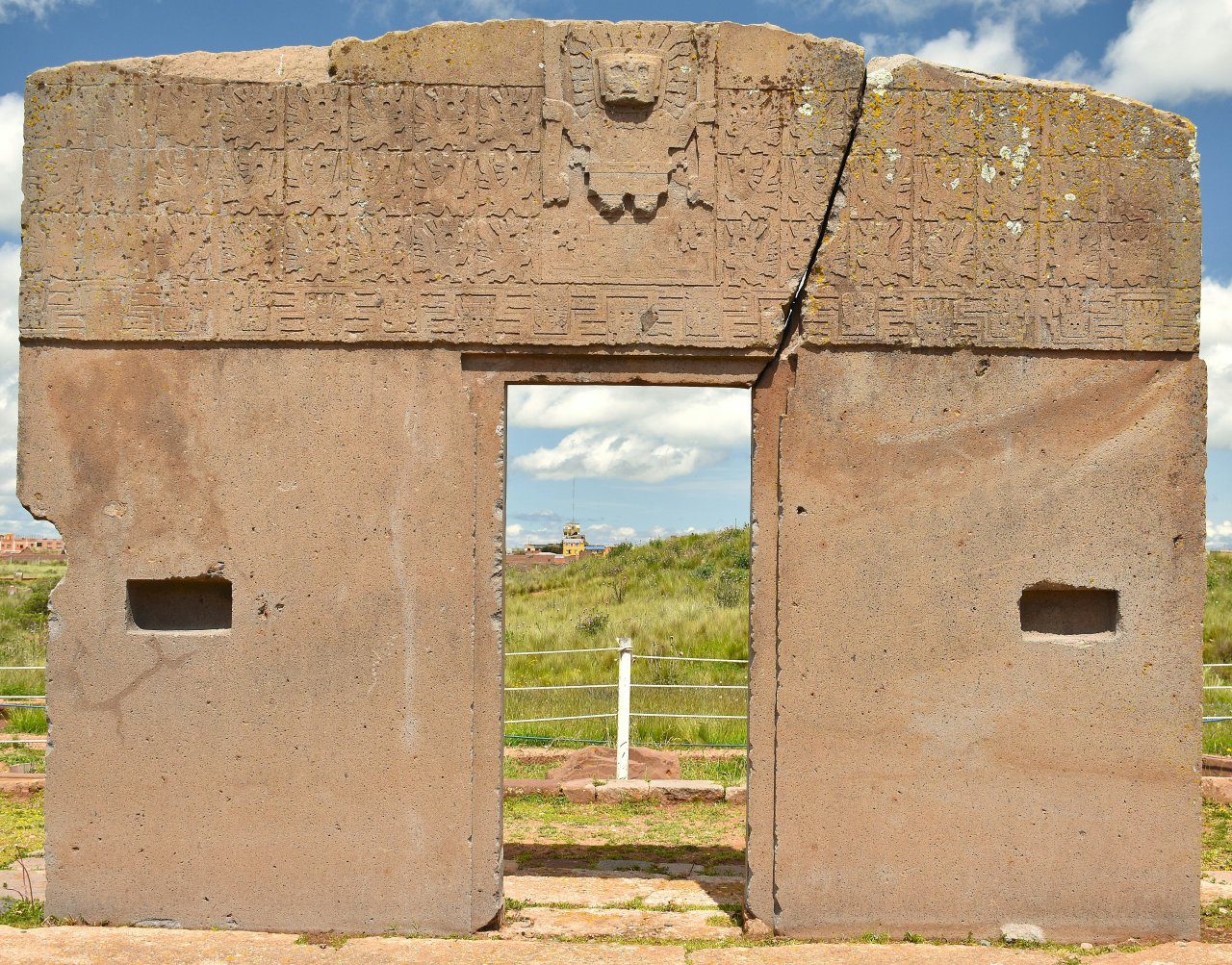
Tiahuanaco, located near Lake Titicaca, is a pre-Inca city celebrated for its monumental stone architecture and intricately designed ceremonial spaces. Certain sacred platforms and massive monolithic sculptures are restricted to protect them from erosion, vandalism, and environmental damage. Visitors can explore designated areas while ensuring that fragile construction techniques remain intact. This careful balance between access and preservation allows people to experience the historical and cultural significance of Tiahuanaco while safeguarding its most delicate and important elements for the appreciation of future generations.
12. Stone Spheres of Diquís, Costa Rica
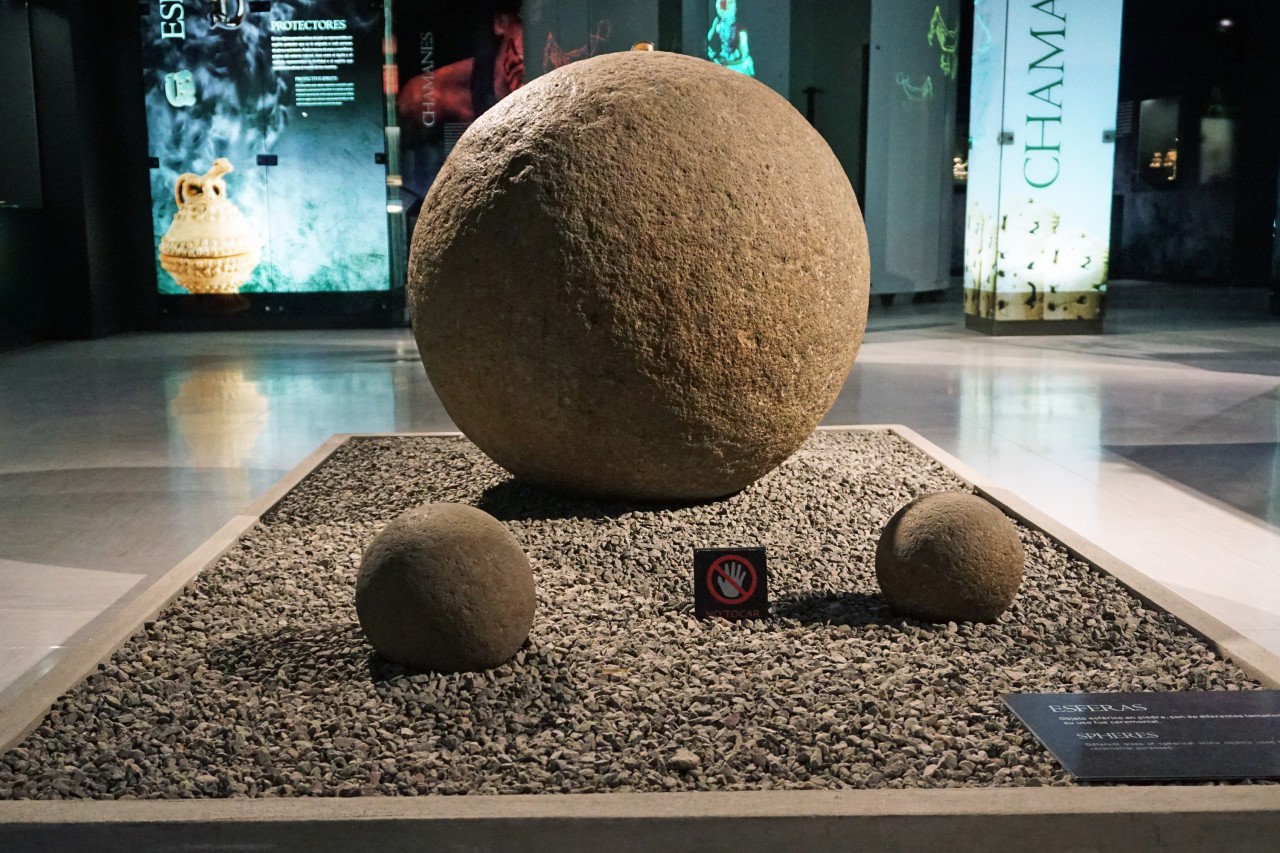
The Diquís stone spheres are remarkable pre-Columbian artifacts, some reaching nearly three meters in diameter and displaying near-perfect spherical shapes. Found within ceremonial and settlement sites, many of these spheres are restricted to protect them from looting, erosion, and other damage. Controlled access allows researchers to study their placement, craftsmanship, and cultural significance while preserving the surrounding context. These enigmatic spheres highlight the advanced skills of pre-Columbian societies and underscore the importance of careful preservation to ensure that these fragile archaeological treasures endure for future generations.
13. Machu Picchu, Peru

Machu Picchu, perched high in the Andes, is a world-renowned Inca citadel famed for its terraces, temples, and intricate stonework. While much of the site is open to visitors, sensitive areas, including sacred temples, caves, and burial sites, are restricted or require special permits to prevent damage. These measures reduce erosion, protect fragile stonework, and preserve the site’s delicate structures. Trails are carefully monitored, and visitor numbers are strictly regulated. Thoughtful management ensures that travellers can experience Machu Picchu’s breathtaking beauty while safeguarding its historical and cultural legacy for future generations.