

Suburban homes once sold on size, novelty, and visual impact alone. In 2026, American families are approaching home features with a more practical lens. Rising costs, emotional burnout, and long term maintenance concerns have shifted priorities. Families are paying attention to how homes actually function day to day, not just how they photograph. Features that once felt aspirational are now seen as stressful, inefficient, or unnecessary. These avoided features reveal how family values have evolved toward simplicity, flexibility, and emotional sustainability rather than excess.
Oversized Open Floor Plans
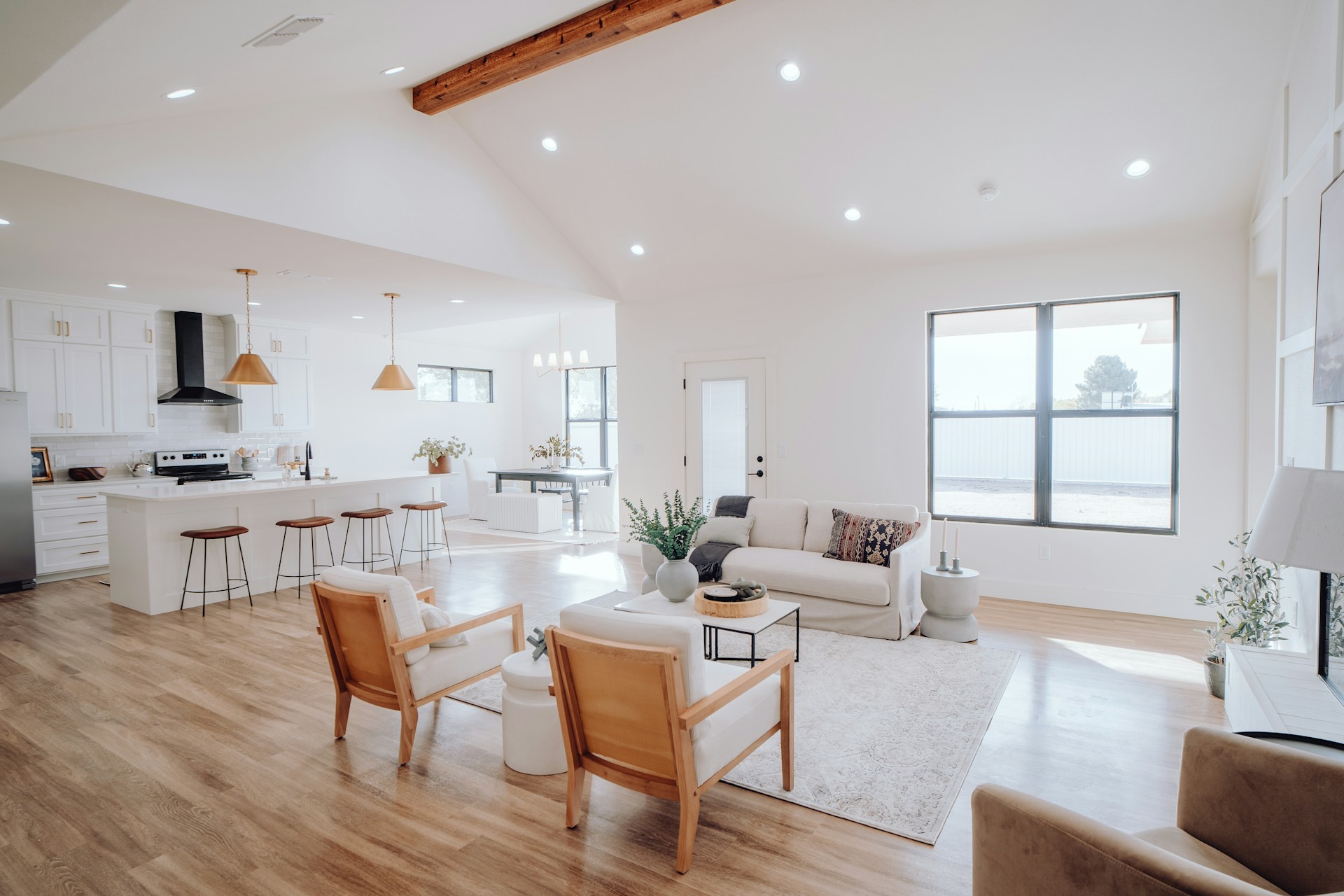
Large open floor plans were once marketed as ideal for family living, but many families now find them overwhelming. Noise travels easily, privacy is limited, and temperature control becomes difficult. Parents struggle to balance shared space with quiet needs, especially with remote work and study. Cleaning larger uninterrupted areas adds stress rather than ease. Families are realizing that defined rooms support calmer routines. Separation creates flexibility. What once felt modern now often feels impractical for daily family life.
Formal Dining Rooms Used Sparingly
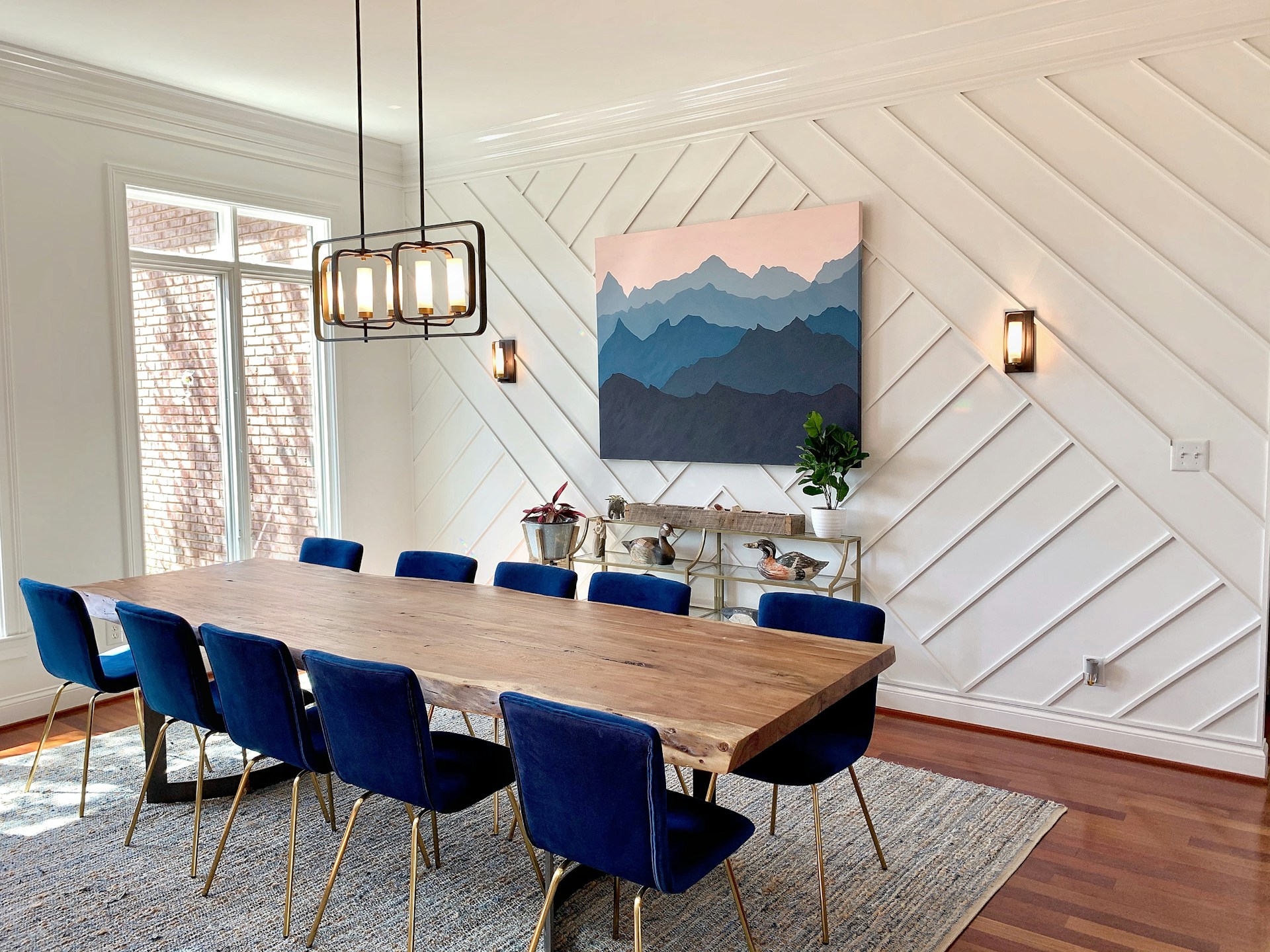
Dedicated dining rooms that sit unused most of the year are losing appeal. Families prefer spaces that support everyday life rather than occasional performance. Formal rooms require upkeep without offering regular value. Many households eat casually or in multipurpose spaces. The expectation to maintain a rarely used room feels wasteful. Families are choosing layouts that adapt to changing needs. Flexibility now matters more than tradition driven design.
Luxury Kitchens With High Maintenance Finishes
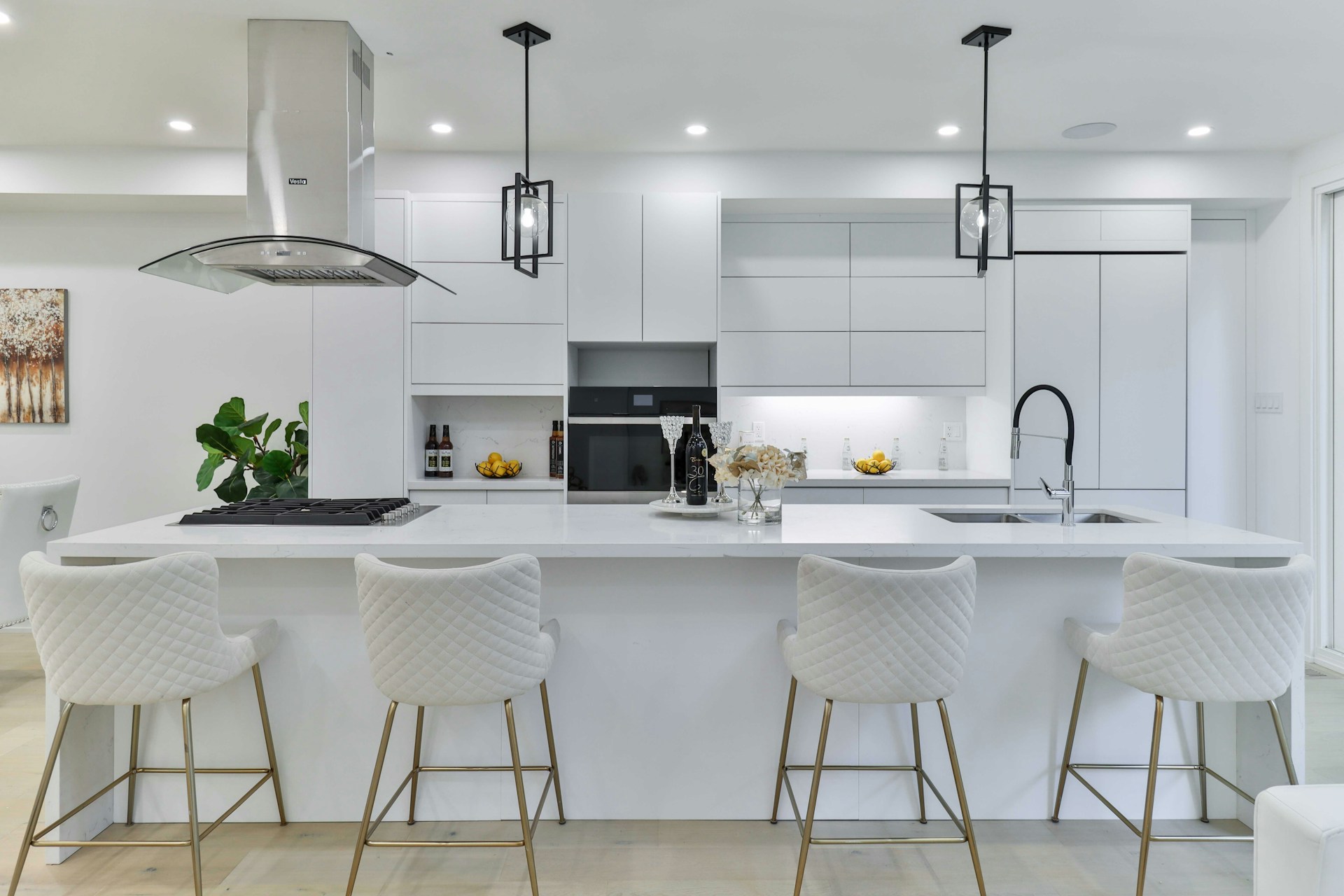
High gloss cabinets, delicate countertops, and statement appliances look impressive but demand constant care. Families are becoming wary of surfaces that stain easily or show wear quickly. Daily use exposes how fragile luxury finishes can be. Instead of enjoyment, these kitchens create anxiety. Parents want spaces that tolerate spills, mess, and heavy use. Durability has become more desirable than visual perfection. A kitchen that supports real life now outranks one built for display.
Large Lawns That Need Constant Upkeep

Expansive lawns once symbolized suburban success, but families are questioning their value. Maintaining grass requires time, money, and effort that many households no longer want to give. Water usage, mowing, and landscaping add ongoing costs. Families prefer smaller yards or shared green spaces that reduce responsibility. Outdoor areas are still valued, but low maintenance designs feel more sustainable. The appeal of large lawns is fading as priorities shift.
Bonus Rooms Without a Clear Purpose
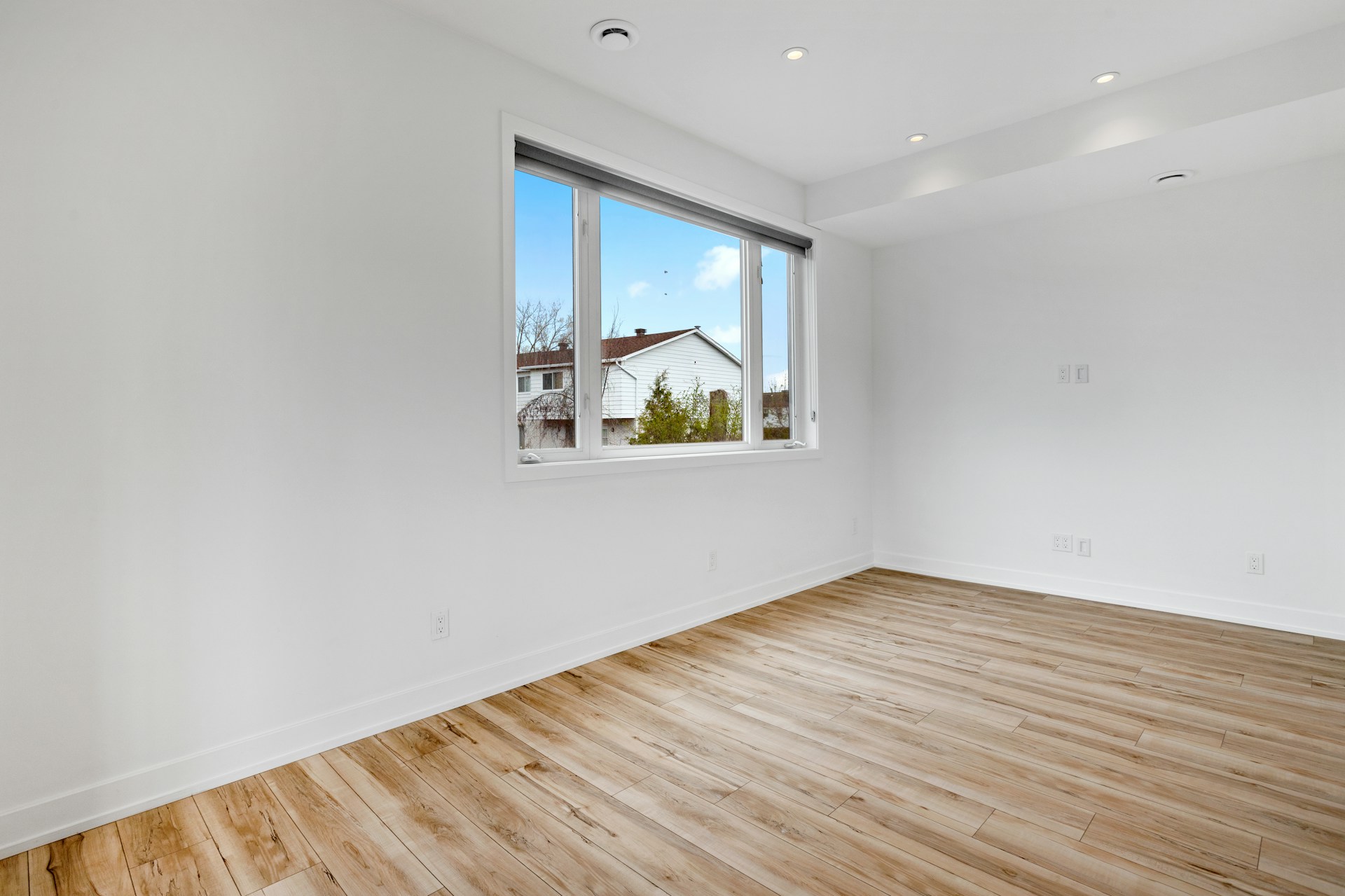
Extra rooms marketed as bonus spaces often become clutter zones rather than useful areas. Families are realizing that undefined space can create more stress than flexibility. Without intention, these rooms collect unused items and unfinished projects. Maintenance adds mental load. Families prefer rooms with clear functions that can evolve gradually. Purpose driven design supports organization and peace. Empty potential no longer feels like a benefit.
Complex Smart Home Systems

While technology promises convenience, complex smart home systems often create frustration. Families struggle with unreliable connections, constant updates, and steep learning curves. When systems fail, basic functions become inaccessible. Instead of simplifying life, over automation adds dependency and stress. Families are choosing simpler, reliable solutions. Technology that fades into the background is preferred over systems that demand attention. Control now outweighs novelty.
Two Story Foyers

Grand two story foyers once symbolized luxury, but families now see them as inefficient. These spaces are difficult to heat and cool and offer no functional use beyond visual impact. Sound echoes easily, and cleaning becomes complicated. Families prefer usable square footage rather than dramatic entrances. Vertical space that cannot be lived in feels like wasted potential. Homes that prioritize practical flow over architectural drama are increasingly favored for everyday comfort.
Carpeted Living Areas
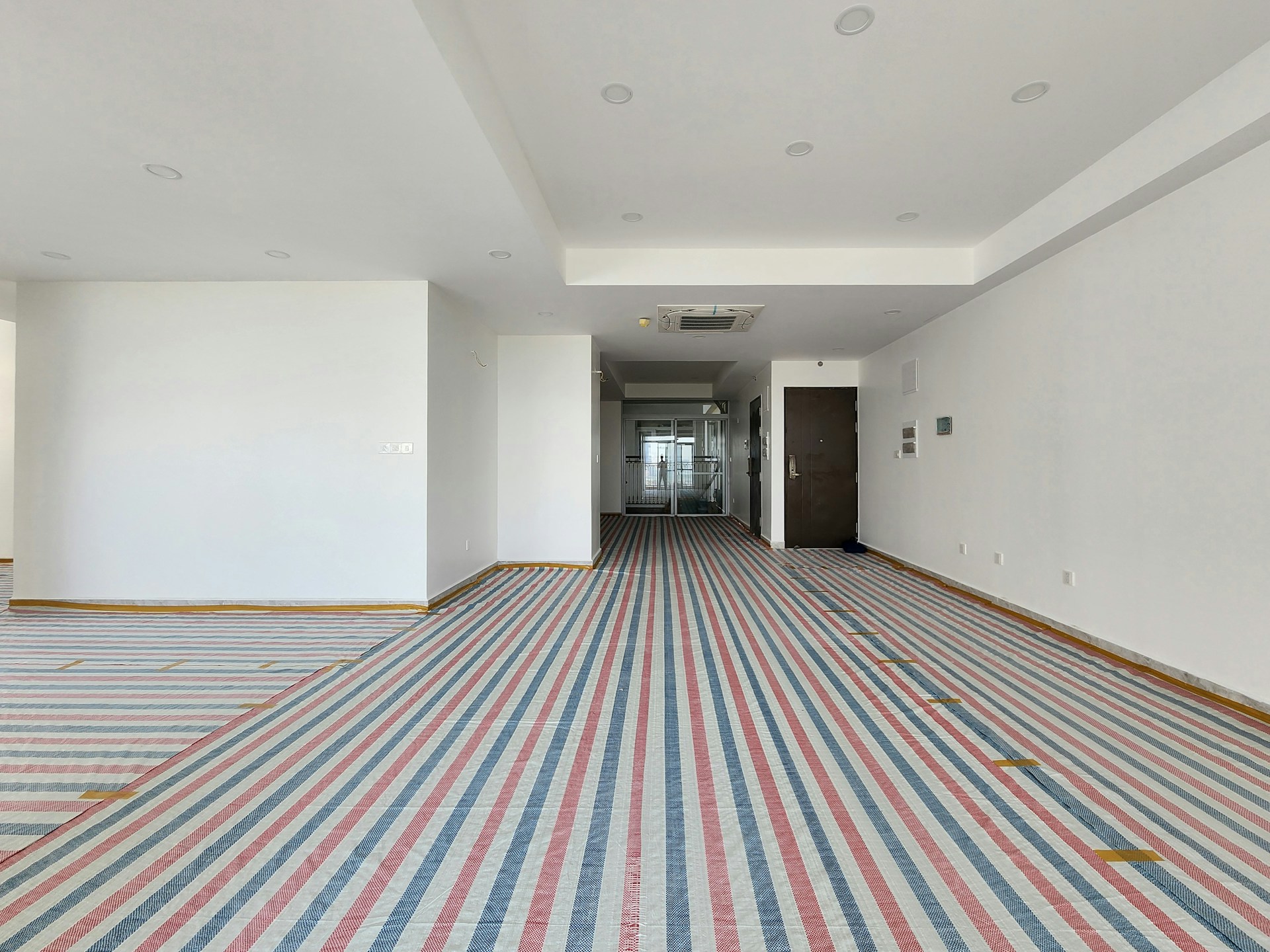
Wall to wall carpeting in main living spaces is falling out of favor among families. Spills, allergens, and wear accumulate quickly, especially with children and pets. Deep cleaning is costly and time consuming. Families prefer hard flooring that is easier to maintain and clean. The desire for healthier, low maintenance interiors is driving this shift. Comfort is now defined by cleanliness and durability rather than softness alone.
Home Offices Isolated From Family Life
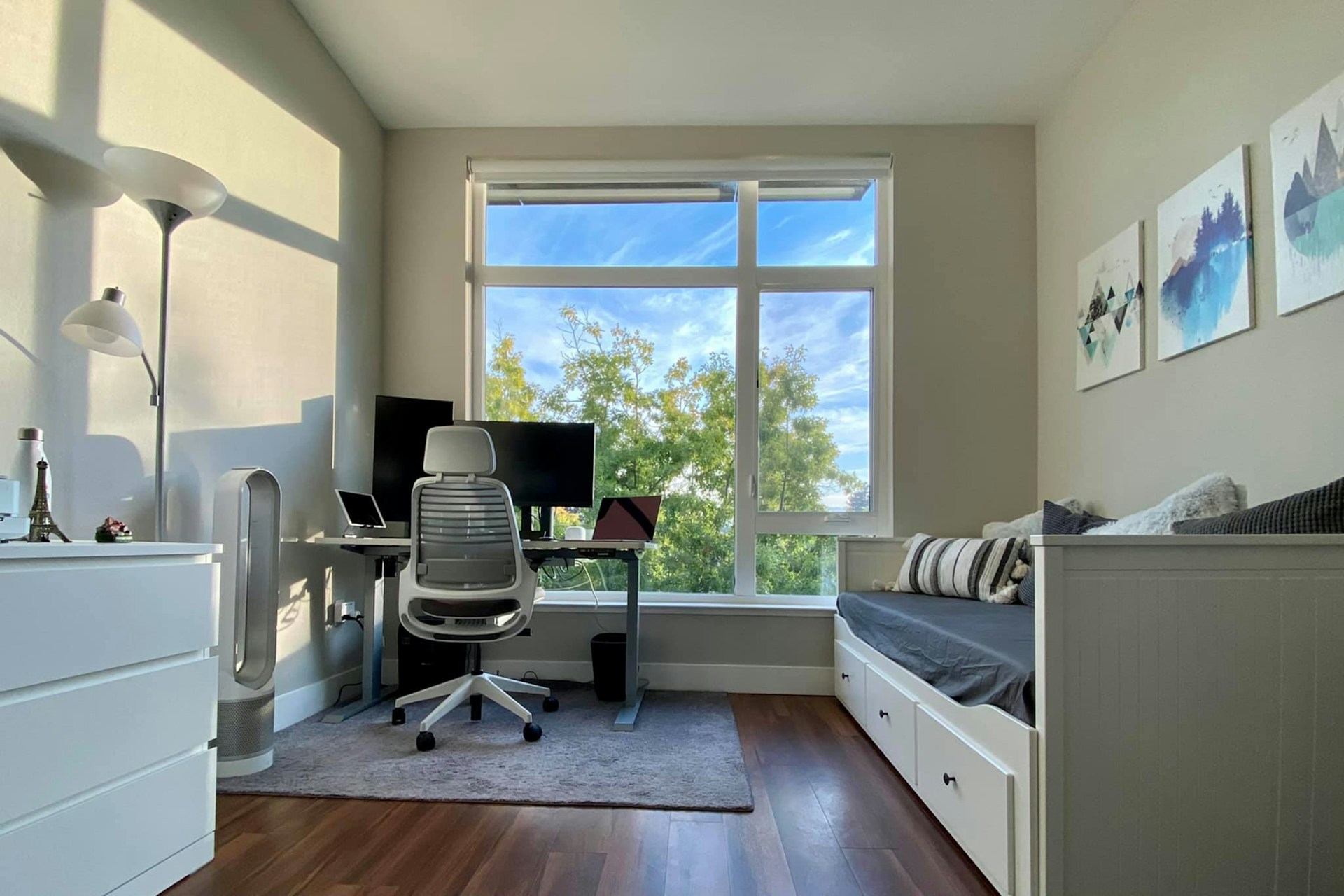
Dedicated offices tucked far from common areas often create tension rather than focus. Parents working remotely want awareness without isolation. Completely closed off spaces make balancing work and family harder. Flexible zones near shared areas feel more realistic. Families are choosing layouts that allow presence without distraction. Integration now matters more than separation in work from home design.
Oversized Primary Bathrooms (With Excess Fixtures)
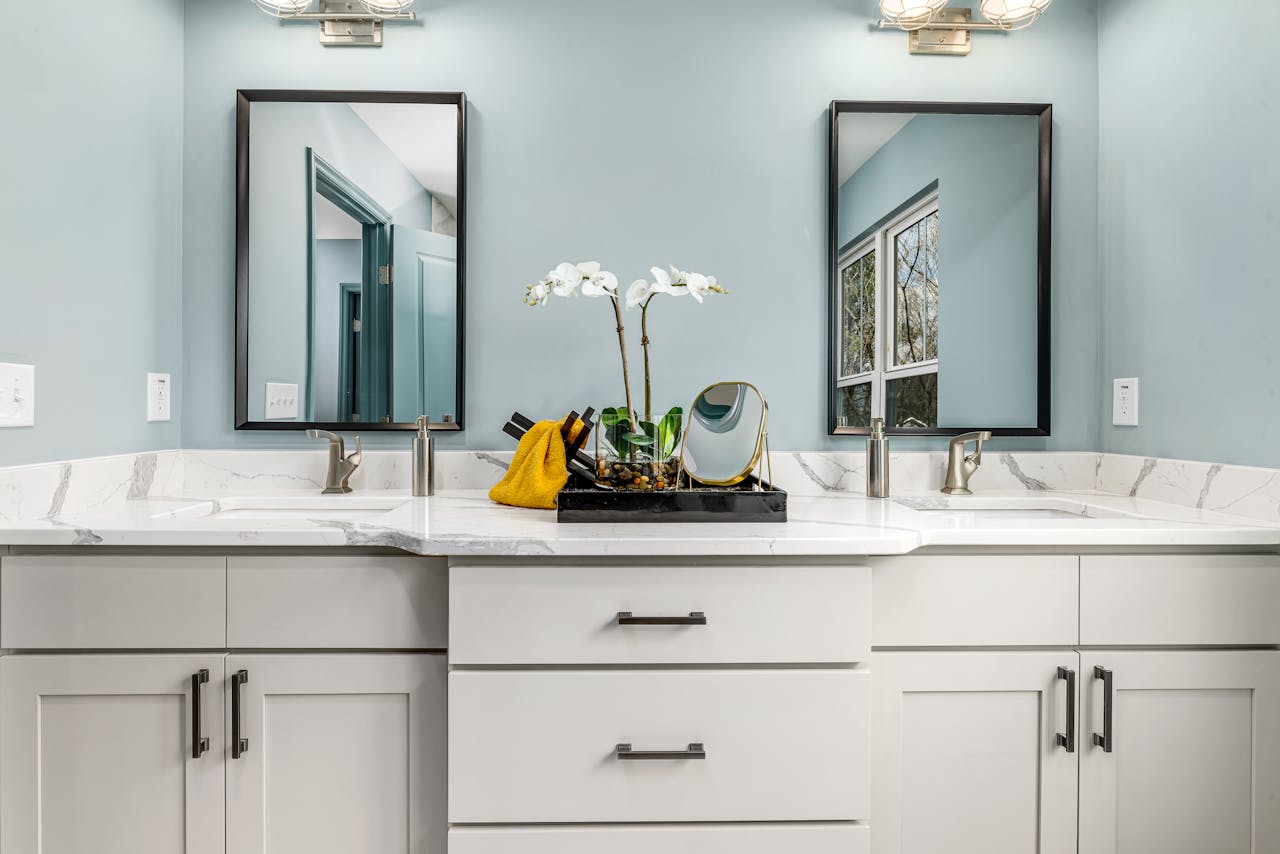
Large bathrooms filled with rarely used tubs and fixtures are being reconsidered. Cleaning, maintenance, and water use add burden without daily benefit. Families want bathrooms that function efficiently during busy mornings. Practical layouts that support multiple users matter more than spa aesthetics. The appeal of excess has given way to simplicity and reliability. Daily usability now drives bathroom design choices.
Built-In Entertainment Centers
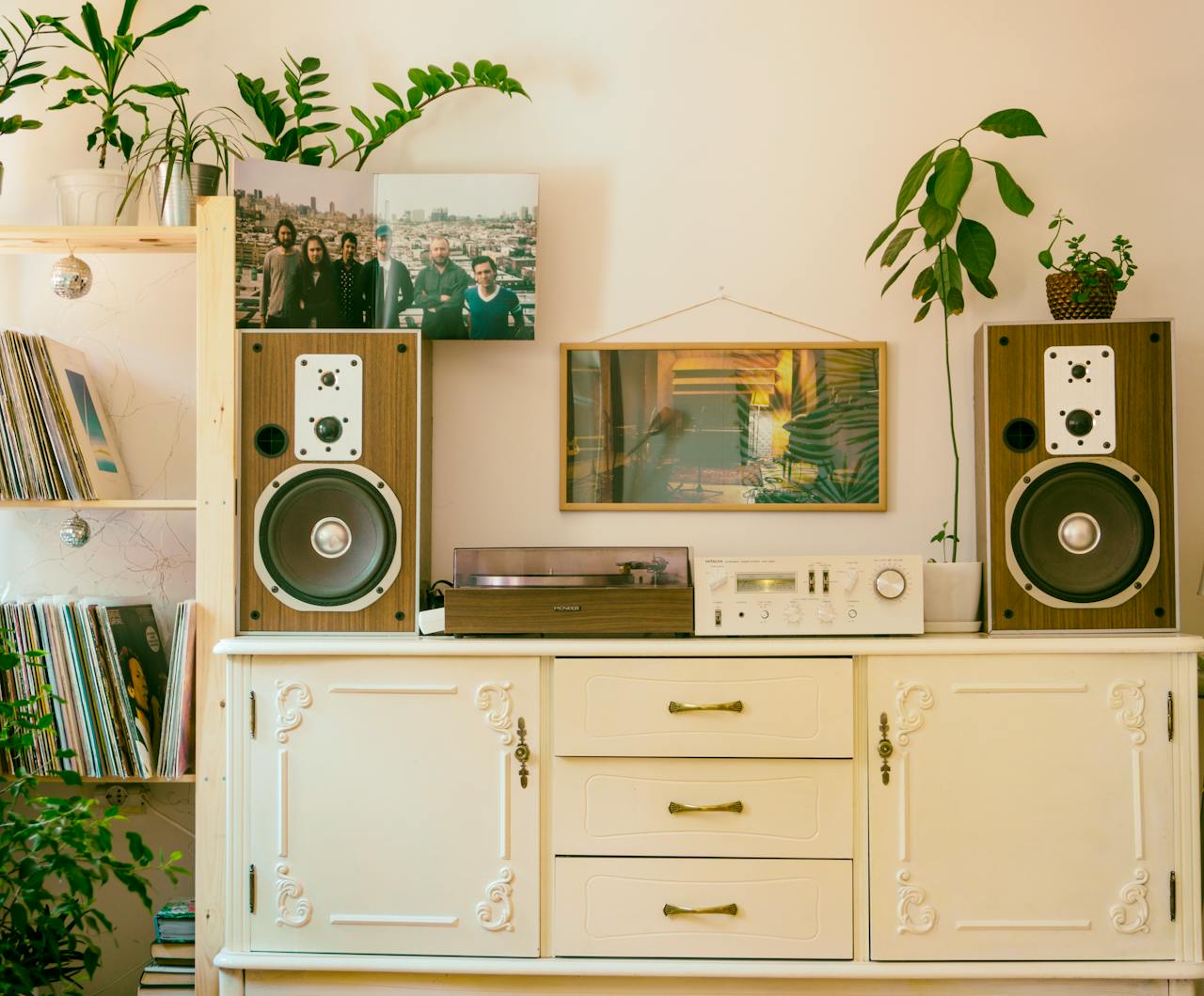
Permanent entertainment units designed for specific electronics quickly become outdated. Changing screen sizes and technology make built ins feel restrictive. Families prefer flexible furniture that adapts over time. Fixed designs limit rearrangement and future use. The desire for adaptable living spaces is outweighing custom installations. Homes that allow easy evolution are valued more than static showcases.
Heavily Themed Children’s Bedrooms
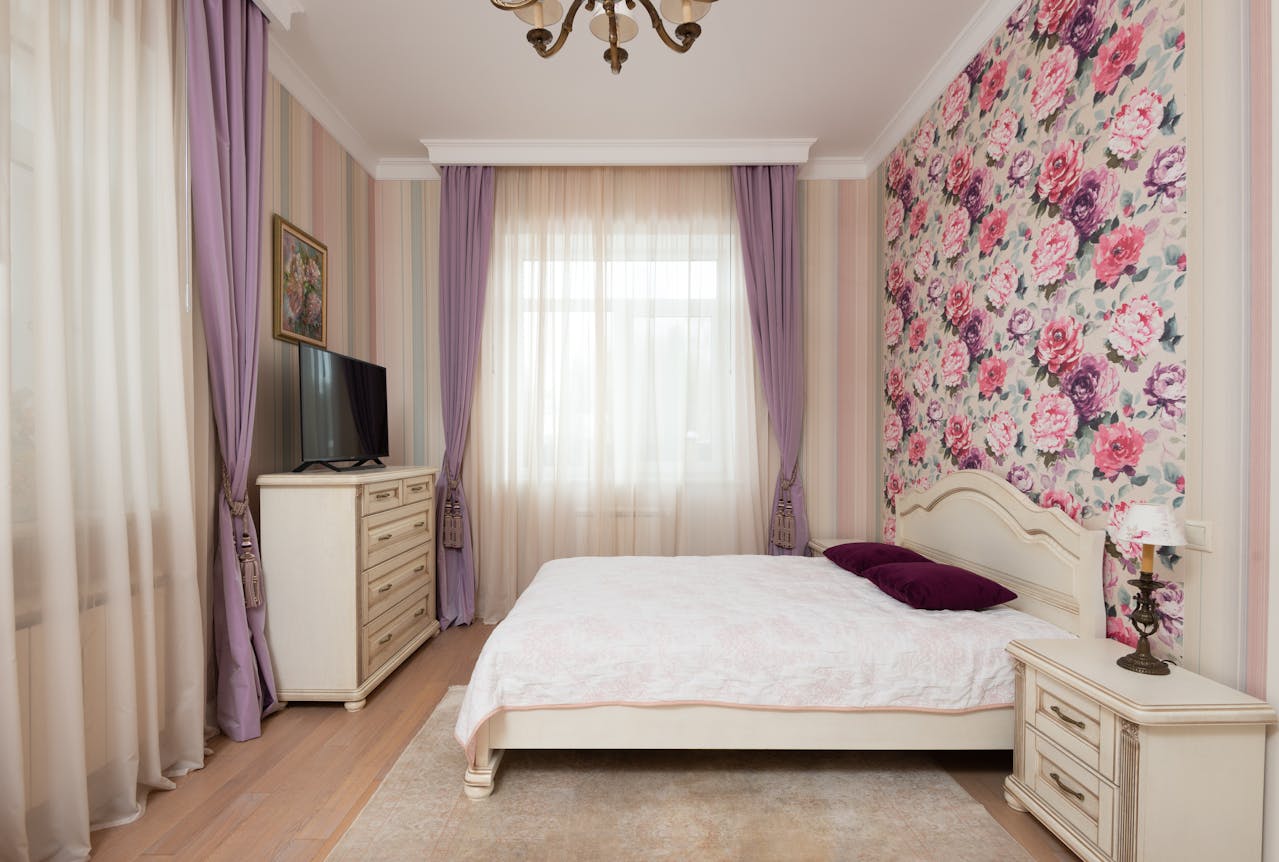
Rooms built around specific characters or themes lose relevance quickly as children grow. Families are avoiding designs that require frequent redesign. Neutral, adaptable spaces support changing interests without constant expense. Overly themed rooms create pressure to update. Families prefer flexibility and longevity. This shift reflects a move toward sustainability and reduced emotional load in home design.
Landscaping That Needs Professional Care
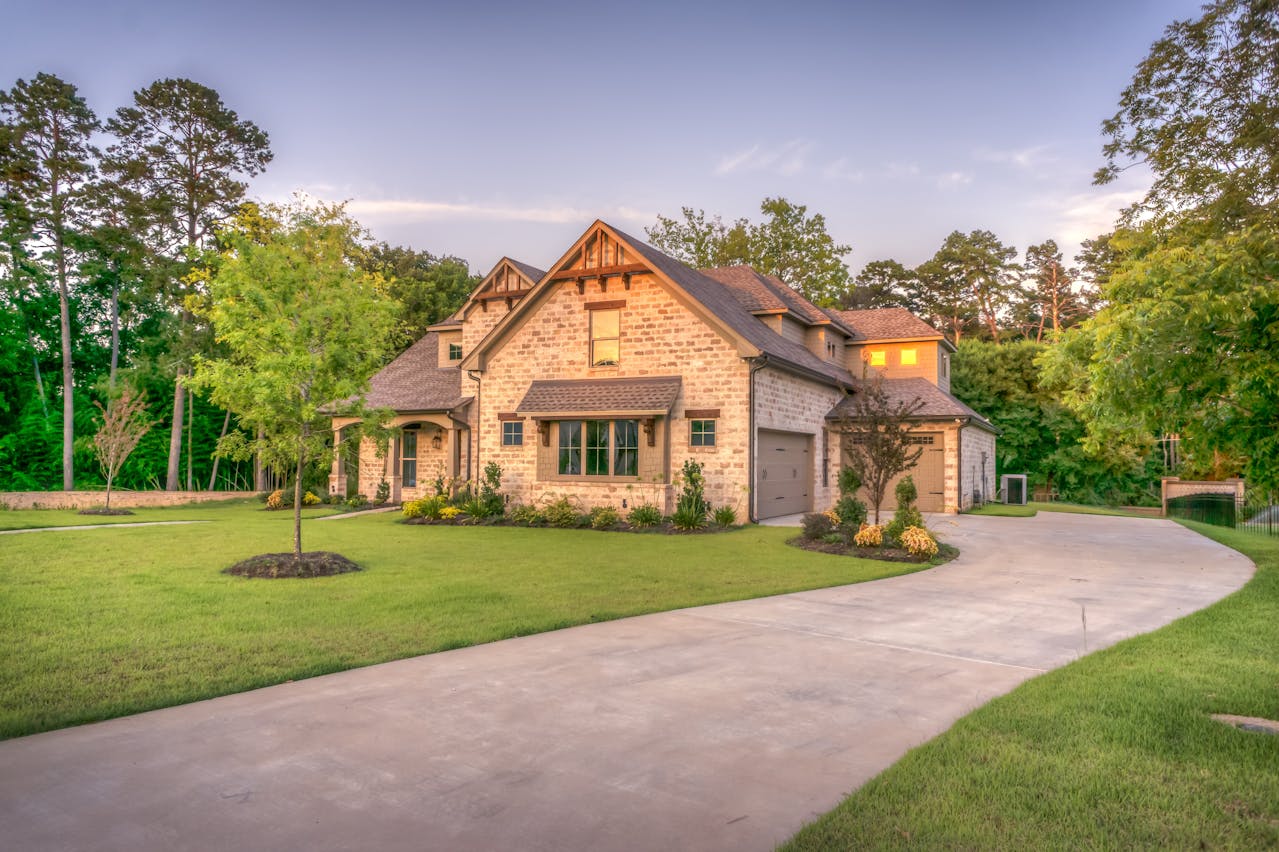
Landscaping that demands regular professional care is becoming less appealing. Families want outdoor spaces they can manage themselves. Complex designs add recurring costs and scheduling stress. Simpler plantings and natural layouts feel more attainable. Outdoor areas should support relaxation, not obligation. Ease of care has become a deciding factor in home selection.
The home features families are avoiding in 2026 reveal a deeper shift in values. Practicality, emotional ease, and long term livability now matter more than status or spectacle. Families are choosing homes that support daily rhythms rather than impress visitors. This evolution reflects maturity rather than compromise. By letting go of unnecessary features, families are shaping spaces that truly work for how they live today.