

The night sky is full of wonders that go far beyond ordinary stargazing. While most people notice the moon, planets, and occasional shooting stars, the universe is brimming with rare and unusual celestial events. From faint glows on the moon to comets interacting with the solar wind, these phenomena reveal the hidden choreography of space. Observing them connects us to the vastness of the cosmos, offering both scientific insight and a sense of awe that makes every glance upward unforgettable.
1. Earthshine
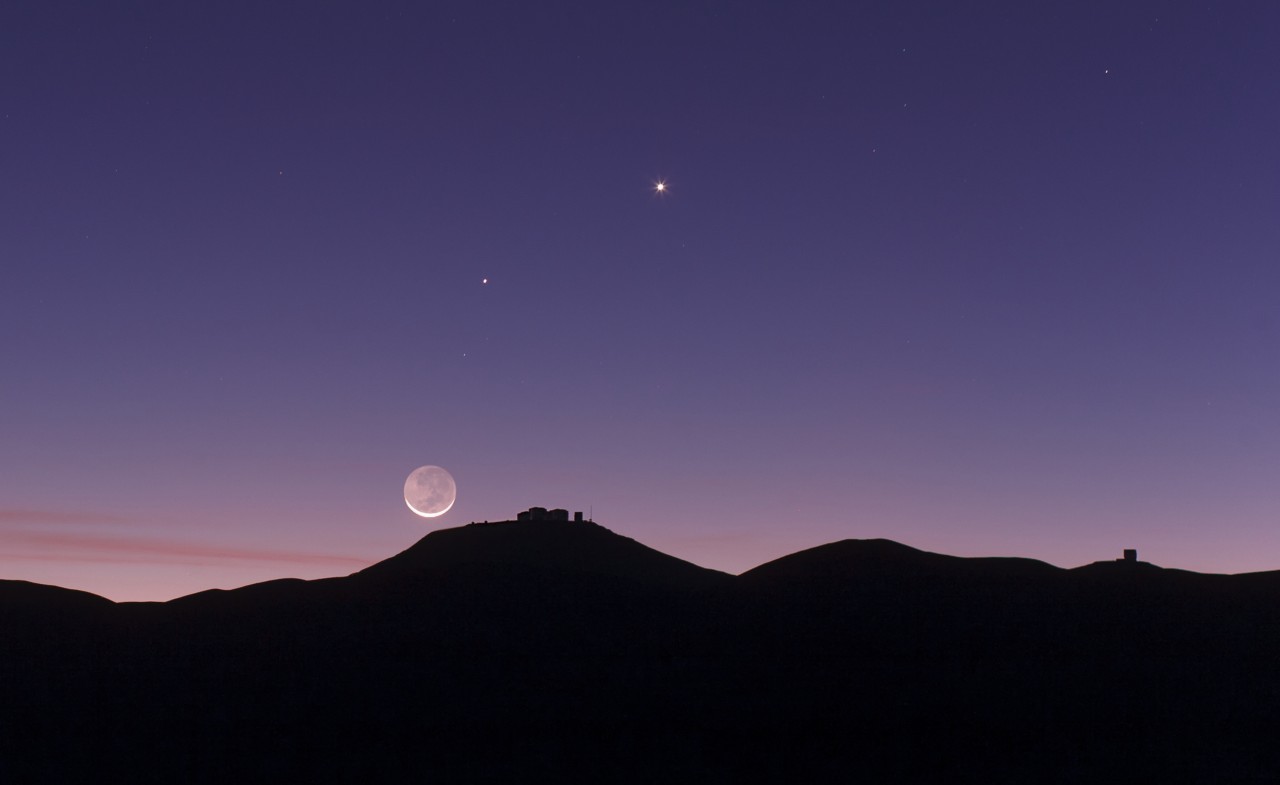
Earthshine is a subtle yet mesmerizing phenomenon that often goes unnoticed by casual stargazers. It occurs when sunlight reflects off the Earth and illuminates the dark side of the crescent moon, creating a soft, ghostly glow. This effect is strongest during a thin crescent phase and can appear almost magical to those who take the time to observe it. Earthshine offers a tangible reminder of our planet’s brightness and reflective qualities in the cosmic landscape, connecting us visually to the vastness of space. Observers are encouraged to watch in a clear, dark sky for maximum effect.
2. Blue Moon
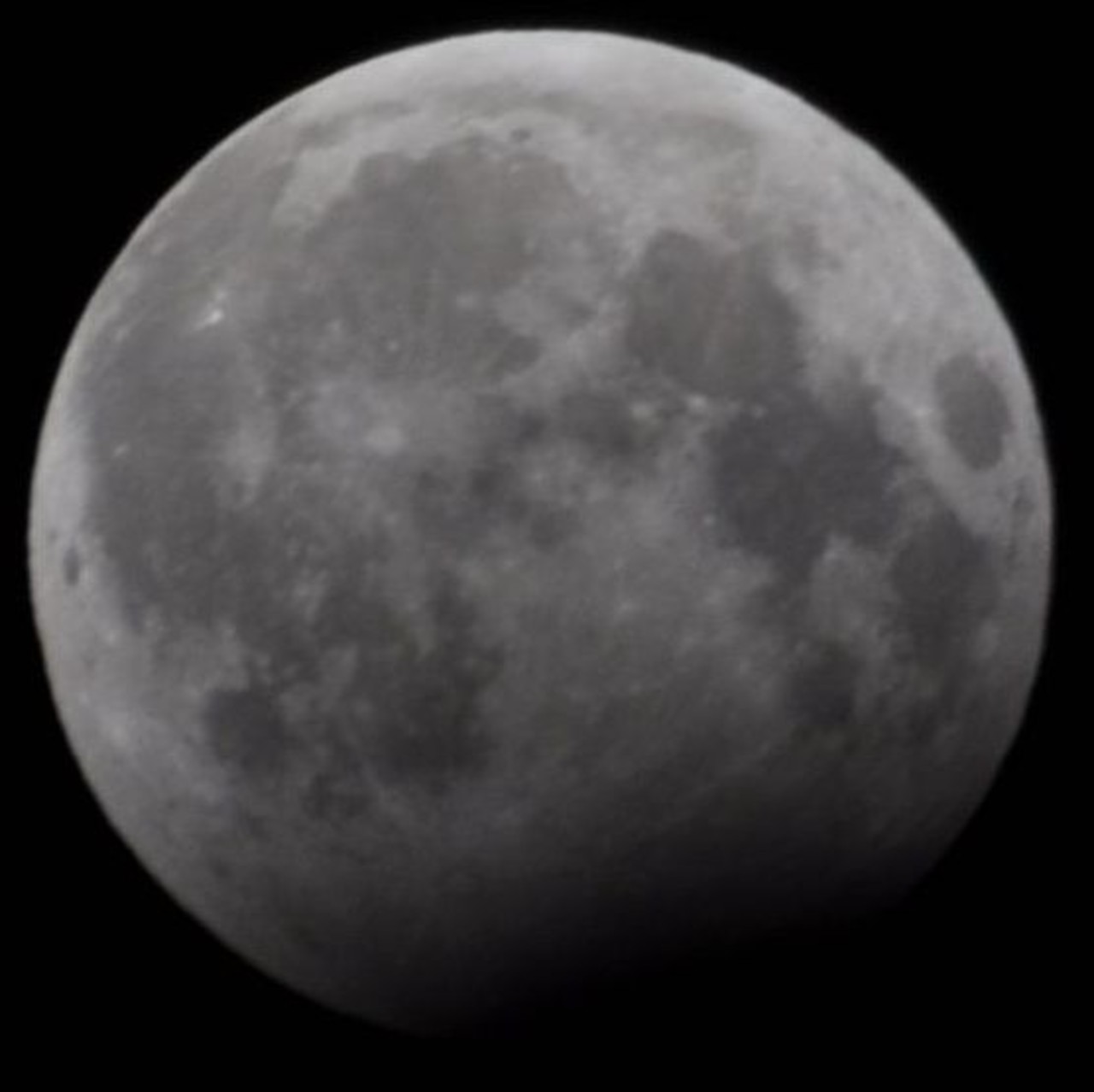
A blue moon is not actually blue, but it is a rare event that has captured human imagination for centuries. It occurs when a second full moon appears within a single calendar month. The rarity of this timing, roughly every two to three years, has made “once in a blue moon” a common phrase to describe unusual events. Astronomers celebrate these occurrences because they allow for additional observation and photography opportunities in a single month. While visually similar to any other full moon, its timing gives skywatchers a sense of cosmic rarity and celestial rhythm.
3. Blood Moon
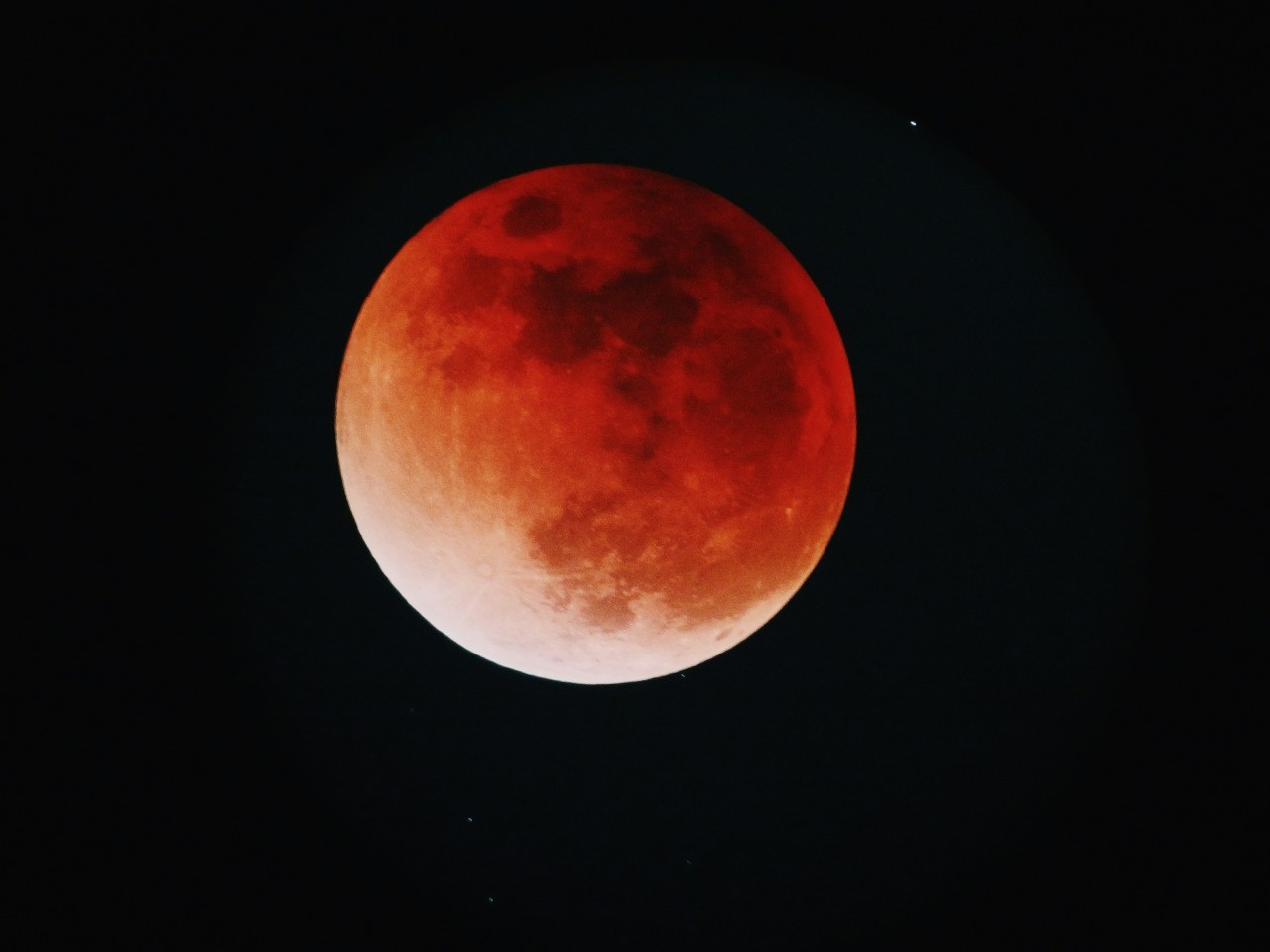
The blood moon is a total lunar eclipse that bathes the moon in a striking reddish hue. This dramatic effect happens because the Earth’s atmosphere scatters shorter blue wavelengths of sunlight while allowing red light to bend and illuminate the lunar surface. Cultural and historical significance has often been attached to blood moons, though scientifically, it is a predictable celestial event. Watching a blood moon can be awe-inspiring, highlighting the dynamic interactions between the Sun, Earth, and Moon. The event emphasizes the universe’s subtle beauty and the intricate mechanics of orbital movements.
4. Fireball Meteor
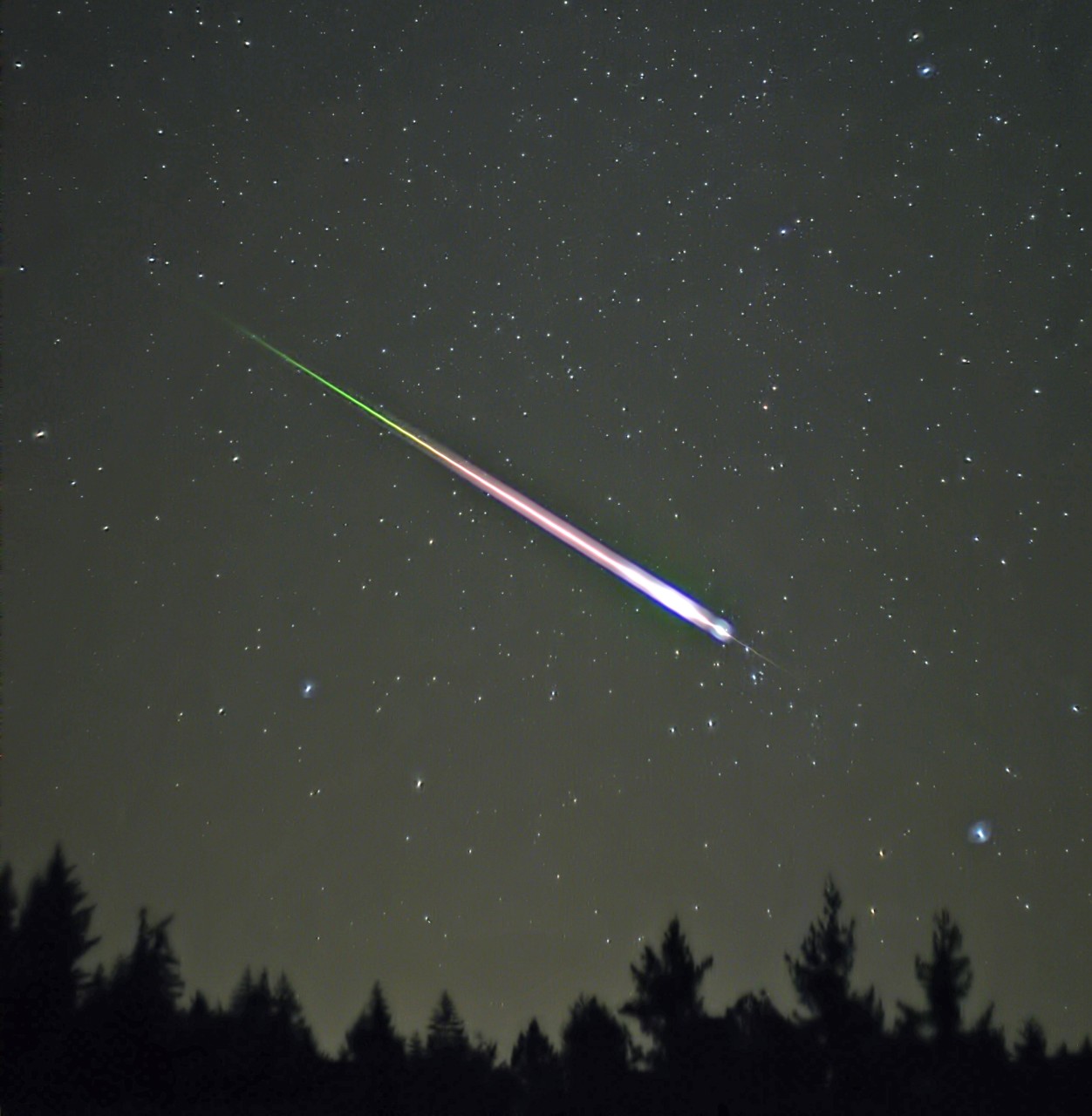
Fireball meteors are exceptionally bright meteors that can outshine even Venus as they streak across the sky. Unlike regular shooting stars, fireballs are produced by larger space debris burning in the atmosphere. They often leave glowing trails, and in rare cases, fragments may reach the ground as meteorites. Observing a fireball can be thrilling, offering a fleeting glimpse of interplanetary matter interacting with Earth. Meteor showers and solitary fireballs remind us of the constant, dynamic activity in our solar system and the connection between celestial events and human curiosity.
5. Planetary Conjunction
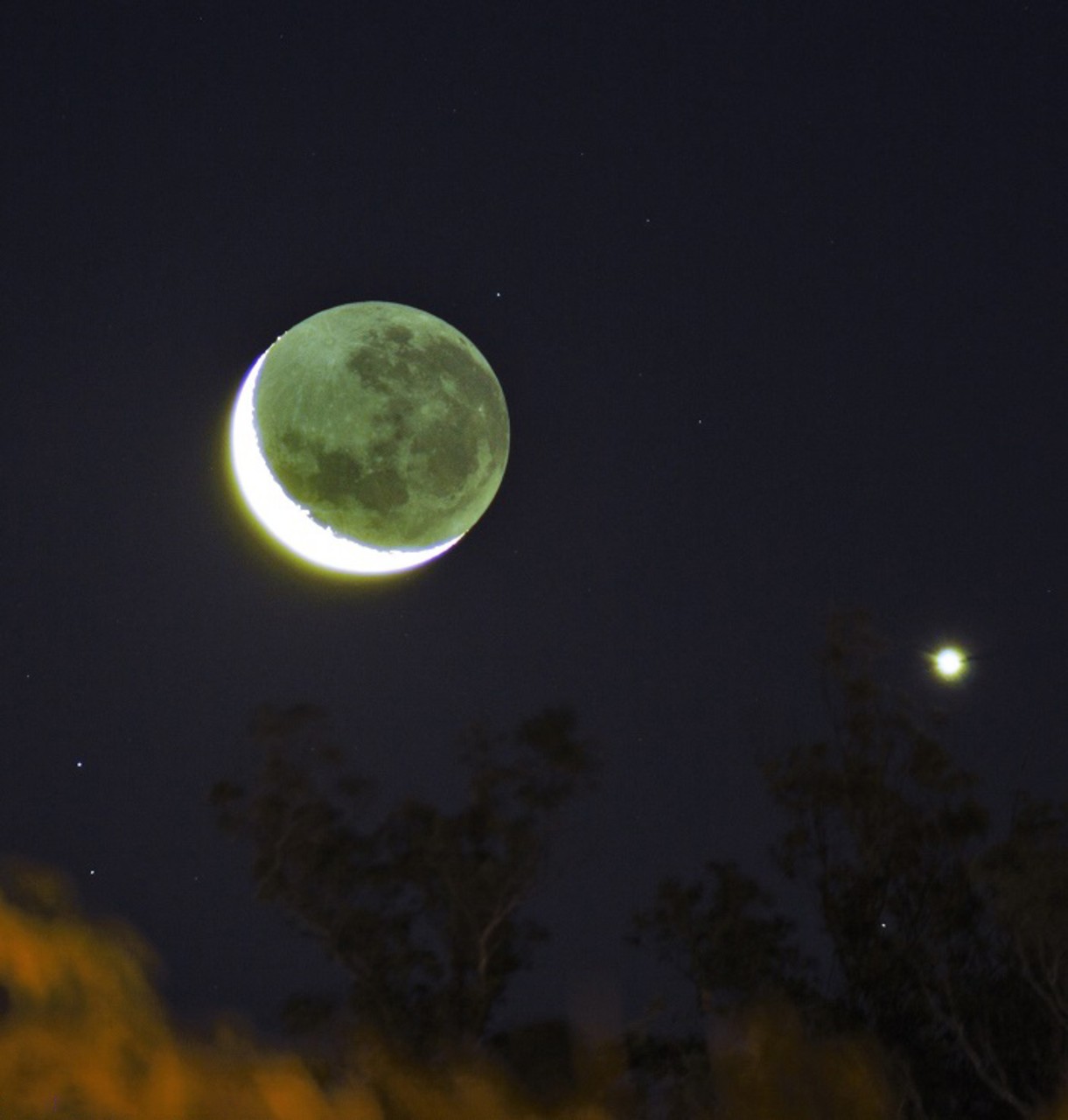
A planetary conjunction occurs when two or more planets appear very close together in the night sky from Earth’s perspective. These alignments are not physically close in space but create spectacular visual events for observers. Conjunctions can involve bright planets like Venus, Jupiter, or Mars, and are celebrated for their photographic and observational opportunities. They illustrate the precise orbital mechanics of our solar system and provide a chance for amateur astronomers to track celestial motion. Planetary conjunctions remind us of the harmony and predictability underlying the apparent chaos of the night sky.
6. Supermoon
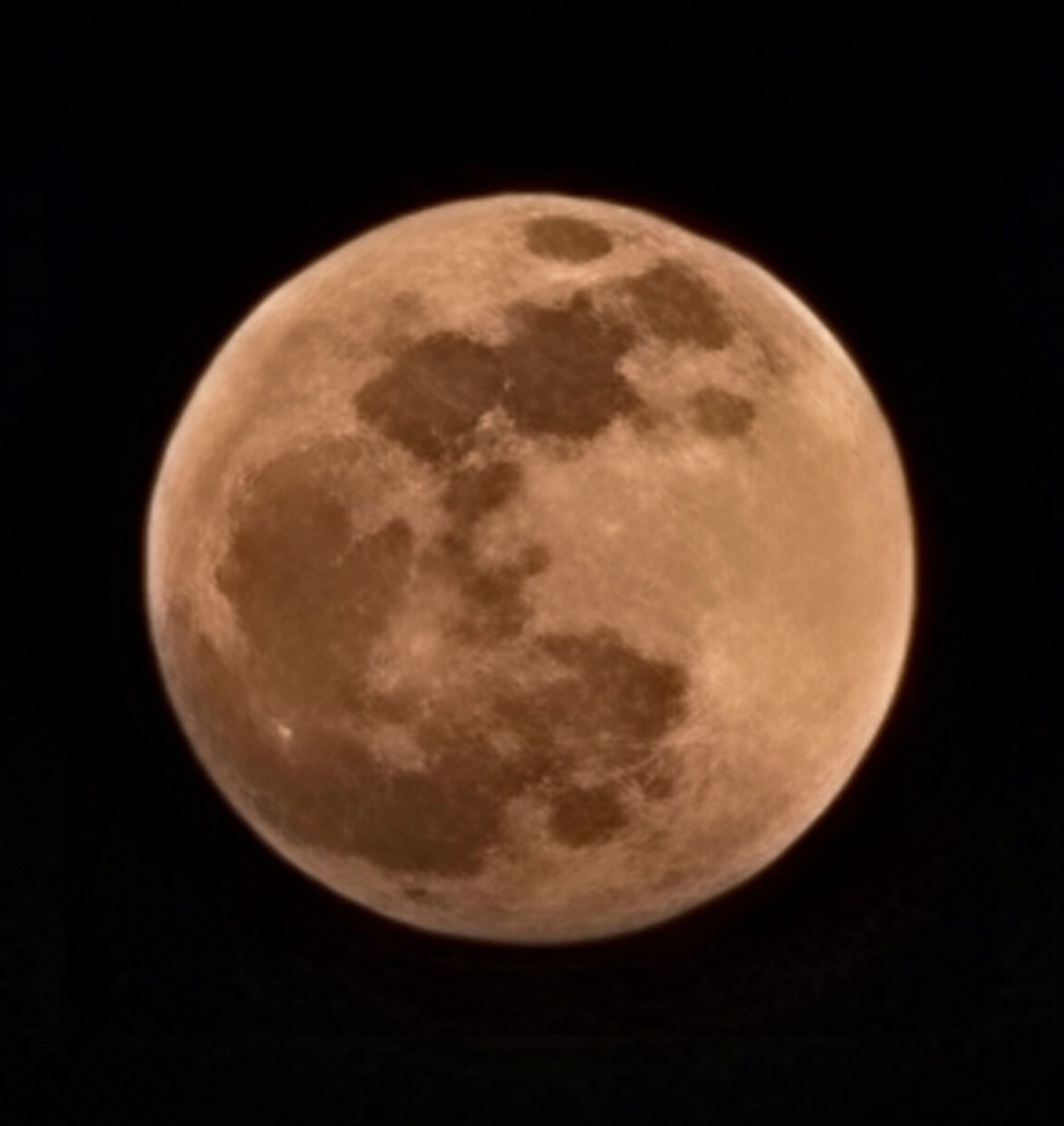
A supermoon occurs when a full or new moon coincides with the moon’s closest approach to Earth, making it appear larger and brighter than usual. This proximity intensifies the moon’s glow and enhances its visual impact on the landscape below. Supermoons can affect tides slightly, and their dramatic appearance makes them favorites for photographers and stargazers alike. Experiencing a supermoon connects observers to the rhythms of celestial motion, providing a tangible sense of scale and distance in our solar system. These events blend science with visual wonder, turning ordinary nights into memorable experiences.
7. Earth Grazing Meteor
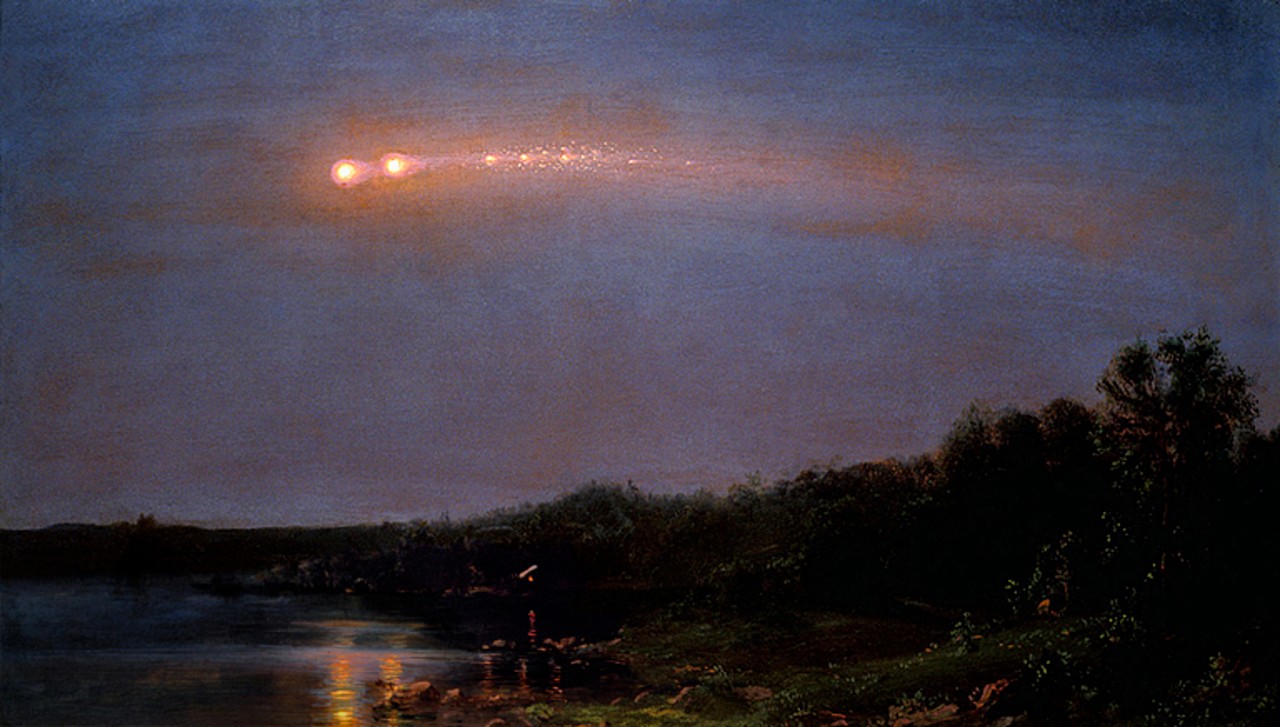
Earth grazing meteors are rare events where a meteor enters the atmosphere at a shallow angle and skims the planet before continuing into space. These meteors can travel hundreds of kilometers along the horizon and often appear to linger longer than typical shooting stars. Their unusual trajectory allows observers to study the physics of atmospheric entry and meteor composition. Watching an earth-grazing meteor is a once-in-a-lifetime experience for many skywatchers, demonstrating the diverse behaviors of cosmic objects interacting with our planet.
8. Zodiacal Light
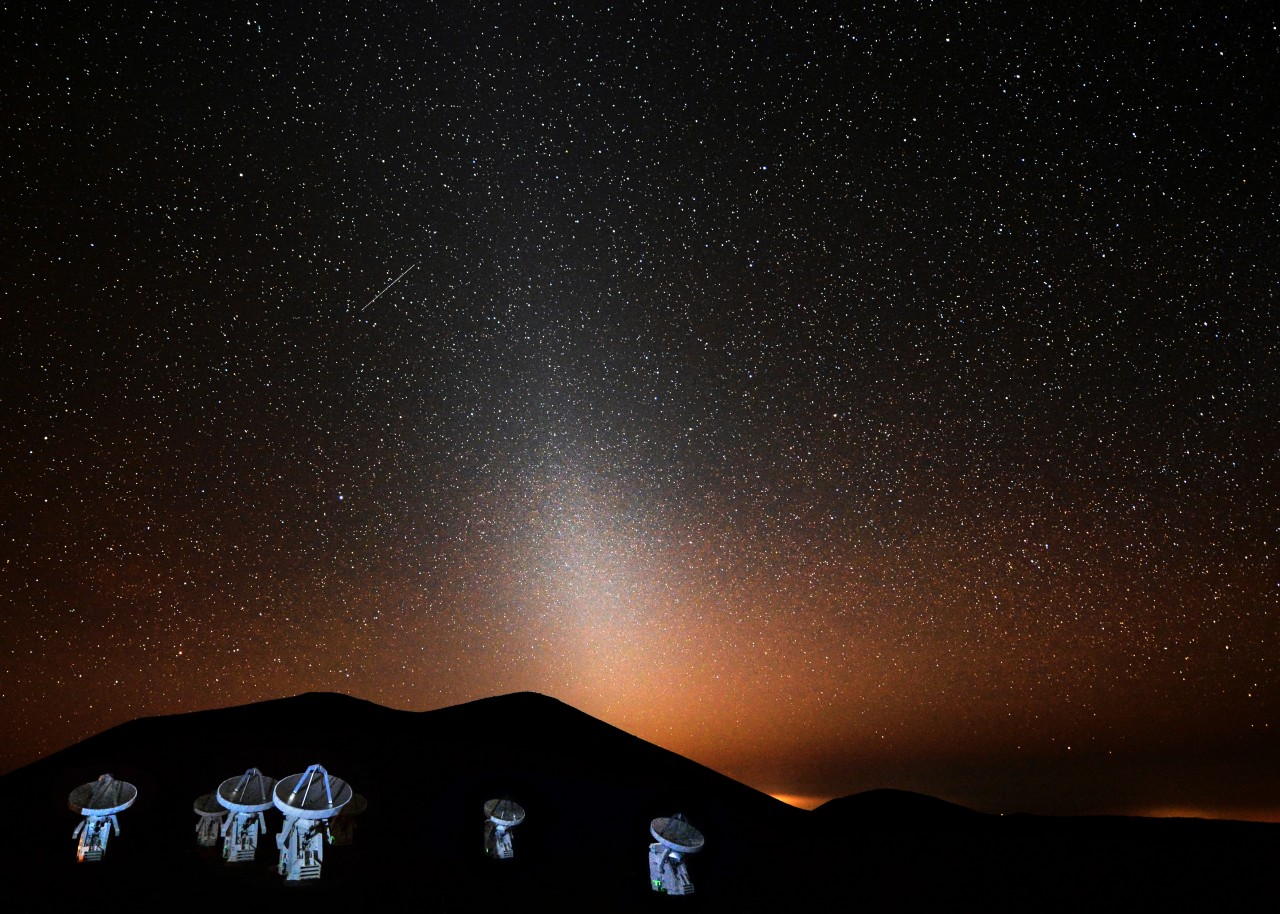
Zodiacal light is a faint, triangular glow that appears in the pre-dawn or post-sunset sky. It is caused by sunlight reflecting off interplanetary dust in the plane of the solar system. Best seen in dark, clear skies away from city lights, this delicate phenomenon can be mistaken for the glow of dawn or dusk. Zodiacal light offers a subtle reminder of the dust and debris that fill our solar system, connecting observers to the unseen components that orbit alongside planets and comets. Its ethereal appearance encourages quiet reflection on the vastness of space.
9. Comet Tail Disconnection Event
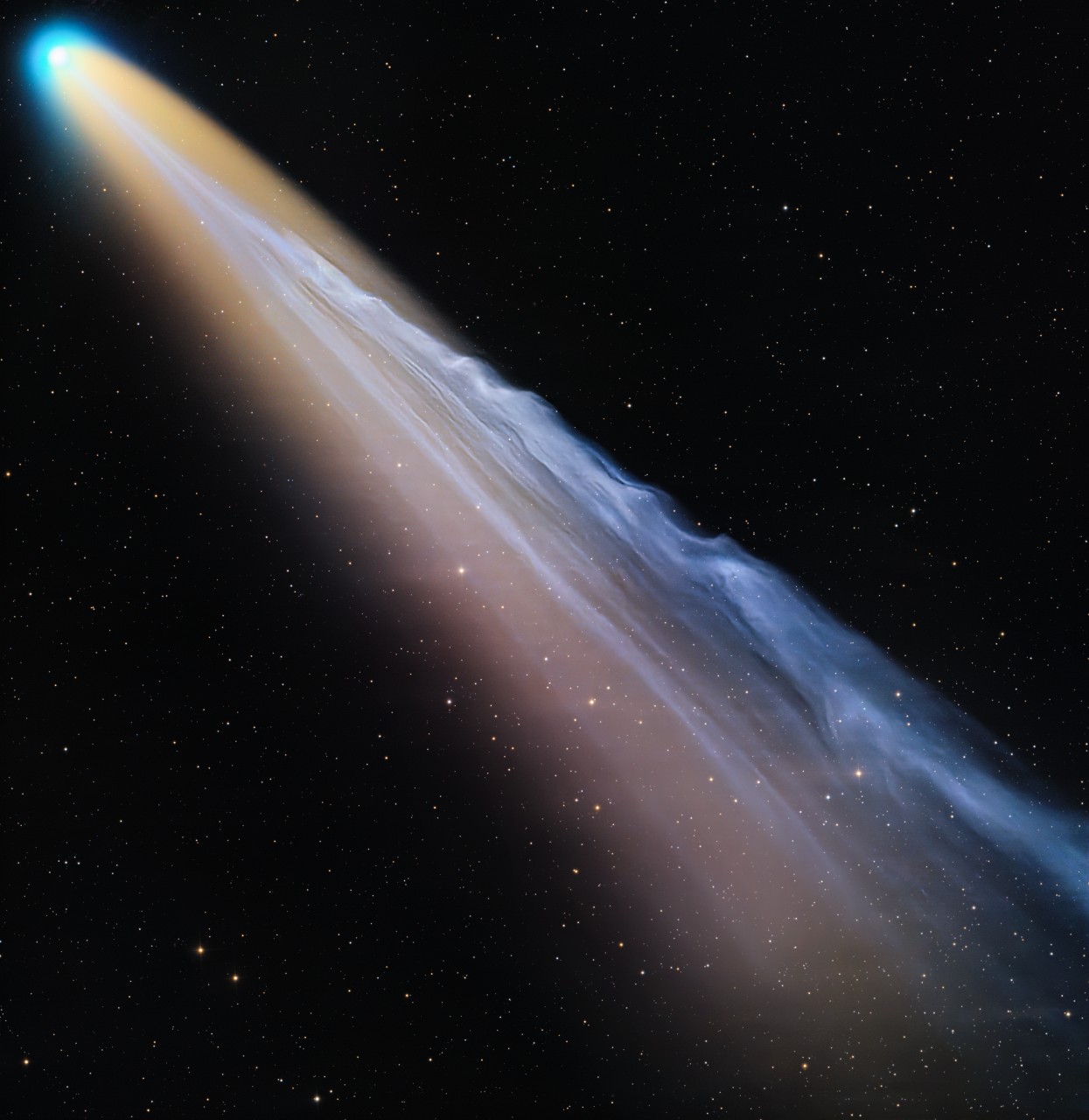
Comet tail disconnection events are dramatic moments when a comet’s tail appears to break away due to interactions with the solar wind. The tail, composed of gas and dust, is shaped and carried by the Sun’s charged particles. When disconnection occurs, it can create stunning visual displays in telescopes or astrophotographs. These events highlight the dynamic nature of comets and the influence of solar activity on small celestial bodies. Observing such a phenomenon underscores the complex, constantly changing interactions between the Sun and objects within the solar system.
10. Occultation
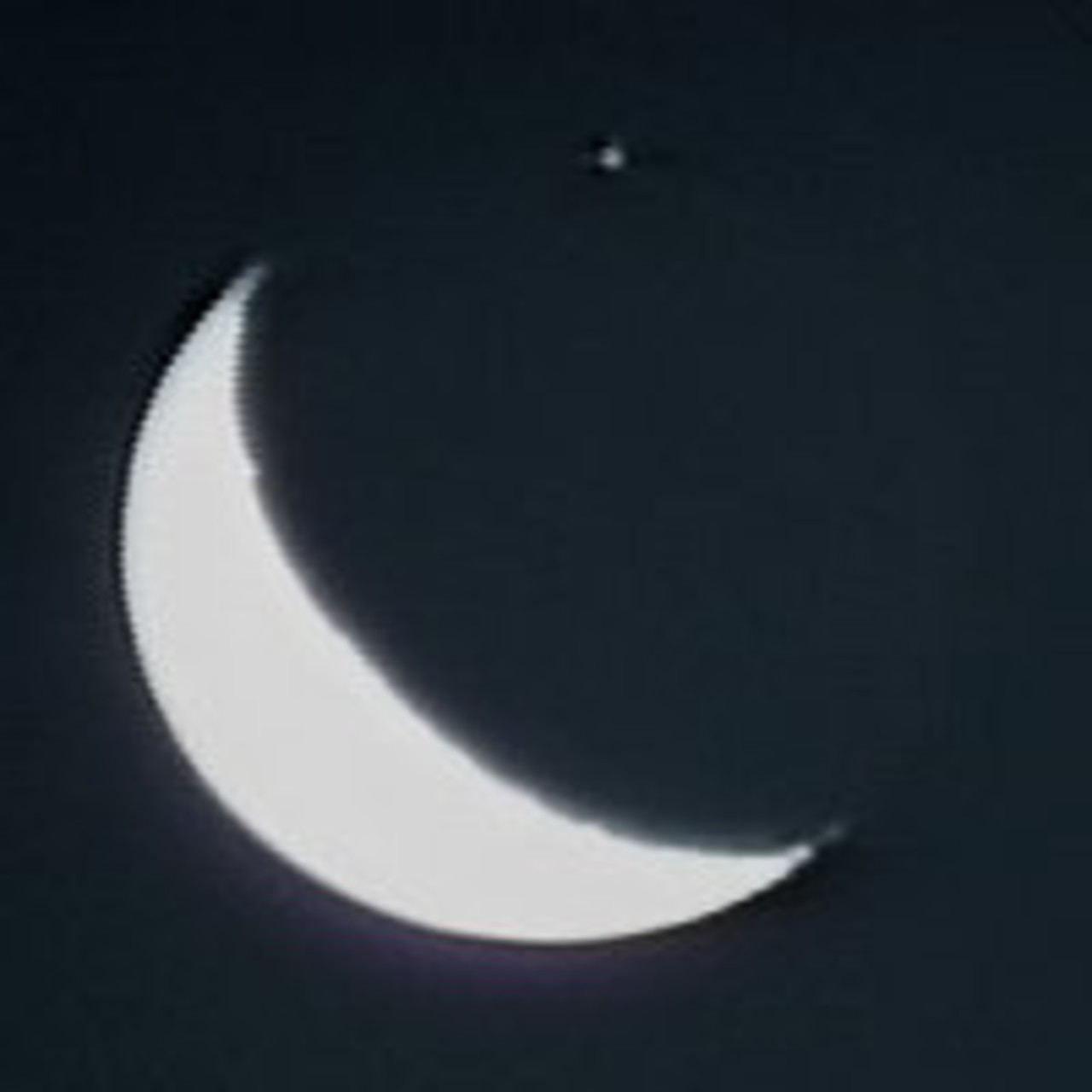
An occultation happens when one celestial body passes in front of another, temporarily blocking it from view. This can involve the Moon hiding a distant star or a planet covering another planet from Earth’s perspective. Occultations are valuable for astronomers, helping measure sizes, distances, and atmospheres of celestial bodies. For casual observers, occultations offer a rare visual spectacle, emphasizing the precision and alignment required in the cosmos. They reveal that even in the vastness of space, moments of perfect geometric alignment can create striking and fleeting events.
11. Coronal Mass Ejection Visibility
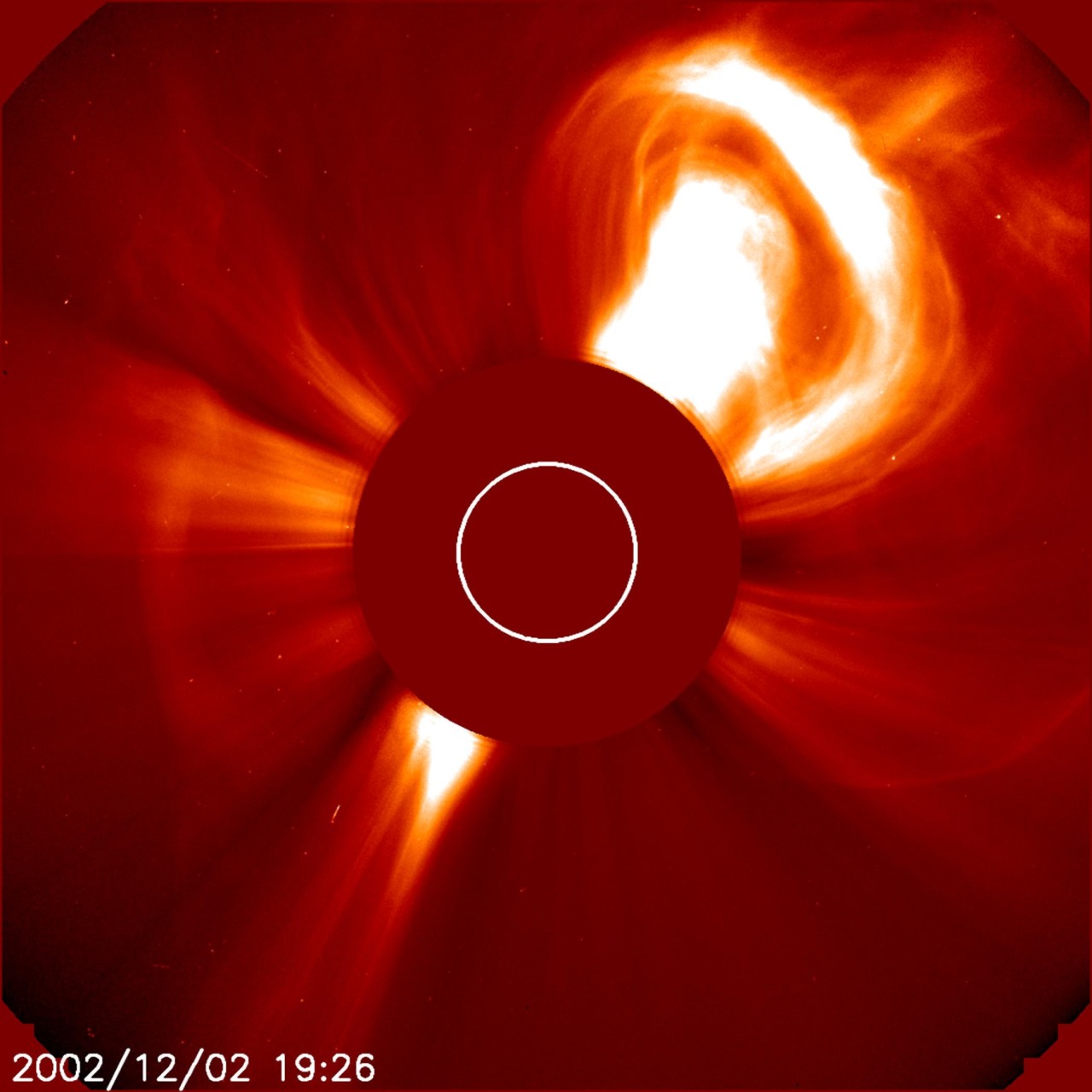
On rare occasions, coronal mass ejections from the Sun can produce auroras visible at unusually low latitudes. These solar storms send charged particles into Earth’s magnetosphere, interacting with the atmosphere to create vivid light displays. Observing such an event in places far from the poles is extraordinary and emphasizes the connection between solar activity and our planet. These occurrences serve as reminders of the Sun’s influence on Earth and the beauty that results from cosmic energy interacting with our atmosphere.
12. Penumbral Lunar Eclipse
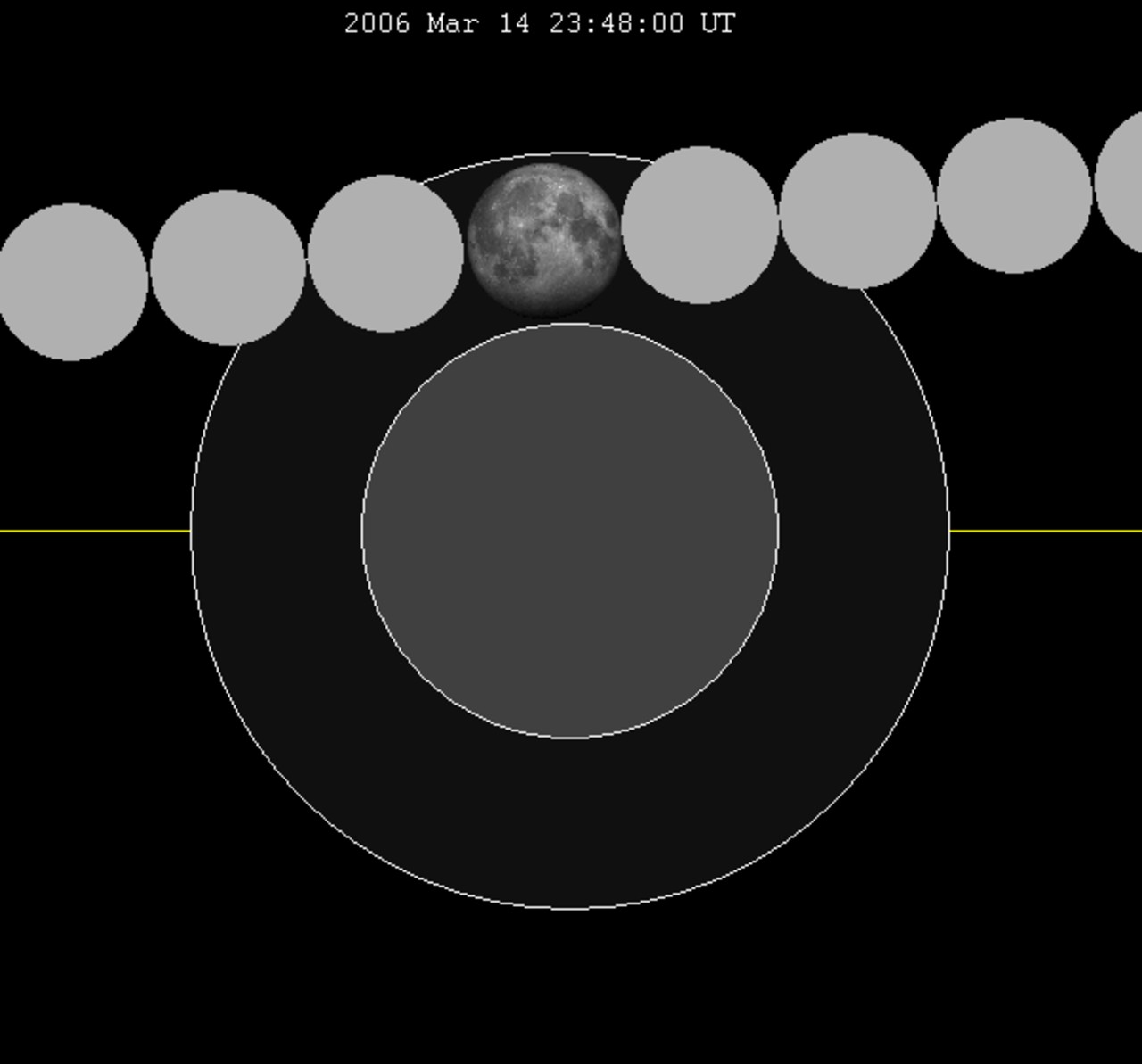
A penumbral lunar eclipse is subtle and often hard to notice, as the Moon passes through the outer part of Earth’s shadow. The dimming is gentle, lacking the dramatic red glow of a total eclipse, but it is a realignment of celestial geometry that demonstrates the interplay of light and shadow on a planetary scale. Watching this event encourages close observation and appreciation of nuances in the night sky. Though understated, penumbral eclipses highlight the precision of orbital mechanics and offer a quiet, contemplative spectacle for attentive stargazers.
13. Transit of Venus or Mercury
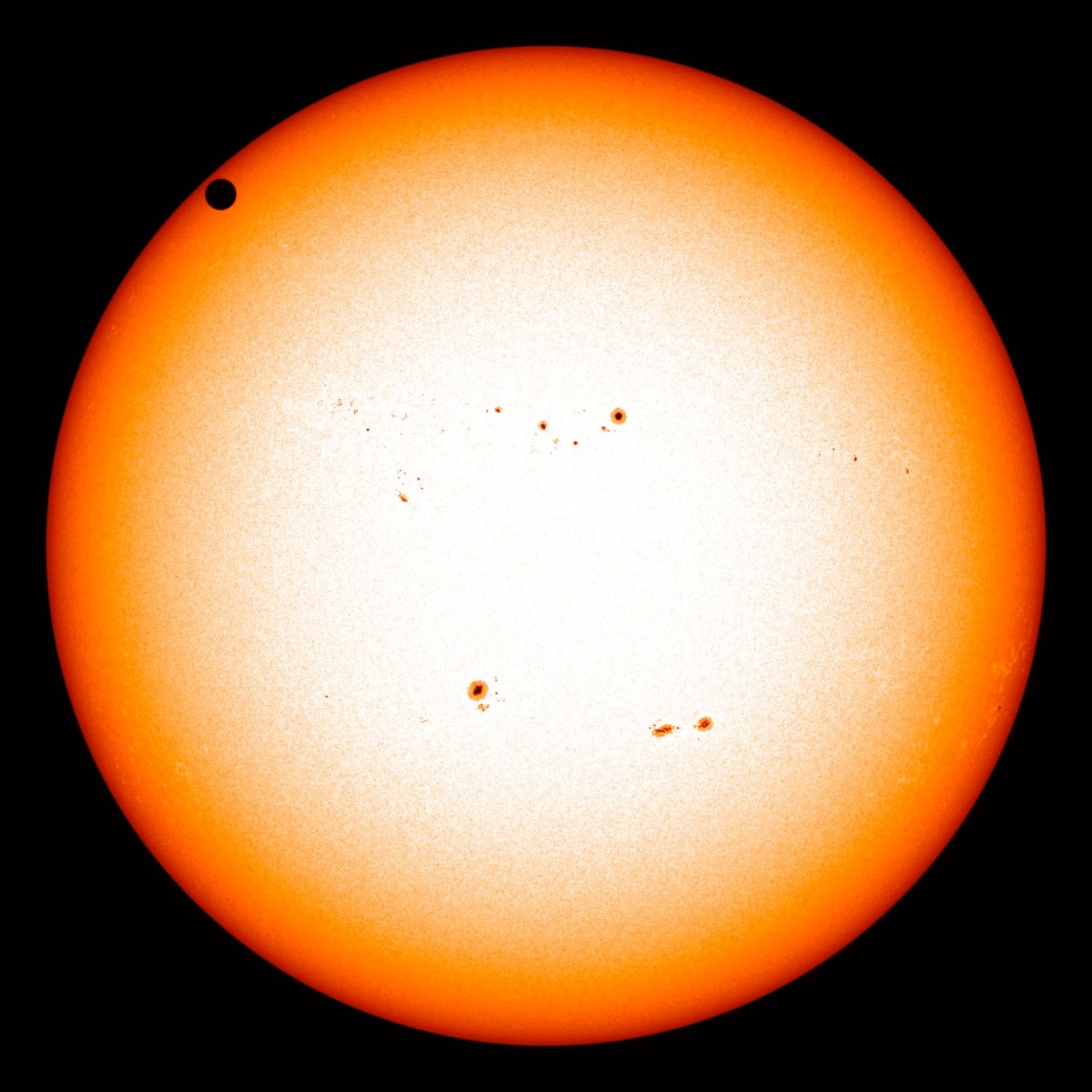
Transits of Venus or Mercury occur when one of these planets passes directly between Earth and the Sun, appearing as a tiny black dot moving across the solar disk. These events are extremely rare, with Venus transits happening in pairs over a century apart and Mercury transits more frequent but still uncommon. Observing a transit requires solar filters for safety and provides opportunities for scientific measurement of planetary orbits. These events offer a powerful reminder of the scale and predictability of our solar system, allowing humanity to witness the subtle dance of planets in real time.