
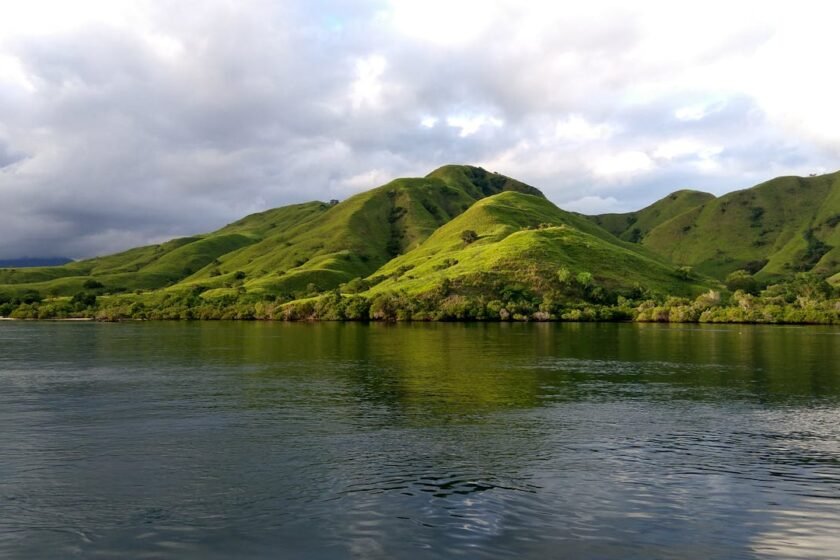
The wild is as beautiful as it is merciless, holding landscapes where humans are not always at the top of the food chain. Across the globe, predators, harsh climates, and treacherous terrain turn forests, wetlands, and mountains into realms of constant challenge. From dense, humid jungles to icy Himalayan peaks, these environments demand respect, preparation, and awareness. Venturing into them tests survival instincts, courage, and resourcefulness, offering both breathtaking wonder and real danger to those who dare.
1. Amazon Rainforest, South America

The Amazon is a living maze of green, pulsing with life, but beneath its beauty lies constant danger. Jaguars patrol silently, stalking prey with unparalleled stealth, while giant anacondas lurk beneath river surfaces, ready to strike with crushing force. Poisonous snakes like the bushmaster and spitting cobras add another layer of risk, and biting insects can carry deadly diseases. The dense vegetation makes navigation difficult, allowing predators to move unseen and forcing humans to remain vigilant at all times.
2. Siberian Taiga, Russia

The Siberian taiga stretches endlessly with snow-dusted conifers and frozen rivers, a domain where humans are not the apex. Here, Siberian tigers and massive brown bears roam, blending effortlessly into the forest. Temperatures can drop below −50°C, leaving even the most prepared travelers vulnerable to frostbite and hypothermia. The taiga’s remote expanse ensures that an injury or attack often goes untreated. Surviving here demands constant awareness, respect for wildlife, and the ability to endure one of the harshest climates on Earth.
3. Okavango Delta, Botswana

The Okavango Delta’s waterways shimmer with life but conceal lethal threats. Crocodiles wait beneath calm waters, snapping with terrifying speed, while hippos, deceptively docile, can charge without warning and are responsible for numerous fatalities each year. Lions and leopards prowl the floodplains, often approaching silently in the tall grasses. The combination of waterlogged terrain and stealthy predators requires humans to move carefully, observe constantly, and respect the boundaries of this dangerous but stunning ecosystem.
4. Sundarbans, India and Bangladesh

The Sundarbans is a vast mangrove labyrinth where the Bengal tiger reigns supreme. These tigers have adapted to swimming between islands, making the water as much their hunting ground as the forest. Saltwater crocodiles patrol the rivers and tidal channels, adding another deadly element. For fishermen and villagers, even routine activities can be life-threatening. Navigating this environment demands extreme caution, local knowledge, and an understanding of the predators that see humans as potential prey in this complex coastal wilderness.
5. Australian Outback

The Outback’s vast, arid expanse seems empty, yet danger lurks everywhere. Saltwater crocodiles dominate northern rivers, while venomous snakes such as the inland taipan strike lethally without warning. Spiders, scorpions, and wild dingoes add to the hazards, making survival a matter of constant vigilance. The harsh climate amplifies risks, as dehydration and extreme temperatures weaken even the strongest traveler. Understanding the land, respecting wildlife, and preparing for rapid environmental changes are essential for anyone venturing into this unforgiving landscape.
6. Congo Rainforest, Central Africa

The Congo is one of the densest, most humid forests on Earth, a region where humans can quickly become prey. Forest elephants can charge with devastating force, leopards stalk silently, and Gaboon vipers lie in wait along forest floors. Insects carry malaria and other diseases, creating invisible threats alongside visible predators. Thick vegetation provides cover for smaller animals and hides sudden dangers, demanding that anyone who enters moves carefully, stays alert, and respects the power and unpredictability of this vibrant but perilous jungle.
7. Kruger National Park, South Africa

Kruger National Park showcases Africa’s Big Five: lions, leopards, elephants, rhinos, and buffalo. Despite careful management and safety regulations, these powerful animals remain a threat to humans. Lions can ambush prey near waterholes, while crocodiles hide in rivers and streams. Tourists and hikers must respect boundaries, follow guides’ instructions, and remain constantly aware of animal behavior. One moment of carelessness can turn a thrilling encounter into a deadly one, reminding visitors that the wild in Kruger is still wild.
8. Yellowstone National Park, USA

Yellowstone’s geysers and hot springs are iconic, but the park’s wildlife is unpredictable. Grizzly bears roam forests and river valleys, wolves hunt in packs, and cougars stalk silently. Hikers and campers can become prey if they approach animals too closely or surprise them. Bears, particularly mothers with cubs, are highly protective and capable of sudden, lethal attacks. Understanding animal behavior, keeping distance, and respecting the park’s rules are essential, as Yellowstone’s beauty is matched by its potential danger for unprepared humans.
9. Patagonia, Argentina, and Chile

Patagonia’s windswept plains and jagged mountains hide stealthy predators. Pumas, or mountain lions, are masters of ambush, stalking isolated hikers and livestock. While attacks on humans are rare, their ability to blend into the landscape and strike quickly makes them dangerous in remote areas. Coupled with extreme weather, from frigid winds to sudden storms, Patagonia tests endurance and alertness. Travelers must respect the terrain, stay aware of predators, and prepare for rapid environmental changes that can turn a scenic adventure into a perilous encounter.
10. Madagascar Rainforest

Madagascar is famous for its lemurs, but its rainforests hold more lethal residents. Venomous snakes, aggressive crocodiles, and packs of feral dogs pose real threats. Dense vegetation, slippery terrain, and limited visibility increase human vulnerability, particularly for those unfamiliar with local conditions. Navigating the forest safely requires knowledge of wildlife habits, awareness of environmental hazards, and constant alertness, as even small animals or insects can present significant danger in this unique and isolated ecosystem.
11. Everglades, USA

The Everglades is a subtropical wetland where survival depends on vigilance. Alligators dominate waterways, striking with astonishing speed, while venomous snakes and elusive Florida panthers patrol the marshes. Large birds and smaller predators add to the dangers, making even seemingly calm areas risky. Humans entering this habitat must understand animal behavior, respect boundaries, and maintain situational awareness at all times. The swamp’s slow-moving waters and dense vegetation create ideal hiding spots for predators, keeping humans perpetually on edge.
12. Himalayas, Nepal, and India

The Himalayas’ towering peaks offer breathtaking views, but they are not free from danger. Snow leopards and Himalayan brown bears stalk high-altitude valleys, while wolves sometimes roam in packs. The harsh environment itself, thin air, subzero temperatures, and unpredictable storms, poses risks equal to those from wildlife. Travelers face crevasses, avalanches, and freezing conditions, which can turn an already remote region into a deadly trap. In these mountains, humans contend with both predator and terrain, where survival demands preparation, vigilance, and respect.
13. Komodo Island, Indonesia

Komodo Island is the exclusive domain of the Komodo dragon, the largest lizard in the world. With venomous bites, powerful jaws, and incredible patience, these predators can take down large prey, including humans. They hunt with stealth and are capable of surprising unsuspecting visitors. Tourists must follow guides closely, avoid provoking the dragons, and remain aware of their surroundings at all times. Komodo Island is a rare example of a place where humans are literally at the top of a predator’s menu if caution is ignored.