

A backyard can be a personal sanctuary, perfect for relaxing, playing, and entertaining. Yet many features once considered safe and common are now illegal in multiple states due to safety risks, zoning regulations, or environmental concerns. From pools and trampolines to fire pits and play structures, these additions can create legal problems if not properly regulated. Understanding which backyard elements are restricted ensures your outdoor space remains enjoyable, safe, and compliant.
1. Above‑Ground Pools Without Proper Fencing
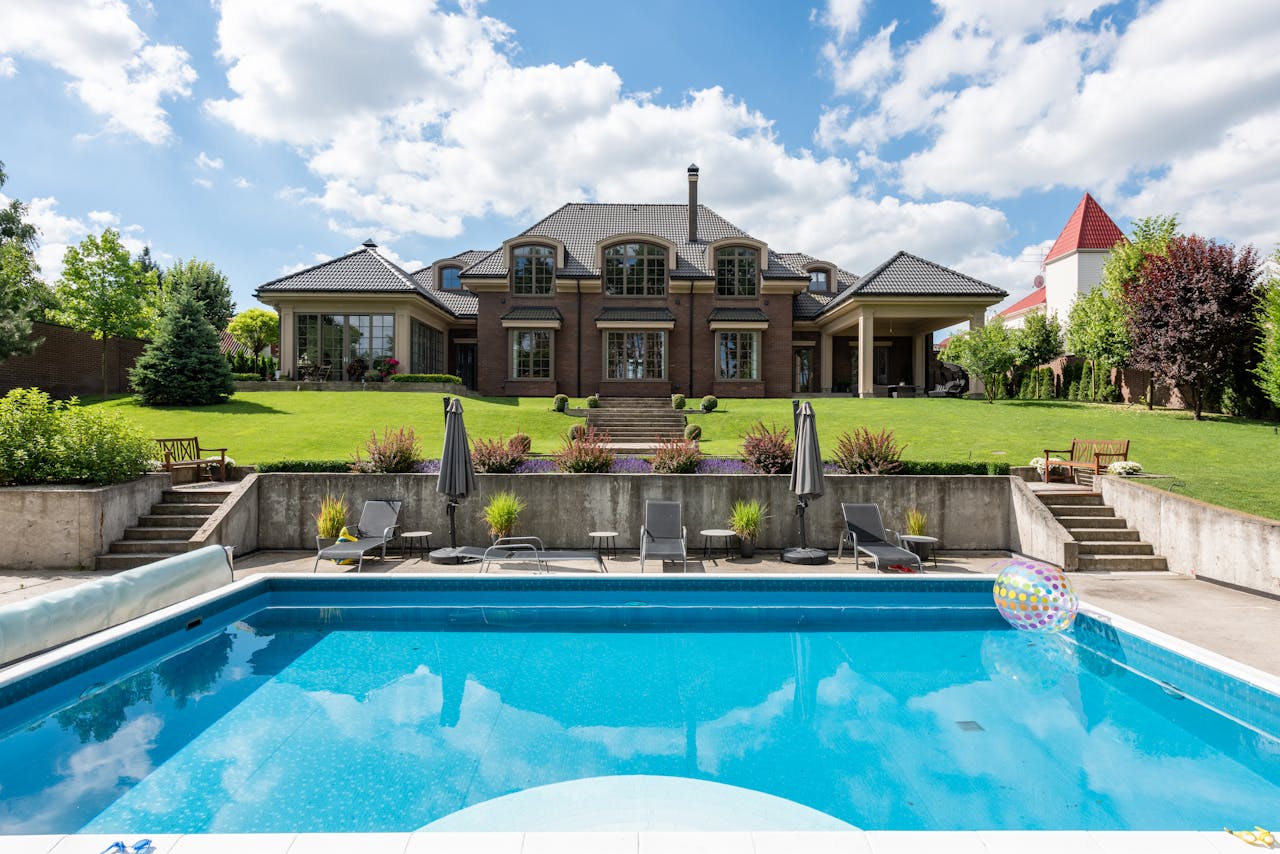
Above-ground pools might seem safer than in-ground ones, but without proper fencing, they are considered dangerous and illegal in many states. Safety regulations often require a barrier at least 48 inches high, with self-closing and self-latching gates to prevent accidental access. Pools are considered “attractive nuisances,” meaning children can be at high risk of drowning if unsupervised. Municipalities and counties enforce these codes strictly; noncompliance can lead to fines or orders to remove the pool. Proper barriers not only ensure legality but also protect your family and guests, turning a backyard luxury into a safe environment.
2. Trampolines Without Safety Enclosures

Trampolines are a favorite backyard activity, but without safety nets, they are linked to thousands of injuries annually. Falls from trampolines, collisions, and contact with the springs or frame are common hazards. Many states now require safety enclosures, and insurance policies often refuse coverage for noncompliant trampolines. Negligence or attractive nuisance laws mean that if an unsupervised child gets hurt, homeowners may be held liable. Safety measures like padded frames, nets, and proper anchoring not only protect children but also ensure compliance with state and local regulations.
3. Open Fire Pits in Fire-Restricted Zones
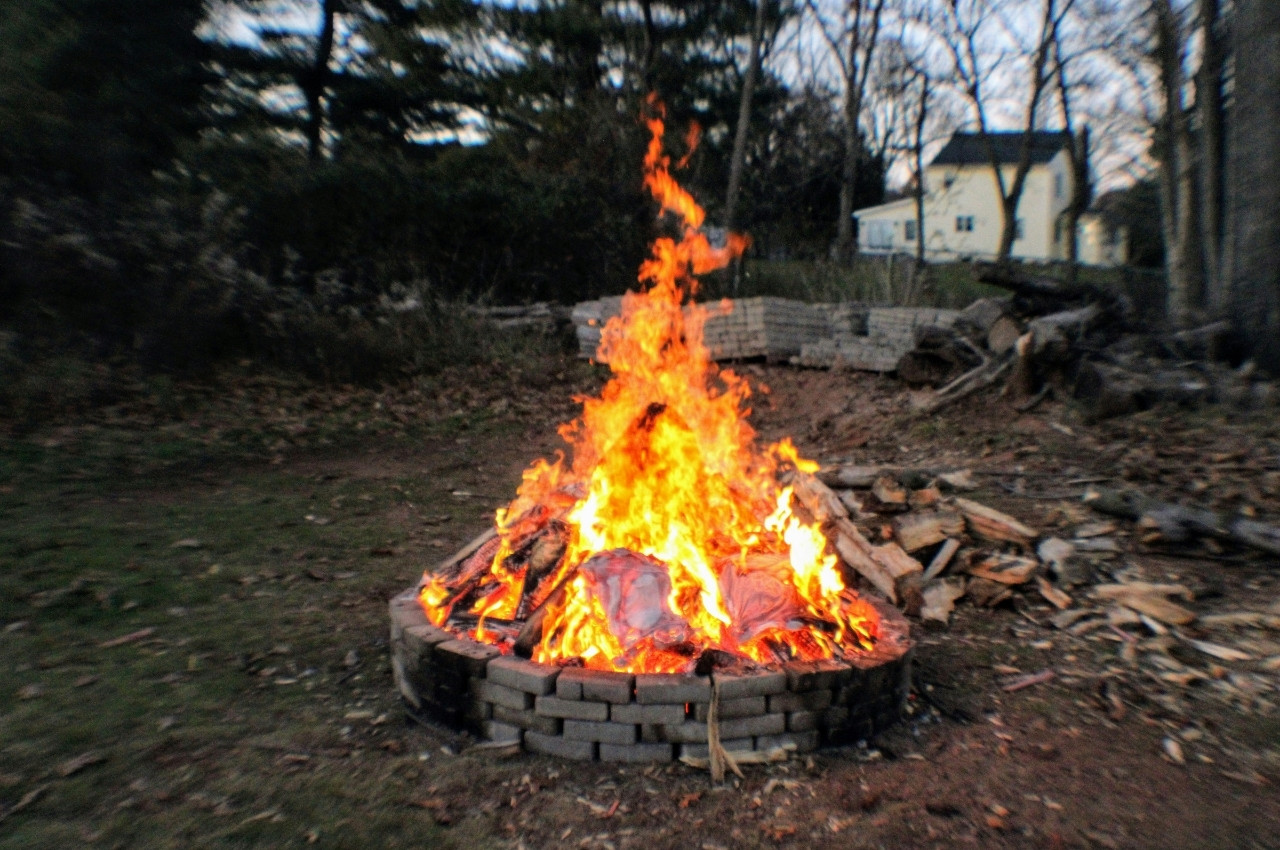
Fire pits create warmth and ambiance, but they can be illegal in many residential areas due to fire hazards. Local ordinances often prohibit open flames during burn bans, and some require permits for construction or use. Regulations may specify that pits must be a certain distance from buildings and combustible materials. Violating these laws can result in fines, forced removal, or civil liability if a fire spreads. Beyond legality, fire pits pose real safety risks, and compliance with codes ensures you enjoy backyard fires responsibly without endangering property or neighbors.
4. Treehouses That Violate Building or Safety Codes
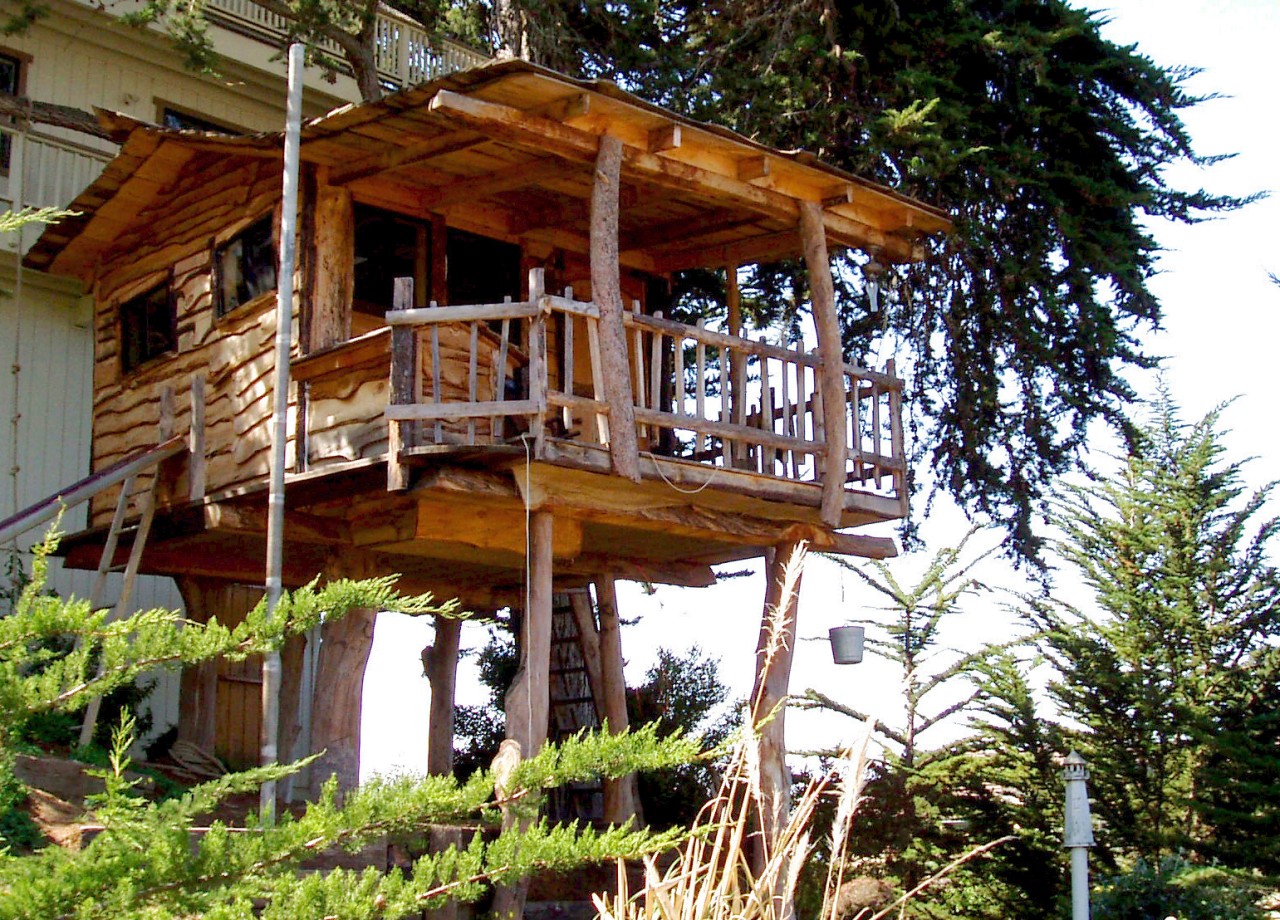
Treehouses capture childhood imagination, but if improperly built, they may violate building codes. Many jurisdictions treat treehouses like small structures, requiring permits, inspections, and adherence to height, railing, and structural standards. Unstable designs or improper access, like unsafe ladders, can make a treehouse illegal. Homeowners could also face liability if someone is injured. Ensuring that the design is inspected and approved by local authorities protects children while keeping the structure legal, safe, and durable.
5. Above-Ground Decks That Exceed Height Restrictions
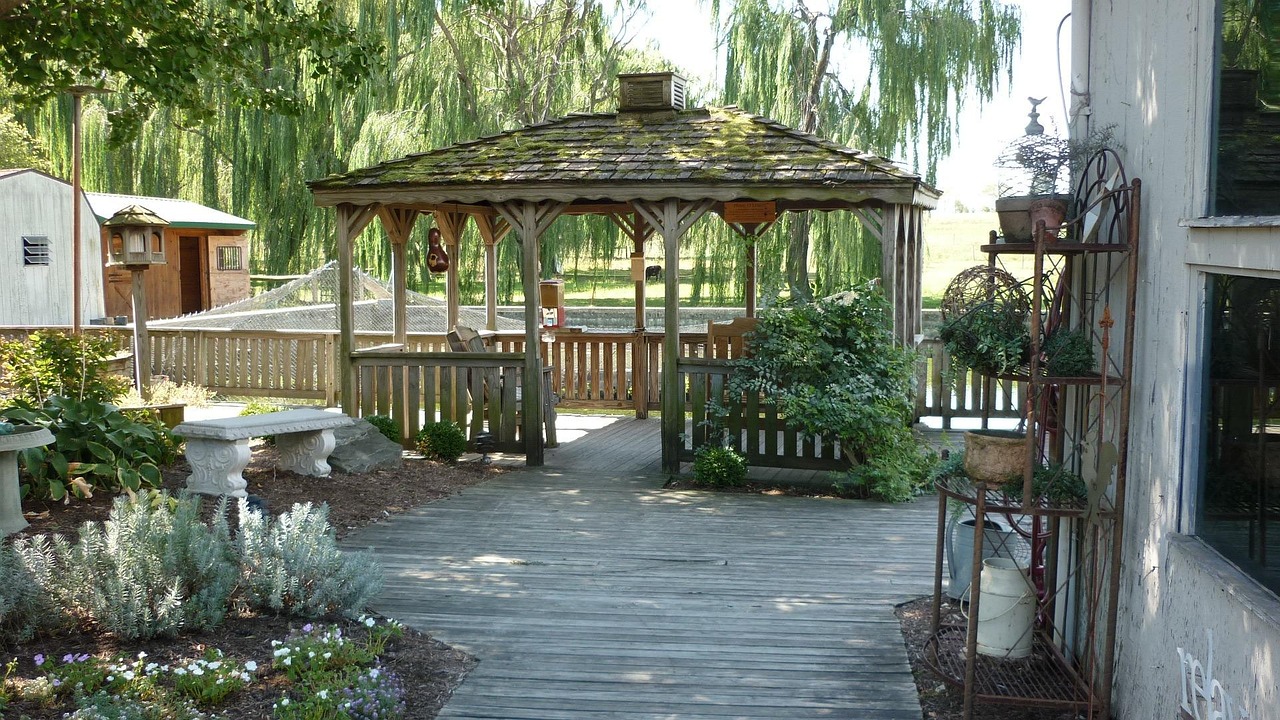
Decks provide outdoor living space, but those that exceed local height limits or lack proper railings can be illegal. Many municipalities set maximum heights and require guardrails to prevent falls. Exceeding these limits can result in fines, removal orders, or failed inspections. High decks without barriers pose serious safety hazards, especially for children and elderly residents. Following building codes ensures the deck is both functional and compliant, balancing enjoyment with safety and legality.
6. Garden Ponds Without Safety Covers

Garden ponds can transform a backyard into a serene oasis, attracting wildlife and enhancing its visual appeal. However, uncovered ponds present significant drowning hazards, particularly for children and pets. Many states now require safety barriers, fencing, or secure covers for ponds exceeding certain depths. Unprotected ponds may be considered legal hazards, potentially resulting in fines or mandatory modifications. Using safety measures like mesh covers, fences, and gentle slopes ensures both safety and compliance while allowing enjoyment of aquatic life.
7. Backyard Wells or Unregulated Water Features
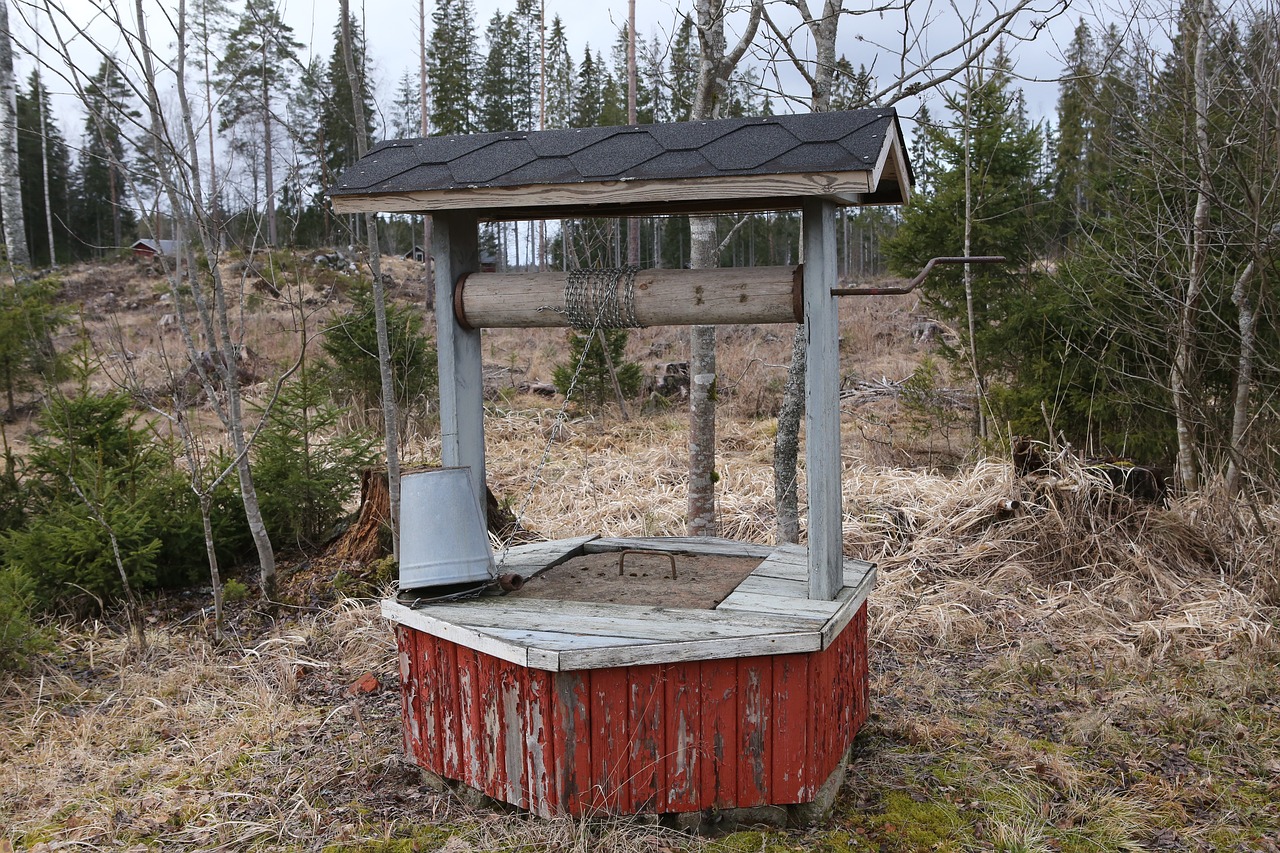
Old wells and homemade water features may seem harmless, but unregulated structures can violate safety and environmental laws. Many states require wells to be properly capped and water features to comply with sanitation and drainage standards. Neglecting regulations can create hazards, from waterborne disease to structural collapse. Homeowners can face fines or forced decommissioning. Legal compliance and safe construction practices protect the household, neighbors, and the environment while keeping these backyard features enjoyable.
8. Certain Types of Outdoor Saunas or Hot Tubs
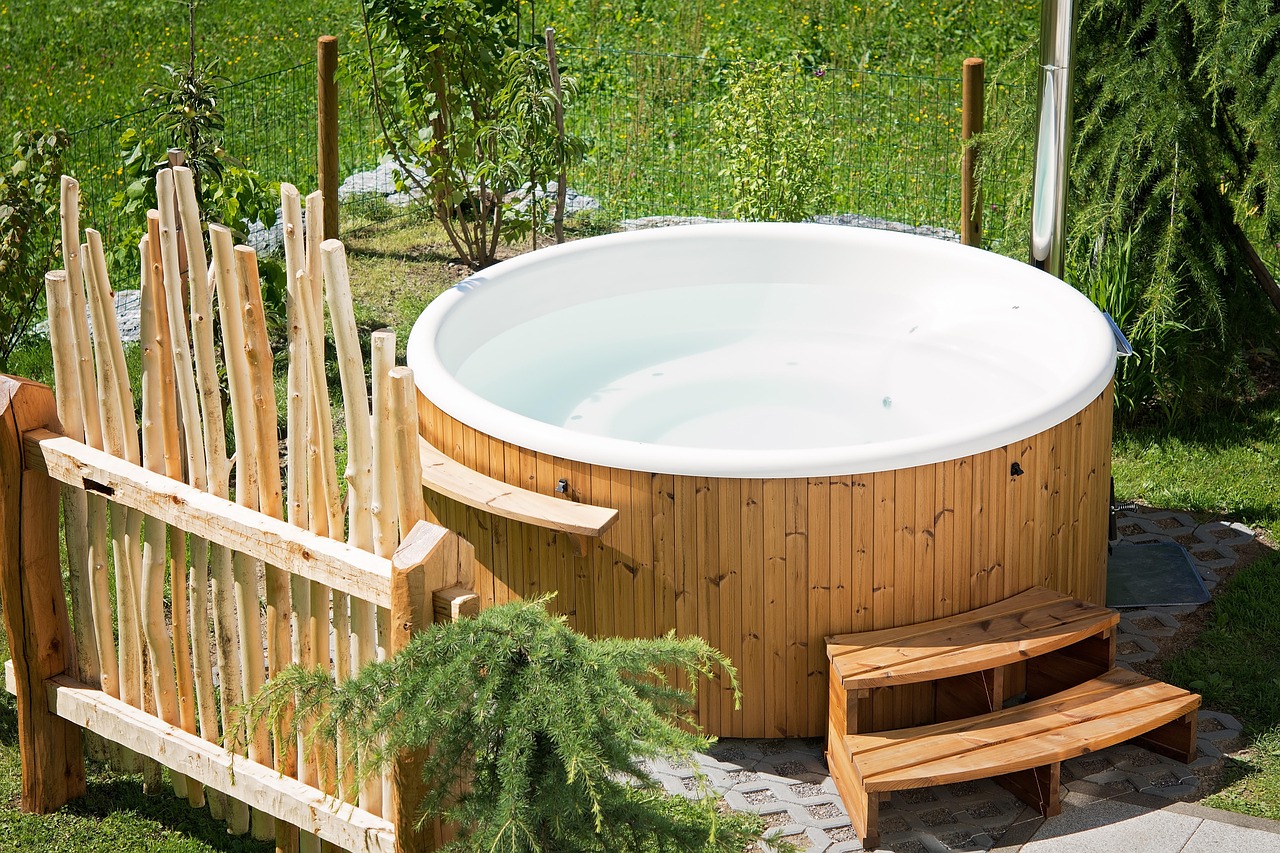
Hot tubs and outdoor saunas offer luxury but can violate codes if improperly installed. Regulations cover electrical wiring, plumbing, and barriers to prevent accidental drowning. Some municipalities restrict placement near property lines or require permits for water heating systems. Noncompliance can result in fines or liability for accidents. The following code ensures safe operation, prevents injuries, and avoids costly legal issues, while allowing you to enjoy wellness features legally and responsibly.
9. Barbed Wire Fencing in Residential Areas
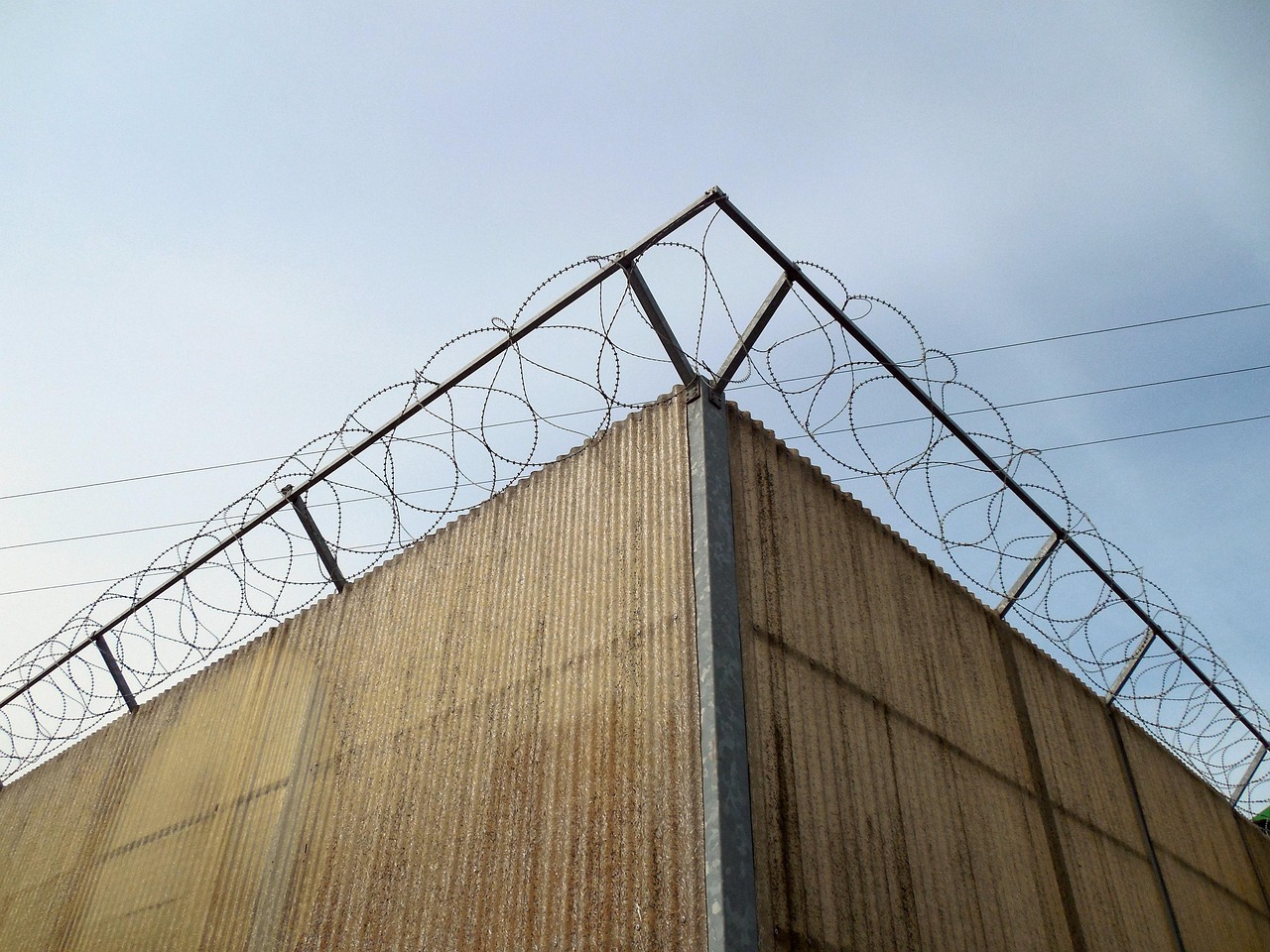
Barbed wire fences might work well for farms, but in residential neighborhoods, they are largely illegal because of safety risks. Local laws often ban barbed wire to prevent injuries to children, pets, and neighbors. Homeowners who install it can face fines or be ordered to remove the fence entirely. Safer alternatives like wooden, vinyl, or chain-link fencing meet legal standards while still providing privacy, security, and durability, making barbed wire both unnecessary and prohibited in most suburban backyards.
10. Non-Compliant Sheds or Outbuildings
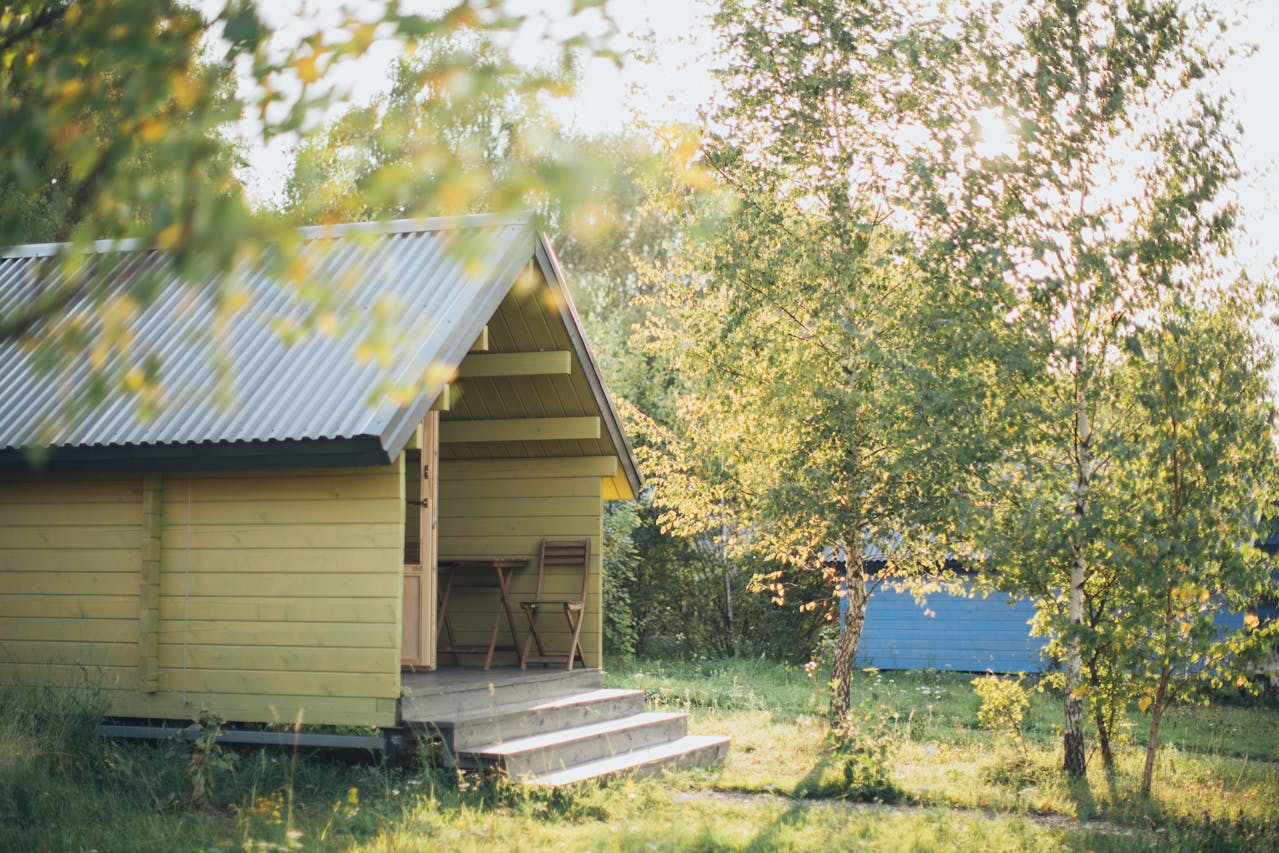
Backyard sheds and outbuildings are a popular way to add storage or workspace, but many homeowners run into trouble when they skip permits or exceed size and height limits. Local building codes regulate placement relative to property lines, foundation standards, and maximum square footage. Ignoring these rules can result in fines, forced demolition, or insurance denial in case of damage. Obtaining the correct permits, adhering to zoning requirements, and passing inspections ensures your shed is both safe and legally compliant, protecting your investment and neighborhood harmony.
11. Unauthorized Satellite Dishes or Antennas
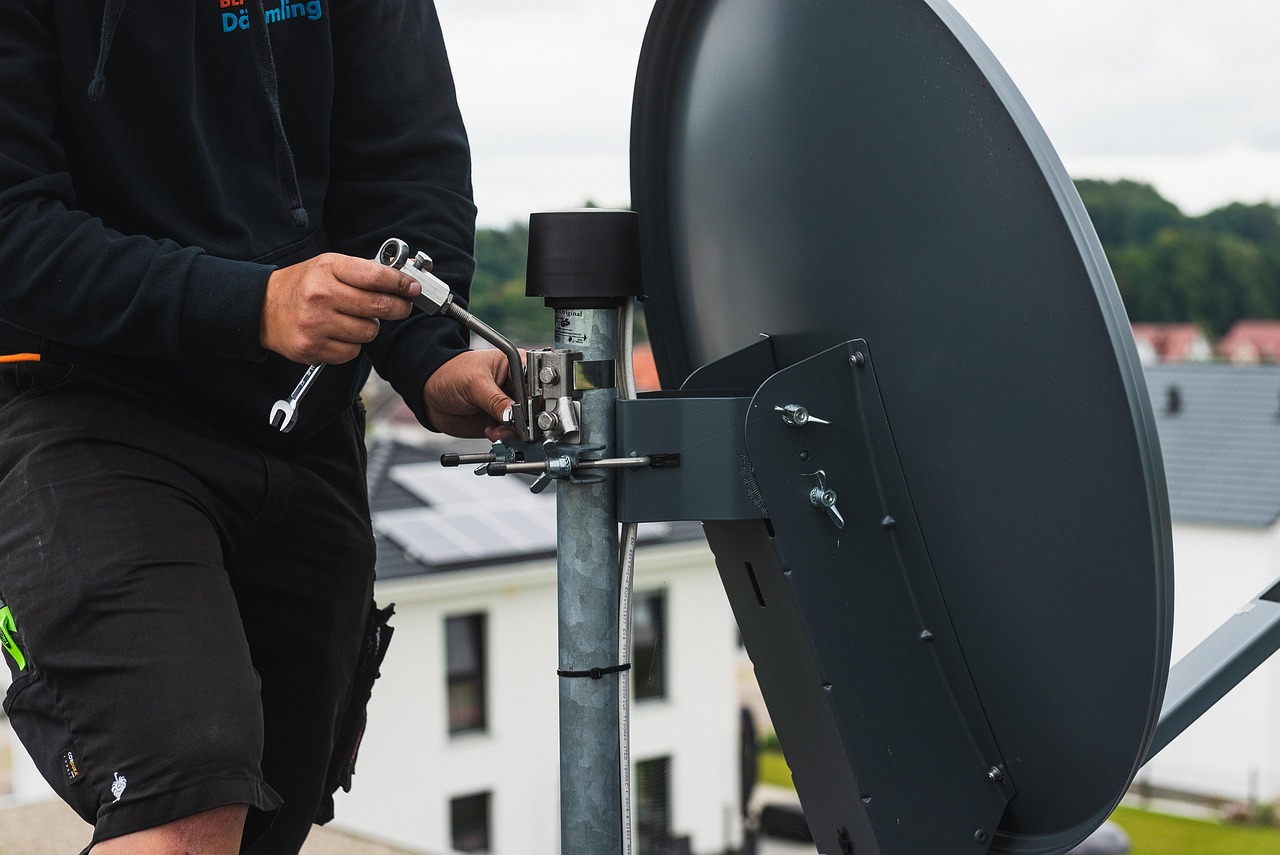
Installing a satellite dish or antenna may seem simple, but many homeowners face restrictions from zoning laws, HOA rules, and safety regulations. Height limits, required setbacks from property lines, and signal interference rules all govern where and how these devices can be placed. Violating these regulations can lead to fines, removal orders, or disputes with neighbors and associations. Following proper guidelines not only guarantees uninterrupted service but also keeps you compliant, safe, and considerate of aesthetics and local ordinances.
12. Plastic or Metal Water Slides That Don’t Meet Safety Codes

Backyard water slides can transform a yard into a summer playground, but improperly installed or overly tall slides can be illegal in some states. Safety codes dictate proper anchoring, slope, height limits, and surrounding impact surfaces to prevent accidents. Slides that fail these standards pose risks of falls and injuries, and homeowners may face fines or removal orders. Ensuring your slide complies with state regulations protects children from harm while maintaining insurance coverage and avoiding legal headaches, making fun safe and responsible.
13. Outdoor Stoves or BBQs in Fire-Restricted Zones

Outdoor cooking appliances like stoves, pizza ovens, and BBQs are subject to strict local regulations, particularly in fire-prone areas. Many municipalities ban open flames during burn restrictions or require permits and minimum distances from structures. Violating these rules can result in hefty fines, legal liability, or even property damage if a fire spreads. Compliance ensures you can enjoy outdoor cooking safely while protecting your property, neighbors, and environment, demonstrating that responsible planning is essential for fun backyard activities.
14. Certain Play Structures That Fail to Meet Safety Standards
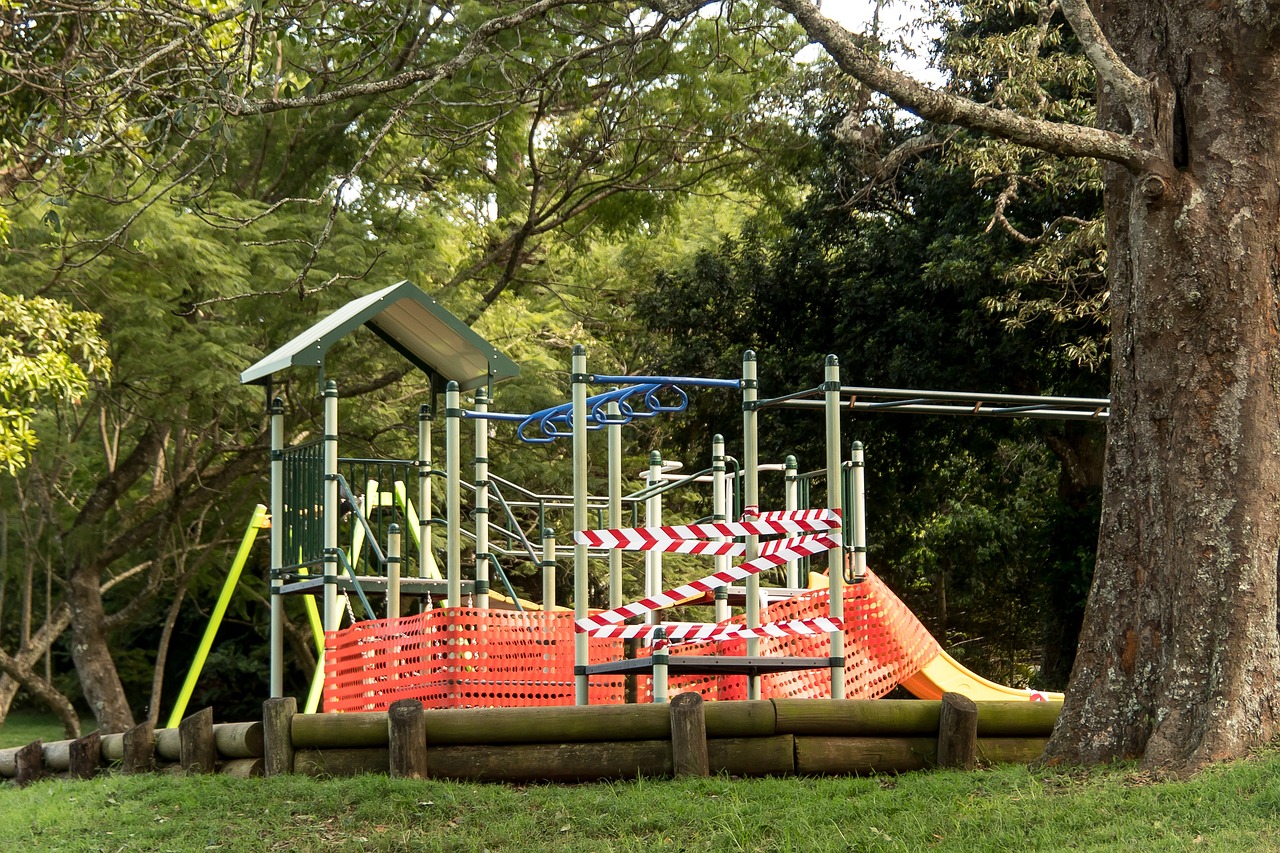
Play structures such as swings, jungle gyms, and climbing frames are popular for keeping kids active, but unsafe designs or unapproved materials can violate safety codes and local ordinances. Regulations cover anchoring, height limits, spacing, and fall zones to minimize the risk of injury. Noncompliant structures may require removal or result in fines. By ensuring your equipment meets these safety standards, you provide a secure space for children to play, maintain legal compliance, and protect your family while enjoying outdoor recreation responsibly.