

History rarely unfolds in neat, isolated chapters. Sometimes, events that seem unrelated actually overlap in astonishing ways, creating coincidences that defy expectation. From political upheavals to scientific breakthroughs, multiple major events have coincided, reshaping societies as the world watched multiple dramas unfold at the same time. These historical overlaps reveal a fascinating web of timing, context, and cause, showing that history is far more intertwined than we often realize.
1. The Declaration of Independence and Early Colonial Victories Happened Together
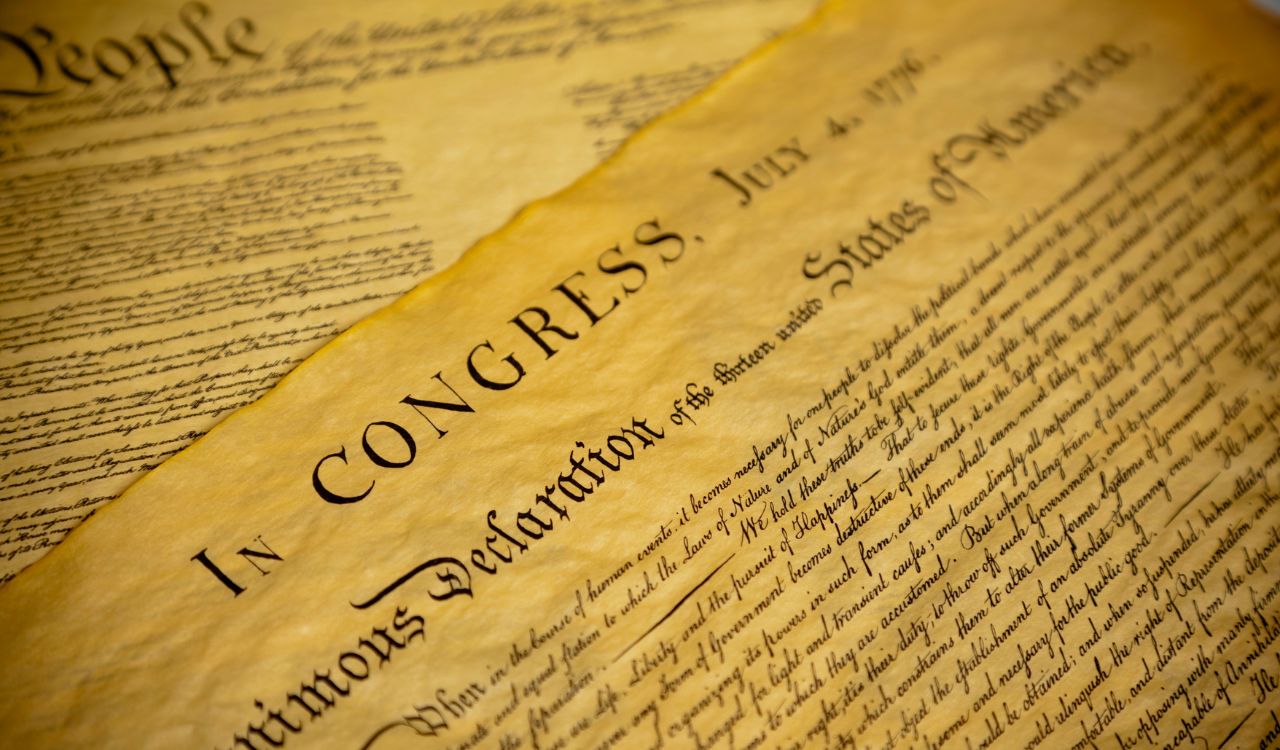
While the Second Continental Congress debated the Declaration of Independence in Philadelphia, colonial militias were already engaging British forces in skirmishes across the colonies. The timing illustrates how political decisions and military actions often progressed simultaneously. The declaration provided a legal and moral framework, while victories on the battlefield demonstrated the colonies’ resolve. These parallel events highlight how revolutionary momentum depended on both governance and action, not just speeches or combat alone.
2. Napoleon Crowns Himself and the Haitian Revolution Peaks
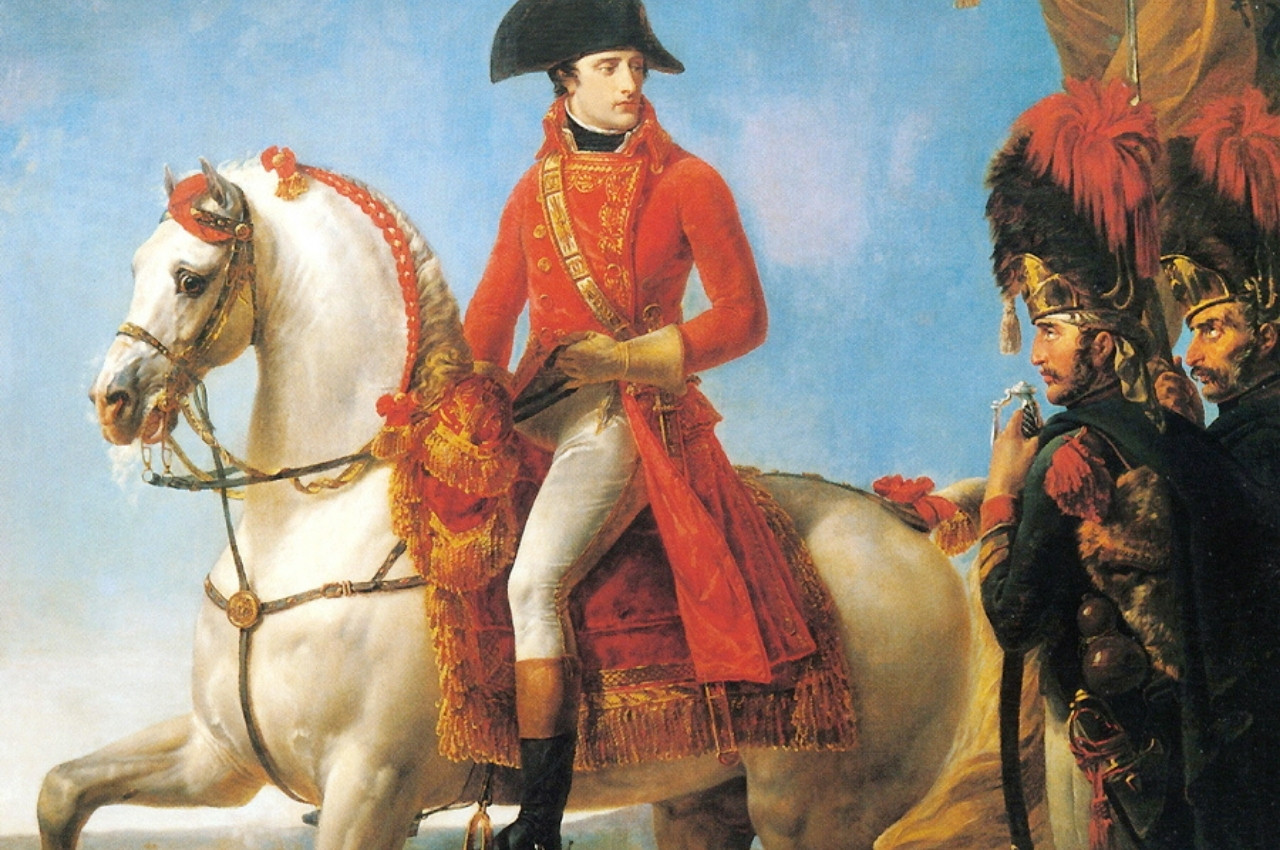
In 1804, Napoleon Bonaparte crowned himself Emperor of France, asserting dominance in Europe, while enslaved Haitians under Toussaint Louverture intensified their struggle for freedom. The overlap of these events highlights global tensions, showing that European ambition and colonial revolts were deeply connected. While France celebrated the consolidation of power, Haiti was redefining liberty on its own terms. This simultaneity underscores how local actions can challenge imperial authority, changing the world far beyond Europe.
3. The Civil War Begins as Photography Captures Its Reality
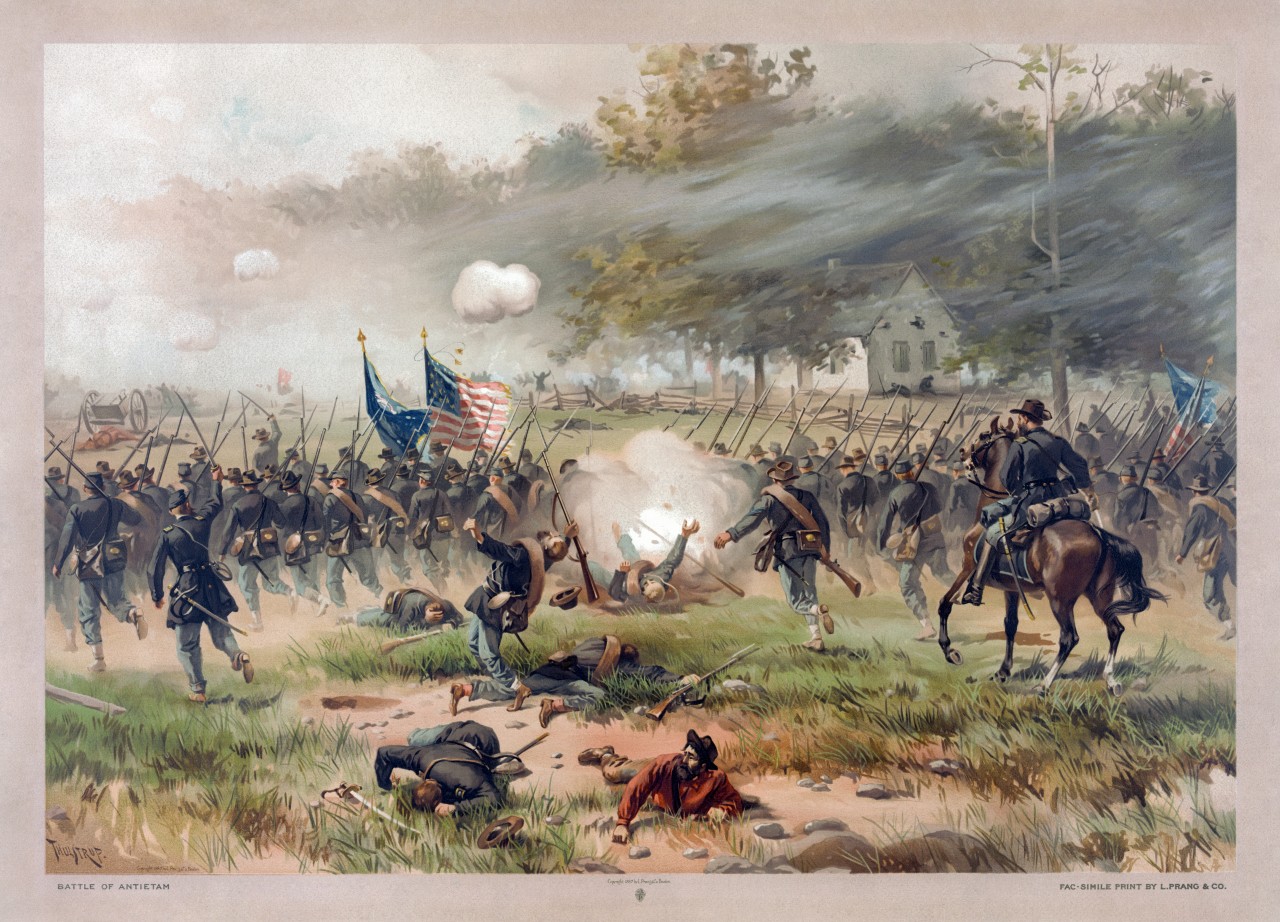
In 1861, the first shots at Fort Sumter marked the outbreak of the American Civil War, plunging the nation into years of conflict. At the same time, photography was emerging as a way to document events, allowing soldiers and civilians to witness the realities of war visually for the first time. This simultaneity transformed how history was recorded and perceived, giving the public an unprecedented window into the battlefield. The overlap of conflict and technology demonstrates how innovation can amplify the impact and understanding of major historical events.
4. The Wright Brothers Fly as Plans for the Panama Canal Take Shape
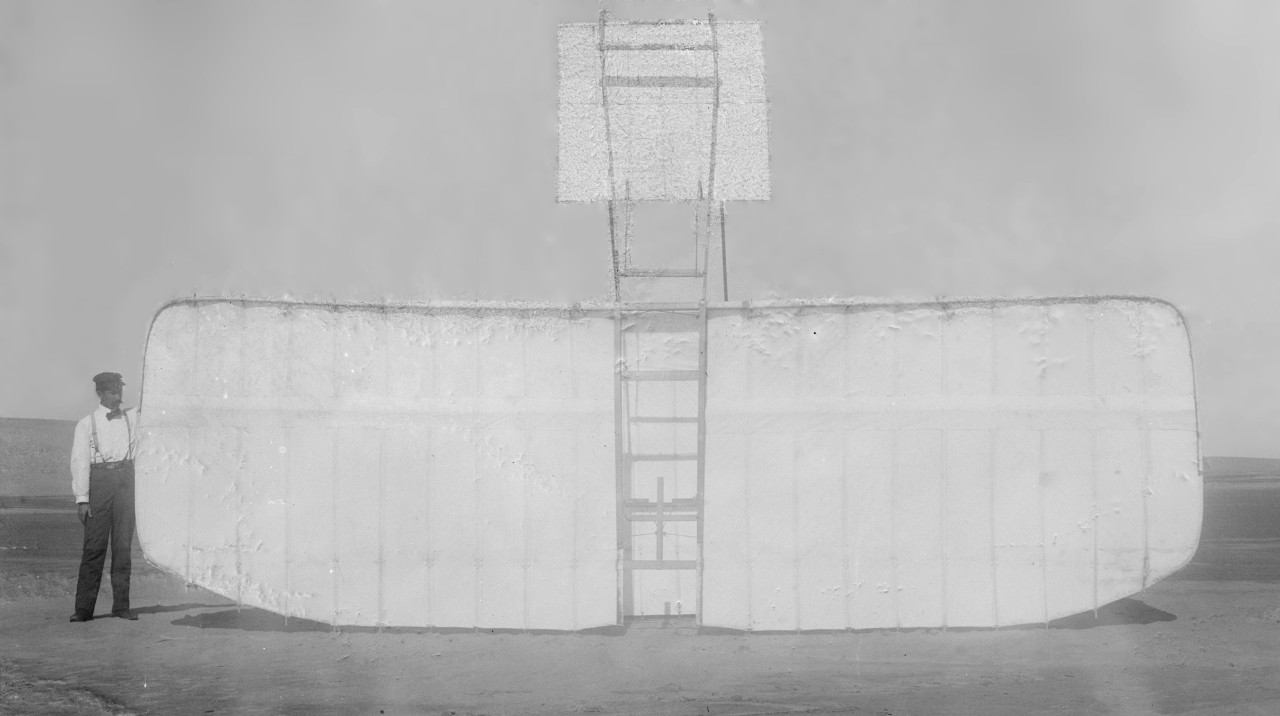
In 1903, the Wright brothers successfully achieved powered flight, ushering in a new era of human mobility and exploration of the skies. At the same time, engineers in Washington were finalizing plans for the Panama Canal, a project that would revolutionize maritime trade by connecting the Atlantic and Pacific Oceans. These simultaneous achievements highlight a period of extraordinary innovation, showing how human ambition and ingenuity can transform multiple aspects of transportation and global connectivity at once, reshaping both commerce and exploration.
5. World War I and the Spanish Flu ravaged the World
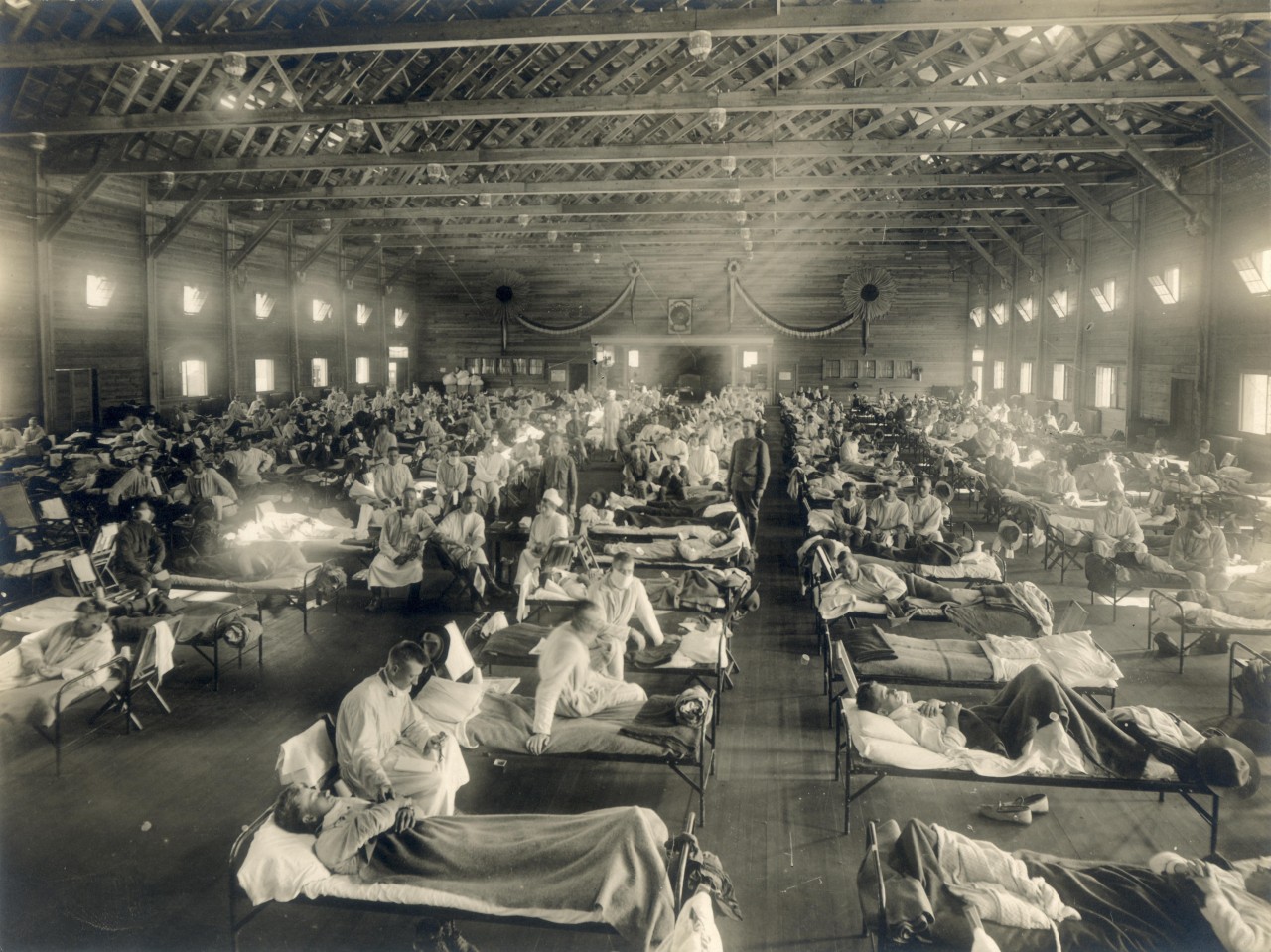
In 1918, as World War I raged across Europe and beyond, the Spanish Flu pandemic spread with devastating speed, striking soldiers and civilians alike. Millions succumbed to the virus while battles continued on multiple fronts, creating an unprecedented overlap of human conflict and disease. This simultaneity intensified suffering and strained resources, influencing medical responses, public health policies, and social behavior for years afterward. The convergence of war and pandemic illustrates how multiple crises can interact, amplifying the impact of each on a global scale.
6. The Russian Revolution and Modernist Art Movements
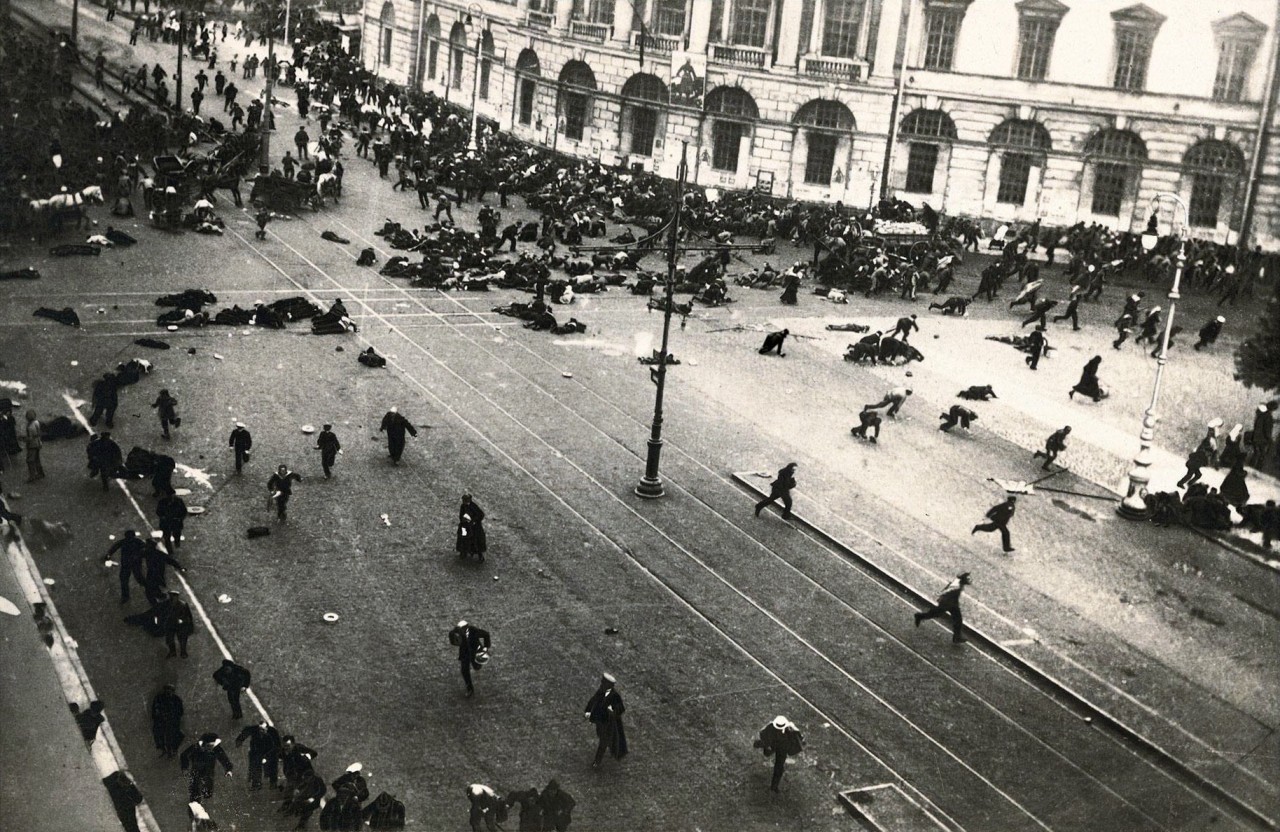
In 1917, Russia experienced the Bolshevik Revolution, overthrowing centuries of monarchy, while Europe saw the rise of modernist art movements like Cubism and Dada. Both events reflect societies grappling with change, experimentation, and new ways of interpreting the world. Political upheaval and artistic innovation happened simultaneously, revealing how shifts in governance and culture often mirror each other, demonstrating society’s broader search for new forms of expression and identity during turbulent times.
7. The Sinking of the Titanic and the First Powered Flight
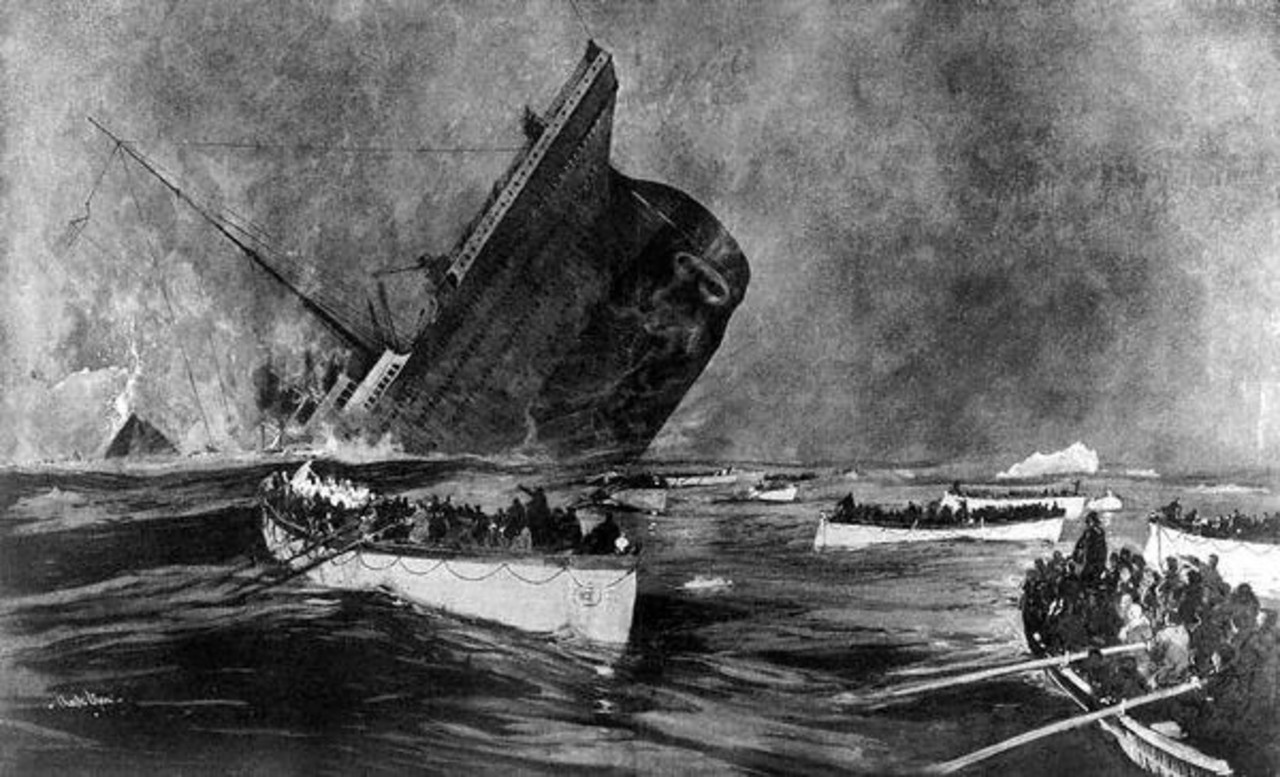
In 1912, the RMS Titanic tragically sank in the North Atlantic, while the Wright brothers and other aviators were continuing to refine powered flight. The contrast between maritime disaster and technological triumph demonstrates the extremes of human endeavor occurring at the same moment. While one event marked vulnerability and loss, the other symbolized innovation and human ambition. Together, they show how history can simultaneously produce tragedy and achievement, reminding us of the unpredictability of progress.
8. The Great Depression and Einstein’s Nobel Recognition
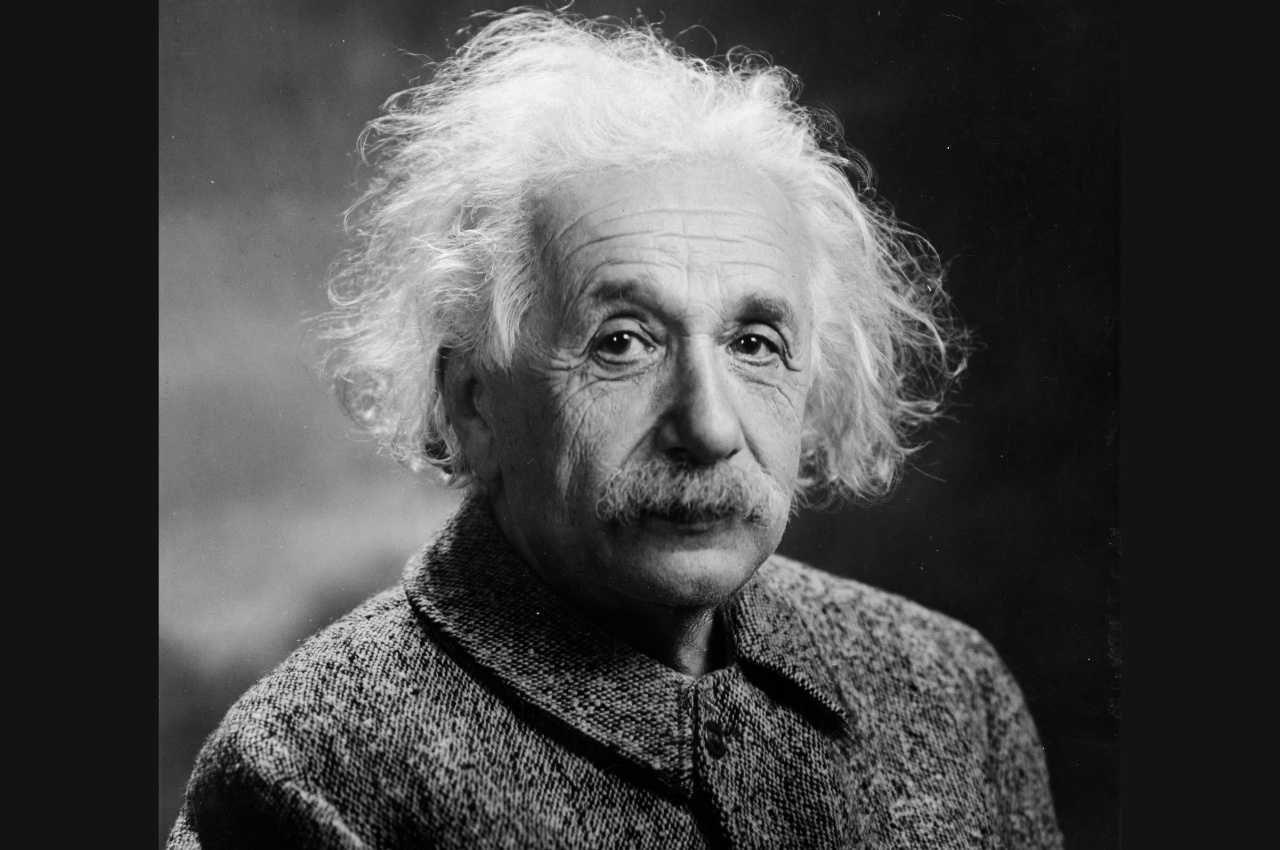
In 1929, the stock market crash triggered a global economic crisis, leaving millions unemployed and destabilizing economies worldwide. At the same time, Albert Einstein was awarded the Nobel Prize in Physics, highlighting that human curiosity and achievement persisted despite widespread hardship. This juxtaposition of economic despair and scientific recognition shows how progress and adversity can coexist. Even amid societal challenges, innovation and intellectual breakthroughs continue to inspire hope and demonstrate the resilience of human ingenuity.
9. World War II Ends in Europe as the United Nations Is Formed

In 1945, the Allied victory over Nazi Germany marked the end of one of history’s deadliest conflicts, while the United Nations was established to prevent future global wars. These events unfolded simultaneously, blending triumph with proactive governance. The end of widespread destruction coincided with the creation of an institution aimed at fostering diplomacy, cooperation, and peace. This overlap highlights humanity’s effort to learn from past devastation and build structures to guide a more stable and cooperative international future.
10. India Gains Independence and Pakistan Is Born
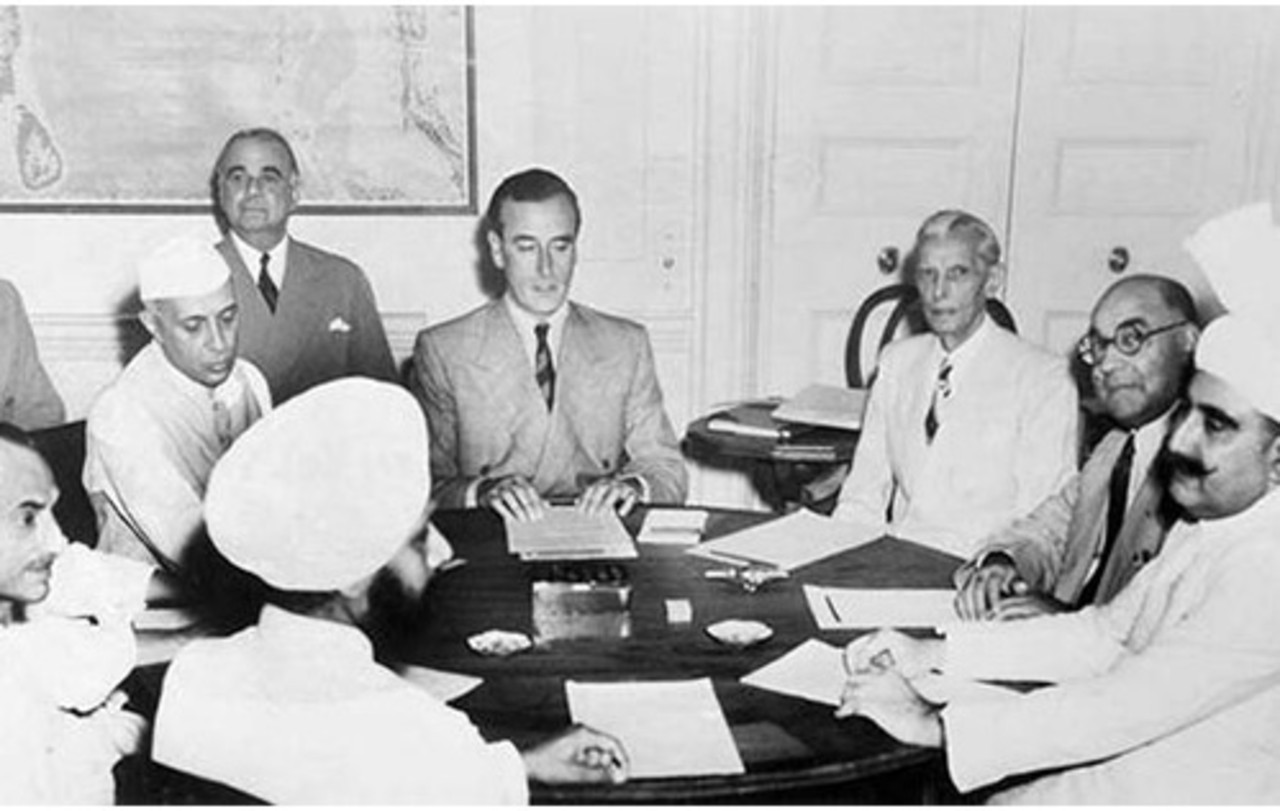
In 1947, British India was partitioned, creating the independent nations of India and Pakistan and reshaping the political landscape of South Asia. The moment marked freedom from colonial rule but also sparked massive migrations, communal violence, and deep social upheaval. Independence and the birth of a new nation occurred simultaneously, highlighting the dual nature of historical change: liberation came hand-in-hand with immense challenges. This pivotal event demonstrates how single moments in history can produce both hope and hardship at the same time.
11. Moon Landing and Vietnam War Escalation
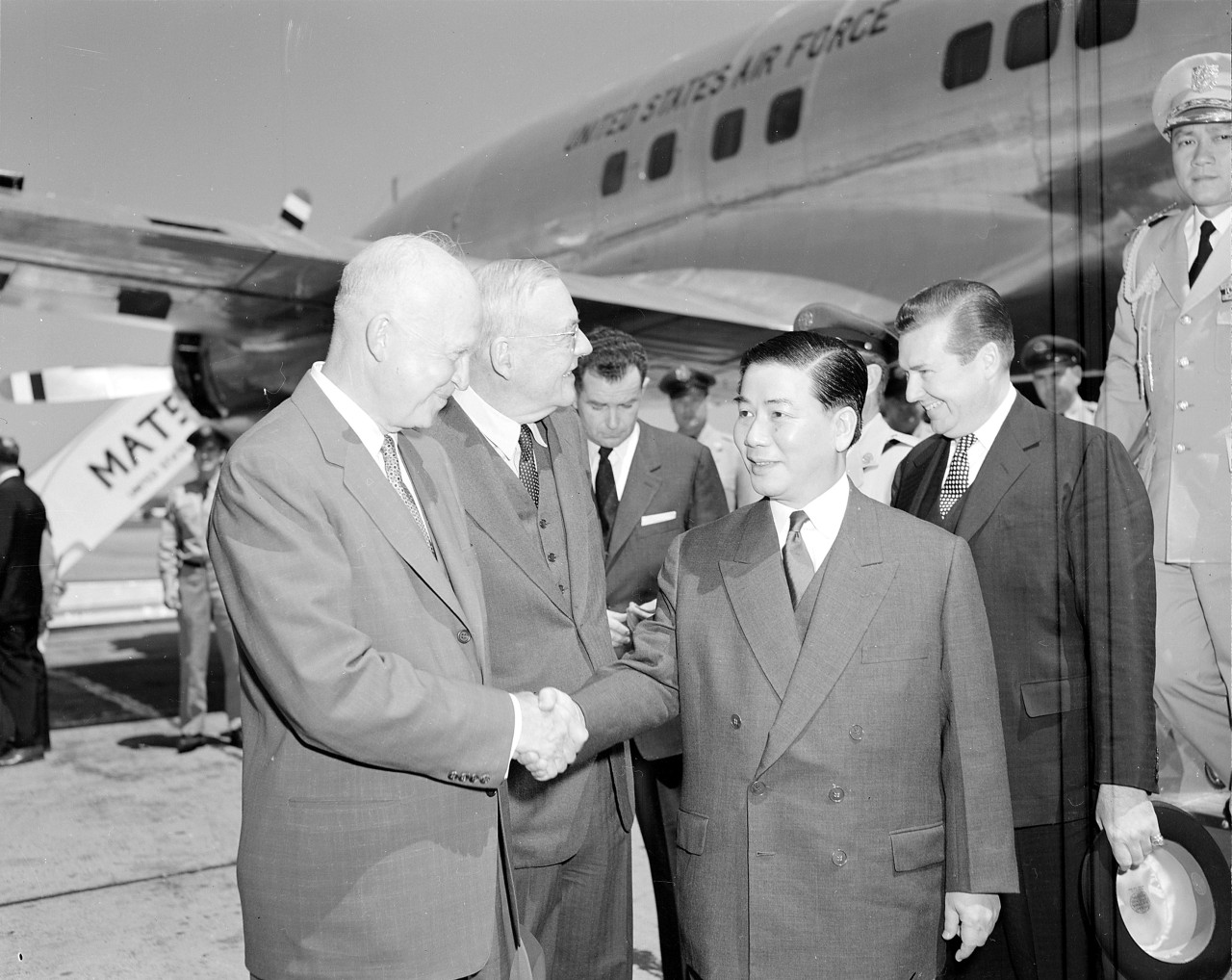
In 1969, humanity walked on the Moon, showcasing technological achievement and global ambition, while U.S. military involvement in Vietnam intensified. The contrast between monumental exploration and ongoing conflict highlights the duality of human experience: moments of extraordinary progress exist alongside persistent struggle. These simultaneous events reveal how history often unfolds in paradoxes, where triumph and tragedy co-occur, shaping collective memory in profoundly different ways.
12. Berlin Wall Falls as Technology Reshapes the World
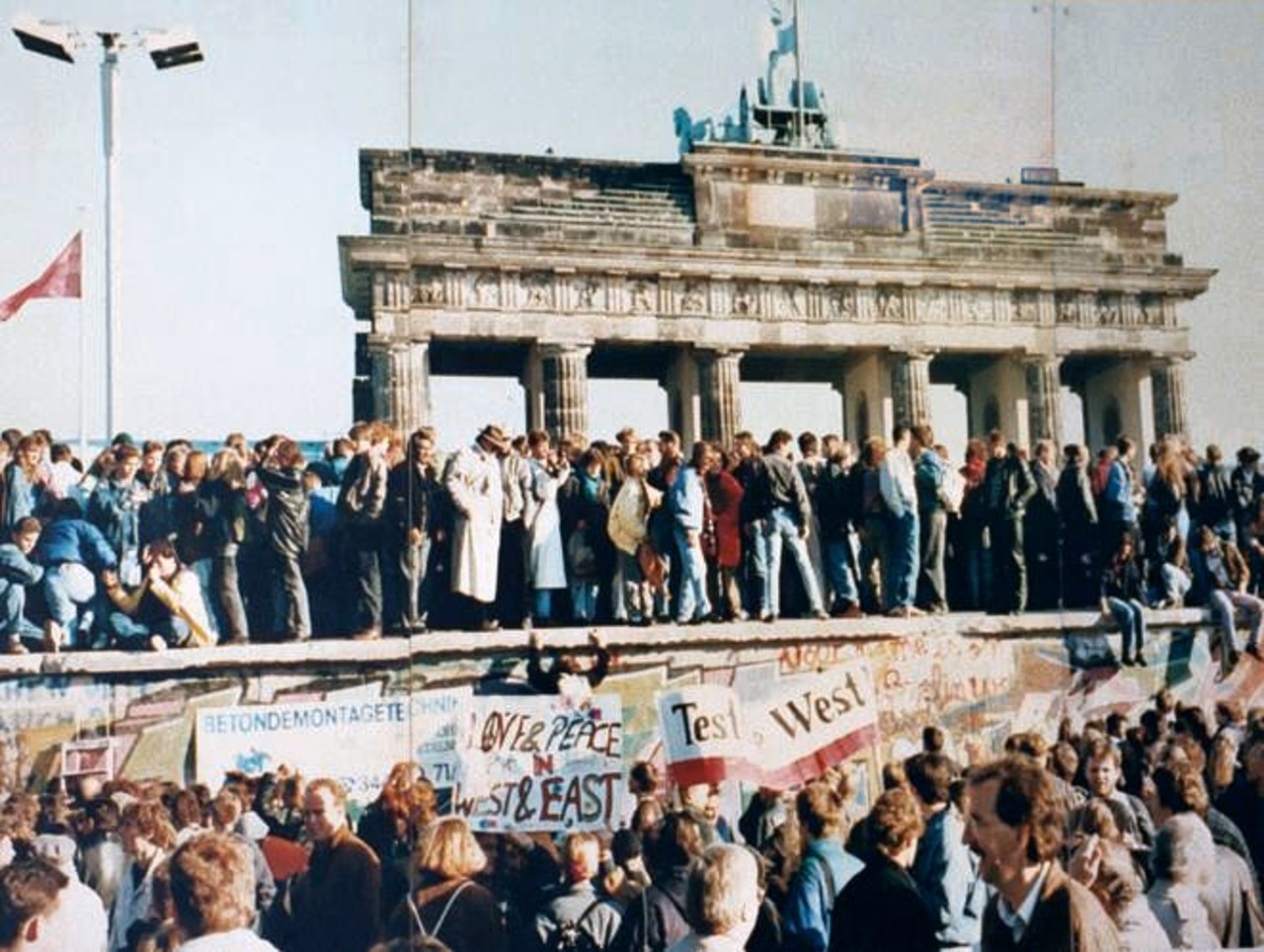
In 1989, the Berlin Wall fell, symbolizing the end of decades of division and the triumph of political freedom in Europe. At the same time, personal computers and the internet were beginning to spread globally, transforming communication, business, and everyday life. The convergence of political liberation and technological innovation reshaped society in profound ways, showing how changes in governance and technology can accelerate human progress together. These simultaneous developments marked a pivotal moment in modern history.
13. Nelson Mandela’s Release Signals the End of Apartheid
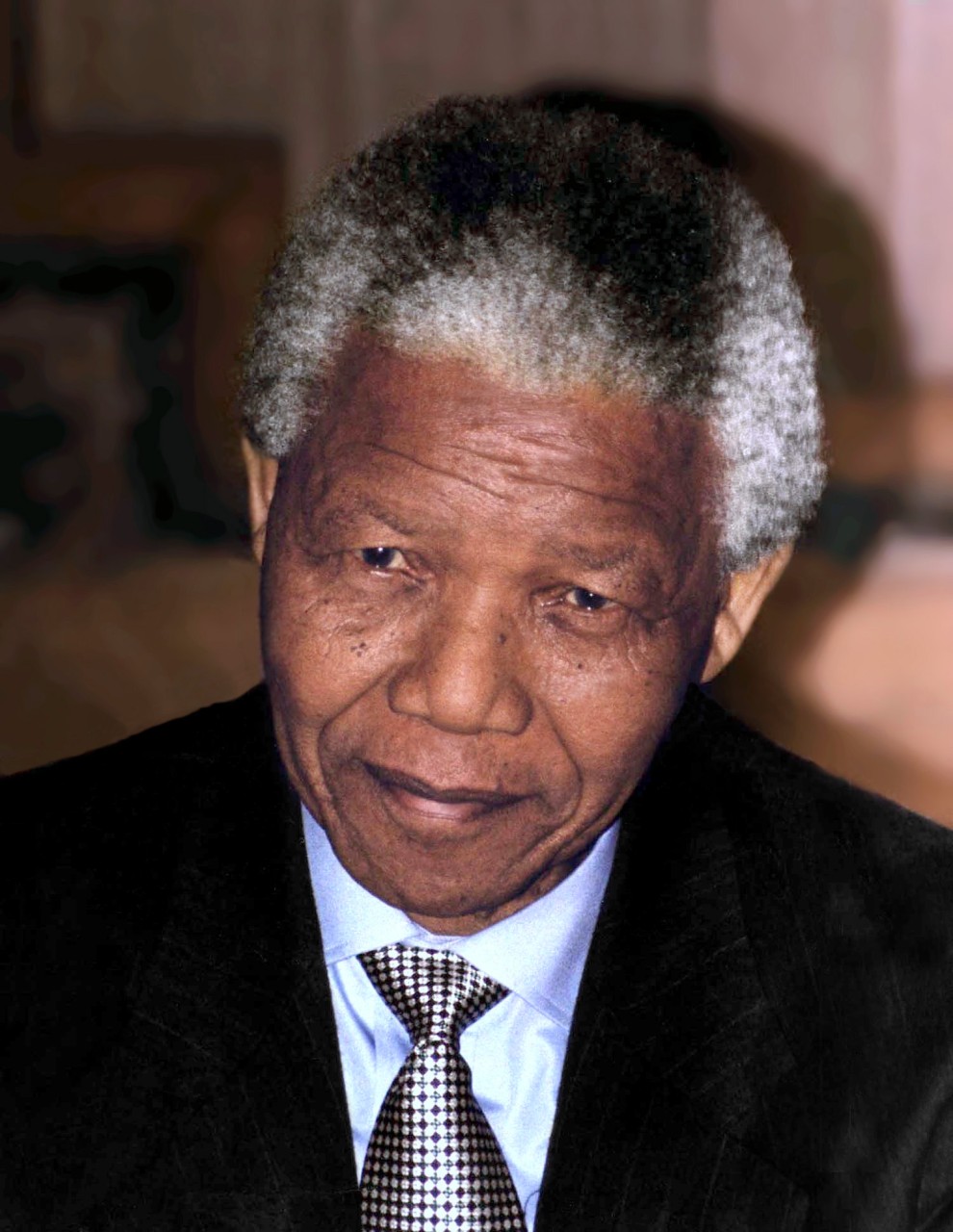
In 1990, Nelson Mandela walked free after 27 years in prison, symbolizing hope and resilience for South Africa. Simultaneously, international pressure, including economic sanctions and diplomatic campaigns, intensified against the apartheid regime. This alignment of personal liberation with systemic political change illustrates how individual milestones can intersect with broader historical forces, driving societal transformation. Mandela’s release did not happen in isolation; it reflected and accelerated a collective movement toward equality and lasting reform.
14. September 11, 2001, Attacks Shake the World Economically
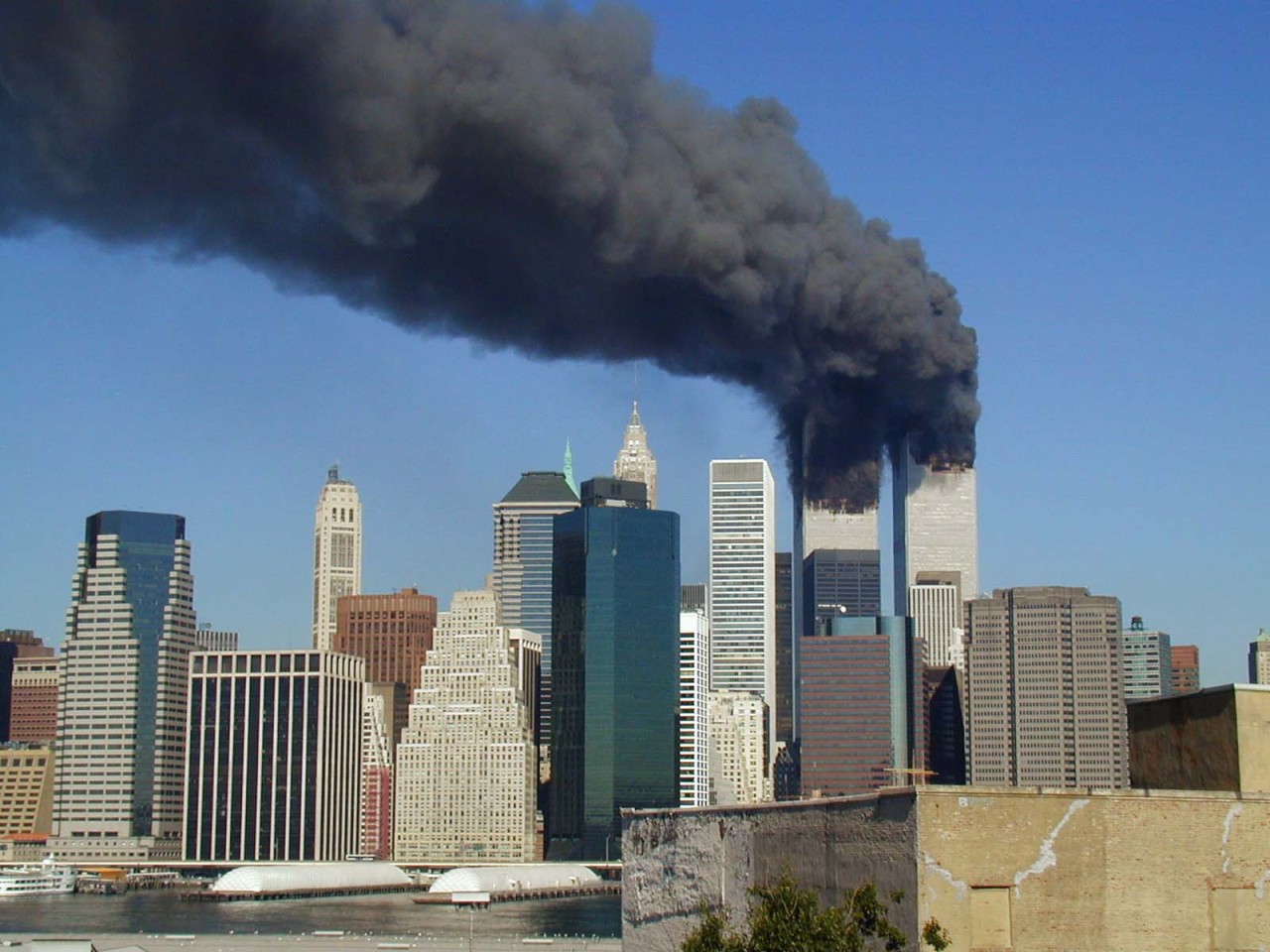
The terrorist attacks in the United States on September 11, 2001, caused unimaginable human loss while simultaneously sending global financial markets into turmoil. Airports closed, trade halted, and stock exchanges around the world plunged as uncertainty gripped economies. This single day demonstrated how closely interconnected modern society is, showing that political violence, human tragedy, and economic stability are often linked. The events reshaped international security policies, global finance, and public consciousness, leaving a lasting imprint on the 21st century.