
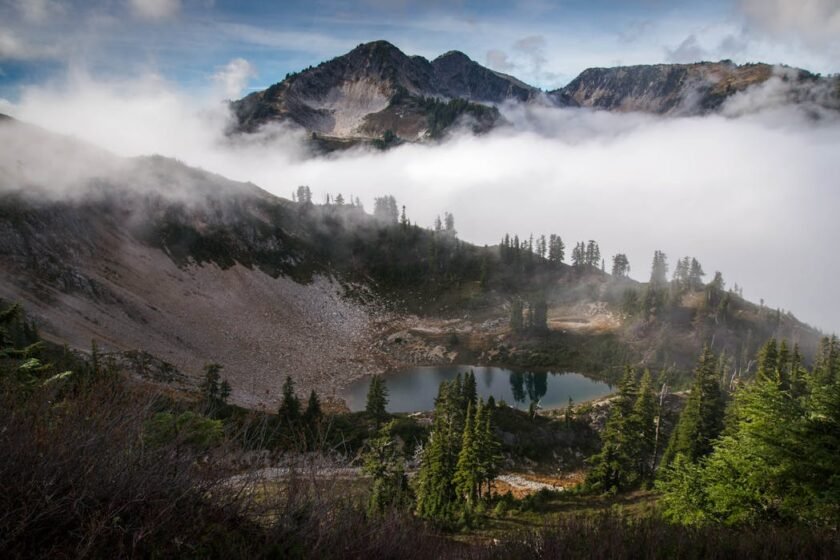
Fog often feels mysterious, yet its sudden appearance usually follows clear scientific patterns rooted in geography and atmospheric behavior. A temperature inversion occurs when cooler air becomes trapped near the ground beneath a layer of warmer air, preventing normal air circulation. Moisture condenses quickly in these conditions, creating fog that can roll in within minutes. Valleys, coastal corridors, basins, and river systems experience this effect most frequently because landforms restrict airflow. These areas often transition from clear visibility to dense fog with little warning, reshaping scenery and daily routines alike. Scientists study these regions to understand localized climate behavior, while residents learn to anticipate fog based on seasonal cues. Across the world, certain scenic places repeatedly demonstrate how temperature inversion quietly governs fog formation with remarkable consistency and visual impact.
San Francisco Bay Area
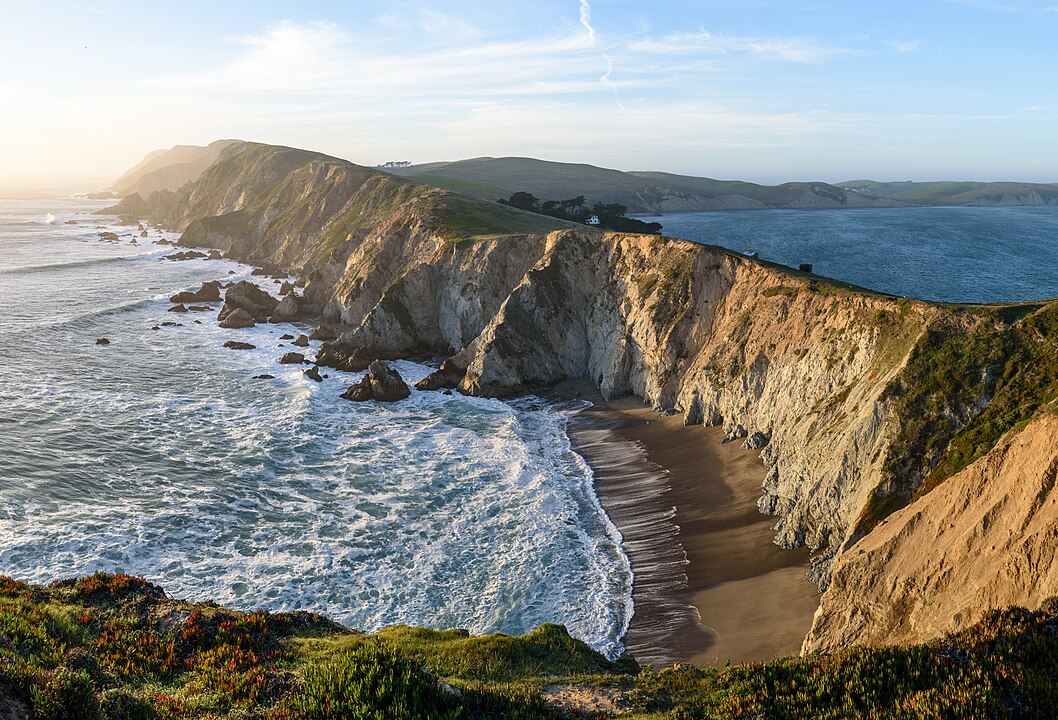
The San Francisco Bay Area remains one of the most studied fog environments due to its unique coastal geography and consistent temperature inversions. Cold air from the Pacific Ocean moves inland beneath warmer air, especially during summer, creating ideal conditions for rapid fog formation. The Golden Gate acts as a natural channel that pulls fog deep into the bay, while surrounding hills trap it across neighborhoods and valleys. Fog can arrive suddenly, shifting from bright sunlight to low visibility within minutes. This pattern influences transportation, architecture, and daily planning throughout the region. The process follows reliable meteorological principles tied to ocean currents, land elevation, and stable air layers that prevent vertical mixing.
Big Sur Coastline
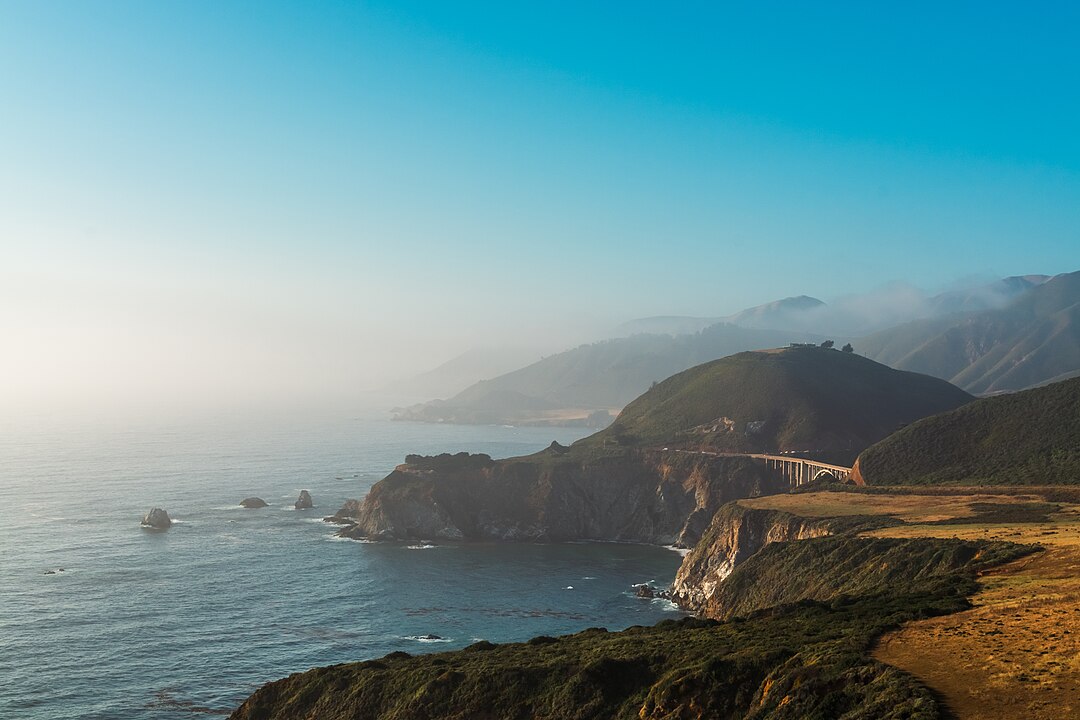
The Big Sur coastline frequently experiences fast-forming fog driven by temperature inversion along the cold Pacific waters. Chilled marine air settles beneath warmer air layers, while steep coastal cliffs limit airflow and trap moisture close to the surface. Fog often develops rapidly, especially during late afternoons and evenings, altering expansive ocean views almost instantly. The phenomenon supports the region’s lush plant life despite limited rainfall, as vegetation absorbs moisture directly from the fog. Drivers along Highway 1 often encounter abrupt visibility changes as fog drifts across cliffs and coves. The process reflects a stable and well-documented interaction between ocean temperature, coastal topography, and atmospheric layering.
Napa Valley

Napa Valley’s broad basin structure makes it particularly susceptible to inversion fog, especially during late summer and early fall. Cool air from nearby San Pablo Bay flows inland at night and becomes trapped beneath warmer air above the valley floor. Fog can form quickly among vineyards and linger through the morning hours. The surrounding hills restrict air movement, intensifying the inversion effect. This recurring fog moderates temperatures and plays an important role in the region’s agricultural rhythm. Sudden fog formation remains a predictable feature of the valley’s climate, shaped by geography rather than unusual weather events.
Yosemite Valley
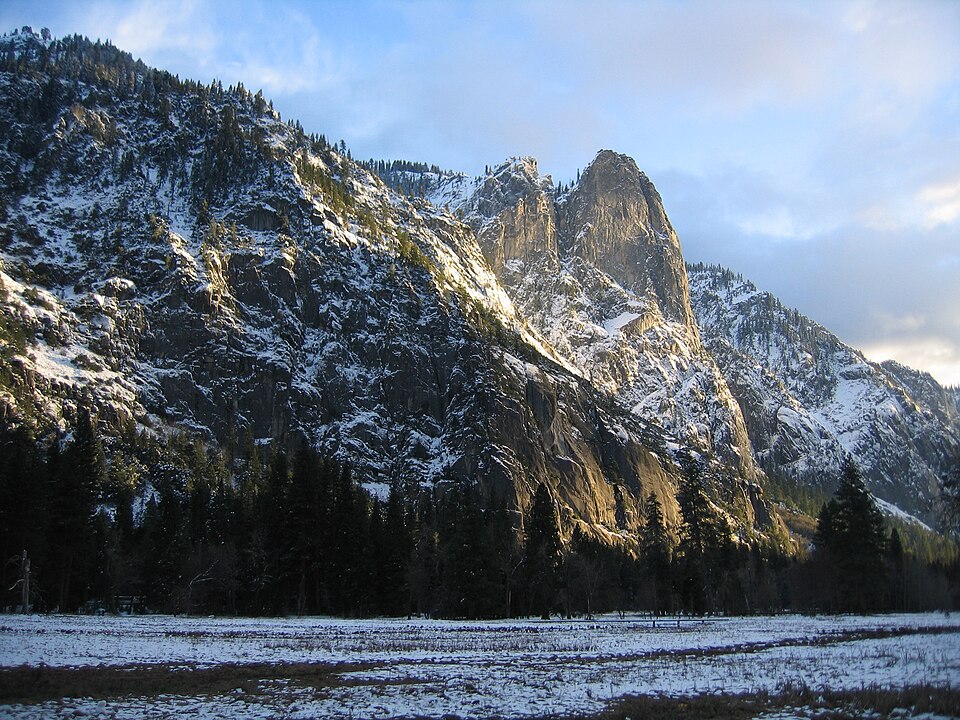
Yosemite Valley experiences rapid fog formation when cold nighttime air sinks into the valley floor beneath warmer air layers above. The steep granite walls prevent air circulation, allowing moisture to condense quickly along rivers and meadows. Fog often forms during autumn and winter mornings, sometimes obscuring famous landmarks entirely. The inversion persists until sunlight warms the lower air and breaks the temperature imbalance. This phenomenon highlights how enclosed mountain valleys can support dense fog even far from coastal influence. The process follows consistent seasonal patterns linked to elevation, clear skies, and limited wind movement.
Grand Canyon
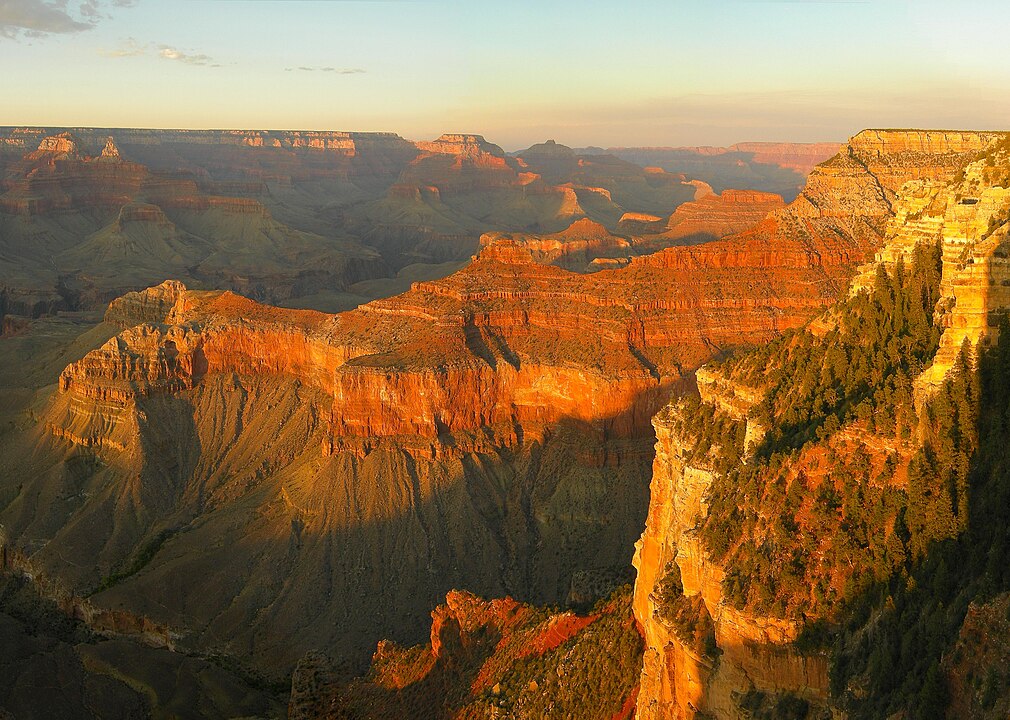
The Grand Canyon occasionally fills with fog due to powerful temperature inversions during calm winter conditions. Cold air sinks deep into the canyon while warmer air remains above the rim, trapping moisture below. Fog can form quickly, sometimes creating the appearance of a white cloud sea within the canyon walls. The steep terrain prevents easy dispersal until solar heating reverses the inversion. While rare, this event remains well documented and scientifically understood. It demonstrates how dramatic elevation differences alone can generate inversion fog even in dry desert regions. These rare events often draw photographers, researchers, and visitors who witness an unusual atmospheric transformation deep within the canyon.
Great Smoky Mountains
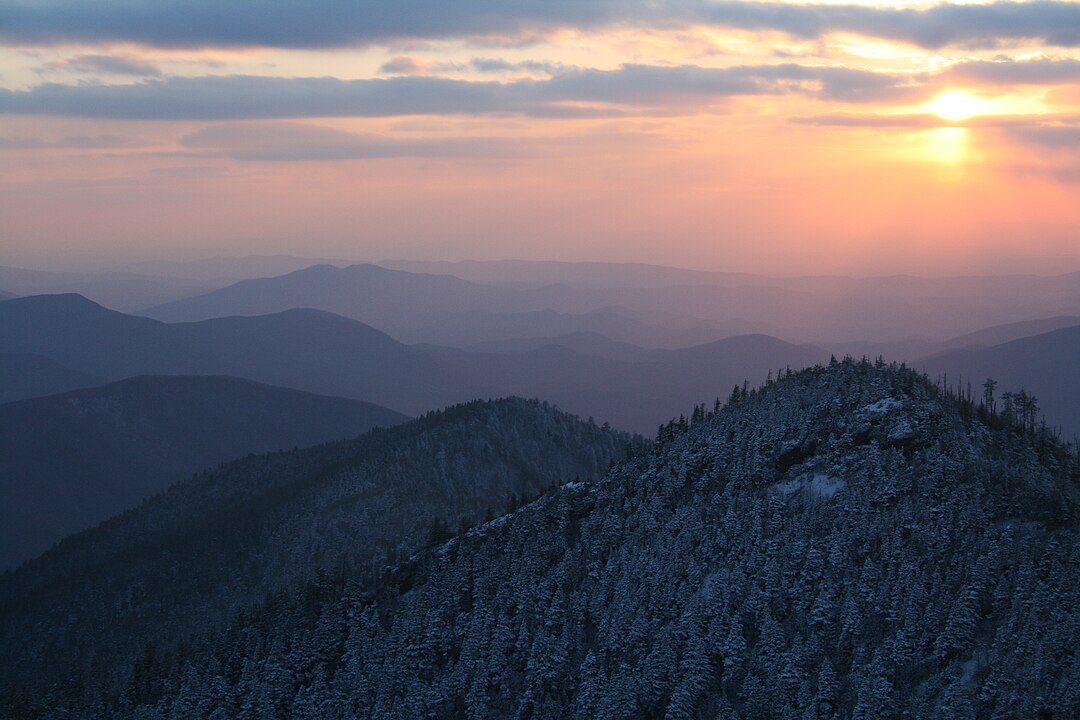
The Great Smoky Mountains experience frequent fog because their valleys trap cool, moist air beneath warmer layers. Temperature inversions form easily in this humid region, especially during early mornings. Fog can develop rapidly and drift through forested slopes, softening visibility across ridgelines and hollows. The surrounding mountains restrict airflow, allowing moisture to linger. This process contributes to the region’s dense vegetation and distinctive atmospheric appearance. The fog’s sudden formation reflects a stable interaction between terrain, humidity, and temperature rather than unpredictable weather behavior. These conditions have shaped regional ecology, tourism patterns, and the mountains’ long-standing reputation for misty scenery.
Blue Ridge Parkway
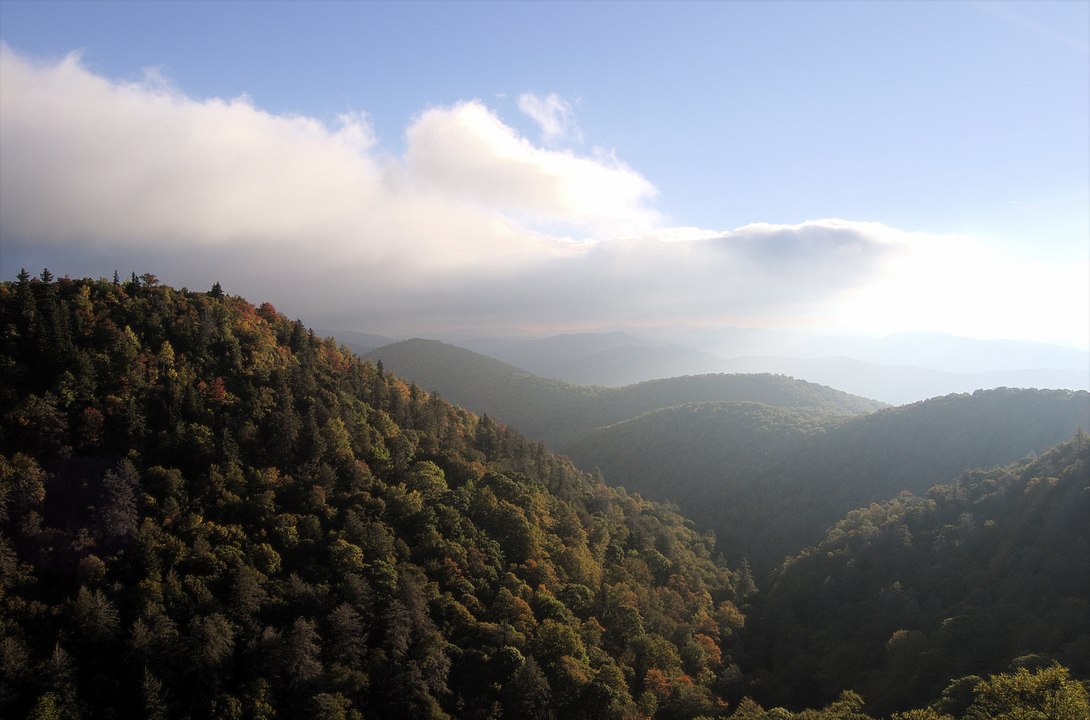
The Blue Ridge Parkway runs through elevations where inversion fog frequently forms due to overnight cooling in valleys. Cold air settles beneath warmer air layers, creating stable conditions that allow fog to appear quickly along roadways and overlooks. Forested slopes and rolling terrain slow air movement, intensifying the effect. Visibility can change abruptly as fog fills low areas while nearby ridges remain clear. The pattern occurs most often during late summer and fall under calm conditions. The parkway illustrates how elevation changes and limited ventilation support rapid fog development. Drivers and hikers often experience shifting visibility that highlights the delicate balance between landscape and atmospheric stability.
Appalachian Valleys Of West Virginia
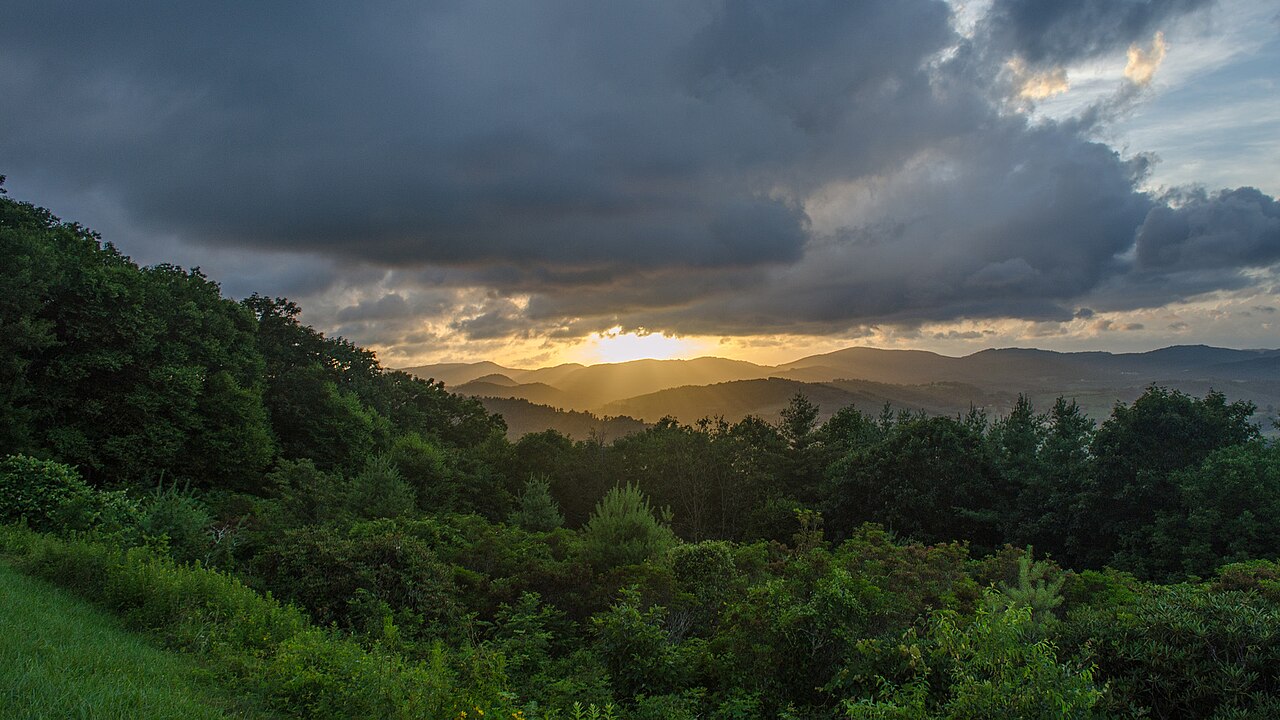
The narrow Appalachian valleys of West Virginia regularly experience inversion fog caused by trapped cold air. During nighttime cooling, dense air settles into valleys beneath warmer layers, while rivers add moisture to the environment. Fog often forms quickly before sunrise and fills the entire valley floors. Surrounding ridges block airflow, allowing fog to persist until temperatures rise. The phenomenon affects transportation and daily schedules while creating striking visual contrasts. This region clearly demonstrates how topography and moisture combine to produce reliable inversion fog. Local communities have adapted routines and infrastructure around these frequent morning fog conditions over generations.
Columbia River Gorge
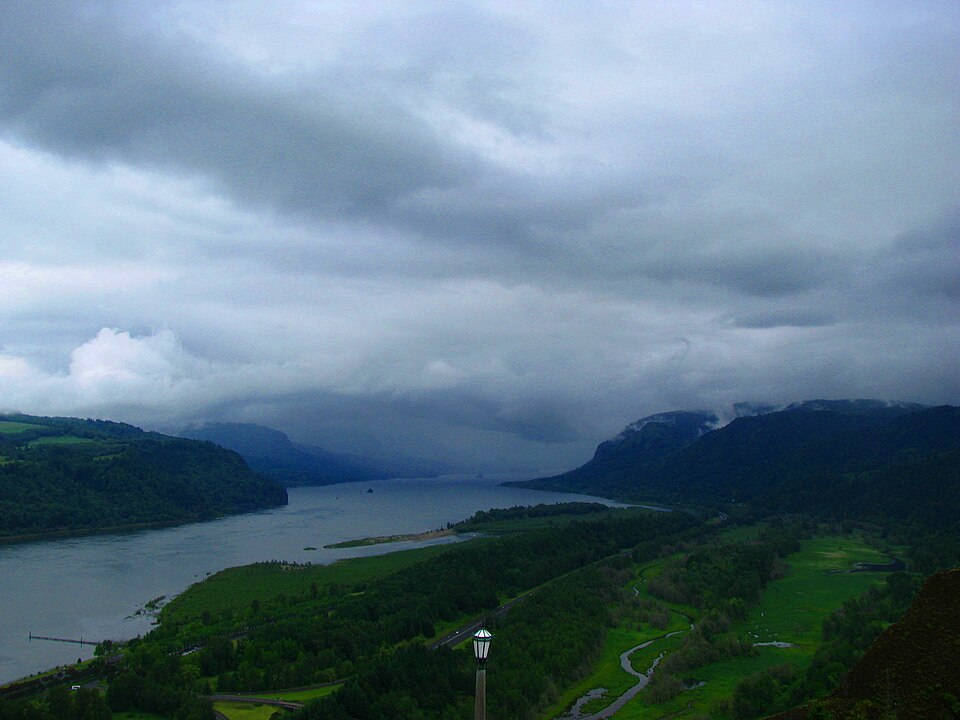
The Columbia River Gorge frequently supports rapid fog formation due to temperature inversion along the river corridor. Cold river water cools the air near the surface while warmer air remains above. Steep canyon walls limit circulation, allowing fog to accumulate quickly and stretch for miles. Fog often develops during cooler months and lingers until solar heating disrupts the inversion. The phenomenon reflects how waterways and confined terrain create stable atmospheric layers. Sudden fog formation remains a defining feature of the gorge’s climate behavior. These conditions influence transportation safety, ecosystem moisture levels, and the region’s distinctive visual character.
Willamette Valley
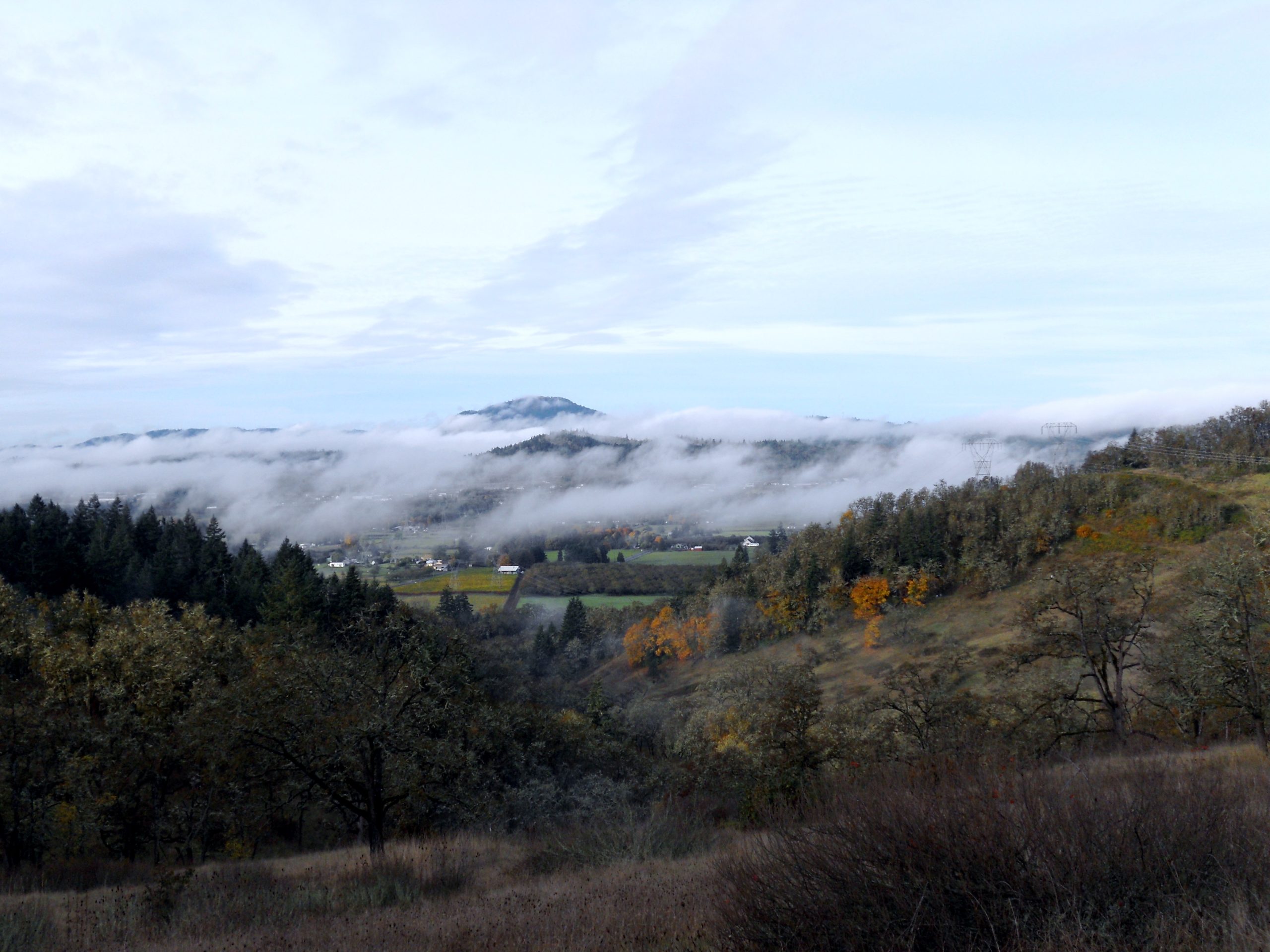
The Willamette Valley experiences consistent inversion fog during fall and winter due to its broad basin shape. Cool air pools overnight beneath warmer air layers, while surrounding mountains restrict airflow. Fog often forms quickly across farmland and towns, reducing visibility by morning. The inversion persists until daytime warming restores circulation. This pattern influences agriculture, transportation, and daily routines throughout the valley. The region exemplifies how enclosed lowlands support rapid fog formation driven by predictable temperature differences. Farmers and commuters alike recognize fog as a regular seasonal feature shaping daily planning decisions.
Po Valley
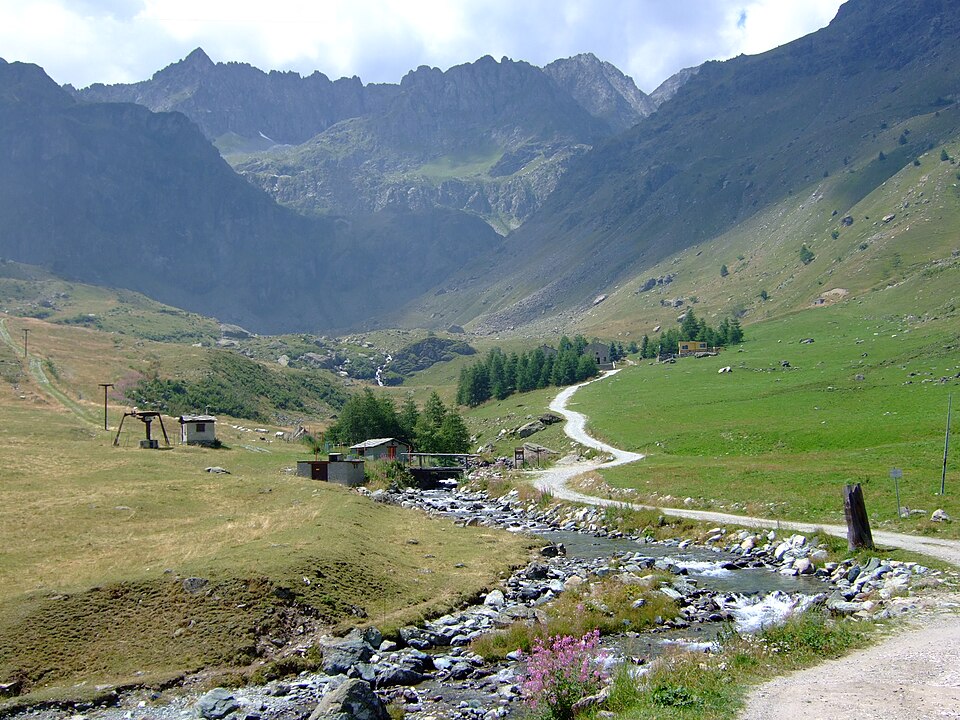
The Po Valley in northern Italy is one of Europe’s most fog-prone regions because of strong and persistent temperature inversions. Cold air becomes trapped beneath warmer air during colder months, while surrounding mountain ranges limit ventilation. Fog can form quickly and spread across large areas, sometimes lasting for days. High humidity from rivers and agriculture contributes to dense conditions. The phenomenon remains a classic example of inversion fog in a large, enclosed plain shaped by geography and seasonal climate patterns. These fog events have historically affected transportation networks, urban planning, and regional cultural references tied to winter landscapes.
Lake Tahoe Basin

The Lake Tahoe Basin experiences rapid fog formation when cold air settles beneath warmer layers around the lake. Cold water cools nearby air, strengthening inversion conditions. Mountains surrounding the basin prevent easy dispersal, allowing fog to build quickly along shorelines and valleys. Fog often appears during calm mornings and clears as sunlight warms the surface air. The process highlights how alpine basins and large lakes support sudden visibility changes through stable atmospheric layering. Visitors frequently encounter dramatic morning scenes as fog lifts to reveal the surrounding peaks and water.
Yellowstone River Valleys
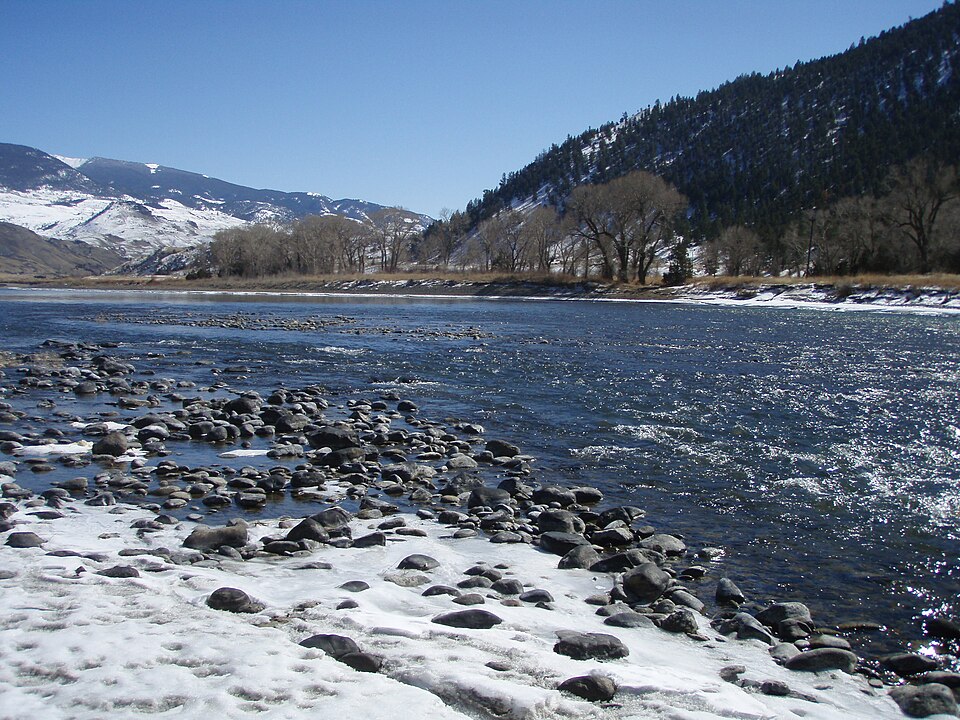
The Yellowstone River valleys frequently develop inversion fog during colder months due to pooled cold air and added moisture. Geothermal features warm the surrounding air while colder air remains trapped near river corridors. Fog forms rapidly at dawn and drifts through open valleys. Higher elevations often remain clear, creating sharp visual contrasts. The phenomenon illustrates how localized heat sources, water, and terrain interact to produce consistent inversion fog in mountainous regions. These fog patterns contribute to iconic wildlife scenes and seasonal visibility changes across the park landscape.
Shenandoah Valley
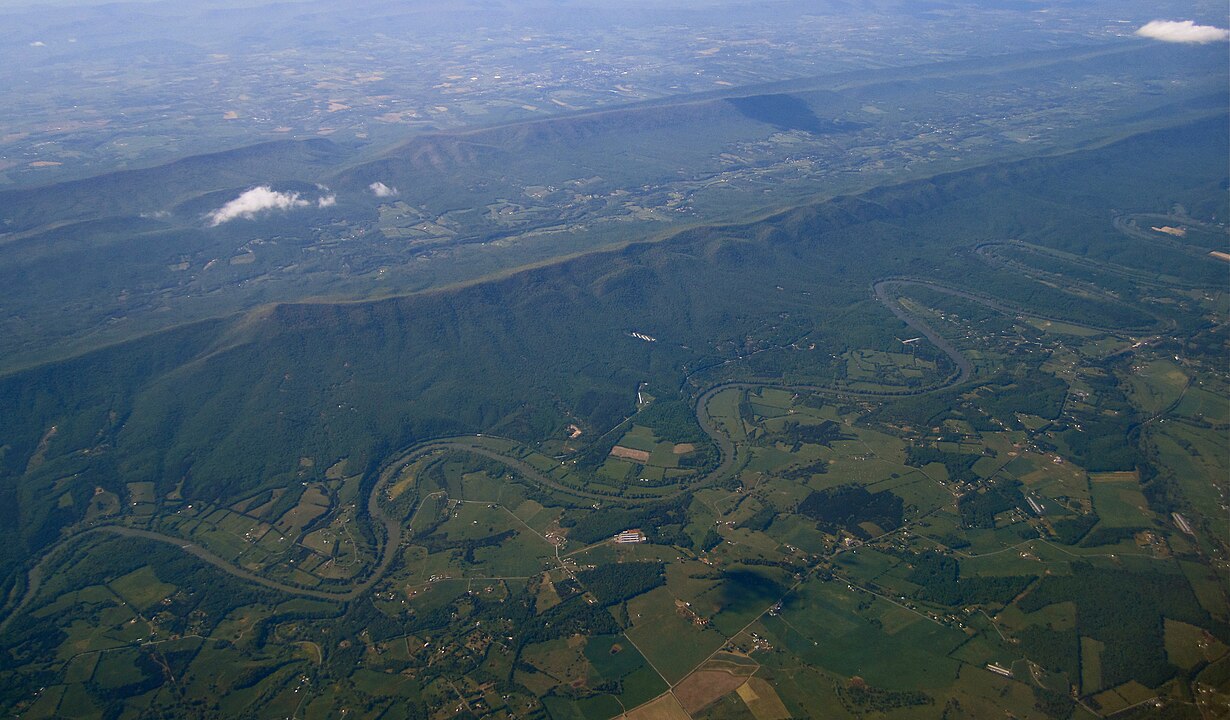
The Shenandoah Valley regularly experiences quick-forming fog due to its long, enclosed structure and frequent temperature inversions. Cool air settles overnight beneath warmer air along the surrounding ridges, while farmland and rivers add moisture. Fog often appears suddenly in early morning hours, filling low areas and reducing visibility. The inversion persists until warming breaks the temperature balance. This recurring pattern demonstrates how agricultural valleys with limited airflow support reliable fog formation driven by geography. Residents often associate these foggy mornings with seasonal transitions and long-established regional weather rhythms.
The post 14 Scenic Areas Where Fog Forms Quickly Because of Temperature Inversion appeared first on Bushcraft Base Camp.