

Grandparenthood has undergone a quiet but powerful transformation between 1985 and 2025. Four decades ago, being a grandparent often meant stepping into a slower, more predictable phase of life defined by tradition and limited change. Social roles were clearly drawn, technology barely influenced daily routines, and aging followed a narrow script. In 2025, that script has been rewritten. Longer life expectancy, digital integration, cultural shifts, and evolving family structures have reshaped how grandparents live, think, and contribute. Today’s grandparents are not simply older versions of their past selves; they are participants in a fast-moving world that values adaptability and connection. This article explores fourteen distinct ways modern grandparents differ from those of 1985, highlighting how age no longer defines capability, relevance, or purpose in the way it once did.
1. Technology Has Become a Daily Companion, Not a Barrier
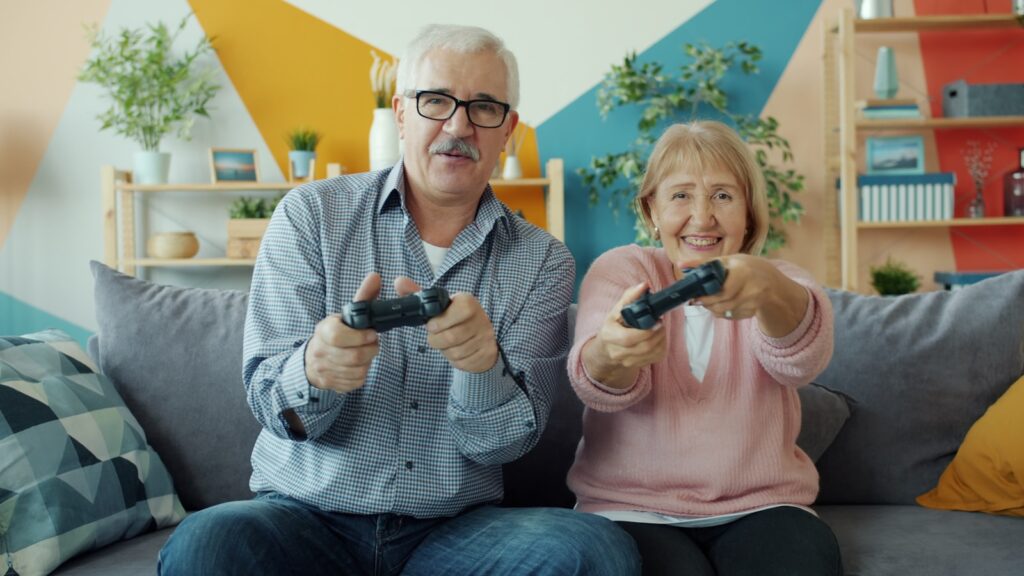
Back in 1985, most grandparents experienced technology as something distant and fixed. Devices were mechanical, interfaces were unfamiliar, and learning new systems later in life was rarely encouraged. Communication relied on landlines and handwritten letters, reinforcing slower rhythms. In 2025, technology is woven into nearly every aspect of grandparent life. Smartphones, voice assistants, and video calls are used confidently to stay connected, manage schedules, and access information. This shift emerged gradually as digital tools became more intuitive and essential for independence. Rather than resisting change, many grandparents embraced technology to maintain relevance and autonomy. Online tutorials and peer learning further eased adoption. Unlike earlier generations, modern grandparents see digital literacy as a practical life skill. Technology now supports their relationships, health, and decision-making instead of creating distance or confusion.
2. Physical Activity Is Treated as Maintenance, Not Exception

Where aging once implied slowing down, that assumption no longer holds true in 2025. In 1985, grandparents often reduced physical activity due to cultural beliefs that rest was safer than movement. Exercise programs for seniors were rare, and discomfort was accepted as inevitable. Today, many grandparents view movement as essential maintenance for daily life. Walking routines, guided stretching, swimming, and strength exercises are common and medically encouraged. Research linking mobility to longevity has changed attitudes, while community fitness options have expanded access. Wearable devices and personalized routines also help track progress safely. Rather than fearing injury, modern grandparents focus on prevention and balance. This change allows them to remain independent longer and participate more actively with family. Physical activity is no longer framed as effort but as preservation of freedom and quality of life.
3. Retirement No Longer Signals a Complete Stop to Working Life
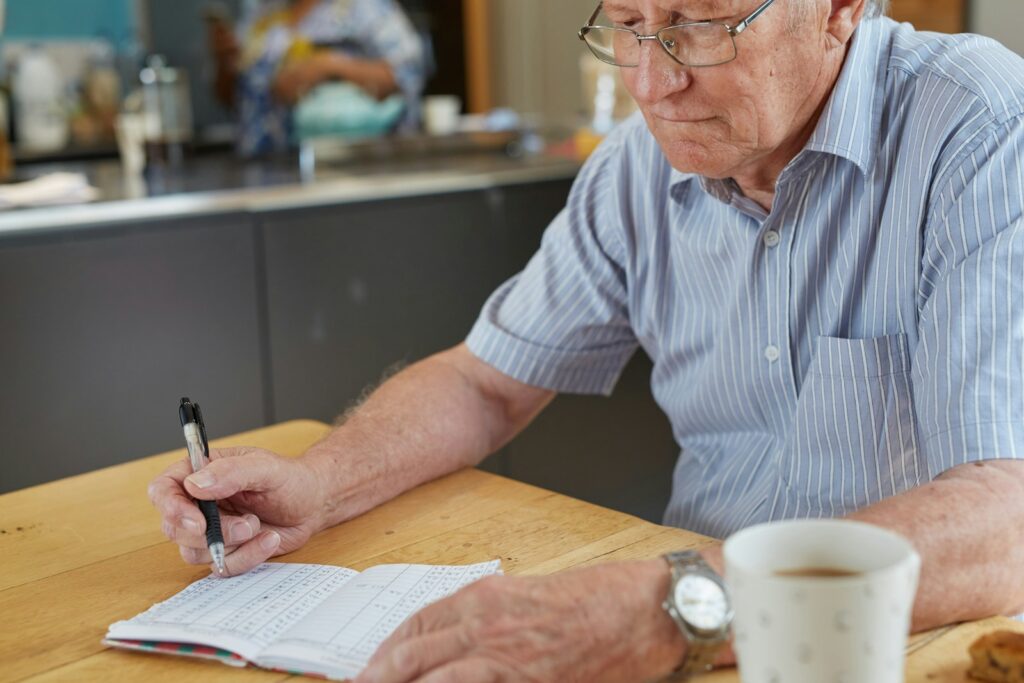
For grandparents in 1985, retirement often marked a permanent exit from professional identity. Jobs ended abruptly, and few opportunities existed for flexible or age-inclusive work. Continuing to earn was sometimes viewed as unnecessary or socially discouraged. In 2025, this outlook has changed in noticeable ways. Many grandparents choose to remain professionally active through part-time roles, consulting, or remote work. Economic factors play a role, but so does the desire to stay mentally engaged. Digital tools allow older adults to contribute knowledge without physical strain, making experience an asset rather than a limitation. Unlike in the past, workplaces increasingly value mentorship and institutional memory. Remaining in the workforce also provides structure and social interaction. Instead of signaling an ending, retirement in 2025 is often a transition into work that better fits changing priorities, energy levels, and personal interests.
4. Parenting Conversations Now Include Grandparents as Partners

Family dynamics surrounding child-rearing have shifted significantly since 1985. Back then, grandparents were expected to respect boundaries by staying out of parenting decisions unless invited. Advice was often rooted in tradition rather than research. In 2025, grandparents are more actively involved in discussions about childcare, education, and emotional development. Access to modern research and shared caregiving responsibilities have made their input more relevant. Many families rely on grandparents for regular childcare, naturally encouraging collaboration. Rather than imposing authority, modern grandparents often approach these conversations with curiosity and adaptability. They recognize that parenting norms evolve and aim to support rather than direct. This cooperative role strengthens family trust and reduces generational tension. The shift reflects a broader movement toward shared responsibility, where experience and updated knowledge work together instead of competing.
5. Travel Is Viewed as Enrichment Rather Than Disruption

Travel once felt demanding and impractical for many grandparents in 1985. Trips were often limited to family obligations, and physical strain or unfamiliar environments discouraged exploration. Planning involved agents, paper tickets, and rigid schedules. In 2025, grandparents approach travel with far more confidence and independence. Improved healthcare, accessible transport, and age-friendly accommodations have removed many earlier barriers. Online platforms simplify planning, while travel insurance and medical support offer reassurance. Many grandparents now seek cultural experiences, educational tours, or personal adventures well beyond retirement age. Instead of seeing travel as exhausting, they view it as a way to stay mentally stimulated and socially connected. This change reflects a broader belief that curiosity does not fade with age. Travel has become a tool for growth and enjoyment rather than something postponed or avoided.
6. Social Circles Extend Far Beyond Family Boundaries
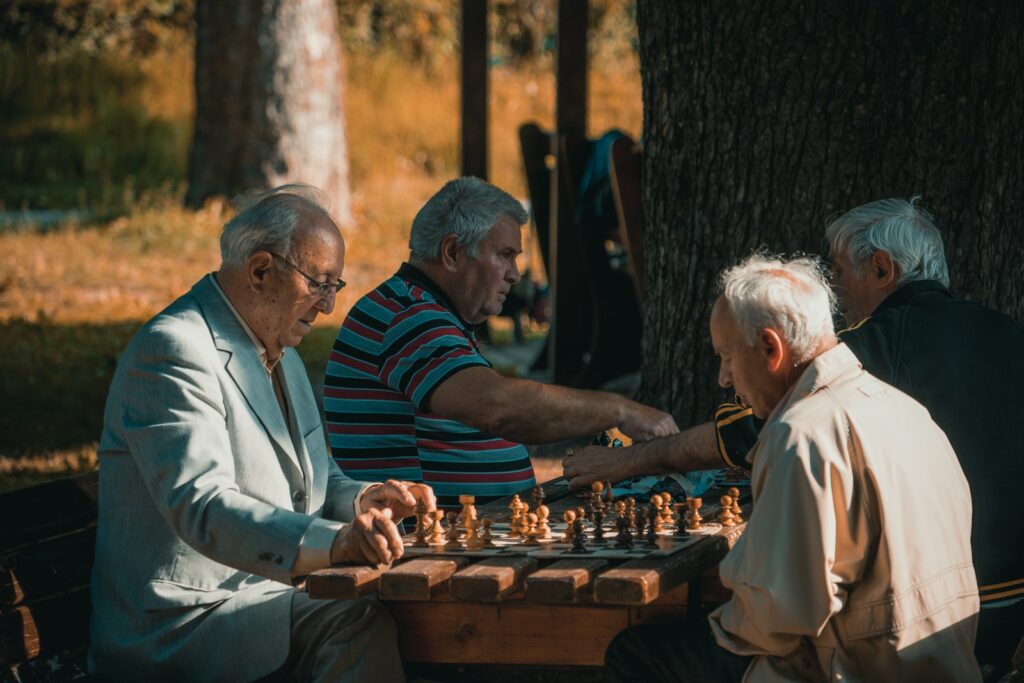
Daily life for grandparents in 1985 revolved heavily around family interactions. Social connections outside the household were often limited and gradually narrowed over time. Loneliness was rarely discussed and often accepted. By 2025, grandparents place greater value on maintaining diverse social networks. Many participate in hobby groups, volunteering efforts, fitness communities, and online forums built around shared interests. Digital communication helps them stay connected with friends across distances, while local groups offer regular engagement. Rather than depending solely on family for companionship, modern grandparents cultivate independence in their relationships. These connections support emotional well-being and reinforce identity beyond caregiving roles. The shift highlights an understanding that social fulfillment remains essential throughout life, helping older adults remain confident, active, and emotionally resilient.
7. Emotional Health Is Treated as a Lifelong Responsibility
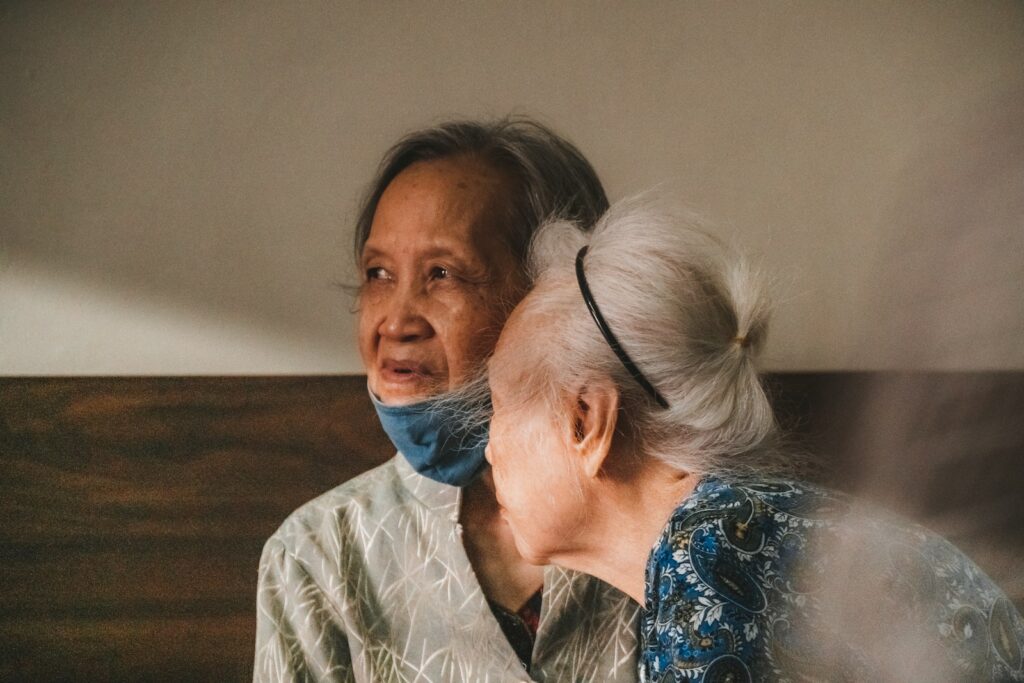
For much of the 1980s, emotional struggles among older adults were rarely acknowledged. Grandparents were expected to be steady and silent, even when dealing with grief, stress, or isolation. Seeking help was uncommon and often stigmatized. In 2025, emotional well-being is understood as an essential part of overall health at every age. Many grandparents actively practice stress management through meditation, therapy, journaling, or group discussions. Public conversations and research have normalized mental health care, making support easier to access. Telehealth services further reduce barriers by allowing private consultations from home. Rather than ignoring emotional needs, modern grandparents address them with intention. This shift enables stronger relationships, better coping skills, and a more balanced sense of self, showing that emotional growth continues well into later life.
8. Health Management Has Shifted From Reactive to Preventive

Medical care in 1985 largely focused on treating illness after symptoms appeared. Grandparents depended on in-person visits, paper files, and limited follow-up. Preventive tracking was minimal, and personal involvement in healthcare decisions was often low. By 2025, grandparents play an active role in monitoring their health. Digital records, wearable trackers, and health apps help them observe patterns related to sleep, activity, and vital signs. Telemedicine makes routine consultations easier and more frequent. Rather than waiting for problems to worsen, modern grandparents emphasize early intervention and informed decision-making. Access to reliable health information empowers them to ask better questions and follow care plans more effectively. This proactive approach improves long-term outcomes and supports independence, reflecting how healthcare has evolved alongside patient awareness and technology.
9. Learning Is Pursued for Growth, Not Obligation
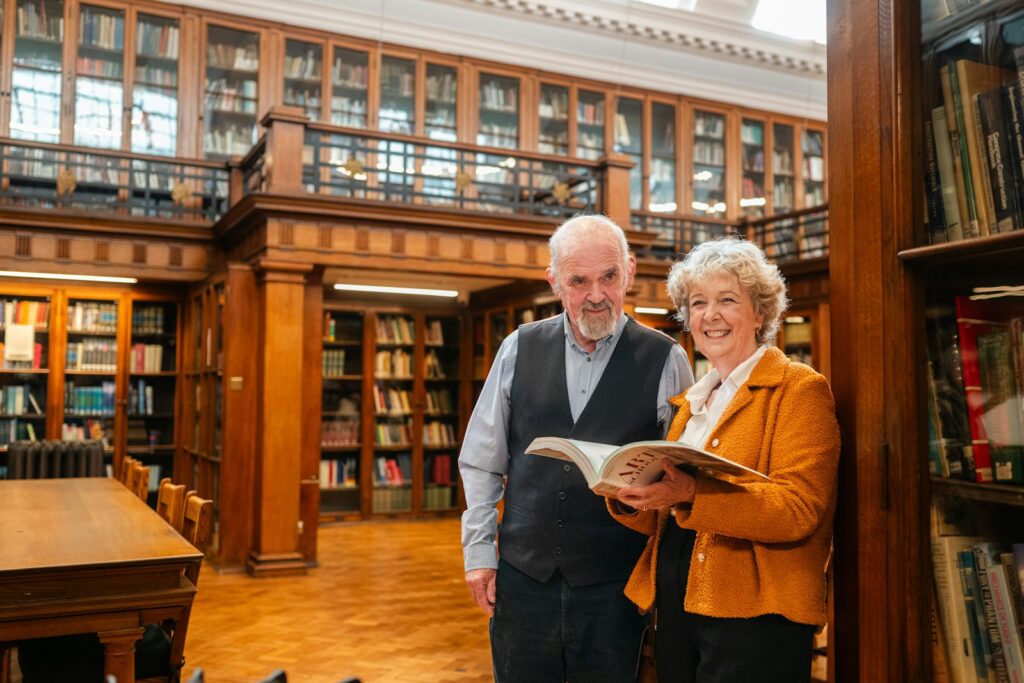
Formal education in 1985 rarely extended into grandparent years. Learning was tied to careers, and once work ended, intellectual development often slowed. Access to age-inclusive education was limited, and curiosity was undervalued in later life. In 2025, grandparents actively seek new knowledge for personal satisfaction. Many explore online courses, attend workshops, or develop creative skills without pressure or deadlines. Digital platforms and community programs make learning flexible and accessible. Scientific research has also reinforced the importance of cognitive engagement for brain health. Unlike in the past, modern grandparents view learning as a way to stay curious, adaptable, and mentally resilient. This pursuit enhances confidence and opens opportunities for social interaction. Learning is no longer a requirement of productivity but a source of joy, reinforcing the idea that intellectual growth remains meaningful at any age.
10. Household and Care Roles Are Shared More Flexibly
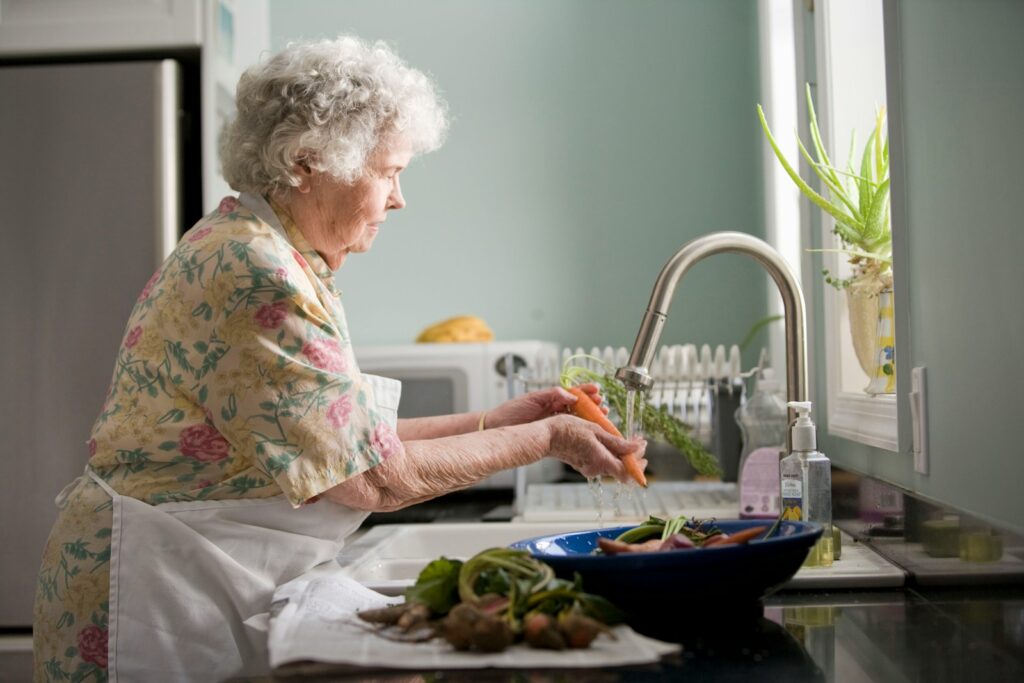
Traditional family roles were clearly defined in 1985, especially among older generations. Grandmothers were often expected to manage caregiving and domestic responsibilities, while grandfathers maintained distance from daily household tasks. These patterns were rarely questioned. In 2025, grandparents approach family roles with far more flexibility. Responsibilities are divided based on ability, availability, and interest rather than gender expectations. Grandfathers are commonly involved in childcare, cooking, and emotional support, while grandmothers pursue professional interests, hobbies, or leadership roles. This balance reflects decades of cultural change around equality and shared responsibility. By modeling cooperation and adaptability, modern grandparents help younger family members see relationships as partnerships. The shift creates healthier dynamics and reinforces the idea that family roles can evolve throughout life.
11. Financial Planning Is Ongoing Rather Than Fixed
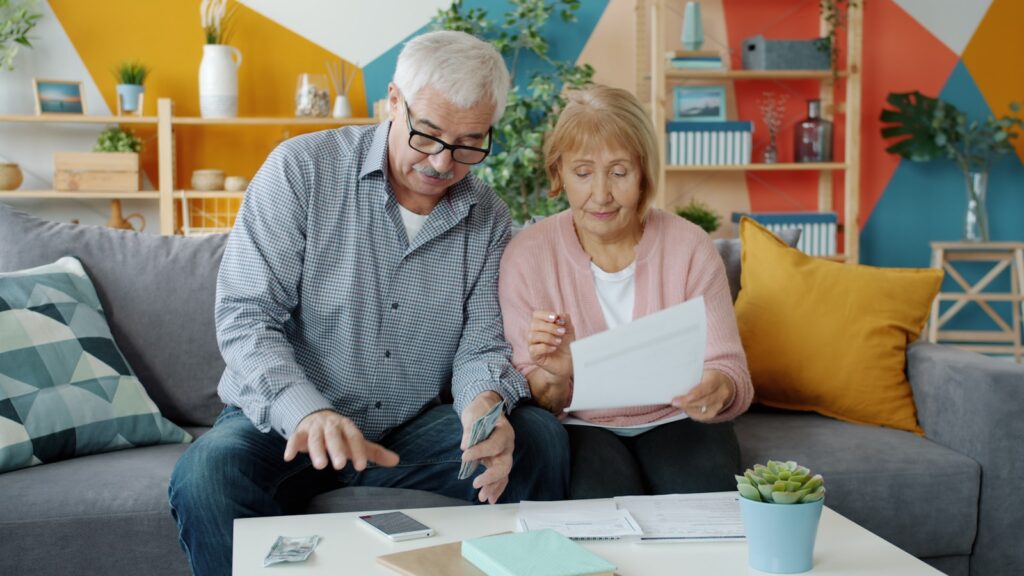
Money management for grandparents in 1985 often followed a static model. Once retired, income sources were limited, and financial decisions focused mainly on conserving what remained. Tools for tracking expenses or investments were basic, and long-term planning rarely accounted for extended lifespans. In 2025, grandparents take a more dynamic approach to financial planning. Many actively monitor savings, investments, and healthcare costs using digital platforms. Access to online education has improved financial literacy, allowing better decision-making. Instead of assuming retirement finances are final, modern grandparents regularly adjust plans to match changing needs and goals. Some generate supplemental income through consulting or flexible work. This adaptability offers greater security and independence, reflecting a shift from passive management to informed financial engagement throughout later life.
12. Age-Based Stereotypes Are Actively Resisted

Cultural expectations surrounding aging were rigid in 1985. Grandparents were often expected to dress conservatively, avoid trends, and quietly step aside from public life. These assumptions shaped how older adults were treated and how they saw themselves. By 2025, many grandparents openly reject such limitations. They express personal style, stay informed about current events, and engage with contemporary culture. Media representation has broadened, showing older adults as complex individuals rather than background figures. Instead of conforming, modern grandparents prioritize authenticity. Challenging stereotypes allows them to remain visible and confident in social spaces. This shift has helped redefine aging as a stage of continued relevance rather than decline, empowering grandparents to shape their identities on their own terms.
13. Conversations Across Generations Are More Honest and Balanced
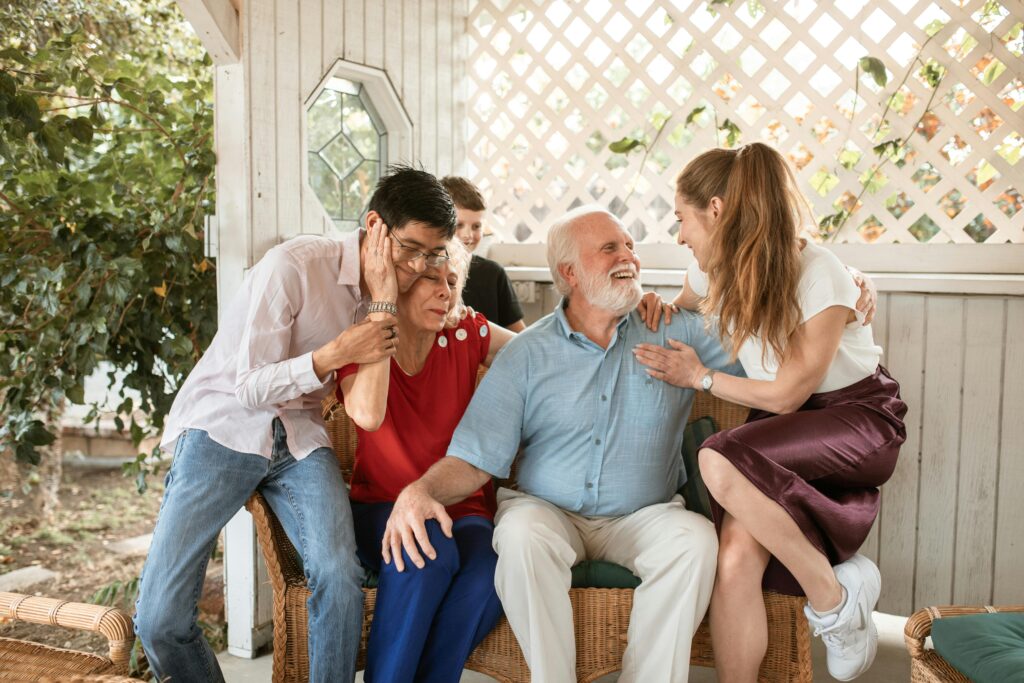
Family communication in 1985 often followed a one-directional pattern. Grandparents spoke, younger members listened, and emotional vulnerability was rare. Topics such as identity, mental health, or personal struggle were usually avoided. In 2025, grandparents approach communication with greater openness and humility. Many make a conscious effort to listen as much as they speak, recognizing that understanding flows both ways. Digital tools allow frequent, informal contact that strengthens emotional closeness. Rather than insisting on authority, modern grandparents share experiences, acknowledge mistakes, and invite dialogue. This approach builds trust and mutual respect across generations. By embracing honest communication, grandparents create stronger bonds and demonstrate emotional intelligence. The shift reflects broader cultural changes that value empathy and connection over hierarchy, making family relationships more resilient and meaningful.
14. Later Life Is Seen as a Time for Reinvention
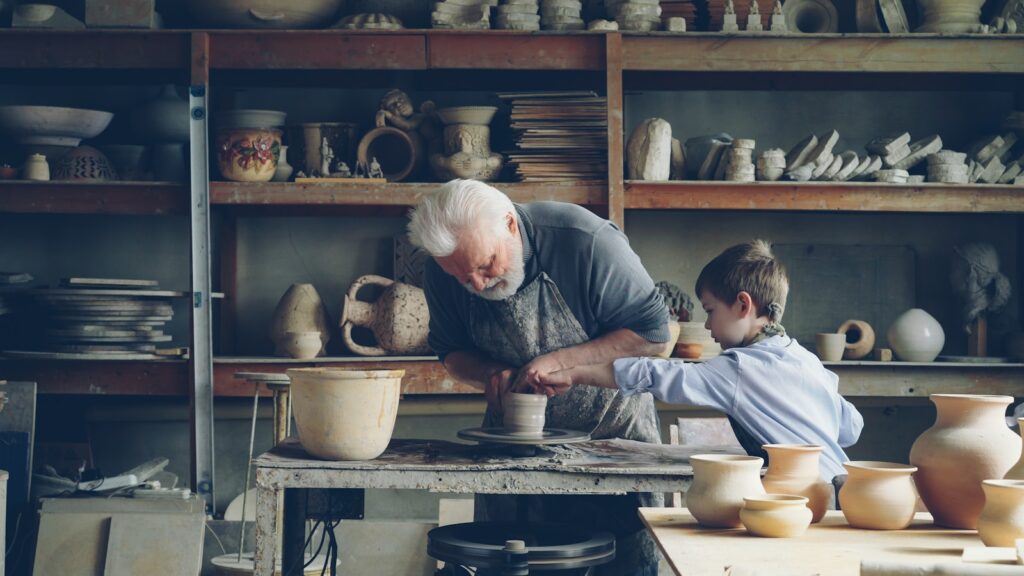
The closing chapters of life in 1985 were often framed around rest and withdrawal. Grandparents were encouraged to slow ambitions and accept predictability. In 2025, many view later life as an opportunity for reinvention. Longer life expectancy and improved health allow space for new goals, creative projects, and community involvement. Some grandparents start small businesses, engage in advocacy, or explore passions that were postponed earlier in life. Rather than waiting, they actively choose how to spend their time. This mindset shift transforms aging into a period of purpose and self-discovery. By treating later life as an evolving phase, modern grandparents challenge outdated assumptions and show that growth, contribution, and fulfillment remain possible well beyond traditional retirement years.
Keep reading on The WiC Project Lifestyle Blog & Miriam’s Boutique: Home Goods, Beauty, & Fashion Store