

Long before digital calendars, reminder apps, and automated alerts became part of daily life, people still managed time with remarkable discipline and structure. Workdays, meetings, travel, and personal responsibilities all depended on systems that were physical, communal, and deeply tied to social habits. These methods evolved over centuries, shaped by agriculture, religion, trade, and early industrial life. Instead of syncing devices, people relied on memory training, written records, and shared time signals such as bells and clocks. Mistakes carried real consequences, which encouraged careful planning and consistency. Understanding how time management worked before digital calendars reveals how intentional daily life once had to be, and how many of these older systems quietly laid the foundation for modern scheduling habits we still follow today.
1. Handwritten Daily Planners and Ledgers

Before digital calendars existed, handwritten planners were one of the most reliable time-management tools, especially from the 18th century onward. Merchants, clerks, teachers, and officials maintained personal ledgers that listed tasks, appointments, and deadlines in neat chronological order. These books were often custom-bound and reused annually, with dates manually written in advance. Because space was limited, people learned to prioritize carefully, recording only essential obligations. Missed entries were immediately visible, reinforcing accountability. Unlike digital systems, these planners required intentional daily review, often in the morning or evening. The act of physically writing tasks helped strengthen memory and commitment. Many planners also included notes on weather, expenses, and correspondence, allowing users to track patterns over time. This method demanded consistency but rewarded clarity, making handwritten planning a disciplined daily ritual rather than a passive reminder system.
2. Church Bells as Community Timekeepers

Church bells played a central role in time management across Europe from the medieval period through the early 20th century. Long before personal watches became affordable, bells marked key moments of the day, such as morning prayers, midday meals, and evening curfews. Entire communities structured their schedules around these audible signals. Farmers timed fieldwork, shopkeepers opened and closed stores, and families planned meals based on bell patterns everyone understood. Specific bell sequences signaled different purposes, reducing confusion even without written schedules. Because bells were communal, they created shared accountability; being late was noticeable. This system minimized individual planning while reinforcing collective rhythm. Over time, bell schedules became standardized within towns, effectively serving as a public calendar and clock combined. Though simple, this approach synchronized daily life efficiently and required people to remain attentive to their environment rather than personal devices.
3. Pocket Watches and Personal Time Discipline

Pocket watches became widely used between the late 17th and 19th centuries, especially among professionals who needed precise personal timekeeping. Unlike modern smart devices, these watches required regular winding and careful handling, which encouraged daily attention to time. Owners checked them deliberately rather than compulsively, often only a few times a day. Because pocket watches were costly, time awareness became associated with responsibility and status. Railway workers, doctors, and factory supervisors depended on synchronized watches to maintain schedules, especially as industrialization expanded. Many workplaces even required employees to set watches according to a master clock. This system demanded trust in personal discipline rather than automated alerts. Forgetting to wind a watch or misreading time had real consequences, reinforcing careful habits. Pocket watches helped shift time management from communal signals to individual responsibility long before digital calendars existed.
4. Written Correspondence as Long-Term Scheduling

Before instant communication, letters played a major role in planning future events, particularly from the 1600s through the early 1900s. Meetings, deliveries, and travel plans were arranged weeks or months in advance through carefully worded correspondence. Because revisions were slow, people planned cautiously, accounting for delays and contingencies. Letters often included exact dates, expected durations, and follow-up timelines, serving as physical reminders once received. Many households stored important letters in dedicated boxes or folders for reference. This system required strong foresight, as missed deadlines could not be quickly corrected. The pace of communication encouraged patience and realistic scheduling rather than constant rescheduling. Unlike digital calendars that adjust instantly, written correspondence forced people to commit to plans thoughtfully, making time management a deliberate, forward-looking process grounded in reliability and personal accountability.
5. Wall Calendars in Homes and Workplaces
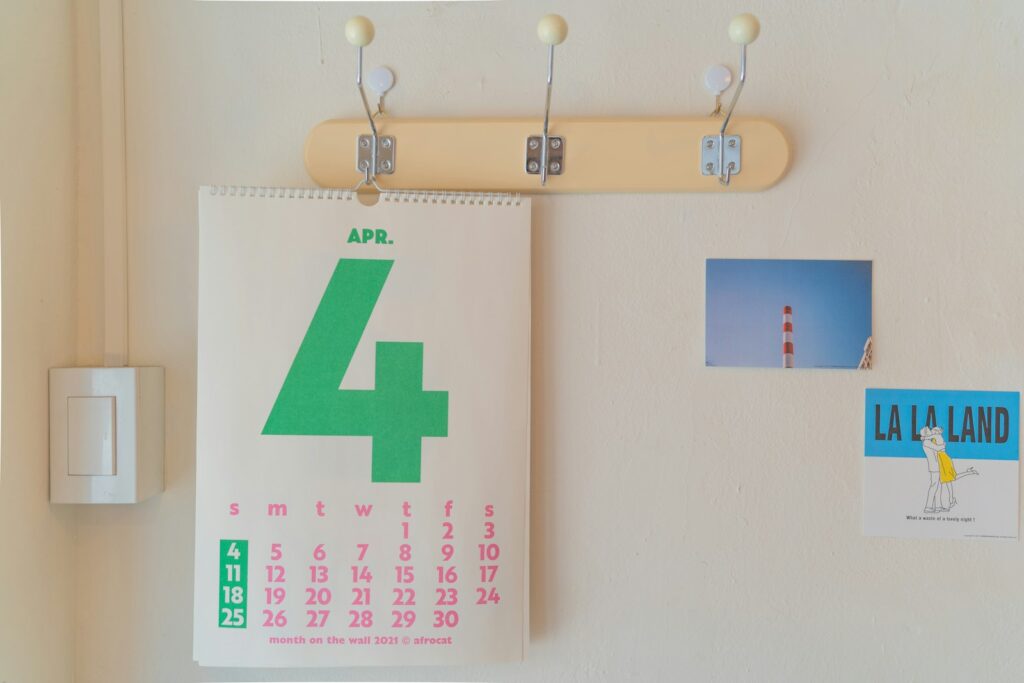
Wall calendars became common in households and offices during the 18th and 19th centuries as printing costs declined. These calendars were often large, visually clear, and placed in shared spaces such as kitchens, workshops, or offices. Important dates like market days, religious observances, and payment deadlines were marked manually with pencil or ink. Because everyone in the space could see the calendar, it functioned as a shared planning tool rather than a private reminder. Changes required discussion and agreement, encouraging coordination and accountability. Many calendars also included moon phases, seasonal notes, and agricultural guidance, helping people plan work in advance. Unlike digital calendars that notify individuals separately, wall calendars created collective awareness of time. This visibility reduced forgotten commitments and reinforced routine, making daily and long-term planning a visible part of everyday life.
6. Time-Based Routines Passed Through Habit

Before automated scheduling, many people relied on fixed daily routines built through repetition rather than written plans. These habits developed over years, shaped by daylight, work demands, and social expectations. Meals, labor, rest, and social visits often occurred at nearly the same time each day, reducing the need for constant planning. Craftspeople, farmers, and shop owners structured tasks in predictable sequences, knowing exactly what came next. This form of time management was mentally efficient because it minimized decision-making. Breaking routine was noticeable and usually required a strong justification. Even households followed habitual schedules for chores and childcare. These ingrained patterns acted as an internal calendar, allowing people to manage complex responsibilities without external reminders. Habit-based time management depended on consistency and discipline, proving effective long before digital tools replaced memory and routine.
7. Public Notice Boards for Shared Scheduling
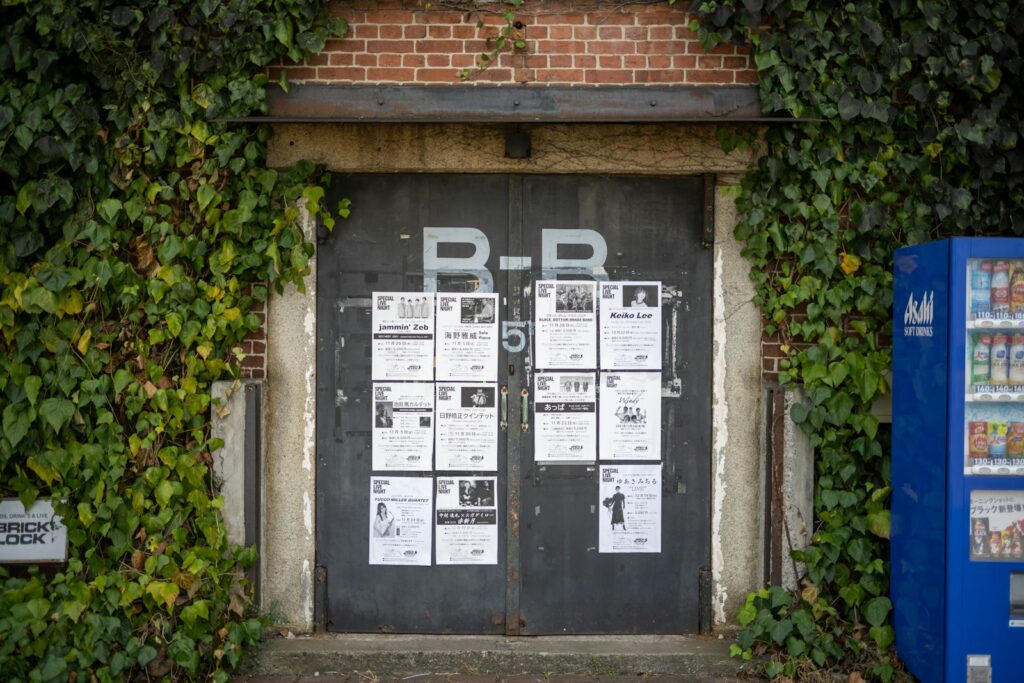
Public notice boards were an essential time-management tool in towns and workplaces from the 18th century through the early 20th century. These boards were typically placed near churches, town halls, factories, or marketplaces and displayed handwritten or printed notices about meetings, deliveries, work shifts, and upcoming events. Because information was shared openly, people made a habit of checking boards regularly, often at the start or end of the workday. This reduced the need for personal reminders while keeping everyone informed. Changes were clearly dated and physically visible, making schedule updates harder to ignore. Employers and local officials relied on these boards to coordinate large groups without direct communication. The system encouraged punctuality and personal responsibility, as missing an announcement was seen as negligence. Public notice boards worked as collective calendars, reinforcing awareness through routine and shared access rather than private digital alerts.
8. Appointment Books Kept by Professionals

Doctors, lawyers, tailors, and other professionals commonly used appointment books long before digital scheduling tools appeared. These books, popular from the 1700s onward, were usually organized by day and hour, with limited space that forced realistic scheduling. Appointments were written in ink, discouraging frequent changes unless absolutely necessary. Because erasing or rewriting created visible marks, professionals planned carefully to avoid confusion. Clients were given verbal reminders or handwritten notes, placing responsibility on both parties. Reviewing the appointment book became a daily ritual, often done at the start and end of each workday. Missed appointments were immediately noticeable and often recorded. This method created a strong sense of time ownership and professionalism. Appointment books demanded attention and consistency, making time management an active practice rather than a passive system driven by automated reminders.
9. Factory Whistles and Workday Segmentation
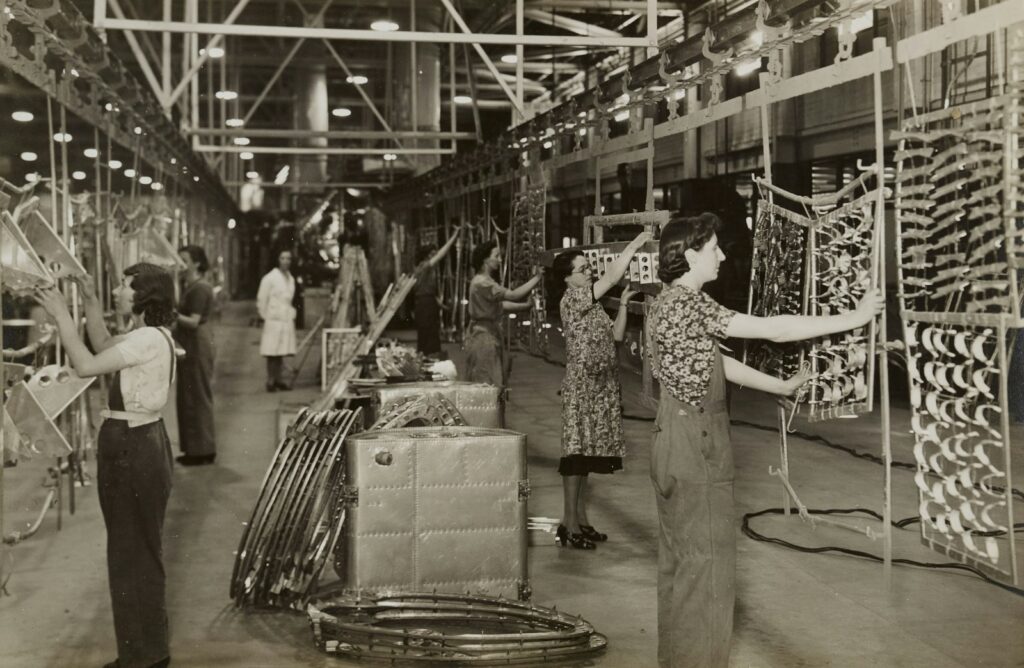
During the 19th and early 20th centuries, factory whistles became a powerful tool for managing time, especially in industrial towns. These loud signals marked the start of shifts, meal breaks, and the end of the workday. Workers did not need personal schedules because the whistle structured time collectively. Being late or early was immediately noticeable, reinforcing punctuality through social pressure. Entire neighborhoods often adjusted their routines around these signals, from waking up to preparing meals. Factory owners used whistles to standardize productivity and reduce confusion across large workforces. Unlike digital reminders that are personal and silent, whistles were unavoidable and communal. This system reduced decision-making and eliminated ambiguity about timing. While strict, it brought consistency to daily life and allowed thousands of people to coordinate their schedules efficiently without written calendars or electronic alerts.
10. Seasonal Planning Based on Natural Cycles

Before digital calendars, many people planned time according to seasons rather than specific dates, especially in agricultural societies. Tasks were organized around daylight length, weather patterns, and planting or harvesting cycles. Instead of monthly schedules, people thought in terms of early spring, high summer, or late autumn. This approach required close observation of nature and experience built over the years. Seasonal planning helped communities anticipate workloads, festivals, and travel limitations well in advance. Even non-farm workers adjusted their routines to seasonal rhythms, such as shorter winter workdays or extended summer hours. Because natural cycles were predictable yet flexible, people learned to plan with patience rather than precision. This system emphasized long-term awareness over daily scheduling, proving effective for centuries. Seasonal time management fostered adaptability and foresight, qualities that modern digital calendars often overlook.
11. Written To-Do Lists and Task Slips
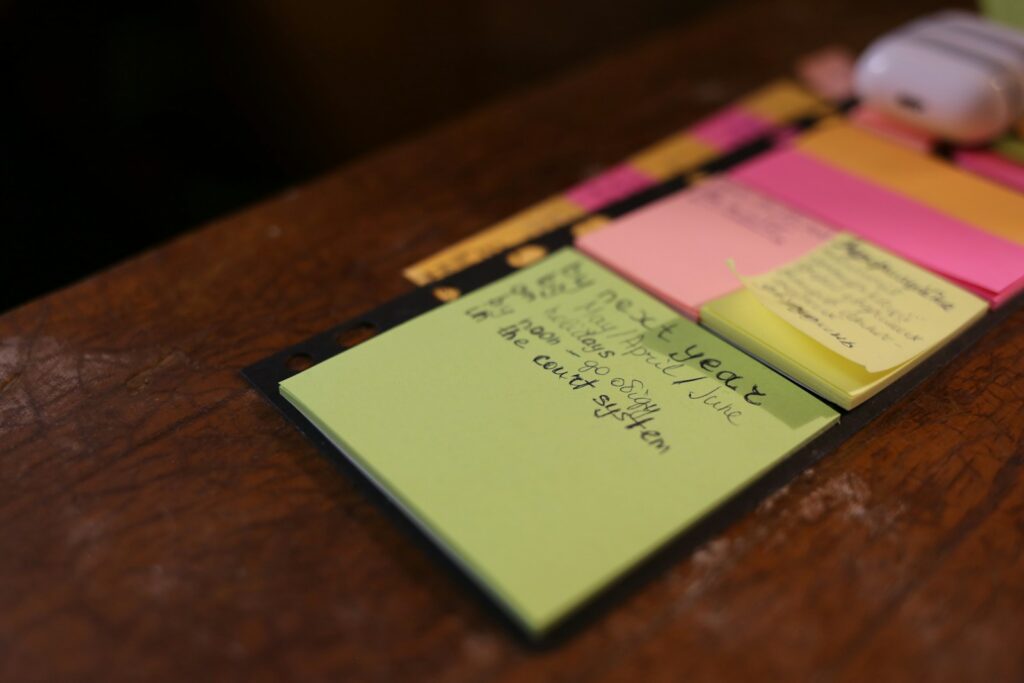
Long before digital task managers, people relied on handwritten to-do lists to organize daily responsibilities. These lists were often written on loose paper, notebooks, or small slips carried in pockets or aprons. Common from the 18th century onward, they helped merchants, household managers, and clerks prioritize work in a logical order. Because rewriting lists took effort, tasks were chosen carefully rather than added impulsively. Crossing off completed items provided visible progress and motivation. Many people rewrote unfinished tasks at the end of the day, reinforcing memory and commitment. Lost slips were a risk, which encouraged consistent checking and safekeeping. Unlike digital lists that update automatically, handwritten lists demanded engagement. This simple system worked because it required conscious decision-making and personal responsibility, turning time management into an active daily habit rather than a background process.
12. Family and Workplace Time Expectations

Time management before digital calendars was often governed by shared expectations rather than personal schedules. Families established regular times for meals, chores, and rest, passed down through routine rather than written plans. In workplaces, employers set clear daily rhythms that employees learned quickly. Being late or unprepared affected reputation, making punctuality socially enforced. These expectations were reinforced through observation and correction, not reminders. Because everyone followed the same structure, fewer individual decisions were needed. Children learned time awareness by watching adults rather than checking clocks. This system depended on consistency and social accountability, making time management a collective responsibility. While less flexible than modern tools, it created strong habits and reduced reliance on external prompts. Shared expectations functioned as an invisible calendar, guiding behavior through tradition and mutual understanding rather than technology.
13. Memorized Schedules and Mental Mapping

Before calendars were portable or widely accessible, many people relied on memorized schedules to manage their time. This was especially common among traders, messengers, and skilled workers who followed repeating routes or routines. Dates, deadlines, and obligations were mentally mapped rather than written down, using association techniques tied to locations, people, or recurring events. For example, a delivery might be remembered as happening two days after market day or before a church festival. This method required strong concentration and repetition, which sharpened memory over time. Forgetting an obligation carries social and financial consequences, reinforcing accuracy. Because mental schedules could not be quickly edited, people planned conservatively and avoided overcommitment. This approach made time management a cognitive skill rather than a technological aid, relying on attentiveness, discipline, and experience built through daily practice.
14. Travel Timetables Printed and Preserved

Printed timetables became crucial time-management tools with the rise of railways in the 19th century. Travelers depended on paper schedules that listed departure and arrival times with little margin for error. These timetables were often folded and kept carefully, as replacements were not always available. Missing a train could mean delays of hours or even days, forcing travelers to plan journeys precisely. Station clocks were synchronized to ensure accuracy, and passengers learned to arrive early rather than risk being late. Businesses coordinated shipments around these fixed schedules, reinforcing punctuality beyond personal habits. Unlike digital calendars that update automatically, printed timetables demanded foresight and preparation. This system taught people to respect fixed time structures and plan realistically, shaping modern concepts of punctuality and scheduling long before digital tools existed.
Keep reading on The WiC Project Lifestyle Blog & Miriam’s Boutique: Home Goods, Beauty, & Fashion Store