

Keeping a tent dry in changing outdoor conditions often comes down to consistent habits that help manage moisture before it becomes a problem. Rain, morning dew, condensation, and damp gear all contribute to a wet interior if steps are not taken to prevent buildup. Many campers focus on tent features but overlook the importance of mindful routines that support ventilation, organization, and smart site selection. Small choices, such as where to place shoes or how to angle the rainfly, significantly influence comfort during overnight stays. These habits create an environment where insulation remains effective, sleeping bags stay warm, and interior surfaces stay less prone to dampness. Understanding how tents interact with terrain, weather, and daily activity helps campers maintain dry, restful spaces no matter what conditions arrive during a trip and provides a more enjoyable camping experience overall.
Choose Elevated Ground
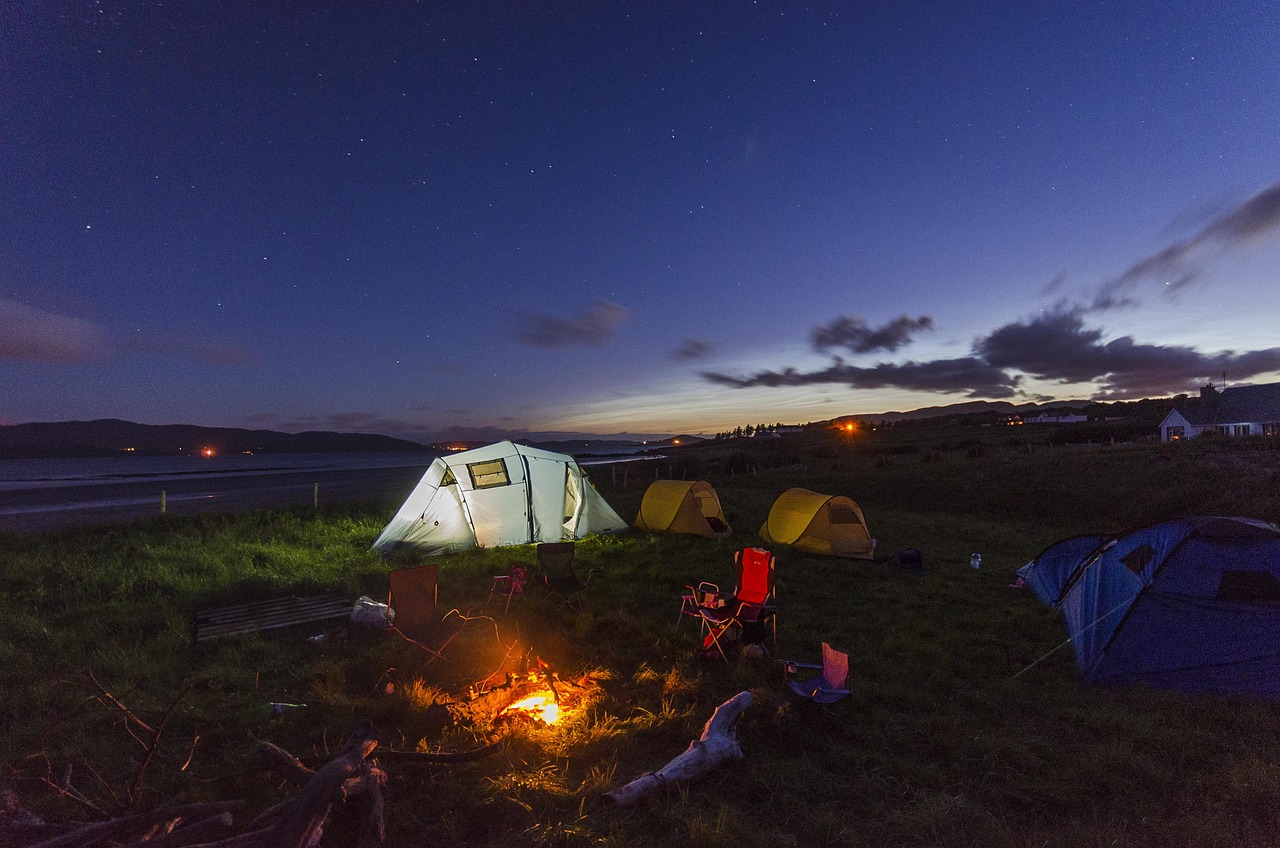
Choosing elevated ground prevents water from pooling beneath the tent during rainstorms and reduces humidity that rises from low, soggy soil. Even a slight elevation helps create natural drainage, directing runoff downward rather than through the sleeping area. Walkable slopes, raised mounds, or gently sloping terrain often offer firmer, drier soil that maintains its structure during wet weather. By avoiding valleys, natural bowls, or depressions, campers decrease the likelihood of waking up on soaked ground. Elevated locations typically receive better airflow, which supports faster drying after morning dew or overnight moisture. This improved circulation keeps the tent fabric from remaining damp for extended periods. Over time, the habit of scanning for subtle elevation changes becomes second nature and significantly improves comfort during unpredictable conditions in forests, fields, and mountain basins.
Use a Properly Fitted Groundsheet
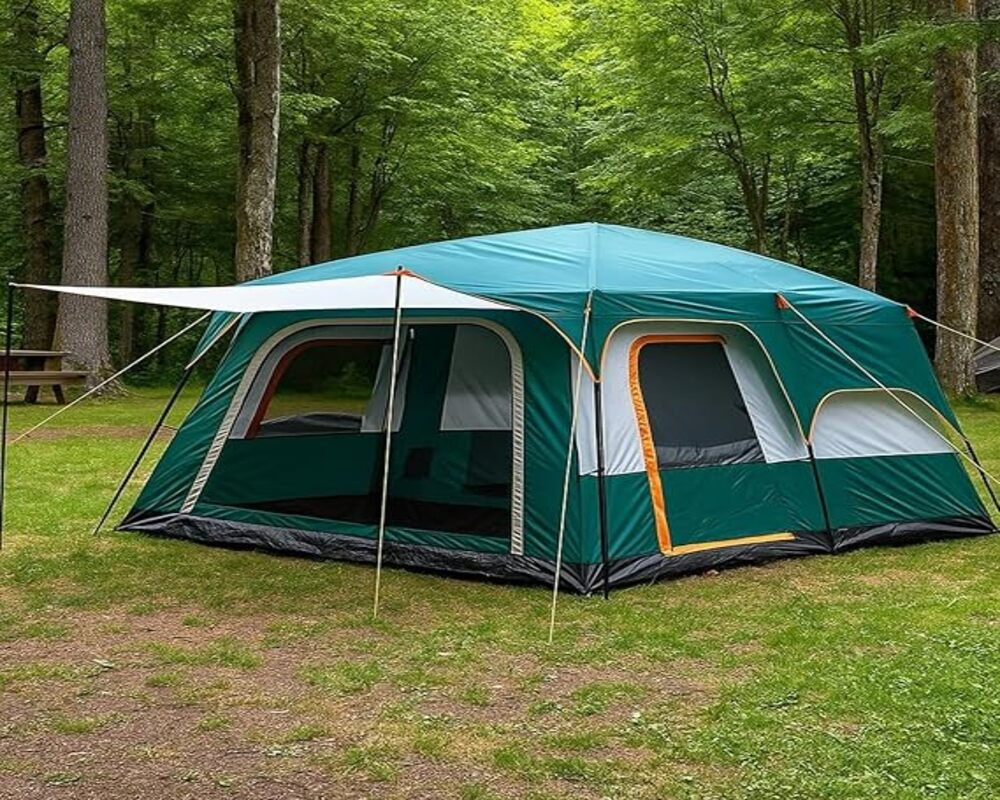
Using a properly fitted groundsheet prevents water from collecting between layers or wicking into interior fabric during wet conditions. A groundsheet sized smaller than the tent’s footprint stops rain from pooling against the tent floor, reducing the chance of seepage. This barrier also creates a cleaner and more stable surface and provides insulation from cold, damp soil beneath. When placed smoothly without wrinkles, it prevents pockets where moisture might gather and remain through the night. Durable materials such as coated nylon or polyethylene offer strong protection even during prolonged rain. A well-positioned groundsheet also simplifies cleanup by catching debris before it enters the tent. Over multiple days, this habit protects flooring materials, reduces mold risk, and helps maintain a consistently dry interior even as weather patterns shift.
Keep the Rainfly Taut

Keeping the rainfly taut improves water runoff and prevents sagging sections that can hold moisture or drip into the tent during storms. Tension ensures the fly’s material forms a smooth, sloped surface where rain beads and slides away instead of soaking through. Proper guyline placement also increases airflow between the tent body and fly, helping reduce condensation that forms when warm interior air meets cooler outer fabric. A tight rainfly protects zippers and seams, keeping pressure off waterproof coatings that weaken with age or repeated stretching. Adjusting tension periodically, especially after long periods of rain or temperature changes, maintains consistent weather protection. This habit supports year-round performance, making the tent more resilient during extended camping trips that involve varying weather conditions and repeated exposure to wind or humidity.
Ventilate Even When It Rains
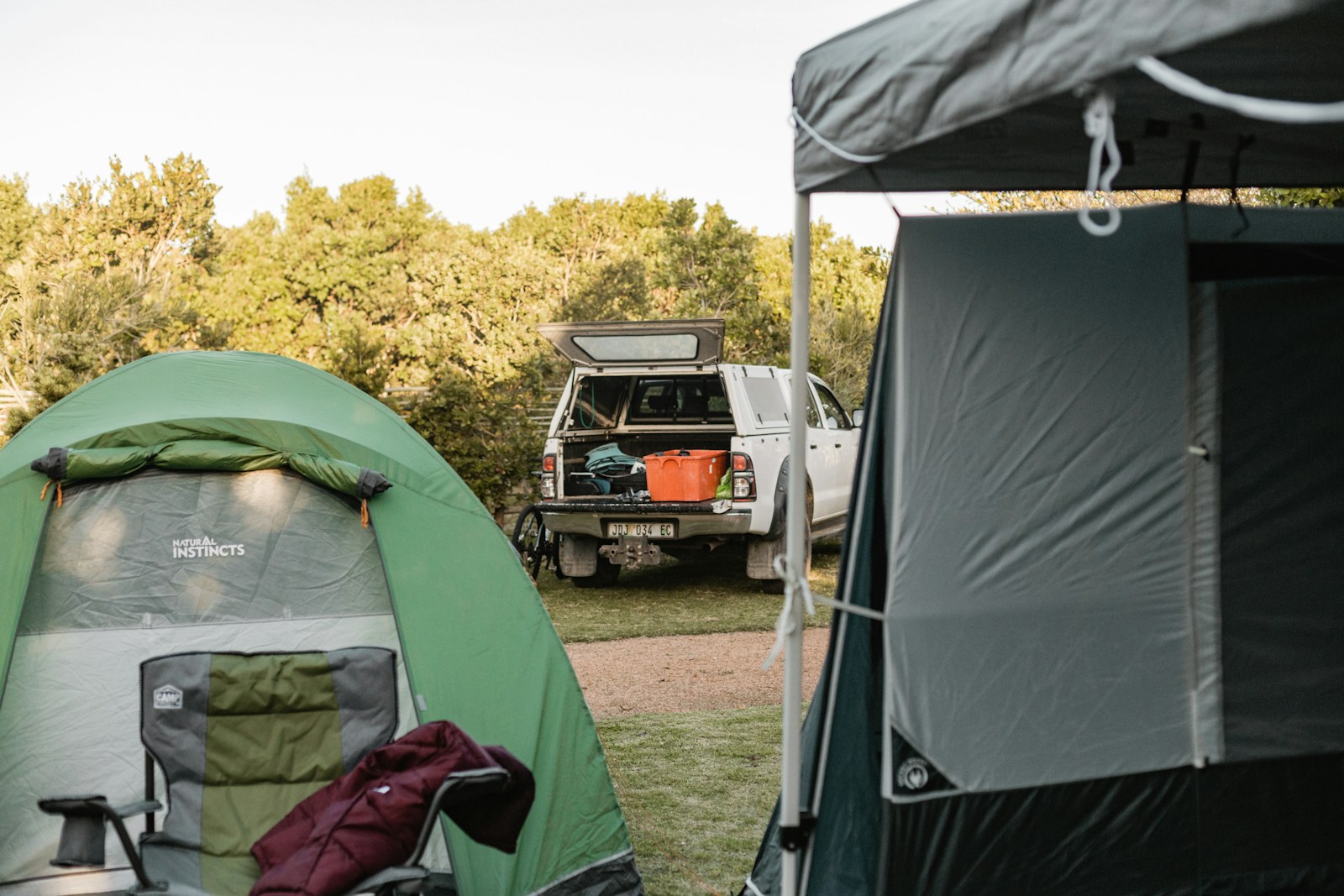
Ventilating a tent during rain prevents condensation from building inside, keeping interior surfaces significantly drier. Warm air from breathing and body heat rises throughout the night, and if trapped, it settles as moisture on walls, sleeping bags, and gear. Cracking vents or partially opening protected windows allows humid air to escape while still blocking rain. Many tents include vestibules or extended awnings that enable controlled airflow without exposing the interior to water. This ventilation reduces the chance of waking up to damp fabric or sticky interior surfaces. Proper airflow also helps gear dry more quickly, limiting lingering odors or moisture that can accumulate after repeated nights outdoors. Consistent ventilation supports a healthier sleeping environment and makes it easier to maintain dry conditions during unpredictable or prolonged rainfall.
Store Wet Gear Outside
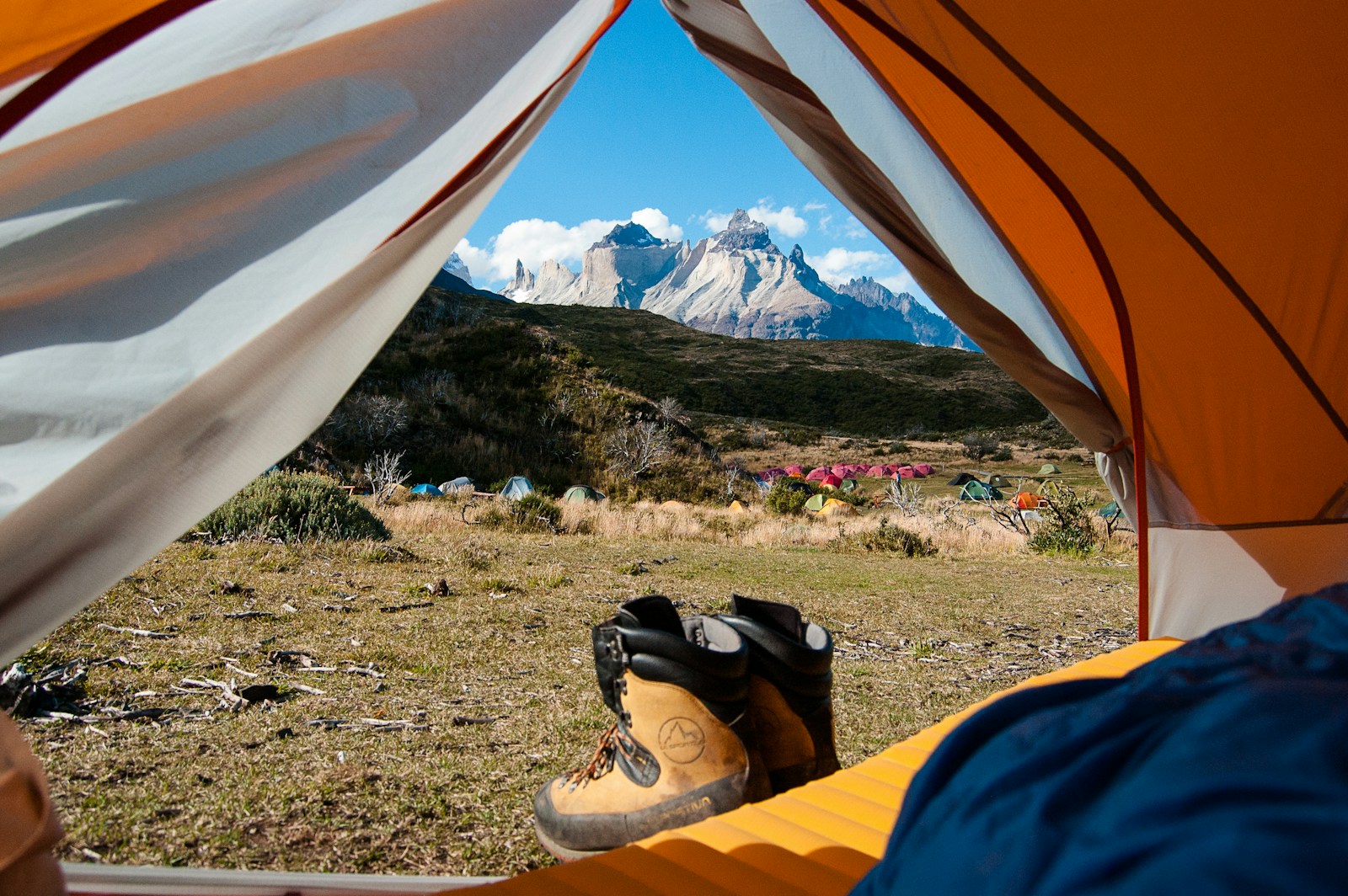
Storing wet gear outside limits the moisture introduced into the tent, helping maintain a dry, breathable interior. Clothing, socks, and boots soaked from rain or morning dew hold more moisture than expected and can significantly raise humidity levels inside small sleeping spaces. Keeping them in vestibules, under tarps, or near sheltered drying areas allows natural airflow to begin pulling moisture from fabric. This reduces damp smells, sticky air, and condensation that forms as water evaporates from gear. Leaving wet gear outside also preserves sleeping bag insulation and prevents clothing from introducing excess humidity. Over time, this habit keeps tents more comfortable and reduces cleanup by keeping mud, water, and organic debris away from sleeping surfaces. It also encourages consistent organization, making morning routines smoother and more enjoyable.
Create a Small Entryway Mat
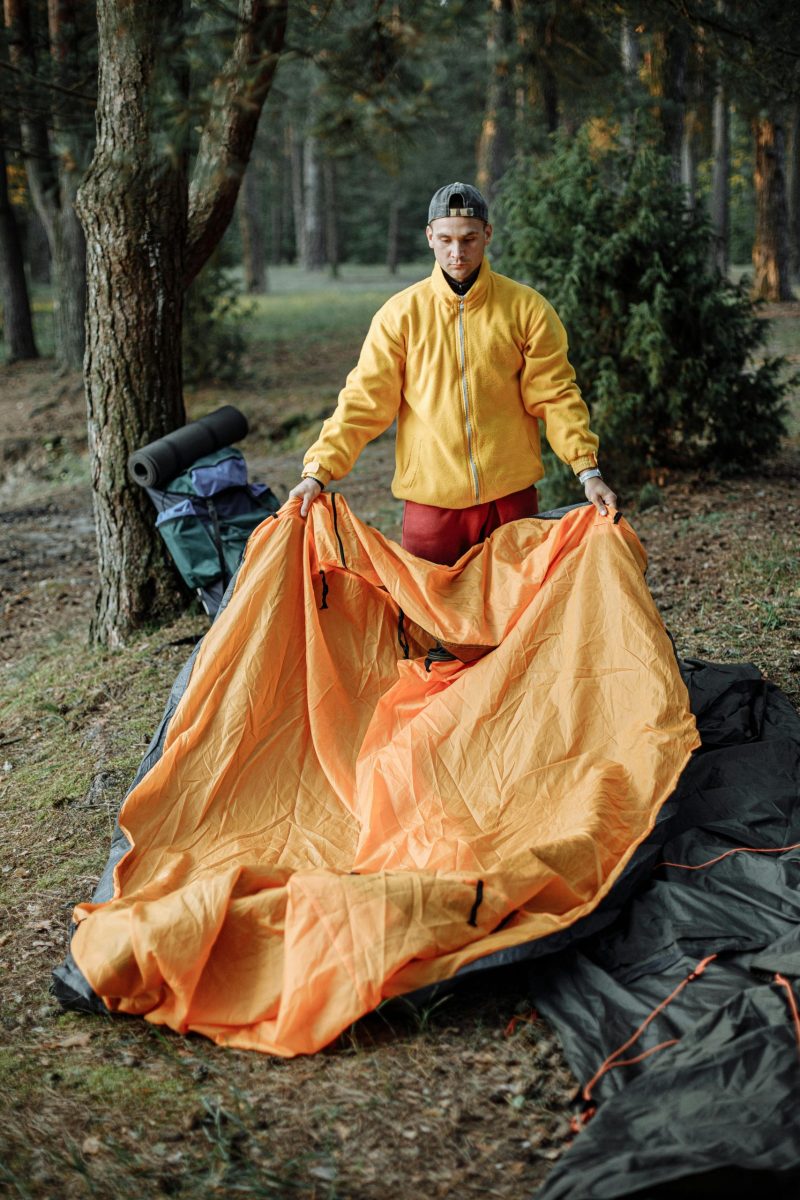
Creating a small entryway mat reduces interior moisture by catching dirt, water, and plant debris before they enter the tent. Simple mats made from lightweight fabric or pieces of trimmed groundsheet provide a surface for wiping boots or placing damp shoes. This helps prevent mud and moisture from transferring onto the tent floor, keeping the interior dry, especially during multi-day trips with variable weather. Entry mats also encourage routines such as removing outer layers before stepping inside, minimizing clutter, and sogginess. A well-placed mat helps protect tent materials from abrasion and reduces the time spent cleaning between uses. Over longer stays, this habit keeps the sleeping area more organized, comfortable, and resistant to the slow buildup of dampness that often accompanies extended outdoor travel.
Angle the Tent Door Away from the Wind
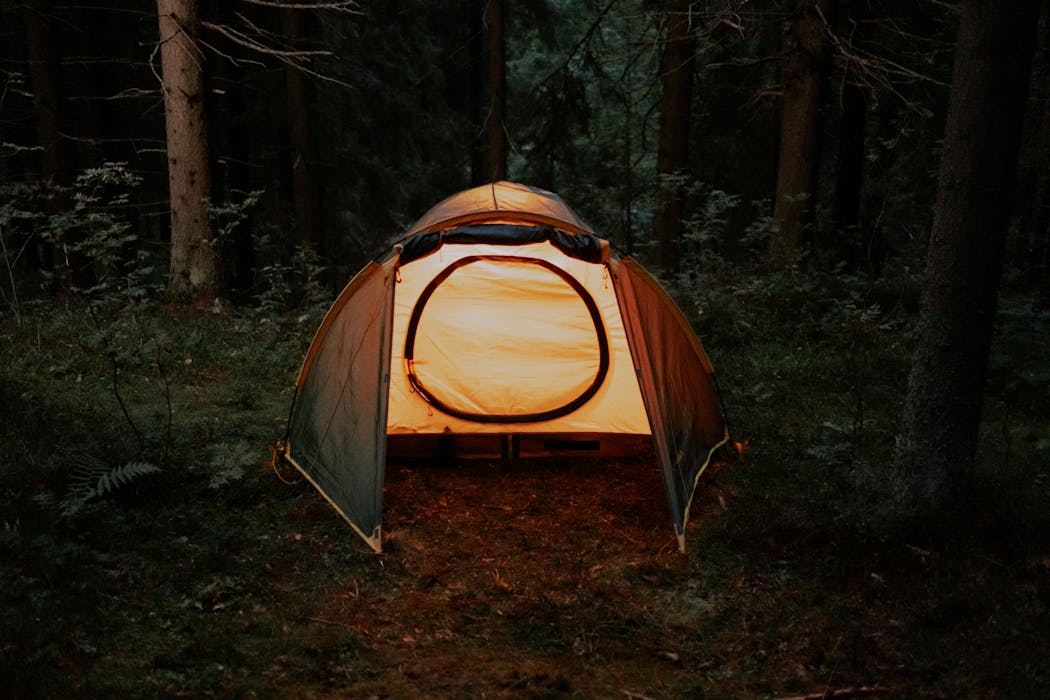
Angling the tent door away from the wind prevents rain from blowing directly inside during storms and helps control airflow more effectively. Wind-driven rain can enter quickly through open zippers or small gaps around vestibule flaps, soaking gear and pooling near the entrance. Orienting the door downwind or toward natural shelter reduces this exposure and lowers strain on the tent fabric by minimizing buffeting from heavy gusts. This orientation also promotes more predictable ventilation, allowing air to circulate gently rather than swirling unpredictably. By paying attention to prevailing wind patterns during setup, campers create a more stable, sheltered, and dry interior environment. This approach supports better rest and reduces the need to constantly adjust the tent overnight.
Avoid Touching Tent Walls While Sleeping
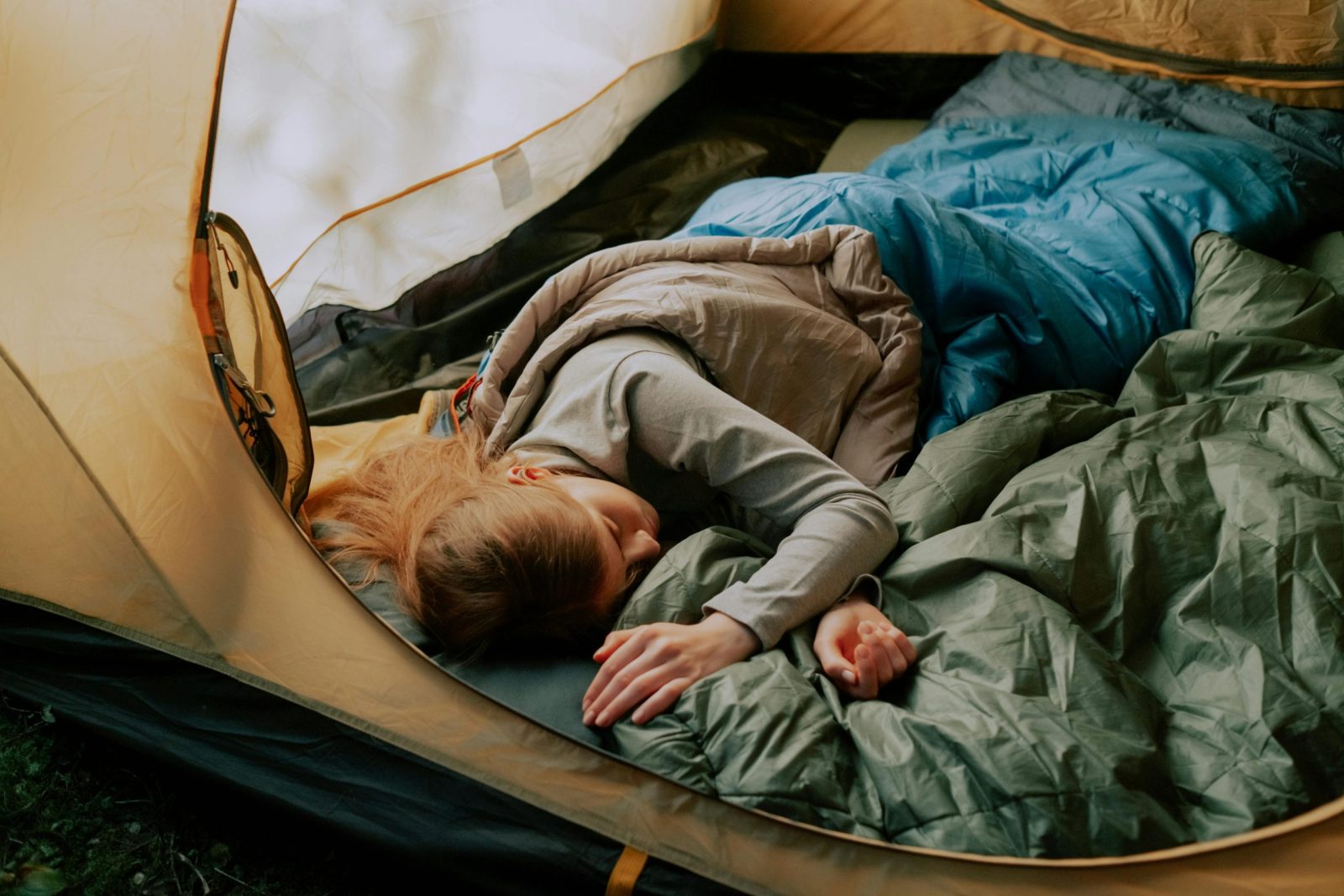
Avoiding contact with tent walls prevents condensation from transferring to sleeping bags and clothing, helping insulation remain warm and dry. Moisture often collects on cooler outer fabric during the night, and touching that surface allows water to wick onto blankets or garments, reducing their ability to retain heat. Maintaining space between the gear and the walls improves airflow and helps moisture evaporate instead of collecting. Using sleeping pads or strategically placing packs creates helpful buffers. This practice becomes increasingly important during cold nights when condensation forms more readily. Over time, avoiding wall contact reduces dampness on equipment and contributes to more comfortable rest, especially in climates where temperature fluctuations play a strong role in moisture buildup.
Shake Off Dew Before Entering
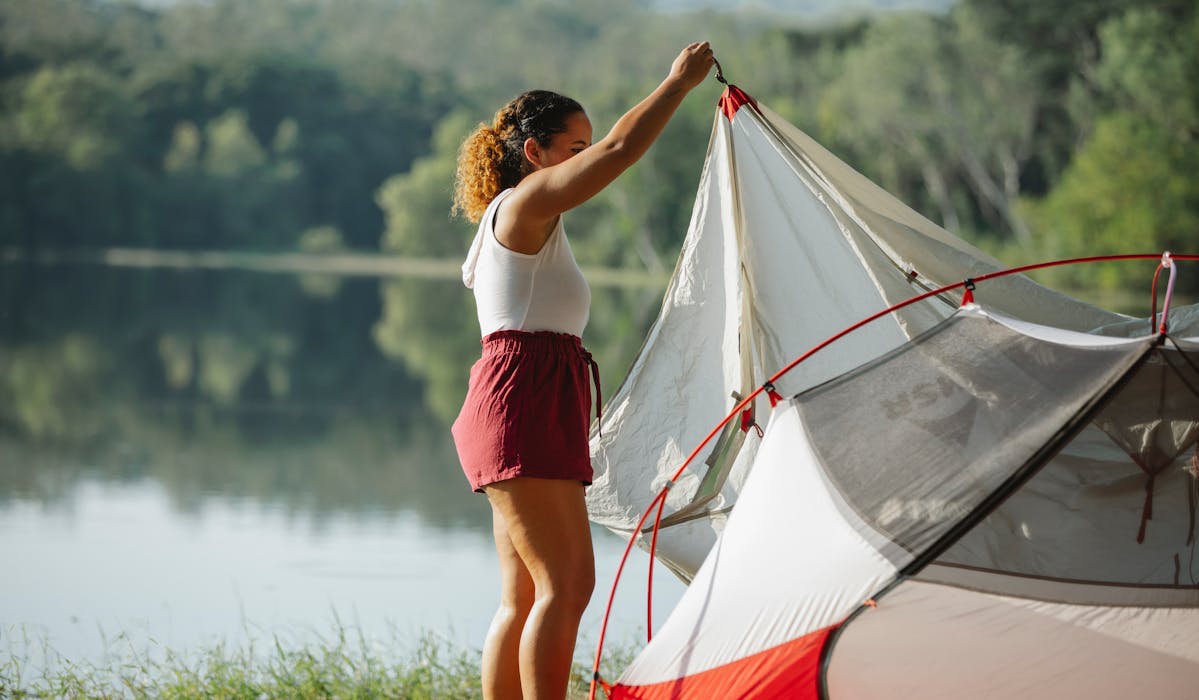
Shaking off dew before entering the tent limits moisture that would otherwise accumulate on the floor, sleeping gear, and interior surfaces. Dew often clings to clothing, boots, hair, and backpacks during early morning or nighttime movement around camp. Removing droplets with a gentle shake or brush helps prevent dampness from collecting in tight sleeping quarters. Dew buildup indoors increases humidity, contributing to condensation and making gear harder to dry. Developing the habit of shaking off moisture also encourages mindfulness about how equipment moves between outdoor and indoor spaces. This simple step keeps the interior fresher and reduces the likelihood of waking up to clammy or uncomfortable bedding as temperatures shift overnight.
Reduce Interior Clutter
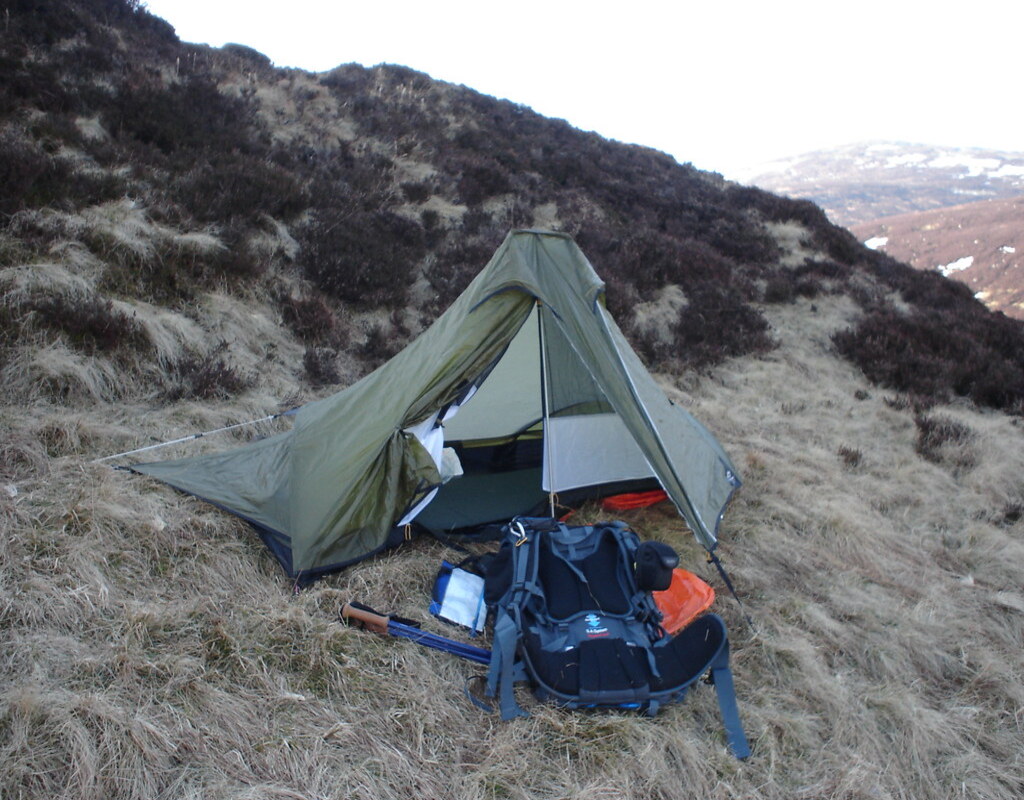
Reducing interior clutter improves airflow and decreases moisture retention inside the tent. Crowded spaces trap humid air and limit ventilation, creating warm pockets where condensation forms quickly. Organizing essentials into small containers or keeping gear in vestibules ensures there is enough space for free air movement. With fewer items pressed against walls or flooring, moisture has fewer places to collect or hide. Clear pathways also make early morning routines easier, helping prevent accidental spills or gear mishandling that can introduce additional moisture. As a habit, maintaining tidy interiors supports long-term tent care and creates a more welcoming atmosphere during multi-day adventures where gear management becomes increasingly important.
Use Separate Bags for Clean and Dirty Clothes

Using separate bags for clean and dirty clothes prevents moisture and odors from spreading throughout the tent. Dirty or damp clothing carries humidity that evaporates slowly, raising interior condensation levels. By sealing these items in breathable sacks or keeping them in vestibules, campers maintain a drier sleeping environment. Clean clothing stored separately remains fresh, protected, and ready for use without exposure to damp materials. This system prevents clutter, improves airflow, and supports comfort during longer trips. Separating garments also makes morning organization easier, helping campers maintain a consistent routine. Over time, this habit supports both hygiene and dryness, especially when unpredictable weather affects drying opportunities.
Maintain Proper Guyline Tension
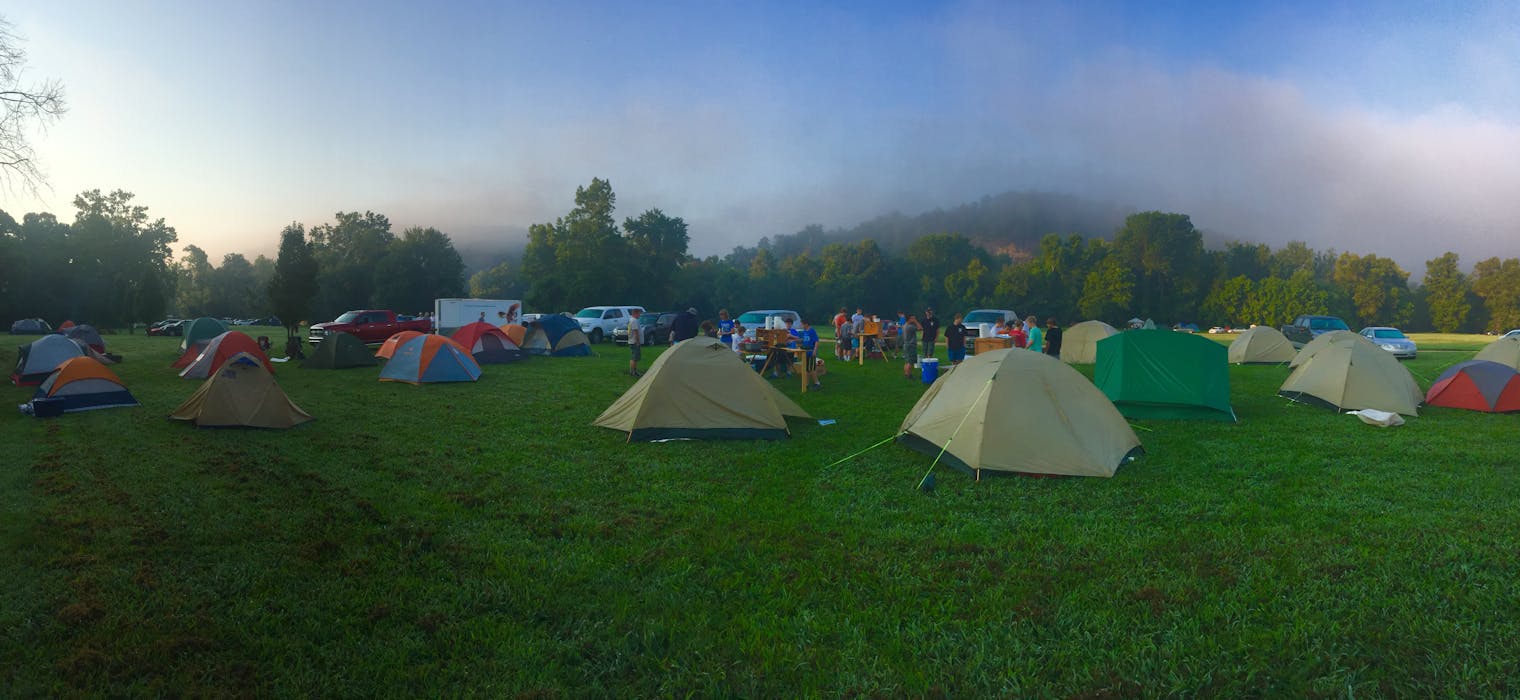
Maintaining proper guyline tension helps the tent keep its shape and improves water runoff during storms. Tight guylines create firm surfaces that resist sagging, preventing rainwater from pooling against fabric and increasing leak risk. A stable structure also enhances airflow between the rainfly and the tent body, reducing condensation by allowing humid air to escape. Temperature changes, gusty winds, and fabric stretch all influence tension, making periodic checks important. A well-secured tent stays quieter in blustery weather and endures less strain on seams. This habit ensures consistent performance, keeping the tent dry and functional even during difficult weather patterns common in forests, deserts, and mountain regions.
Keep Cooking Areas Away from the Tent
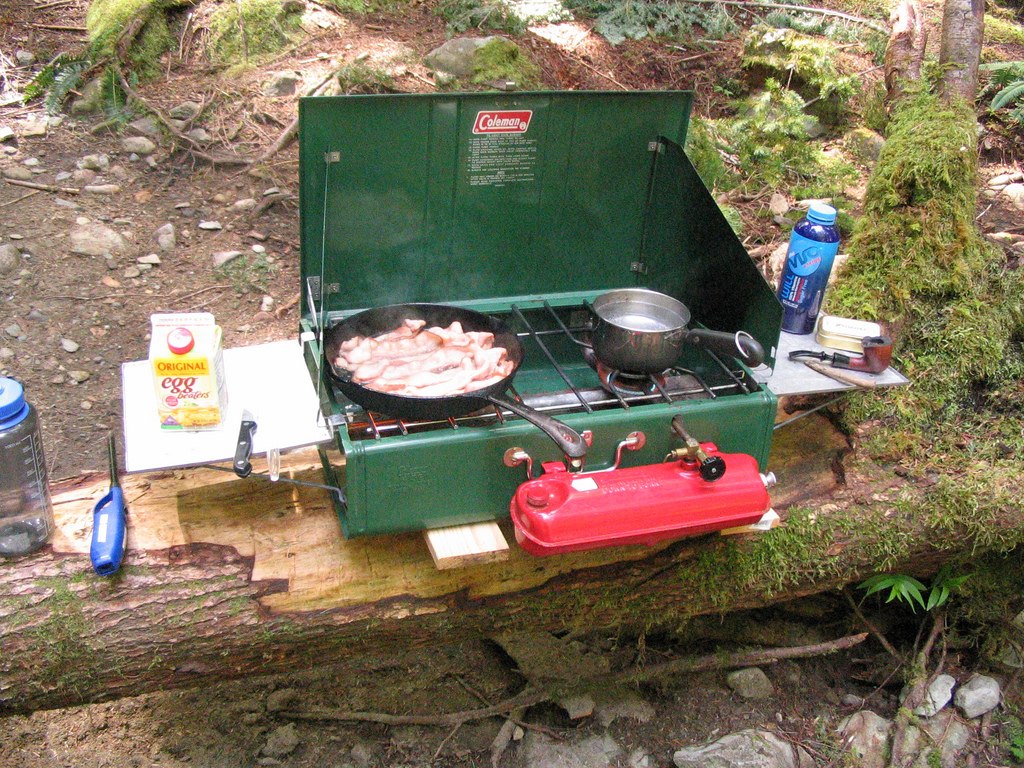
Keeping cooking areas away from the tent prevents steam, spills, and lingering humidity from drifting indoors. Hot food releases moisture that rises and settles on cooler interior surfaces, increasing condensation inside the tent. Cooking near shelters also carries grease, odors, and potential wildlife attraction, making distance essential for both safety and dryness. Establishing a separate kitchen zone encourages airflow while minimizing the transfer of moisture into living spaces. This habit maintains a cleaner and more comfortable tent environment and helps prevent accidents that occur when cooking equipment is placed in cramped areas. Over numerous trips, campers discover that distancing food preparation supports both dryness and campsite safety.
Open Vents During Temperature Drops
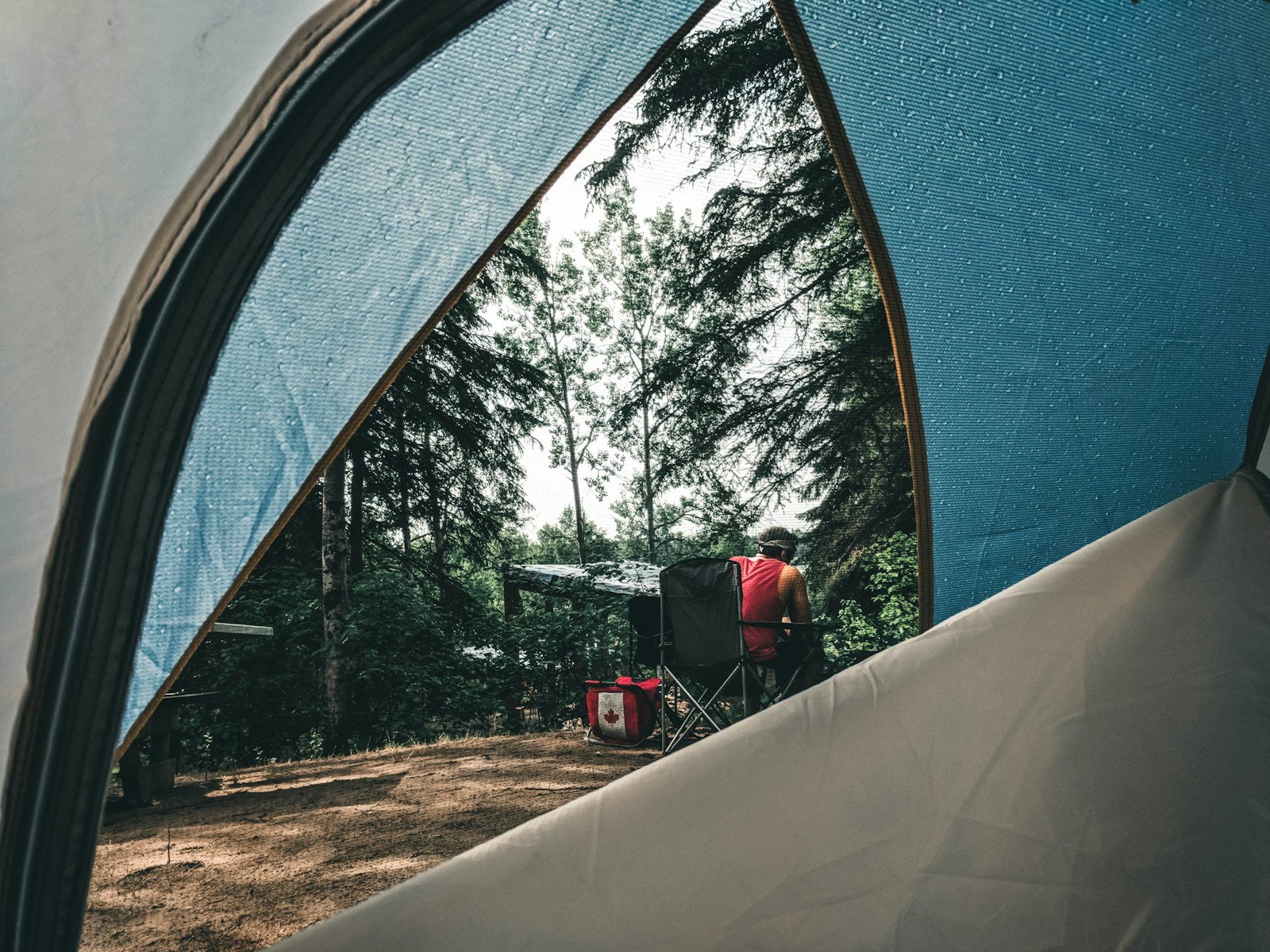
Opening vents during temperature drops minimizes condensation by allowing warm interior air to escape before it cools and settles on tent surfaces. As nighttime temperatures fall, moisture from breath and body heat naturally condenses on walls and ceilings. Ventilation directs this humid air outward, reducing the buildup of droplets that can soak gear. Many tents feature adjustable vents specifically designed for airflow during rain or cold weather, enabling a balanced environment even while staying sheltered. Consistent vent use reduces the need to dry interior fabric each morning and helps maintain insulation efficiency in sleeping bags. This habit becomes especially important in cooler environments where temperature swings intensify condensation.
Let the Tent Dry Before Packing Up
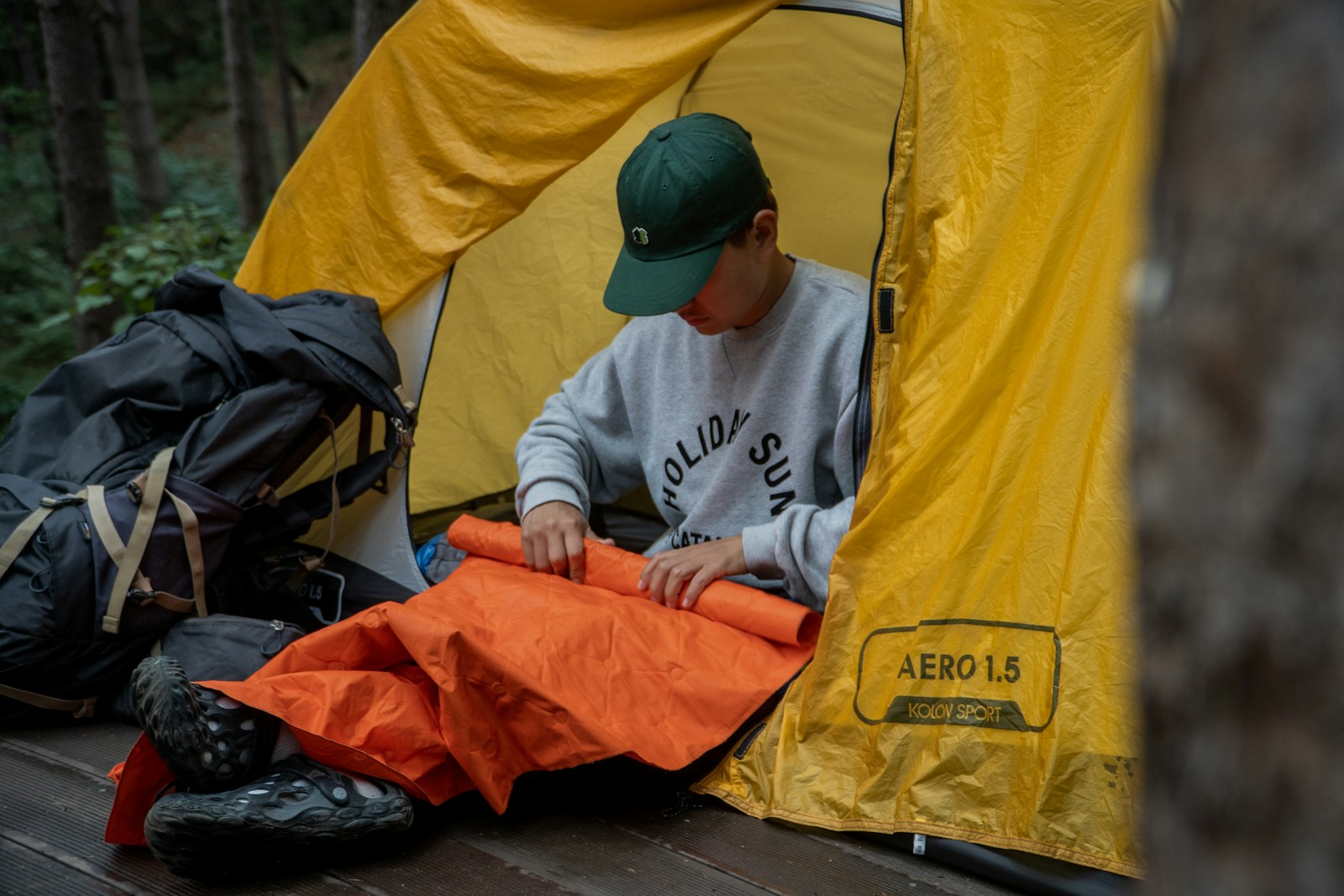
Letting the tent dry before packing up prevents trapped moisture from causing mildew, odors, or fabric deterioration. Even mildly damp material sealed inside a stuff sack for several hours can develop musty smells that persist throughout a trip. Allowing the tent to air out briefly, either in direct sun or a breezy clearing, helps preserve waterproof coatings and fabric texture. Drying also reduces overall pack weight because wet fabric absorbs and holds excess water. When time is limited, shaking off droplets or gently wiping surfaces speeds the process. This habit extends the life of the tent and ensures it remains pleasant and functional for future nights outdoors.
The post 15 Camping Habits That Keep Your Tent Drier in Any Weather appeared first on Bushcraft Base Camp.