

Childhood in the 1970s reflected a period when independence, resilience, and self-direction were strongly valued. Parents generally believed that children learned best through experience rather than constant supervision. Safety standards were limited, research on child development was still emerging, and many risks were underestimated or accepted as normal. Neighborhoods felt more familiar, communities were smaller, and trust in public spaces was stronger. As science, medicine, and public awareness advanced, many everyday childhood activities were reevaluated. Laws were introduced, products were redesigned, and parenting philosophies shifted toward prevention rather than reaction. Looking back, these activities provide insight into how cultural expectations have changed. This article explores common childhood experiences from the 1970s that were once ordinary but would likely alarm parents today.
1. Riding Bicycles Without Helmets

In the 1970s, children commonly rode bicycles without helmets or protective gear of any kind. Helmets were rarely sold and not promoted by schools or parents. Falls were expected, and injuries were considered part of growing up. Streets were used freely, even with traffic present. Today, parents understand that head injuries can cause permanent damage. Medical studies show helmets significantly reduce the risk of serious brain trauma. Many areas now require helmet use by law. Parents who allow children to ride without protection may face criticism or legal consequences. What once represented freedom and independence is now closely supervised. Modern cycling emphasizes safety, visibility, and injury prevention to protect children from avoidable harm.
2. Playing Outside All Day Without Supervision

Children in the 1970s often left home in the morning and returned only at sunset, without adult supervision. Parents trusted children to manage themselves and solve problems independently. Neighborhood playgroups formed naturally, and adult oversight was minimal. Today, parents worry about traffic accidents, emergencies, and personal safety. Increased awareness of risks has reshaped parenting expectations. Schools and communities now emphasize supervision and structured activities. Technology allows constant communication, making unsupervised play less acceptable. Letting children roam freely for hours may raise concern from neighbors or authorities. While independence was once encouraged, modern parenting prioritizes safety, accountability, and awareness of a child’s location throughout the day.
3. Riding in Cars Without Seatbelts
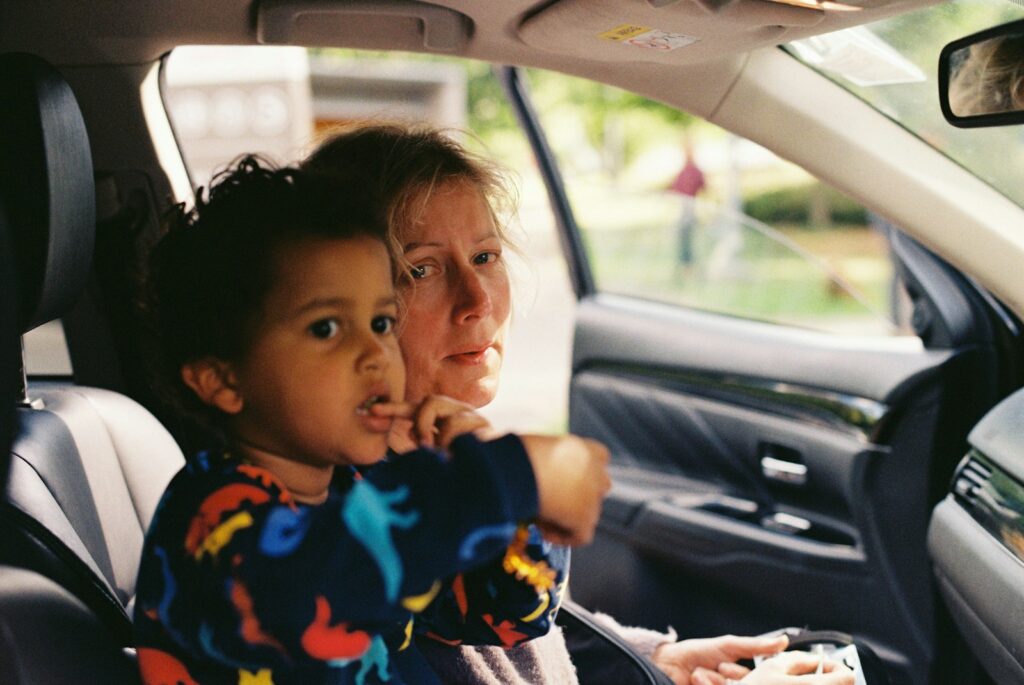
During the 1970s, many children rode in cars without seatbelts or proper restraints. Some stood on seats or sat on laps. Seatbelt laws were limited and poorly enforced. The dangers of sudden stops and collisions were underestimated. Today, extensive research shows that restraints save lives and reduce injury severity. Laws now mandate seatbelt use and age-appropriate car seats. Parents are expected to follow strict safety guidelines. Allowing a child to ride unrestrained is illegal in many places. What once seemed normal is now considered extremely dangerous. Modern vehicle safety reflects improved understanding of physics, impact forces, and child vulnerability.
4. Playing with Fireworks

Fireworks were commonly handled by children in the 1970s, especially during holidays. Sparklers, firecrackers, and small explosives were sold with few restrictions. Adult supervision was often minimal. Injuries were treated as unfortunate accidents rather than preventable events. Today, parents recognize the risks of burns, eye damage, and fires. Medical evidence highlights the long-term consequences of fireworks injuries. Many regions restrict sales or require adult handling. Children are encouraged to observe from a safe distance. What once felt exciting is now carefully regulated. Modern attitudes emphasize injury prevention and public safety over unrestricted participation.
5. Using Lawn Darts and Dangerous Toys

Lawn darts and similar toys were popular in the 1970s despite their sharp points and heavy construction. Children played with them casually, often throwing them high into the air. Serious injuries later revealed their danger. Today, such toys are banned or heavily regulated. Parents expect toys to meet strict safety standards and testing requirements. Allowing children to play with hazardous equipment would be unacceptable. This shift reflects greater accountability placed on manufacturers and caregivers. Modern toy design prioritizes safety while maintaining entertainment value. What was once overlooked is now recognized as a serious preventable risk.
6. Drinking from Garden Hoses

Drinking water directly from garden hoses was common for children playing outdoors in the 1970s. Few questioned those materials or the water quality. Today, parents are aware that some hoses contain harmful chemicals and bacteria. Research has shown potential health risks from contaminated water. As a result, parents encourage safe drinking sources. What was once convenient is now discouraged. Increased attention to environmental safety has changed everyday habits. Parents are more cautious about exposure to toxins. This shift reflects broader awareness of long-term health effects caused by repeated exposure to unsafe materials.
7. Walking to School Alone at a Young Age
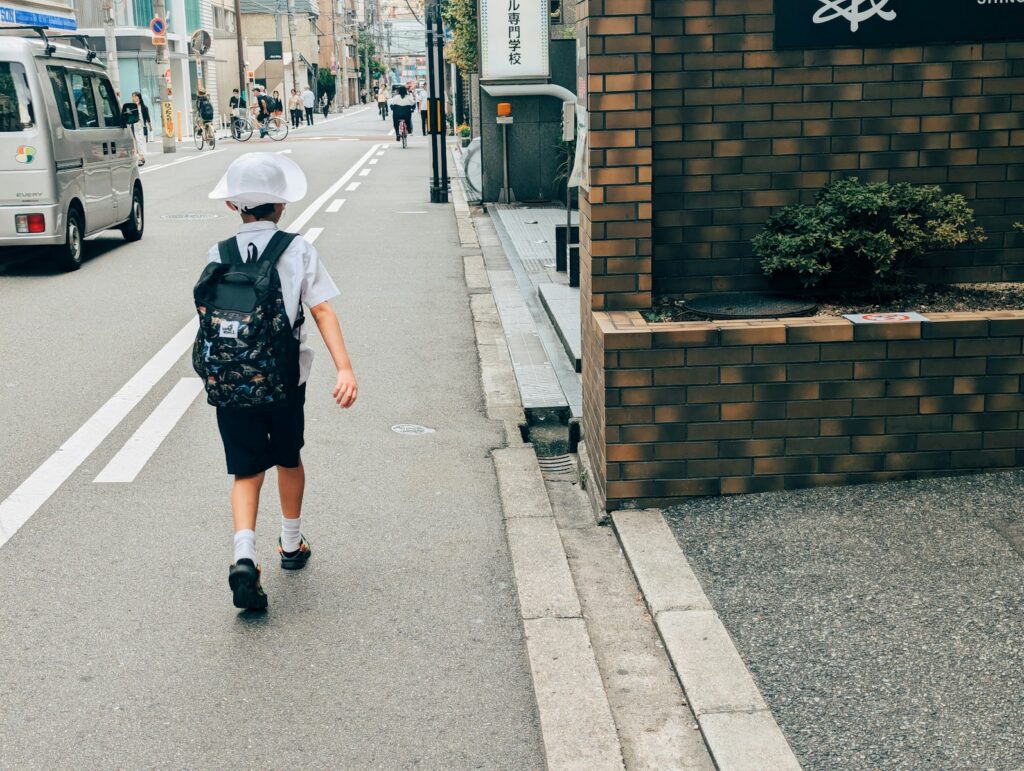
Many children in the 1970s walked to school alone or with siblings at a young age. This independence was seen as normal and character-building. Today, parents worry about traffic, personal safety, and liability. School policies often encourage supervised transportation. Letting young children walk alone may raise concerns from authorities or neighbors. Increased urban traffic and safety awareness have changed expectations. While independence was once encouraged early, modern standards emphasize gradual responsibility. Communities now prioritize structured systems to protect children during daily travel.
8. Climbing Trees and Rooftops

Climbing trees, fences, and rooftops was a common activity in the 1970s. Scrapes and falls were considered learning experiences. Today, parents worry about fractures, head injuries, and liability. Playgrounds now include safety surfaces and height restrictions. Free climbing on unsafe structures is discouraged. Modern play emphasizes controlled risk and supervision. While exploration once defined childhood adventure, current standards focus on injury prevention. This change reflects improved understanding of child injury patterns and legal responsibility for accidents.
9. Playing Near Construction Sites
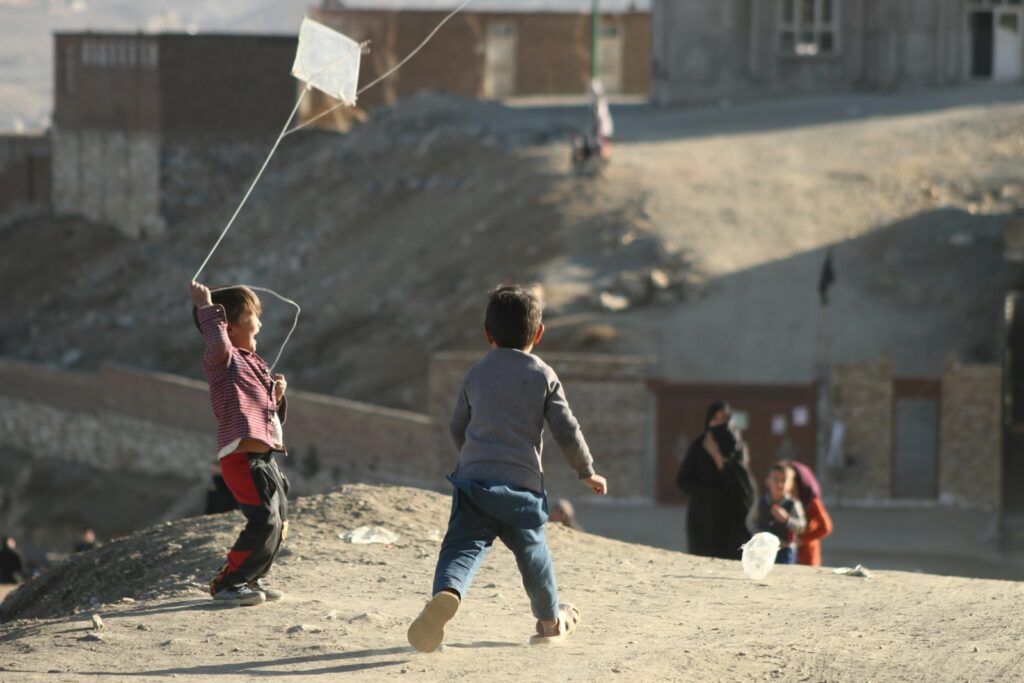
Construction sites often attracted children in the 1970s due to curiosity and a lack of barriers. Heavy machinery and abandoned materials were explored freely. Today, parents recognize the extreme danger of unstable structures and equipment. Laws now require fencing and warning signs. Allowing children near construction zones would be unacceptable. Increased regulation reflects improved safety awareness. What once felt adventurous is now clearly identified as high risk. Modern standards prioritize accident prevention and public protection.
10. Hitchhiking Short Distances
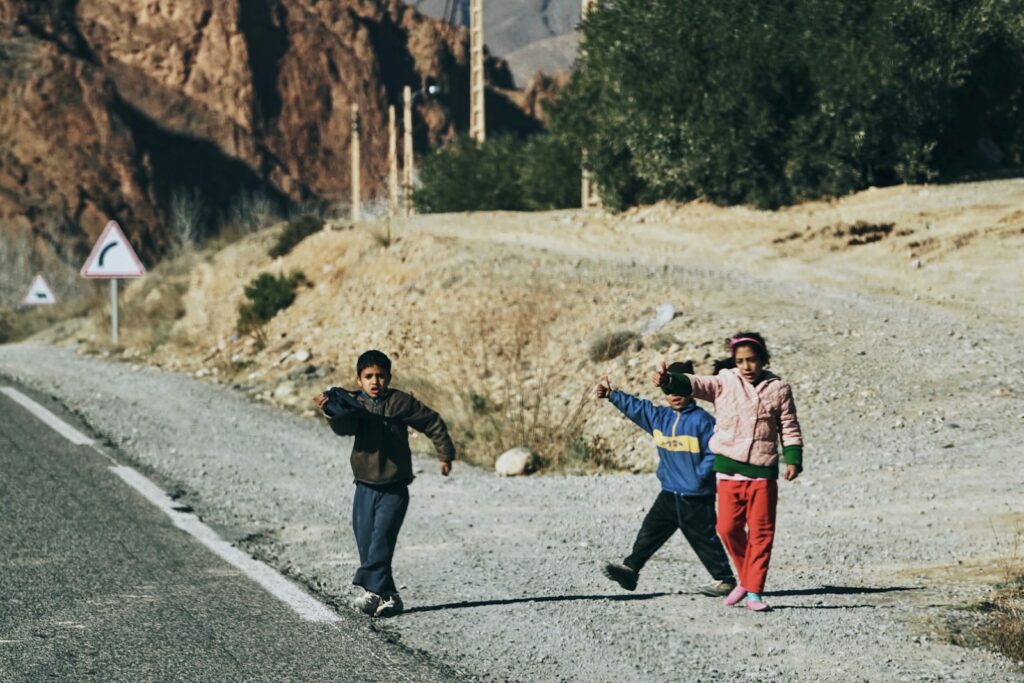
Hitchhiking was sometimes accepted for teenagers in the 1970s, especially in small communities. Risks were underestimated. Today, parents strongly discourage the practice due to safety concerns. Awareness campaigns have reshaped attitudes. Accepting rides from strangers is now viewed as dangerous. What once seemed practical is now considered irresponsible. This shift reflects improved understanding of crime prevention and personal safety.
11. Handling Chemicals and Cleaning Products

In the 1970s, children often handled household chemicals and cleaning products with little supervision. Items such as bleach, ammonia, insect sprays, and solvents were commonly stored under sinks or in open cabinets. Warning labels were brief, and childproof caps were not yet standard. Parents assumed children would avoid danger or learn from mistakes. Today, the risks of poisoning, chemical burns, and long-term exposure are well documented. Child safety research has led to strict labeling laws and secure packaging requirements. Parents now store chemicals in locked areas and closely monitor usage. What once seemed harmless household access is now recognized as a serious safety concern requiring prevention rather than reaction.
12. Playing Contact Sports Without Protective Gear
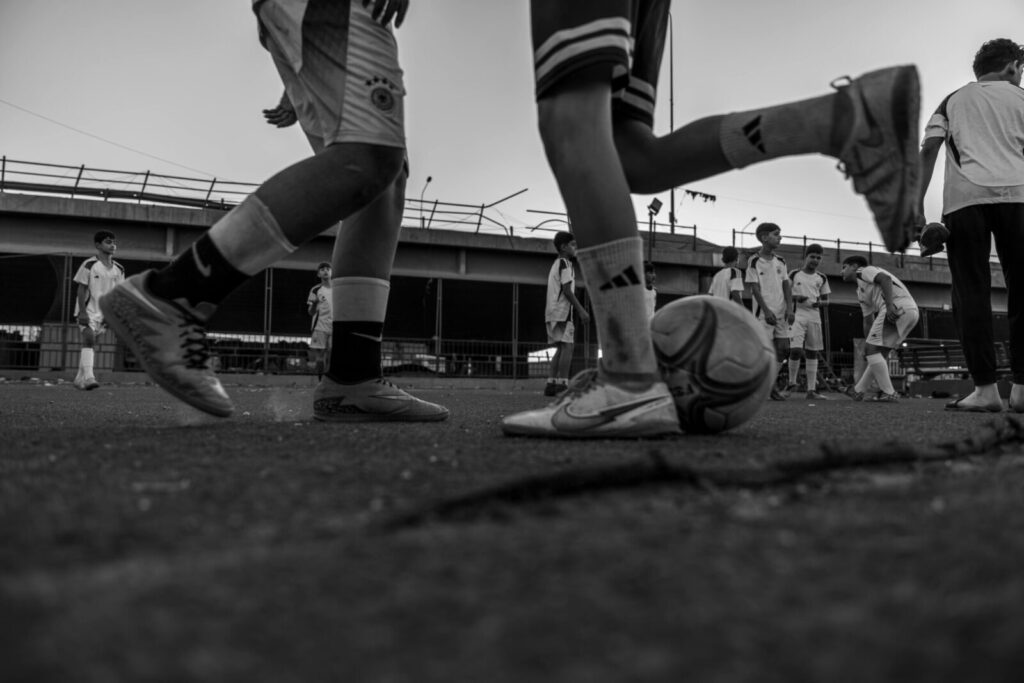
During the 1970s, children frequently played contact sports with little or no protective equipment. Helmets, mouth guards, and padding were limited or optional, even in organized games. Injuries were often dismissed as part of building toughness and discipline. Today, medical research has revealed the long-term effects of repeated impacts, including concussions and joint damage. Youth sports now require protective gear and enforce safety rules. Parents and coaches focus on proper training and injury prevention. Allowing children to play without protection would be considered irresponsible. What was once viewed as character building is now carefully managed to protect physical and cognitive development.
13. Staying Home Alone for Long Periods

In the 1970s, it was common for children to stay home alone for extended periods, sometimes caring for younger siblings. Parents viewed this as a way to teach responsibility and independence. Emergency preparedness and communication options were limited. Today, parents worry about accidents, medical emergencies, and emotional stress. Many regions now provide guidelines or laws regarding minimum ages for being left alone. Access to phones and emergency services has changed expectations. Leaving children unsupervised for long hours may raise legal or social concerns. Modern parenting emphasizes gradual independence combined with safety planning and adult availability.
14. Riding in the Back of Pickup Trucks

Riding in the open bed of pickup trucks was widely accepted in the 1970s, especially in rural areas. Children often stood or sat without restraints. Few people considered the risks of sudden stops or collisions. Today, parents understand that passengers in truck beds face serious injury or death during accidents. Laws in many places now restrict or prohibit this practice. Safety research has shown that open cargo areas offer no protection. Allowing children to ride this way would now be seen as extremely unsafe. Modern transportation standards focus on occupant protection, seat restraints, and crash impact reduction.
15. Playing with BB Guns and Slingshots

BB guns and slingshots were common childhood toys in the 1970s and were often used with minimal supervision. Children treated them as play equipment rather than weapons. Eye injuries and accidental harm were frequent but rarely discussed. Today, parents recognize that these items can cause serious injury. Safety guidelines now emphasize supervision, protective eyewear, and proper handling. Many families restrict access entirely. What once symbolized outdoor adventure is now approached with caution. Increased awareness of injury risks and responsibility has changed how parents introduce children to potentially dangerous recreational tools.
Keep reading on The WiC Project Lifestyle Blog & Miriam’s Boutique: Home Goods, Beauty, & Fashion Store