

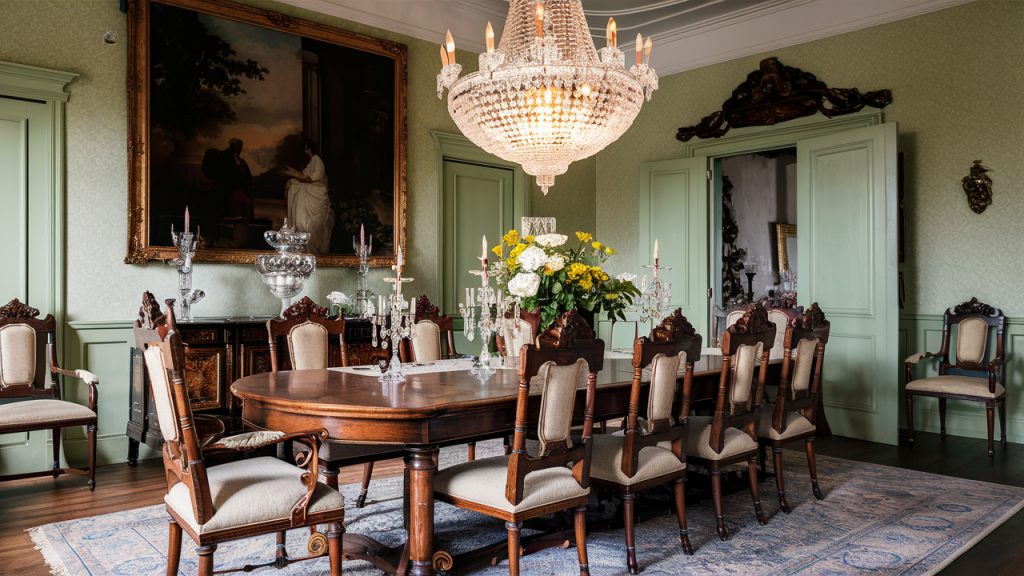
Victorian dining rooms exude timeless charm with their intricate details, rich materials, and opulent finishes. Whether you prefer a fully traditional look or a modern take with vintage influences, incorporating key elements of the era can instantly elevate your space. Ornate moldings, elegant chandeliers, and luxurious fabrics are just a few ways to capture the grandeur of Victorian design. By blending historical charm with thoughtful styling, you can create a dining area that feels both sophisticated and welcoming. Here are 15 stunning ideas to bring Victorian elegance into your home.
1. Ornate Chandeliers for a Grand Statement
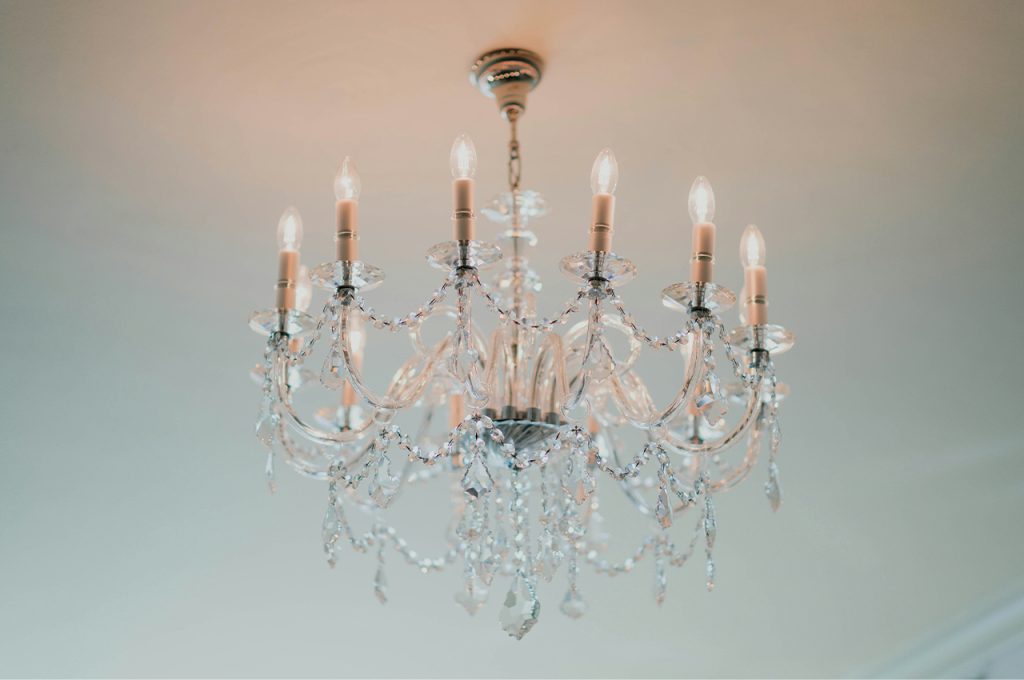
Lighting plays a key role in Victorian interiors, and nothing sets the tone like an opulent chandelier. Crystal-draped fixtures, antique brass designs, or candle-style chandeliers bring drama and sophistication to the dining space. Opt for a statement piece with intricate details, such as scrolling arms or etched glass, to channel the grandeur of the period. When combined with wall sconces or vintage-inspired pendant lights, a well-chosen chandelier enhances the room’s old-world charm while providing a warm, inviting glow.
2. Dark Wood Furniture for a Timeless Look
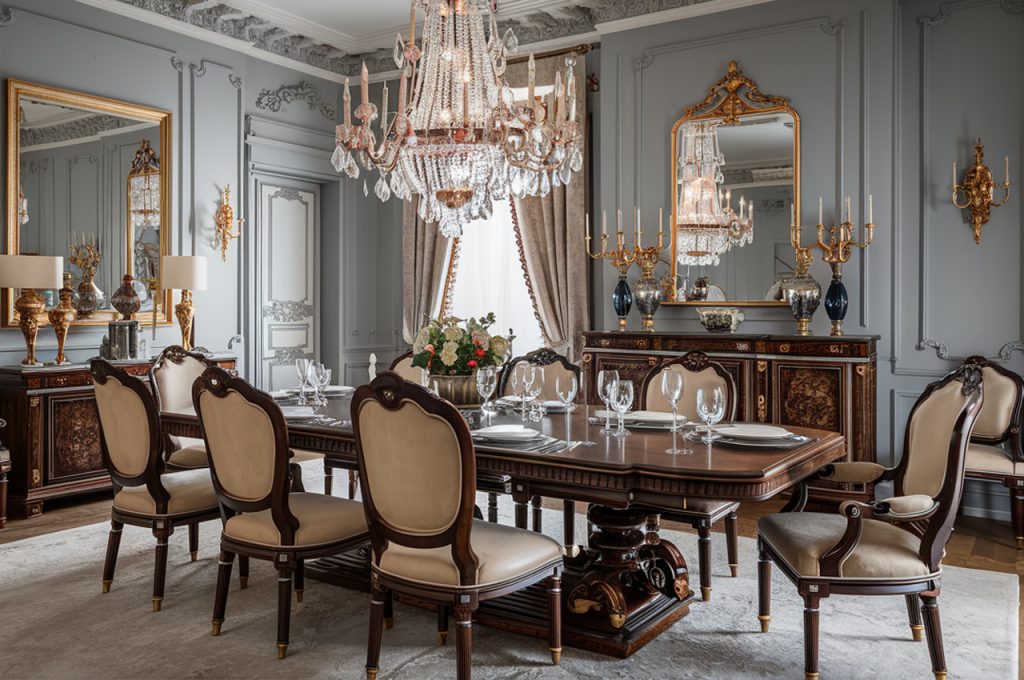
Rich, dark wood furniture is a hallmark of Victorian design. Mahogany, walnut, and oak dining tables with carved legs and intricate detailing create an air of sophistication. Pair them with matching sideboards or display cabinets to showcase fine china and silverware. High-backed dining chairs with plush upholstery in velvet or brocade fabrics add to the traditional feel. A polished wood dining set instantly transports the room to another era while offering durability and classic appeal.
3. Luxurious Drapery for an Elegant Ambiance
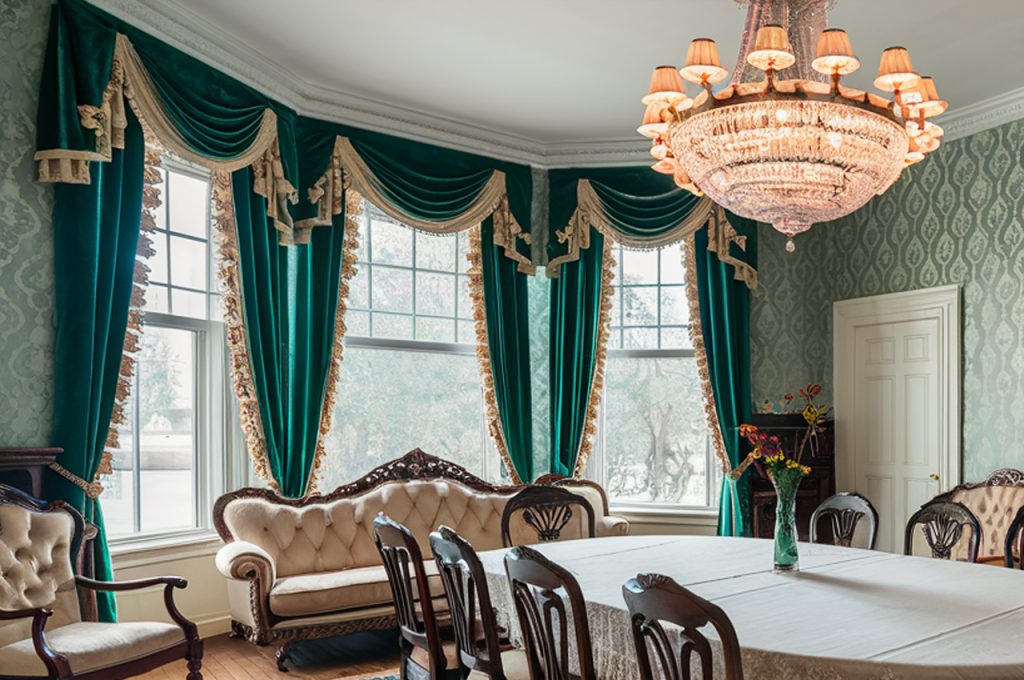
Victorian dining rooms often feature heavy, floor-length drapery that enhances the room’s regal aesthetic. Velvet, brocade, or damask curtains in rich hues like deep red, emerald green, or royal blue create a dramatic backdrop. Layering sheer lace panels beneath heavier drapes adds softness while allowing natural light to filter through. To complete the look, opt for decorative tiebacks, tassels, or gold-trimmed curtain rods, all of which bring an extra touch of elegance to the space.
4. Vintage Wallpaper for Period Authenticity
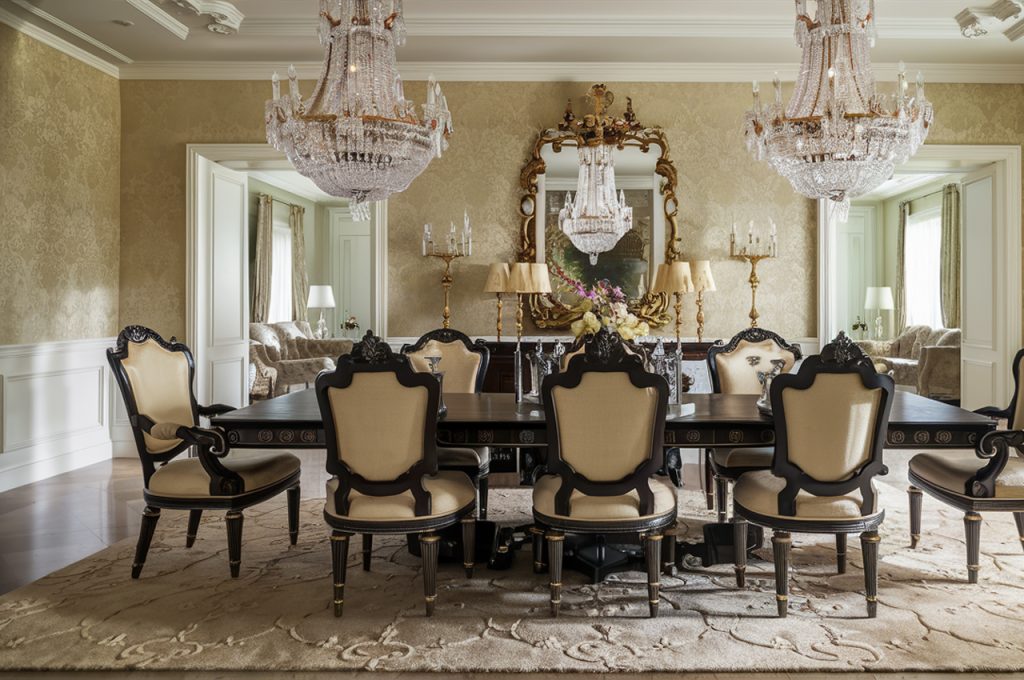
Wallpaper was a defining feature of Victorian interiors, often showcasing elaborate floral patterns, damask prints, or intricate botanical motifs. To capture this essence, choose wallpaper in deep, jewel-toned colors or soft pastels with metallic detailing. If an all-over pattern feels too bold, consider using wallpaper on a feature wall or within decorative wainscoting. Combining period-accurate designs with modern styling ensures the room maintains a classic feel without overwhelming the space.
5. Statement Ceilings with Intricate Details
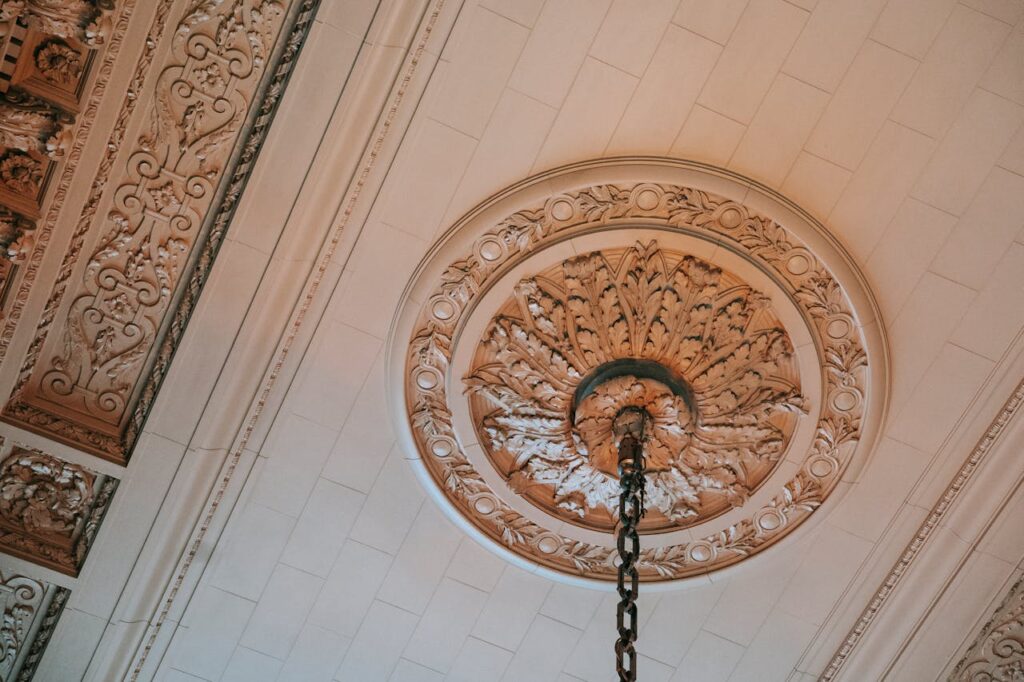
Victorian homes often boasted ornate ceilings that added depth and character to their interiors. To recreate this look, consider coffered ceilings, decorative medallions, or embossed tin tiles for a striking focal point. Painted or gold-leafed ceiling moldings elevate the elegance of the space. A richly detailed ceiling pairs beautifully with a grand chandelier, drawing the eye upward and adding architectural interest that enhances the overall design.
6. Antique Sideboards for a Sophisticated Touch
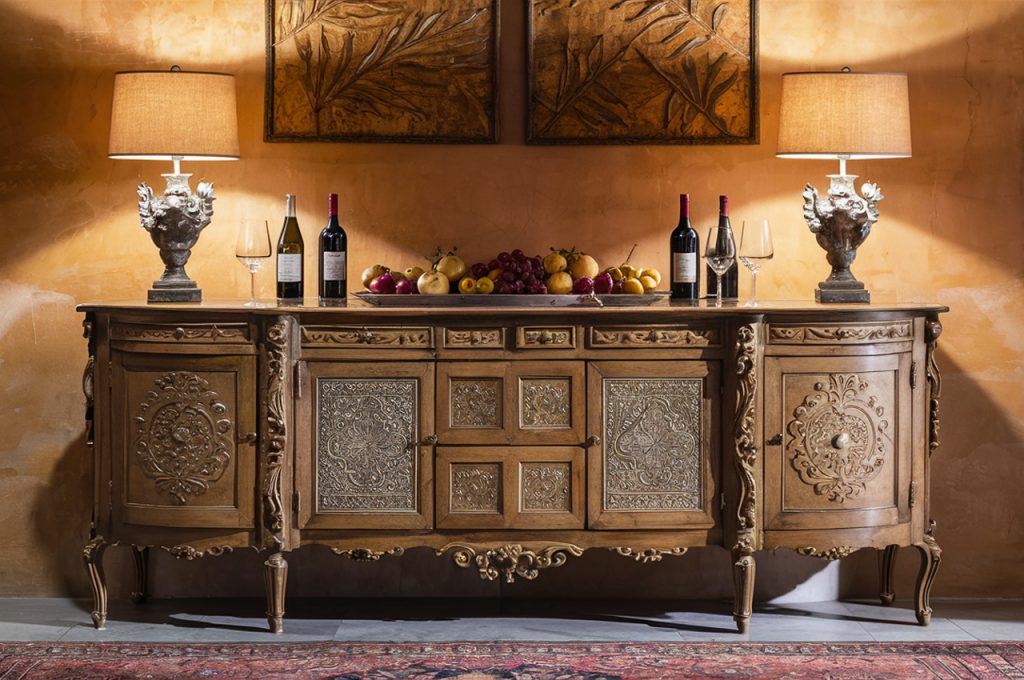
A beautifully crafted sideboard or buffet table is a staple of Victorian dining rooms. These pieces serve both functional and decorative purposes, offering storage for fine china, silverware, and linens while adding a sense of refinement. Opt for antique or vintage-inspired sideboards with intricate carvings, brass handles, and marble tops. Displaying ornate candelabras, decorative trays, or fresh floral arrangements on top further enhances their timeless appeal.
7. Fine China and Crystal Accents
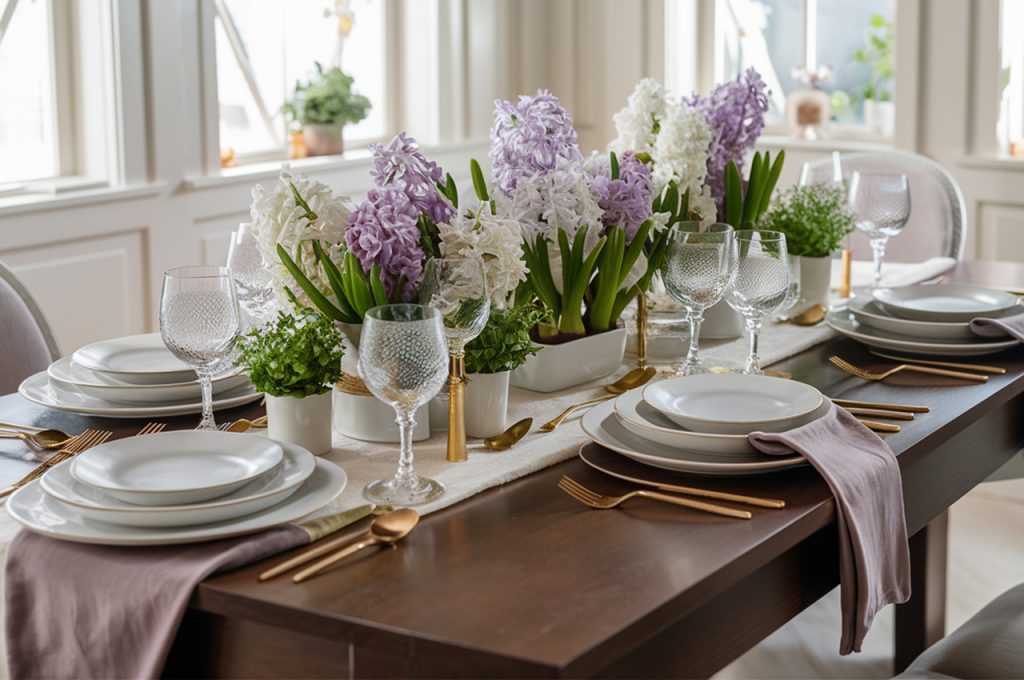
Attention to detail is key in Victorian dining rooms, and fine china paired with crystal glassware elevates the overall aesthetic. Display decorative porcelain plates with gold trim or floral motifs in a glass-front cabinet or mounted on walls for a curated look. When setting the table, incorporate lace-trimmed tablecloths, silver-plated cutlery, and intricately designed crystal glasses to enhance the elegance of the space. Small yet luxurious details like these reinforce the refined atmosphere of a classic Victorian dining room.
8. Intricate Wainscoting for Added Depth
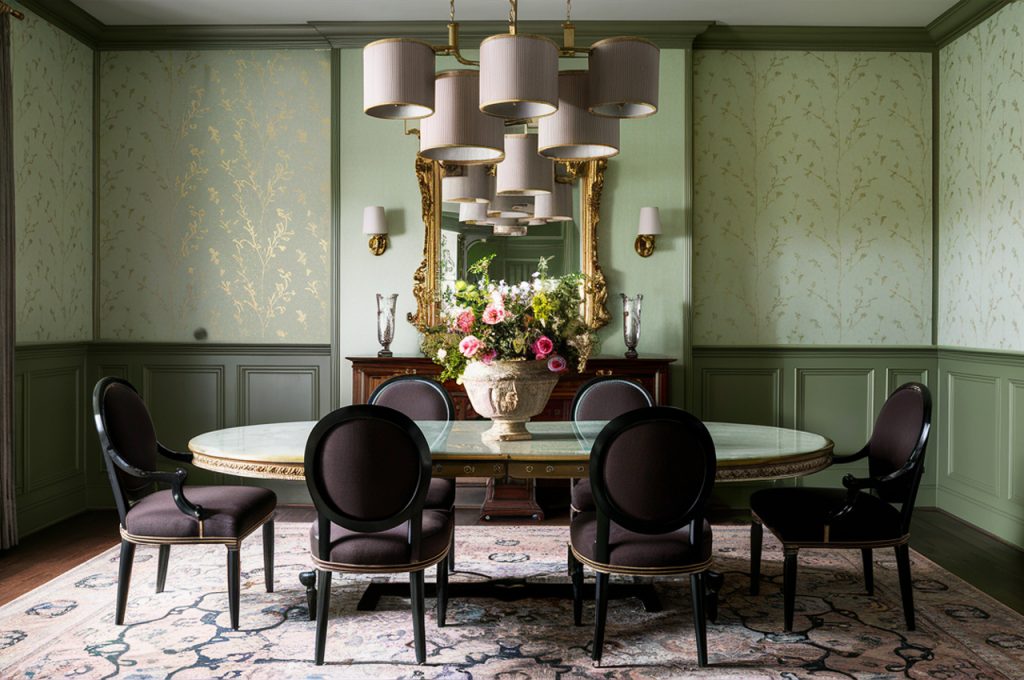
Victorian interiors are known for their sophisticated wall treatments, and wainscoting is a perfect way to add architectural charm. Raised paneling, beadboard, or decorative molding along the lower half of the walls creates an elegant, structured look. Painting the wainscoting in a rich, contrasting color—such as deep burgundy or forest green—adds drama, while a crisp white finish keeps it classic. This detail not only enhances visual interest but also provides a refined backdrop for furniture and décor.
9. Persian Rugs for a Layered Look
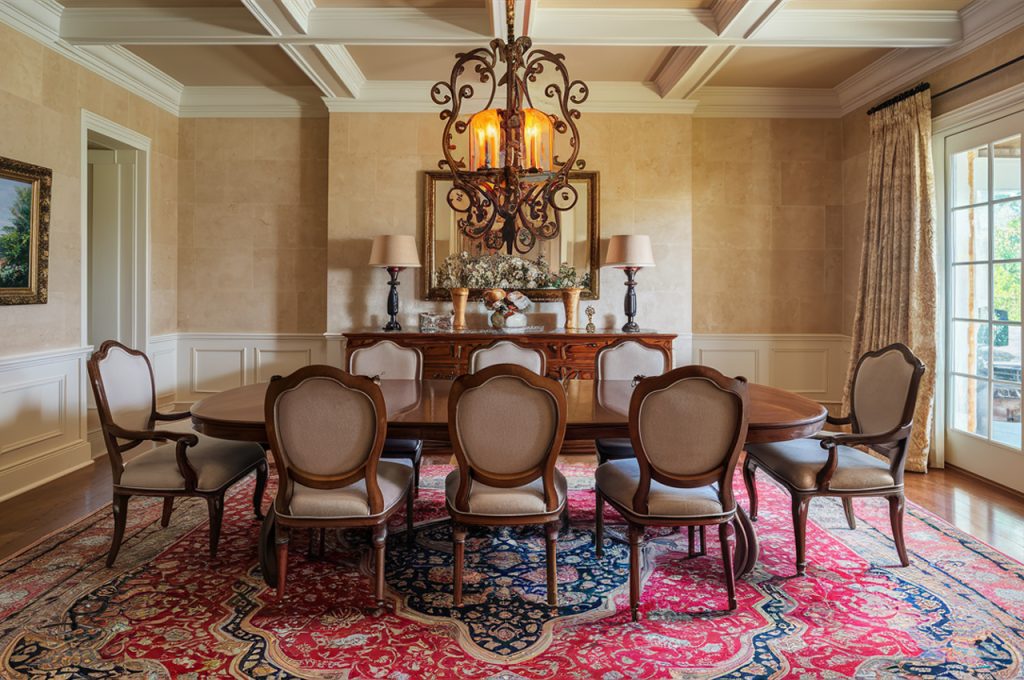
A Victorian dining room wouldn’t be complete without a richly patterned rug anchoring the space. Persian and Oriental rugs, with their intricate designs and deep, warm hues, add texture and color while complementing dark wood furniture. Opt for oversized rugs that extend beyond the dining table, ensuring chairs remain on the rug even when pulled out. The plush material helps absorb sound, creating a more intimate dining experience while reinforcing the room’s cozy, vintage appeal.
10. Gold and Brass Accents for a Luxe Finish
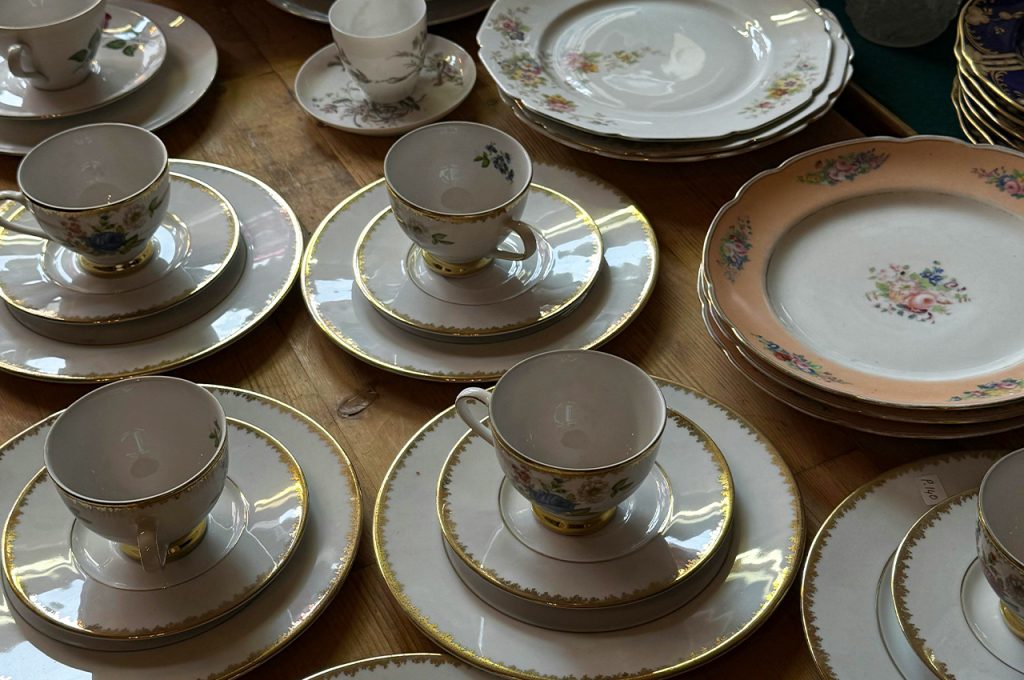
Metallic details were widely used in Victorian décor, with gold and brass accents lending a luxurious touch. Incorporate these elements through ornate mirror frames, candle holders, light fixtures, or decorative trays. A gilded mirror placed above a sideboard reflects light and enhances the sense of space. For a more subtle approach, opt for gold-trimmed dinnerware or brass cabinet hardware to introduce this opulent detail without overwhelming the design.
11. Stained Glass for a Vintage Touch
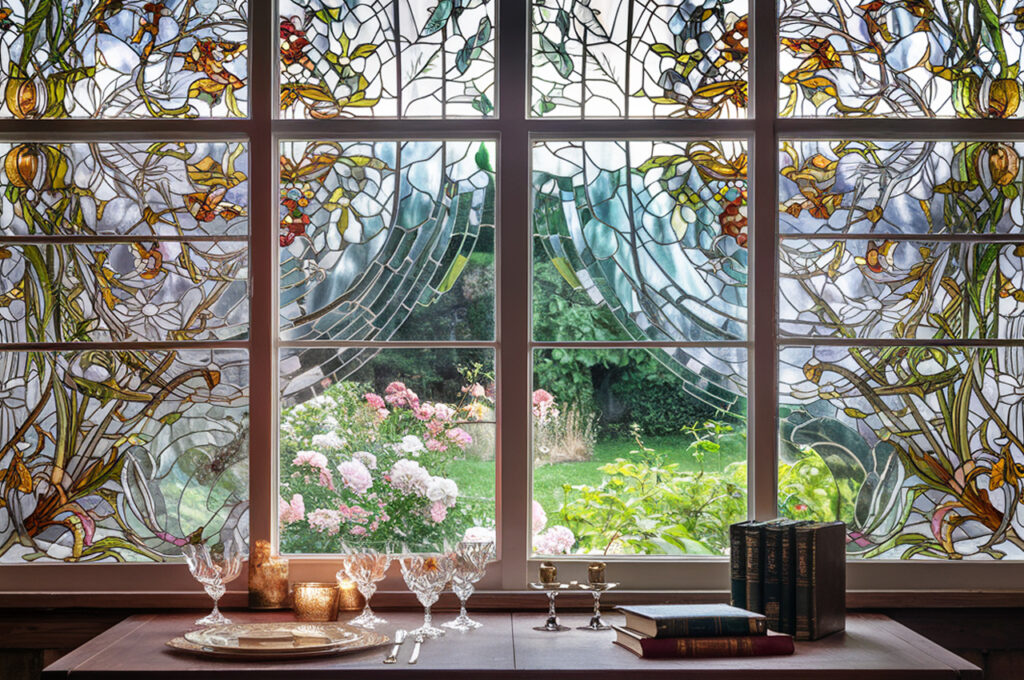
Victorian homes often featured stained-glass windows, adding color and artistry to interiors. If your dining room has windows or a doorway with transoms, consider incorporating stained glass for a period-accurate look. Alternatively, decorative stained-glass panels can be used as wall art or hung in front of clear windows to capture the effect. Whether featuring floral motifs or geometric patterns, stained glass brings a timeless elegance that enhances the traditional Victorian aesthetic.
12. Candlelit Ambiance for Old-World Charm
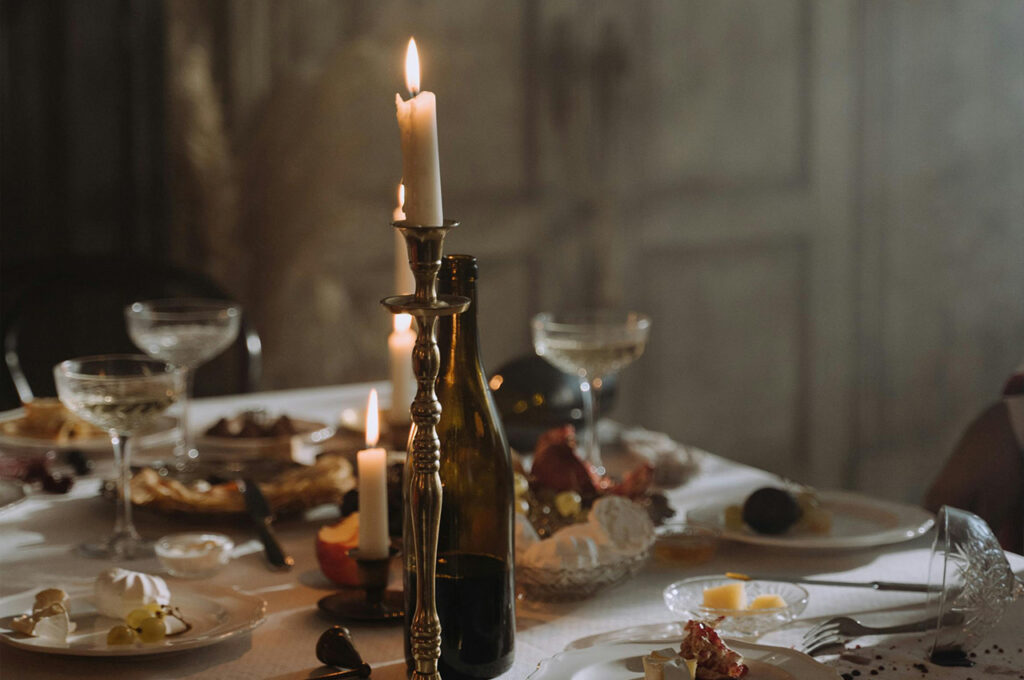
Before electric lighting, Victorian dining rooms relied on candlelight for a warm, intimate glow. Recreate this ambiance by incorporating elegant candelabras, wall sconces, or vintage-style candlesticks on the dining table. Pairing candles with a grand chandelier on a dimmer switch allows you to adjust the lighting for a soft, romantic atmosphere. Scented candles in floral or spice-based fragrances can further enhance the sensory experience, making dining feel even more special.
13. Gilded Mirrors to Reflect Elegance
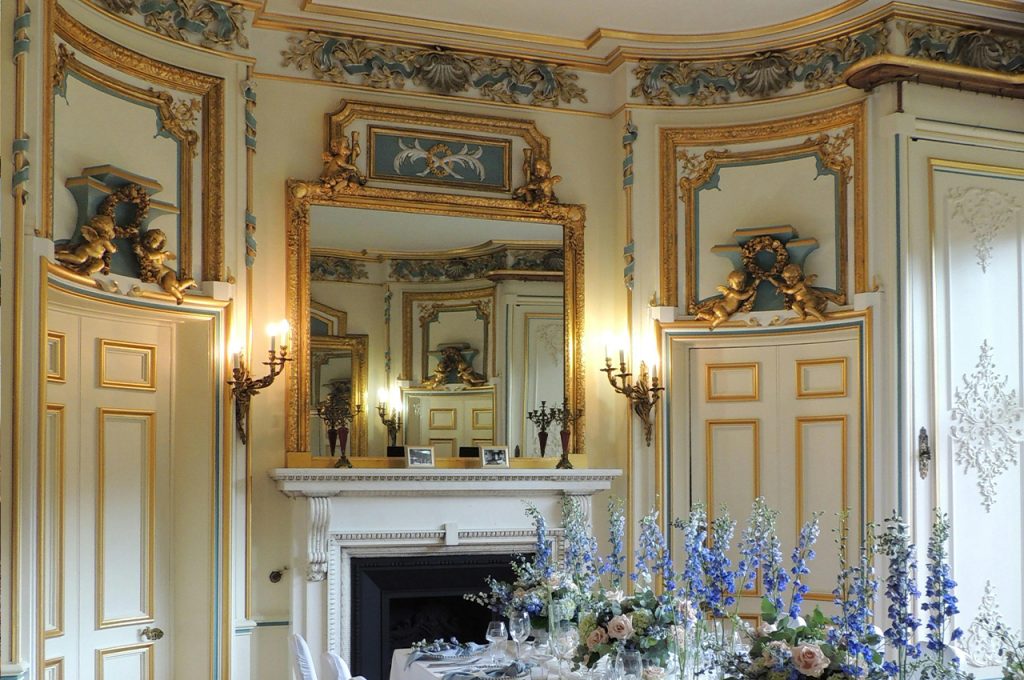
Large, ornate mirrors with gold or carved wood frames are a staple in Victorian interiors. Positioning a mirror opposite a window helps reflect natural light, making the dining room feel brighter and more spacious. Over a fireplace, sideboard, or buffet table, a statement mirror serves as a striking focal point while adding depth to the room. Opt for antique or reproduction mirrors with intricate detailing to maintain the historic charm of the space.
14. Victorian-Inspired Centerpieces for Dramatic Flair
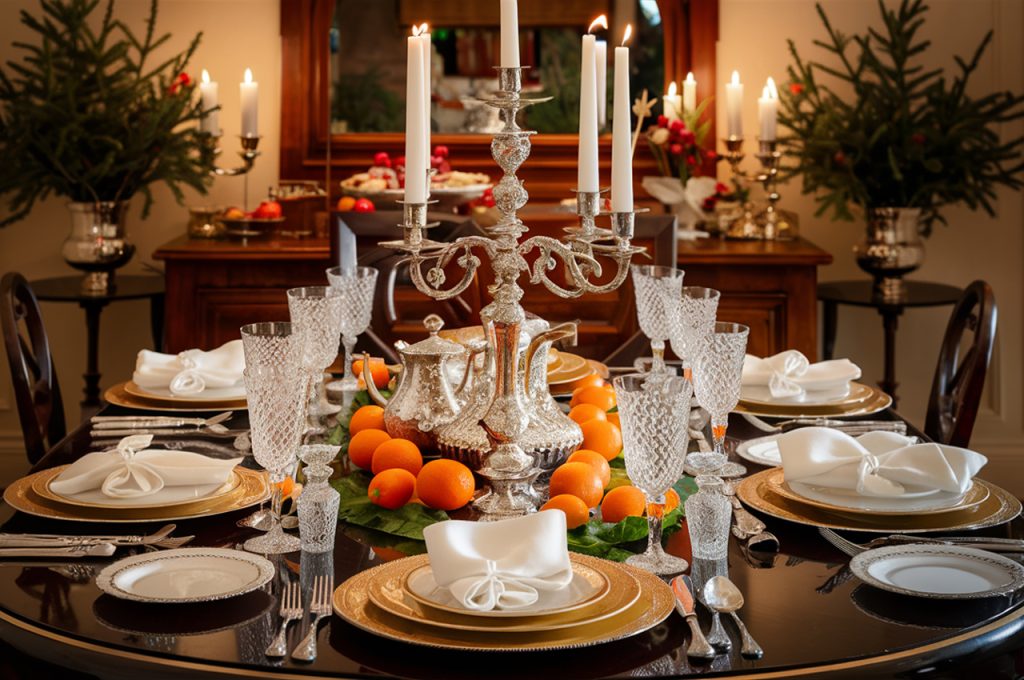
A well-styled dining table centerpiece is essential for a Victorian-inspired dining room. Opt for tall floral arrangements in antique vases, silver candelabras, or decorative fruit displays for a period-authentic look. Layering elements, such as lace table runners, glass cloches, and porcelain figurines, adds richness to the setting. Changing centerpieces seasonally—incorporating fresh flowers in spring and evergreen branches in winter—ensures the dining room always feels thoughtfully styled.
15. Classic Artwork and Decorative Plates for a Curated Feel
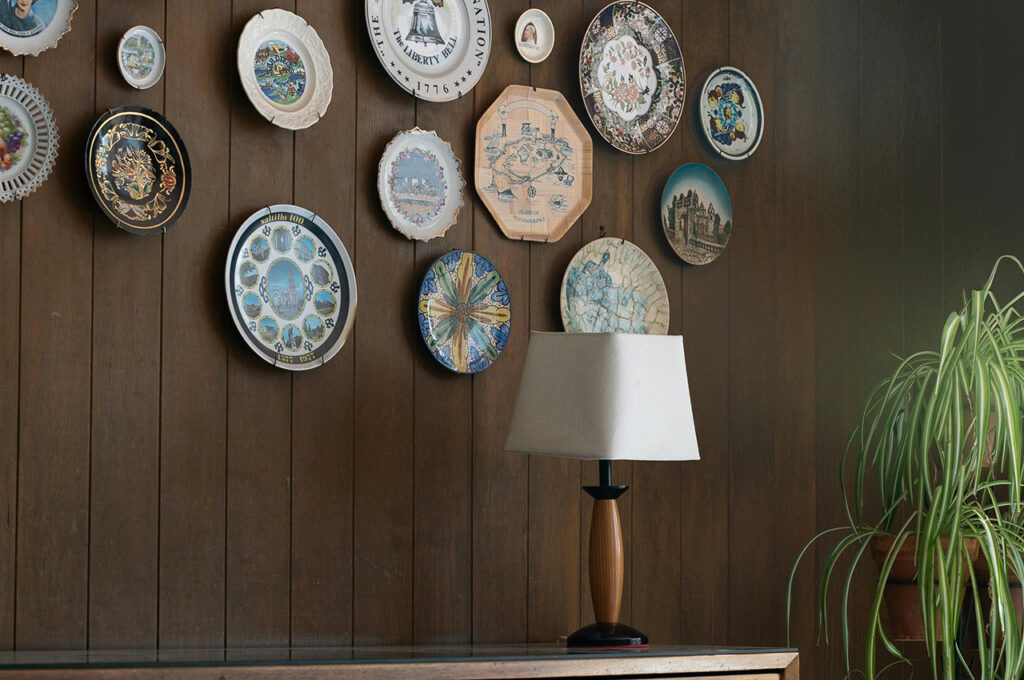
Wall décor plays a significant role in Victorian dining rooms, with oil paintings, framed portraits, and decorative plates commonly displayed. Large, gilded frames add a sense of grandeur, while antique-inspired artwork depicting landscapes or historical scenes enhances the period aesthetic. Arranging decorative plates in symmetrical groupings creates a curated, collected look that reflects the Victorian love for detail. These elements bring personality to the space while reinforcing its timeless elegance.
This article was created with the assistance of AI but thoroughly edited by a human being.