
When it comes to selling a home, not all features add value—some can actually turn buyers away or lower your resale price. While personal preferences and unique design choices make a home feel special, certain upgrades, outdated styles, or high-maintenance features can make it harder to attract buyers. If you’re planning to remodel, here are 15 home features that could hurt your resale value—and what you can do to fix them.
1. Customized Bathrooms
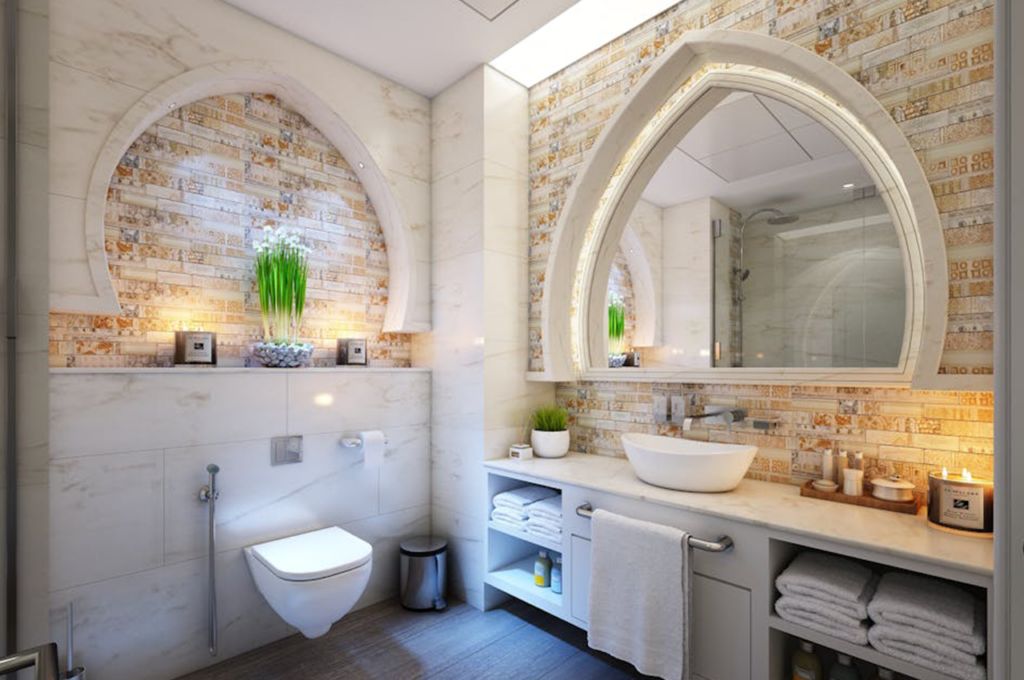
Bathrooms with extravagant finishes like custom tile work, oversized tubs, or unique fixtures might seem appealing but can alienate buyers. Not everyone wants a spa-style retreat, and highly customized designs often mean expensive maintenance and repairs. Instead, opt for a classical aesthetic with modern yet standard fixtures ensuring it won’t feel outdated in just a few years. A bathroom without being overly personalized, makes it easier for buyers to envision themselves in the space. This approach ensures broad appeal and avoids alienating potential buyers.
2. Sacrificing Bedrooms for extra space
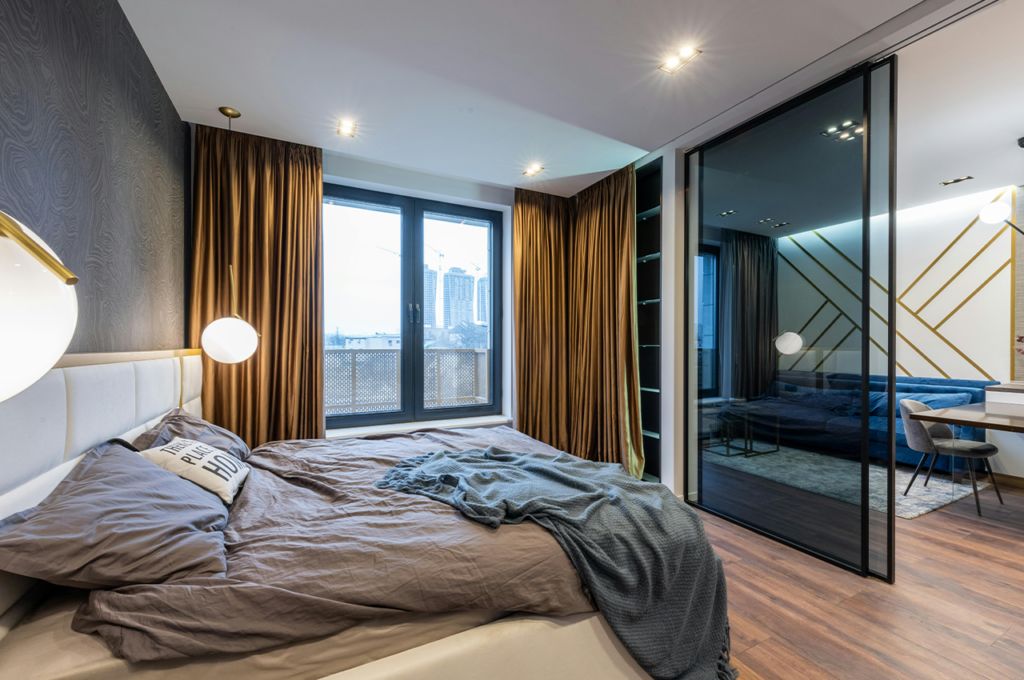
Expanding a bedroom or merging two rooms into one might seem like a great way to create a more open and luxurious space, but it can actually hurt your home’s resale value. The total number of bedrooms plays a major role in a home’s marketability, especially for families who need multiple rooms. Fewer bedrooms mean fewer potential buyers, limiting your chances of selling at a good price. Instead of reducing bedroom count, explore alternative ways to create more space, such as smart storage solutions or planning an extension. Keeping the original layout intact ensures broader appeal and preserves your home’s value.
3. Smart Home Tech
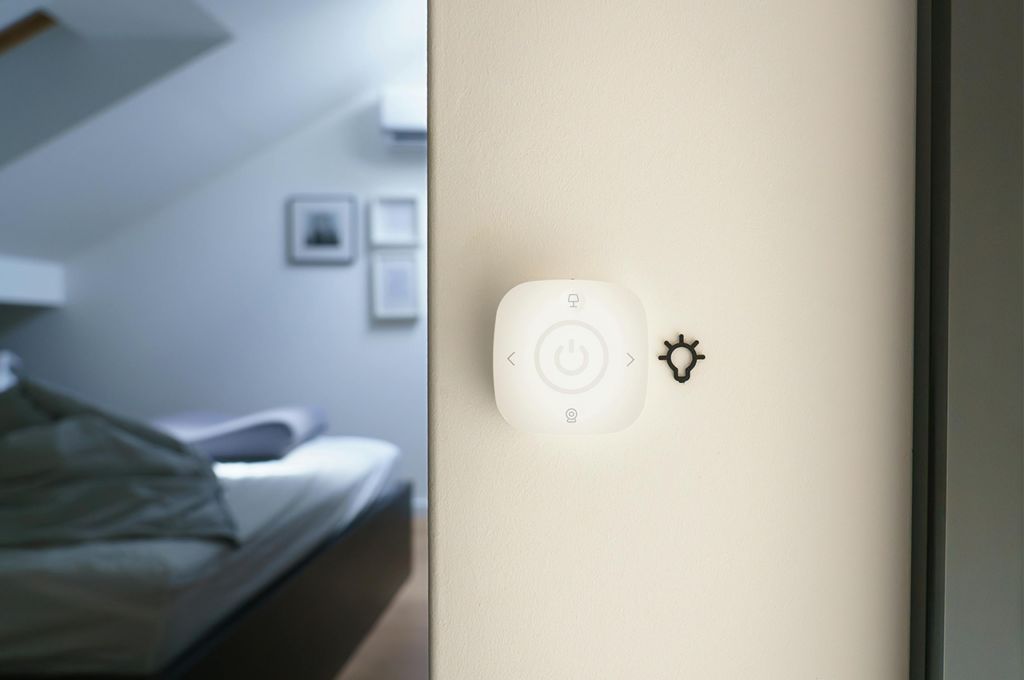
High-end smart home systems may seem like a great selling point, but built-in technology can quickly become outdated. Future buyers might not want to deal with expensive upgrades or replacements for systems that no longer function optimally. Additionally, overly complex smart home setups can feel unnecessary or even frustrating for those who prefer simplicity. Instead of investing in rigid, built-in tech, opt for easily upgradable or replaceable solutions. This approach provides long-term flexibility, allowing future homeowners to update systems without major renovations. A modular, user-friendly setup ensures the home remains appealing and adaptable.
4. Swimming Pools and Hot Tubs

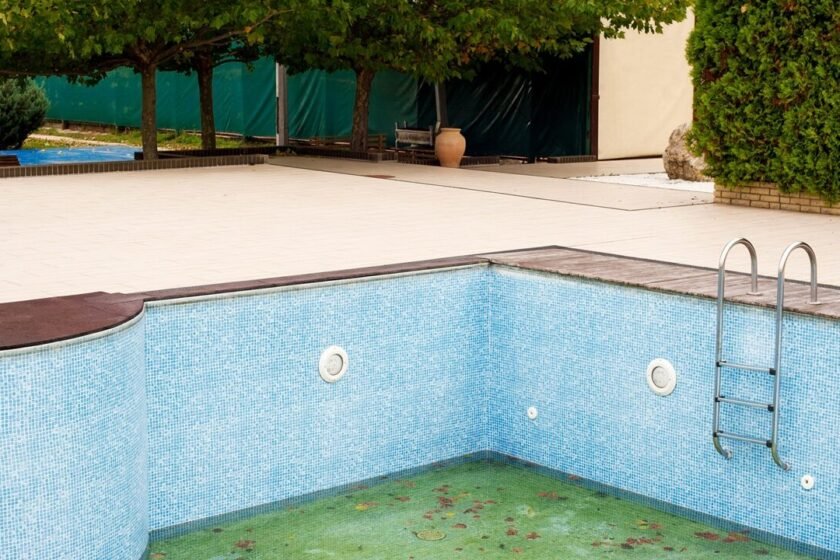
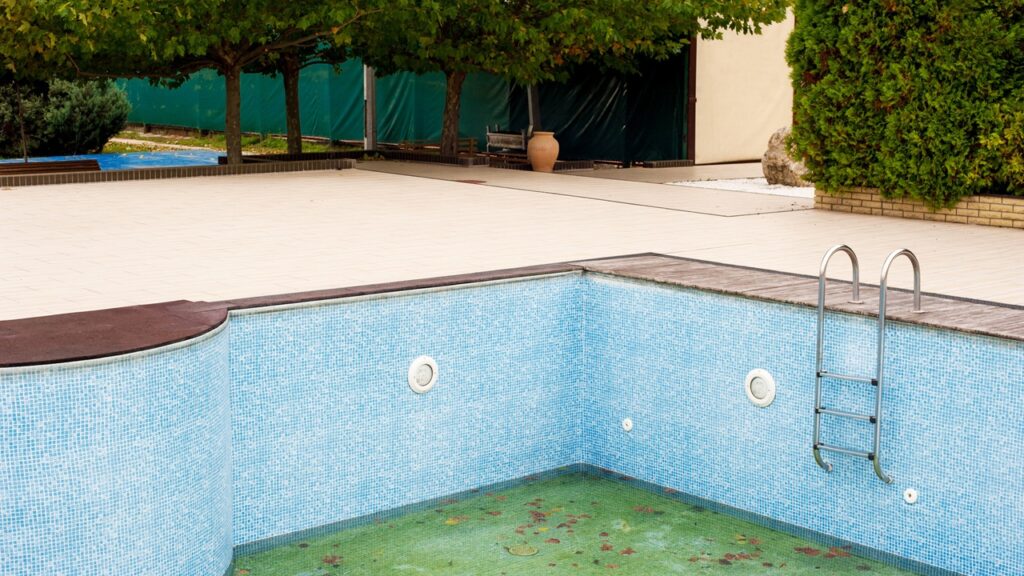
While pools and hot tubs are great for relaxation, they also come with high maintenance costs, safety risks, and climate limitations. In colder regions, they may be used infrequently, making them feel like an unnecessary expense. Many families with young children may also view them as a safety hazard, requiring additional security measures. Some buyers might see these features as more of a burden than a benefit, potentially affecting their interest in the property. If you already have a pool or hot tub, keep it well-maintained and highlight safety features. Providing potential buyers with clear information on upkeep, costs, and safety precautions can help ease concerns and showcase the benefits of these amenities.
5. Bold and Niche Interior Themes

Bright, bold wall colors, themed rooms, and heavily customized interiors can limit your home’s appeal. What seems stylish and unique to you might feel overwhelming or impractical to buyers who prefer a more neutral space. Highly personal design choices can make it difficult for potential buyers to envision themselves living in the home, reducing its marketability. To create a universally inviting space, opt for neutral paint colors, simple yet elegant designs, and decor that appeals to a broad audience. A more versatile aesthetic allows buyers to see the home’s true potential and imagine how they would personalize it, increasing the chances of a quick and successful sale.
6. Converting Garages into Living Spaces
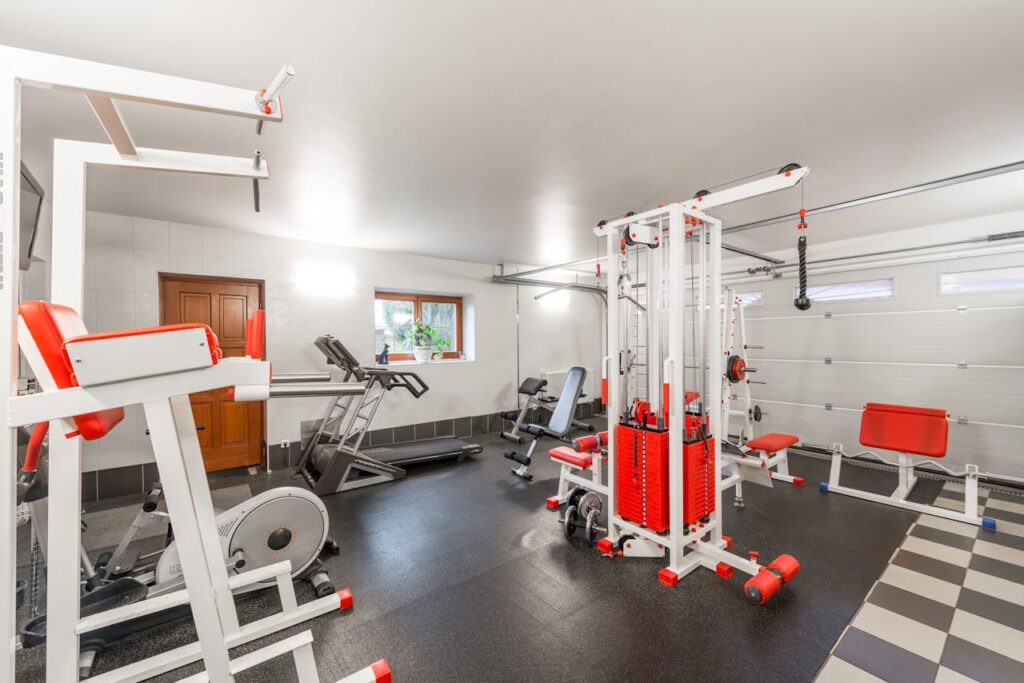
Converting a garage into a home gym, extra bedroom, living room or entertainment space may seem like a great idea, but many buyers value a functional garage for parking and storage. In suburban areas, where homeowners often need space for vehicles, tools, and outdoor equipment, losing a garage can significantly impact resale value. Buyers may see the conversion as an inconvenience rather than a bonus. If additional living space is necessary, consider alternatives that don’t eliminate the garage’s primary function. If the garage has already been converted, ensure the transformation is easily reversible. Providing buyers with a clear path to restoration can help maintain the home’s appeal and value.
7. DIY Renovations
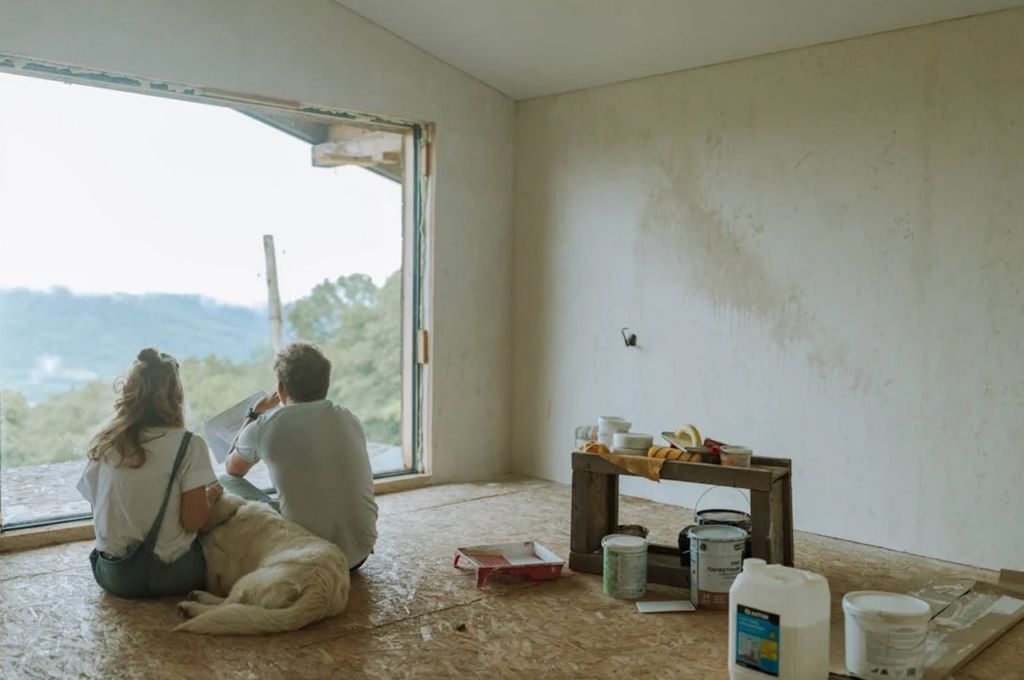
Poorly executed DIY projects can negatively impact your home’s resale value. Crooked tiles, badly done paint, uneven flooring, or subpar electrical and plumbing work can make a home feel poorly maintained and raise red flags for buyers. Many buyers prefer professionally completed upgrades to avoid costly repairs and safety concerns. While DIY projects can save money, mistakes can end up being more expensive in the long run. If you choose to tackle a renovation yourself, take the time to do it right. For complex or structural projects, hiring a professional ensures quality, safety, and compliance with building codes, ultimately protecting your home’s value and appeal.
8. Outdated Kitchens and Bathrooms
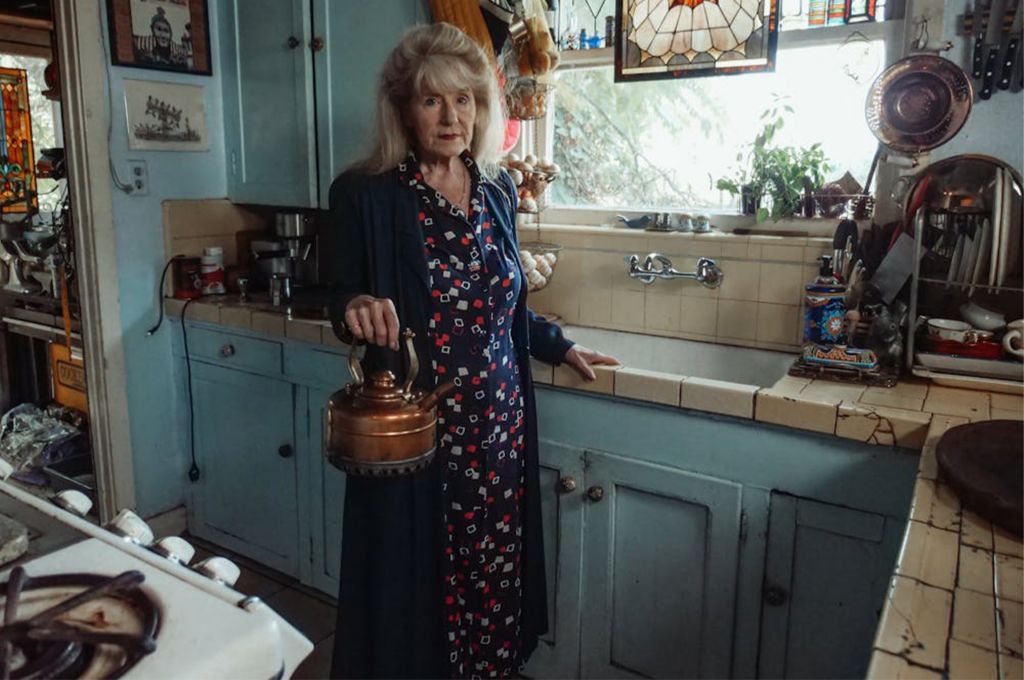
An outdated kitchen or bathroom can be a major drawback for buyers. Worn-out countertops and tiles, old appliances, can make a home feel neglected and lower its perceived value. Since these spaces are among the most frequently used, buyers tend to focus on them when assessing a home’s appeal. A dated look may lead them to anticipate costly renovations, making them less likely to commit. If a full renovation isn’t feasible, consider smaller upgrades to refresh the space. Painting cabinets, replacing outdated fixtures, upgrading lighting, and adding modern hardware can create a fresh, updated feel without a major investment, helping attract more potential buyers.
9. Poor Landscaping
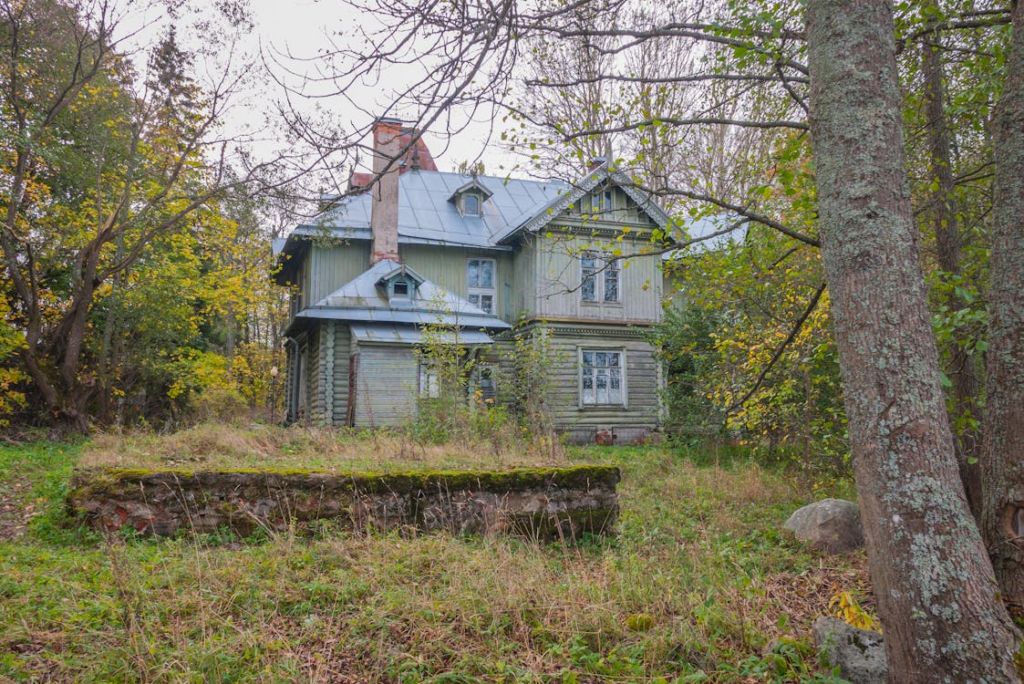
Curb appeal is crucial in shaping a home’s first impression. An overgrown lawn, unkempt garden beds, or excessive hardscaping can make a property feel neglected and uninviting. Buyers often prefer landscaping that looks attractive but doesn’t require constant upkeep. A high-maintenance yard may deter those who want a hassle-free outdoor space. To enhance curb appeal without overwhelming buyers, keep landscaping clean and simple. Trim the grass, refresh mulch, add a few low-maintenance plants, and ensure pathways are well-kept. A well-maintained yet easy-to-manage yard creates a welcoming atmosphere that appeals to a wide range of potential buyers.
10. Unauthorized Home Modifications
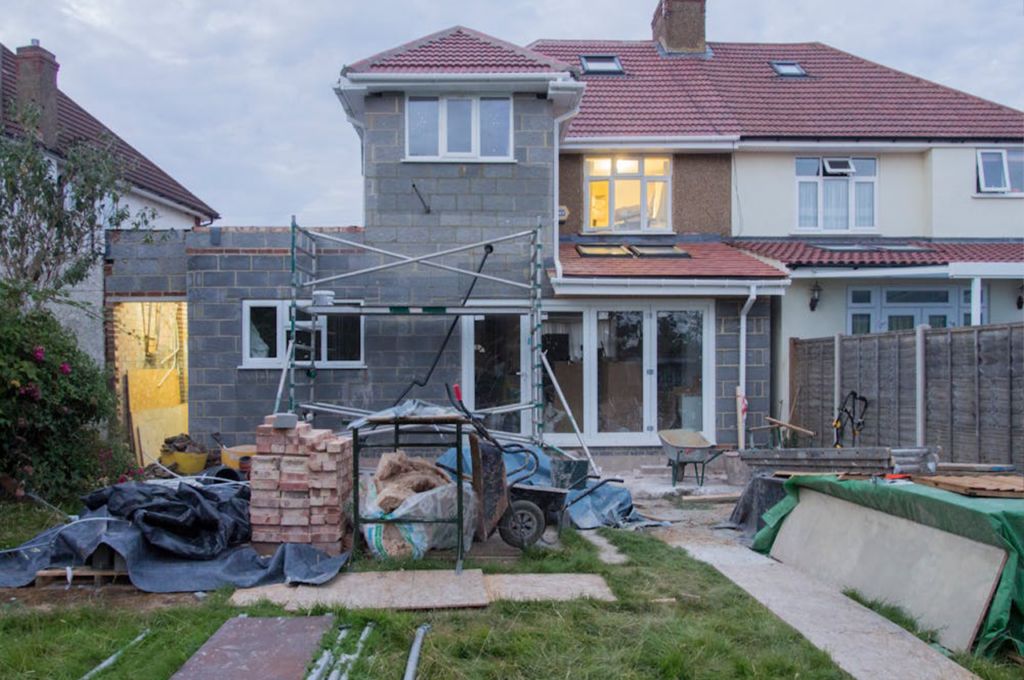
Home additions completed without proper permits can cause legal and financial headaches for buyers. If an extension fails to meet building codes, it may result in fines, denied insurance coverage, or even mandatory removal. Unpermitted work can also complicate the selling process, as buyers may be hesitant to take on potential liabilities. To protect your home’s value and ensure a smooth sale, always obtain the necessary permits before making modifications. If an unpermitted addition already exists, consult local authorities to explore options for bringing it up to code. Addressing these issues proactively can help avoid complications during the selling process.
11. Carpeted Flooring
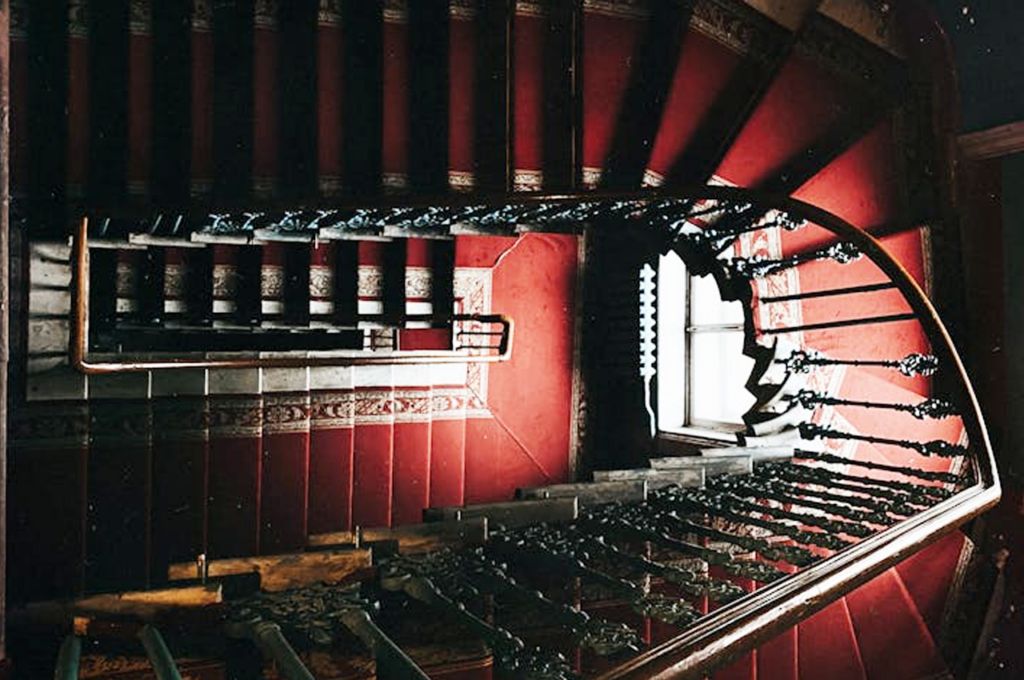
Carpeted floors may add warmth and comfort, but many buyers prefer hardwood or luxury vinyl flooring for their durability and low maintenance. Carpets tend to trap dust, allergens, and stains, which can be a concern for families with allergies or pets. Additionally, worn or outdated carpeting can make a home feel less modern and well-maintained, potentially lowering its appeal. If replacing the carpet isn’t an option, consider having it professionally cleaned to freshen up its appearance. For better resale value, upgrading to hardwood, laminate, or luxury vinyl can make the home more attractive to a wider range of buyer
12. Fixed Purpose Rooms
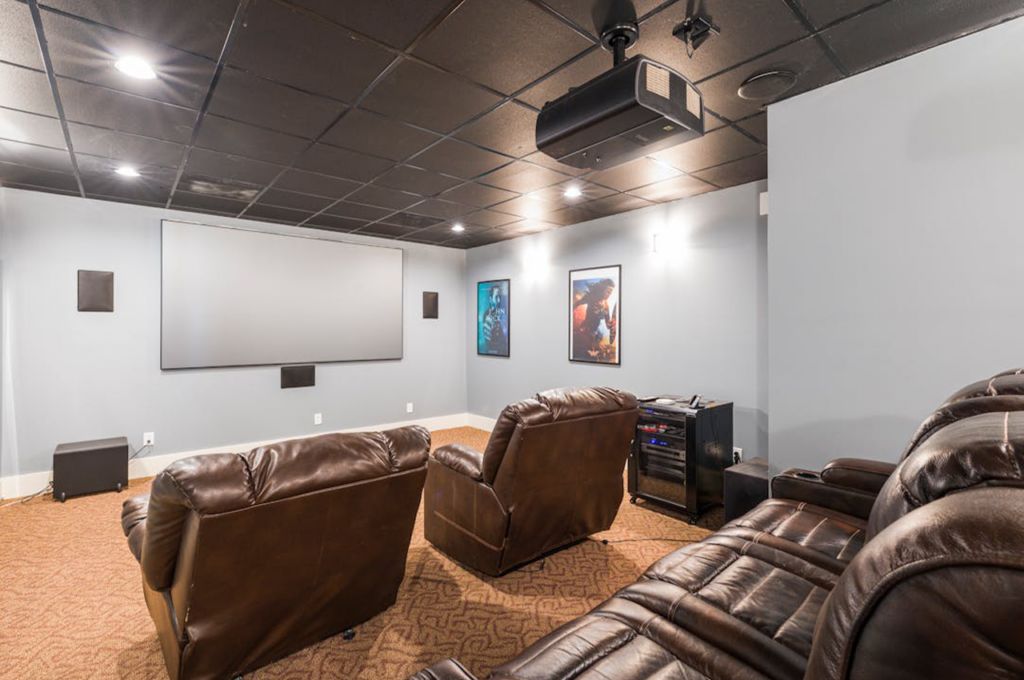
Transforming a spare room into a dedicated home theater, gym, or gaming space may seem appealing, but it can limit a home’s flexibility. Buyers typically prefer multi-functional rooms that can easily adapt to their needs. While a home office can be a valuable addition, an overly specialized space—such as a full-scale recording studio or custom-built gym—may feel impractical. The cost and effort required to convert it back into a traditional room could discourage potential buyers. To maximize appeal, keep rooms versatile with neutral decor and adaptable layouts, allowing buyers to envision how they would use the space to suit their lifestyle.
13. Excessive Wallpaper

Bold or textured wallpaper can be unappealing to buyers, who may see it as a hassle to remove or update. While wallpaper can add character, outdated or busy patterns may make a space feel less inviting. Many buyers prefer a neutral, modern backdrop that allows them to easily customize the home to their taste. To enhance your home’s appeal, consider replacing wallpaper with fresh, neutral paint for a clean and versatile look. A simple, updated design helps buyers envision their own style in the space, making the home more attractive and marketable.
14. Low-Quality Fixtures
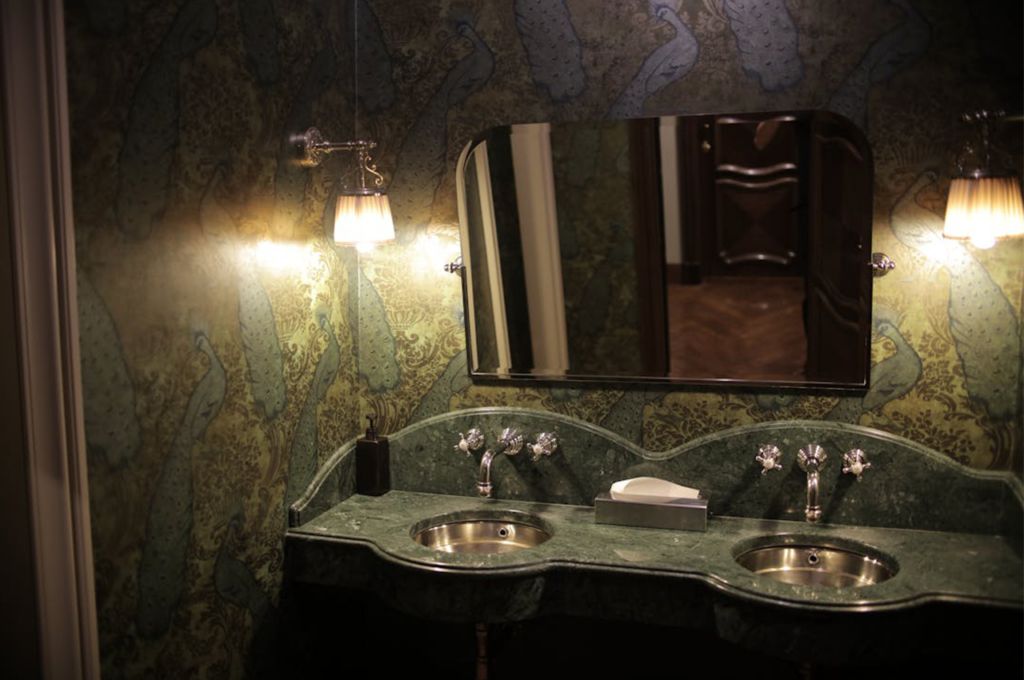
Cheap faucets, outdated light fixtures, and flimsy cabinetry can make a home feel less valuable and poorly maintained. Buyers often notice these details, and low-quality finishes may raise concerns about the overall upkeep of the property. Small, inexpensive upgrades can make a big impact on a home’s appeal. Replacing worn-out fixtures with stylish, mid-range alternatives can create a more polished and modern look without a major investment. Upgraded lighting, sturdy cabinet hardware, and high-quality faucets enhance both functionality and aesthetics, making the home feel well cared for and more attractive to potential buyers.
15. Neglecting Regular Maintenance
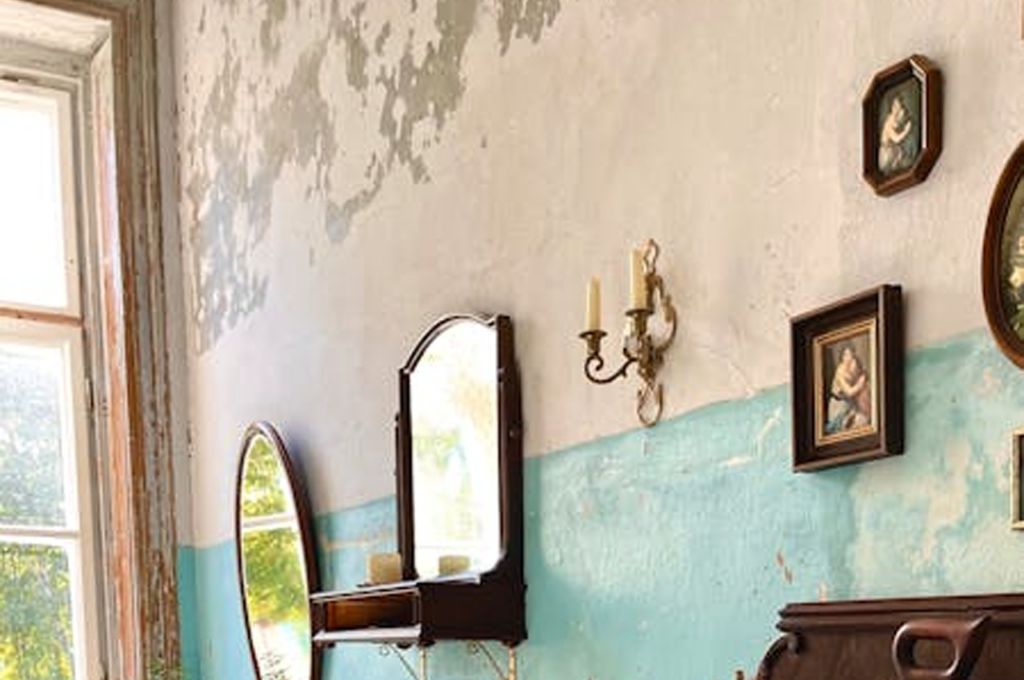
Small maintenance issues—such as leaky faucets, peeling paint, or broken tiles—can add up and create the impression of a poorly maintained home. Even minor signs of neglect can make buyers question the overall upkeep and lead them to believe there may be larger, hidden problems. These seemingly small flaws can lower a home’s perceived value and make it less appealing. To create a strong first impression, address repairs as they arise. Before listing your home, conduct a thorough maintenance check and fix any outstanding issues.
This article was created with the assistance of AI but thoroughly edited by a human being.