

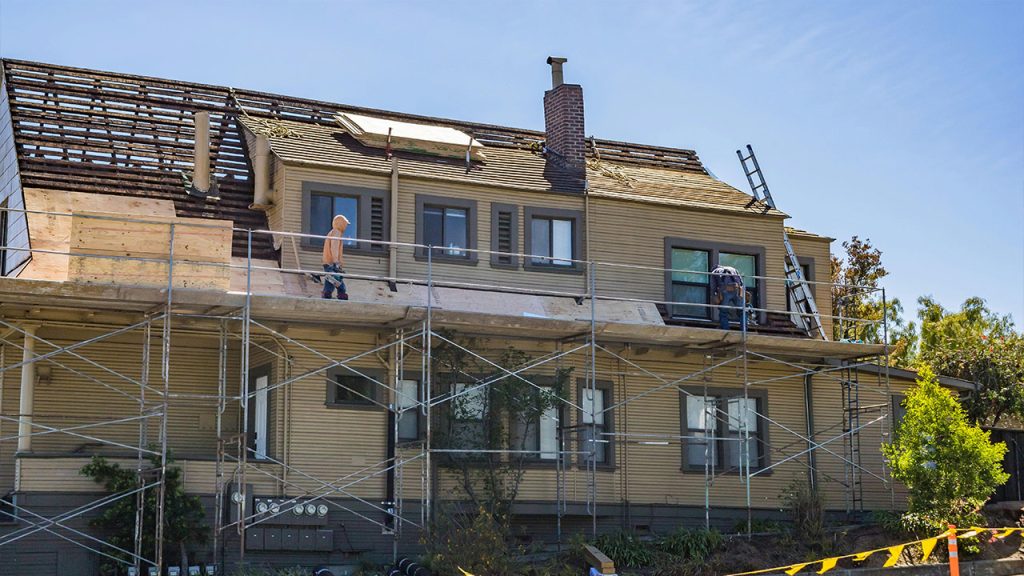
Thinking of tackling home repairs on your own? While DIY projects can save money, some repairs are legally off-limits unless you’re licensed. From complex electrical work to structural changes, these jobs require professional expertise and permits for good reason—safety, compliance, and insurance coverage. Before picking up that wrench or wire cutter, here are 15 home repairs that you’re not legally allowed to do yourself.
1. Rewiring or Major Electrical Work
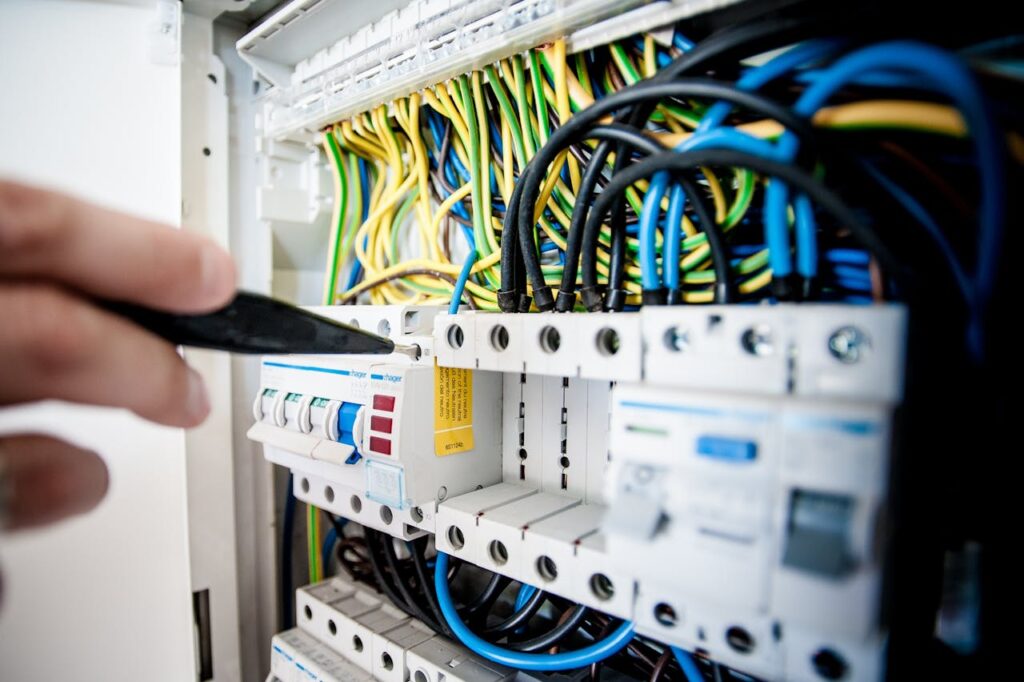
Tampering with your home’s electrical system without a license isn’t just risky—it’s often illegal. Rewiring involves strict code compliance, and mistakes can lead to fires, electrocution, or failed inspections. Licensed electricians ensure safe load distribution and proper grounding, protecting both your investment and your life.
2. Installing or Replacing a Main Electrical Panel
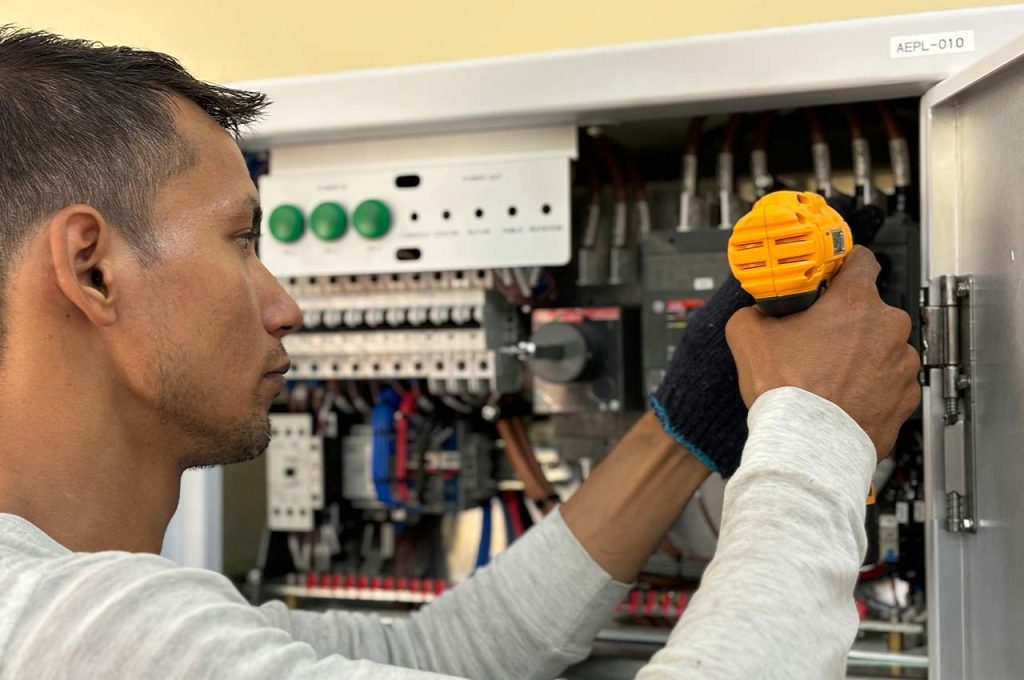
Swapping out a main panel requires more than just technical skill—it often demands permits, utility coordination, and a licensed pro. Mishandling high-voltage connections or grounding can result in catastrophic failure or even death. Regulations exist to ensure panels meet local codes and safely manage your home’s electrical demand.
3. Gas Line Installation or Repair
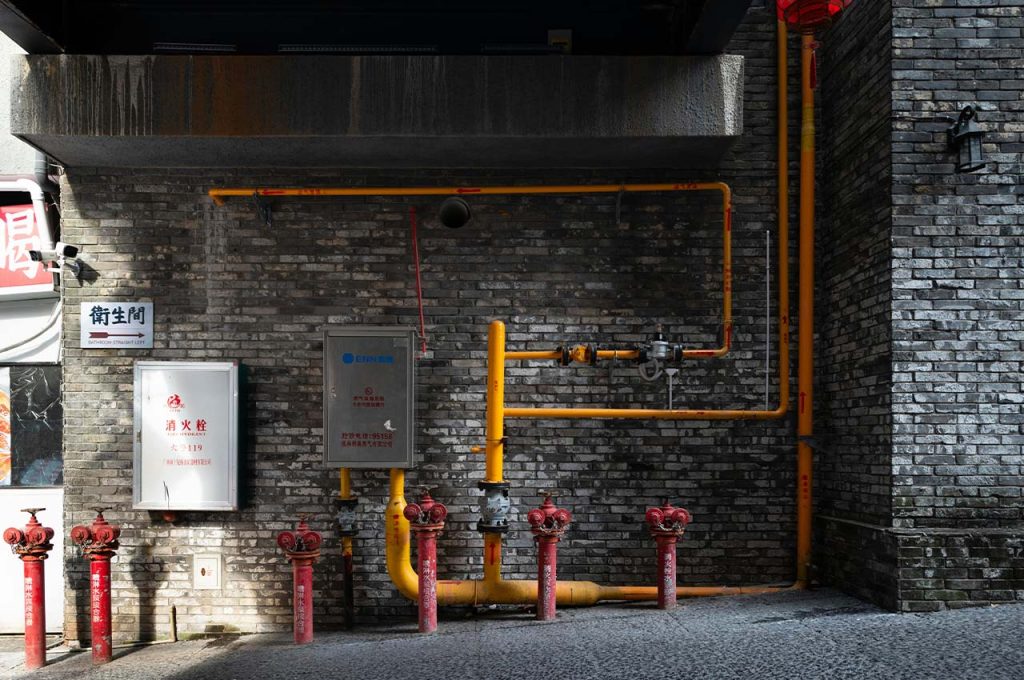
Tackling gas line installation or repairs without proper certification is a serious gamble. Even a tiny leak can escalate into catastrophic explosions or silent carbon monoxide poisoning. Gas systems demand meticulous connections, rigorous pressure tests, and strict adherence to safety codes, which only licensed professionals are trained to manage. Most states enforce these regulations to protect homeowners, making DIY gas work not just risky but often illegal. Safety always comes first with gas lines.
4. Structural Changes or Wall Removal
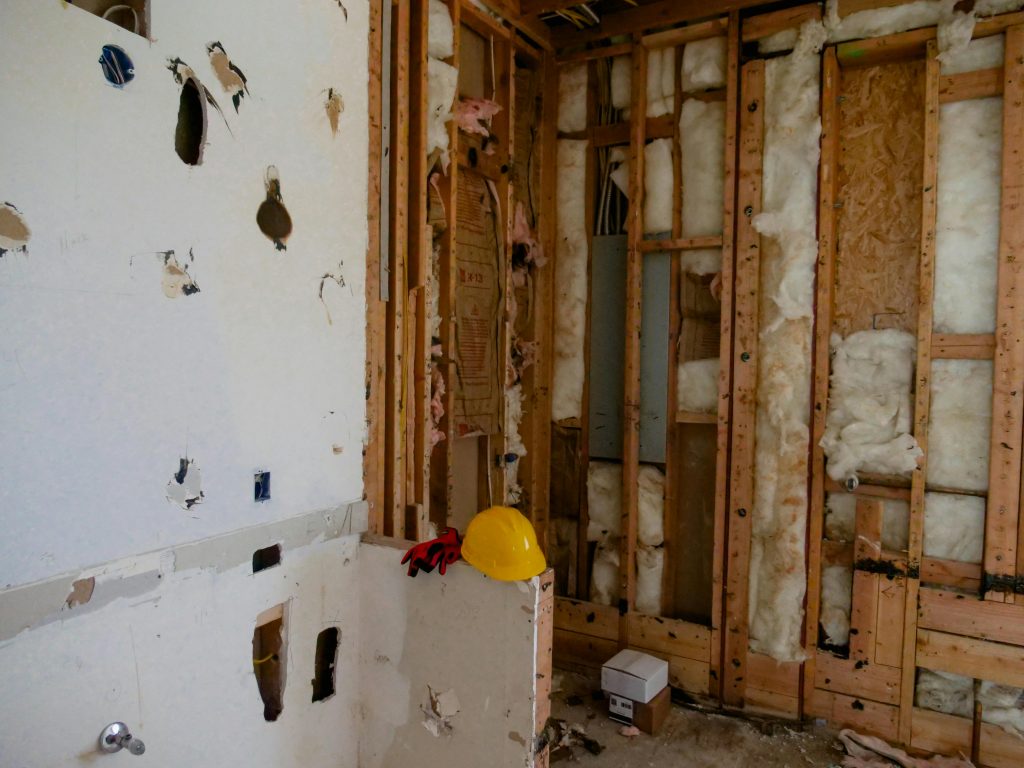
Dreaming of an open-concept layout? Don’t grab the sledgehammer just yet. Tearing down a load-bearing wall or modifying structural elements without proper planning can seriously jeopardize your home’s stability. These changes demand engineering calculations, permits, and inspections to ensure your home remains safe and sound. Without professional oversight, you risk not only collapse but also legal trouble—and costly repairs to fix it all.
5. Roof Replacement in Certain States
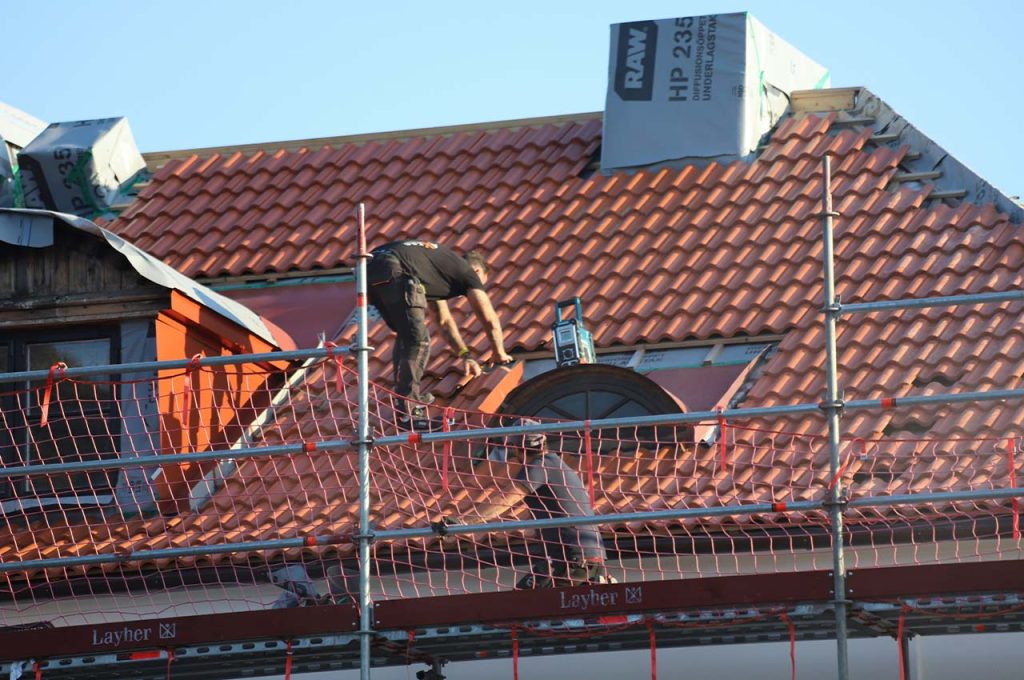
In several states, tackling a roof replacement without a licensed contractor isn’t just risky—it’s illegal. Roofing involves far more than hammering shingles; it requires knowledge of local codes, proper ventilation, fire ratings, and waterproofing techniques. A misstep can lead to leaks, structural damage, or worse. DIY attempts often void warranties and may even compromise your homeowner’s insurance, leaving you exposed to costly repairs and liability issues.
6. HVAC System Installation or Replacement
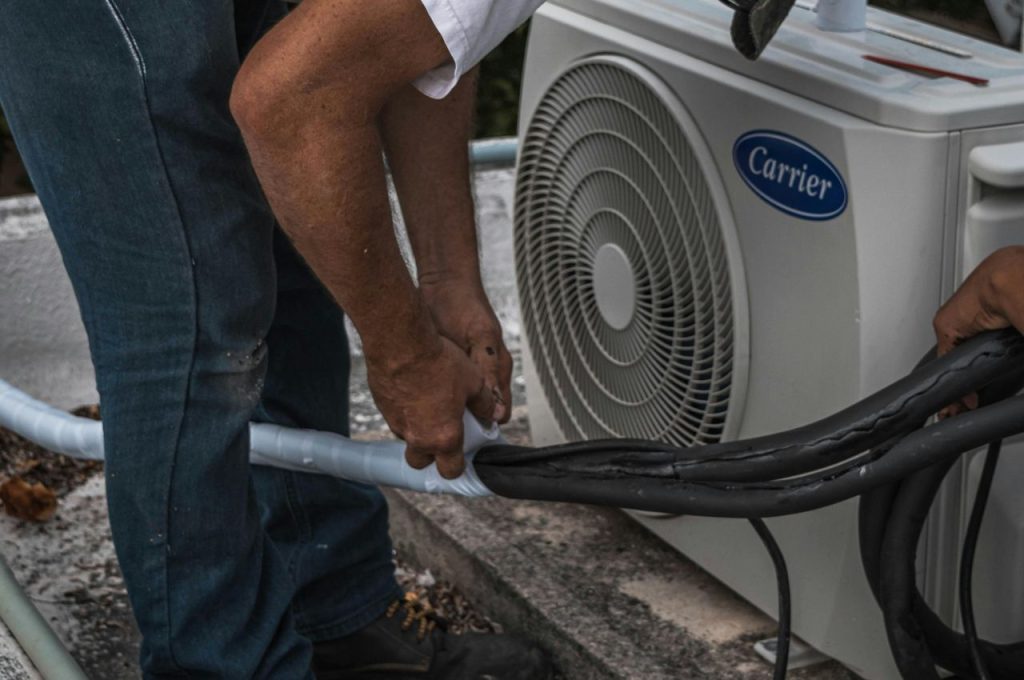
Installing or replacing an HVAC system involves more than lifting heavy equipment—it requires precise calculations, refrigerant handling, and electrical expertise. Improper installation can lead to inefficiency, safety hazards, and code violations. Because refrigerants are regulated and the systems must meet strict energy and building codes, most states require a licensed HVAC technician for the job.
7. Septic System Repairs or Installation
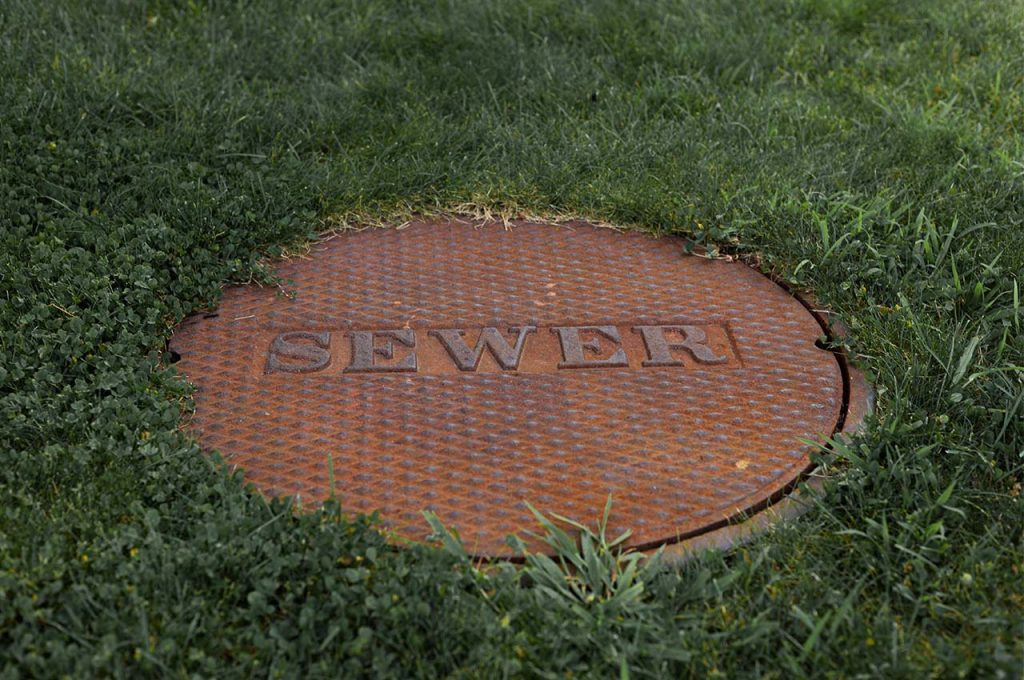
Septic work is tightly regulated for good reason—it directly affects public health and the environment. Installing or repairing a septic system involves soil tests, permits, tank sizing, and precise pipe placement. A DIY mistake could contaminate groundwater or back up waste into your home. That’s why certified professionals are legally required in most areas to handle septic projects from start to finish.
8. Major Plumbing Modifications
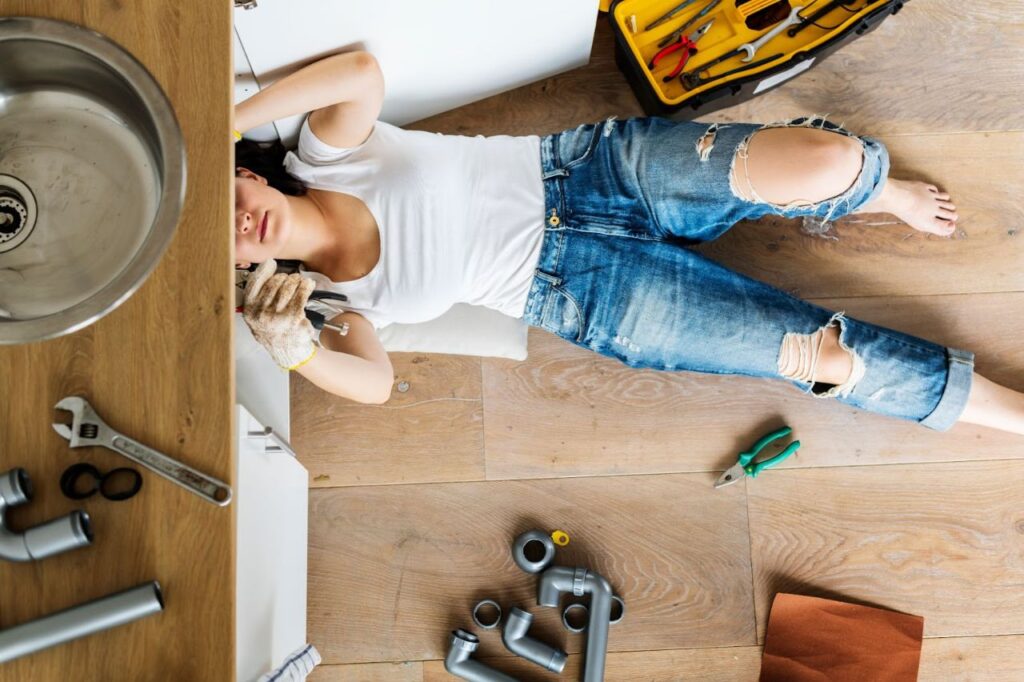
Rerouting water lines or making major plumbing changes isn’t just a matter of twisting a few pipes. It requires a deep understanding of water pressure, venting, and code compliance. Mistakes can result in leaks, flooding, or cross-contamination of drinking water. Many municipalities require a licensed plumber for large-scale modifications to ensure everything is safe and up to code.
9. Asbestos Removal
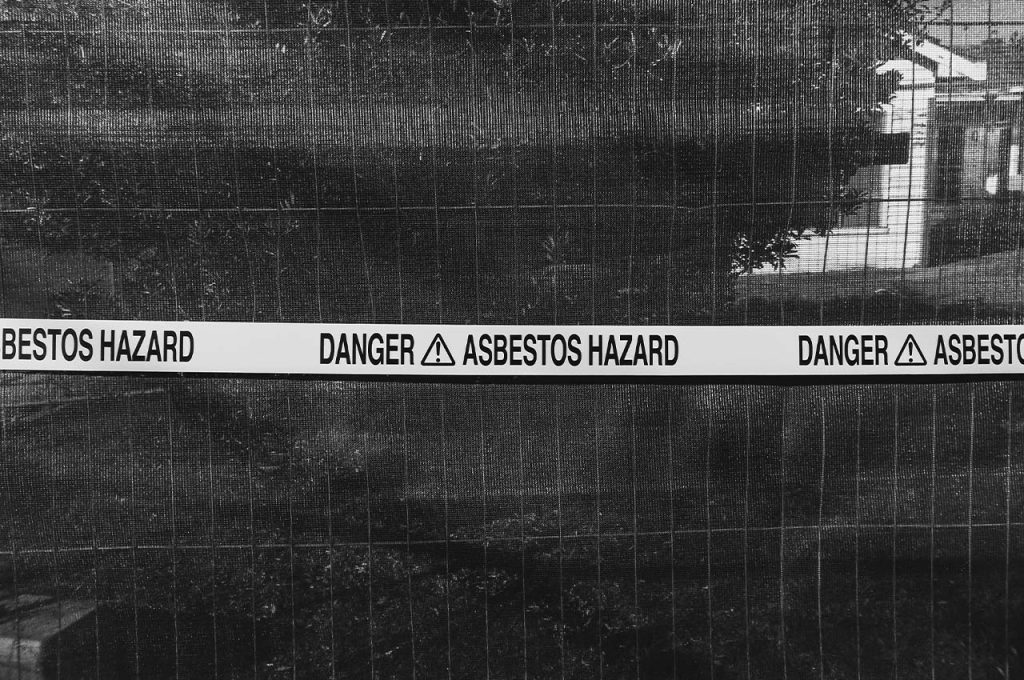
Handling asbestos without the proper training and permits is illegal in many states—and extremely dangerous. Disturbing asbestos-containing materials can release harmful fibers that lead to serious health conditions, including mesothelioma. Licensed abatement professionals follow strict containment and disposal procedures to safely remove and dispose of asbestos under legal guidelines.
10. Lead Paint Removal
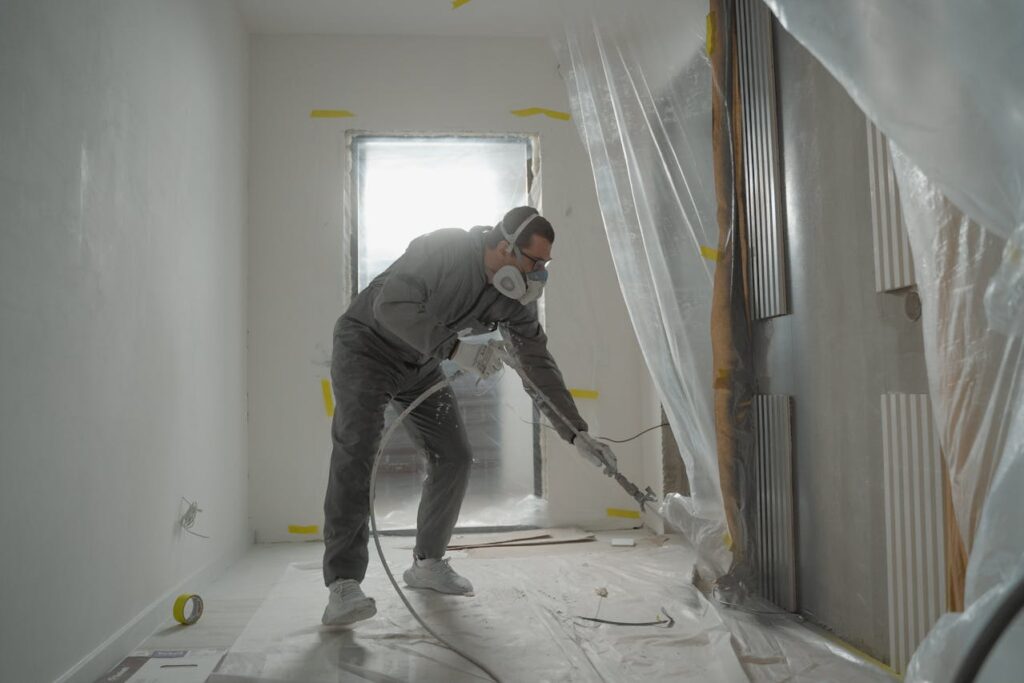
Homes built before 1978 often hide a toxic legacy: lead-based paint. Stripping it without proper precautions isn’t just dangerous—it’s often illegal. Sanding or scraping can release toxic dust that’s especially harmful to children and pregnant women. Certified lead abatement specialists use specialized equipment and follow federal and state regulations to mitigate risks and ensure the property remains safe for occupants.
11. Installing or Modifying Fire Sprinkler Systems
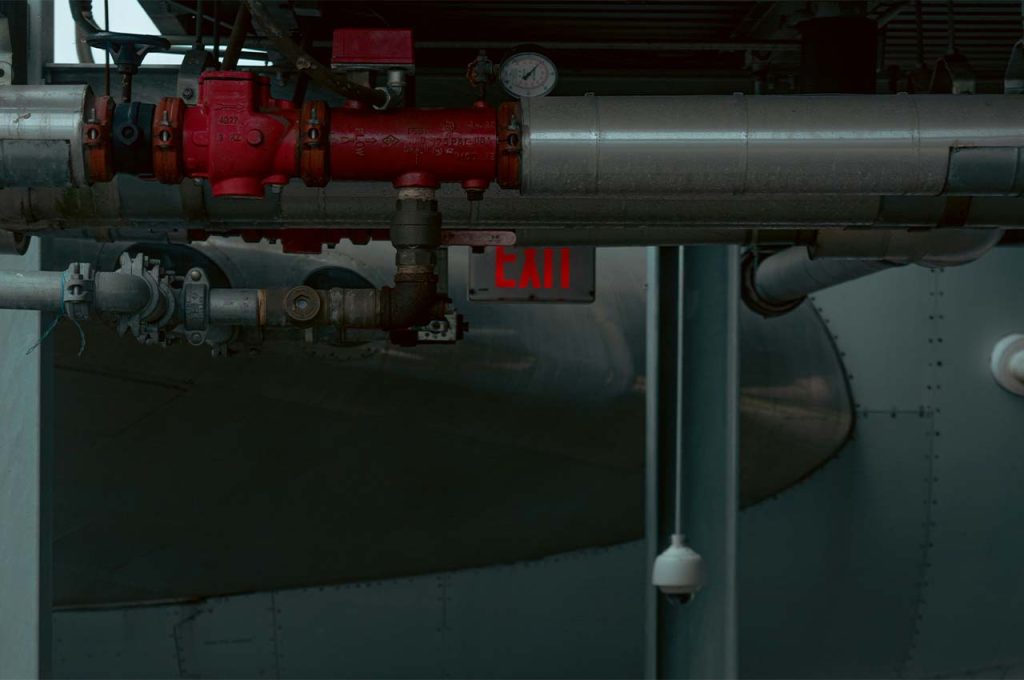
Fire sprinkler systems are life safety devices—and tampering with them without proper training can compromise their effectiveness. These systems require precise hydraulic calculations, specific materials, and professional-grade installation to ensure full coverage and compliance with fire codes. Many states mandate licensed contractors for this work to avoid penalties and ensure the system activates correctly in an emergency.
12. Pool Electrical or Plumbing Work
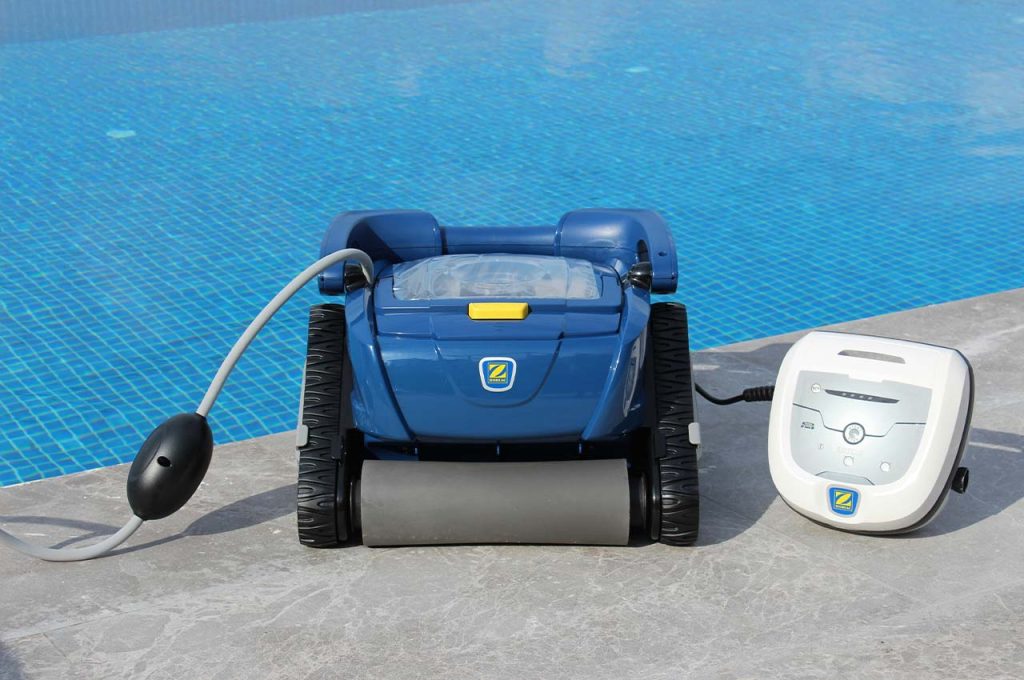
Working on the electrical or plumbing components of a pool isn’t just complex—it’s dangerous. Faulty wiring near water can lead to fatal electric shock, while improper plumbing can cause leaks or filtration issues. Code compliance is strict, and most jurisdictions require licensed professionals to handle anything beyond surface-level maintenance. DIY mistakes here can be deadly and often void warranties or insurance.
13. Window Installation in Multi-Story Homes
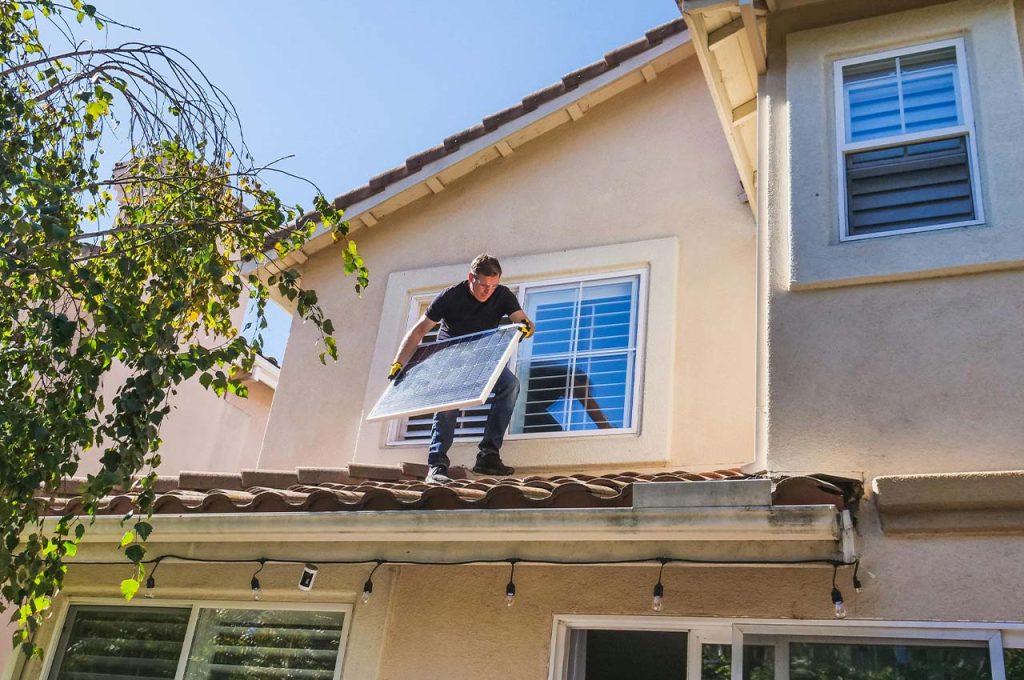
Installing windows on upper floors comes with serious safety and structural risks. Missteps can compromise a home’s insulation, weatherproofing, and even structural integrity. Additionally, falls during installation are a real hazard. Many areas require licensed contractors for upper-level window replacements, especially in buildings over two stories, to ensure proper anchoring and code compliance.
14. Water Heater Installation (in regulated areas)
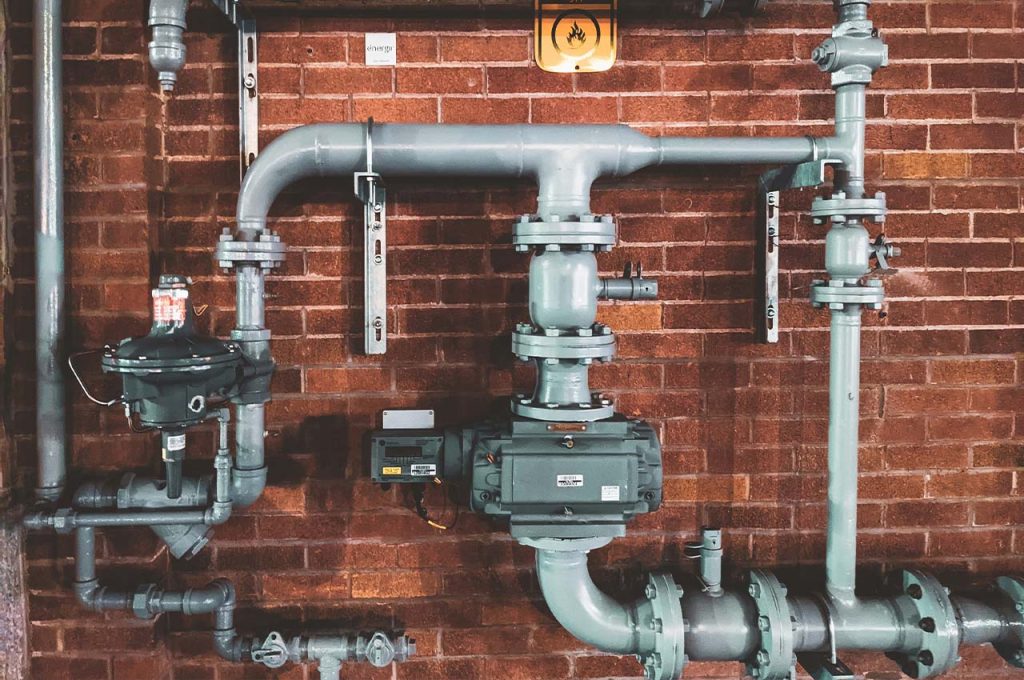
Installing a water heater seems simple, but it often involves gas lines, high-voltage wiring, and strict venting requirements. Mistakes can cause gas leaks, carbon monoxide buildup, or severe water damage. In regulated areas, permits and inspections are mandatory, and licensed plumbers or technicians must handle the job to meet safety and energy-efficiency standards.
15. Elevator or Dumbwaiter Repairs
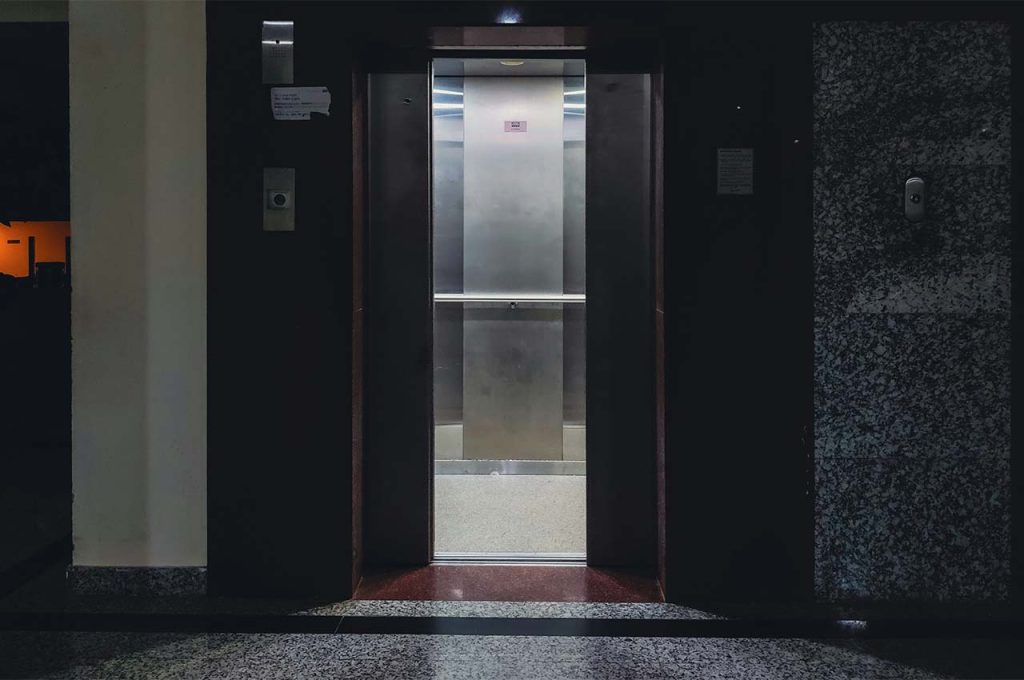
Elevators and dumbwaiters involve a complex blend of mechanical, electrical, and safety systems—and attempting repairs without proper certification is both illegal and dangerous. When these systems fail, the consequences aren’t just inconvenient—they can be catastrophic. A single malfunction can lead to severe injury or even turn deadly in seconds, turning routine maintenance into a matter of life or death. Licensing laws typically require certified elevator technicians to handle maintenance, inspections, and repairs to meet rigorous state and federal safety codes.
Want to see more from Remodr?

Drop a comment below, share this with your friends and family, and don’t forget to follow us for more fresh ideas, updates, tips, and home trends.
This article was created with the assistance of AI but thoroughly edited by a human being.