


From outdated wiring to missing handrails, many American homes have hidden code violations that can lead to safety hazards, fines, or complications when selling. These issues often go unnoticed until an inspection—or an accident—brings them to light. Whether you’re renovating or just maintaining your space, knowing what to watch for can save time, money, and trouble. Think your home is up to code? These 15 sneaky violations hide in plain sight—and could spell trouble if left unchecked.
1. Missing or Non-Functional Smoke Detectors

Smoke detectors are your first line of defense in a fire, yet many homes lack the required number or have dead batteries. Most building codes demand smoke detectors in every bedroom, near sleeping areas, and on every floor—including the basement. Non-compliance not only puts lives at risk but can also result in code violations during inspections. Test them monthly and replace units every 10 years to stay safe—and legal.
2. Improper Bathroom Ventilation
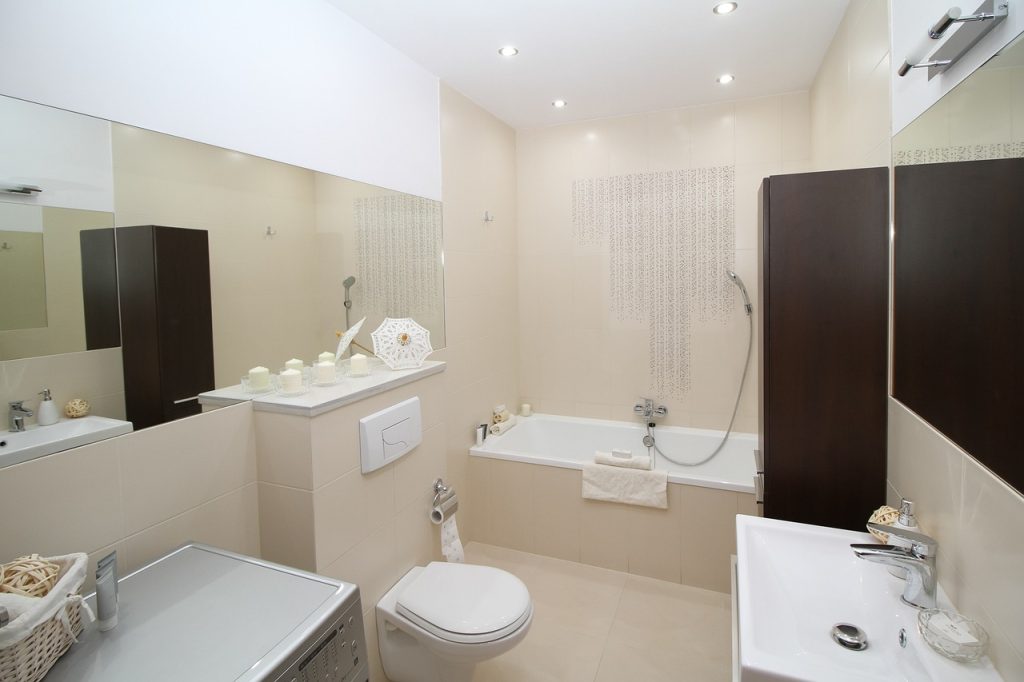
Bathrooms without proper ventilation can become breeding grounds for mold and mildew. A working exhaust fan or a window is usually required by code to remove moisture effectively. Simply cracking the door open isn’t enough. Left unchecked, lingering humidity can warp walls, stain ceilings, and slowly eat away at your home’s structural integrity. Installing a code-compliant vent fan helps prevent costly moisture issues and keeps your air healthy.
3. Overloaded Electrical Panels

Adding circuits without properly calculating load capacity can overburden your electrical panel. This common violation is a major fire hazard, especially in older homes where modern demands exceed original designs. Panels crammed with tandem breakers or DIY additions might seem harmless but violate code. Always consult a licensed electrician before expanding your system—it’s safer and required by law.
4. No GFCI Outlets in Wet Areas
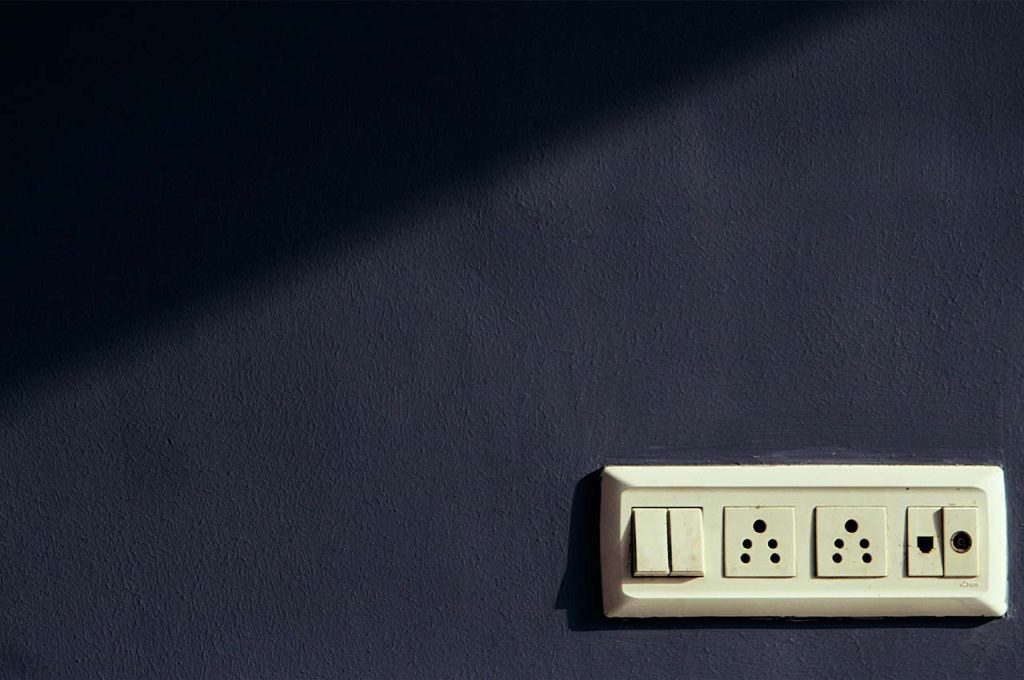
Ground Fault Circuit Interrupter (GFCI) outlets are required by code in kitchens, bathrooms, garages, and any area near water. They’re designed to shut off power instantly if they detect a current imbalance, potentially saving lives. Yet many older homes lack them, and replacements are often installed incorrectly. Updating to GFCIs isn’t just a smart upgrade—it’s an essential safety feature that’s legally required.
5. Inadequate Stair Railing or Handrails
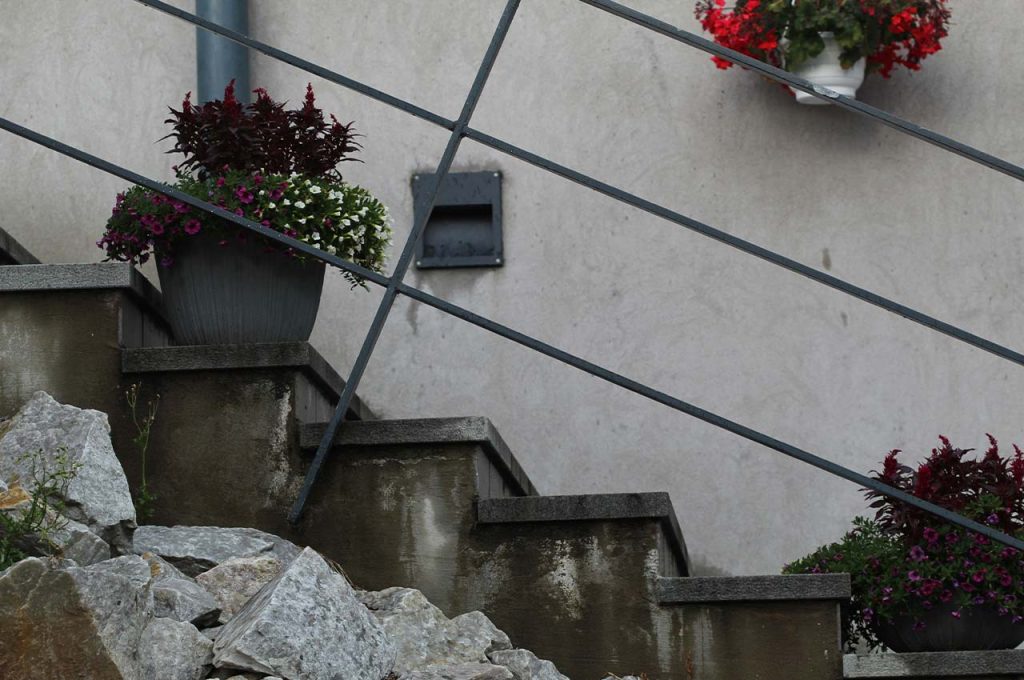
Loose, missing, or improperly placed handrails are a major safety concern and a frequent code violation. Most codes require handrails on stairs with four or more risers, installed at a specific height with graspable design. DIY railings that look good but don’t meet these specs won’t pass inspection—and might not prevent a fall. Ensuring proper railing can keep your household safe and code-compliant.
6. Improper Window Egress in Bedrooms
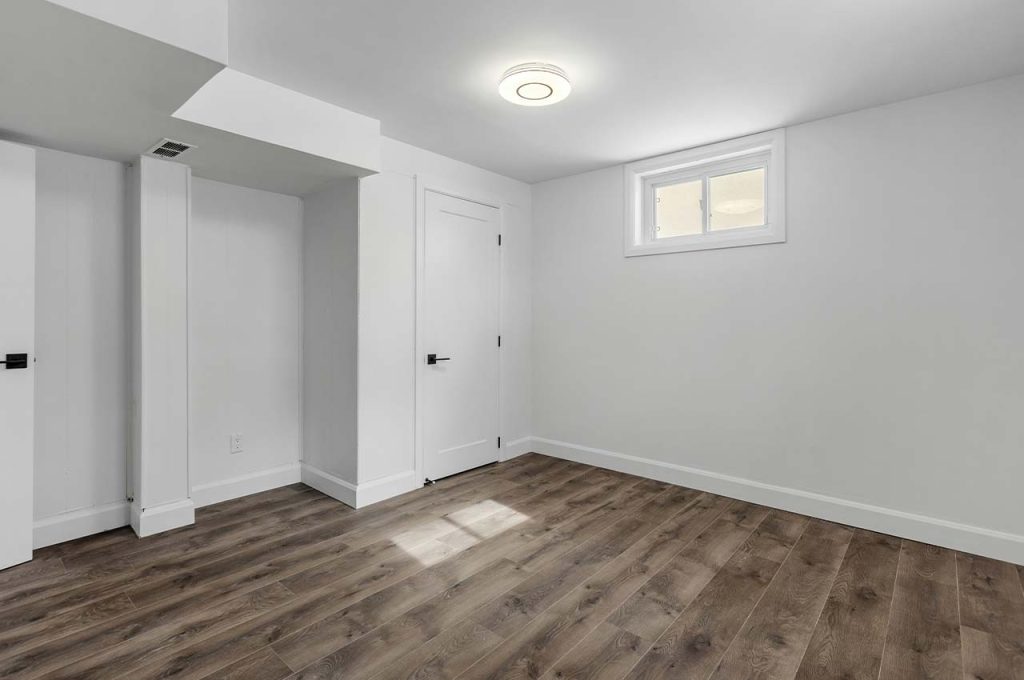
Bedroom windows must meet specific size and height requirements to allow safe escape during emergencies. If a window is too small, too high off the floor, or doesn’t open fully, it violates code—and more importantly, endangers lives. This issue crops up often in older homes and basement makeovers, where outdated layouts don’t meet modern safety standards. Ensuring proper egress isn’t just about compliance—it’s about giving every occupant a safe way out.
7. Illegal Basement Bedrooms

A cozy basement bedroom may add living space, but if it lacks proper egress windows, ceiling height, or heating, it’s likely illegal. These code violations are common and potentially dangerous, particularly in fires or floods. Many local codes require a dedicated escape route, not just a door. Always check building regulations before finishing a basement—you might be creating a hazard, not a haven.
8. Faulty or Exposed Electrical Wiring
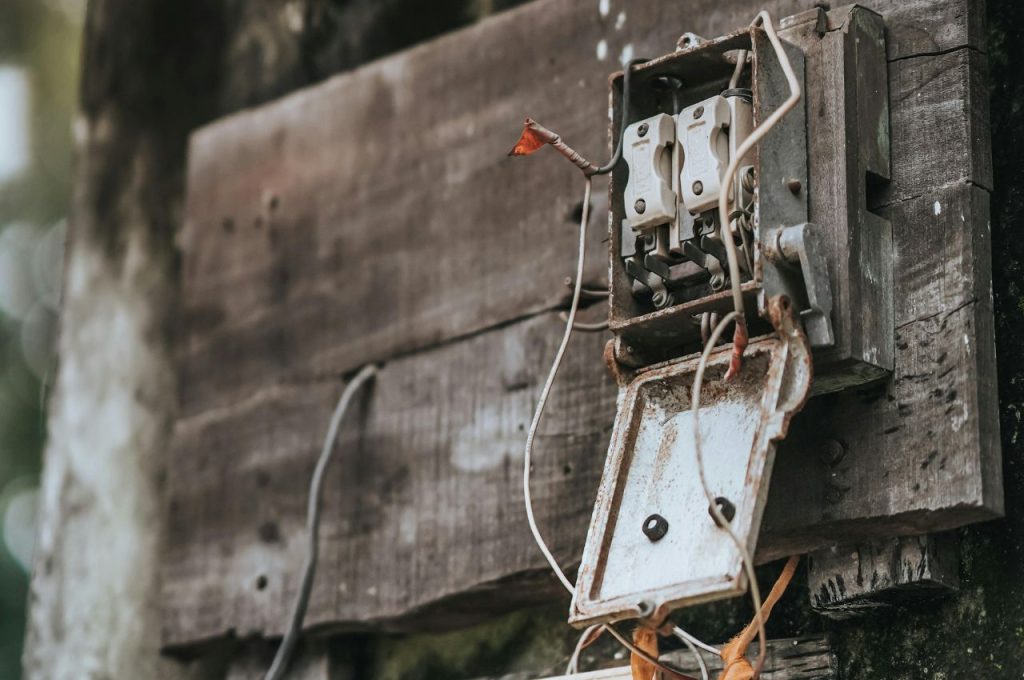
Loose wires, open splices, and makeshift repairs are code violations that pose serious fire risks. Whether left exposed in basements or tucked behind walls, non-compliant wiring is one of the most dangerous and common problems in American homes. Electrical work must be performed to code, often requiring permits and inspections. Don’t gamble with safety—hire a licensed electrician and avoid DIY shortcuts.
9. Lack of Carbon Monoxide Detectors
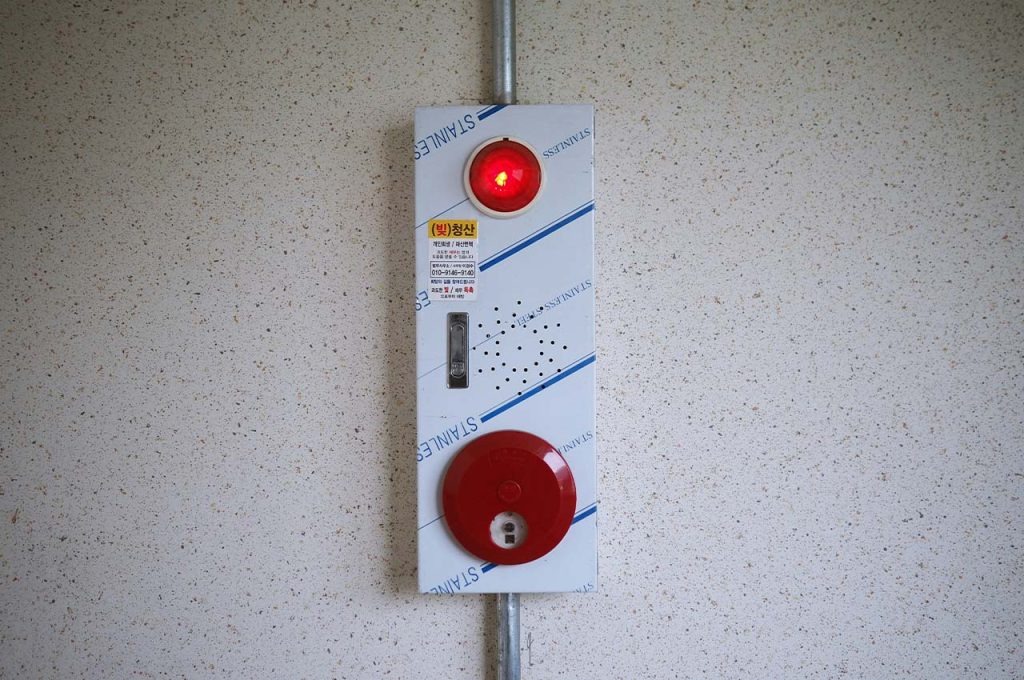
Carbon monoxide is odorless, colorless, and deadly—yet many homes still lack detectors, despite building codes requiring them near sleeping areas and fuel-burning appliances. Older homes are especially at risk if they’ve never been updated. Installing a working CO detector is a simple step that can save lives and keep your home up to code. Don’t wait for an inspection—or an emergency—to get compliant.
10. Water Heater Without Proper Relief Valve
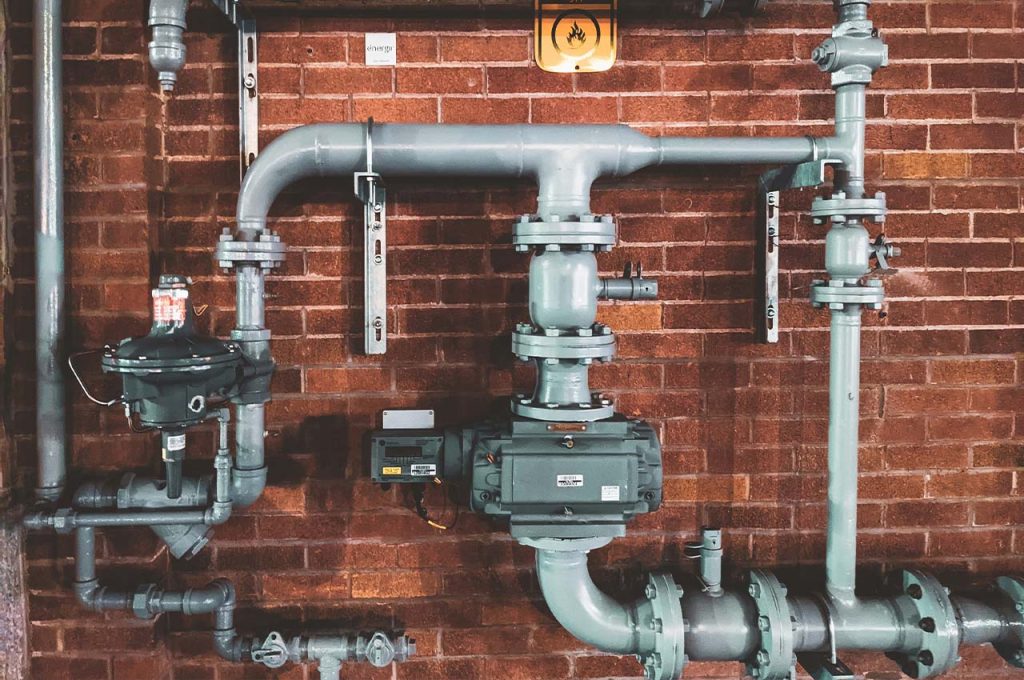
Every water heater must have a temperature and pressure relief (TPR) valve to prevent dangerous pressure buildup. Without it—or if it’s improperly installed—a water heater can become a ticking time bomb. This small but critical component is often overlooked in DIY installations and older systems. Make sure it’s there, functional, and properly drained. It’s a code must-have—and a major safety feature.
11. Unpermitted Additions or Renovations
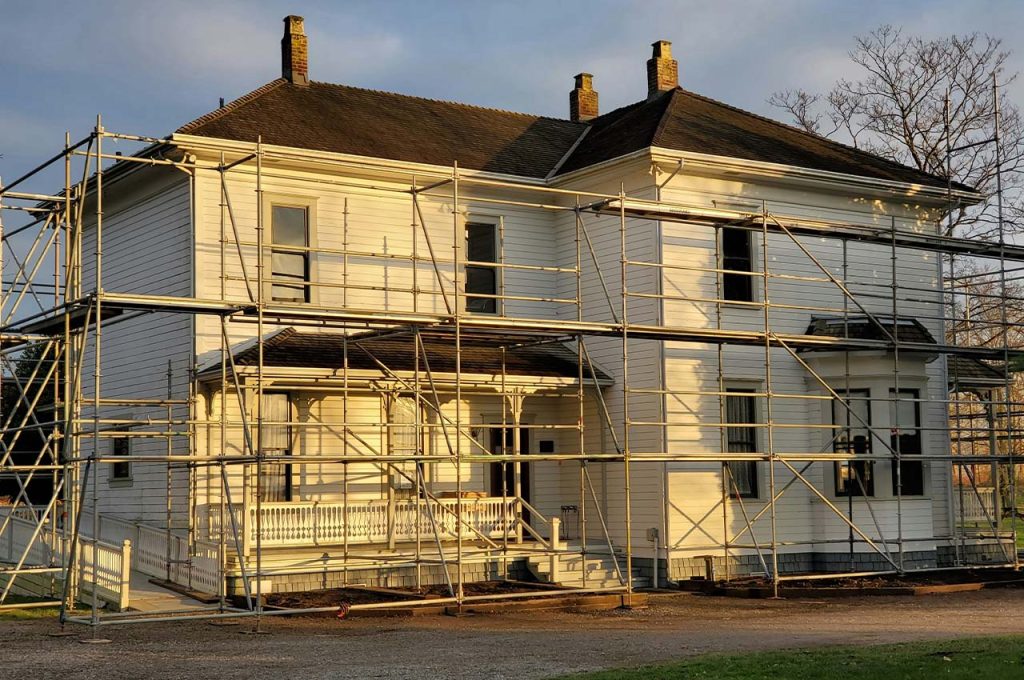
Adding a room, finishing a basement, or even removing a wall might seem harmless—but doing it without a permit can land you in hot water. Unpermitted work may violate codes, reduce your home’s value, and lead to fines or forced demolition. It also complicates resale and insurance claims. Even minor changes often require approval. Before picking up a hammer, make sure to get the green light from local authorities to avoid costly surprises later.
12. Missing or Incorrectly Installed Flashing
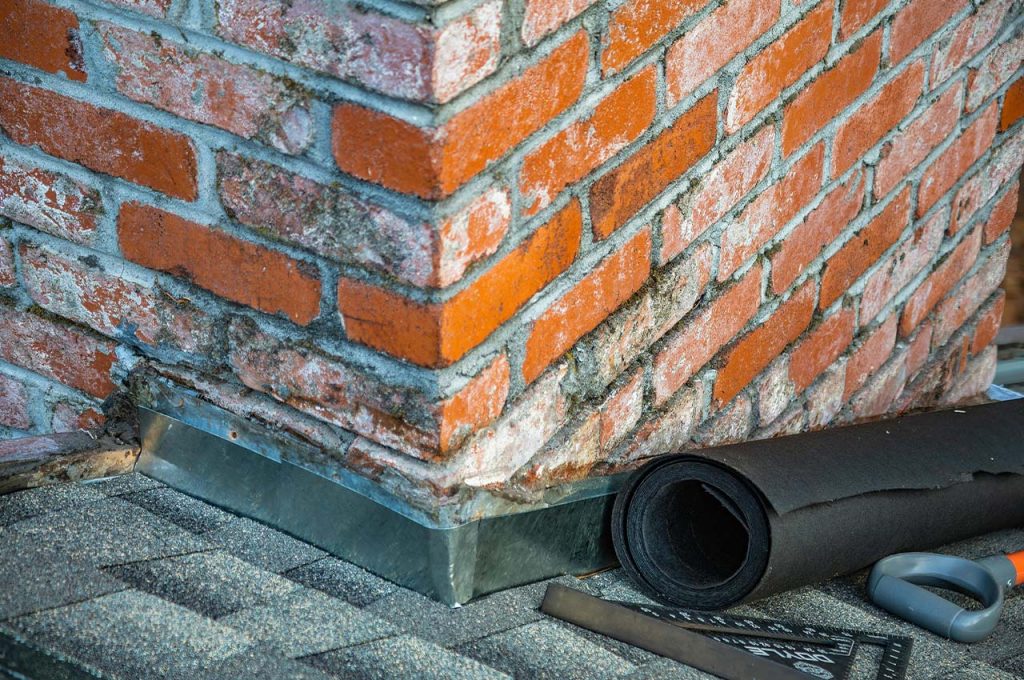
Flashing—thin metal strips installed around chimneys, windows, and roofs—keeps water out of your home. When it’s missing or improperly installed, leaks can develop, leading to hidden rot, mold, and structural issues. It’s one of the most commonly overlooked code requirements in roofing and siding work. A quick inspection during maintenance or repairs can prevent costly, long-term damage.
13. Unsafe Deck Construction

Decks may look sturdy, but without proper footings, fasteners, and railings, they can be code-violating hazards. Many collapses are caused by poor construction or skipped inspections. Building codes govern everything from post depth to joist spacing. Even replacing boards without permits can be an issue. Don’t let a beautiful outdoor space become a liability—build safe, and get it inspected.
14. Blocked or Inadequate Dryer Venting
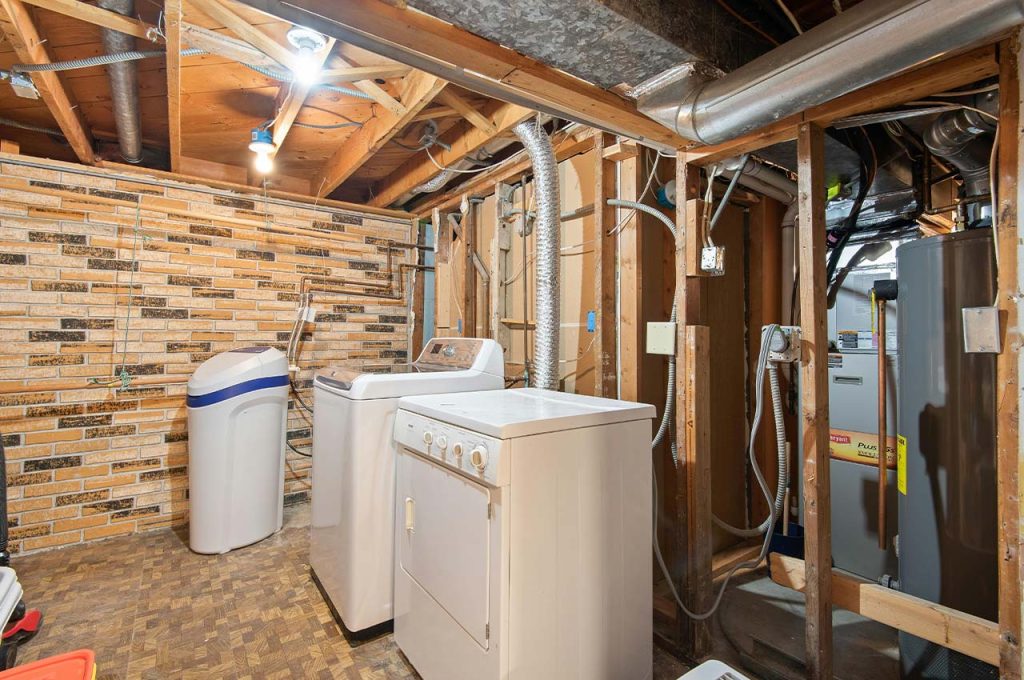
Dryer vents clogged with lint or routed through unsafe materials are major fire hazards—and frequent code violations. Flexible foil ducts and long vent runs increase risk. Many codes now require rigid metal ducting and specific termination points. Poor venting also reduces dryer efficiency and can lead to moisture issues. Regular vent cleaning and proper installation are key to preventing fires and keeping your home code-compliant and efficient.
15. Inaccessible or Hidden Electrical Junction Boxes
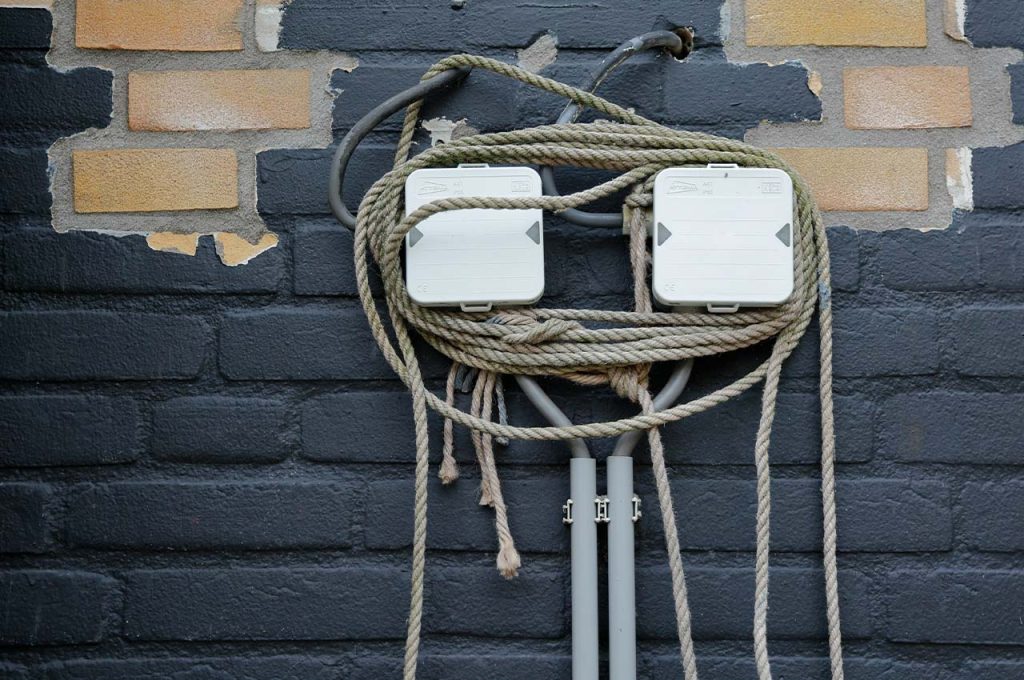
Junction boxes house electrical connections and must remain visible and accessible at all times. When they’re hidden behind drywall or improperly buried in insulation, it’s a clear code violation and a fire hazard. Homeowners often unknowingly cover them during renovations. If you can’t see it, you can’t inspect it—making repairs dangerous and difficult. Always leave access and mark their locations clearly.
Want to see more from Remodr?

Drop a comment below, share this with your friends and family, and don’t forget to follow us for more fresh ideas, updates, tips, and home trends.
This article was created with the assistance of AI but thoroughly edited by a human being.