

Throughout history, betrayal has altered the course of nations, toppled empires, and ended the lives of rulers and visionaries. These acts often came from trusted allies, friends, or even family members, making their impact even more devastating. From assassinations and political backstabbing to secret deals that shifted power, betrayals left lasting marks on humanity’s collective story. Historians emphasize that betrayals often reshape political landscapes and accelerate the downfall of regimes. Here are fifteen of the most shocking betrayals that changed world history, remembered not just for treachery but for their sweeping consequences.
1. Julius Caesar’s Assassination by Brutus and Senators
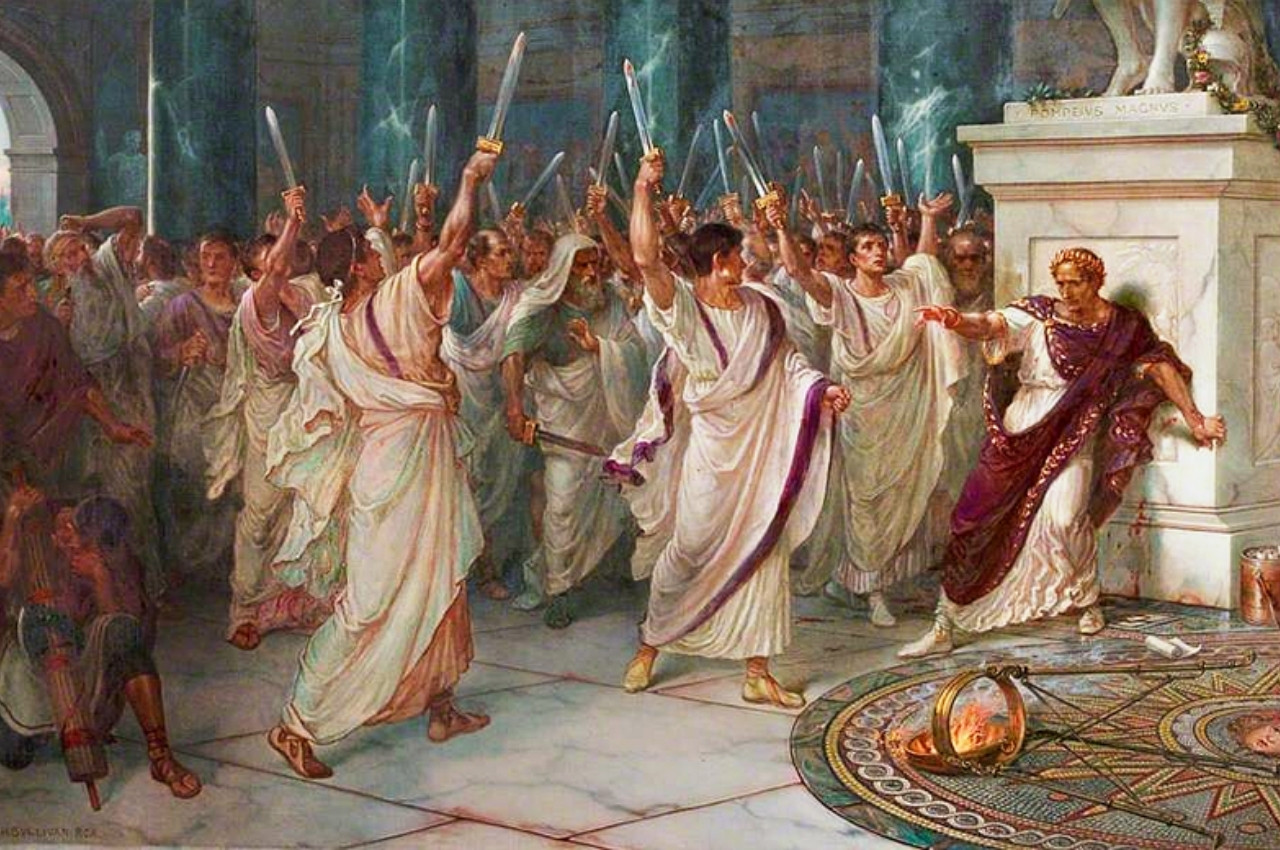
In 44 BCE, Julius Caesar was assassinated by a group of Roman senators led by Marcus Brutus, a man Caesar deeply trusted. According to ancient Roman historian Suetonius, the betrayal stemmed from fears that Caesar’s power threatened the Republic. The conspirators stabbed him 23 times on the Ides of March, altering Roman history forever. Instead of saving the Republic, the act fueled civil wars that led to the rise of the Roman Empire under Augustus. Brutus’s betrayal remains one of history’s most infamous moments of political treachery.
2. Benedict Arnold’s Defection During the American Revolution
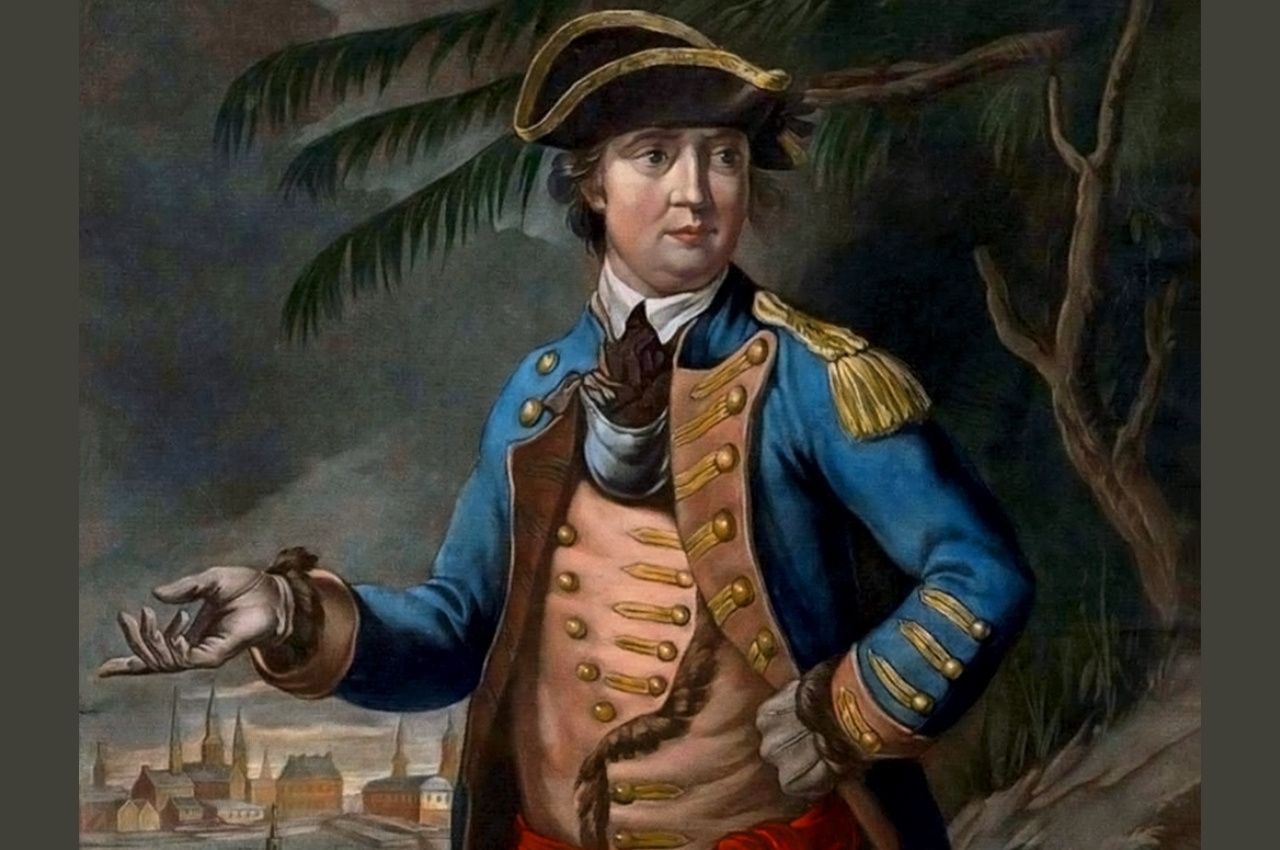
Benedict Arnold, once a celebrated American general, shocked his fellow revolutionaries by plotting to surrender West Point to the British in 1780. As documented by the U.S. National Archives, Arnold felt underappreciated and financially strained, which led him to negotiate with the enemy secretly. Though the plot failed after discovery, Arnold’s name became synonymous with treason in American culture. His betrayal undermined trust within the Continental Army and nearly altered the Revolutionary War’s outcome. Few acts of defection have been as damaging or memorable in shaping a nation’s identity.
3. Vidkun Quisling’s Collaboration With Nazi Germany
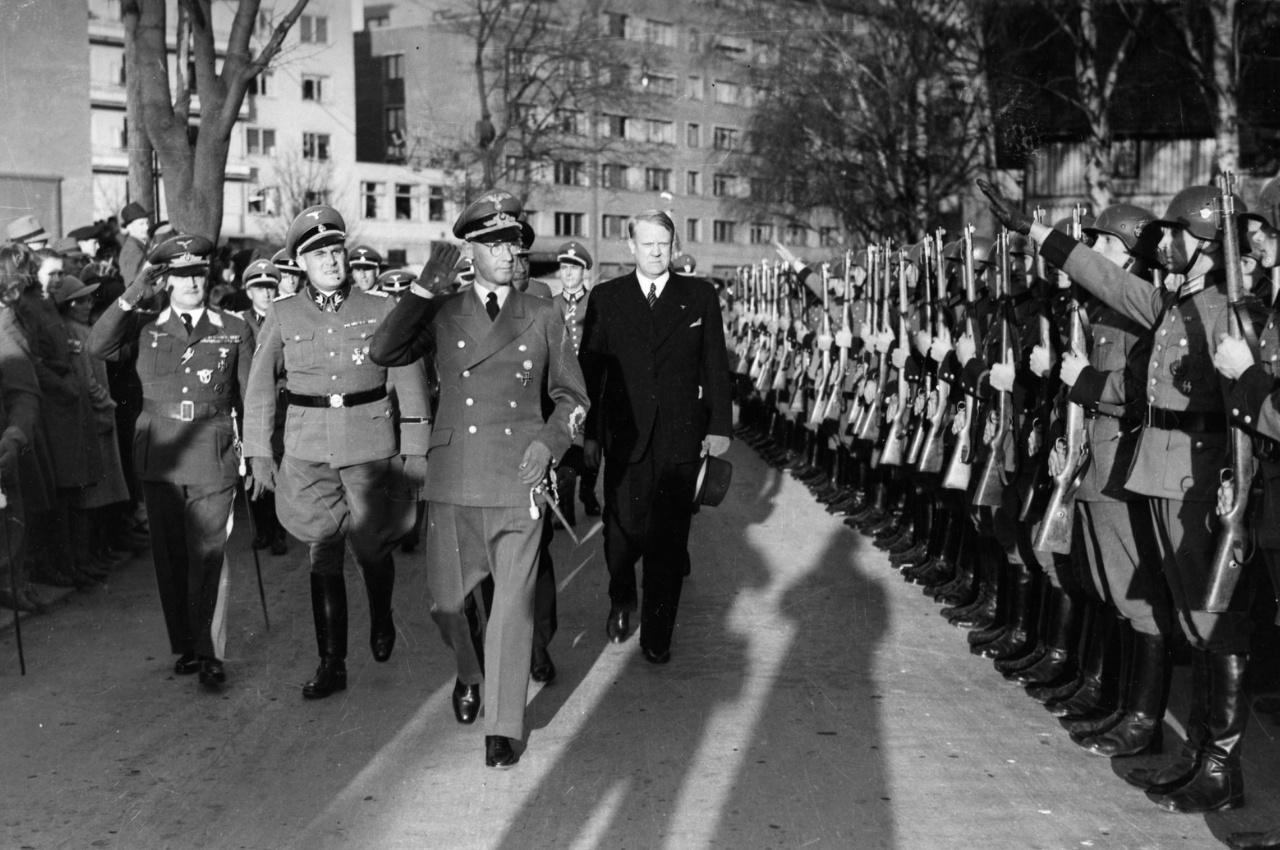
In 1940, Norwegian politician Vidkun Quisling betrayed his country by aiding Nazi Germany during its invasion. As recorded by Norway’s National Library archives, Quisling seized power in a coup and ruled as a puppet leader under Adolf Hitler. His name became so infamous that “quisling” entered global vocabulary as a term for traitor. His betrayal of Norway not only assisted German occupation but also destroyed his reputation permanently. After the war, Quisling was executed for treason, leaving behind a legacy defined entirely by disloyalty and collaboration.
4. Ephialtes Betraying the Spartans at Thermopylae
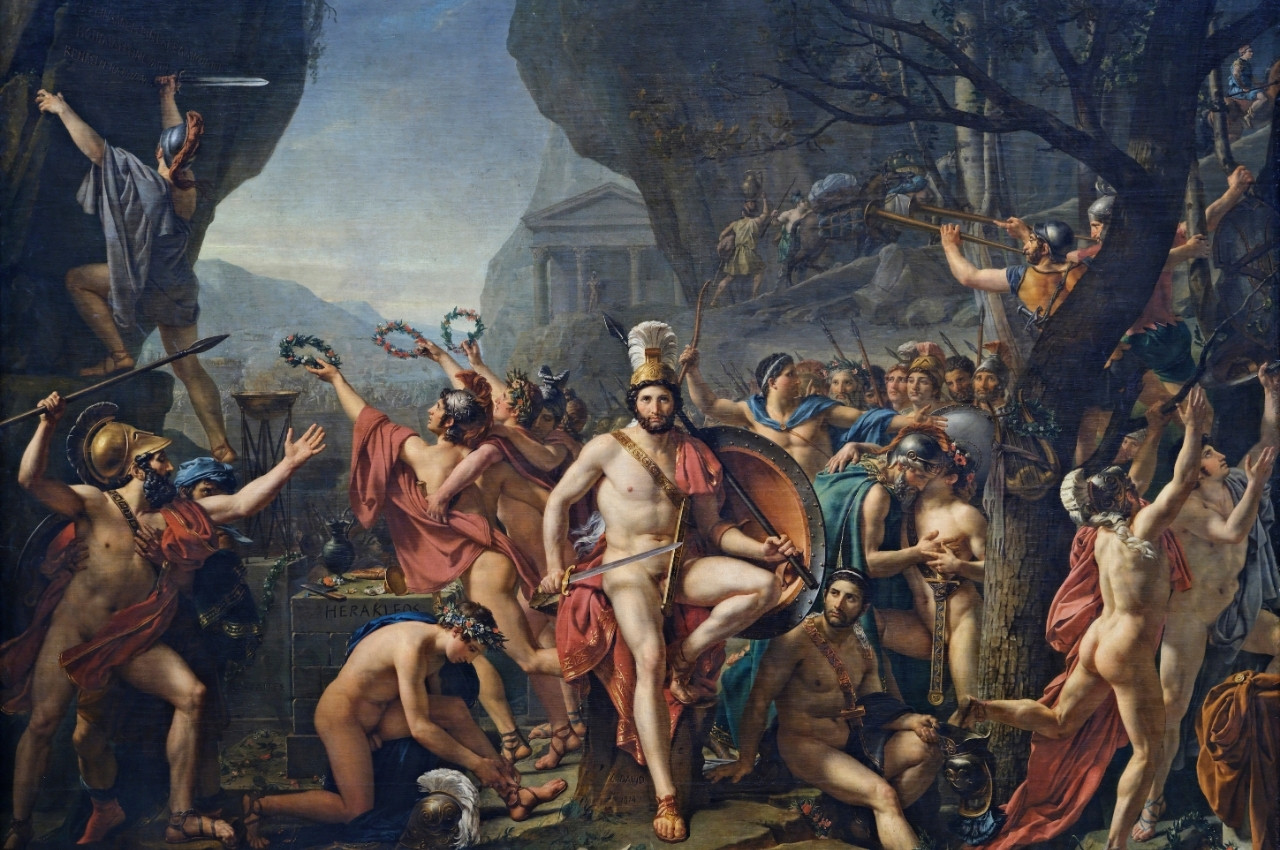
During the Battle of Thermopylae in 480 BCE, Ephialtes betrayed the Spartans by revealing a secret mountain pass to the Persian army. According to Herodotus, this act allowed King Xerxes’ forces to surround and defeat Leonidas’s outnumbered soldiers. The betrayal transformed what could have been a sustained defense into a tragic but heroic last stand. Though the Greeks eventually triumphed in the Persian Wars, Ephialtes’ name became forever linked with treachery. His actions remain one of antiquity’s clearest examples of betrayal changing the outcome of war.
5. Mir Jafar’s Betrayal at the Battle of Plassey
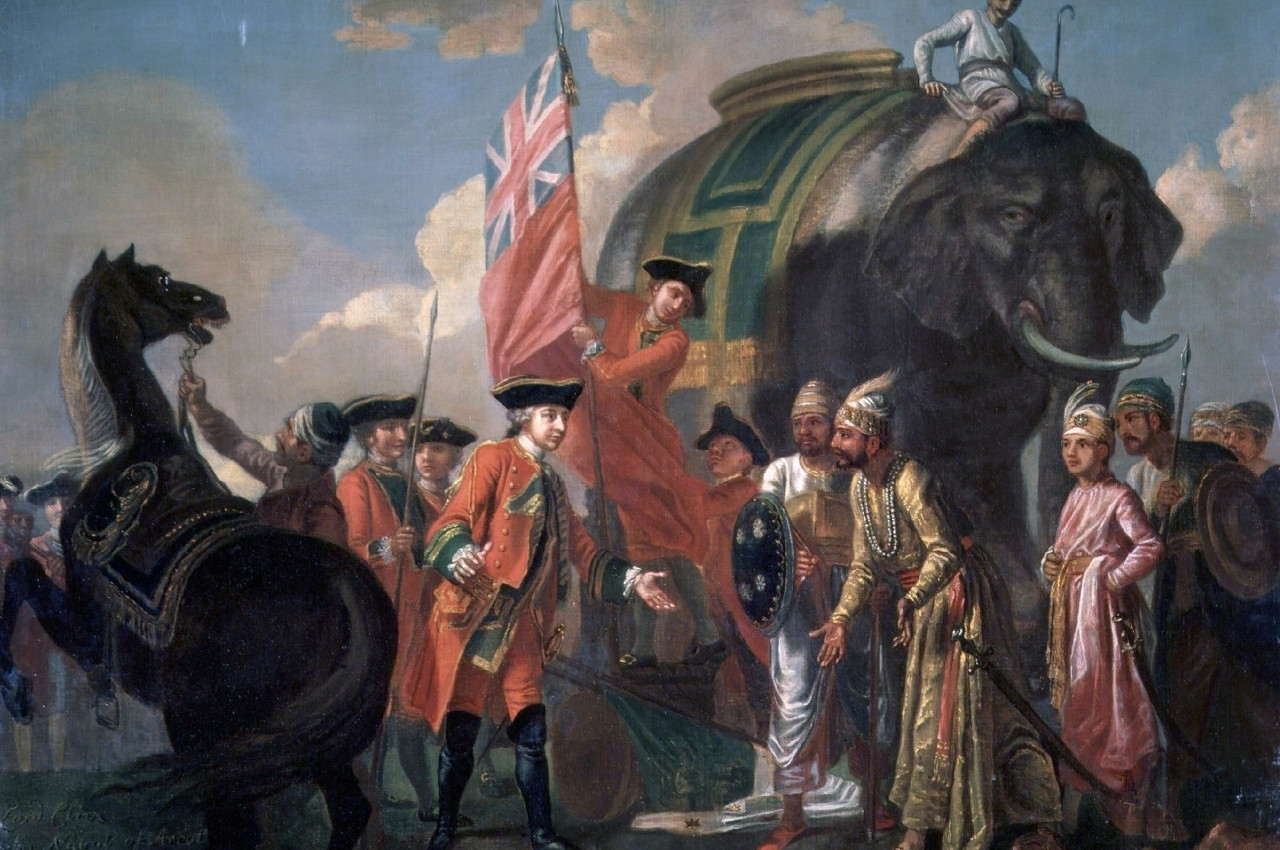
In 1757, Mir Jafar, a commander in Bengal’s army, secretly allied with the British East India Company during the Battle of Plassey. Historical accounts from the British Library detail how Jafar withdrew his troops at a crucial moment, ensuring the Nawab’s defeat. His betrayal allowed Britain to gain control over Bengal, paving the way for nearly two centuries of colonial dominance in India. While Jafar was rewarded with the title of Nawab, he became a lasting symbol of treason in Indian history.
6. The Arrest of Jesus by Judas Iscariot
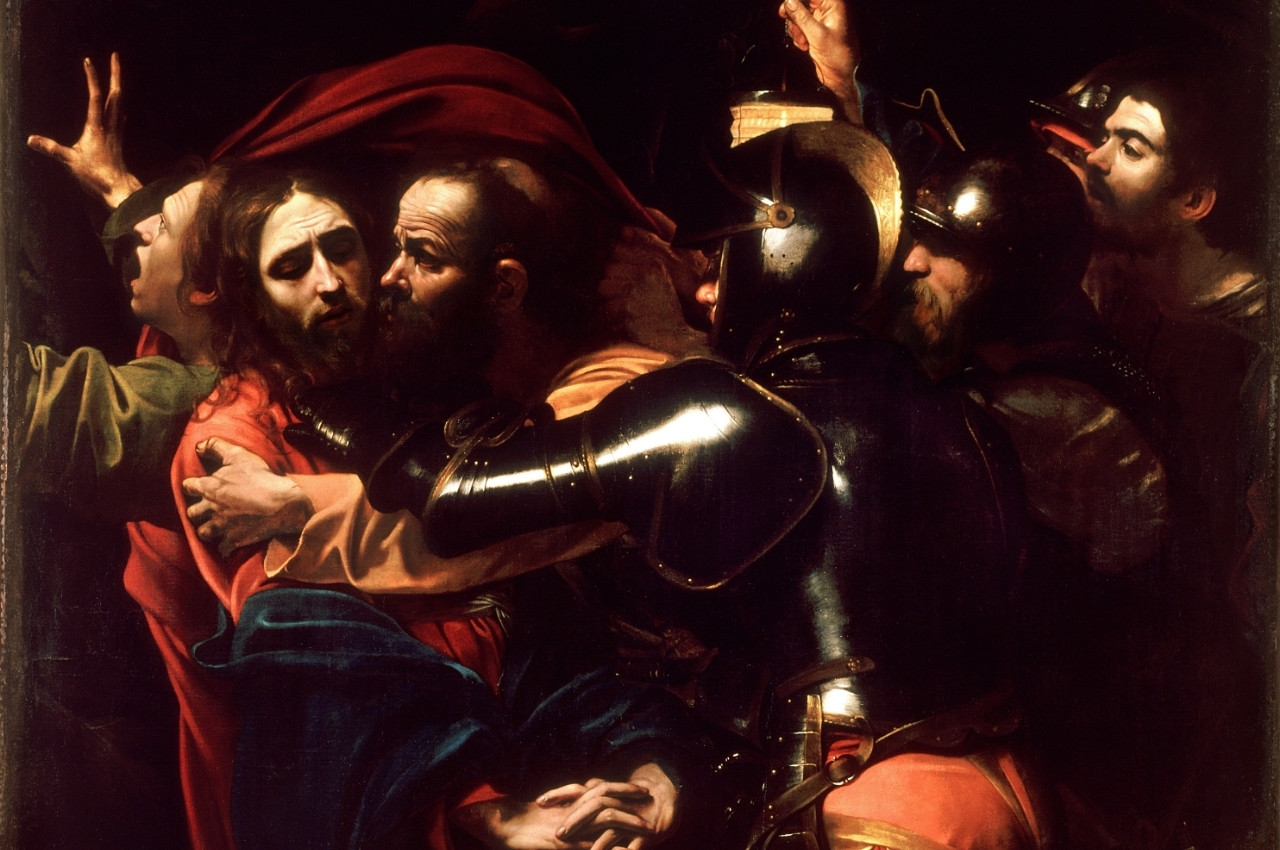
Perhaps the most famous betrayal in religious history, Judas Iscariot delivered Jesus Christ to Roman authorities in exchange for thirty pieces of silver. As recorded in the Gospels, Judas identified Jesus with a kiss, leading to his arrest and crucifixion. The betrayal not only shaped the foundation of Christian theology but also defined Judas as the archetype of treachery for centuries. Religious scholars note that this act influenced countless cultural depictions of betrayal and loyalty, reinforcing the deep moral weight of disloyalty to a trusted figure.
7. The Fall of Constantinople Through Byzantine Treachery
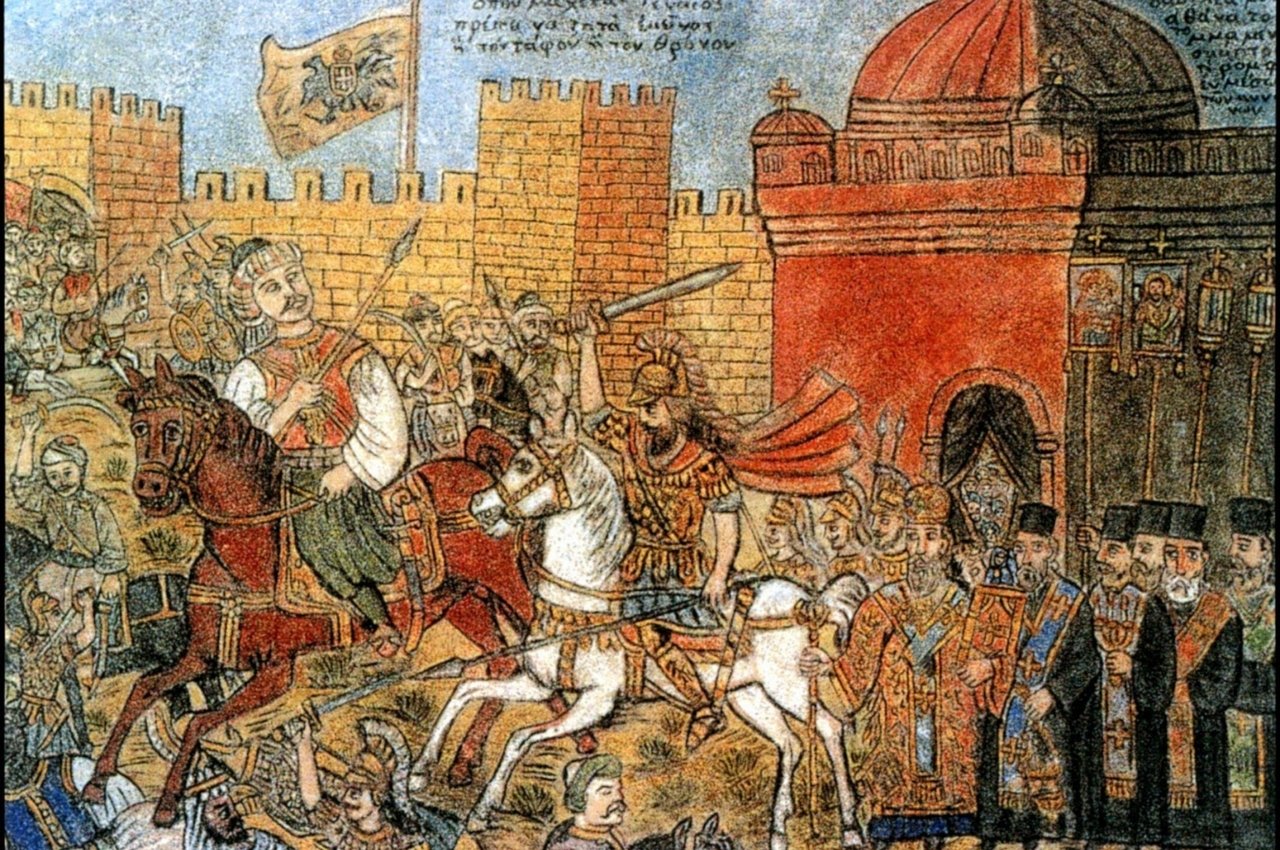
In 1453, Constantinople fell to the Ottoman Empire, partly due to betrayal within the Byzantine defense. Historians like Steven Runciman recount how a gate known as the Kerkoporta was left unlocked, allowing Ottoman soldiers to enter the city. This act of negligence or treachery hastened the fall of one of the world’s greatest cities. In addition to bringing an end to the Byzantine Empire, the betrayal was a watershed in world history, opening the door for centuries of Ottoman rule in the eastern Mediterranean.
8. Alcibiades Switching Sides in the Peloponnesian War
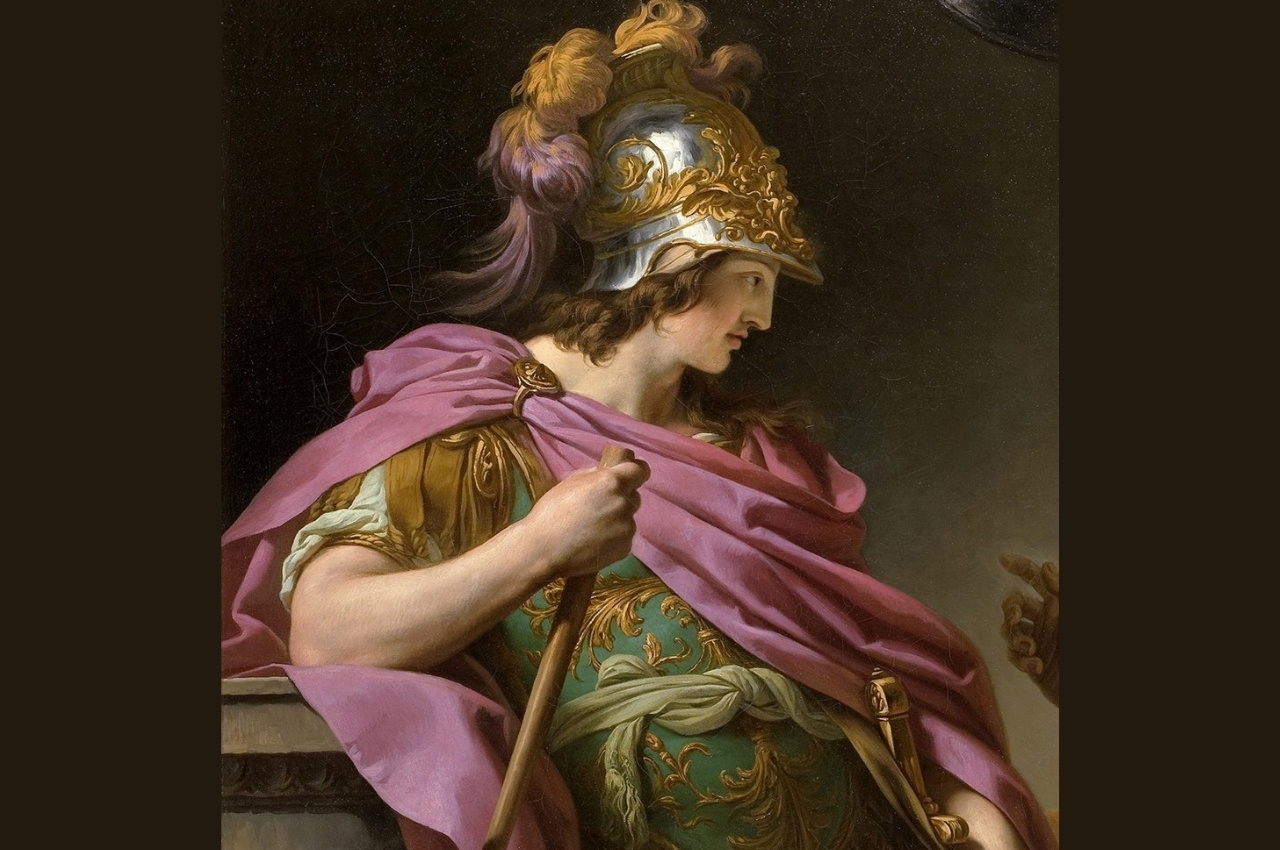
Athenian general Alcibiades shocked his city when he defected to Sparta during the Peloponnesian War. Thucydides describes how Alcibiades, accused of sacrilege in Athens, sought refuge with Athens’s rival. He revealed military strategies and helped Sparta strengthen its campaigns, drastically weakening Athens. Later, Alcibiades even shifted allegiances again, returning to Athenian service when convenient. His betrayals demonstrate the fluidity of loyalty in ancient politics. Ultimately, Alcibiades’ actions shaped the course of the war, leaving him one of history’s most controversial figures in Greek history.
9. Andrey Vlasov’s Defection to Nazi Germany
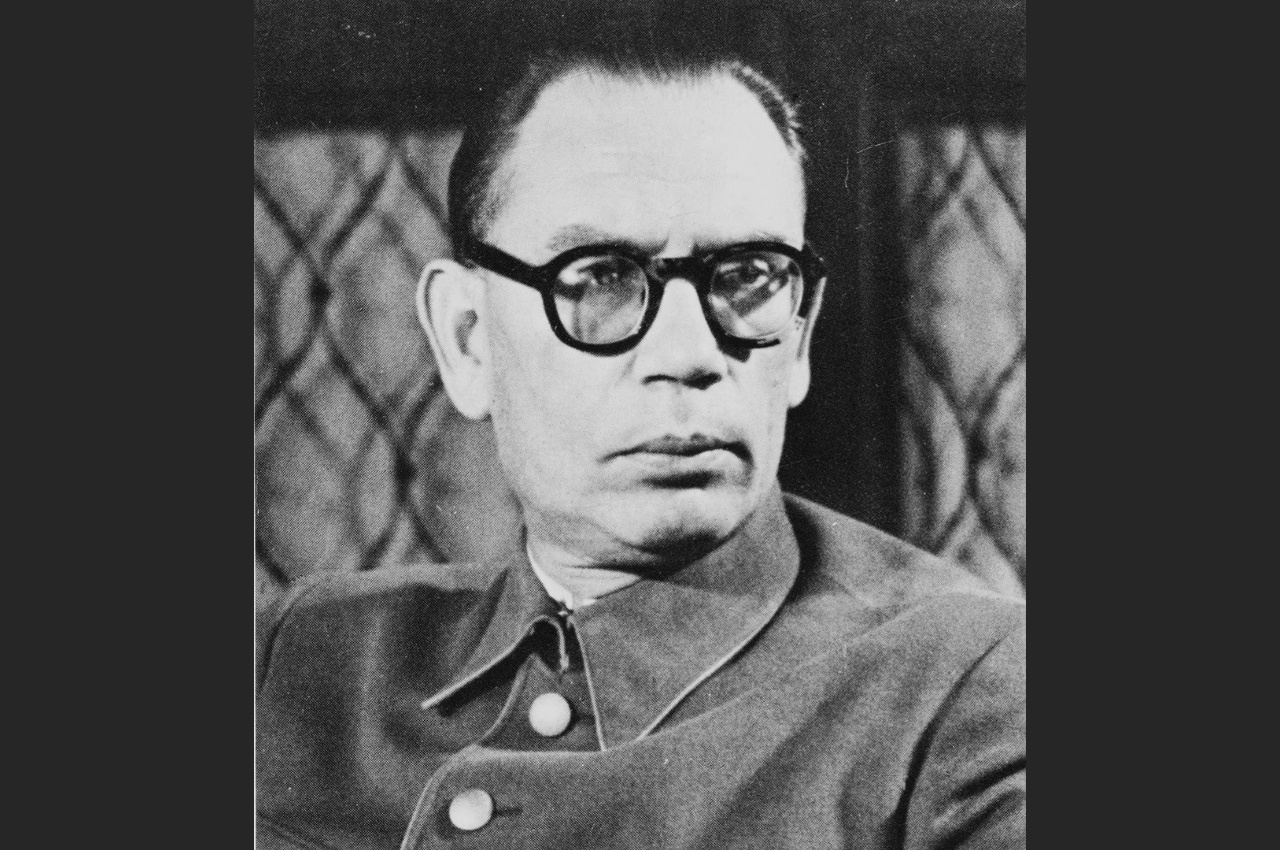
During World War II, Soviet general Andrey Vlasov betrayed his homeland by siding with Nazi Germany after being captured. As documented by the Russian State Military Archives, he created the Russian Liberation Army, composed of Soviet POWs willing to fight against the USSR. Though his army never gained full independence, his betrayal was deeply damaging to Soviet morale. After the war, Vlasov was captured and executed for treason. His name remains a symbol of ultimate disloyalty in Russian history, remembered for siding with an enemy bent on destruction.
10. The Pazzi Conspiracy Against Lorenzo de’ Medici
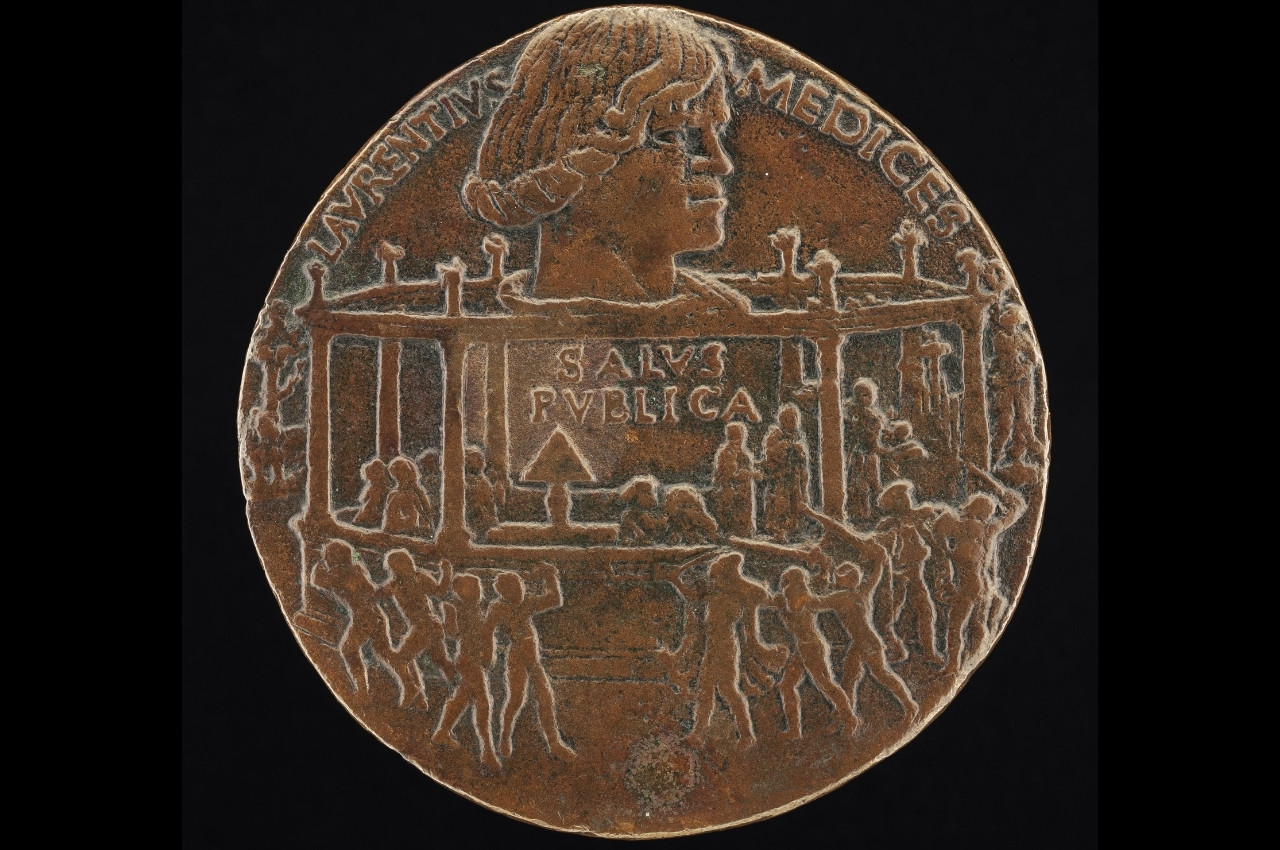
In 1478, members of the powerful Pazzi family, with support from Pope Sixtus IV, betrayed Florence’s ruling Medici family. As recorded in Florentine chronicles, the conspirators attempted to assassinate Lorenzo de’ Medici and his brother Giuliano during Easter mass. Giuliano was killed, but Lorenzo survived, rallying the city against the Pazzi plotters. The betrayal not only failed but also solidified Medici power in Florence. The conspiracy revealed how treachery among noble families could destabilize entire regions during the Italian Renaissance, leaving long-lasting political consequences.
11. General Wang Jingwei’s Betrayal of China
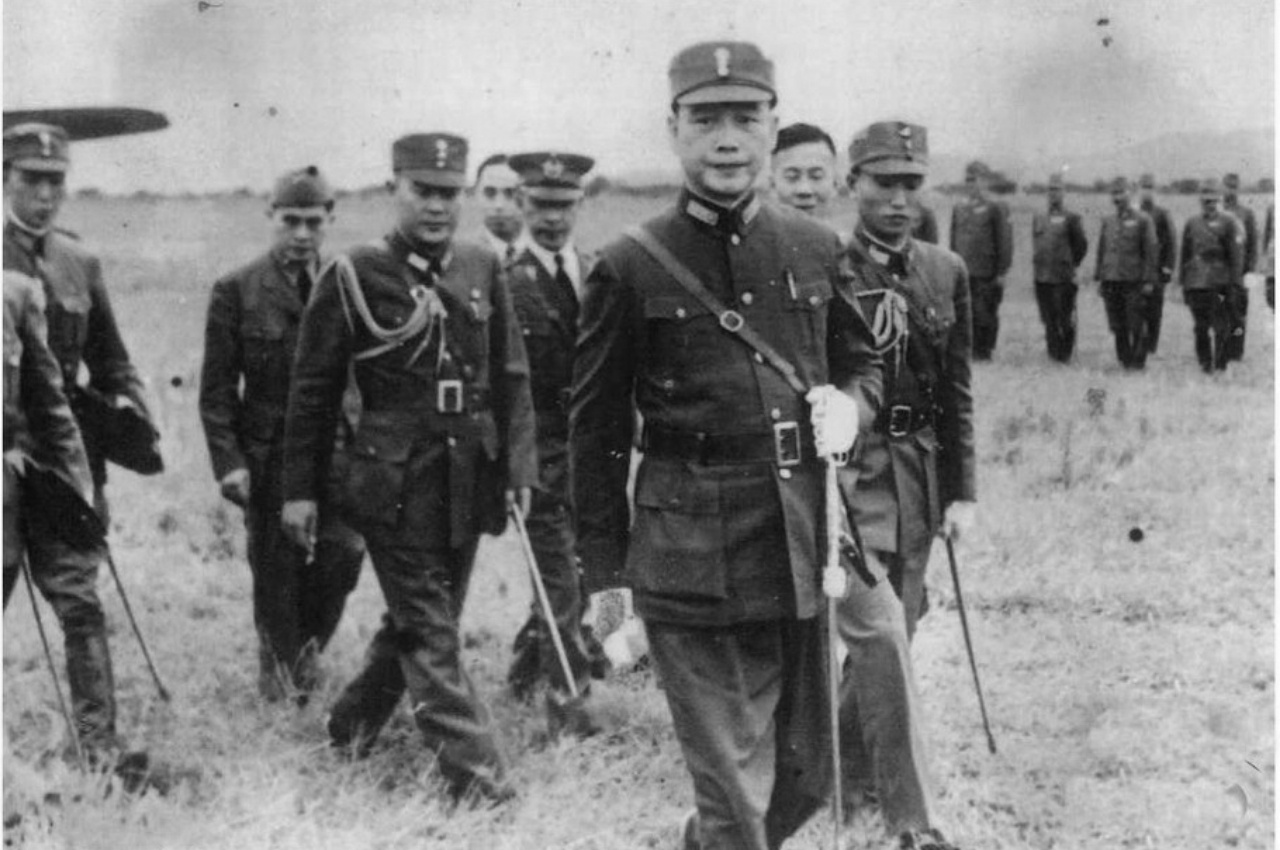
During the Second Sino-Japanese War, Wang Jingwei, once a leading figure in China’s nationalist movement, shocked the nation by collaborating with Imperial Japan. Historical records preserved in the Academia Historica in Taiwan detail how Wang established a puppet regime in Nanjing, undermining resistance against occupation. His betrayal fractured Chinese unity at a critical time, benefiting Japanese advances. Though he claimed his government sought peace, most Chinese saw his actions as outright treason. Wang’s legacy remains deeply negative, his name synonymous with betrayal in modern Chinese history.
12. The Execution of Lady Jane Grey by John Dudley
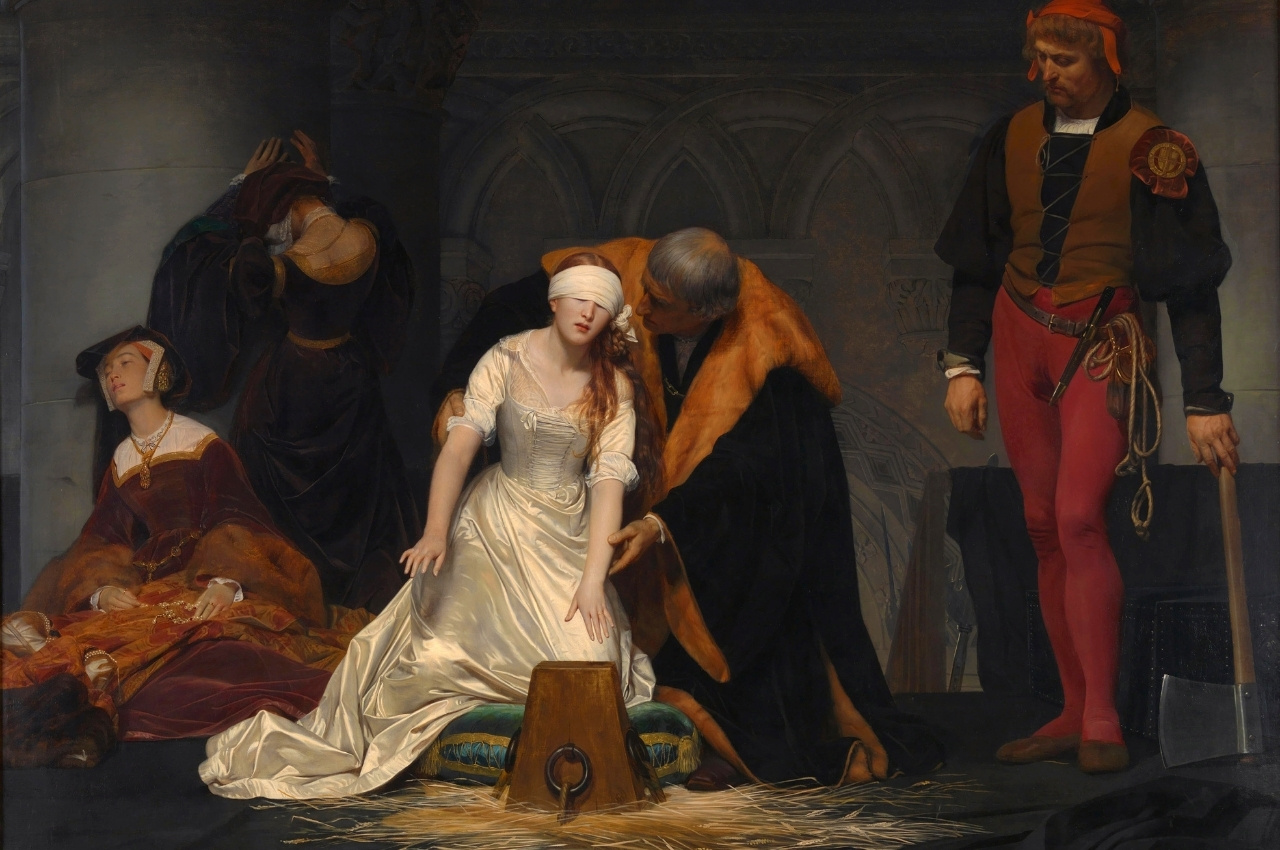
In 1553, John Dudley, Duke of Northumberland, betrayed Lady Jane Grey, who had briefly been declared Queen of England. According to records from the British National Archives, Dudley manipulated Jane into accepting the throne to protect his power but later abandoned her when Queen Mary I rose to power. Jane was executed at just 16, remembered as the “Nine Days’ Queen.” Dudley’s betrayal highlights how personal ambition and political scheming could lead to tragedy. Jane’s downfall became one of England’s most infamous betrayals in Tudor history.
13. The Betrayal of Joan of Arc
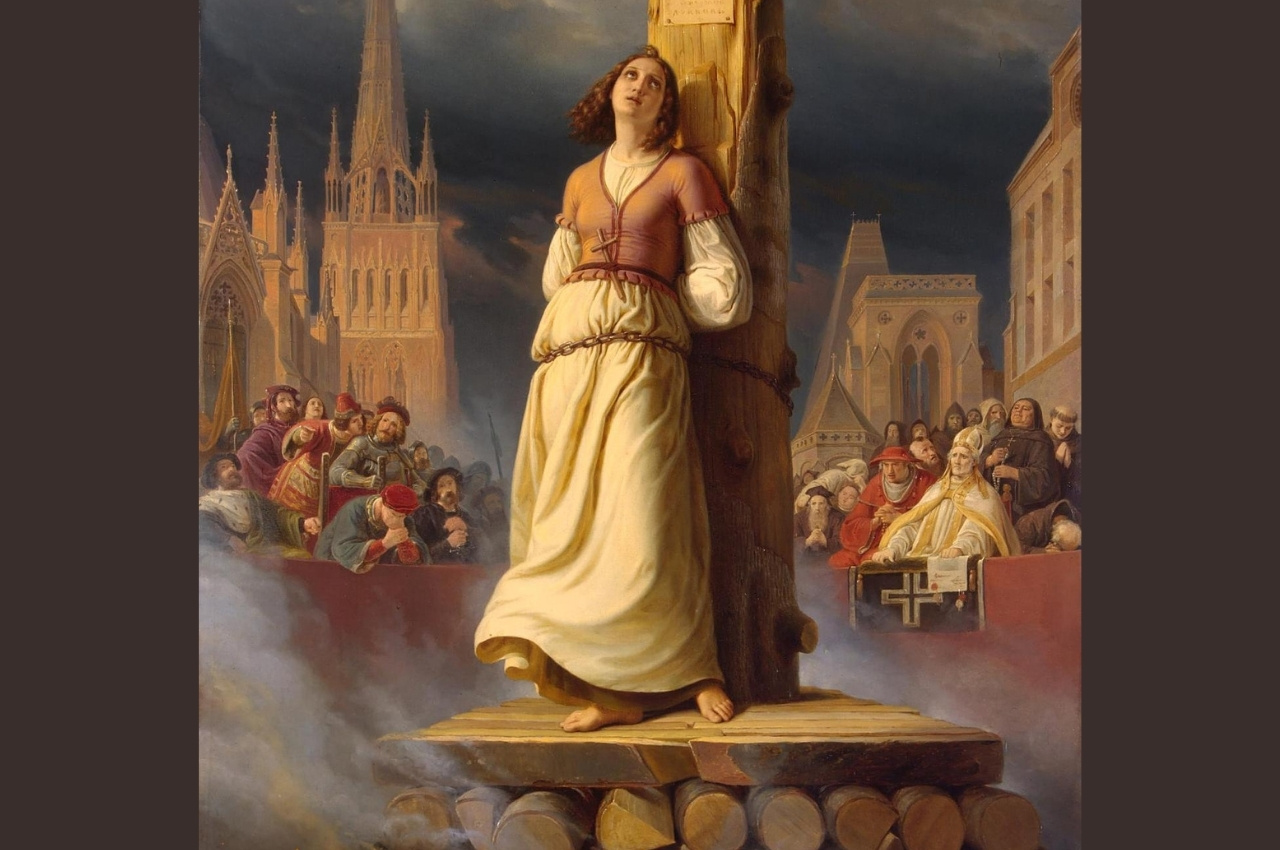
Joan of Arc, a French heroine who led troops during the Hundred Years’ War, was betrayed by Burgundy’s allies, who captured her in 1430. According to the French national archives, Joan was sold to the English and placed on trial for heresy. Despite her loyalty to France, she was condemned and burned at the stake. Her betrayal by political and religious leaders highlighted the dangers faced by figures who challenged authority. Today, Joan is remembered as a martyr and symbol of resilience, her betrayal amplifying her legendary status.
14. The 1939 Molotov-Ribbentrop Pact
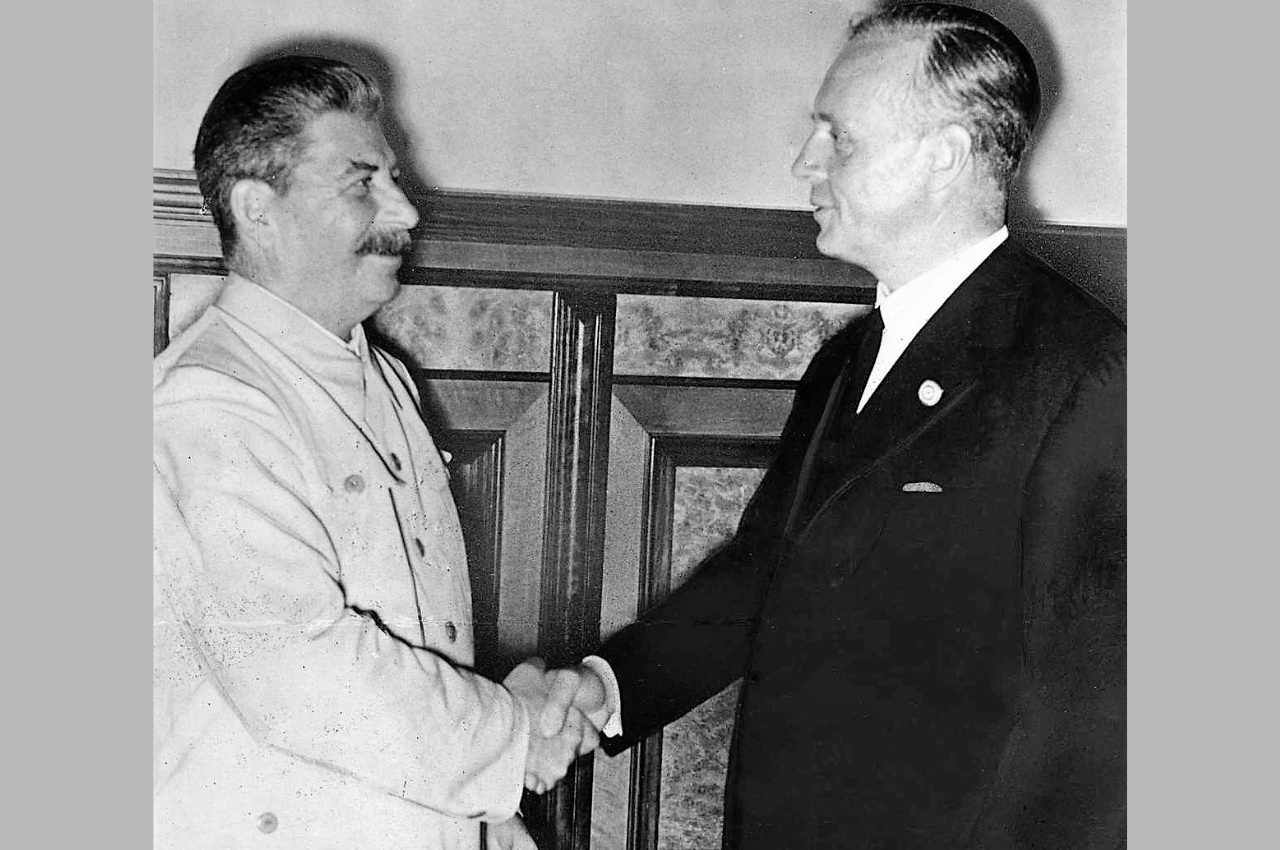
In August 1939, Nazi Germany and the Soviet Union shocked the world by signing the Molotov-Ribbentrop Pact, a non-aggression treaty with secret clauses dividing Eastern Europe. According to documents later revealed in Soviet archives, this betrayal of Poland and neighboring states enabled Germany’s invasion of Poland, triggering World War II. The pact showed how nations could sacrifice others for temporary security. When Germany eventually betrayed the pact by invading the USSR in 1941, it became one of the most infamous examples of political treachery in modern history.
15. The Gunpowder Plot Betrayal
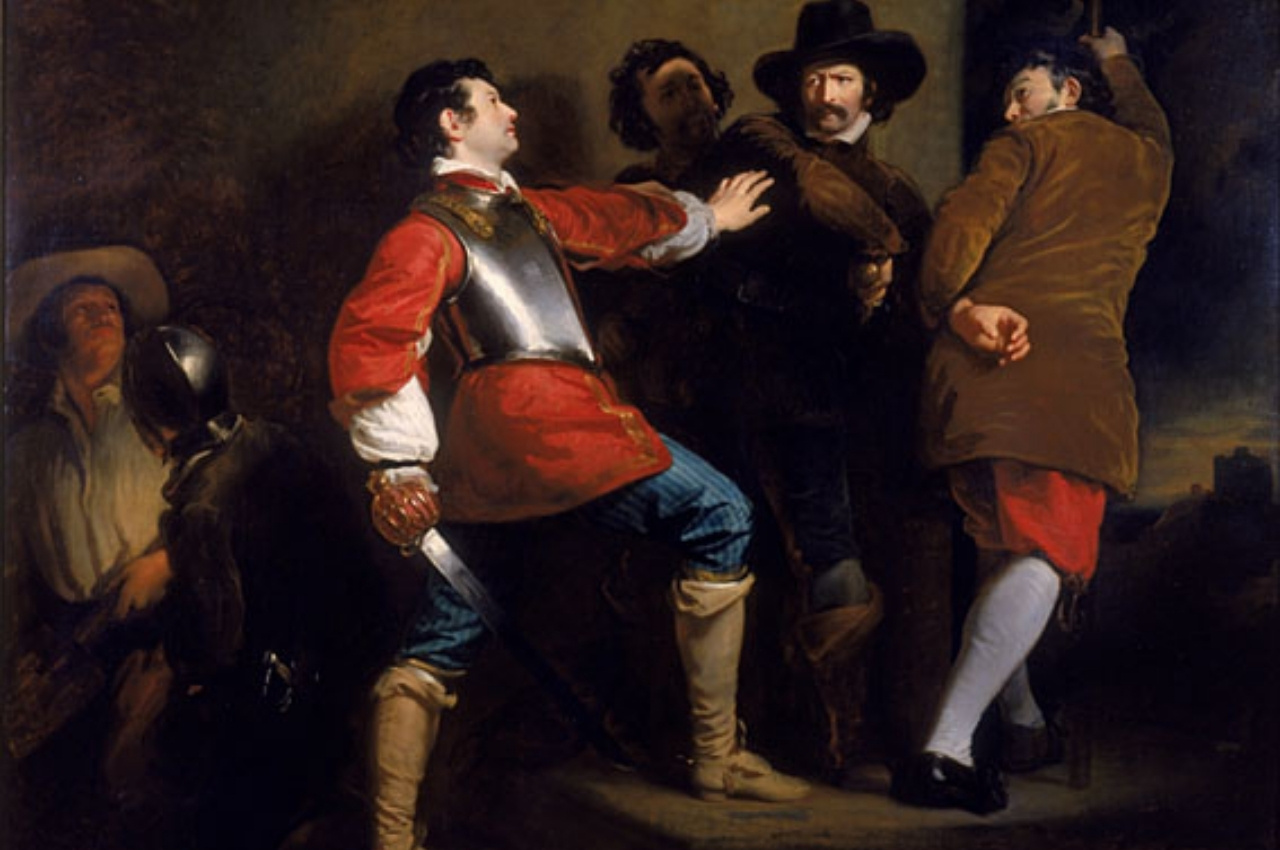
In 1605, a group of English Catholics plotted to blow up the Houses of Parliament and assassinate King James I. Known as the Gunpowder Plot, the plan aimed to end Protestant rule in England. But one conspirator, worried about the safety of a Catholic peer, sent an anonymous letter that exposed the scheme. Authorities discovered Guy Fawkes guarding the explosives in the cellar, leading to the plot’s collapse. According to the UK Parliament Archives, this betrayal not only saved the monarchy but also reshaped religious and political tensions in England for centuries.