
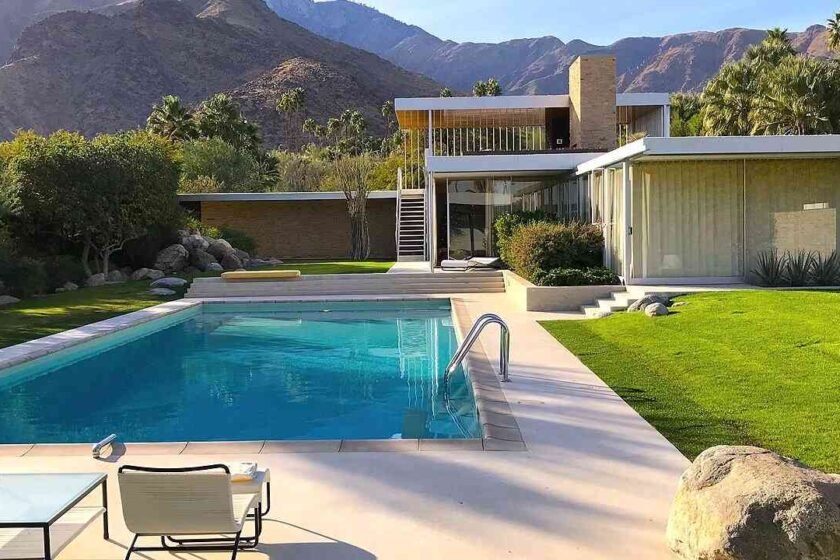
Mid-century modern architecture never lost its charm—it simply evolved, captivating new generations with its clean lines, open spaces, and seamless indoor-outdoor connections. Born between the 1940s and 1970s, this design movement emphasized simplicity, functionality, and a deep appreciation for nature. Today, many of these iconic homes remain just as striking as when they were first built, drawing admiration from architecture lovers and design enthusiasts alike. From glass-walled masterpieces perched on scenic hillsides to sleek, minimalist retreats in the desert, these homes continue to turn heads with their timeless appeal. Step inside 15 Mid-Century Modern Homes that prove great design never goes out of style.
1. The Stahl House – Los Angeles, CA

Perched high in the Hollywood Hills, the Stahl House is one of the most iconic examples of Mid-Century Modern architecture. Designed by Pierre Koenig as part of the Case Study House program, this glass-walled masterpiece blurs the line between indoors and outdoors, offering breathtaking panoramic views of Los Angeles. The home’s minimalist steel-and-glass construction creates a floating sensation, with its cantilevered design extending dramatically over the hillside. At night, the illuminated interior contrasts against the city’s sprawling skyline, making it one of the most photographed and admired homes in the world. The Stahl House isn’t just a home—it’s a statement of modernist philosophy, where simplicity, openness, and harmony with nature define the space.
2. The Glass House – New Canaan, CT

A true icon of modernist architecture, the Glass House in New Canaan, Connecticut, is a masterwork by Philip Johnson that redefined transparency in design. As its name suggests, the home is composed almost entirely of glass, dissolving the boundaries between indoor and outdoor space. Surrounded by lush greenery, its minimalist structure features a simple steel frame, an open floor plan, and carefully curated furnishings that create an atmosphere of elegance and restraint. The house serves as both a living space and an architectural experiment, emphasizing light, reflection, and the relationship between structure and nature.
3. The Farnsworth House – Plano, IL

A true embodiment of minimalism and modernist ideals, the Farnsworth House in Plano, Illinois, stands as one of Mies van der Rohe’s most celebrated works. This sleek, one-room structure is elevated on steel stilts, creating a floating effect above the surrounding landscape. With its expansive glass walls and open-plan interior, the house dissolves the boundary between nature and architecture, immersing its occupants in the beauty of the changing seasons. The use of industrial materials like steel, glass, and travertine emphasizes simplicity and purity of form, embodying Mies’s philosophy of “less is more.”
4. The Gropius House – Lincoln, MA

The Gropius House in Lincoln, Massachusetts, stands as a testament to the visionary genius of Walter Gropius, founder of the Bauhaus movement. Designed as his personal residence, the home blends sleek industrial materials like glass, steel, and concrete with regional elements like wood shingles and clapboard, creating a striking yet harmonious contrast. Positioned thoughtfully within the landscape, the house integrates with its surroundings, reinforcing Gropius’s belief in the connection between architecture and nature. Decades later, it stands as a modernist landmark, shaping American architecture and exemplifying the harmonious blend of innovation and tradition.
5. The Walker Residence – Carmel-by-the-Sea, CA

Nestled in the stunning coastal landscape of Carmel-by-the-Sea, the Walker Residence, designed by architect Richard Neutra, is a striking blend of modernist principles and organic architecture. With its sleek, minimalist form, the home is beautifully integrated into its natural surroundings, featuring expansive glass walls that offer uninterrupted views of the rugged coastline and lush forests. The open floor plan, with its strategic use of wood and stone, creates a warm and inviting atmosphere, while Neutra’s characteristic emphasis on light and air enhances the connection between the indoor and outdoor spaces. It exemplifies the Mid-Century Modern ideal of creating a home that harmonizes with its environment, where every design element serves to enhance the experience of nature.
6. The Schindler House – West Hollywood, CA

The Schindler House in West Hollywood, California, is a pioneering work of modern architecture designed by R.M. Schindler. Thoughtful use of space in the architecture of the house and its modular design prioritizes communal living, featuring interconnected rooms and a series of movable partitions that encourage flexibility. Schindler’s unique approach to form and function, including a rooftop garden and a striking use of natural light, created a living environment that was both avant-garde and intimate. The Schindler House is now considered a cornerstone of modernist architecture, influencing future generations with its forward-thinking design and emphasis on communal living and collaboration.
7. The Kappe Residence – Pacific Palisades, CA

The Kappe Residence, located in the hills of Pacific Palisades, California, was designed by architect Ray Kappe. Characterized by its striking post-and-beam construction, the house features large floor-to-ceiling windows that offer expansive views of the surrounding landscape while inviting natural light into every corner. The open floor plan creates a sense of spaciousness, with distinct living areas that flow into one another, fostering a sense of fluidity and openness. Kappe’s use of wood, steel, and glass integrates the home with its environment, allowing it to sit gently within the landscape while making a bold architectural statement.
8. The Smith House – Darien, CT

The Smith House in Darien, Connecticut, designed by renowned architect Philip Johnson, is a striking example of Mid-Century Modern design that embodies the principles of simplicity, clean lines, and the thoughtful integration of architecture with nature. It features a bold, geometric form with large expanses of glass that allow natural light to flood the interior and create a seamless connection to the surrounding landscape. The house’s design also incorporates elements of the International Style, with its minimalist approach and emphasis on functional beauty. Today, the Smith House remains a prime example of Johnson’s architectural vision, showcasing how modernism can create both aesthetically striking and livable environments.
9. The Geller House – Long Island, NY

The Geller House in Long Island, New York, designed by architect Andrew Geller, is a remarkable expression of modernist principles that seamlessly blends with its natural surroundings. Known for its bold, innovative use of geometric shapes and open spaces, this home pushes the boundaries of conventional residential design. Its distinctive triangular roof and asymmetrical form challenge traditional architectural norms, giving it a dynamic, almost sculptural appearance. With expansive windows and a thoughtful layout, the Geller House creates a sense of openness and connection to the outdoors, offering uninterrupted views of the lush landscape.
10. The Eames House – Pacific Palisades, CA

The Eames House in Pacific Palisades, California, stands as a timeless symbol of Mid-Century Modern design, uniting art, architecture, and innovation. Designed by Charles and Ray Eames, the residence, which also served as their studio, reflects their passion for functional beauty. Its modular steel-and-glass structure seamlessly integrates with the natural surroundings, allowing light and air to flow through expansive windows and open spaces. Inside, carefully curated furniture, art, and vibrant decor highlight Eames’s unique design philosophy.
11. The Miller House – Columbus, IN

A masterpiece of Mid-Century Modern design, the Miller House in Columbus, Indiana, showcases the visionary collaboration between architect Eero Saarinen, interior designer Alexander Girard, and landscape architect Dan Kiley. Commissioned by industrialist J. Irwin Miller, this home epitomizes the era’s clean lines, open spaces, and integration with nature. Featuring a flat roof, expansive glass walls, and a signature sunken conversation pit filled with vibrant textiles, the house seamlessly blends sophistication with warmth. Decades later, the Miller House remains an architectural landmark, celebrated for its innovation, elegance, and timeless appeal.
12. The Lovell House – Los Angeles, CA

Decades ahead of its time, the Lovell House in Los Angeles, California, is a groundbreaking work by Richard Neutra that helped define the principles of modern architecture. Often considered the first steel-frame residence in the U.S., this home was revolutionary in its use of industrial materials and innovative construction techniques. Built for health enthusiast Dr. Philip Lovell, the house reflects a deep emphasis on light, air, and outdoor living. Expansive glass walls flood the interior with natural light while cantilevered balconies and terraces create a seamless connection with the surrounding hillside landscape. The sleek, geometric structure, paired with its open and airy layout, set a new standard for residential design.
13. The Chemosphere – Los Angeles, CA

Situated in Hollywood Hills, the Chemosphere is a striking example of modernist architecture designed by John Lautner. Often described as one of the most innovative homes ever built, the Chemosphere’s unique design features a circular, steel-and-concrete platform perched on a single, slender concrete column, which gives it the appearance of a flying saucer. The home’s sharp, angular lines and expansive glass walls offer breathtaking views of the city below, while the open-plan interior creates a sense of freedom and fluidity. Lautner’s use of unconventional materials, such as the complex cantilevered structure, along with its futuristic aesthetic, challenged traditional architectural norms.
14. The Brown House – Raleigh, NC

The Brown House in Raleigh, North Carolina, designed by architect George Matsumoto, stands as a quiet yet significant example of Mid-Century Modern architecture. A masterful fusion of clean lines and natural materials, the home is defined by its thoughtful integration with the surrounding landscape. The house’s open floor plan is both functional and inviting, with a careful balance of private and communal areas. Also, the use of warm wood and stone contrasts with the sleek, minimalist form of the house, offering a sense of comfort and sophistication. The house is a perfect reflection of Matsumoto’s belief in architecture’s power to enhance daily life while maintaining a deep respect for nature and the environment.
15. The Elrod House – Palm Springs, CA

Perched in the rugged desert landscape of Palm Springs, the Elrod House, designed by architect John Lautner, is a bold, futuristic masterpiece that seamlessly blends organic architecture with cutting-edge design. Famous for its dramatic, curving concrete roof that stretches over the living area like a massive canopy, the home’s bold form contrasts beautifully with the natural surroundings. Expansive glass walls allow for panoramic views of the desert and surrounding mountains, creating a constant dialogue between interior and exterior spaces. The Elrod House remains one of the most photographed and revered Mid-Century Modern homes, epitomizing both luxury and futuristic vision while maintaining a deep connection to the desert environment.