

Decluttering your home can be incredibly refreshing, offering a sense of order and clarity, but not everything should be tossed aside. Some items carry stories, memories, and sentimental value that go far beyond their physical form. From cherished keepsakes to practical essentials, knowing what to hold onto helps you preserve your past, protect your future, and create a home that truly reflects your life. By identifying what matters most, your decluttering journey becomes thoughtful, purposeful, and deeply rewarding.
1. Memories

Memories are often held in the objects we treasure, such as photographs, letters, or childhood keepsakes. These items capture moments, emotions, and milestones in ways digital files cannot fully replicate. They remind us of our past, our growth, and the people who shaped our lives. Instead of discarding them hastily, organize them thoughtfully, create albums, or digitize important pieces for safekeeping. Memories are priceless anchors, preserving stories and feelings that define your personal journey and bring meaning to your everyday life.
2. Documents

Essential documents like birth certificates, property deeds, insurance policies, and tax papers are vital for legal, financial, and personal purposes. Even if they feel unnecessary now, losing them can create stress, delays, or complications later. Organizing these documents in clearly labeled folders or secure digital backups keeps them accessible and protected. Proper management ensures you are prepared for emergencies, audits, or unexpected life events. These papers aren’t clutter; they are safeguards that provide peace of mind and security.
3. Musical Instruments

Musical instruments, whether large or small, often hold both practical and emotional value. Even if not used regularly, instruments support creativity, skill-building, and personal enjoyment. Some may have sentimental significance or represent milestones, like a first guitar or piano. Proper storage, cleaning, and maintenance protect them from damage while keeping them ready for use. Decluttering should never mean abandoning instruments that can inspire learning, relaxation, and lifelong enjoyment.
4. Receipts
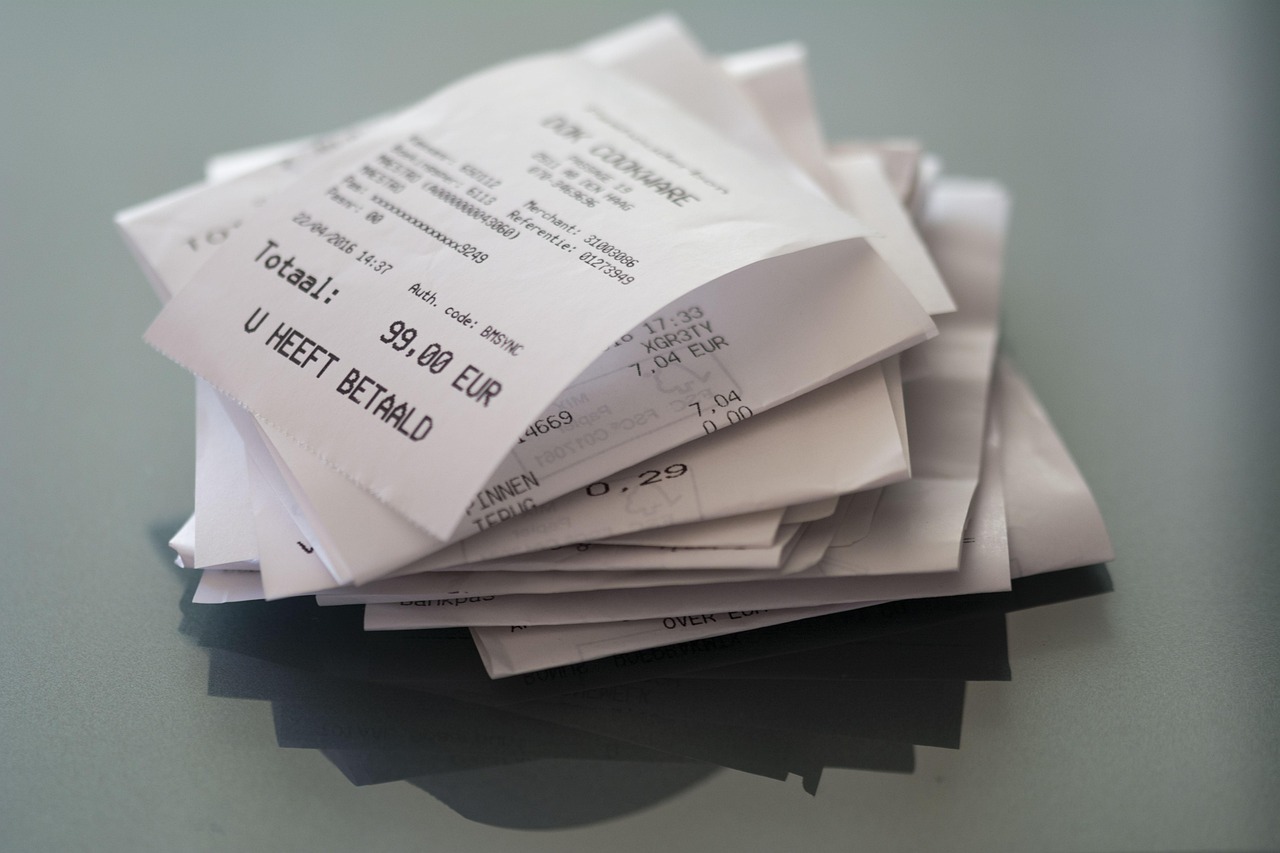
While most receipts are disposable, those tied to warranties, major purchases, or tax-deductible expenses are essential. They protect consumer rights, act as proof in disputes, and help track financial history. If keeping physical copies feels overwhelming, scanning or photographing receipts for digital storage maintains organization without creating clutter. The key is identifying which receipts are necessary versus disposable. Preserving these records ensures financial, legal, and practical matters stay secure, organized, and stress-free.
5. Electronics

Old electronics often hold far more than outdated hardware; they can store memories, important data, or unique components that are difficult to replace. Cameras, external drives, and specialized gadgets may seem obsolete, but their contents or parts can remain invaluable. Chargers, adapters, and cables might appear excessive, yet they often prove essential for functionality. Organizing electronics in clearly labeled boxes and responsibly recycling what’s truly obsolete helps maintain balance, protecting both sentimental memories and practical utility while keeping your space orderly.
6. Tools

Tools form the backbone of home maintenance, supporting everything from simple repairs to complex DIY projects. Discarding a reliable hammer, screwdriver, or drill during decluttering can lead to unnecessary repurchases and frustration. Even older or specialized tools may prove invaluable in unexpected situations. Keeping tools organized in a toolbox, pegboard, or wall-mounted storage ensures accessibility and prolongs their lifespan. Tools are practical investments that save time, effort, and money, making them essential to hold onto while decluttering responsibly.
7. Books
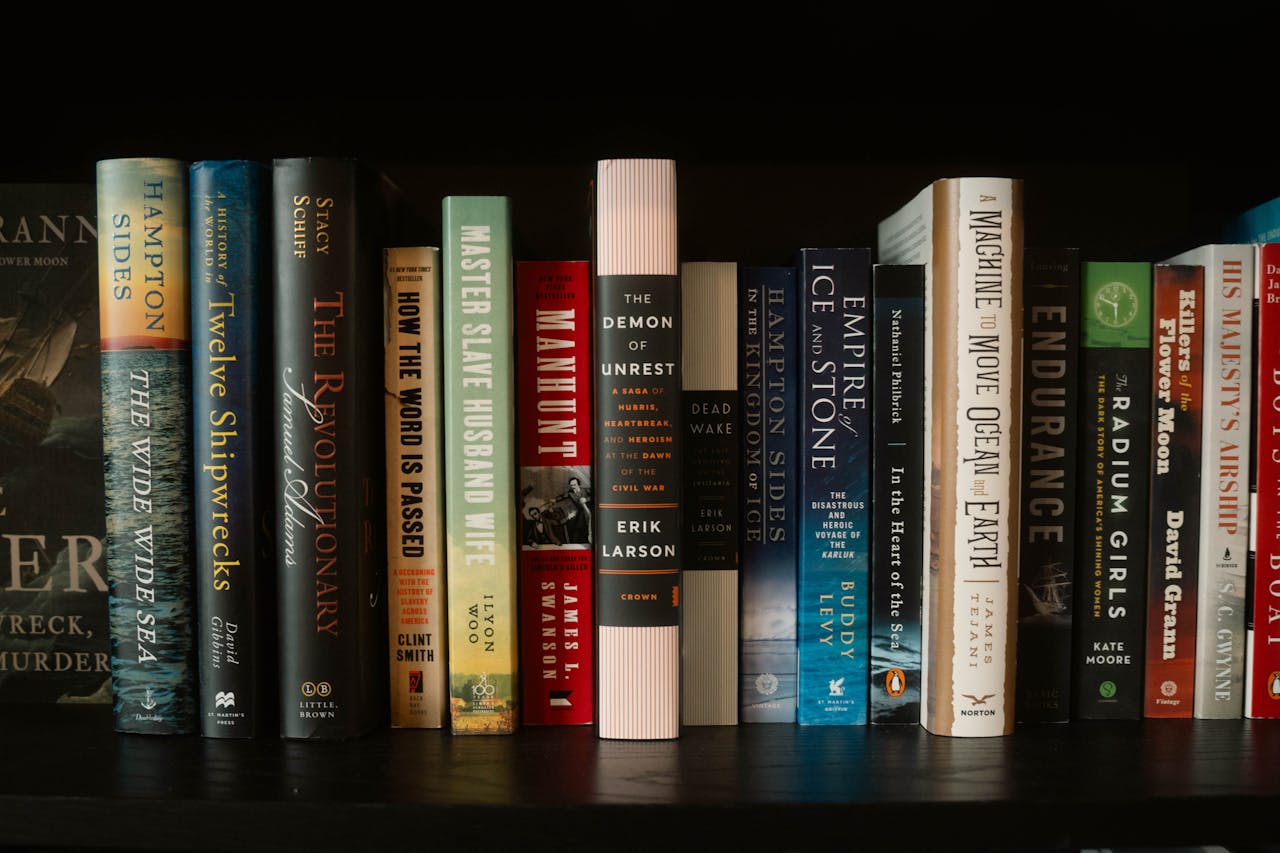
Books are far more than mere pages; they are vessels of knowledge, imagination, and inspiration that can enrich your life in countless ways. Even books you’ve already read may serve as valuable references, sources of learning, or nostalgic reminders of past moments. Rare, high-quality, or sentimental editions carry both emotional and monetary significance. Thoughtful decluttering means donating duplicates or less meaningful titles while preserving those that spark curiosity and joy. A carefully curated bookshelf reflects intellect, creativity, and personal history, offering timeless companionship beyond fleeting trends.
8. Jewelry

Jewelry often carries multiple layers of value, blending financial worth with deep emotional significance. Family heirlooms, gifts, or even costume pieces can evoke cherished memories, celebrate milestones, or mark special occasions. While fashion trends come and go, sentiment remains. Proper storage and organization protect jewelry from damage while ensuring easy access. Thoughtful decluttering focuses on keeping meaningful pieces and letting go of duplicates or broken items. Jewelry serves as a tangible connection to people, places, and moments that deserve careful preservation.
9. Art
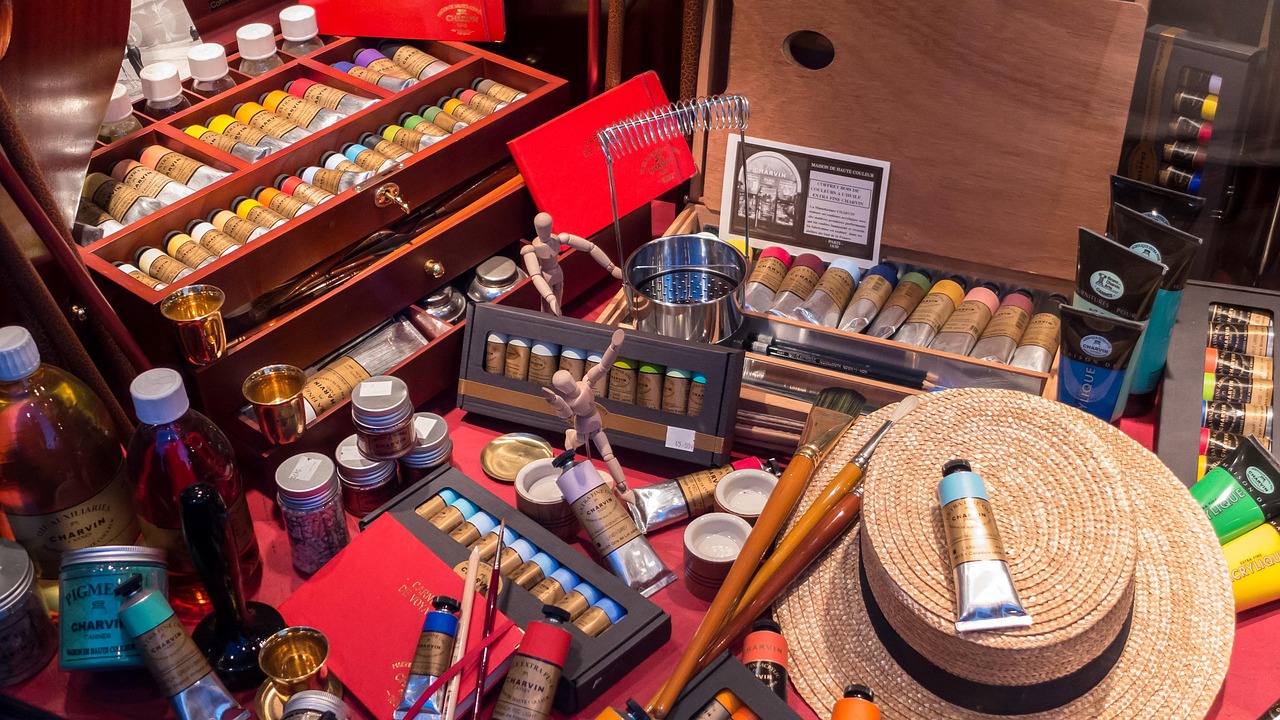
Art has the power to transform a space and reflect personal identity, making it far more than mere decoration. Paintings, sketches, sculptures, or creative projects often hold emotional, aesthetic, or even historical value, regardless of market price. Even small or amateur works capture moments of creativity, personal milestones, or heartfelt gifts. Thoughtful storage or careful display protects these pieces from damage while keeping them accessible for inspiration. Decluttering should focus on organization, not removal, preserving the beauty, significance, and joy that art brings into everyday life.
10. Clothing

Clothing may seem like disposable items, but many pieces hold lasting utility, sentimental value, or exceptional quality that make them worth keeping. Seasonal garments, formal wear, or inherited clothing can become essential over time, whether for special occasions or personal comfort. Instead of discarding everything, organize clothes by use, quality, and emotional significance. Items that no longer fit or suit your style can be donated, while treasured pieces are preserved. Thoughtful clothing management balances practicality, memories, and long-term value, keeping your wardrobe both functional and meaningful.
11. Kitchenware

Kitchen items often hold more value than we realize, going far beyond daily use. High-quality knives, sturdy pots, and specialty utensils are durable investments that can last decades when cared for properly. Even appliances or tools used only occasionally may prove essential for specific recipes, entertaining, or seasonal meals. Decluttering should focus on damaged, duplicate, or rarely used items rather than functional, long-lasting pieces. Thoughtful storage and organization keep your kitchen efficient, maintain order, and protect the tools that make cooking enjoyable.
12. Sentimental Gifts
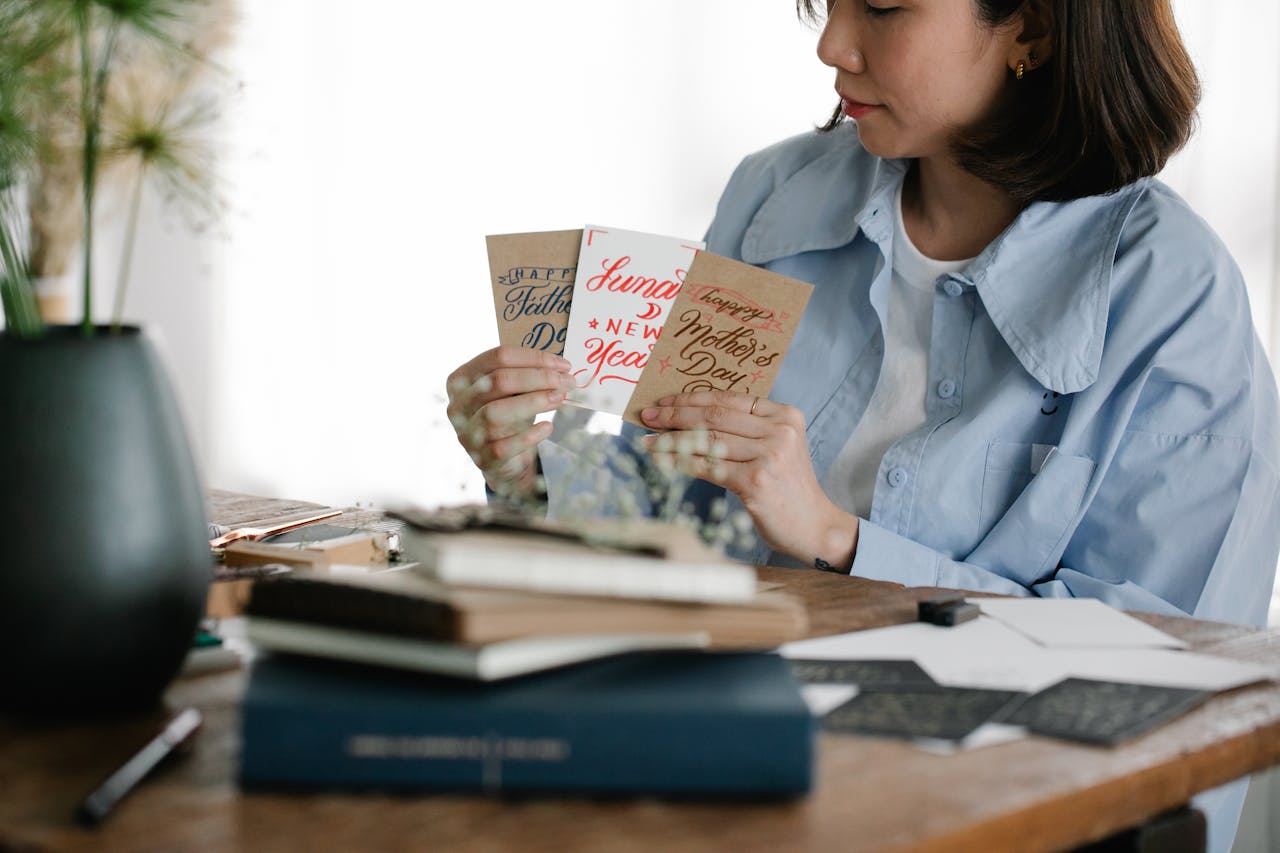
Gifts from friends, family, and loved ones are more than just objects; they are tangible reminders of care, connection, and shared experiences that shape our lives. Even items that seem impractical or outdated often carry deep emotional weight, representing special moments, milestones, or thoughtful gestures. Discarding them impulsively can feel like letting go of the relationships and memories they symbolize. By thoughtfully storing, selectively displaying, or creatively repurposing these items, you honor their significance while keeping your home organized, meaningful, and filled with reminders of the people and moments that matter most.
13. Travel Souvenirs
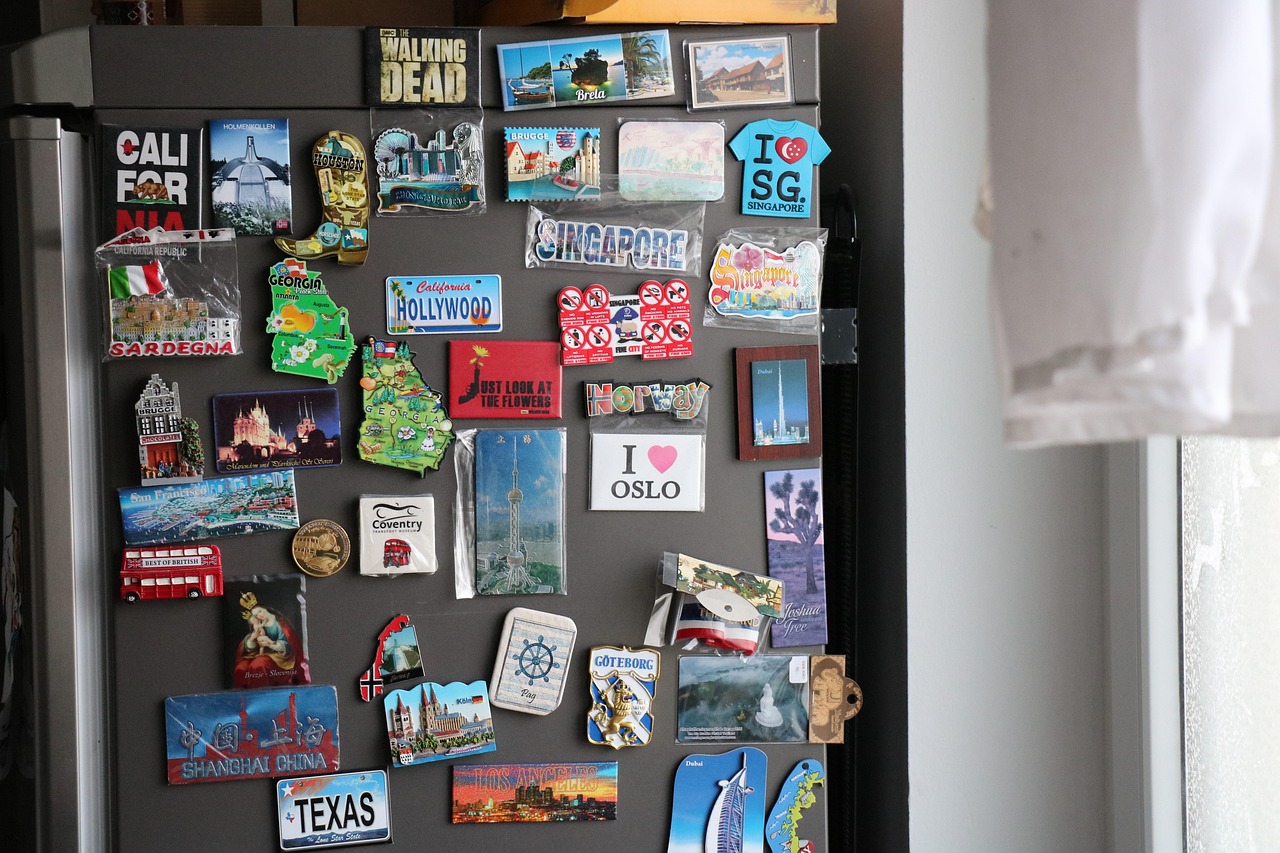
Souvenirs may appear small or ordinary, but they carry the essence of adventures and moments that shaped your journey. A postcard can bring back the view of a city skyline, a ticket stub might remind you of a concert abroad, and a handmade trinket may recall a conversation with a local artisan. These tokens preserve the emotions of discovery and connection in ways photos alone cannot. While it’s easy to accumulate too many, thoughtfully selecting and displaying souvenirs allows you to relive experiences without overcrowding your space. Travel keepsakes are not clutter but meaningful anchors to the joy of exploration.
14. Collectibles

Collectibles are more than just objects; they are tangible pieces of history, personal passion, and potential financial value. Coins, stamps, vintage toys, figurines, or memorabilia often represent hobbies, family traditions, or unique interests and can appreciate in worth over time. Discarding them on a whim risks losing both treasured memories and potential investment value. By cataloging, displaying, or safely storing these items, you preserve their meaning and condition. Thoughtful decluttering lets you enjoy your collection while maintaining an organized, stress-free space.
15. Handwritten Notes & Journals
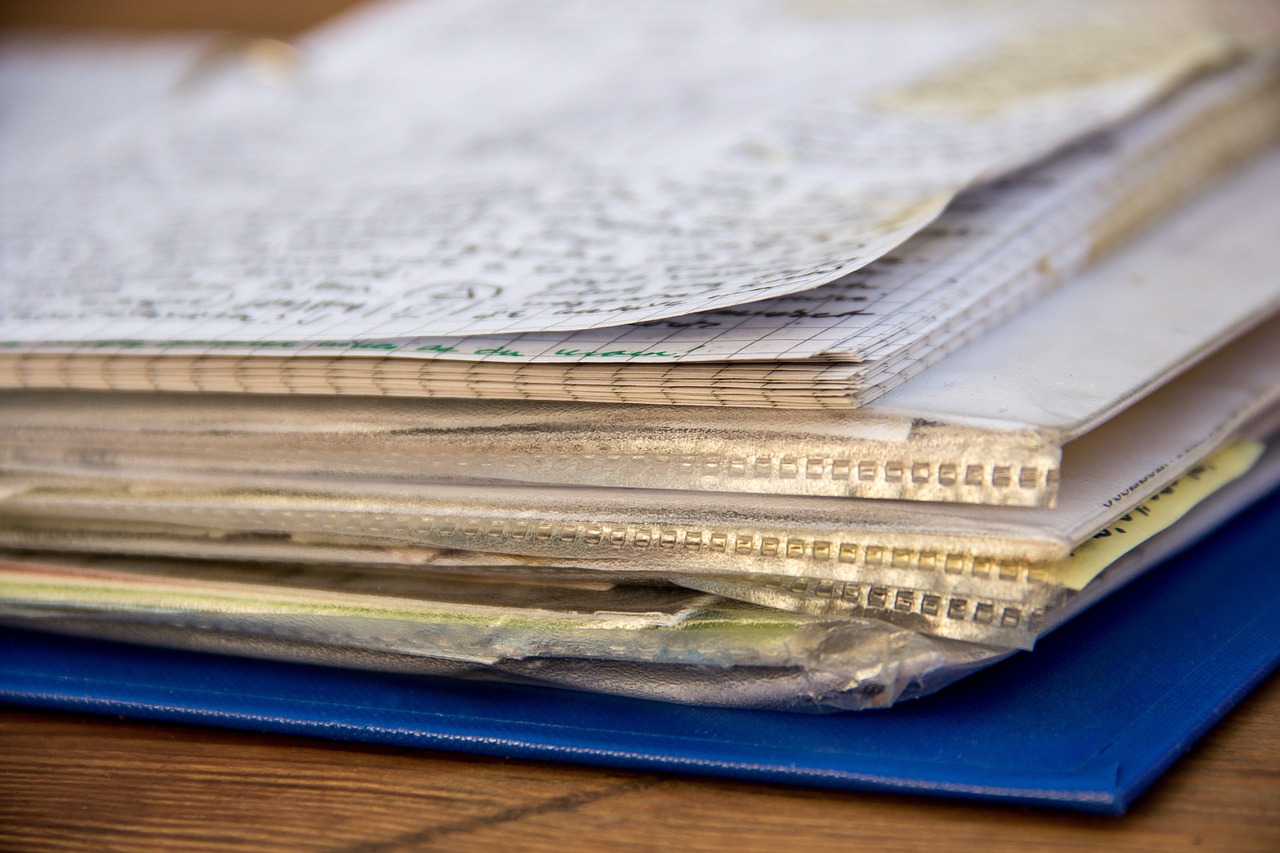
Handwritten notes, journals, and diaries hold an intimacy that digital records rarely capture. The way a person’s handwriting curves across a page, the hurried scribbles in a moment of inspiration, or the carefully written entries after a significant life event all tell stories that go beyond the words themselves. These personal records preserve raw thoughts, emotions, and reflections, often offering insight into your growth and experiences over time. Even brief notes or unfinished journals can carry powerful meaning. Instead of discarding them, consider organizing them in boxes, binders, or digitizing them for safekeeping.