

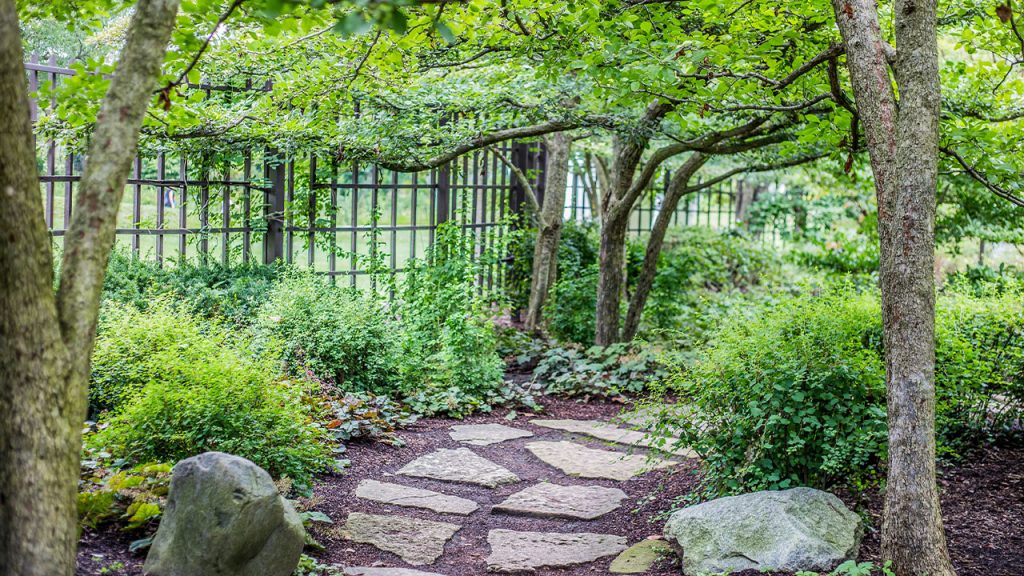
Many trees add beauty and shade to U.S. landscapes, but some common species can be toxic to people, pets, and wildlife. Planting toxic trees unknowingly can pose health risks, from skin irritation to serious poisoning. It’s important to recognize these hazardous trees to keep your yard safe and enjoyable. In this article, we’ll explore 15 toxic trees frequently found across the U.S. that you should avoid planting in your home or community spaces.
1. Oleander
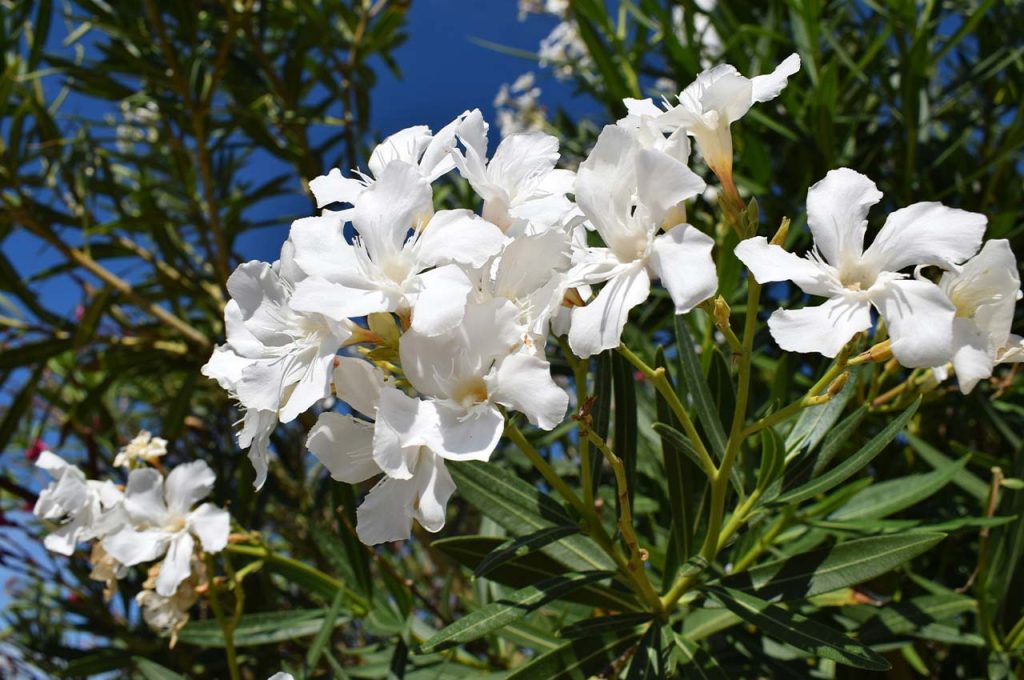
Oleander is an evergreen shrub or small tree with dense foliage and vibrant clusters of flowers in pink, red, white, or yellow. Despite its beauty, every part of the plant is highly toxic if ingested, affecting the heart and digestive system. It’s commonly planted as a decorative hedge but poses a serious risk to children, pets, and livestock. Contact with its sap can also cause skin irritation, making caution essential.
2. Yew
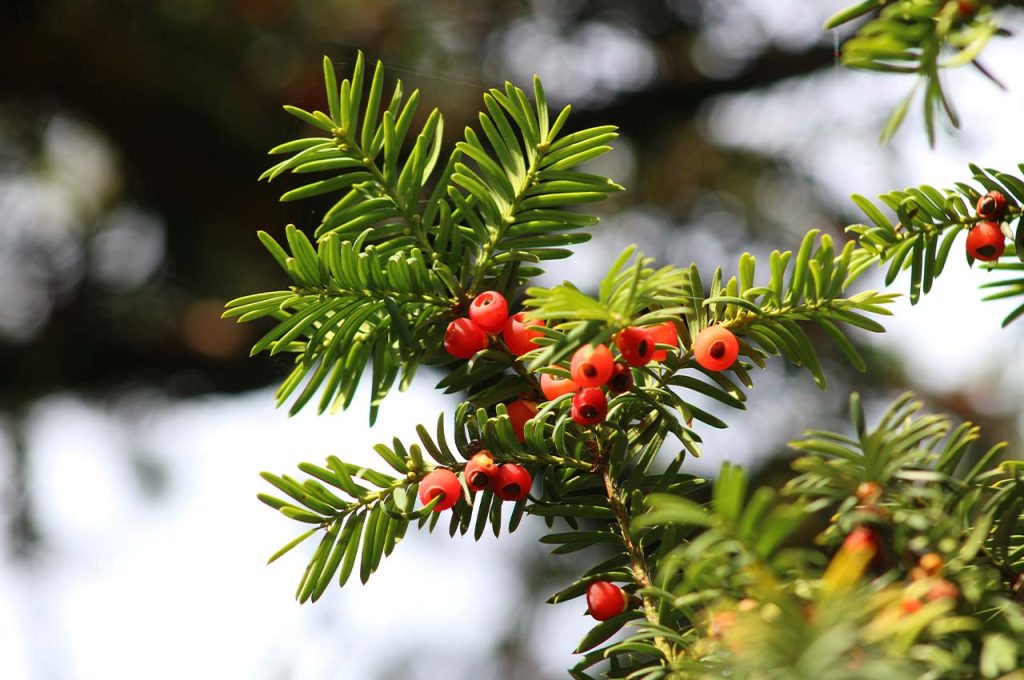
Yew trees and shrubs are prized for their dark green needles and red berries, often used in landscaping and topiary. However, all parts except the fleshy berry cover contain toxic alkaloids, especially the seeds, which can cause severe poisoning. Ingesting even small amounts can be fatal to humans and animals. Yews are slow-growing and long-lived, but their toxicity warrants careful placement away from areas frequented by children and pets.
3. Horse Chestnut
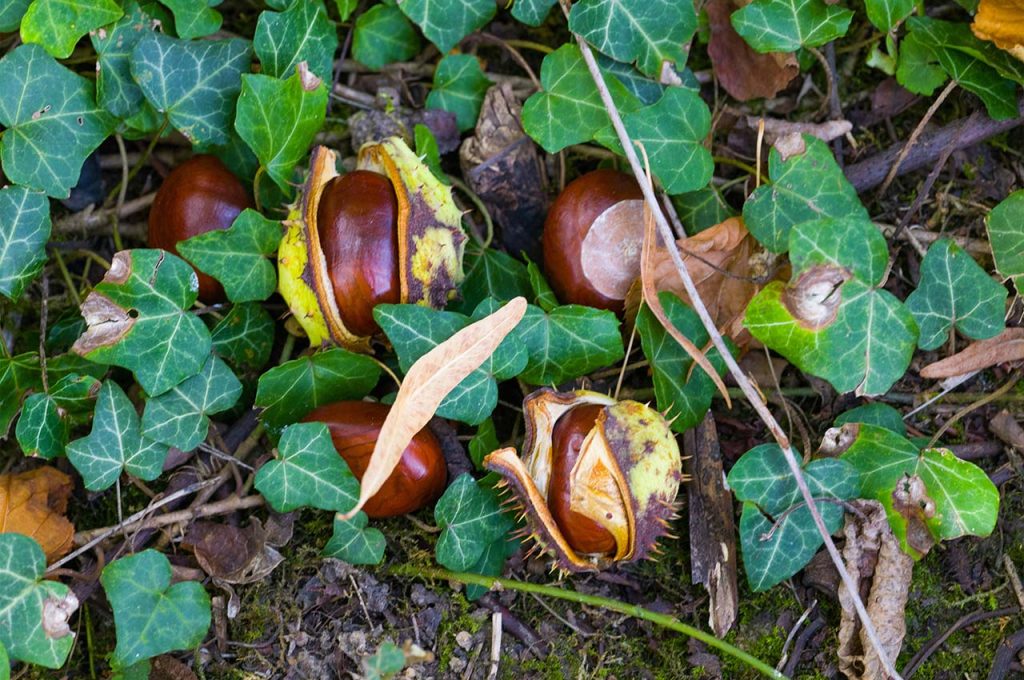
Horse Chestnut is known for its large, palmate leaves and spiky seed pods containing shiny brown nuts. While visually appealing, its seeds and other parts contain toxic compounds like aesculin, which can cause nausea, vomiting, and diarrhea if consumed. The tree is often used for shade in parks and streets but should be avoided in homes with young children or pets who might be tempted by the nuts.
4. Black Locust
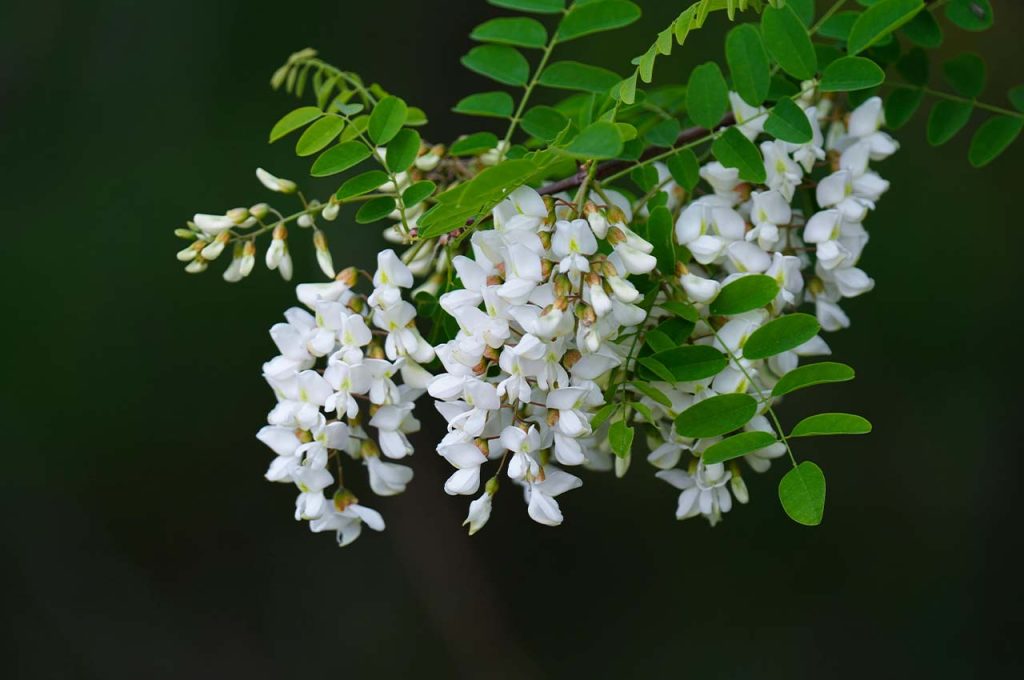
Black Locust is a fast-growing deciduous tree with fragrant white flowers and compound leaves. It’s valued for its durable wood but is toxic due to the presence of robin and other toxins in its bark, leaves, and seeds. Consumption can lead to weakness, vomiting, and difficulty breathing in animals and humans. The tree also spreads aggressively, sometimes becoming invasive, so it requires careful management in residential areas.
5. Angel’s Trumpet
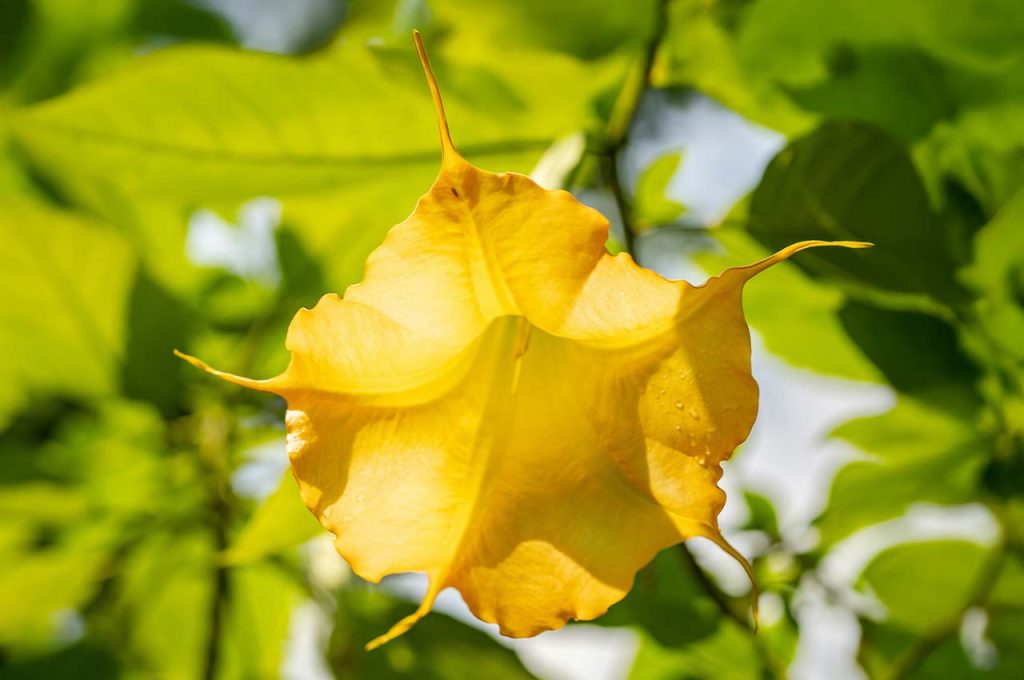
Angel’s Trumpet is a striking ornamental shrub known for its large, trumpet-shaped flowers that hang downward. While visually stunning, every part of this plant contains toxic alkaloids such as scopolamine and atropine, which can cause severe poisoning if ingested. Symptoms include hallucinations, paralysis, and even death in extreme cases. It’s important to keep Angel’s Trumpet away from children and pets and to handle it with care when planting or pruning.
6. Cherry Laurel
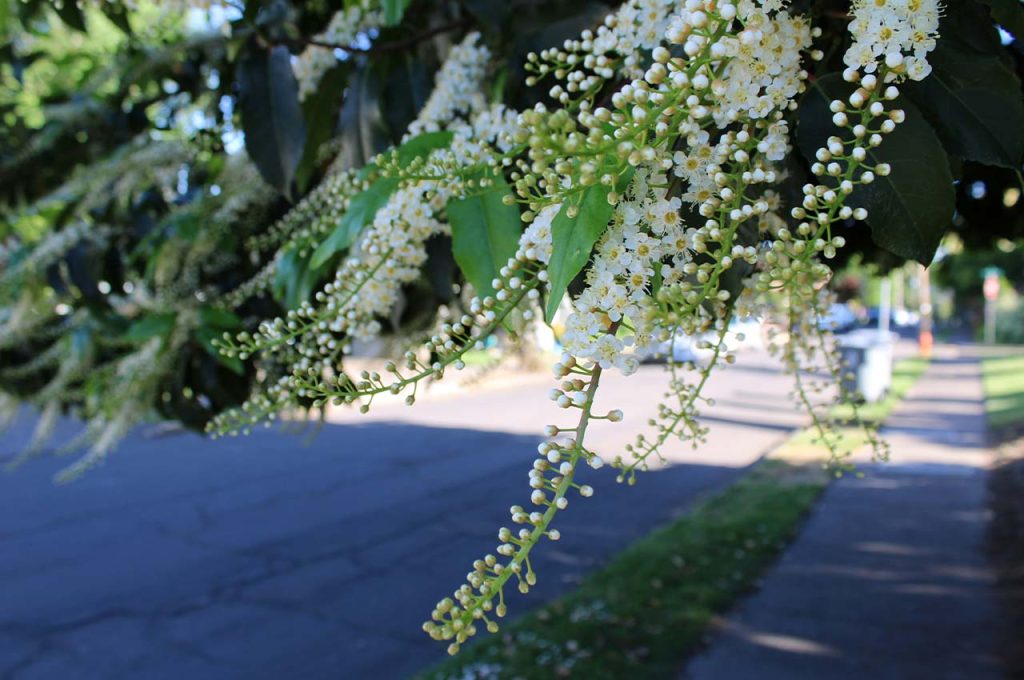
Cherry Laurel is an evergreen shrub or small tree with glossy, dark green leaves and fragrant white flowers. While popular as a hedge or privacy screen, all parts of the plant contain cyanogenic compounds that release cyanide when chewed or damaged, making it highly toxic if ingested. Symptoms can include nausea, dizziness, and respiratory distress. Additionally, the leaves and seeds pose a danger to pets and children, so caution is advised when planting.
7. White Cedar
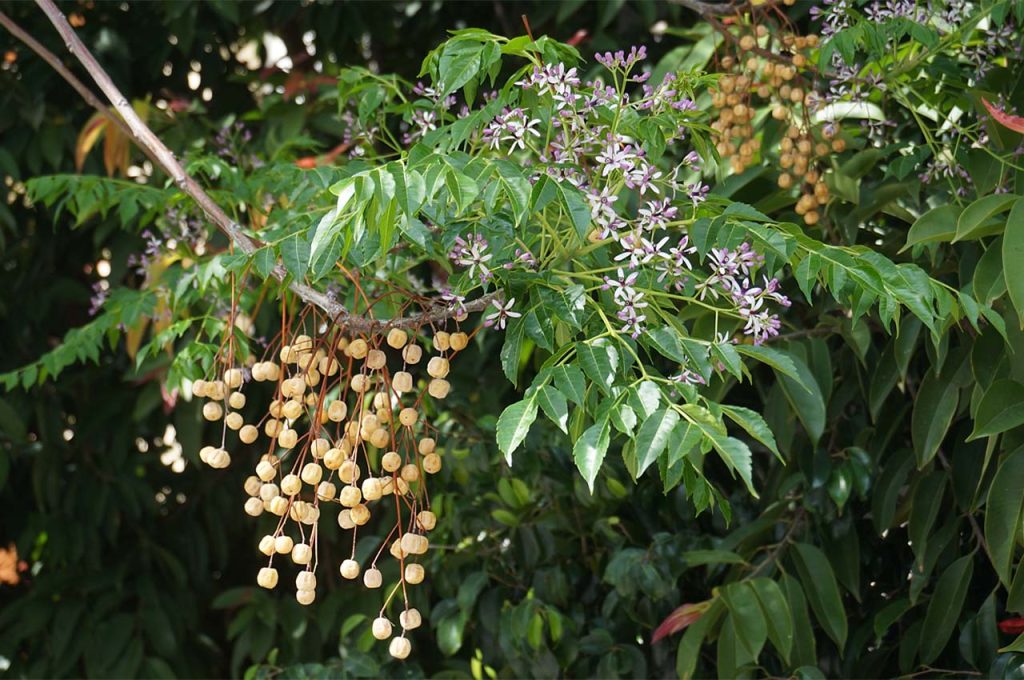
White Cedar is a popular evergreen tree often used for privacy screens and landscaping. While visually appealing, parts of this tree contain toxins that can be harmful if ingested by humans or pets, causing digestive upset or more serious symptoms. It thrives in various soil types and climates, but caution is advised when planting near children or animals. Despite its beauty and utility, awareness of its toxic potential is important for safe yard planning.
8. Castor Bean Plant
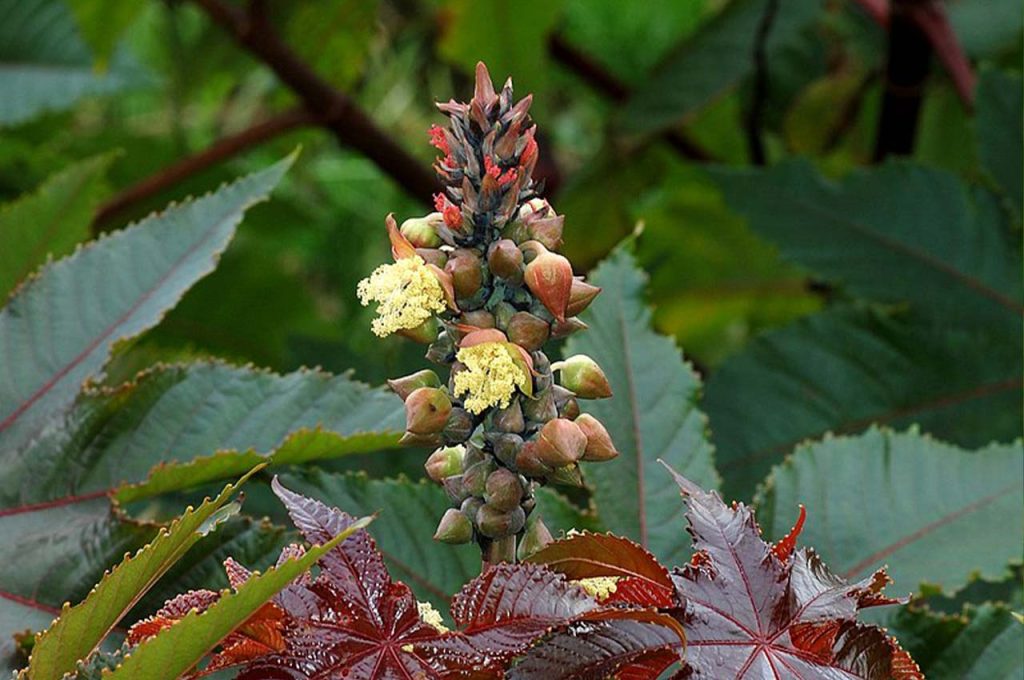
The Castor Bean Plant is a fast-growing ornamental shrub with large, glossy leaves and spiky seed pods. While striking in appearance, it produces ricin, a highly potent toxin found in the seeds. Ingesting even a few seeds can be fatal to humans and animals, causing severe abdominal pain, vomiting, and organ failure. The plant also poses risks if the seeds are broken or chewed, so it’s essential to avoid planting it in areas accessible to children or pets.
9. Poison Sumac
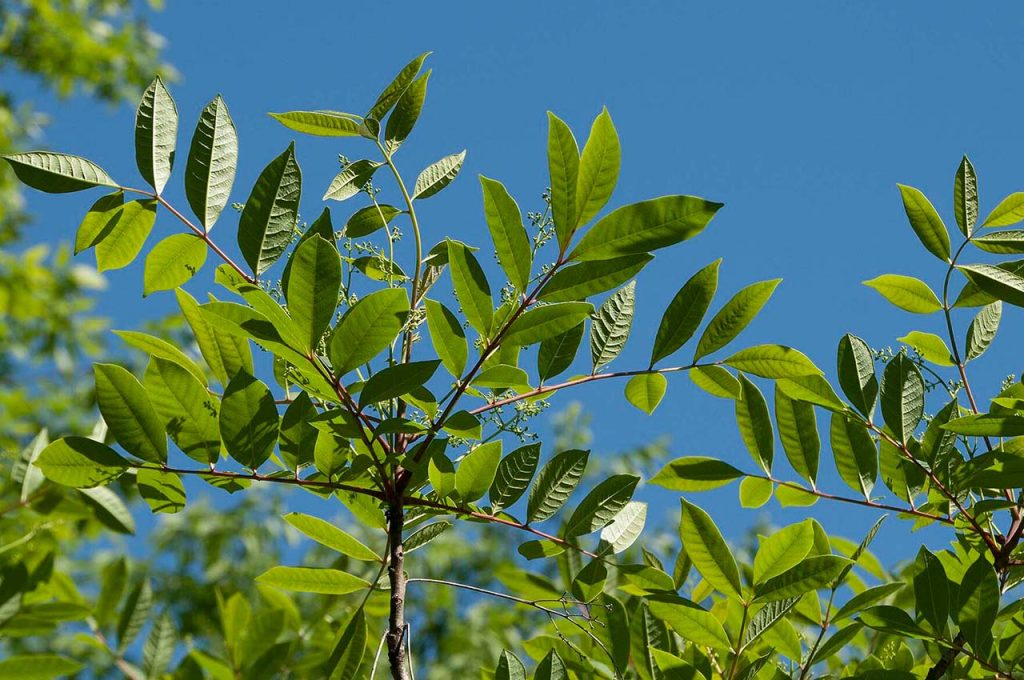
Poison Sumac is a woody shrub or small tree native to wet, swampy areas. It has clusters of glossy leaves and white or grayish berries. Like poison ivy and poison oak, its sap contains urushiol, a chemical that triggers severe allergic skin reactions including itching, swelling, and blistering. Even touching dead leaves or smoke from burning poison sumac can cause irritation. Due to its hazardous nature, it’s best to steer clear of planting poison sumac near homes or play areas.
10. Rosary Pea
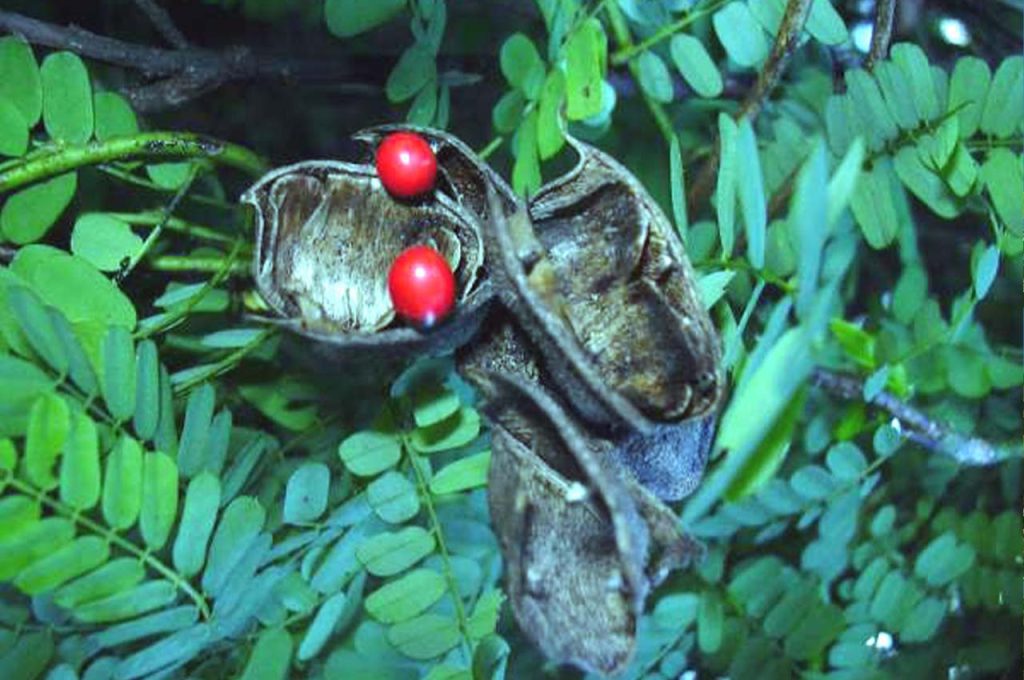
The Rosary Pea is a fast-growing vine with bright red seeds marked by a black spot, often used in jewelry and decoration. However, its seeds contain abrin, a highly toxic compound far deadlier than ricin. Even a small amount of ingested seed can cause severe poisoning and potentially death. The plant’s toxicity makes it extremely dangerous for children and pets, and it should be avoided in residential landscapes.
11. Strychnine Tree
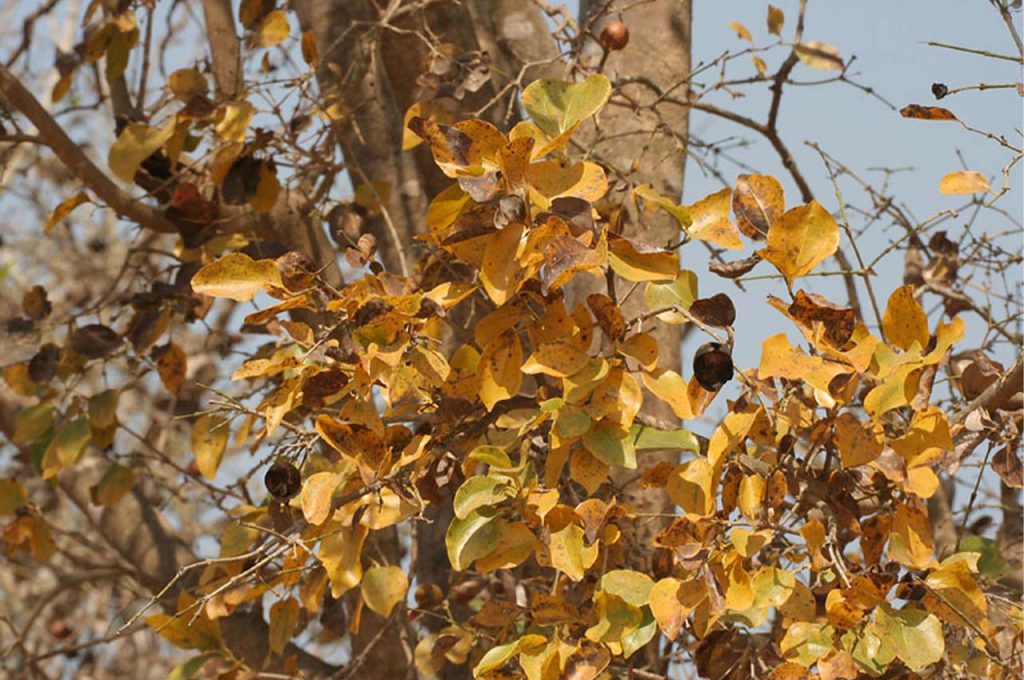
The Strychnine Tree may look unassuming, but it produces some of the most dangerous toxins found in nature. Native to Southeast Asia and sometimes found in subtropical gardens, this tree contains strychnine and brucine—compounds that can cause severe muscle convulsions, respiratory failure, and even death if ingested. Its seeds and fruit are especially poisonous, posing a serious risk to pets, children, and local wildlife. It’s best avoided in any residential landscape.
12. Daphne
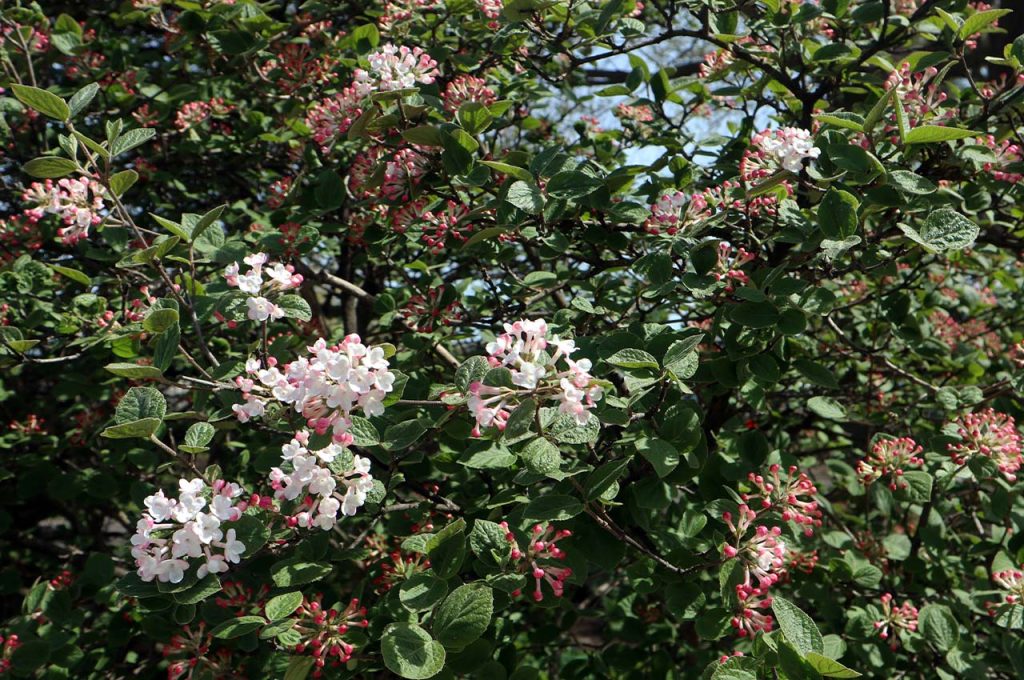
Daphne shrubs are admired for their fragrant flowers and colorful berries but are highly toxic. All parts, especially the berries and bark, contain compounds that can cause severe irritation, nausea, vomiting, and diarrhea if ingested. Skin contact with the sap may cause irritation or rash. Due to its toxicity, Daphne should be planted with caution, particularly where children or pets have access.
13. Sweet Clover
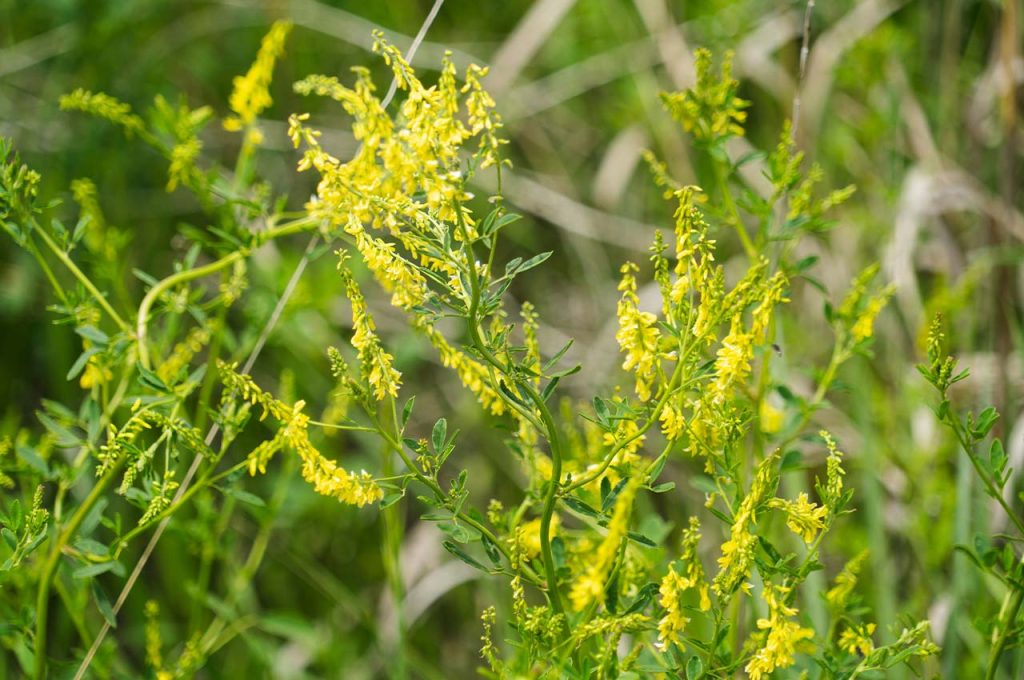
Sweet Clover is a flowering plant often used for soil improvement and forage. However, if improperly cured or spoiled, it can produce dicoumarol, a natural blood-thinning toxin harmful to livestock and humans. Ingesting large quantities may cause bleeding disorders. Though not a tree, its toxicity and widespread use in landscapes warrant caution. It’s best avoided in home gardens or areas frequented by pets.
14. Black Walnut
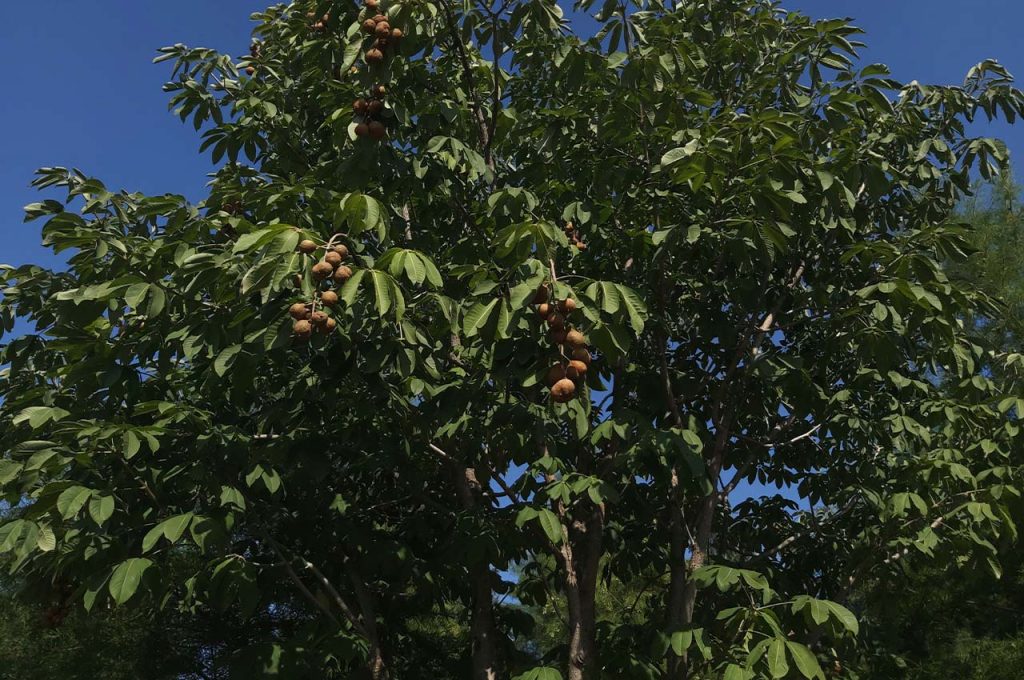
Black Walnut trees are prized for their hardwood and nuts but produce juglone, a chemical toxic to many nearby plants, causing “black walnut wilt.” Juglone can also irritate skin and may cause allergic reactions in sensitive individuals. While the tree itself isn’t toxic to humans or pets, its allelopathic effects on surrounding vegetation require careful site selection to avoid damaging other plants in the yard.
15. Laburnum
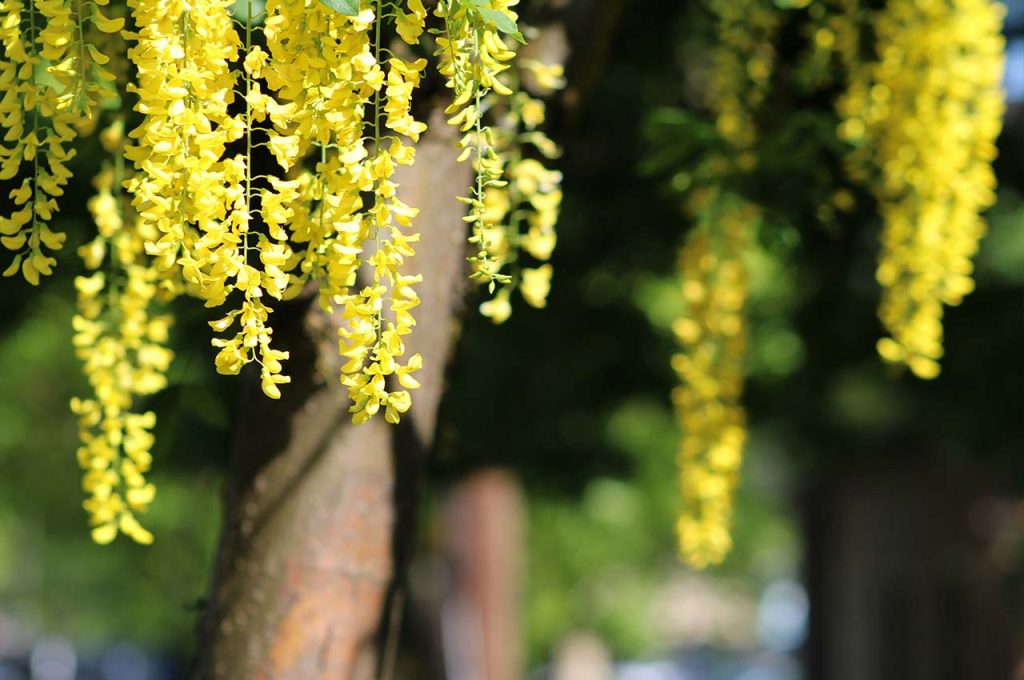
Laburnum, also called golden chain tree, is known for its striking yellow flowers but is highly toxic. Seeds, pods, and all parts contain cytisine, a poisonous alkaloid that can cause nausea, vomiting, convulsions, and even death if ingested. Due to its high toxicity, it’s best to avoid planting Laburnum in residential gardens, especially where children and pets may be present.
Want to see more from Remodr?

Drop a comment below, share this with your friends and family, and don’t forget to follow us for more fresh ideas, updates, tips, and home trends.
This article was created with the assistance of AI but thoroughly edited by a human being.