

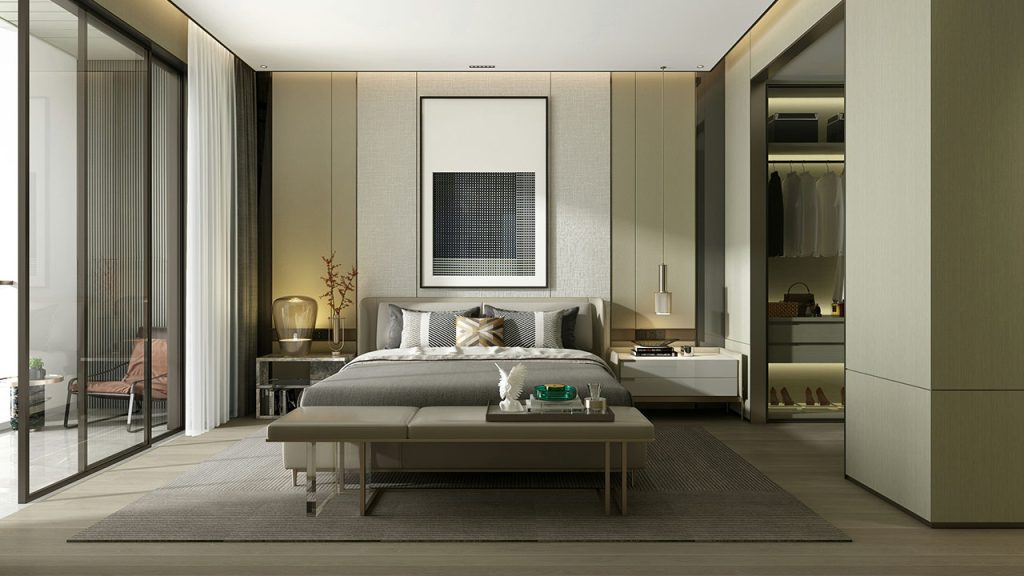
A well-styled home isn’t just about following trends—it’s about creating a cohesive, inviting space that reflects your personality. Whether you’re working with a small apartment or a spacious house, certain design principles can enhance any room. From balancing proportions to layering textures, these universal styling hacks will help you transform every space with ease, making your home feel more polished, functional, and effortlessly stylish.
1. Balance Proportions for a Harmonious Look
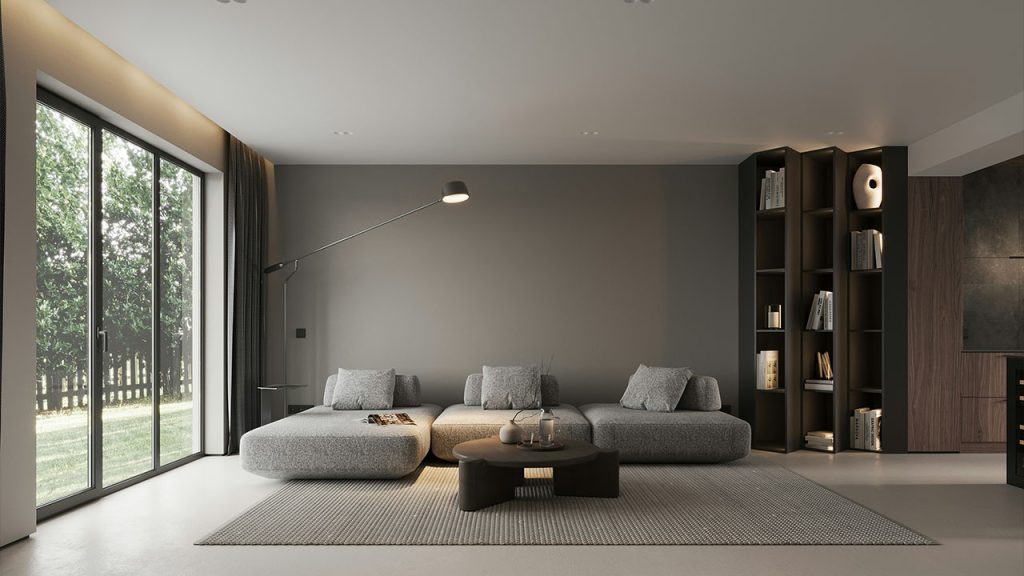
Achieving the right proportions in a room ensures a visually balanced and inviting space. Avoid overwhelming small rooms with oversized furniture or cramming large areas with too many small pieces. Instead, mix varying scales—pair a large sofa with a sleek coffee table or balance a tall bookshelf with a statement floor lamp. Even wall art should be sized appropriately to avoid looking lost or overpowering. The key is to distribute visual weight evenly to create a cohesive and comfortable atmosphere.
2. Layer Textures to Add Depth and Interest
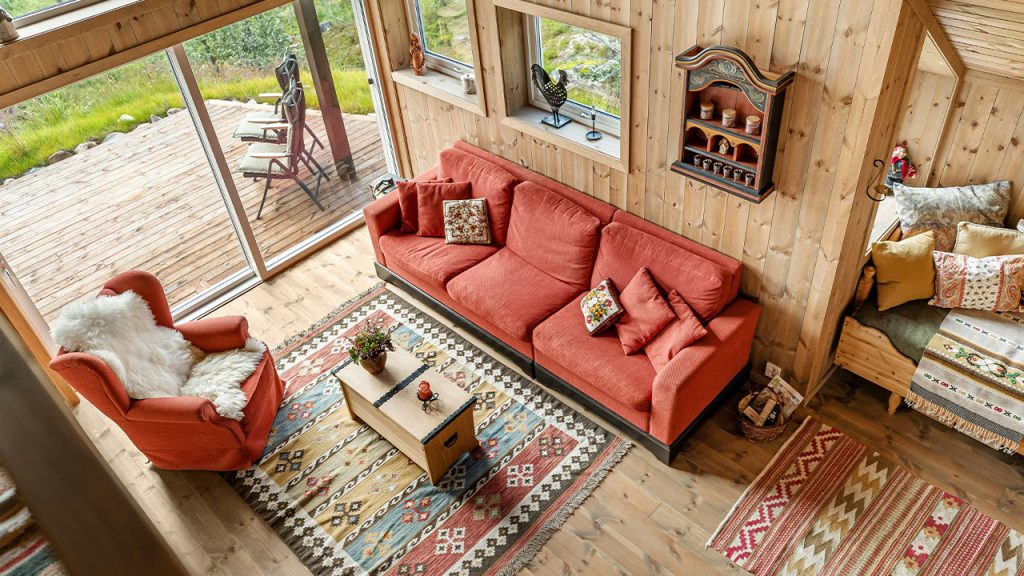
A well-styled room goes beyond color and furniture—it’s about how textures interact. Layering different materials, such as a woven rug, linen curtains, and a velvet sofa, adds richness and warmth to the space. Combining hard surfaces like metal or stone with soft fabrics creates contrast, making the room feel inviting and lived-in. Even small additions, like knit throw blankets, ceramic vases, or leather ottomans, introduce texture and prevent the space from feeling flat or one-dimensional.
3. Stick to a Cohesive Color Palette
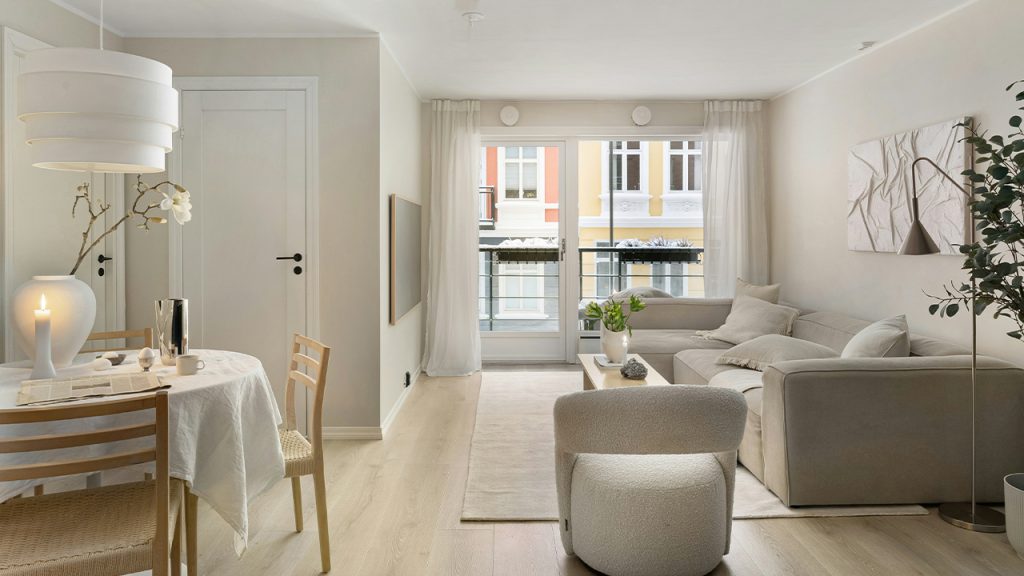
A consistent color palette helps unify a room, making it feel intentional rather than chaotic. Choose a base color and build around it with complementary tones and subtle accents. Neutral hues create a calming backdrop, while pops of color add personality without overwhelming the space. Keeping a thread of continuity, whether through paint, textiles, or accessories, ensures the design flows effortlessly from one area to another, making even the most eclectic mix of décor feel harmonized.
4. Introduce a Feature Wall to Create a Defined Focal Point
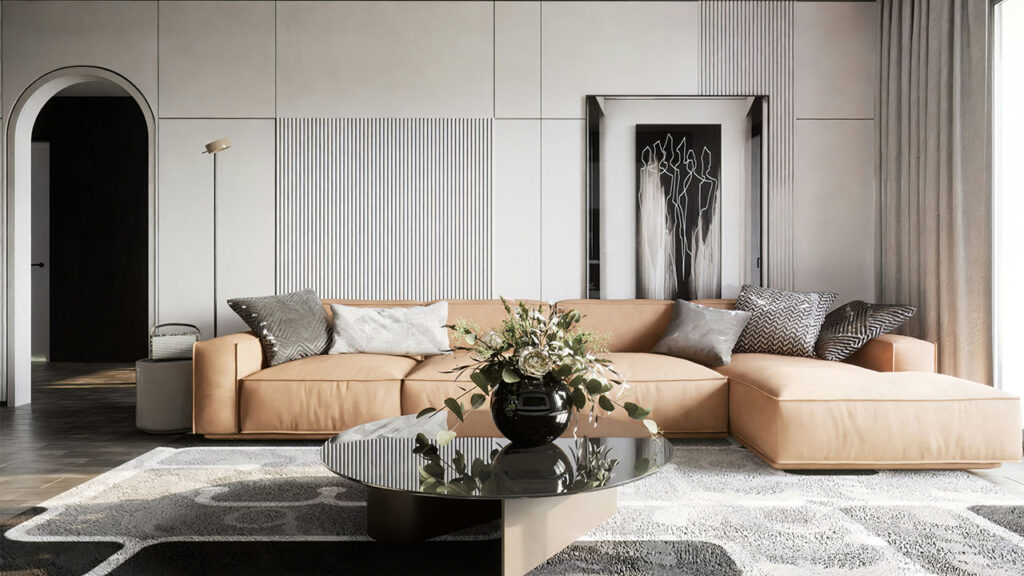
A feature wall instantly draws attention and defines the character of a space, making it feel more intentional and visually dynamic. Whether it’s a bold paint color, textured wallpaper, wood paneling, or an artistic mural, a well-designed feature wall anchors the room without overwhelming it. Opt for a statement material or pattern that complements the rest of the décor. Placing it behind a bed, sofa, or dining table enhances the focal point, creating a stylish and cohesive atmosphere.
5. Incorporate Statement Pieces for Character
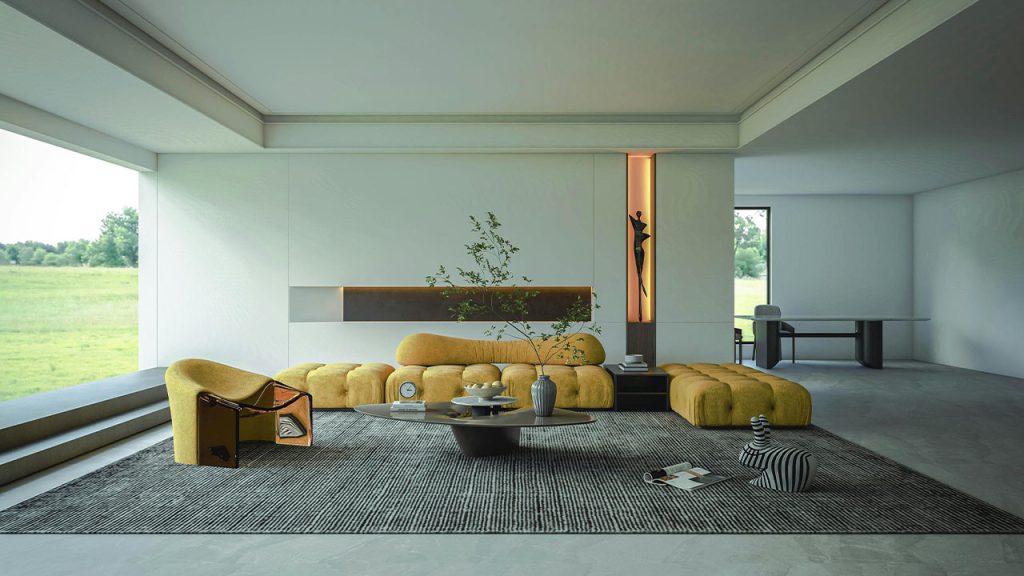
A bold statement piece acts as the focal point of a room, instantly drawing the eye and setting the tone. This could be an oversized mirror, a sculptural light fixture, a vibrant piece of art, or a unique vintage find. The trick is to let it shine without competing elements—pairing a standout sofa with more neutral decor, for example, ensures it remains the star. Statement pieces add personality and depth, making even the simplest rooms feel curated and expressive.
6. Mix Old and New Elements for Personality
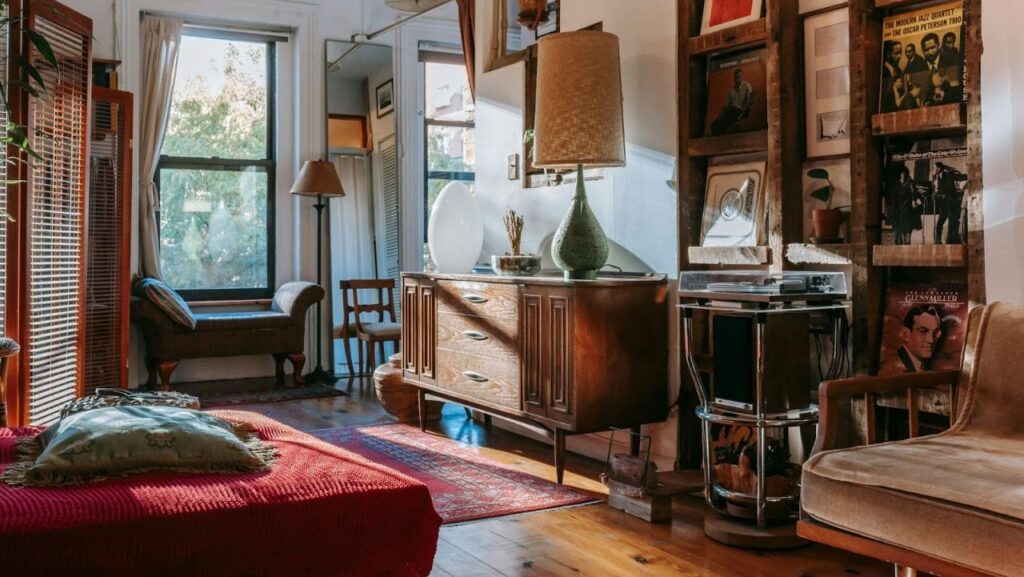
Blending vintage and modern pieces creates a space that feels layered and full of character. A sleek contemporary sofa can be paired with an antique coffee table, or a modern dining set can be softened with a vintage rug. This mix prevents rooms from feeling overly trendy or sterile, instead adding warmth and individuality. Whether through heirloom decor, reclaimed wood accents, or retro lighting, the balance of old and new makes a home feel unique and thoughtfully curated.
7. Add Greenery for a Fresh, Lively Touch
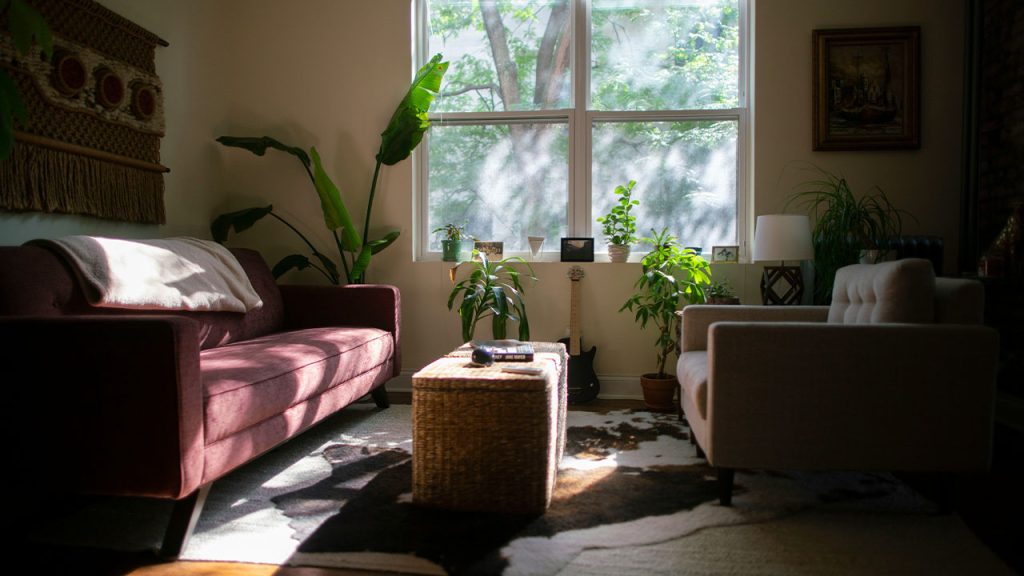
Plants instantly breathe life into any space, making it feel more inviting and vibrant. Large potted trees like fiddle leaf figs or rubber plants add height, while small succulents or trailing vines soften shelves and tabletops. Fresh flowers bring seasonal color, while dried arrangements offer a rustic charm. Even in low-light areas, hardy options like snake plants or pothos thrive. Greenery enhances air quality, adds texture, and brings a natural balance to both minimalist and maximalist interiors.
8. Optimize Lighting for Ambiance and Functionality
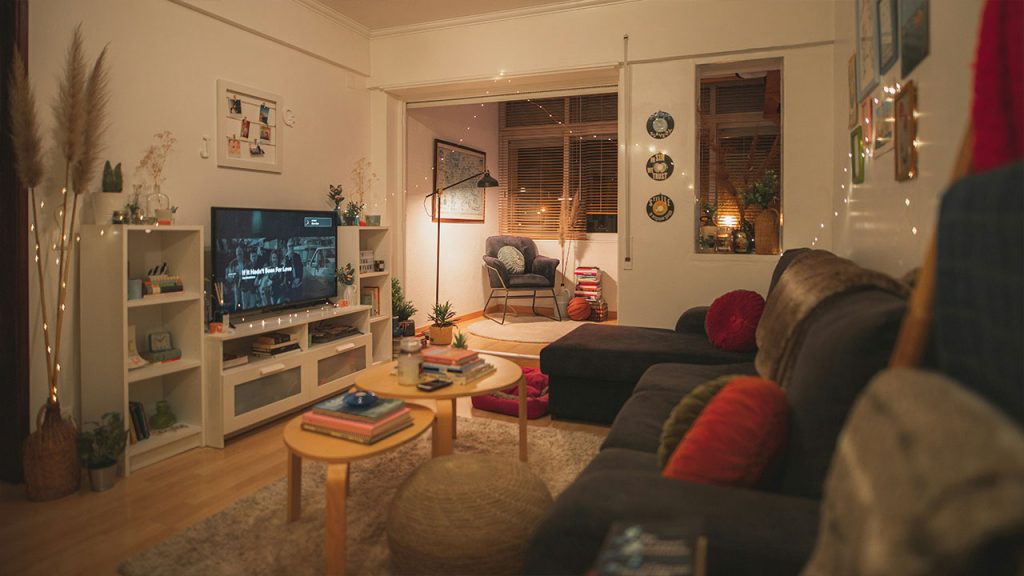
A well-lit room isn’t just about brightness—it’s about layering different light sources to create warmth and depth. Combine overhead lighting with softer task and accent lighting, such as table lamps, sconces, or pendant fixtures. Dimmer switches offer versatility, allowing you to adjust the mood for different times of the day. Natural light should also be maximized with sheer curtains or strategically placed mirrors. The right lighting enhances both the aesthetics and practicality of a space.
9. Create Focal Points to Anchor the Space
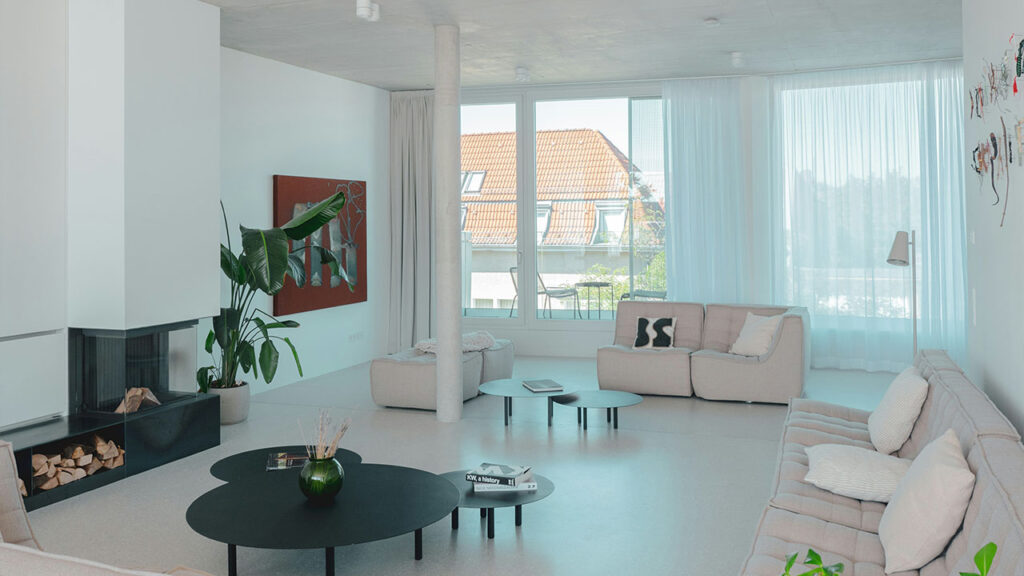
Every well-designed room needs a focal point—something that immediately draws the eye and sets the tone. This could be a fireplace, an eye-catching piece of art, a statement light fixture, or even a bold furniture arrangement. A focal point helps structure the layout and prevents the space from feeling scattered or unbalanced. By anchoring the room with a key feature, the surrounding elements can be arranged harmoniously to complement and enhance the overall design.
10. Keep Clutter Contained for a Polished Feel
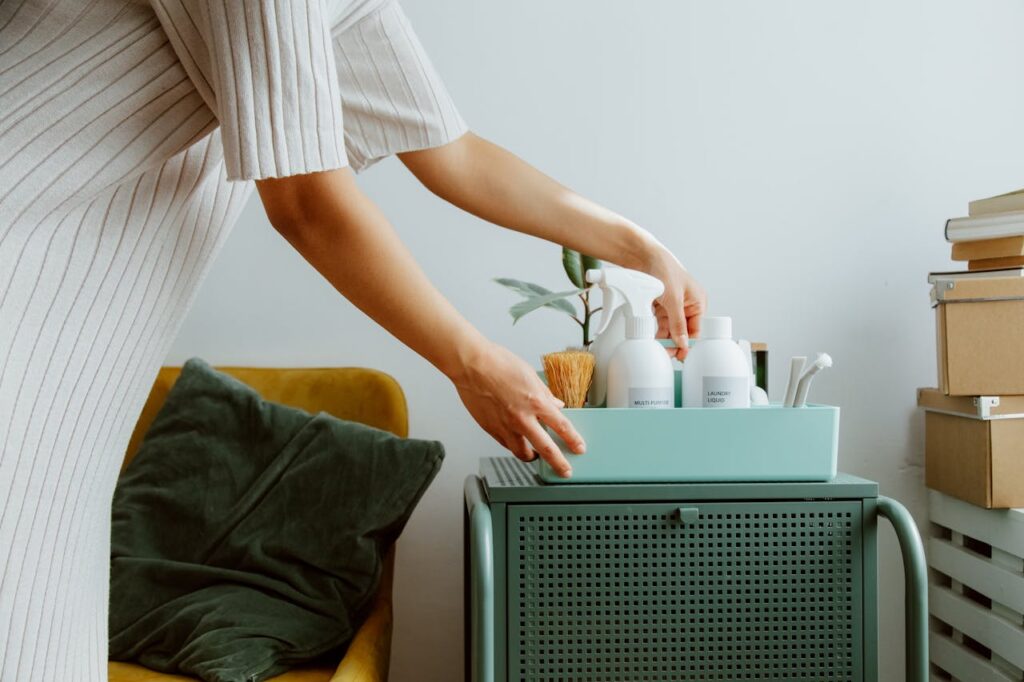
An organized space instantly looks more put-together and relaxing. Instead of eliminating every personal item, focus on stylish containment solutions like decorative baskets, sleek storage ottomans, or built-in shelving. Trays on coffee tables or dressers keep small items grouped neatly, while concealed storage keeps everyday clutter out of sight. The goal is to maintain functionality while ensuring that surfaces remain clean and visually appealing, creating an effortlessly polished look.
11. Play with Heights to Avoid a Flat Look
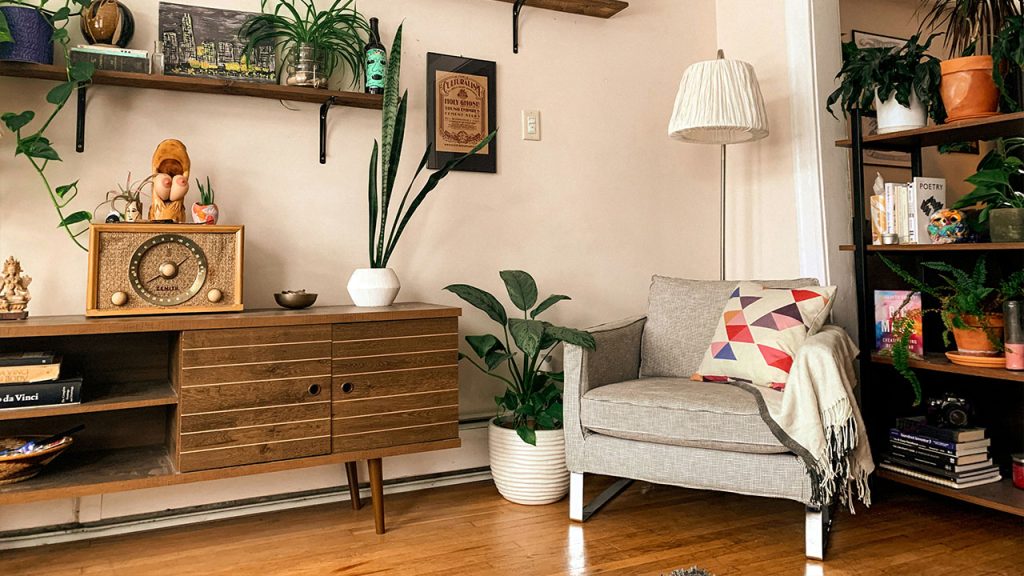
A well-styled space includes variation in height to prevent a monotonous, one-dimensional feel. Mix tall, medium, and low elements when arranging furniture, decor, or shelving displays. A high floor lamp next to a low-profile sofa, or a mix of tall vases with shorter objects on a console, creates a dynamic composition. This principle applies to everything from bookshelves to countertops, ensuring that the eye moves naturally throughout the room rather than getting stuck at a single level.
12. Use Mirrors to Enhance Light and Space
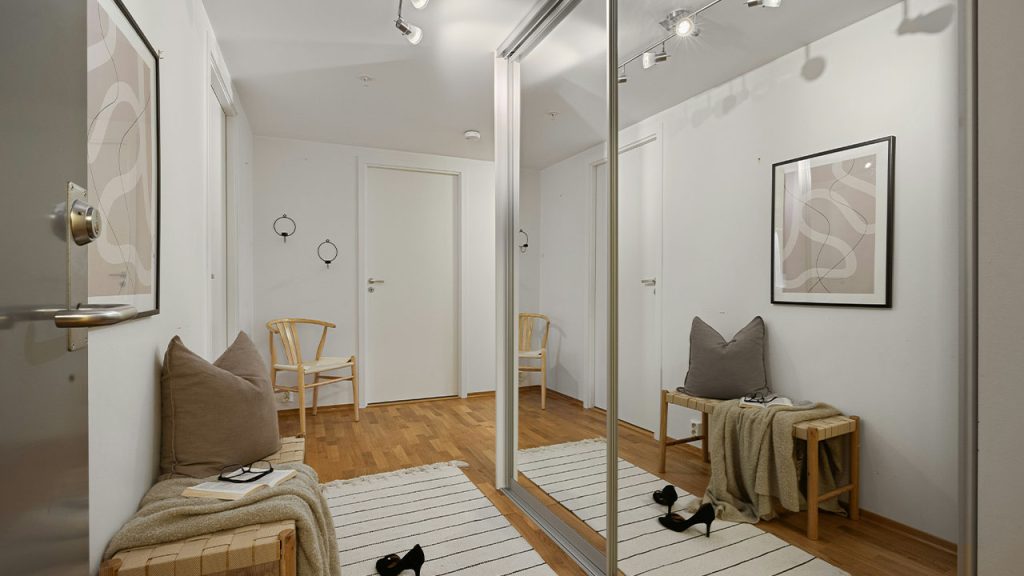
Mirrors are one of the simplest ways to make a room feel larger and brighter. Placing a large mirror opposite a window reflects natural light, making the space feel airier. Leaning a floor mirror against a wall or using mirrored furniture pieces adds depth. In smaller rooms, grouping smaller mirrors creates an interesting focal point while amplifying brightness. Whether framed in antique gold or frameless for a modern touch, mirrors enhance both function and style in any room.
13. Style in Groups of Three for Visual Balance
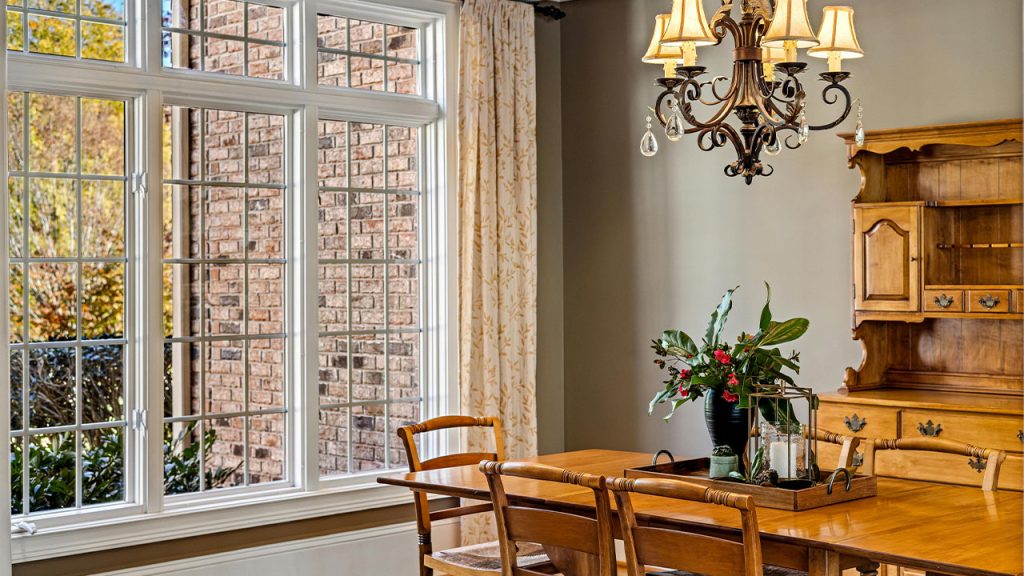
The “rule of three” is a classic design principle that creates a balanced yet dynamic look. Arranging decor in odd-numbered groups—such as three vases of varying heights or a trio of wall art pieces—keeps the composition visually interesting. This technique works on coffee tables, bookshelves, or even when layering pillows on a sofa. The asymmetry of three adds movement and natural appeal while still feeling organized and intentional, making styling effortless and cohesive.
14. Incorporate Multi-Functional Pieces for Versatility
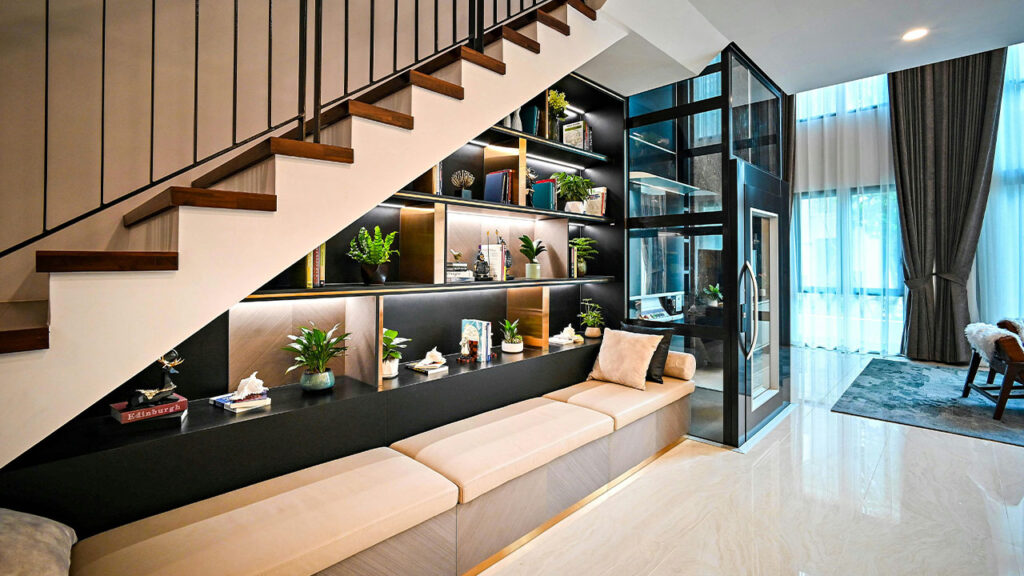
Furniture that serves more than one purpose maximizes both space and practicality. A storage ottoman doubles as seating and hidden storage, while a sleek console table behind a sofa can act as both a display and a workspace. Foldable dining tables, nesting side tables, or a bed with built-in drawers ensure a room remains functional without feeling cluttered. Multi-purpose furniture allows for adaptability, making it easier to style a space that meets your daily needs.
15. Personalize with Art and Meaningful Accessories
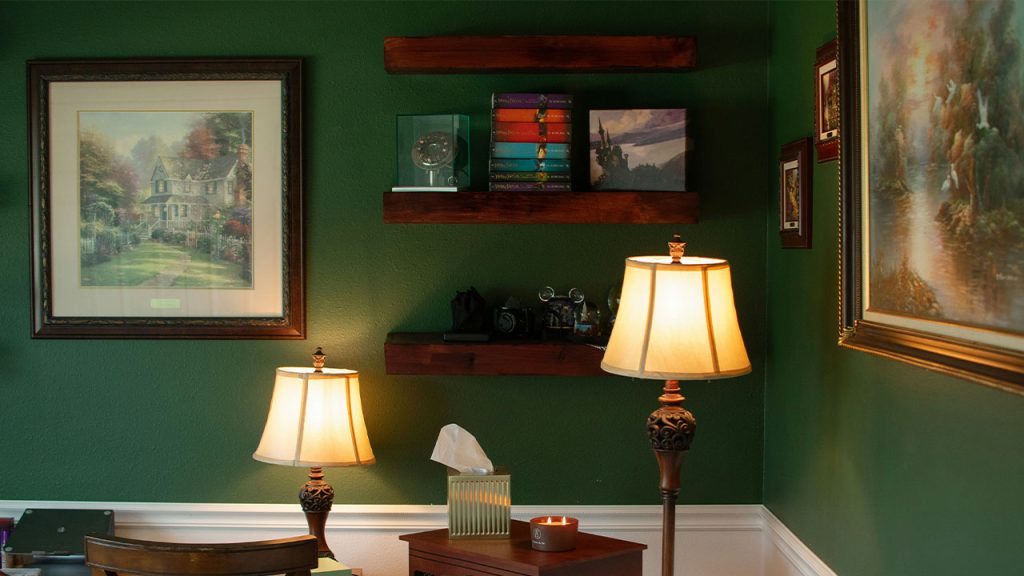
A home should feel like a reflection of its owner, and the best way to achieve that is through personal touches. Instead of filling a space with generic decor, opt for artwork, books, and accessories that tell a story. Whether it’s a gallery wall of travel photos, handmade ceramics, or a vintage clock passed down through generations, these elements add warmth and authenticity. Personal details make a space feel curated rather than staged, ensuring it’s both stylish and deeply personal.
This article was created with the assistance of AI but thoroughly edited by a human being.