

Understanding how water behaves can reveal when fish are most energetic and ready to strike. Subtle shifts in movement, clarity, temperature, and surface activity often signal that feeding patterns have begun. These signs help anglers time their casts more effectively and select the appropriate techniques for each moment. By observing these natural indicators, you can read the water like a map and spot the exact windows when fish grow more aggressive. The following conditions make it easier to predict feeding behavior without relying on luck. Each point focuses on clear, visible cues that improve awareness and help turn ordinary fishing trips into more productive ones.
1. Consistent Surface Ripples in Calm Water
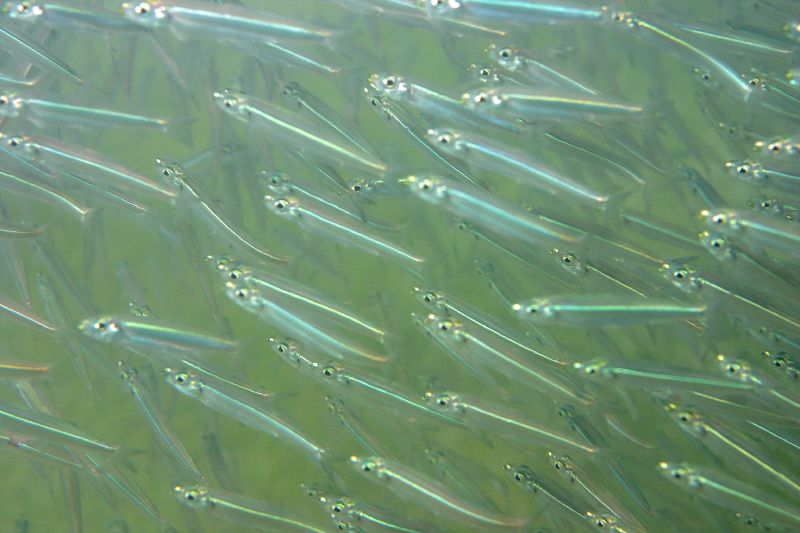
When smooth water suddenly forms steady ripples, it typically indicates that care is moving near the surface while trying to escape predators. These ripples appear in small clusters or narrow lines and tend to move in quick, jerky patterns. Larger fish often chase smaller fish upward, creating noticeable waves that break the calm surface. The behavior becomes more obvious during early morning or late evening when light winds make it easier to see subtle movement. Watching the direction and speed of these ripples helps you position your cast more accurately. This simple visual cue often reveals exactly where fish are feeding most actively.
2. Sudden Bursts of Bubbles Rising Upward

Bubbles rising consistently from one area of the water often signal feeding fish disturbing the bottom or chasing prey. These bubbles differ from natural gas pockets or decaying vegetation because they appear in quick bursts and spread outward with motion. Feeding fish frequently stirs silt or disturbs underwater plants, releasing trapped air as they move. If the bubbles keep reappearing in the same location, it suggests a school feeding instead of a single fish passing through. This condition becomes even more reliable in lakes or slow rivers where the surface stays still. Observing bubble behavior helps pinpoint active feeding zones with impressive accuracy.
3. Clear Breaks in Surface Tension

When feeding begins, fish repeatedly disrupt the water’s surface tension, leaving tiny dents, swirls, or vibrations that catch the light. These marks often appear as soft circles spreading outward or fast flickers near shallow edges. The breaks typically repeat in a pattern, showing that fish are returning to the same area. They become easier to notice early in the day when the water has not been disturbed by boats or wind. Anglers who learn to spot these delicate marks can detect feeding activity long before fish jump or strike visibly. Surface tension breaks reveal action that many people overlook.
4. Murky Streaks Mixed With Clear Water
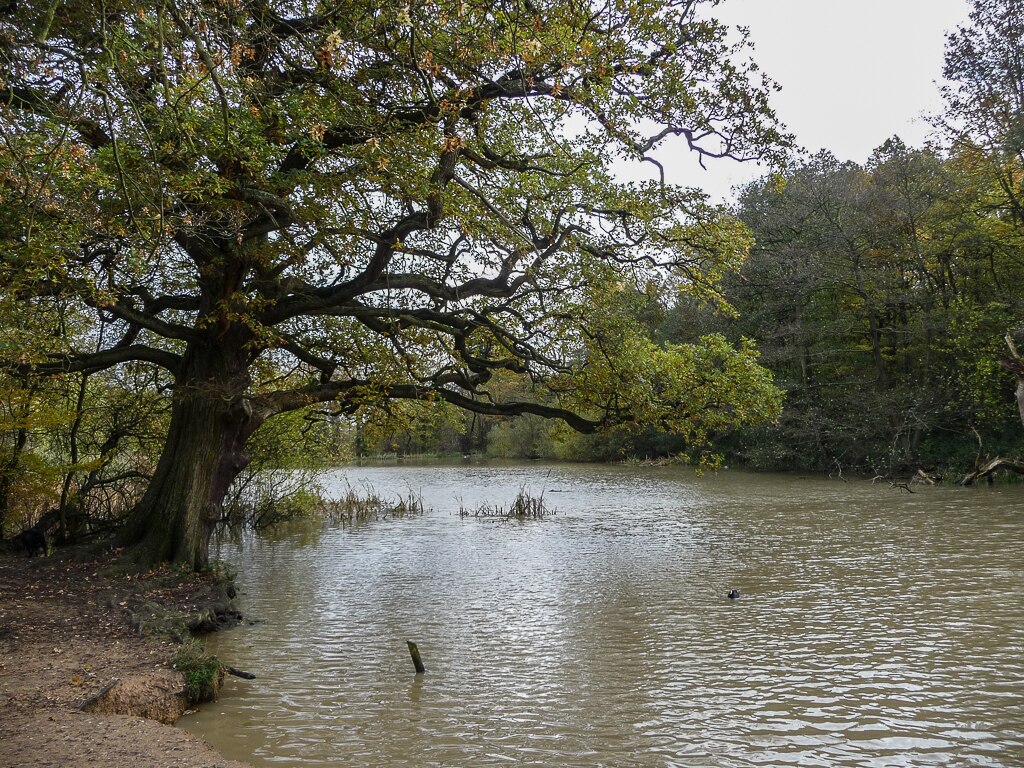
Long streaks of slightly murky water mixed with clear zones often indicate feeding fish pushing silt or sand into the current. Predators like bass or catfish frequently dig into softer bottoms when hunting, releasing clouds that drift slowly along the surface. These streaks keep a consistent shape rather than blending immediately with the surrounding water. The contrast becomes more visible on sunny days when the discoloration creates sharp edges. Following the movement of these streaks helps track active fish that may remain hidden below. This condition is especially common along drop-offs and shallow shelves where prey gathers.
5. Tight Groups of Jumping Baitfish
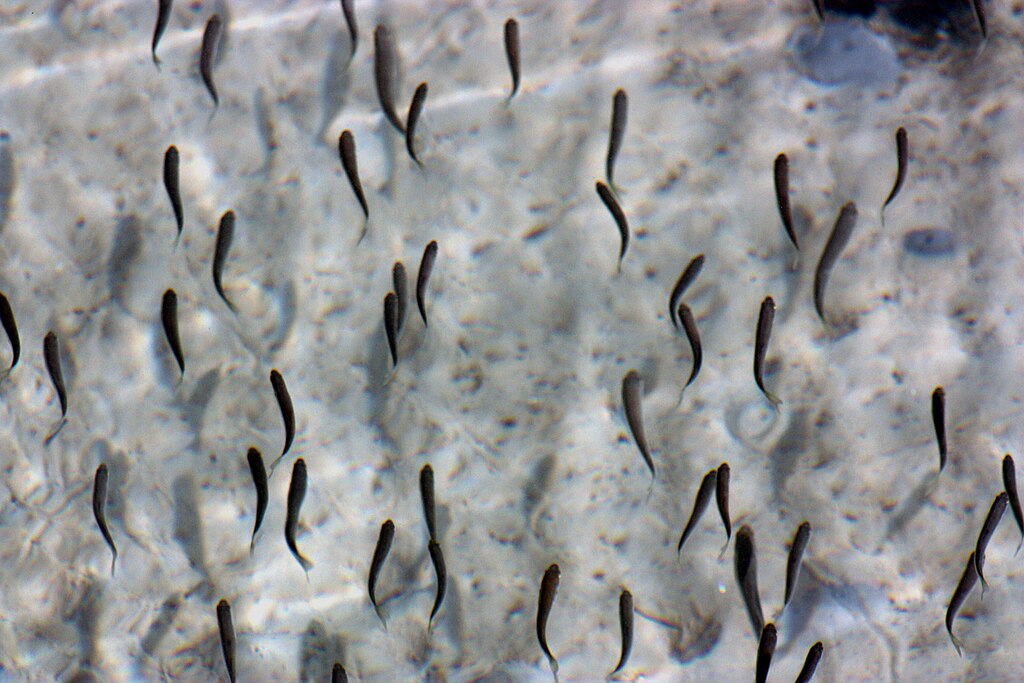
When small fish leap repeatedly in tight clusters, they are usually trying to escape predators feeding below. These jumps form a predictable pattern, sometimes creating flashes of silver as sunlight reflects off their scales. Active predatory fish chase them upward, often striking close behind or beneath the group. The more rapid and frantic the movement becomes, the more aggressive the feeding underneath. This visual sign appears frequently during dawn or dusk when baitfish gather near shorelines. Spotting these clusters allows you to cast directly into high-energy zones where strikes are more likely
6. Constant Swirling Near Underwater Structure
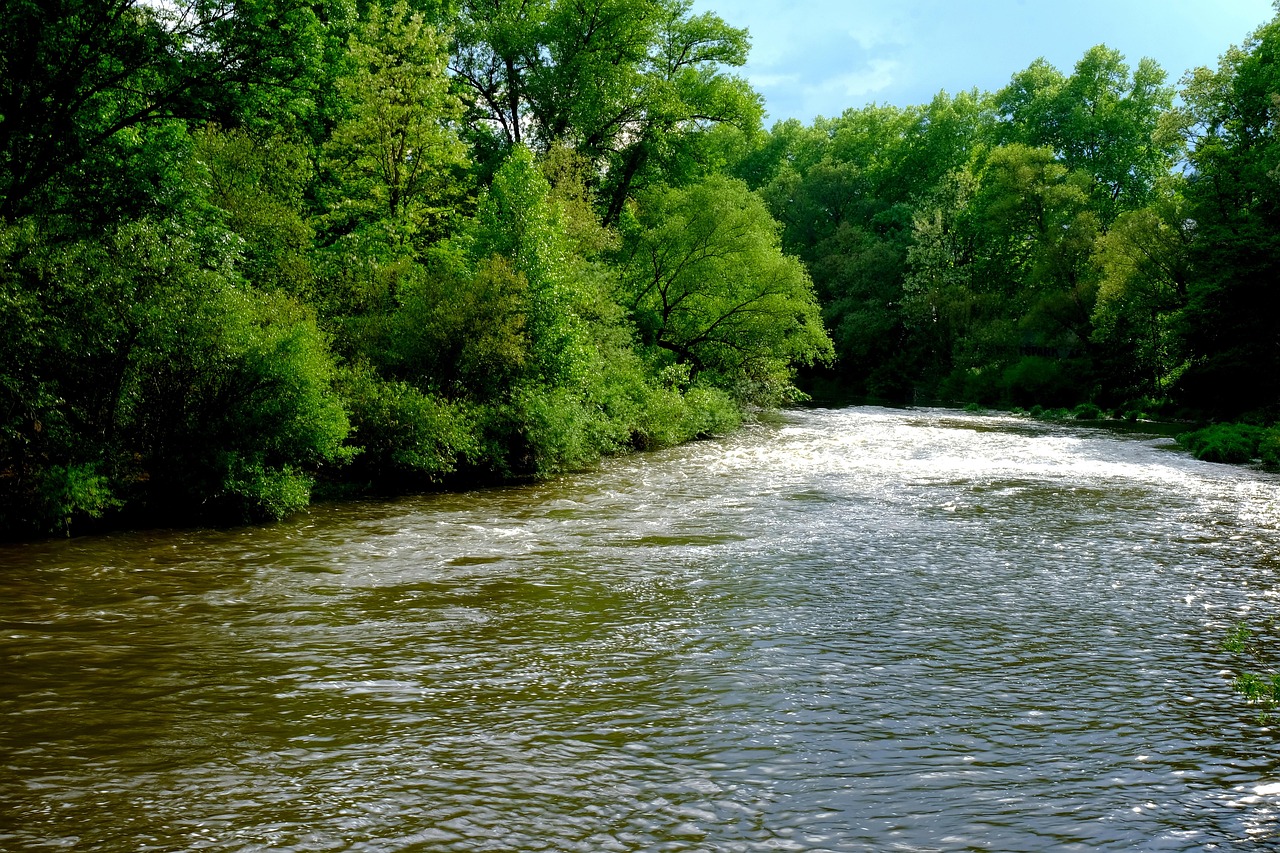
Swirling movements near logs, rocks, or submerged brush often signal predators cornering prey in tight spaces. These swirls appear as rounded disturbances that fade outward and reform quickly. Fish use underwater structures to trap smaller fish, making the activity more concentrated. When the swirls repeat in the same spot, feeding is usually happening just beneath the surface. This sign becomes most common in rivers or lakes with complex bottom terrain. Watching for repeated circular movement helps confirm that fish are hunting actively around structure rather than simply passing by. Casting near these patterns can produce fast results.
7. Sharp Temperature Drops in Shallow Areas
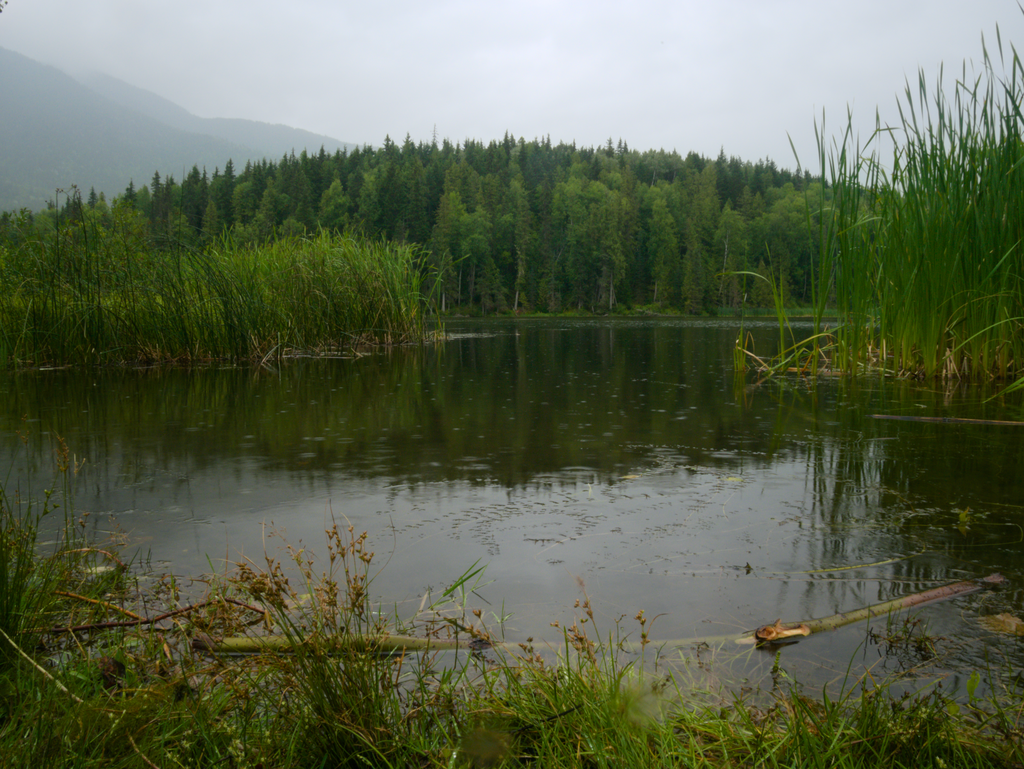
Fish often feed during sudden decreases in shallow water temperature because cooler water brings more oxygen and increases their activity. These drops occur after rain, during cloudy conditions, or when cold groundwater enters the area. The temperature change attracts baitfish first, and predators soon follow. You may notice more surface movement or increased speed in the water flow. Fish prefer these cooler pockets because they offer better energy efficiency during feeding. Using a simple thermometer helps confirm whether the shift is strong enough to trigger aggressive behavior. When readings fall quickly, feeding windows usually open.
8. Increased Activity Around Shade Lines
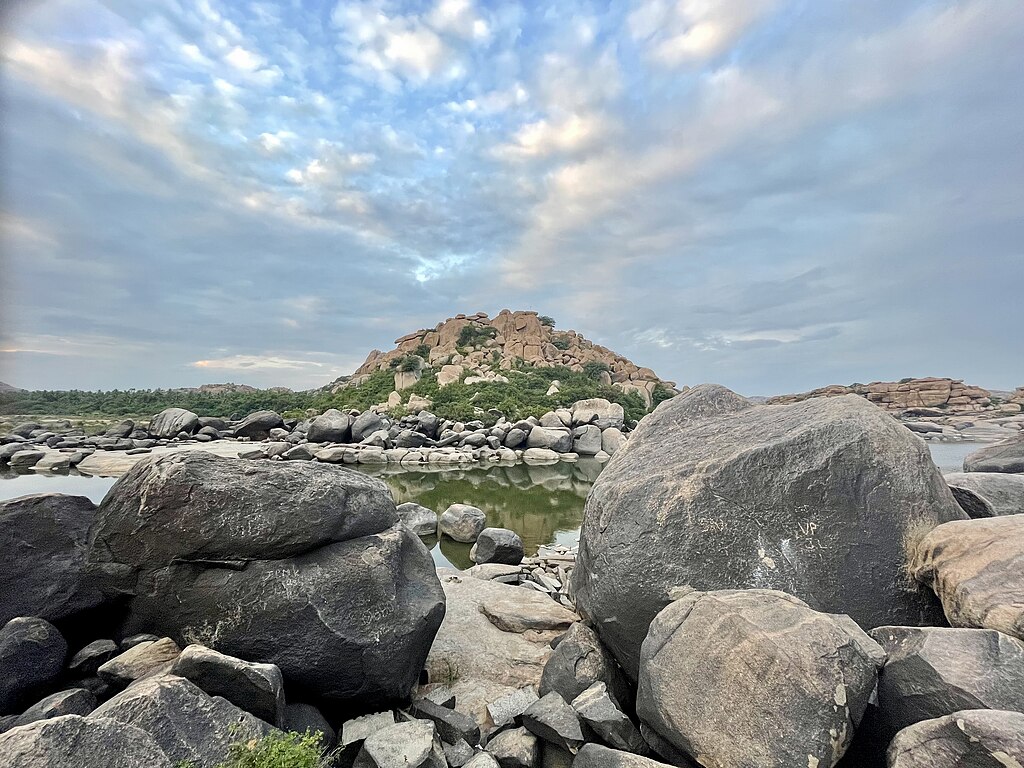
Shaded water often attracts feeding fish because prey species use darker areas for protection. When fish are actively feeding, the edge of the shadow becomes a lively zone filled with subtle splashes, flickers, or swirls. The movement grows stronger during hot afternoons when fish avoid bright light and gather along cooler strips beside trees, rocks, or docks. The line where sunlight meets shade becomes a natural hunting corridor. Watching this boundary helps anglers cast with greater precision and anticipate strikes. The behavior remains consistent across lakes, rivers, and ponds whenever temperatures rise.
9. Sudden Wind Shifts Creating Fresh Ripples
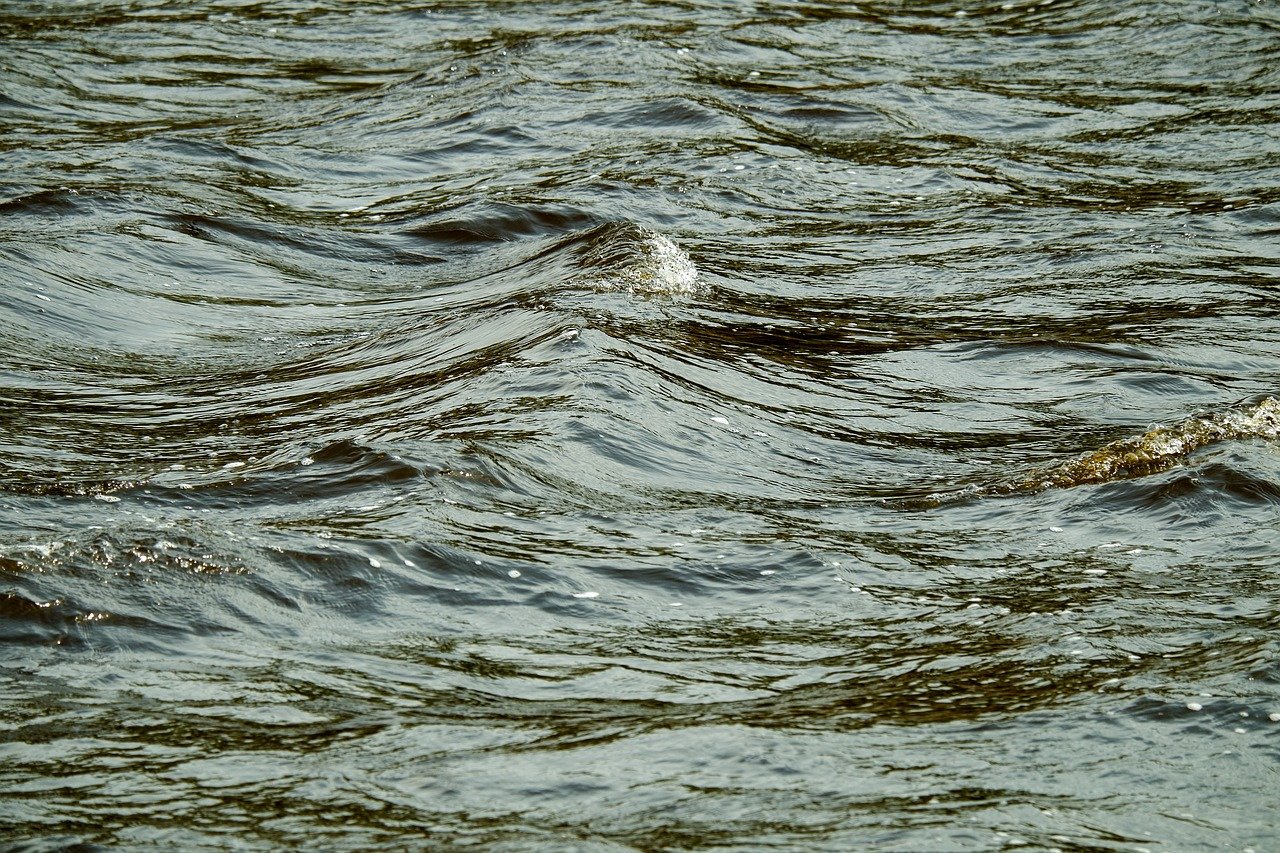
A quick wind change can concentrate baitfish, creating new ripples where predators immediately gather to feed. Fish often move toward areas where wind pushes surface food, forming natural feeding lanes. When these ripples appear suddenly and grow in organized lines, it usually signals active movement underneath. The feeding becomes more noticeable when stronger gusts break up the surface and push prey into narrow stretches. Understanding how wind shapes water helps anglers position themselves in the most productive zones. Even small shifts in direction can trigger a burst of feeding behavior.
10. Distinct V-Shaped Wakes Near the Surface
When fish swim near the surface during feeding, they create visible V-shaped wakes that glide forward with consistent motion. These wakes often appear during low-light hours when fish chase prey upward. The shape becomes sharper and more pronounced when predators move quickly, especially in shallow water. Following the direction of these wakes helps track feeding fish as they travel across small coves or open shorelines. When multiple wakes appear together, it usually signals a group actively hunting juvenile baitfish. This simple sign is easy to observe and highly reliable.
11. Repeated Flashes Beneath the Surface

Flashes of silver or white beneath the surface often indicate fish turning sharply while chasing prey. Light reflects off scales during sudden movements, creating quick strobe-like glimmers. These flashes become more frequent when fish strike aggressively or gather in schools. The pattern usually appears in relatively clear water where visibility is decent. Anglers who scan for these glimmers can detect feeding zones long before surface splashes occur. Flashes show not only where fish are feeding but also give clues about their direction and intensity. They act like underwater signals pointing to active movement.
12. Slow-Moving Foam or Debris Lines
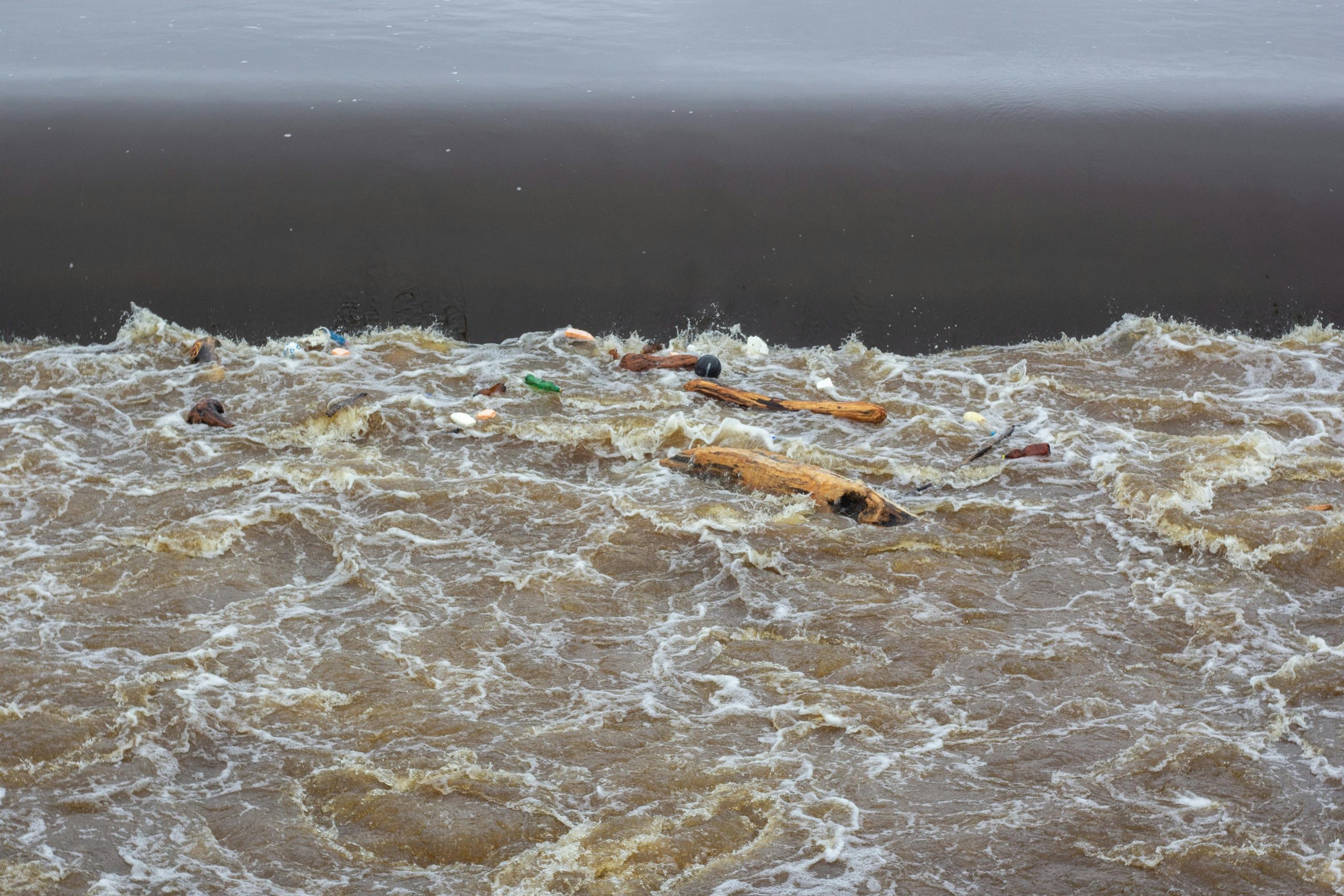
Foam lines or drifting debris that move slowly across the surface often gather insects and tiny particles. Fish feed under these lines because they act like natural conveyor belts, bringing food directly to them. The water underneath becomes a hotspot filled with small swirls, flickers, or faint bubbles. When these lines remain stable instead of scattering, feeding behavior typically increases. This phenomenon is common after light rain or along gentle currents. Observing foam lines helps identify feeding paths that may not be obvious from splashes or surface breaks. Casting along these lines can produce steady results.
13. Currents That Suddenly Speed Up or Slow Down
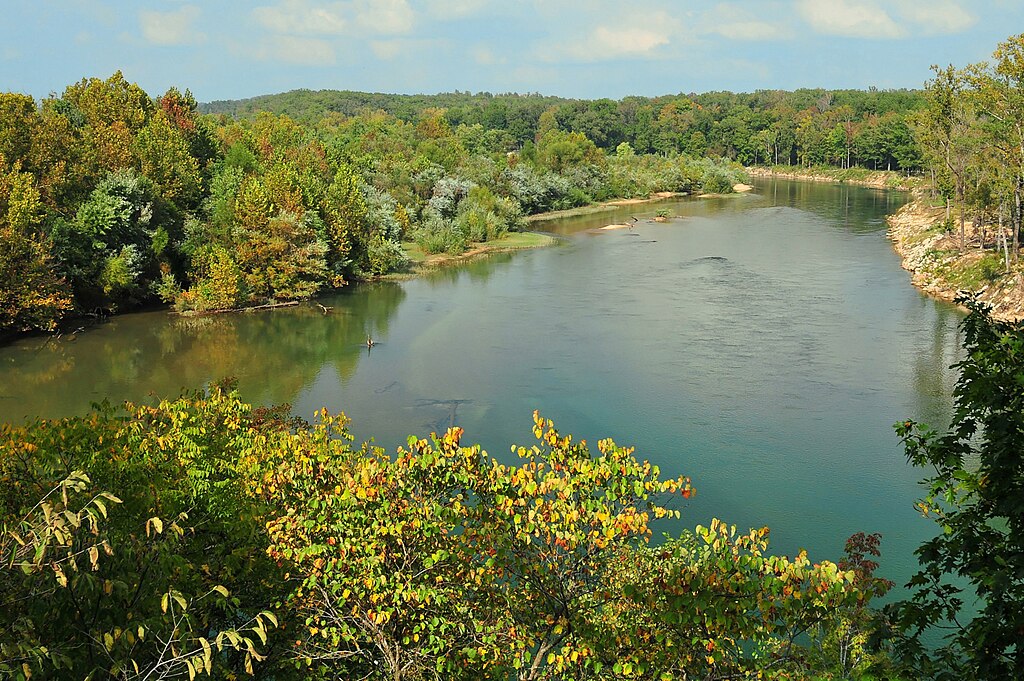
Shifts in current speed often trigger feeding because fish take advantage of changing flow to ambush prey. Faster currents push food into tight channels, while slower pockets let predators conserve energy as they hunt. When you notice water moving differently from the surrounding flow, it usually signals a transition zone filled with activity. Fish gather at these boundaries to wait for baitfish swept into manageable spots. Watching how currents bend, fold, or split helps identify prime feeding windows. These changes often occur near bends, drop-offs, or narrow river openings.
14. Shimmering Patterns on the Surface

When the surface forms shimmering patches that look like shifting glass, it often indicates fish feeding just below. These patterns appear when groups of fish create gentle vibrations while moving in unison. The effect becomes clearer during bright sunlight when reflections highlight the movement. These shimmering areas are usually wider than typical surface ripples and tend to drift slowly as the school moves. Observing these patterns helps anglers identify larger groups feeding together. Casting near the edges of the shimmer often leads to more consistent strikes.
15. Repeated Small Splashes in One Area
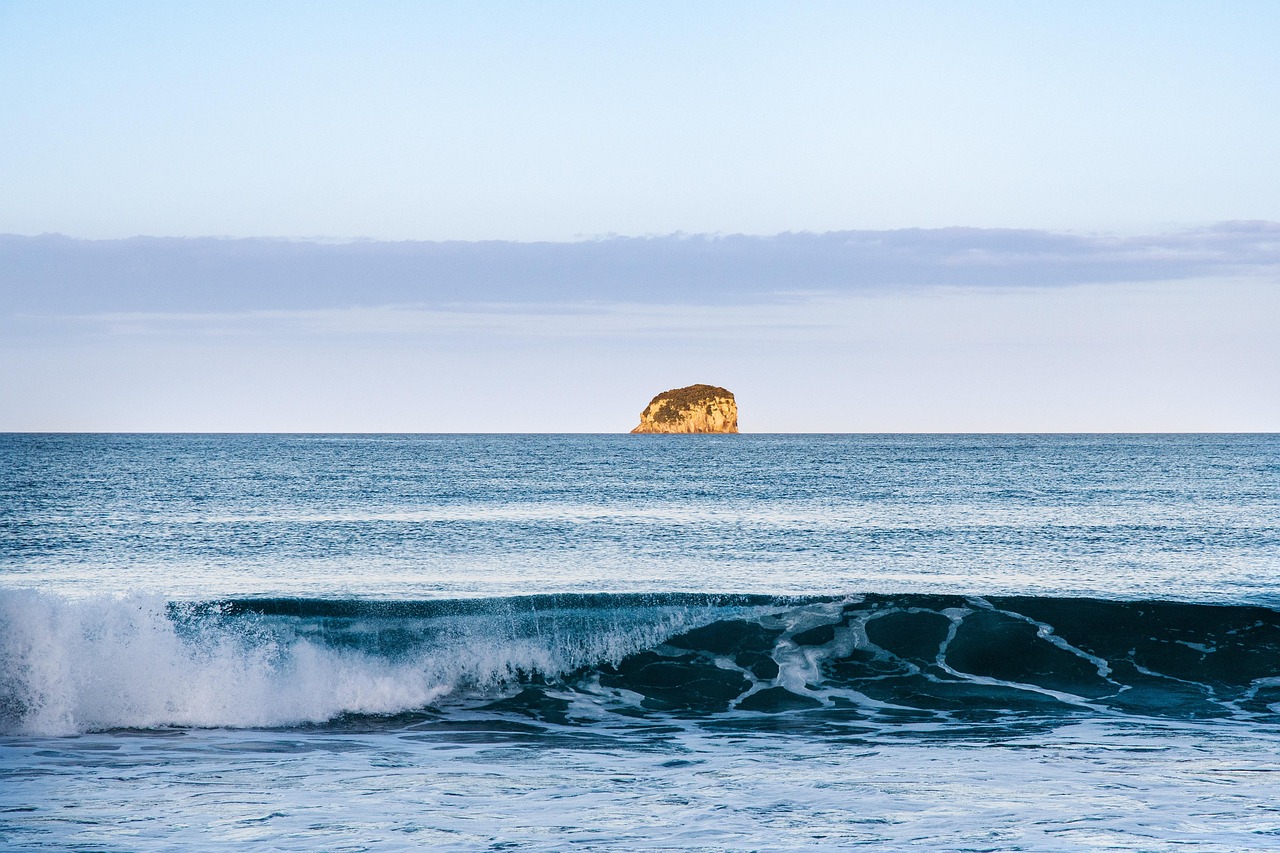
Small splashes that repeat in the same location often signal baitfish fleeing from predators feeding below. These splashes are lighter and more frequent than those caused by jumping fish. They appear in quick bursts, creating tiny droplets that catch the light. The behavior becomes more common during dawn, dusk, or cloudy weather when predators move upward. When the splashes continue steadily, it usually means the feeding cycle is strong and ongoing. This visual cue helps anglers target active zones without guesswork. Casting into the commotion increases the chances of immediate action.
The post 15 Water Conditions That Mean Fish Are Actively Feeding appeared first on Bushcraft Base Camp.