
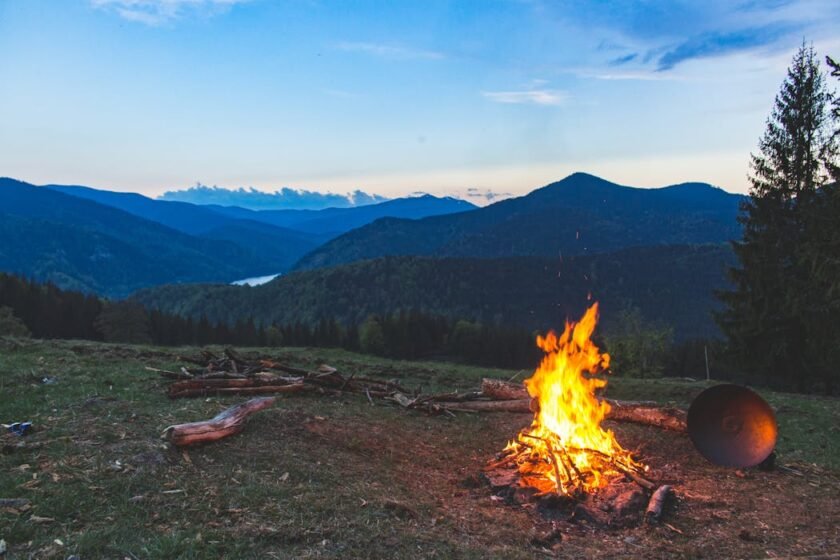
Many natural environments contain materials that continue to ignite even after exposure to rain, fog, or damp ground, offering reliable fire-starting options for campers and outdoor travelers who navigate unpredictable weather. These materials often contain oils, resins, or structural features that resist moisture and hold flammable compounds within protected layers. Their ability to catch sparks and maintain flame has supported generations of foragers, hikers, and wilderness communities, revealing the remarkable adaptability of plants and natural fibers. In wet forests, coastal regions, and mountainous terrain, these resources often become essential when firewood becomes too saturated to burn easily. Understanding how these materials work helps travelers appreciate the ingenuity found in nature and the ways various plants have evolved to survive moisture while still retaining their ability to ignite. Each material provides a dependable option for building warmth, signaling for help, or preparing meals when conditions remain far from ideal.
Fatwood
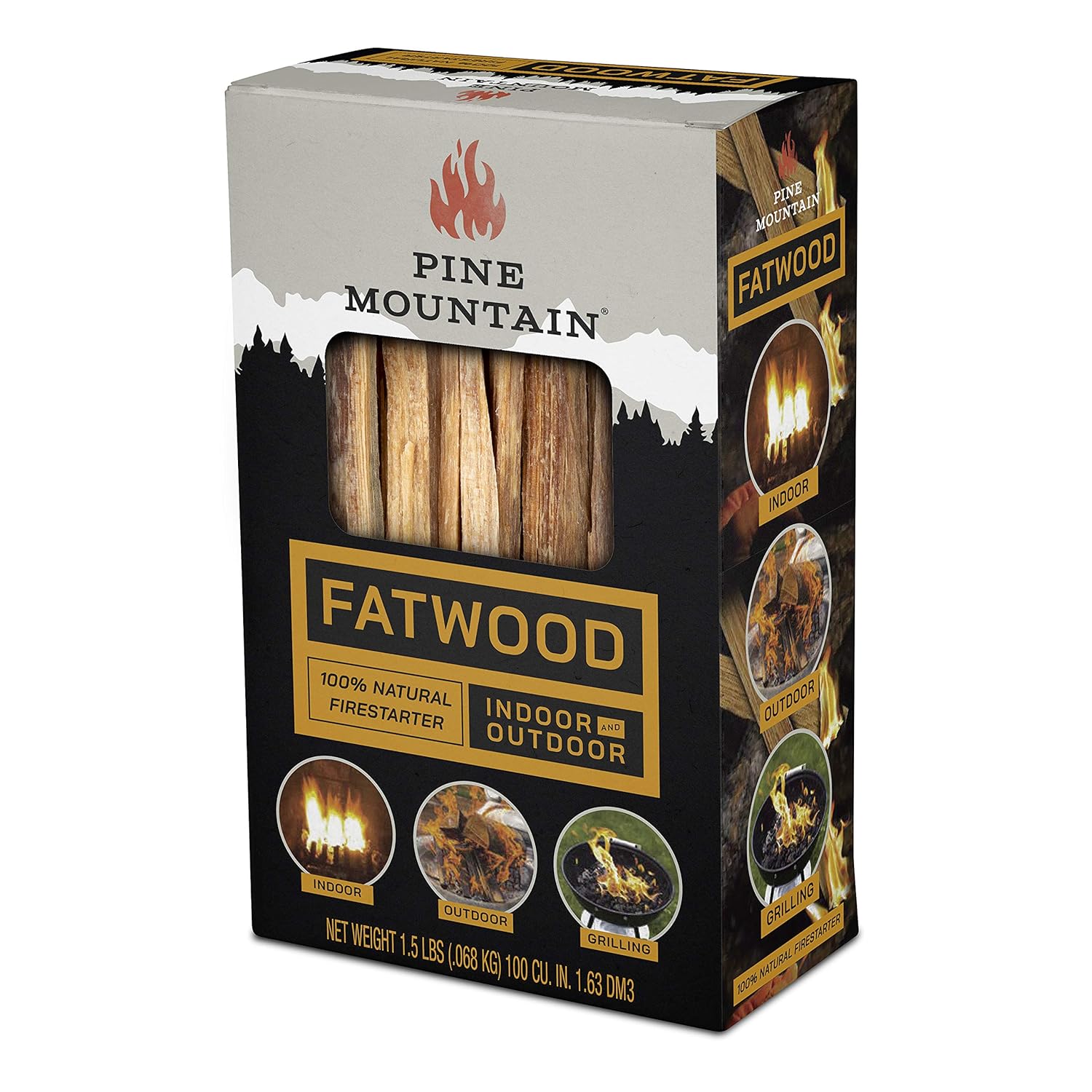
Fatwood remains one of the most dependable fire-starting materials in wet conditions due to its exceptionally high resin content, which concentrates in the heartwood of pine stumps and fallen trees. The resin saturates the wood with flammable oils that resist moisture, allowing pieces to ignite even after heavy rain or prolonged humidity. Travelers often shave small curls from fatwood to create tinder that lights quickly with a spark or match, producing a steady flame strong enough to dry out damp kindling. Its rich scent and bright burn make it both practical and recognizable in outdoor settings. Because pine forests are common across large regions of the United States, fatwood remains readily accessible to those who know where to look. Its ability to burn despite wetness reflects the tree’s natural response to injury and decay, resulting in a resource that continues to support fire building in unpredictable weather.
Birch Bark
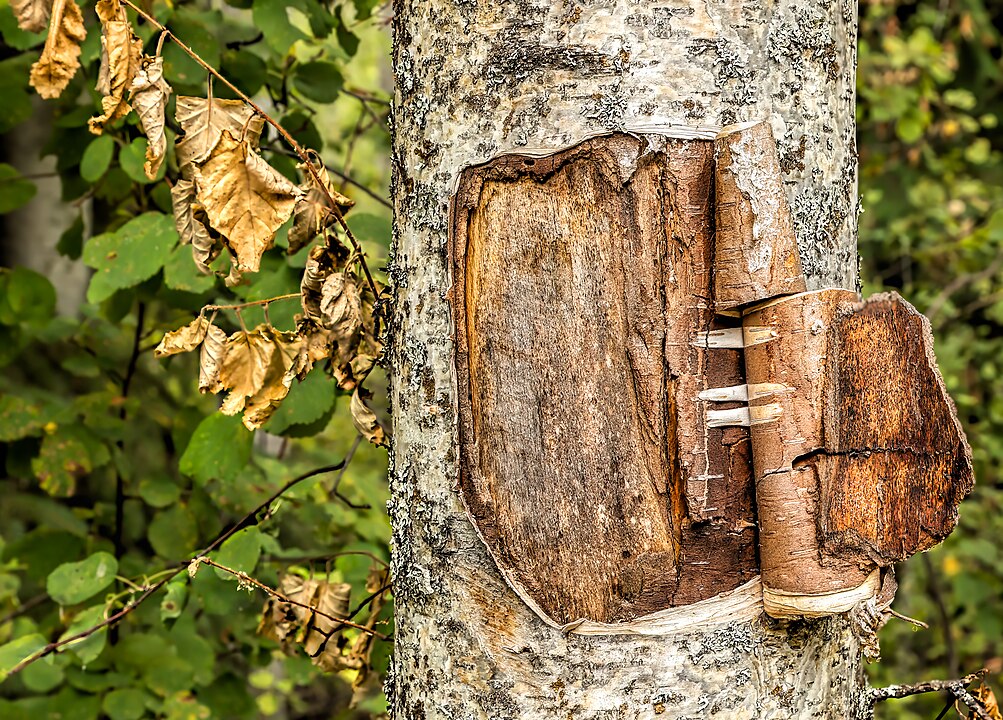
Birch bark maintains strong ignition potential even when wet because its thin, papery layers contain natural oils that repel moisture and ignite with surprising ease. These oils allow the bark to burn hot and fast, making it a valuable mulch-like tinder source in northern forests where birch trees grow abundantly. Travelers can peel small sections from fallen logs or loose outer bark without harming living trees, ensuring a sustainable collection process. The bark’s structure protects inner layers from saturation, allowing it to catch sparks even during steady rainfall. Once ignited, birch bark burns with a bright flame capable of warming nearby materials. Its resilience reflects the birch tree’s adaptation to cold, wet climates, where durable outer bark helps protect the trunk. This combination of protective oils and layered construction helps birch bark remain a reliable ignition material across many seasons and forest conditions.
Cattail Fluff
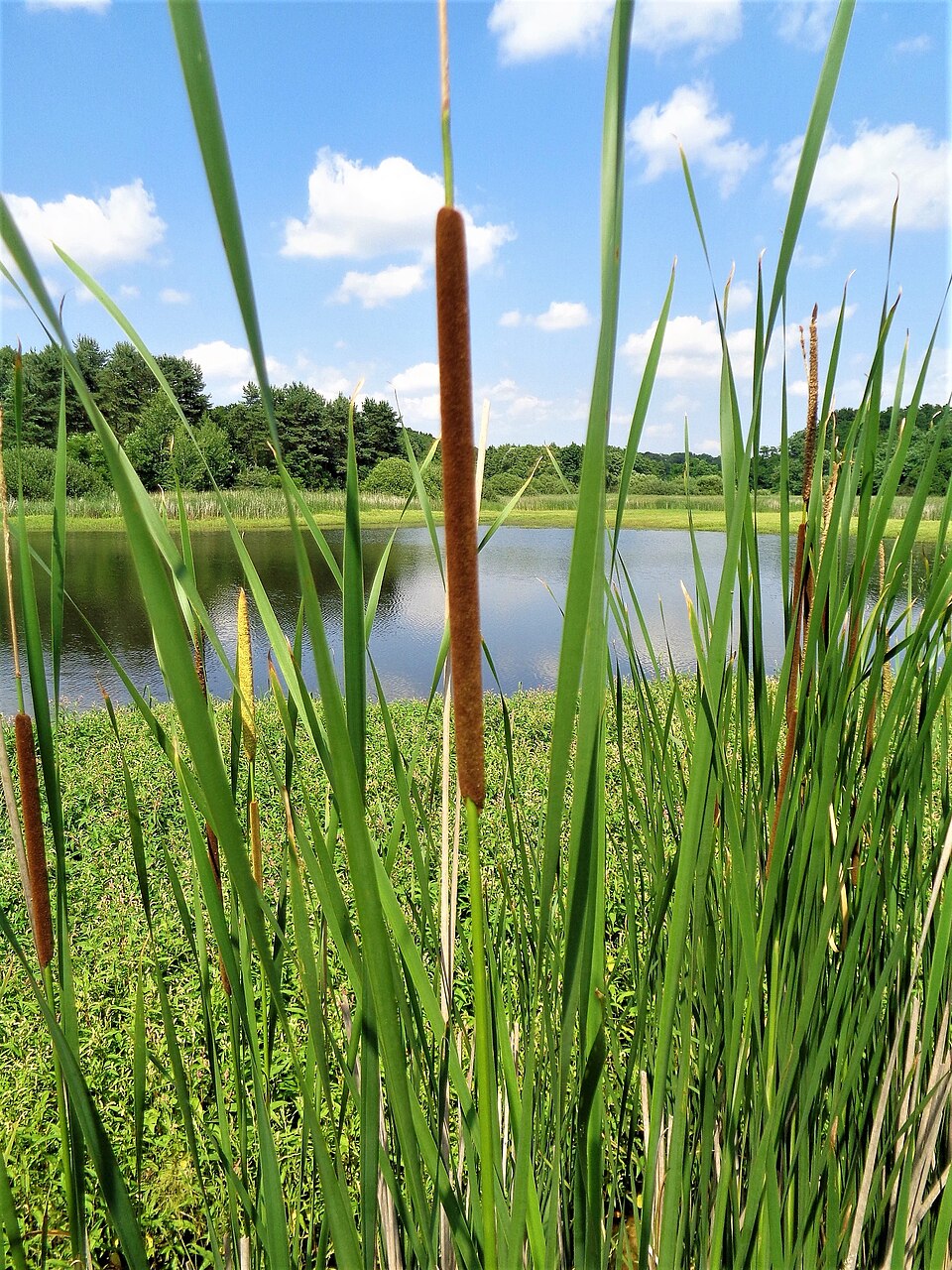
Cattail fluff ignites quickly because its delicate fibers contain air pockets that help it dry rapidly and catch sparks with minimal heat. Even when gathered from marshy areas, cattail fluff can be fluffed by hand to release moisture trapped near the outer layers, restoring its soft, floaty texture that burns almost instantly. Travelers often collect small bundles from dried seed heads near ponds, wetlands, or slow-moving riverbanks where cattails flourish. While cattail fluff burns fast rather than steadily, it provides a crucial ignition source when paired with twigs or resin-rich materials that maintain flame. Its widespread distribution across North America and its ability to shed moisture quickly make it one of the most reliable natural tinder in damp environments. The plant’s structure evolved to disperse seeds efficiently, but these same qualities create a naturally combustible material useful in wet outdoor conditions.
Cedar Bark
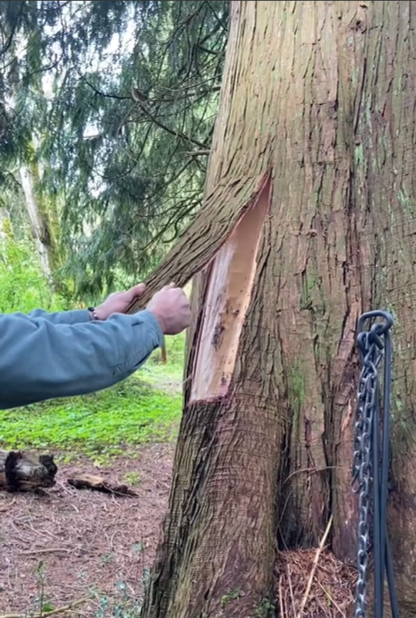
Cedar bark retains its flammability in wet environments because its fibrous inner layers peel away into soft, airy strands that dry quickly and ignite with ease. Cedar trees produce natural oils that help repel moisture, allowing even damp bark to burn when shredded or scraped into fine tinder. Travelers can often find cedar bark hanging loosely from dead branches or fallen trunks where the inner fibers remain protected from prolonged rainfall. When sparked, these fibers burn steadily enough to ignite small sticks or forest debris that may still hold moisture. The warm, aromatic smoke produced by burning cedar adds to its appeal in outdoor settings. For generations, cedar bark has served as a dependable fire starter in northern, coastal, and mountainous regions where wet conditions frequently challenge traditional tinder sources. Its combination of resilience and accessibility helps solidify its place among nature’s most reliable fire-building materials.
Old Man’s Beard Lichen
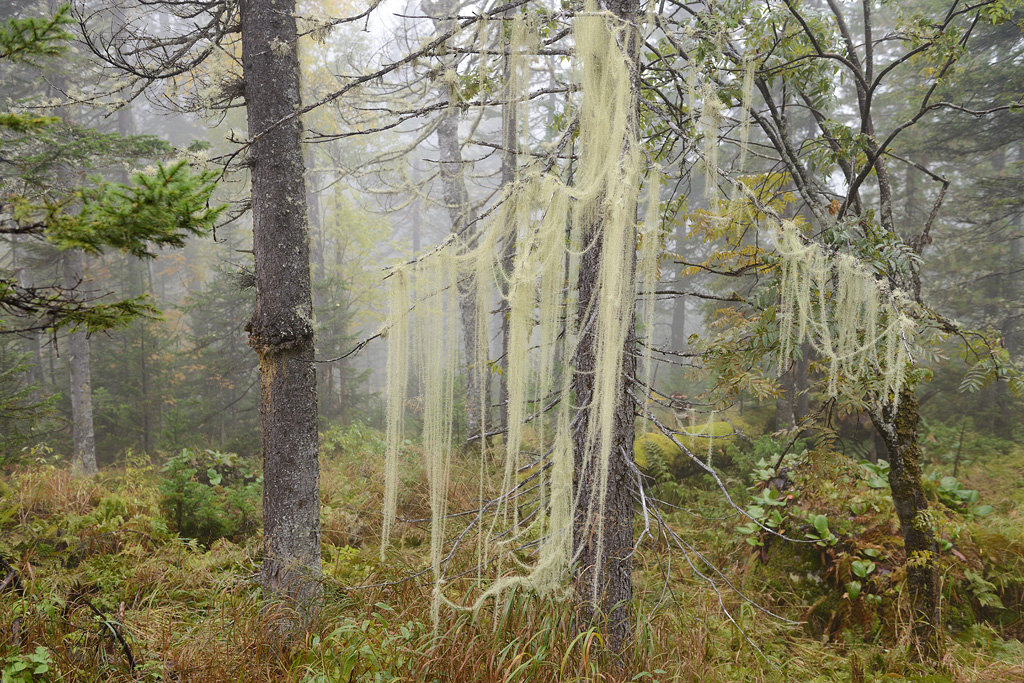
Old Man’s Beard lichen burns well even when damp because its light, airy structure prevents deep saturation and allows it to dry quickly in gentle breezes. Found hanging from branches in conifer and mixed forests, this lichen often remains accessible on trees even when the ground materials become soaked by rain. When collected and gently crumbled, it forms a loose bundle that accepts sparks readily and burns long enough to help ignite larger tinder. Travelers appreciate its availability in high-altitude and northern forests where moisture levels fluctuate constantly. The lichen’s resilience stems from its ability to absorb and release water efficiently, a trait that supports its survival in diverse climates. Its ability to ignite despite wetness demonstrates how nature’s simplest organisms can become essential resources when fire-starting becomes difficult.
Resin-Soaked Pine Needles
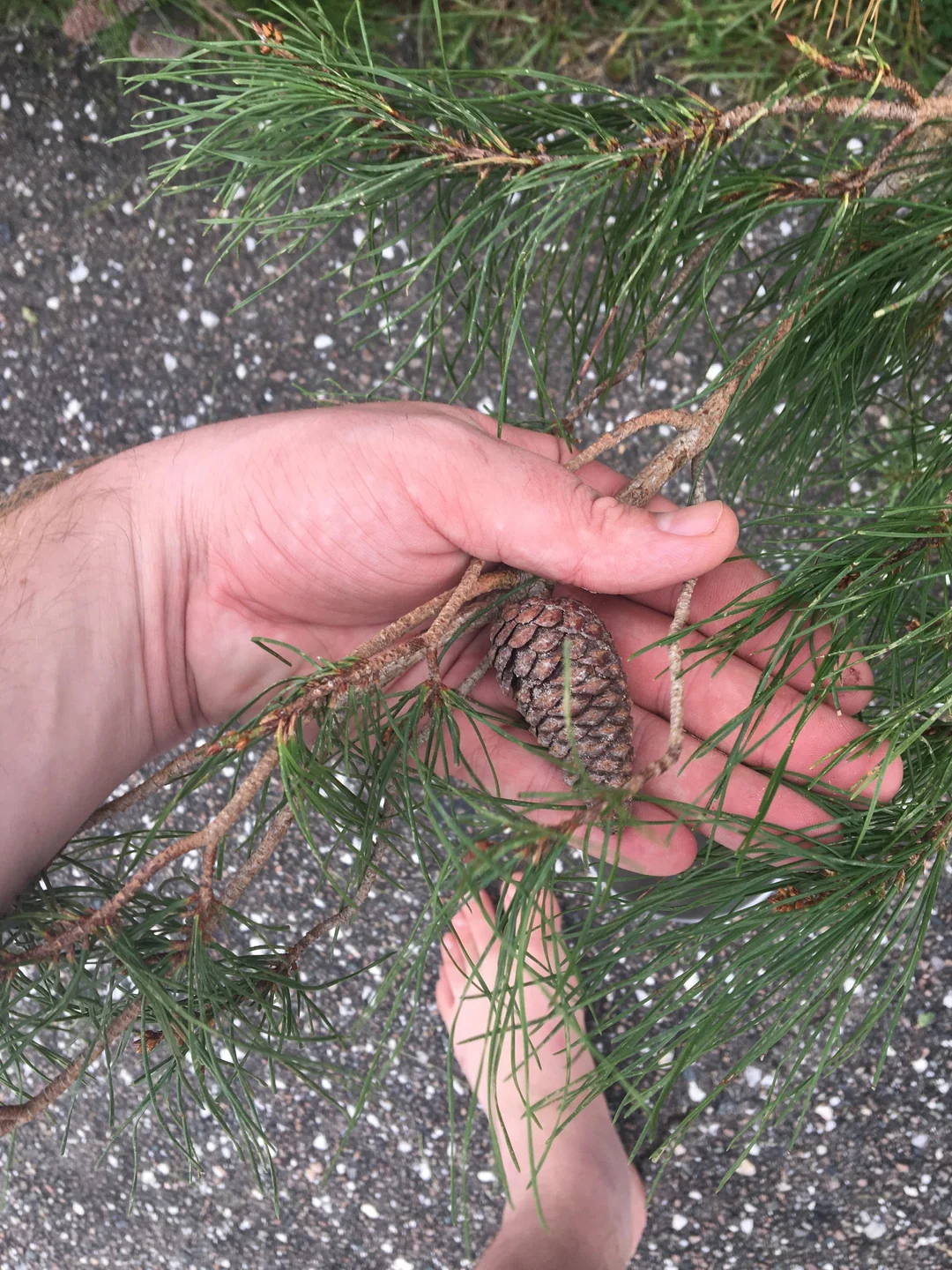
Resin-soaked pine needles ignite effectively because resin coats the needles with flammable oils that resist moisture and burn with a hot, sharp flame. These needles often collect near broken branches or at the bases of damaged pine trees, where resin naturally accumulates. Even after rainfall, the resin’s protective layer prevents deep water absorption, keeping the needles ready to burn once sparked. Travelers frequently gather small handfuls of these needles to create a foundation for building a larger fire, as their fast ignition helps compensate for damp materials nearby. The scent of burning resin and the bright flames make pine needles both practical and effective. Their presence in many coniferous forests ensures a consistent supply for fire building, reinforcing the importance of resin as a natural defense mechanism that ultimately aids outdoor travelers in wet conditions.
Juniper Bark
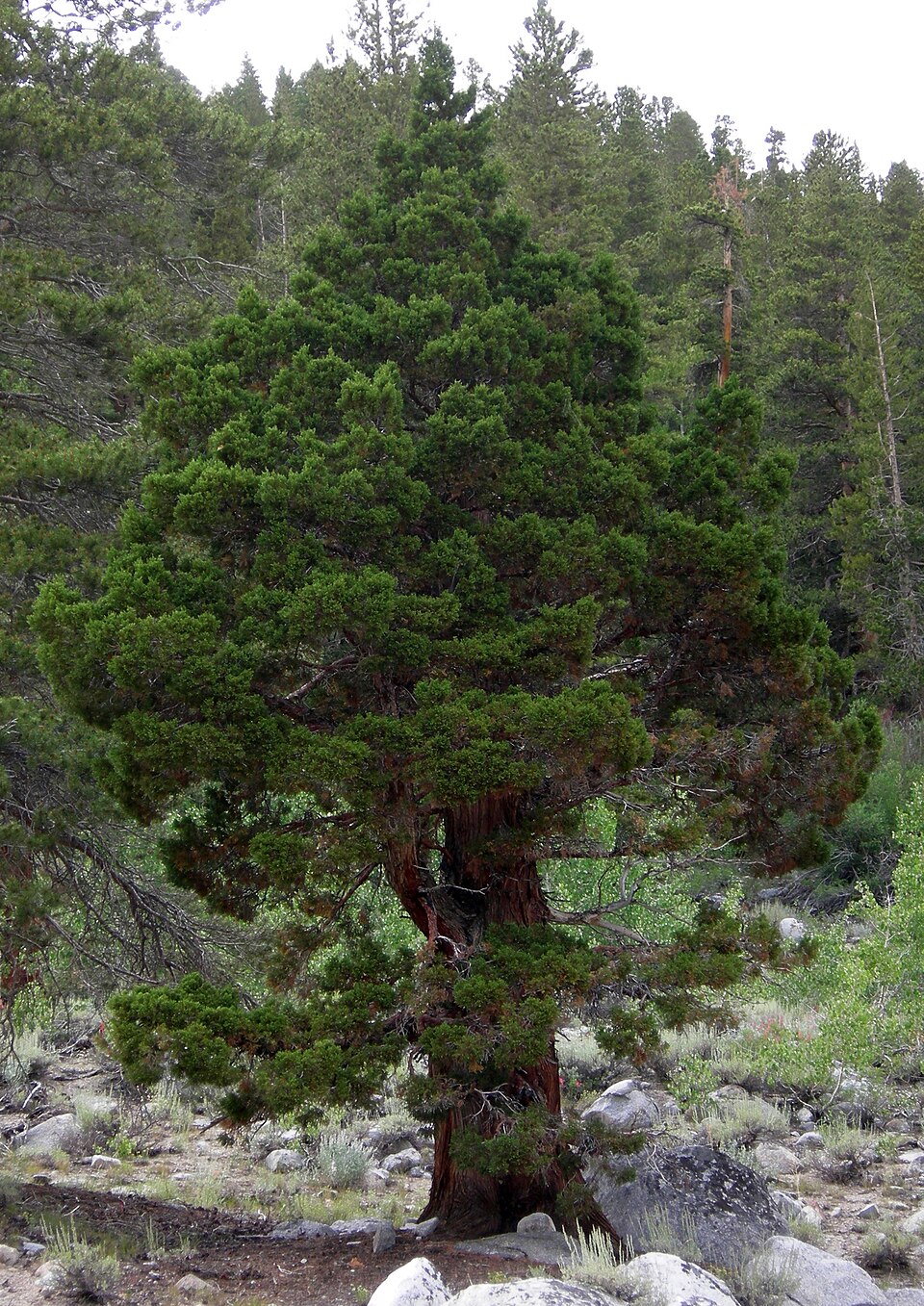
Juniper bark ignites reliably even when damp because its thin, fibrous strips contain natural oils that encourage combustion and resist moisture. The bark peels easily from older branches or dead trunks, revealing inner fibers that stay relatively dry even after rainfall. When shredded, these fibers create a nest-like tinder bundle that sparks readily and burns long enough to light slightly heavier fuels. Juniper trees often grow in arid or high-altitude environments where sudden weather swings occur, making their bark a valuable fire resource when conditions turn wet unexpectedly. Travelers appreciate the bark’s pleasant aroma and its ability to sustain flame despite challenging moisture levels. The bark’s structure, combined with its natural oils, makes juniper one of the most versatile and dependable fire-starting materials across many landscapes.
Cured Fungi (Tinder Fungus)
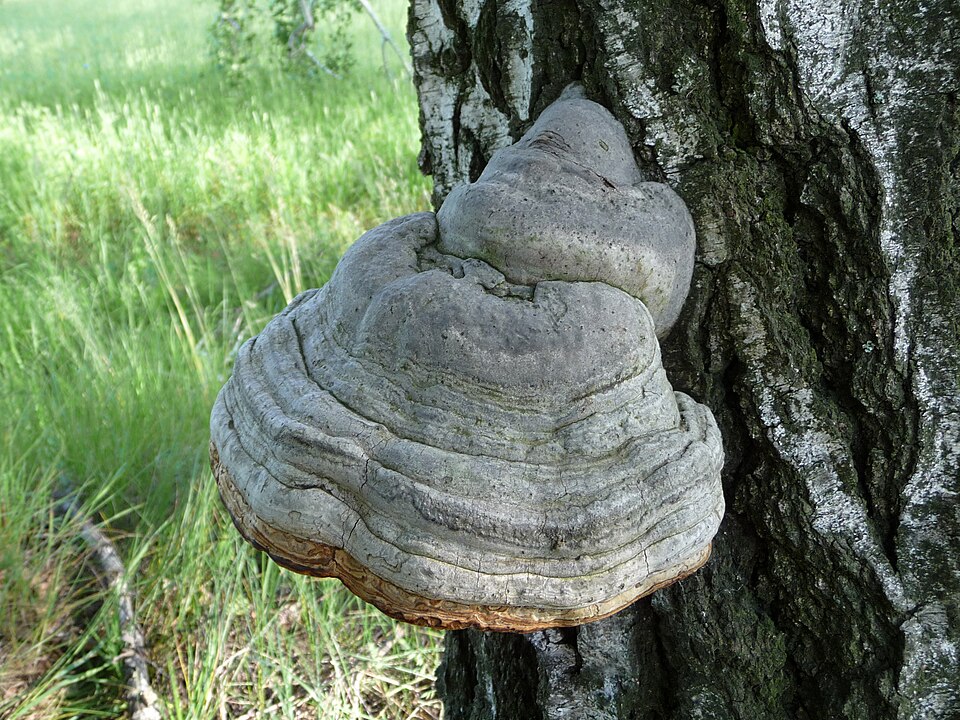
Cured fungi, such as tinder fungus, provide ignition in wet environments because their spongy interior layers smolder instead of burning rapidly, allowing them to stay lit long enough to ignite additional fuel. These fungi grow on hardwood trees, particularly birch, and their interior flesh becomes highly flammable once dried and processed. Even when slightly damp, the material can hold an ember from flint or steel, producing a slow burn useful for starting fires under difficult conditions. Travelers who frequent northern forests value tinder fungus for its reliability during rainy seasons. Its long history of use in traditional fire-making techniques highlights its durability. The fungus’s ability to smolder steadily rather than flame quickly makes it especially effective when wet tinder otherwise refuses to ignite.
Driftwood
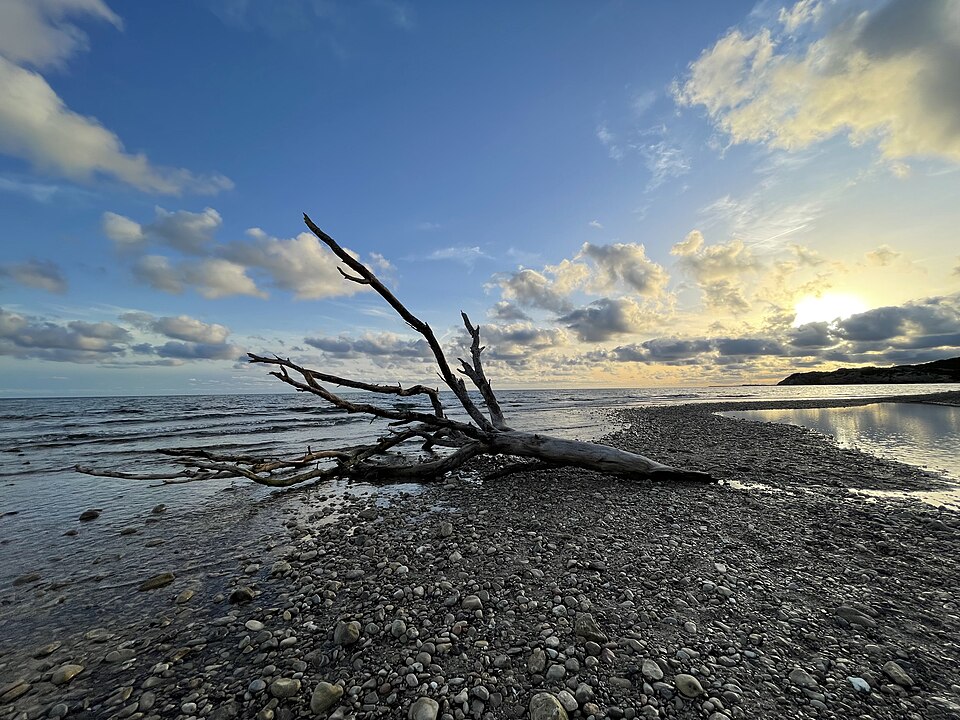
Driftwood remains burnable even when wet because constant exposure to sun, salt, and wind strips it of sap and other moisture-retaining compounds, leaving behind porous, lightweight wood that dries quickly once retrieved. Even if the surface feels damp from waves or rain, the inside often remains dry enough to ignite with sustained flame. Coastal travelers frequently rely on driftwood when inland materials remain too waterlogged to use effectively. The wood burns steadily with minimal smoke, making it practical for cooking or warming fires. Over time, driftwood becomes naturally conditioned to shed moisture, reflecting the environment’s influence on its structure. This makes it a reliable resource for fire building along shorelines and lakesides where damp conditions dominate.
Dry Grass Bundles
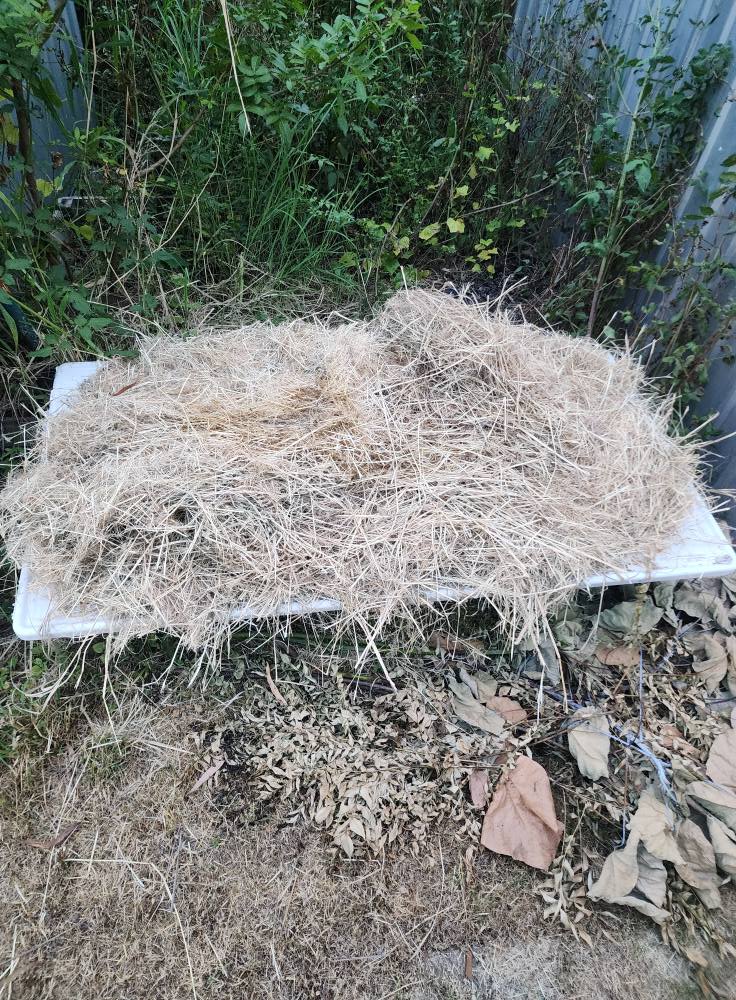
Dry grass bundles burn effectively even after exposure to moisture because their fine blades allow trapped water to evaporate quickly once gathered. Grass found beneath shrubs, rocks, or protected areas often stays relatively dry compared to surrounding vegetation. When twisted or folded into a compact bundle, the material ignites readily with sparks and produces a bright flame that helps dry nearby kindling. Travelers in plains, foothills, and woodland edges often rely on grass bundles when rain saturates larger natural materials. The quick burn and intense heat make grass an ideal starting point for building fires in damp environments. Its widespread availability and adaptability reinforce its role as one of the simplest yet most effective fire-starting resources in nature.
Palm Fronds
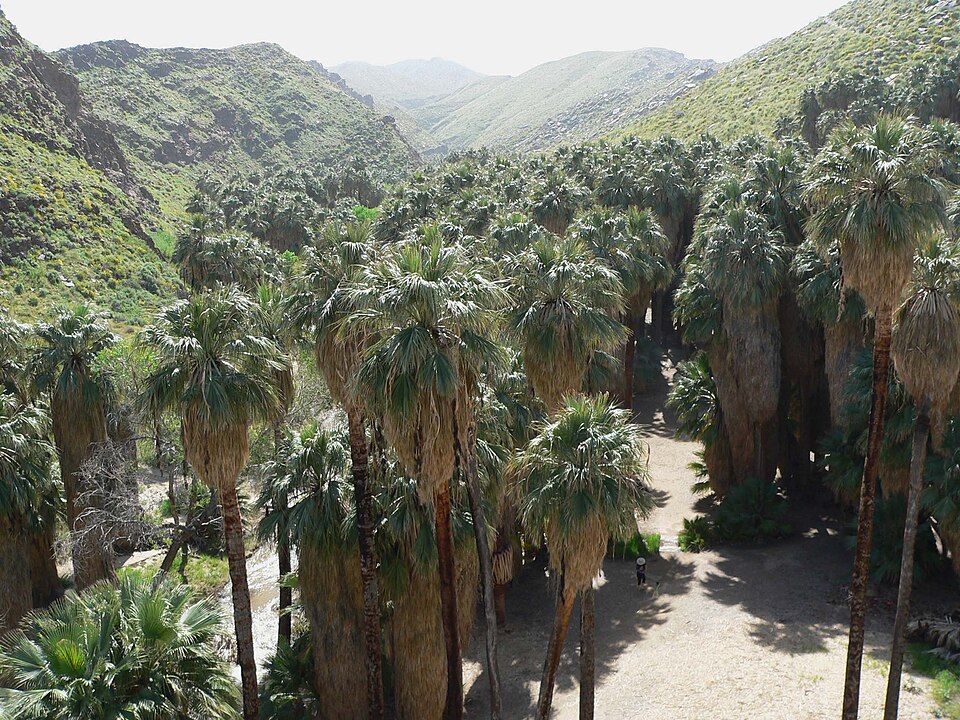
Palm fronds ignite unexpectedly well even when wet because their fibrous, layered construction allows moisture to escape rapidly once exposed to airflow. In tropical and subtropical regions, fallen fronds dry quickly on the ground despite humid conditions. When prepared by tearing or shredding the fibers, they create a lightweight tinder capable of catching sparks easily. The fronds burn with a hot, fast flame that helps ignite heavier fuel, making them especially useful near coastlines and desert oasis regions. Travelers often find palm fronds abundant and easy to gather without tools. Their natural resilience stems from the palm’s structural adaptations to intense sun, periodic rain, and constant airflow, all of which contribute to their flammable properties.
Inner Bark from Dead Standing Trees
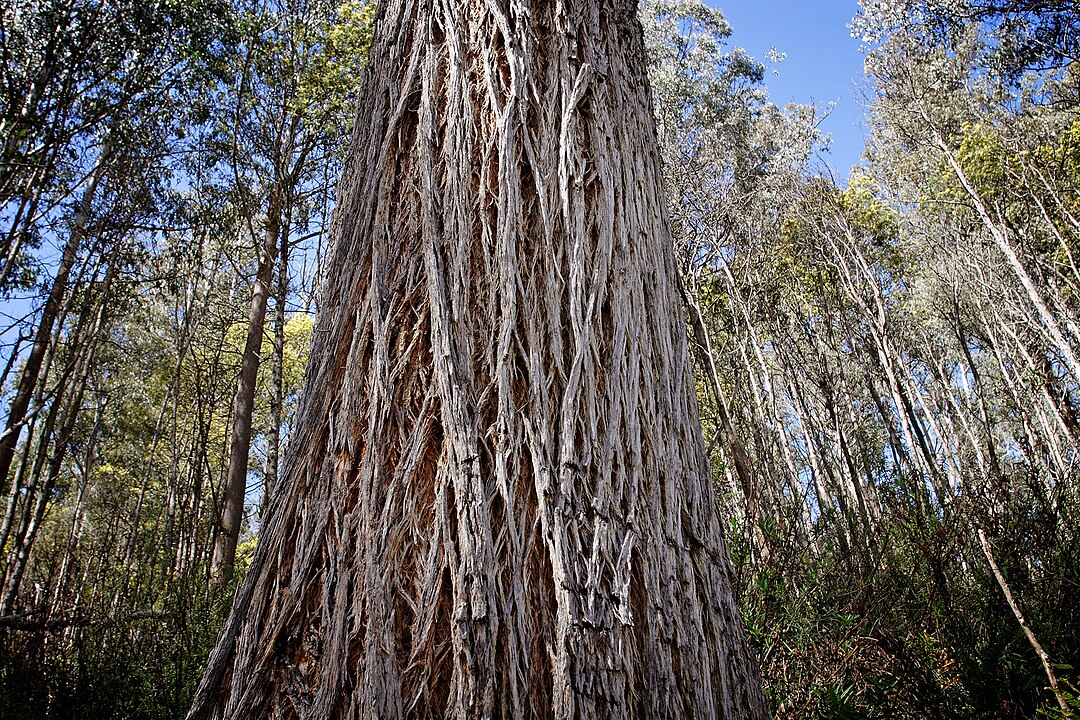
Inner bark from dead standing trees ignites consistently, even when wet, because outer layers protect the inner fibers from prolonged exposure to rain. By peeling away the outer shell, travelers can access dry, papery material that lights quickly with sparks. Many hardwoods, including birch, cottonwood, and poplar, produce inner bark that becomes especially useful after storms when ground debris remains too soaked to burn. The texture of these fibers encourages airflow, allowing them to dry further as they ignite. Dead standing trees often remain elevated above wet ground, reducing overall saturation. These qualities make inner bark one of the most reliable fire-starting materials in wet forest environments where moisture challenges traditional tinder.
Cottonwood Bark
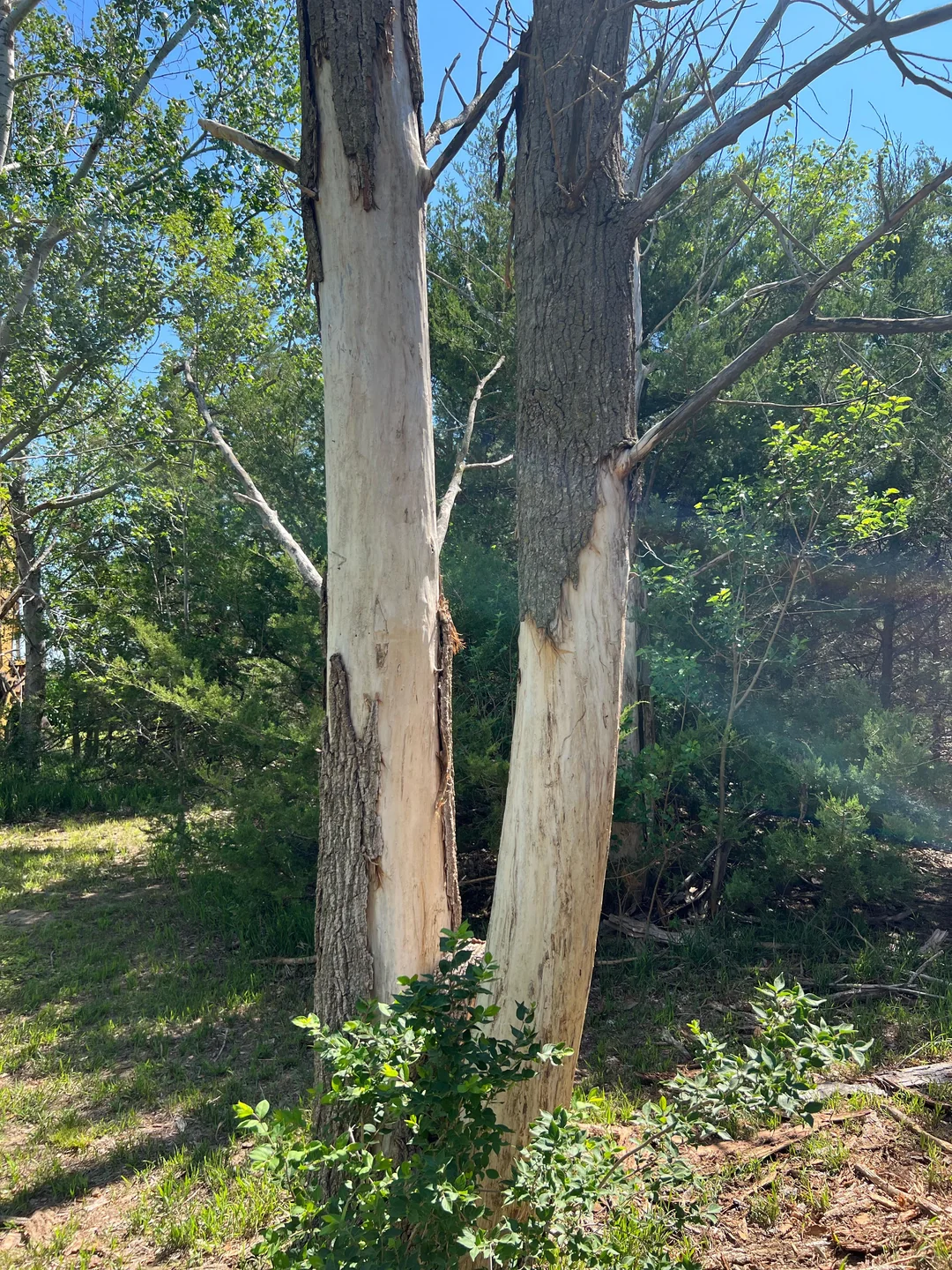
Cottonwood bark burns effectively after exposure to moisture because its rugged outer layer conceals interior fibers that trap air and resist saturation. Once scraped or shaved, these inner layers ignite readily and help dry surrounding materials. Cottonwood trees thrive along rivers, lakes, and flood plains where damp conditions persist, making their bark a dependable resource for anyone needing ignition material in wet environments. The bark’s ability to burn despite moisture reflects the tree’s natural adaptations to life in riparian zones. Travelers often use small pieces as tinder to bridge the gap between fine materials and larger kindling. Its combination of accessibility and natural resilience helps solidify its importance in moisture-heavy regions.
Sagebrush Twigs

Sagebrush twigs burn reliably even when wet because the plant produces aromatic oils that remain flammable despite exposure to rain or humidity. These oils help the twigs catch sparks quickly and maintain a warm, steady flame for several moments, long enough to ignite additional fuel. Sagebrush grows widely across arid and semi-arid regions, but its ability to ignite persists even during seasonal storms. Travelers often note the plant’s distinctive scent when it burns, a sign of the natural oils at work. The twigs’ resilience makes them valuable in landscapes where sudden weather changes challenge fire building. Their consistent performance highlights the plant’s remarkable adaptability and usefulness as natural tinder.
Eucalyptus Bark
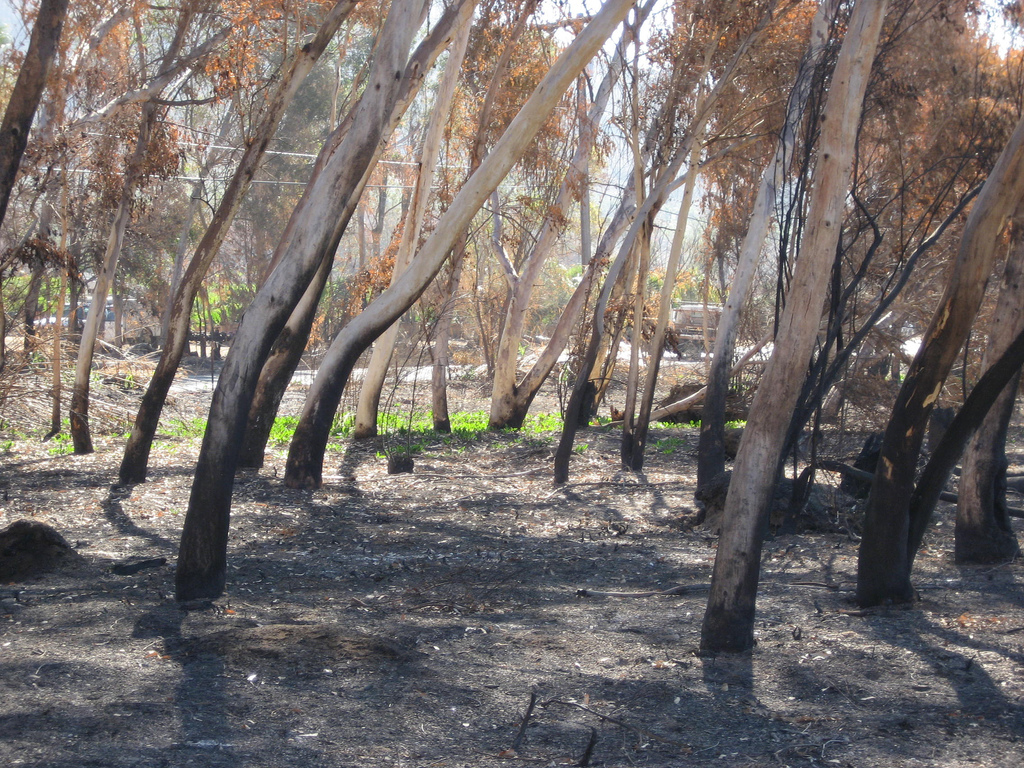
Eucalyptus bark burns effectively even after becoming wet because its peeling layers contain oils that remain highly flammable in many conditions. As eucalyptus trees shed bark throughout the year, long strips accumulate on the ground or hang from trunks where airflow helps them dry quickly. These strips ignite easily and produce strong flames that cut through moisture, making them valuable in regions where eucalyptus forests dominate. Their oily composition allows ignition with minimal spark, and the bark’s thinness ensures rapid drying. Travelers often appreciate how abundant eucalyptus bark becomes after storms when other materials remain soaked. Its resilience reflects the tree’s adaptation to frequent weather changes in its native environments.
Weathered Pine Cones
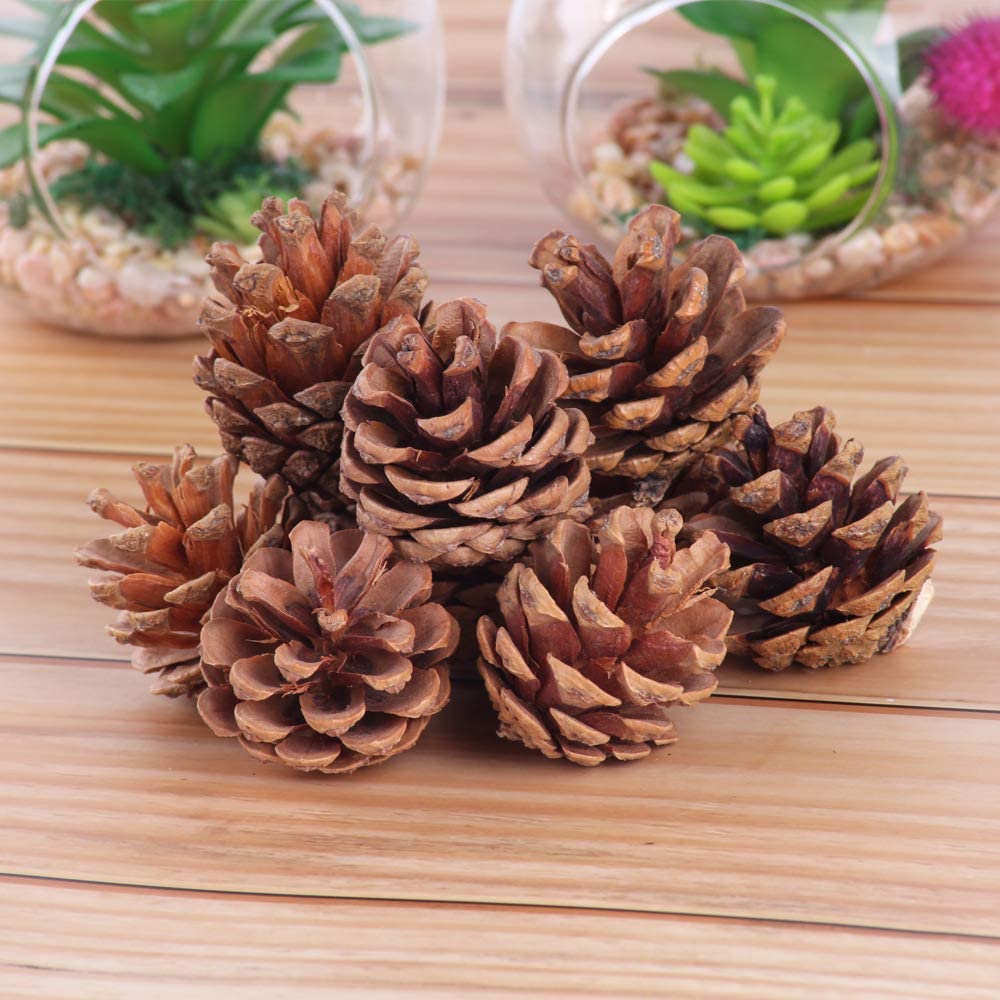
Weathered pine cones burn effectively because their open scales promote airflow that helps moisture evaporate quickly, even after rainfall. As pine cones age, they lose sap and resin, becoming lighter and more combustible. When collected from forest floors, cones often contain dry interior surfaces even when the outside feels damp. Once sparked, they produce a bright, crackling flame that assists in drying kindling or igniting heavier wood. Their widespread availability beneath pine trees makes them easy to gather, especially in mountainous or northern forests. Pine cones’ natural design allows them to ignite readily despite moisture, demonstrating how evolutionary adaptations intended for seed dispersal also benefit fire building in wet conditions.
The post 16 Natural Materials That Burn Even When Wet appeared first on Bushcraft Base Camp.