

For anyone who grew up spending weekends at shopping malls, these spaces were never just about buying things. Malls were social hubs, climate-controlled refuges, and symbols of modern life. Most large enclosed malls in the United States were built between the late 1950s and early 1990s, inspired by suburban expansion and car culture. Developers like Victor Gruen envisioned malls as community centers, complete with department store anchors, food courts, arcades, and cinemas. For kids and teens, malls became places of independence, routine, and discovery. You learned how to navigate crowds, manage allowance money, and read social cues simply by walking the corridors. If you grew up visiting malls regularly, there are certain experiences and unspoken rules that still make perfect sense today, even as many malls decline or transform.
1. The Mall Was a Safe Taste of Independence
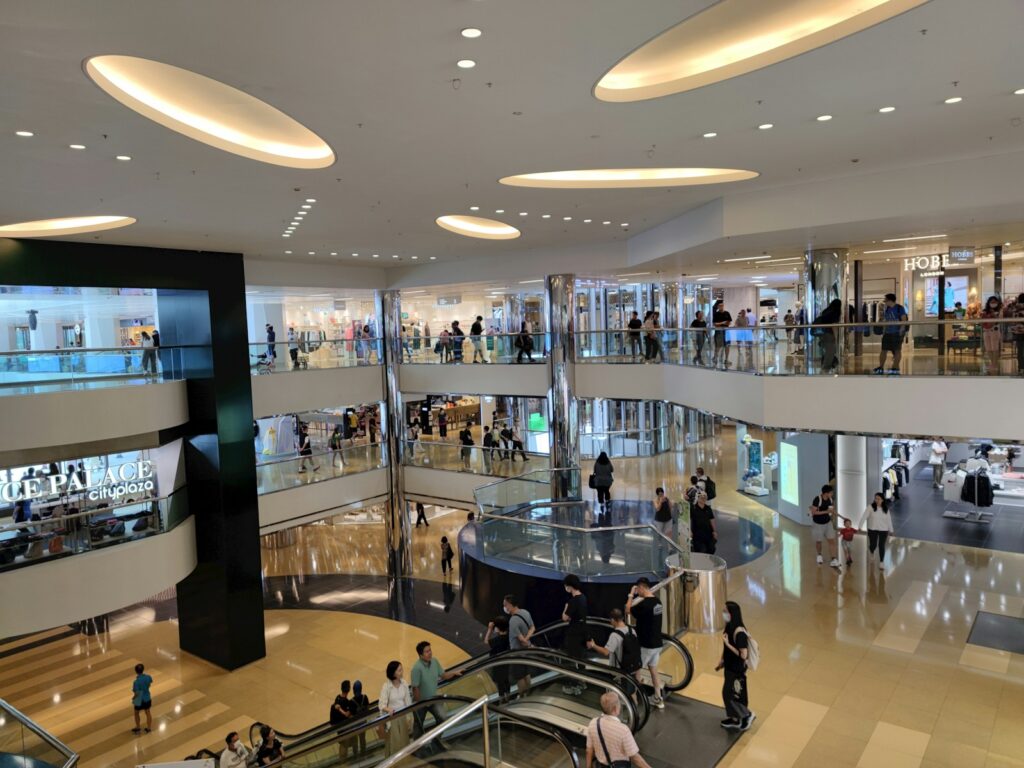
If you grew up going to malls, you understood early what freedom felt like in a controlled environment. Built mainly from the 1960s through the 1990s, malls were designed to feel self-contained and secure, with wide corridors, visible security, and predictable layouts. Parents could drop kids off knowing they were indoors, supervised indirectly, and away from traffic. For children and teens, this meant wandering without constant adult oversight while still following rules. You learned how to meet friends at a specific entrance, manage time before pickup, and navigate social spaces on your own. The mall became a training ground for independence, teaching responsibility without risk. That balance made malls uniquely important during childhood. You weren’t completely free, but you weren’t monitored either, and that feeling shaped confidence in subtle ways that only regular mall visitors truly understand.
2. Department Stores Were the Mall’s Anchors
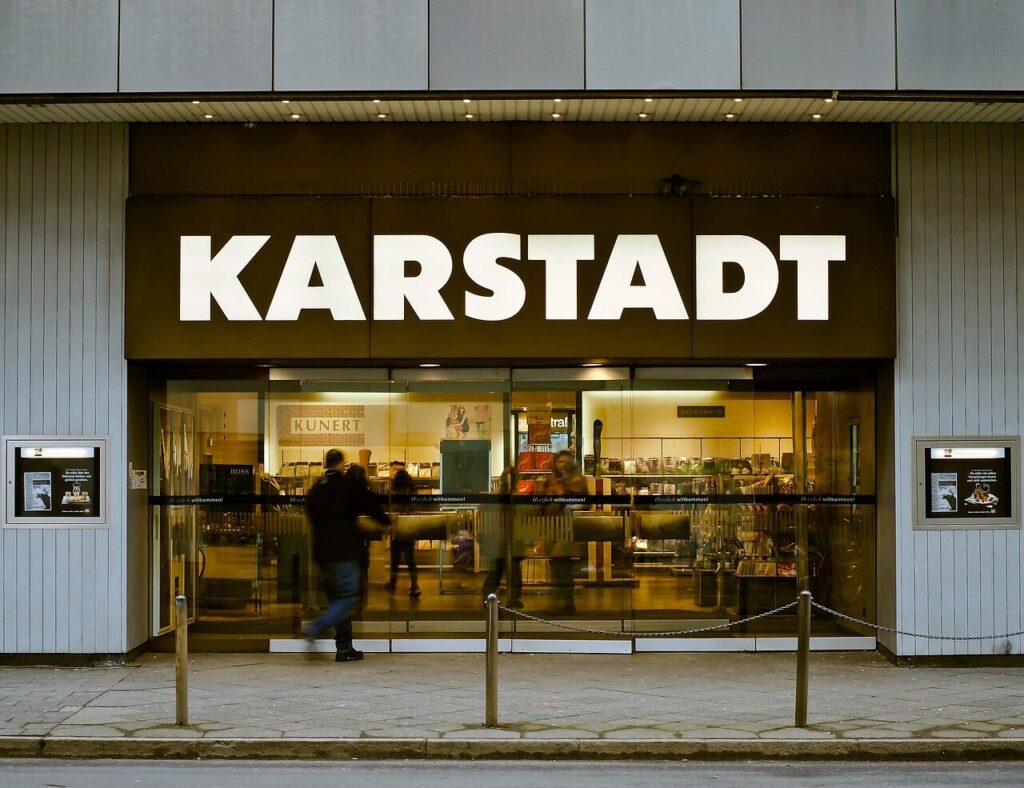
Growing up around malls meant knowing that department stores were more than just shops; they were landmarks. Most malls were built around anchor stores like Sears, JCPenney, or Macy’s because these large retailers guaranteed foot traffic. Their placement shaped how people navigated the entire building. You instinctively used them as meeting points or shortcuts, cutting through cosmetics or home goods to reach another wing faster. Kids learned early that different anchors had different “vibes,” from the quiet formality of one to the cluttered comfort of another. Seasonal displays, escalators, and return counters became familiar territory. When an anchor store closed, it felt like the mall lost a limb. That awareness of how these stores held the mall together is something only frequent mall visitors truly grasped.
3. Food Courts Felt Like a World Tour
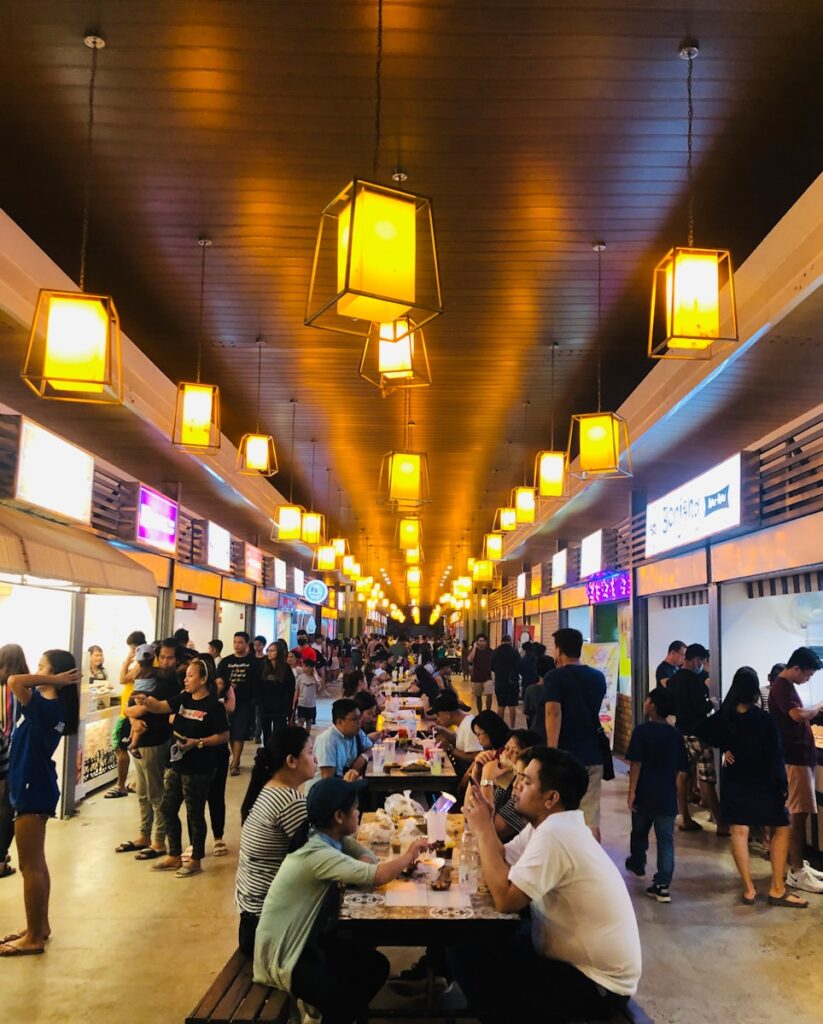
If you grew up visiting malls, the food court wasn’t just a place to eat; it was exposure to variety. Most enclosed malls added centralized food courts in the late 1970s and 1980s as dwell time increased. These areas introduced kids to foods they rarely ate at home, from pizza slices and soft pretzels to teriyaki chicken and orange-flavored sauces. The seating was communal, noisy, and slightly chaotic, which made it feel exciting. You learned how to order on your own, juggle trays, and claim tables before someone else took them. The smell mix was unmistakable and instantly comforting. Even chain restaurants felt adventurous because they existed side by side. That early exposure shaped casual eating habits and social routines in ways that only frequent mall-goers recognize.
4. The Mall Had Its Own Sense of Time
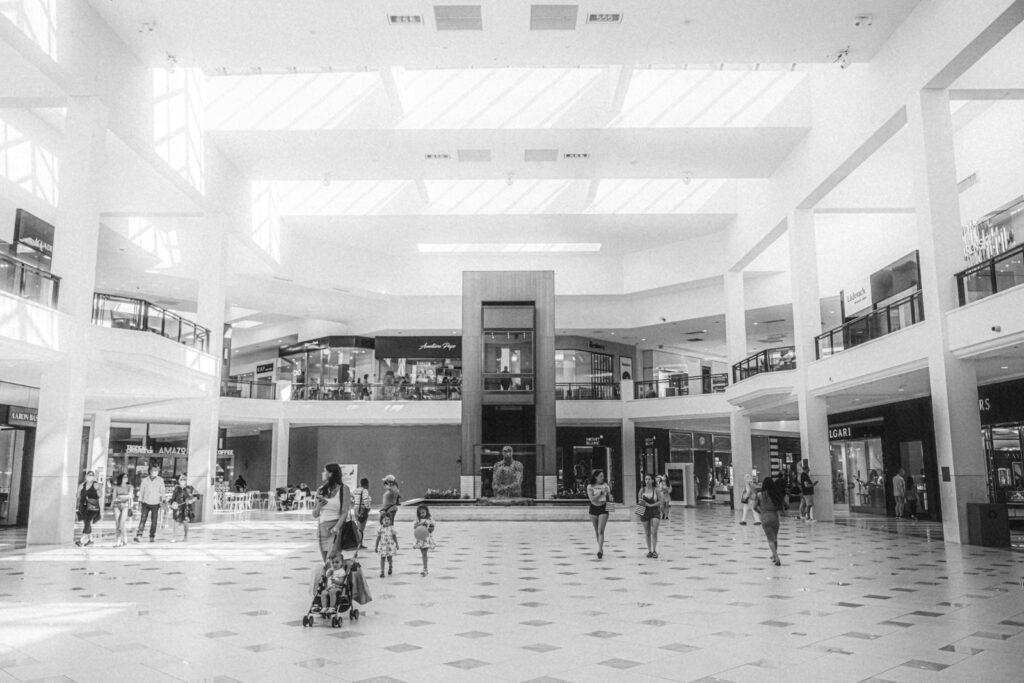
Malls operated on a rhythm that felt separate from the outside world. Built as climate-controlled environments, they removed weather, daylight, and noise, making time feel suspended. You could spend hours walking without realizing how long you’d been inside. Clock placement was often minimal by design, encouraging visitors to linger longer. Regular mall visitors learned to judge time by cues instead, like movie showtimes, closing announcements, or when security guards started pacing more frequently. For kids, this distorted sense of time made mall trips feel longer and more immersive than they actually were. You remember entering during the afternoon and leaving under a dark sky, surprised by how the day slipped away. That timeless feeling is deeply tied to mall architecture and is instantly familiar to anyone who grew up there.
5. Mall Arcades Were Social Training Grounds

If you grew up going to malls, the arcade was more than flashing lights and games. Arcades became common mall features during the late 1970s and peaked through the 1990s, drawing teens with sound, competition, and novelty. These spaces taught unspoken social rules. You learned how long it was acceptable to watch someone play, how to place a quarter on a machine to claim the next turn, and how to handle losing publicly. The arcade was where friendships formed and rivalries developed without adult mediation. It offered controlled chaos, loud enough to feel thrilling but safe enough to be trusted. For many kids, arcades were the first places they handled money independently and made social decisions under pressure. That blend of excitement and learning is something only mall regulars truly remember.
6. Movie Theaters Made the Mall Feel Complete
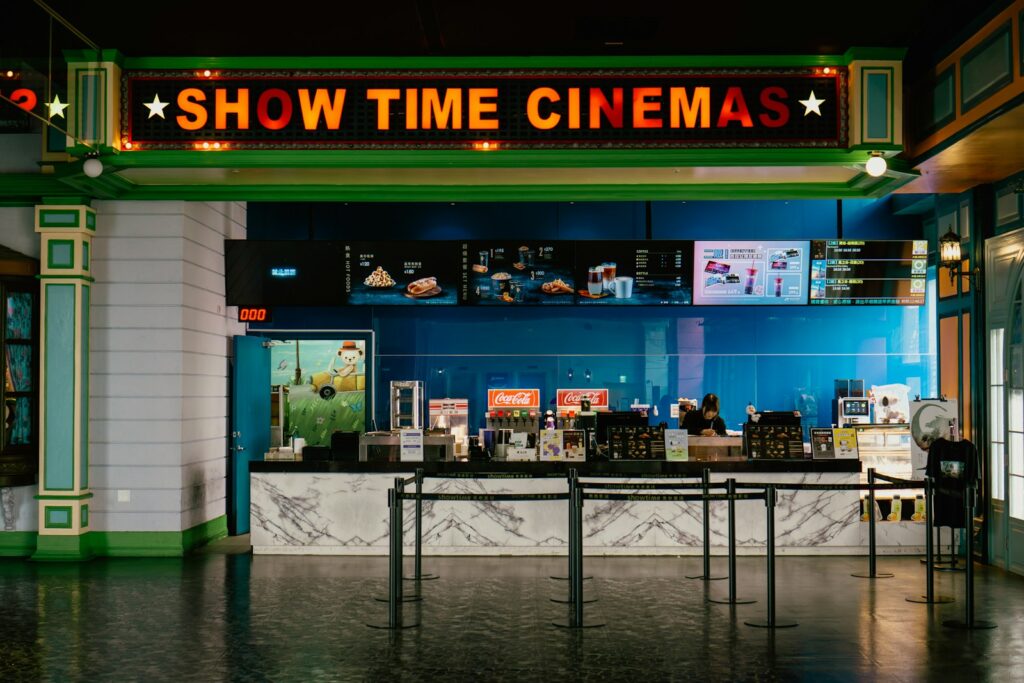
Mall movie theaters transformed shopping centers into full-day destinations. Beginning in the 1960s and expanding rapidly in the 1980s, multiplex cinemas allowed families and teens to combine errands with entertainment. If you grew up around malls, you understood that movies structured the entire visit. You timed shopping around showtimes, met friends under marquee lights, and debated snack choices before entering. The theater lobby felt like a transition space between reality and immersion. For teens, movies provided a socially acceptable reason to gather without supervision. The shared anticipation, the dim hallways, and the post-movie conversations in the mall corridors created memories that extended beyond the film itself. Malls without theaters always felt incomplete, a distinction only frequent visitors truly noticed.
7. Mall Music Quietly Shaped Your Mood
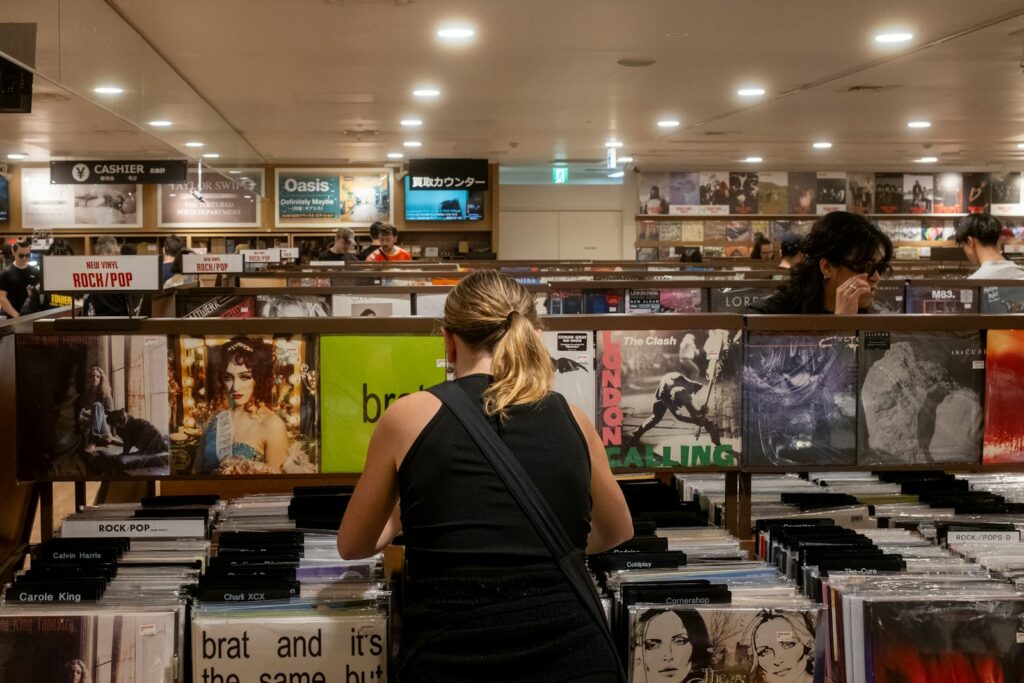
If you grew up spending time in malls, the background music became part of your emotional memory without you realizing it. From the 1970s onward, malls used carefully curated playlists designed to keep shoppers relaxed and moving. Soft rock, light pop, and instrumental tracks filled corridors, subtly influencing pace and mood. You didn’t consciously listen, but you felt its effect. The music made wandering feel calm and familiar, even when crowds were heavy. Seasonal shifts were especially noticeable, with holiday music signaling excitement or fatigue depending on the time of year. For kids and teens, this constant soundtrack made the mall feel alive yet comforting. Years later, hearing similar music can trigger memories of polished floors and endless walking, a sensory connection only mall regulars truly understand.
8. You Learned Social Rules Without Being Taught
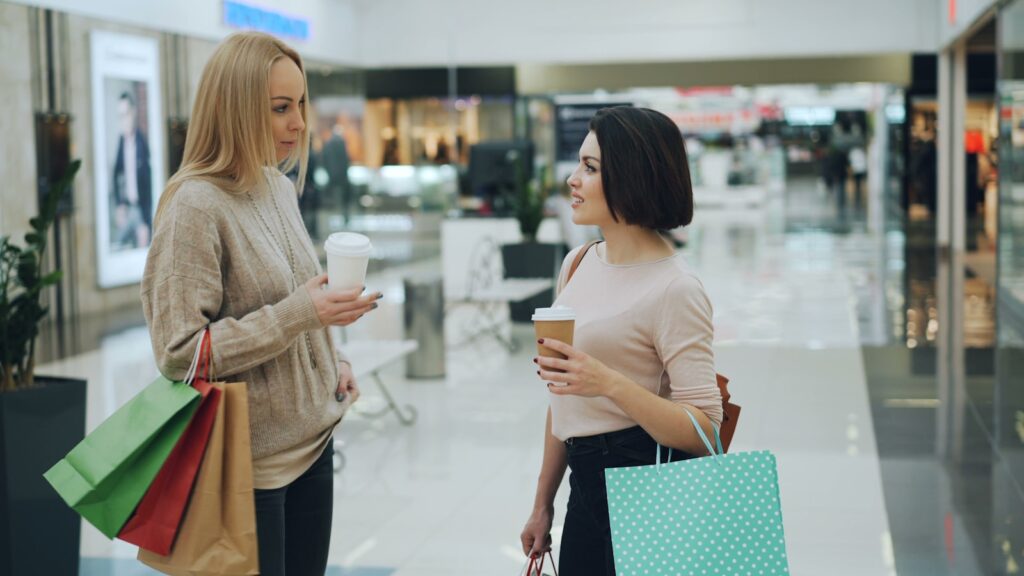
Growing up in malls meant absorbing social behavior through observation rather than instruction. These spaces functioned as public classrooms where kids learned how to exist among strangers. You noticed how people lined up, spoke to cashiers, and adjusted their behavior depending on the store. Teens learned where it was acceptable to linger and when security might intervene. Mall visits quietly taught awareness, patience, and personal space. You learned how to read body language, avoid awkward interactions, and navigate crowds without confrontation. These lessons weren’t taught by parents or schools but were gained through repetition. Because malls brought together all ages and backgrounds, they became practice grounds for real-world interaction. That unspoken education shaped confidence and social fluency in ways only frequent mall visitors recognize.
9. Mall Maps Were Learned, Not Studied
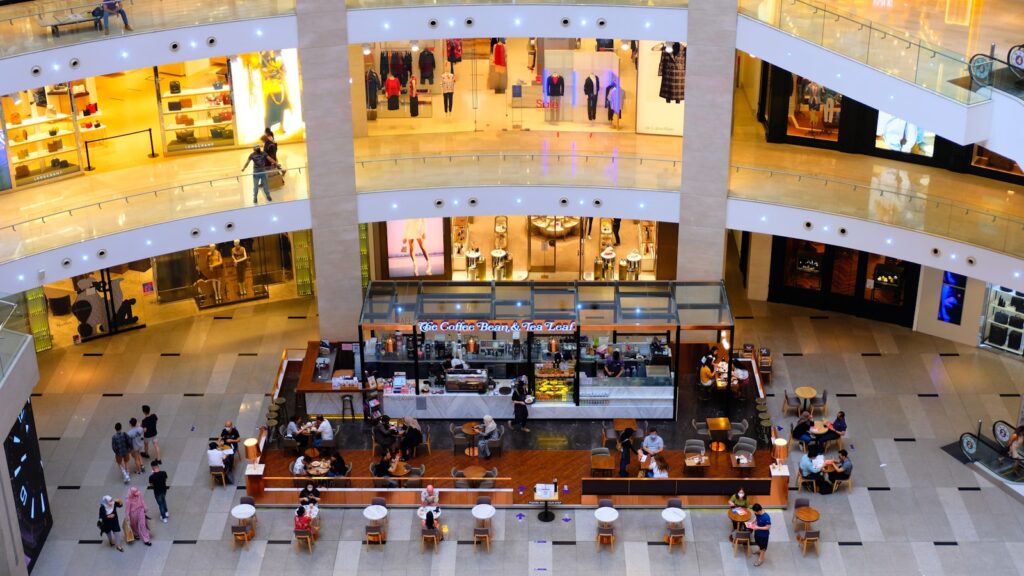
If you grew up going to malls, you rarely needed a directory after a while. Most large malls built between the 1970s and 1990s followed similar layouts, with anchor stores at opposite ends and smaller specialty shops lining the corridors. Over time, you memorized the space through repetition. You knew which turns led to the food court, where the bathrooms were, and which hallway shortcuts saved time. This spatial familiarity created a sense of ownership, especially for kids and teens. You felt confident navigating without help, even in crowded conditions. When stores changed locations, it felt disorienting, like furniture being moved at home. That deep mental map of the mall wasn’t intentional learning, but it stuck permanently, something only regular mall visitors truly understand.
10. Seasonal Decorations Changed the Entire Mood
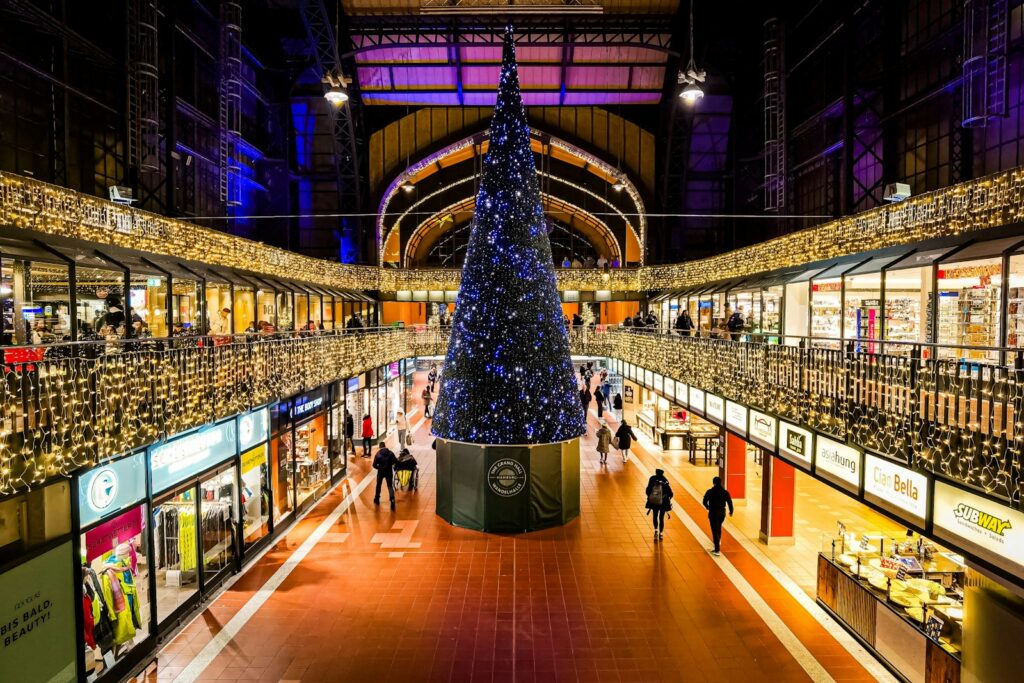
Growing up around malls meant experiencing seasons through décor as much as through weather. Mall management invested heavily in decorations because they shaped shopper emotion and lengthened visits. From oversized Christmas trees to spring florals and autumn banners, these displays transformed familiar spaces into something new. For kids, decorations made the mall feel magical and anticipatory. Holiday setups often appeared earlier than anywhere else, signaling time passing faster than expected. You associated certain scents, lights, and colors with specific times of year. Even non-holiday seasons had subtle visual shifts. When decorations were removed, the mall felt temporarily empty or unfinished. That emotional response to seasonal change inside a commercial space is something only those who grew up visiting malls fully recognize.
11. Window Displays Felt Like Mini Exhibits
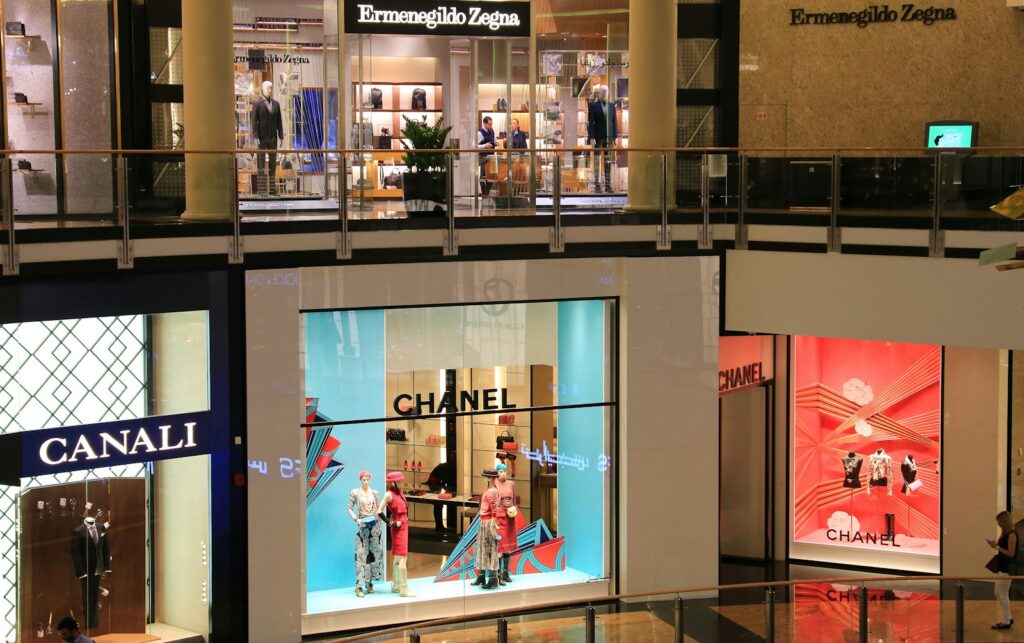
If you grew up visiting malls, store windows were more than advertisements; they were visual stories. Retailers invested heavily in window displays, especially from the 1970s through the early 2000s, using mannequins, lighting, and props to suggest lifestyles rather than just products. Kids stopped to look even if they had no intention of buying anything. You learned trends before understanding fashion, simply by noticing colors and themes repeat across stores. Seasonal windows felt especially dramatic, signaling back-to-school time or holidays before calendars did. These displays made walking the mall feel like browsing a gallery, not just shopping. When stores simplified or abandoned window displays later on, something felt missing. That awareness of windows as experiences rather than sales tools is something only regular mall visitors tend to appreciate.
12. The Mall Was a Reliable Family Meeting Point
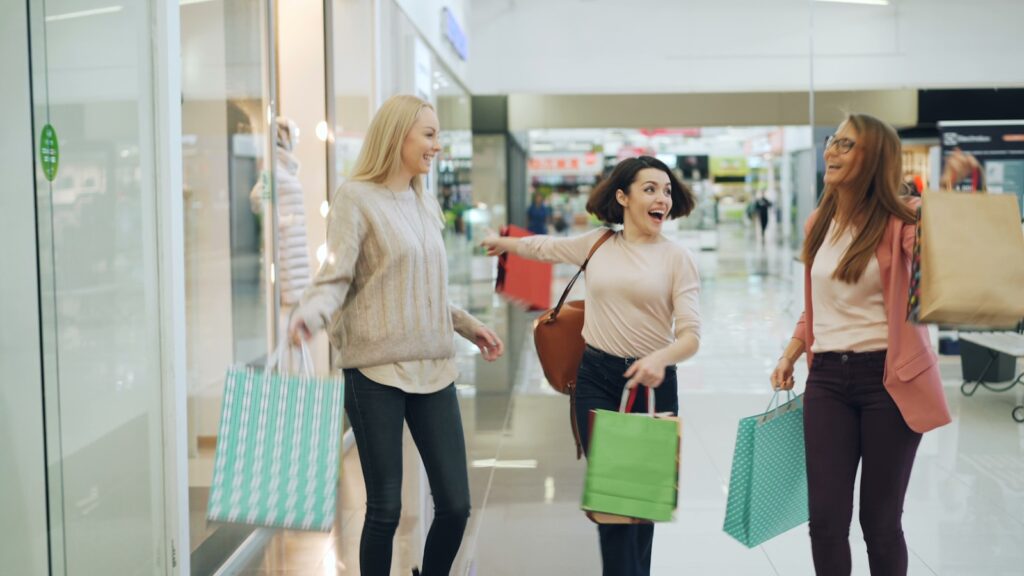
Growing up, malls often served as neutral ground for families with different schedules. Built to accommodate long visits, they offered food, seating, restrooms, and entertainment in one place. Parents ran errands while kids waited or explored nearby. Meeting “by the fountain” or “near the escalators” became common language. Because malls were predictable and centrally located, they worked as default gathering spots. You knew parking was available, the weather wouldn’t interfere, and everyone could find something to do. For children, this made malls feel stable and dependable. Even as routines changed, the mall remained familiar. That role as a shared family space, practical yet emotionally anchored, is something deeply understood by those who grew up visiting malls regularly.
13. Mall Jobs Felt Like a Rite of Passage
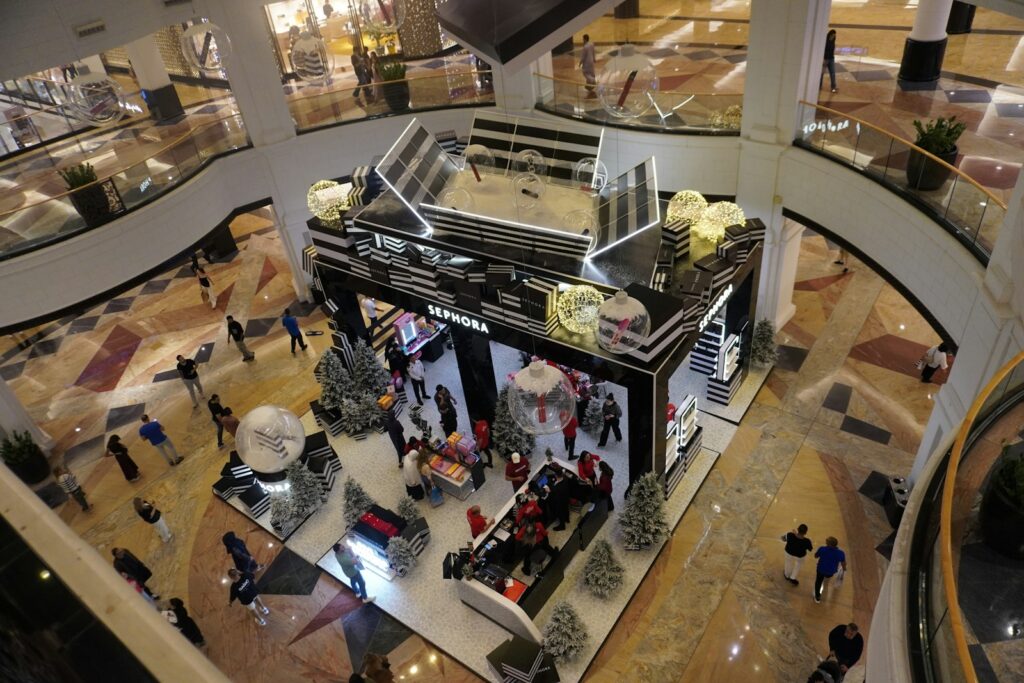
If you grew up around malls, getting a job there felt like a milestone. Many teens’ first jobs were in food courts, clothing stores, or kiosks, especially during the retail boom of the 1980s and 1990s. These jobs taught responsibility in a familiar environment. You learned punctuality, customer interaction, and teamwork while surrounded by places you already knew well. Working at the mall also changed how you saw it. Behind-the-scenes hallways, stockrooms, and closing routines revealed an entirely different side of the space. Seeing security rounds and cleaning crews added depth to the experience. That shift from visitor to worker marked a new stage of independence, and the unique pride of earning money in a childhood hangout is something only mall-grown kids truly understand.
14. You Recognized the Mall’s Unwritten Curfews
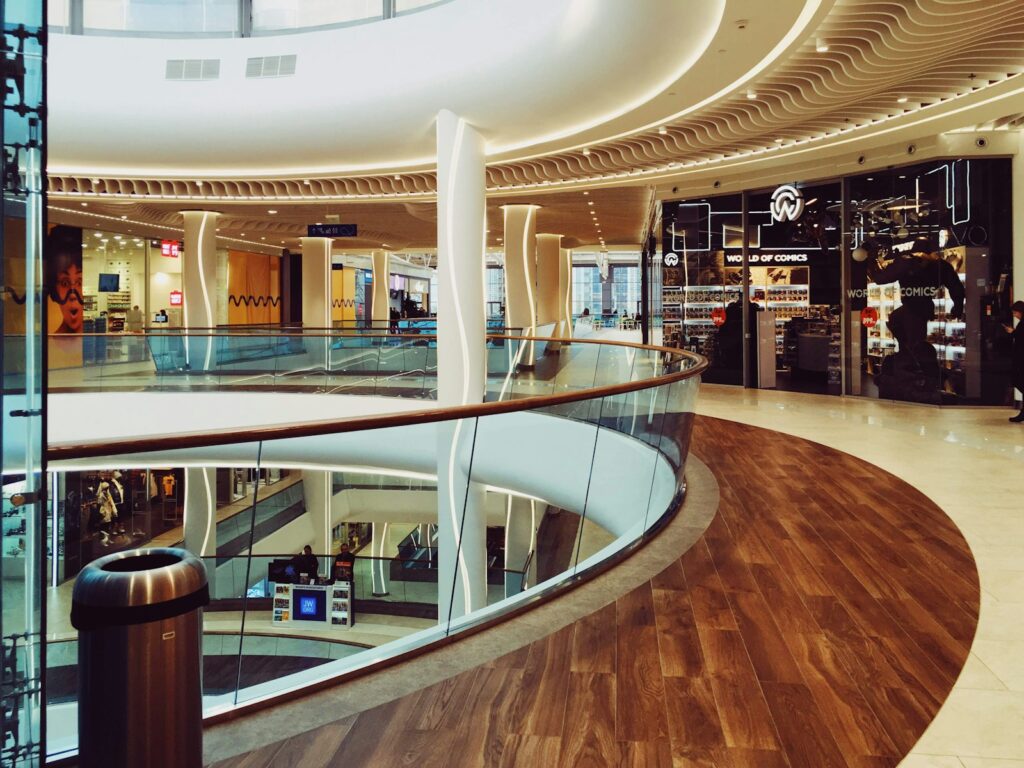
Growing up visiting malls meant knowing there were invisible time limits, even if no signs stated them. As evening approached, the atmosphere changed. Families left, security became more visible, and certain stores closed early. Teens instinctively understood when lingering might attract attention. These unwritten curfews weren’t enforced harshly, but they were felt. You adjusted behavior based on time of day, crowd makeup, and staff presence. This taught situational awareness without direct instruction. Malls subtly communicated expectations through lighting, music volume, and staff movement. That ability to read a space and know when it was time to leave is a learned skill that stuck. Only those who spent years in malls recognize how clearly those cues were communicated.
15. Declining Malls Felt Personally Emotional
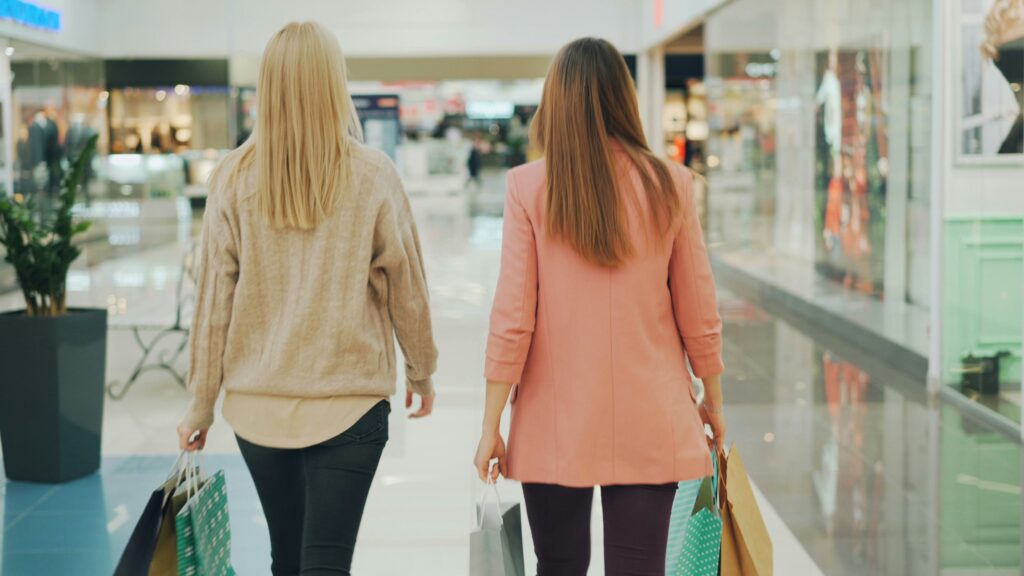
If you grew up visiting malls, watching them decline felt strangely personal. Beginning in the early 2000s, shifts toward e-commerce, changing retail habits, and overdevelopment led many malls to lose tenants. Empty storefronts and quiet corridors didn’t just signal economic change; they disrupted familiar emotional landscapes. Spaces that once felt alive began to echo. You noticed fewer crowds, reduced hours, and fading décor. For people who spent formative years there, these changes felt like losing a shared memory space. The mall wasn’t just failing as a business model; it was aging alongside you. That sense of grief over a commercial space surprises people who didn’t grow up there. Only mall kids understand how deeply those corridors were tied to identity, routine, and nostalgia.
16. You Still Instinctively Know How Malls Work
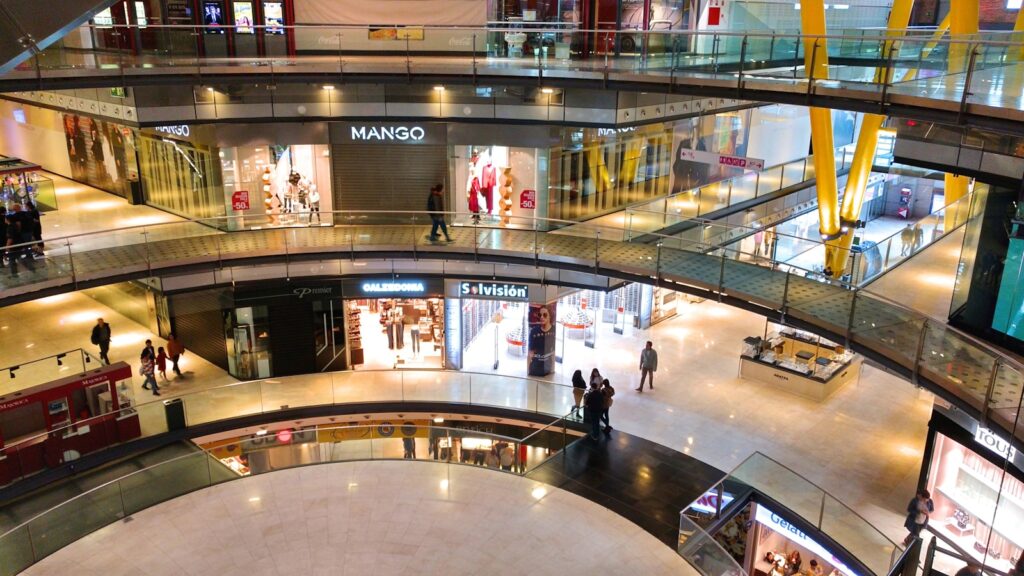
Even if you haven’t visited a mall in years, the knowledge stays with you. You still know where anchors should be, how foot traffic flows, and where quieter corners usually exist. This understanding comes from years of unconscious learning. Built environments imprint behavior patterns, and malls were some of the most influential spaces of late twentieth-century childhood. When you enter a modern mall or mixed-use center, your body reacts before your mind does. You anticipate layouts, pause at intersections, and notice design choices immediately. That instinctive familiarity reveals how deeply malls shaped movement, social behavior, and awareness. It’s not nostalgia alone; it’s learned spatial literacy. That lasting imprint is the final thing you only truly understand if you grew up visiting malls.
Keep reading on The WiC Project Lifestyle Blog & Miriam’s Boutique: Home Goods, Beauty, & Fashion Store