

Throughout history, some of the world’s most iconic figures have lived in homes that were just as remarkable as they were. From lavish estates tucked into remote landscapes to urban palaces dripping with detail, these legendary residences reflect wealth, influence, and personal taste on a grand scale. Here’s a look at 17 unforgettable homes that once belonged to the rich, famous, and powerful throughout the ages.
1. Palace of Versailles – Louis XIV’s Opulent Stage of Absolute Power

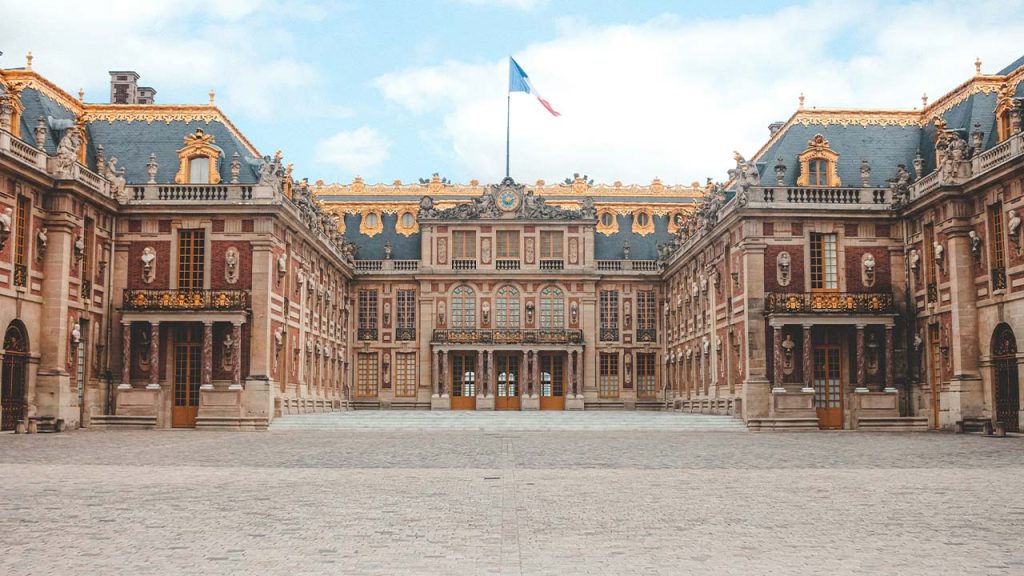
The Palace of Versailles, reimagined by Louis XIV as the pinnacle of royal splendor, stuns with golden halls, sculpted gardens, and lavish salons fit for a sun king. Built to impress and control the French nobility, this sprawling estate became the epicenter of royal life in the 17th century. With its iconic Hall of Mirrors and grand scale, Versailles remains one of the most magnificent and influential residences in history.
2. Graceland – Elvis Presley’s Memphis Mansion
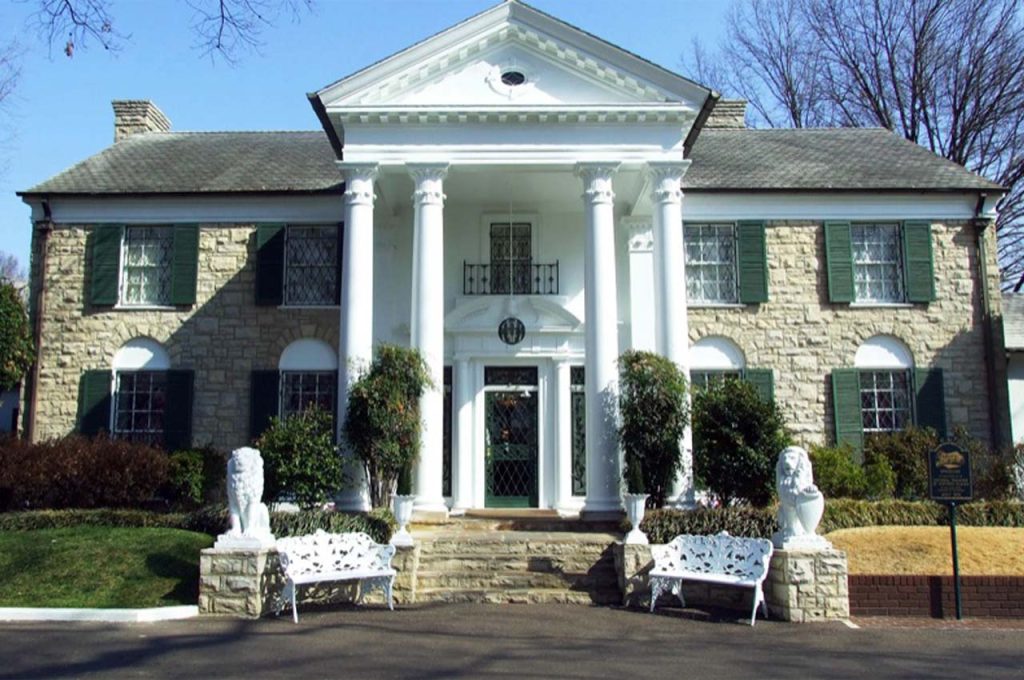
Graceland isn’t just a home—it’s a pilgrimage site for music lovers. Bought by Elvis Presley in 1957, the Memphis mansion reflects the King’s larger-than-life persona, from the kitschy Jungle Room to its classic Southern Colonial facade. Graceland captured the glitz and glam of Elvis’s career while also being a private haven for his family life. Today, it stands as a museum and monument to rock and roll royalty.
3. Hearst Castle – William Randolph Hearst’s Cliffside Kingdom of Excess
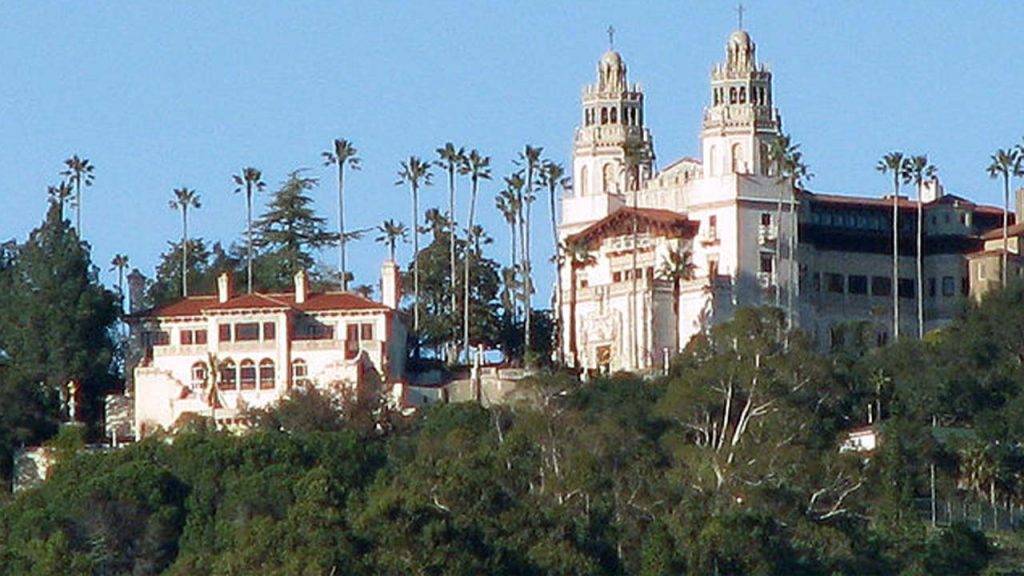
Clinging to the cliffs of California’s Central Coast, Hearst Castle is a sprawling dreamscape born from the imagination of William Randolph Hearst and brought to life by trailblazing architect Julia Morgan. With 165 opulent rooms, sweeping terraced gardens, and marble-draped pools echoing ancient Rome, this estate was crafted to outshine Europe’s grandest palaces. From Hollywood stars to political elites, the guest list was as extravagant as the estate. It remains a dazzling example of wealth, ambition, and early 20th-century excess.
4. Monticello – Thomas Jefferson’s Architectural Legacy
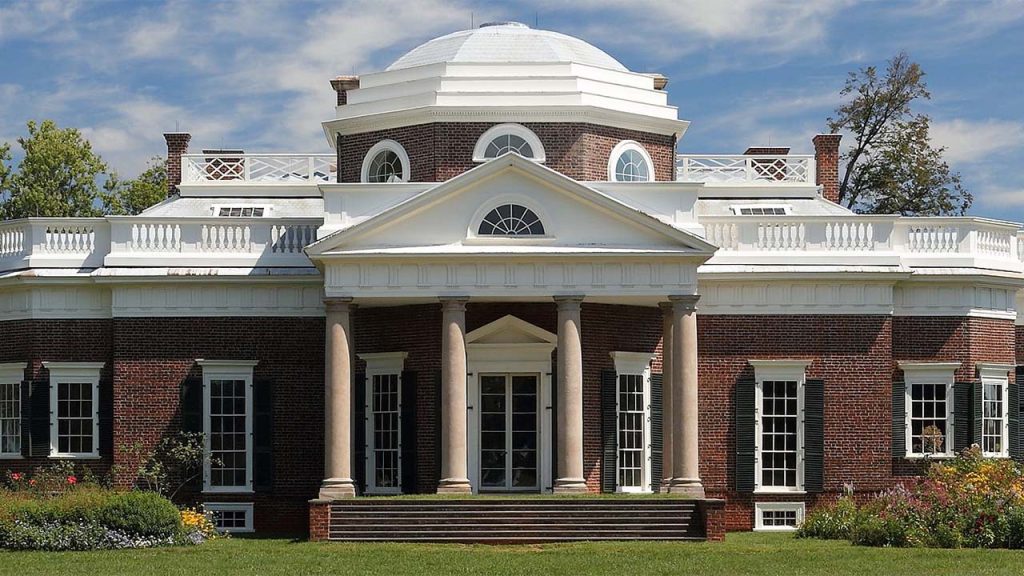
Monticello, the neoclassical estate designed by Thomas Jefferson himself, blends Enlightenment ideals with Virginian practicality. Situated atop a hill near Charlottesville, the home features symmetrical design, hidden innovations, and a deep connection to Jefferson’s intellectual pursuits. Though a symbol of American ingenuity, Monticello also tells a complex story of slavery, invention, and legacy in the early United States.
5. The Biltmore Estate – America’s Largest Private Home
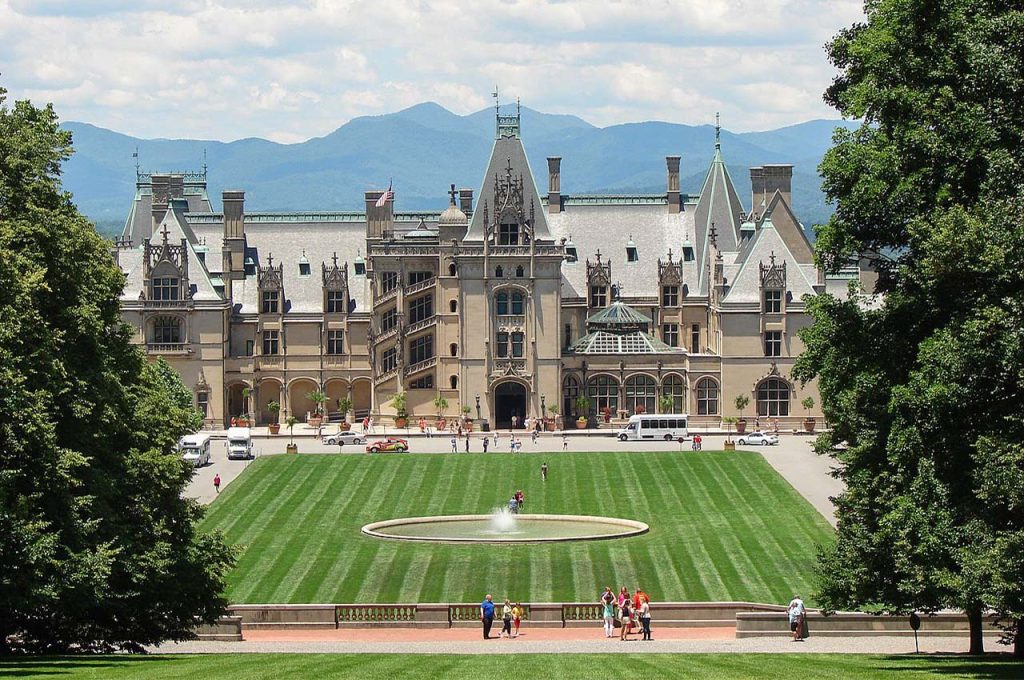
Built by George Washington Vanderbilt II in the 1890s, the Biltmore Estate in Asheville, North Carolina, is an American castle. The 250-room mansion features ornate interiors, a massive library, and breathtaking mountain views. Designed by architect Richard Morris Hunt and landscape visionary Frederick Law Olmsted, this lavish estate was both a statement of wealth and a secluded sanctuary—where opulence met intentional design on every manicured acre. Today, it remains a testament to Gilded Age opulence and vision.
6. Villa Leopolda – The French Riviera’s Royal Retreat
Perched above the French Riviera, Villa Leopolda sprawls across 20 acres of cypress-lined terraces and citrus groves. Commissioned by King Leopold II, the estate blends Belle Époque elegance with Riviera glamor—featuring ornate salons, a cascading landscape, and uninterrupted views of the cobalt Mediterranean below. It’s long attracted royalty, tycoons, and celebrities, becoming a symbol of Riviera luxury and one of the most valuable homes ever sold.
7. Neuschwanstein Castle – King Ludwig II’s Fairy-Tale Fortress
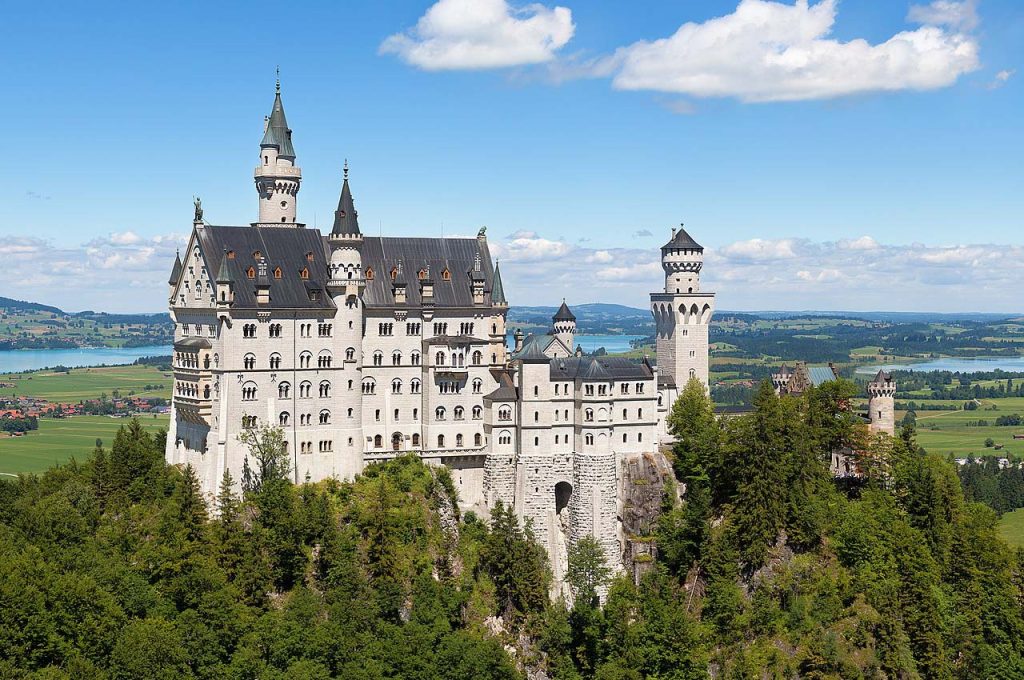
High atop the Bavarian Alps, Neuschwanstein Castle emerges like a vision from a storybook. Built for King Ludwig II in the 19th century, its Romanesque towers and romantic spires pierce the mist, perched on rugged cliffs. With sweeping alpine views and interiors rich in medieval fantasy, it’s no wonder this fairy-tale fortress became the muse for Disney’s iconic castles. Though unfinished, it captures the king’s romantic vision and obsession with myth and music. Today, it stands as a fantastical blend of imagination, isolation, and royal extravagance.
8. The White House – Power and Prestige in Washington, D.C.
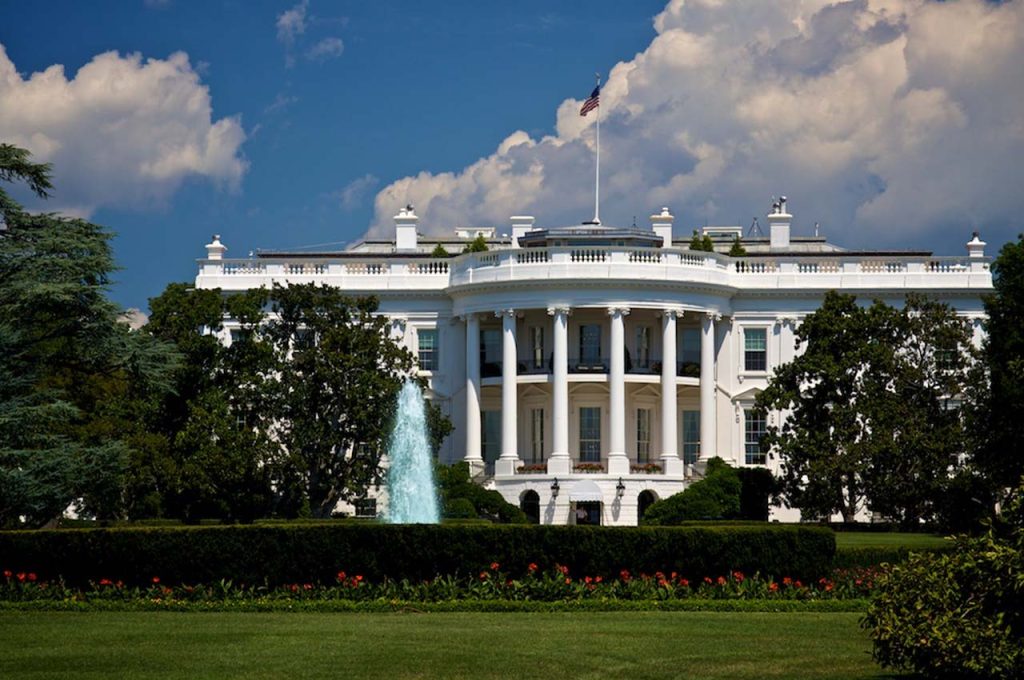
At 1600 Pennsylvania Avenue, the White House serves as both home and headquarters for the President of the United States. Since John Adams first moved in, it has witnessed history unfold—from wartime decisions to state dinners. With neoclassical architecture, historic rooms like the Oval Office, and a vast garden landscape, it’s more than a residence—it’s a symbol of American leadership, diplomacy, and tradition.
9. Highclere Castle – Home of the Real Downton Abbey Lords
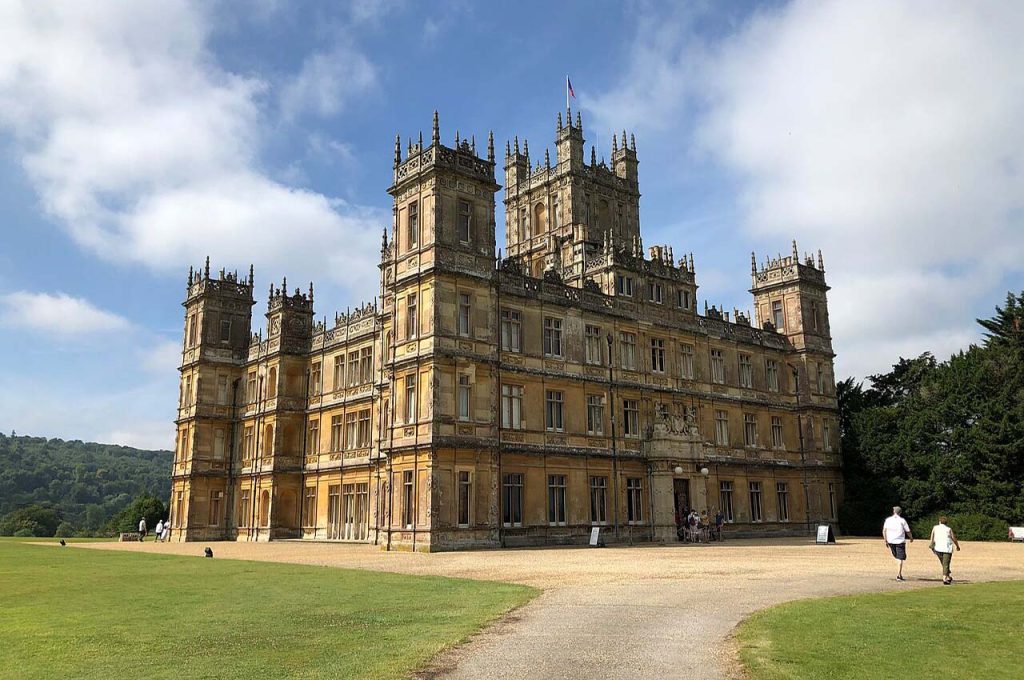
Famous as the filming location of Downton Abbey, Highclere Castle is a grand English country house that has housed the Carnarvon family since the late 17th century. Surrounded by 1,000 acres of rolling parkland, its Gothic Revival architecture and opulent interiors tell stories of aristocratic life, both past and present. The castle offers a rare window into Britain’s gilded past and the families that shaped it.
10. La Casa Azul – Frida Kahlo’s Vibrant Mexico City Home

Bright blue walls and blooming courtyards define La Casa Azul, the lifelong home of Mexican artist Frida Kahlo. Located in the Coyoacán district of Mexico City, this vibrant house was both sanctuary and creative studio. Today, it’s a museum filled with her artwork, personal effects, and relics of her tumultuous life with Diego Rivera. It radiates the color, pain, and passion that defined her enduring legacy.
11. Xanadu 2.0 – Bill Gates’ Tech-Forward Mega Mansion
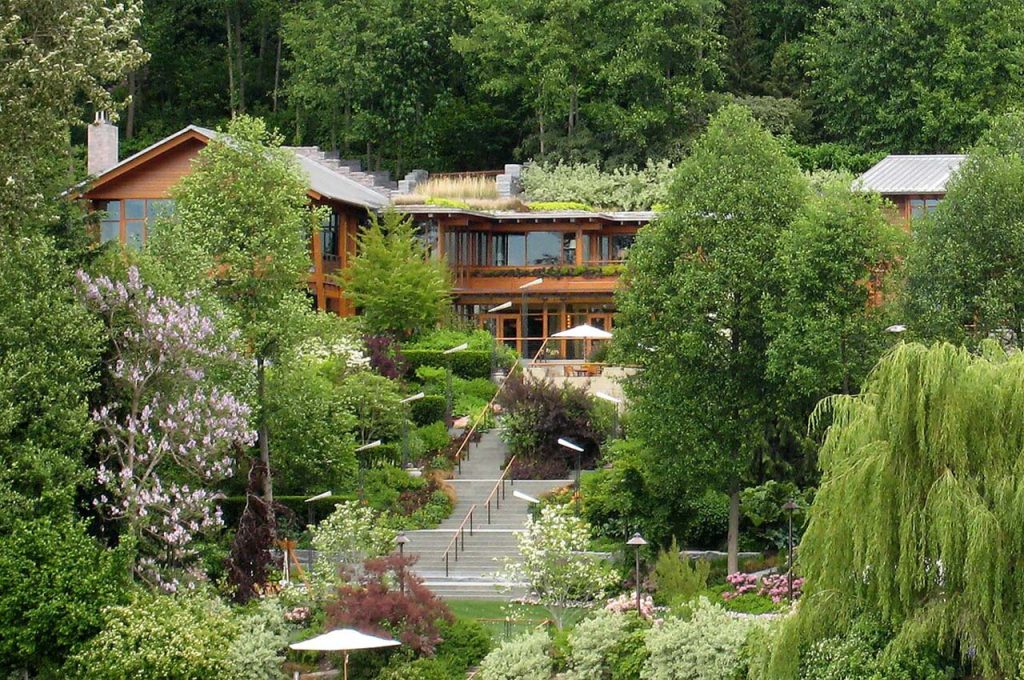
Nestled along Lake Washington, Xanadu 2.0 is Bill Gates’ futuristic estate blending sustainable design with cutting-edge technology. Hidden beneath a hillside, it blends natural materials with cutting-edge tech, featuring a high-tech library, indoor pool, and personalized smart-home features. It’s not just a home; it’s a blueprint for future living shaped by one of the world’s richest minds.
12. Casa Casuarina – Gianni Versace’s Lavish Miami Villa

A vision of opulence on Ocean Drive, Casa Casuarina was once home to fashion icon Gianni Versace. The 1930s Mediterranean Revival mansion dazzles with 24-karat gold-lined pools, mosaic-tiled courtyards, and frescoed walls. It reflects Versace’s love for classical art, luxury, and bold statements. Now a boutique hotel, it still bears his unmistakable flair and remains one of South Beach’s most iconic landmarks.
13. Skorpios Island – Aristotle Onassis’s Private Paradise

Skorpios, a private island in the Ionian Sea, was the personal escape of shipping tycoon Aristotle Onassis. Bought in the 1960s, it hosted glittering guests like Jackie Kennedy and Winston Churchill. With secluded beaches, dense olive groves, and a helipad, it symbolized Onassis’s wealth and desire for seclusion. Even today, the island exudes mystique, luxury, and echoes of a glamorous jet-set past.
14. Kenwood House – Dido Belle and British Aristocracy
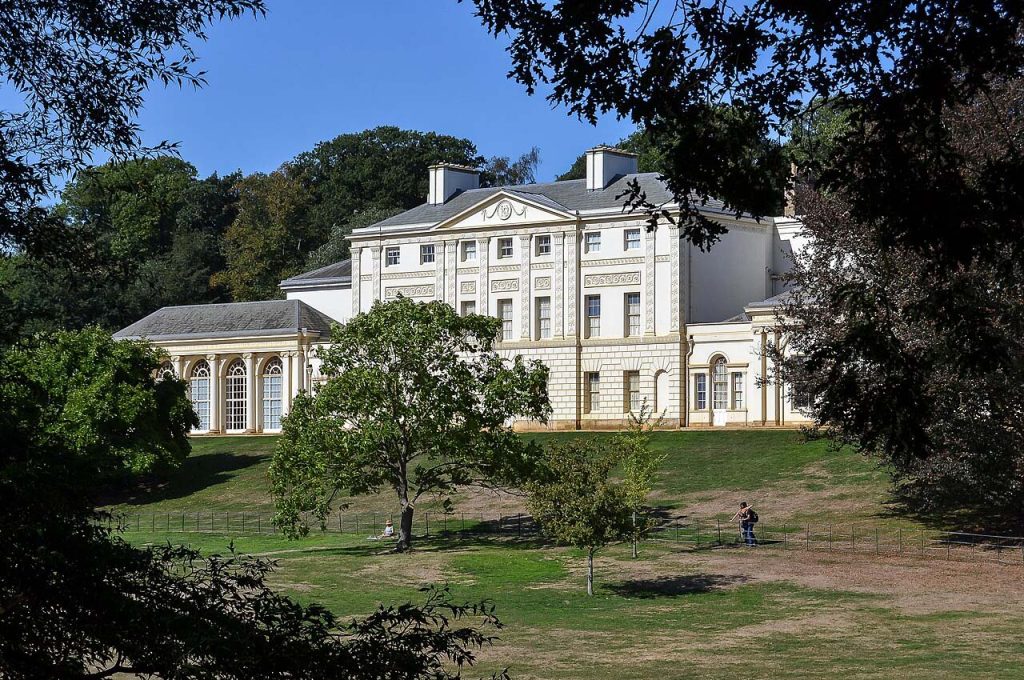
Set in lush Hampstead, Kenwood House is a neoclassical gem once home to Lord Mansfield—and to Dido Elizabeth Belle, a biracial woman born into nobility. Her presence challenged norms and inspired films and debate. The estate’s ornate interiors, masterpieces by Rembrandt and Vermeer, and manicured grounds offer not just elegance, but a compelling intersection of race, class, and British history.
15. Palazzo Doria Pamphilj – Rome’s Hidden Noble Treasure
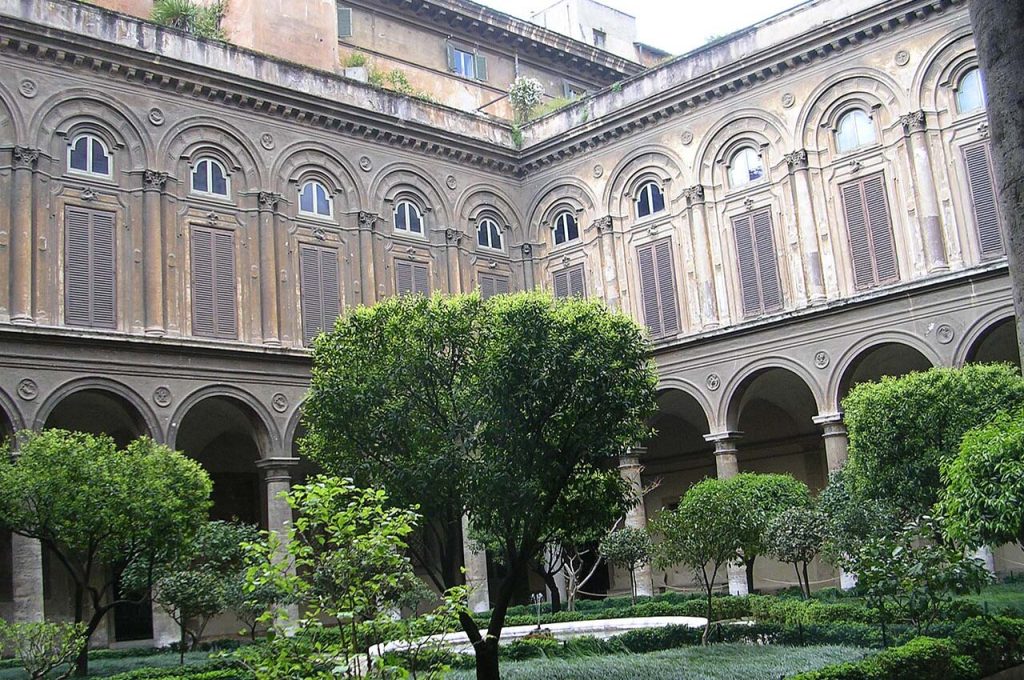
Hidden in the heart of Rome’s vibrant streets, Palazzo Doria Pamphilj quietly preserves centuries of splendor, still guarded by its noble lineage. Beyond its unassuming exterior lie vast gilded halls, frescoed ceilings, and an unmatched private art collection, including works by Caravaggio and Velázquez. Unlike other Roman landmarks, it feels intimate, lived-in, and hauntingly timeless.
16. Hemingway House – Ernest Hemingway’s Key West Getaway
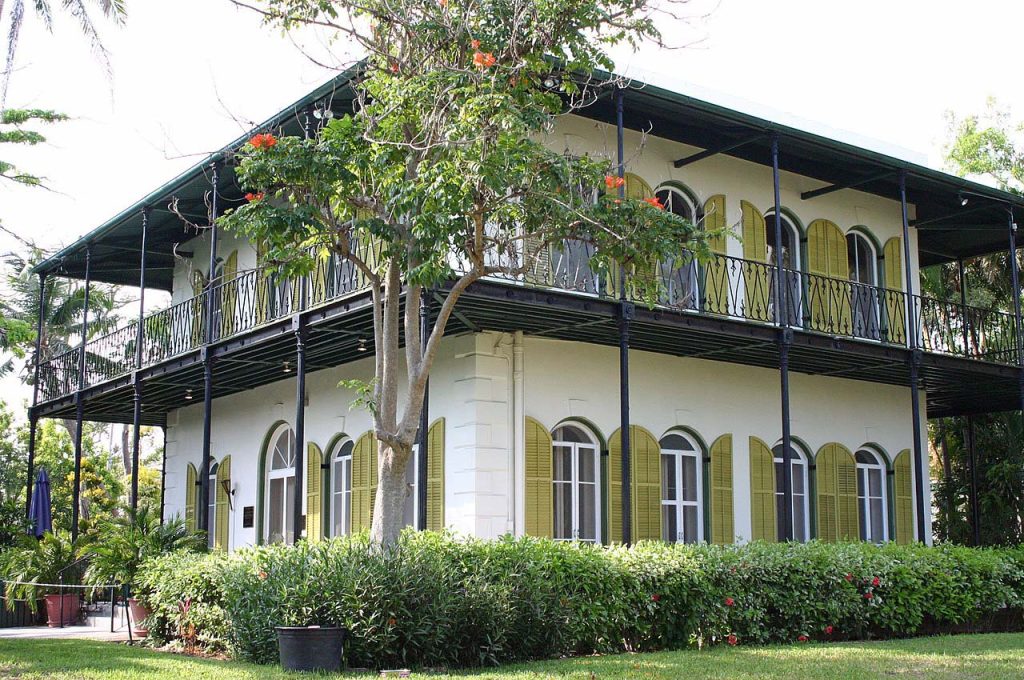
Shaded by lush palms and drenched in ocean light, the Ernest Hemingway Home in Key West pulses with island spirit and writerly mystique. Built in the 1850s, its Spanish Colonial architecture and lush gardens offered the perfect retreat for Hemingway’s famously adventurous lifestyle. Inside, vintage furnishings and the author’s personal items remain, while six-toed cats—descendants of his pets—still roam the grounds as living relics.
17. Winchester Mystery House – Heiress Sarah Winchester’s Eerie Estate
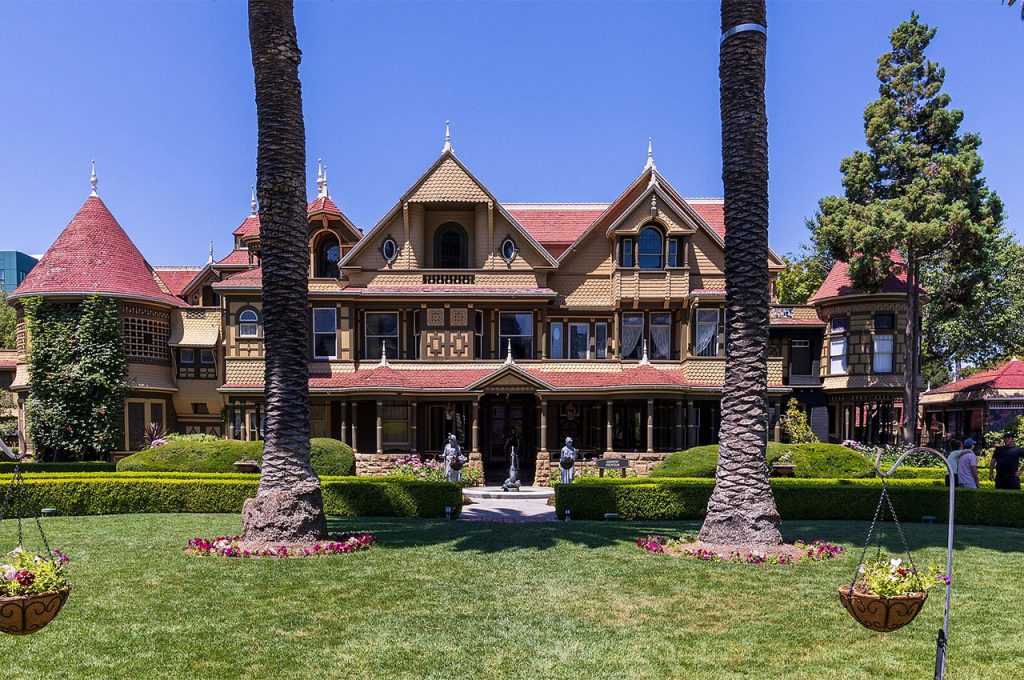
The Winchester Mystery House in San Jose is less a home and more a maze of obsession. Built continuously for 38 years by rifle heiress Sarah Winchester, it’s filled with staircases to nowhere, doors that open into walls, and 160 oddball rooms. Legend says she built to appease restless spirits—fact or fiction, the result is a fascinating, eerie architectural puzzle that continues to mystify visitors today.