

Fog transforms familiar trails into disorienting landscapes, often masking distance, terrain changes, and landmarks. Many hikers underestimate how quickly visibility loss alters decision-making and pace. Sound carries differently, moisture increases, and temperatures can shift without warning. Navigation becomes harder as reference points disappear. This environment rewards preparation and patience, yet common mistakes repeat across regions and experience levels. Understanding these errors helps explain why fog contributes to injuries, rescues, and missed routes each year. This article outlines sixteen specific mistakes people frequently make when hiking in fog, focusing on awareness, planning, and judgment rather than fear or dramatization.
Ignoring Weather Forecasts

Ignoring weather forecasts remains a common hiking mistake. Fog often develops from predictable conditions like temperature shifts, coastal influence, or rising humidity. Forecasts provide warnings about visibility changes and timing. Skipping this step removes an important layer of preparation. Hikers may start confidently, only to encounter dense fog later. Awareness of forecasted fog allows route adjustments or delayed starts. Even experienced hikers misjudge weather stability. Checking forecasts encourages realistic planning and equipment choices. This simple step reduces surprise and improves decision-making when visibility drops unexpectedly during a hike across varied terrain and elevations where conditions change quickly.
Starting Without Navigation Tools

Starting without navigation tools creates a serious risk in fog. Trails disappear, junctions blur, and landmarks vanish. Relying solely on memory or visible markers fails when visibility drops. Maps, compasses, and GPS devices provide orientation when eyes cannot. Many hikers assume familiar routes remain obvious, but fog alters perception dramatically. Batteries fail, signals drop, and skills matter. Carrying tools alone is insufficient without understanding their use. Fog exposes gaps in preparation quickly. Navigation tools support calm decisions, prevent wandering, and help maintain direction when terrain offers few visual cues and sound becomes misleading during low visibility conditions outdoors.
Overestimating Familiarity With Trails

Overestimating familiarity with trails leads to complacency. Fog removes visual confirmation of turns, elevation changes, and surroundings. Even well-known paths can feel unfamiliar when reference points vanish. Muscle memory may fail when cues disappear. Hikers often trust routine instead of verifying location. This mistake results in missed junctions and unintended detours. Familiarity encourages speed, which increases risk. Slowing down and confirming position matters more than confidence. Fog reveals how dependent navigation is on sight. Treating every hike with respect for changing conditions helps maintain orientation and safety when environments transform unexpectedly, despite prior experience on the same route.
Continuing At Normal Speed
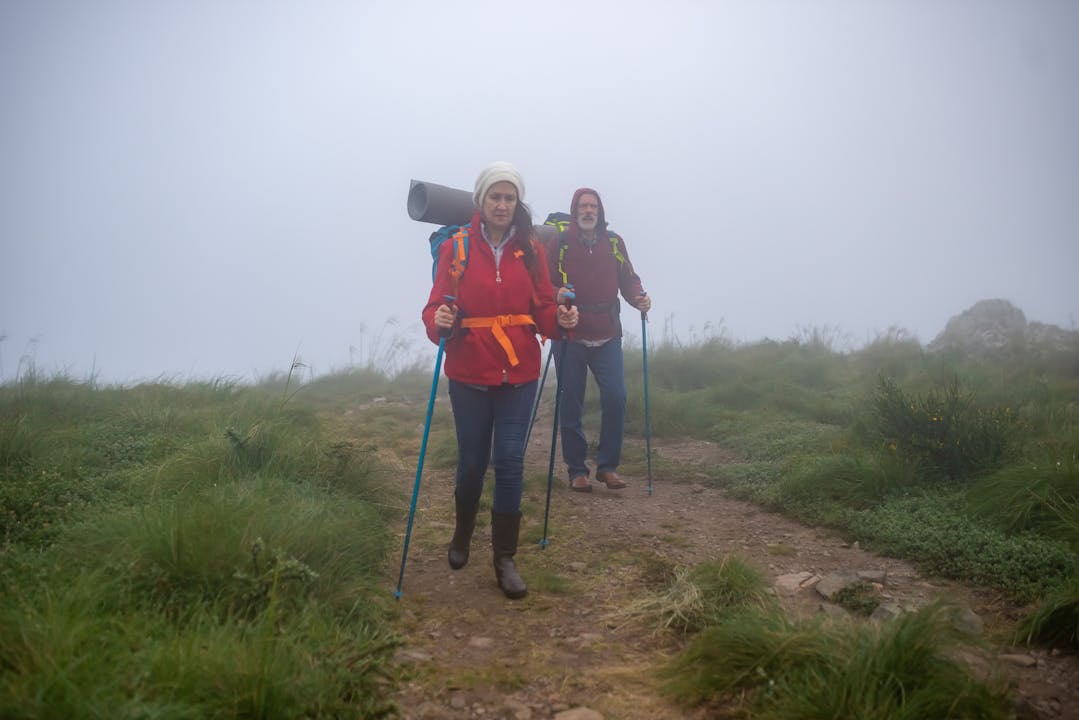
Continuing at normal speed in fog reduces reaction time. Obstacles appear suddenly, increasing fall risk. Edges, drop-offs, and uneven ground hide until close. Slower movement allows scanning terrain and listening for cues. Many hikers maintain pace out of habit or schedule pressure. Fog demands patience. Adjusting speed preserves balance and awareness. Faster movement amplifies errors when visibility narrows. Slowing down conserves energy and improves navigation accuracy. This mistake often compounds others, turning minor disorientation into serious trouble. Matching pace to conditions supports safer progress and better decision making when visual information remains limited for extended periods on exposed or forested trails.
Failing To Mark Progress

Failing to mark progress complicates return routes in fog. Visual landmarks disappear, making backtracking difficult. Simple actions like noting compass bearings, time intervals, or distinctive terrain help maintain orientation. Some hikers rely entirely on trail markers, which may be obscured. Without progress awareness, uncertainty grows quickly. Marking progress encourages intentional movement rather than wandering. This habit supports confidence during stops and decisions to turn back. Fog emphasizes the importance of tracking movement consciously. Small navigational notes prevent larger errors later. Awareness of distance and direction traveled reduces confusion when surroundings appear uniform, and depth perception collapses under persistent low visibility conditions during longer hikes.
Skipping Extra Clothing

Skipping extra clothing becomes problematic in fog. Moisture accumulates quickly, lowering body temperature. Fog often brings cooler air and dampness that penetrates layers. Sweat cools faster, increasing chill. Many hikers underestimate how cold fog can feel compared with clear conditions. Extra insulation and waterproof layers support comfort and safety. Without them, energy drains faster. Cold impairs judgment and coordination. Fog reduces sunlight, limiting warmth. Preparing for temperature shifts prevents discomfort from escalating into risk. Carrying adaptable clothing ensures resilience when conditions change unexpectedly, especially at higher elevations or coastal areas where fog lingers, and wind increases exposure throughout the hike.
Ignoring Sound Cues

Ignoring sound cues wastes valuable information in fog. When vision fades, hearing becomes critical. Water flow, wind direction, wildlife, and human activity provide orientation clues. Some hikers focus only on visual searching, missing auditory guidance. Sound travels differently in fog, sometimes appearing closer or farther. Learning to pause and listen helps interpret surroundings. Footsteps echo, branches snap, and distant roads hum. These cues assist navigation and hazard awareness. Fog rewards multisensory awareness. Ignoring sound removes an adaptive advantage. Listening supports calm movement, helps locate trails, and reduces startle responses when shapes emerge suddenly from limited visibility along wooded or open landscapes during dense fog conditions.
Straying From Established Trails

Straying from established trails in fog increases risk rapidly. Trails provide predictable terrain and navigation aids. Fog conceals hazards beyond trail boundaries, including cliffs, unstable ground, and dense vegetation. Some hikers leave trails seeking shortcuts or clearer views. Without visibility, orientation fails quickly. Established paths reflect safe routing choices. Leaving them removes reference points. Reentry becomes difficult when fog thickens. Staying on the trail supports safer footing and easier navigation. This mistake often leads to disorientation and rescue situations. Fog demands discipline and respect for trail design, even when curiosity or frustration tempts deviation from marked routes during reduced visibility hiking conditions.
Relying Solely On Electronics
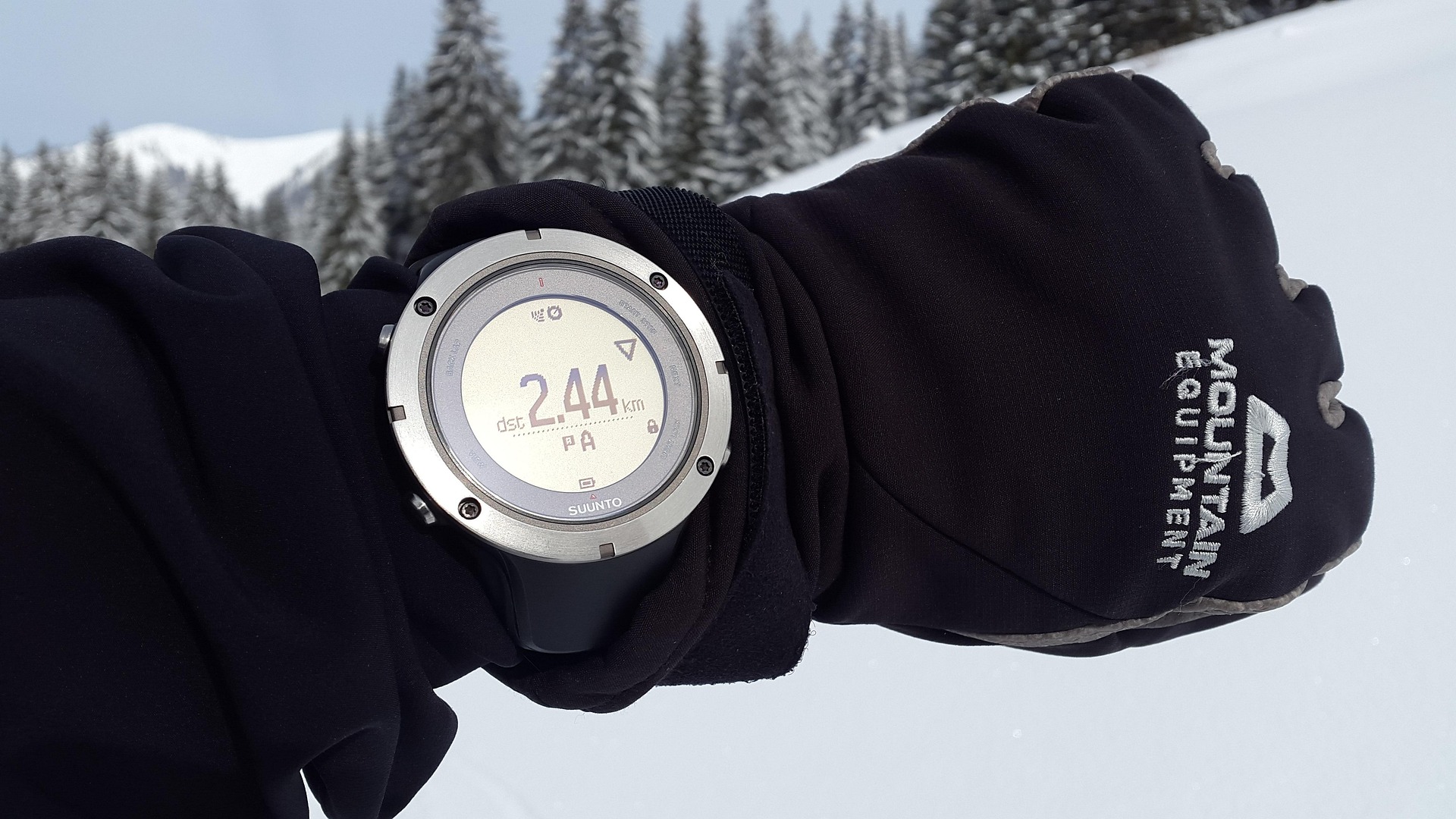
Relying solely on electronics creates vulnerability in fog. GPS devices and phones depend on batteries, signals, and software accuracy. Cold and moisture drain power faster. Screens become harder to read in damp conditions. Signal loss occurs in valleys and dense forests. Without backups, navigation collapses. Electronics complement but should not replace basic skills. Fog exposes technological limits. Maps and compasses function regardless of batteries. Redundancy matters. Overconfidence in devices leads to delayed decisions. Balanced preparation ensures options remain when technology fails. Fog emphasizes resilience through layered navigation strategies, combining digital tools with traditional methods to maintain direction and situational awareness throughout the hike.
Neglecting Group Communication

Neglecting group communication causes separation in fog. Visibility shrinks, and distances feel deceptive. Quiet movement increases the chance of losing contact. Without regular check-ins, groups fragment quickly. Calling out names, agreeing on pace, and maintaining close spacing matter. Fog muffles sound and distorts direction. Clear communication prevents panic and wrong turns. Some hikers assume silence improves focus, but connection improves safety. Group cohesion supports shared decision-making. Establishing protocols before fog thickens reduces confusion. This mistake often escalates minor disorientation into stressful situations. Fog hiking requires intentional communication habits to maintain unity, morale, and coordinated movement when visual contact disappears for extended stretches of trail.
Misjudging Distance And Terrain

Misjudging distance and terrain occurs easily in fog. Slopes appear flatter, ridges feel closer, and obstacles seem sudden. Depth perception weakens significantly. Hikers may underestimate the remaining distance or overestimate progress. This leads to poor timing decisions and fatigue. Terrain features blend together, masking elevation changes. Misjudgment increases fall risk and navigation errors. Fog alters spatial awareness fundamentally. Pausing to reassess prevents assumptions from guiding movement. Using maps, altimeters, and pacing helps recalibrate perception. Recognizing this limitation encourages humility and caution. Accepting slower progress reduces frustration and supports safer choices when visual cues no longer provide reliable information about surroundings, trail conditions, or remaining effort ahead.
Skipping Turnaround Decisions

Skipping turnaround decisions prolongs exposure to fog risks. Many hikers push forward, hoping conditions improve. Fog often persists or thickens unexpectedly. Delaying decisions reduces daylight margins and energy reserves. Turning around requires discipline and acceptance. Some view it as a failure rather than a safety. Clear turnaround criteria prevent emotional choices. Time, visibility, and location guide decisions. Fog complicates exits, making earlier reversals safer. Waiting too long limits options. This mistake contributes to exhaustion and emergency situations. Fog hiking rewards conservative judgment. Establishing decision points before starting ensures flexibility. Turning back early preserves safety and confidence for future outings when conditions exceed comfort or preparedness levels encountered on the trail.
Forgetting Time Awareness

Forgetting time awareness creates problems in fog. Reduced visibility slows progress and increases fatigue. Hikers often underestimate how long tasks take without visual cues. Fog dims light, making it harder to judge daylight remaining. Losing track of time leads to rushed decisions later. Regular time checks support pacing and turnaround planning. Watches and deliberate breaks help maintain awareness. Fog distorts perception, making hours feel shorter. This mistake compounds others by compressing margins. Time awareness supports calm choices and prevents darkness from adding complexity. Maintaining a realistic schedule improves safety when conditions obscure distance and terrain, ensuring adequate reserves remain for navigation and unexpected challenges during extended foggy hikes across varied landscapes.
Underestimating Moisture Effects

Underestimating moisture effects leads to discomfort and risk in fog. Fog saturates clothing, gear, and skin. Dampness increases heat loss and fatigue. Footing becomes slippery on rocks and roots. Moisture affects maps, electronics, and grip. Some hikers treat fog as harmless mist, ignoring cumulative impact. Over time, moisture reduces efficiency and morale. Proper protection and awareness mitigate these effects. Recognizing fog as an active environmental factor encourages better preparation. This mistake often emerges slowly, making it easy to ignore until consequences appear. Understanding moisture accumulation helps hikers adjust clothing, pacing, and rest strategies to maintain safety and comfort throughout prolonged exposure to fog during extended outdoor activity in cool or variable weather conditions.
Assuming Fog Means No Sun

Assuming fog means no sun causes sun exposure mistakes. Fog scatters light but does not block ultraviolet radiation. Skin exposure still occurs, especially at elevation. Hikers may skip sun protection, leading to burns or eye strain. Fog creates false comfort by reducing heat sensation. UV radiation penetrates clouds effectively. This misconception persists widely. Protective measures remain important regardless of visibility. Applying sunscreen and wearing eye protection supports long-term comfort and health. Fog disguises exposure risk rather than eliminating it. Recognizing this prevents avoidable discomfort. Even in cool, foggy conditions, ultraviolet awareness matters during outdoor activity, particularly in alpine or coastal environments where reflection and altitude intensify exposure despite muted light and cooler air temperatures.
Panicking When Visibility Drops

Panicking when visibility drops worsens every decision. Fog triggers anxiety by removing familiar cues. Rapid breathing and rushed movement increase mistakes. Panic narrows focus and disrupts reasoning. Calm responses support safer choices. Stopping, breathing, and reassessing restores control. Many hikers react emotionally rather than methodically. Fog requires patience and deliberate action. Accepting reduced visibility helps maintain composure. Panic often leads to leaving trails, speeding up, or ignoring safety checks. Training mindset matters as much as equipment. Cultivating calm improves navigation and communication. Fog hiking rewards those who slow down mentally and physically, treating uncertainty as manageable rather than threatening during challenging but navigable conditions encountered on the trail.
Not Practicing Fog Skills Beforehand

Not practicing fog skills beforehand leaves hikers unprepared. Skills degrade without rehearsal. Navigation, pacing, and communication require practice in low-visibility conditions. Waiting to learn during actual fog increases risk. Controlled practice builds confidence and competence. Some hikers assume clear weather skills transfer automatically. Fog challenges perception differently. Practicing in safe environments improves response. Familiarity reduces anxiety. This mistake stems from optimism bias. Training under mild fog or simulated conditions builds adaptability. Preparation transforms fog from a threat to a manageable factor. Practicing beforehand ensures tools, techniques, and mindset function together when visibility disappears unexpectedly during real hikes across mountains, forests, or coastal trails where fog frequently forms without warning.
The post 17 Mistakes People Make When Hiking in Fog appeared first on Bushcraft Base Camp.