

Camping in the wild can be unpredictable, especially when the temperature drops lower than what the forecast predicted. While weather apps provide estimates, nature gives subtle signs that alert experienced campers to an unusually cold night. Recognizing these hints helps you prepare before frost forms or your gear freezes. From shifts in wind and cloud cover to wildlife behavior and moisture patterns, the environment offers reliable clues. Understanding and observing these signals ensures comfort, safety, and a warm night under the stars.
1. Clear Skies After Sunset
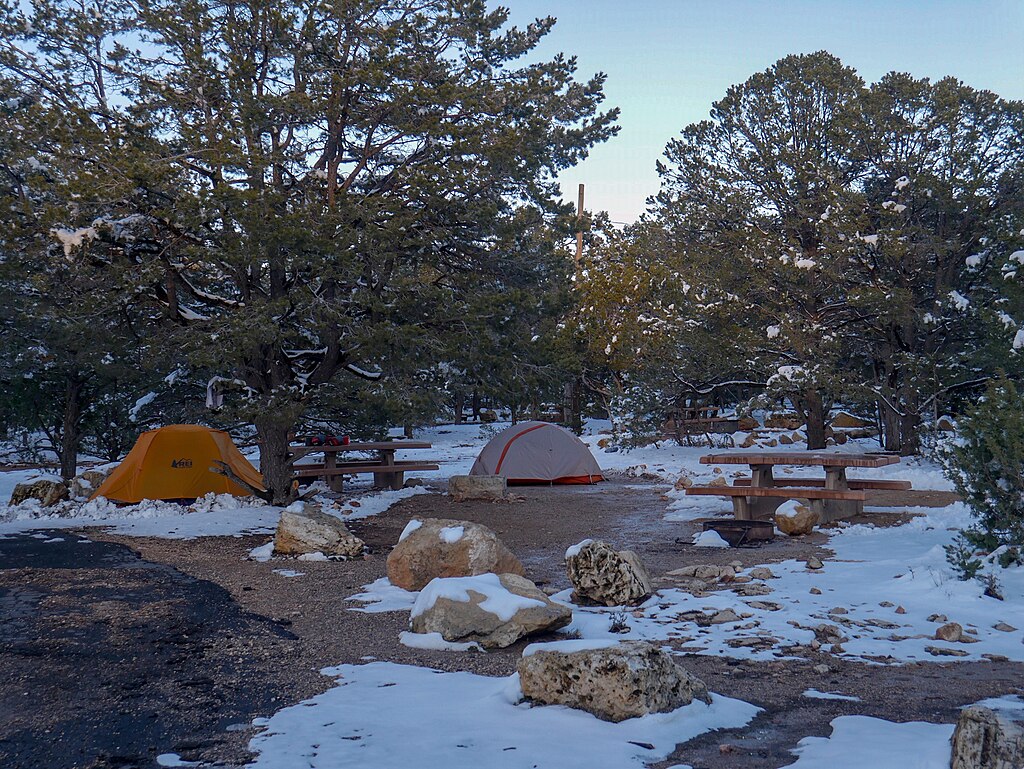
A clear evening sky may seem inviting, but it often signals rapid cooling overnight. Without clouds to trap heat, energy radiates quickly into the atmosphere, causing the temperature to drop faster than predicted. The brighter and more numerous the stars, the more efficiently heat escapes. Campsites in valleys or open meadows experience the sharpest declines. Observing high clouds fading to pink or orange at sunset can indicate that cooling will accelerate as darkness settles, requiring layers or extra insulation inside tents.
2. Calm, Still Air

When the wind dies completely at dusk, it signals that the lower atmosphere has stabilized, allowing cold air to pool near the ground. Calm conditions prevent mixing of warmer layers from above, so temperatures can drop several degrees faster than forecasted. Open fields, meadows, or low clearings are particularly vulnerable. Even subtle changes, such as the absence of a gentle breeze, indicate that heat will escape upward more efficiently. Campers should add extra clothing or sleeping bag insulation to compensate for the rapidly cooling environment.
3. Rapid Dew Formation
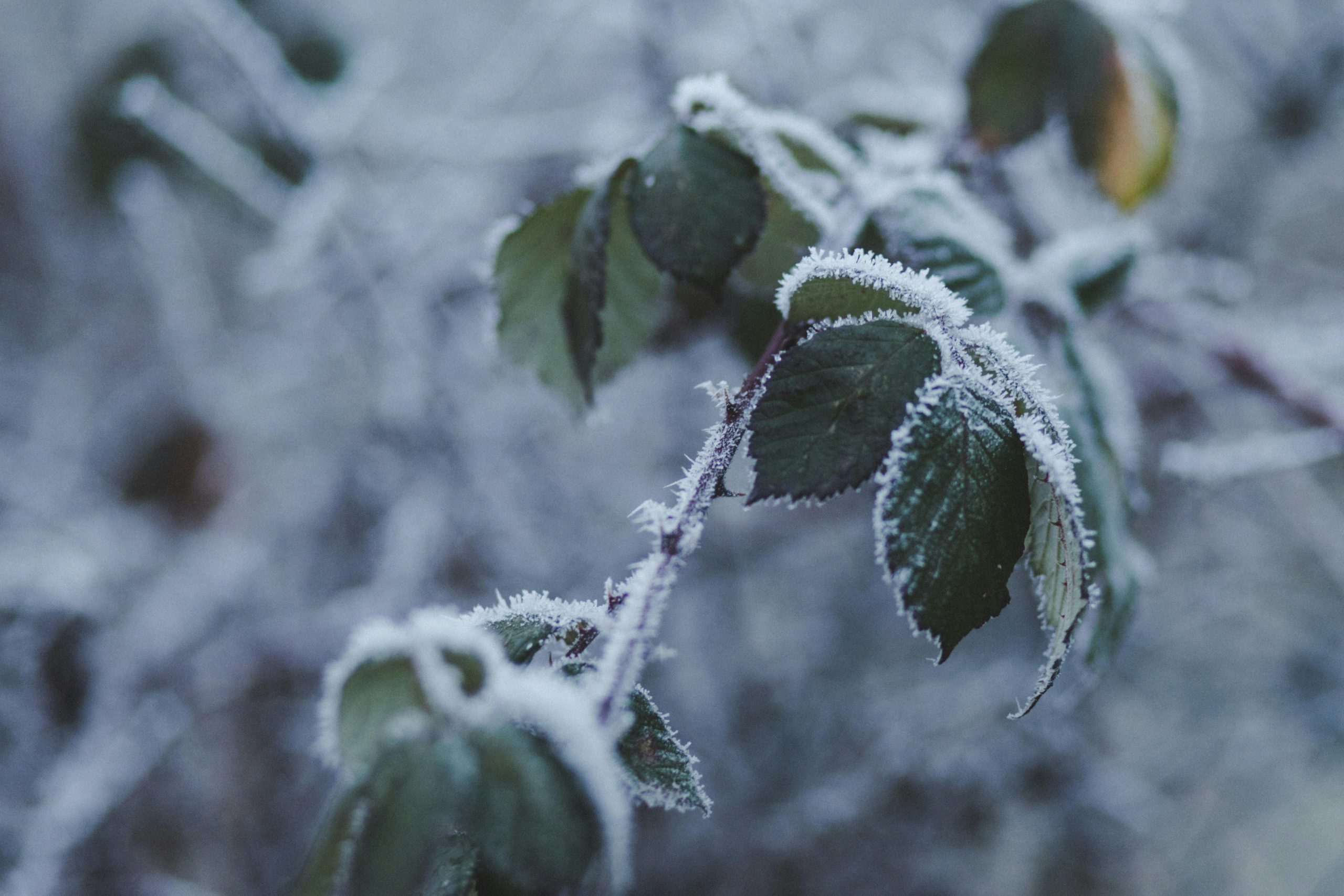
When dew appears early on tents, gear, or grass, it signals that the air has reached the dew point faster than expected. Moisture condenses on surfaces as heat escapes from the ground and surrounding air. Heavy dew before midnight is a warning that the night will continue to cool quickly. Wet fabric amplifies the chill, making layers less effective if absorbed by clothing. Elevating sleeping pads, covering gear, and drying items promptly are essential. Rapid condensation is a natural signal that colder conditions are imminent, even if daytime temperatures were mild.
4. Sudden Silence in Wildlife
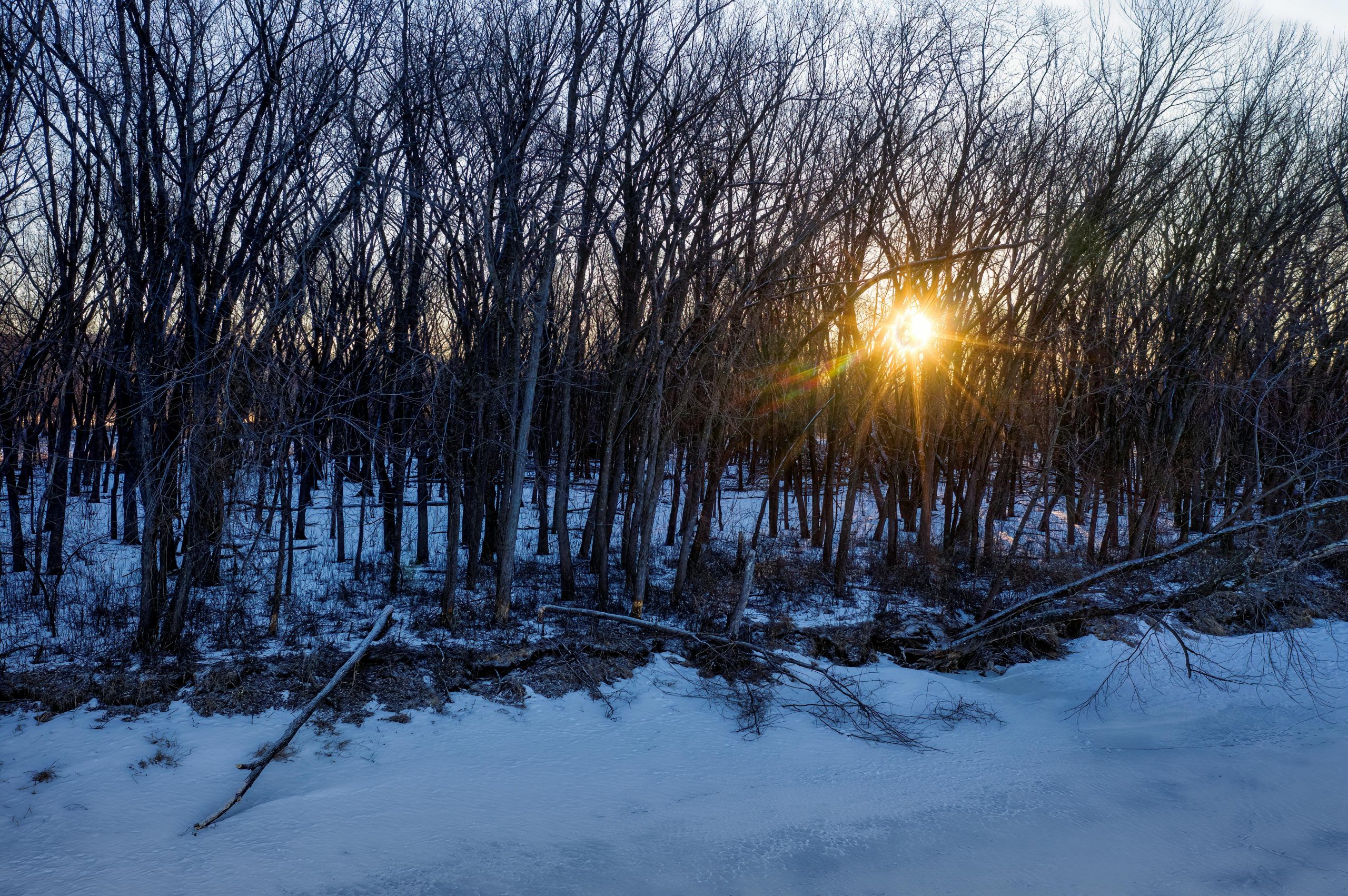
A sharp drop in birdsong, insect chirping, or frog calls often signals a temperature shift. Wildlife senses cooling before humans, and early silence suggests the air is losing heat quickly. The absence of familiar evening sounds may appear peaceful, but it indicates that cold air is settling near the surface. Observing animal behavior, such as birds returning to roosts or crickets quieting unusually early, allows campers to anticipate a colder night. This natural warning can prompt adjustments in clothing or sleeping arrangements before the chill sets in fully.
5. Low-Lying or Valley Campsite

Campsites in valleys or depressions often become natural cold traps. Dense, cool air slides downhill and accumulates at low points while higher ridges remain warmer. Temperatures in these areas can drop several degrees below forecast values, especially overnight. Setting a tent near a creek bed or basin increases exposure to frost. Observing topography helps campers choose safer spots. Elevating the tent slightly or moving to gentle slopes reduces the risk of waking to icy ground or frigid conditions. Low-lying locations amplify the effects of radiational cooling at night.
6. Cold Air Flowing from Water
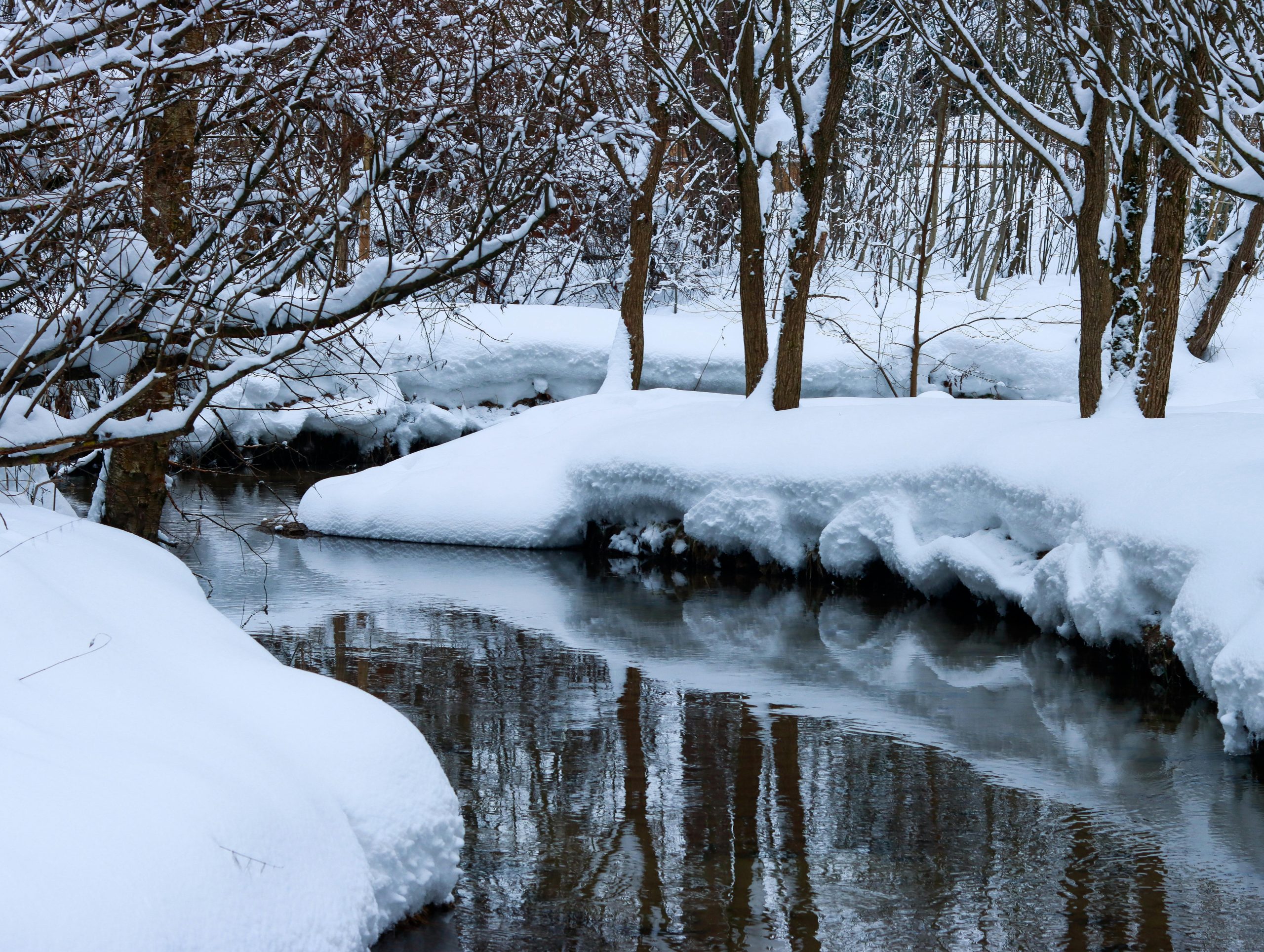
Nearby rivers, lakes, or ponds can cause cooler conditions even if daytime temperatures are moderate. Water retains cold and releases it slowly, allowing dense, chilled air to drift toward the campsite. Evening mist or fog forming over water indicates heat is escaping from the surrounding air. A campsite downwind of such sources will often feel colder than forecasted. Preparing by wearing insulated clothing, closing tent vents partially, and using waterproof ground tarps helps mitigate the chill caused by nearby water cooling the local air during the night.
7. Stars Becoming Sharper and Brighter
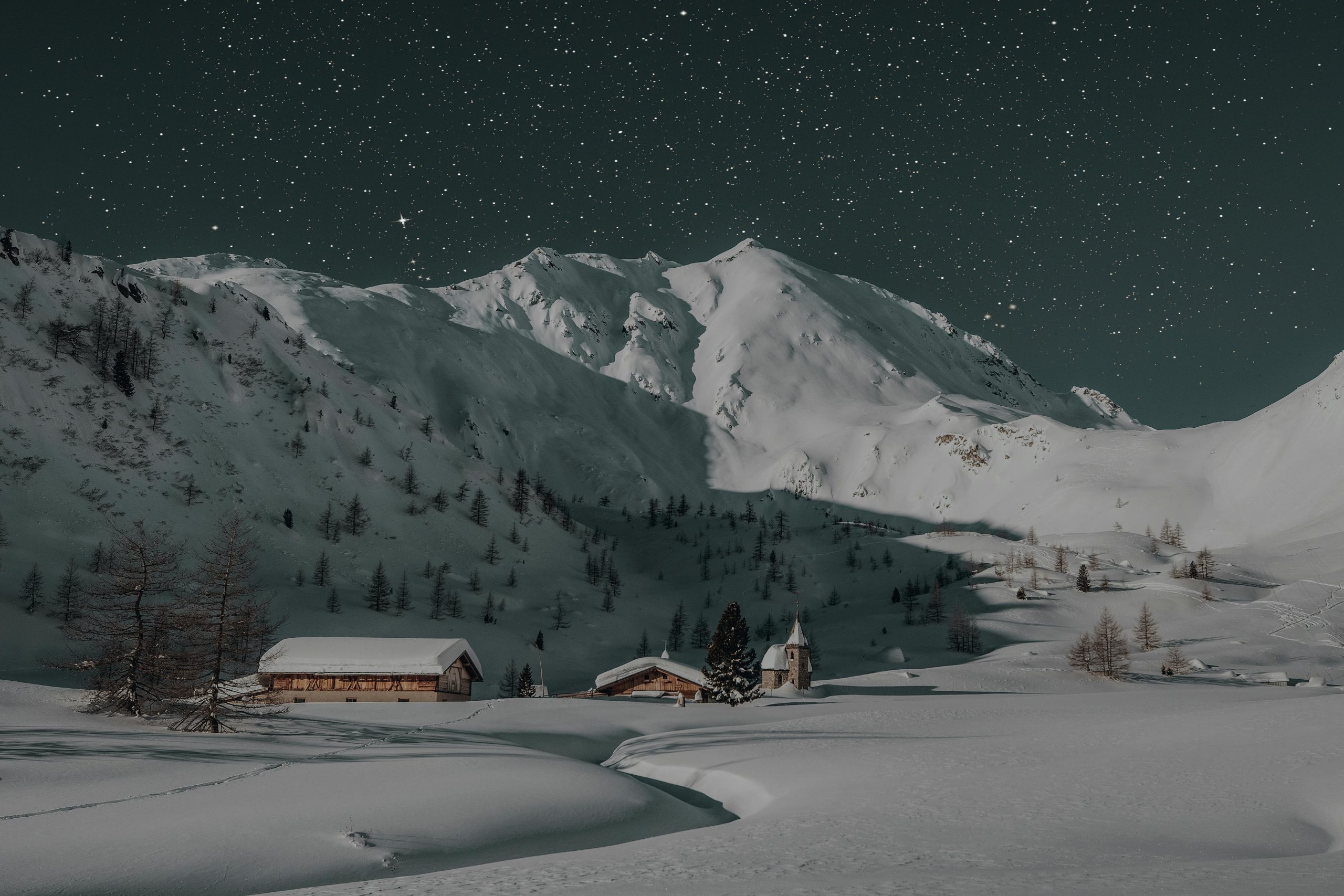
When stars appear exceptionally clear and bright, it reflects dry, stable air that allows heat to escape efficiently. Clear visibility indicates low humidity, which accelerates nighttime cooling. Mountain ridges, desert plains, and high elevations experience this most. The Milky Way or distant constellations appearing extra vivid signal rapid radiational heat loss. Campers observing the night sky should anticipate colder conditions and prepare with extra layers or insulating sleeping pads. Sharp starlight at night is a reliable natural indicator of a temperature drop below forecasted levels.
8. Thin Cloud Cover or Rapid Clearing
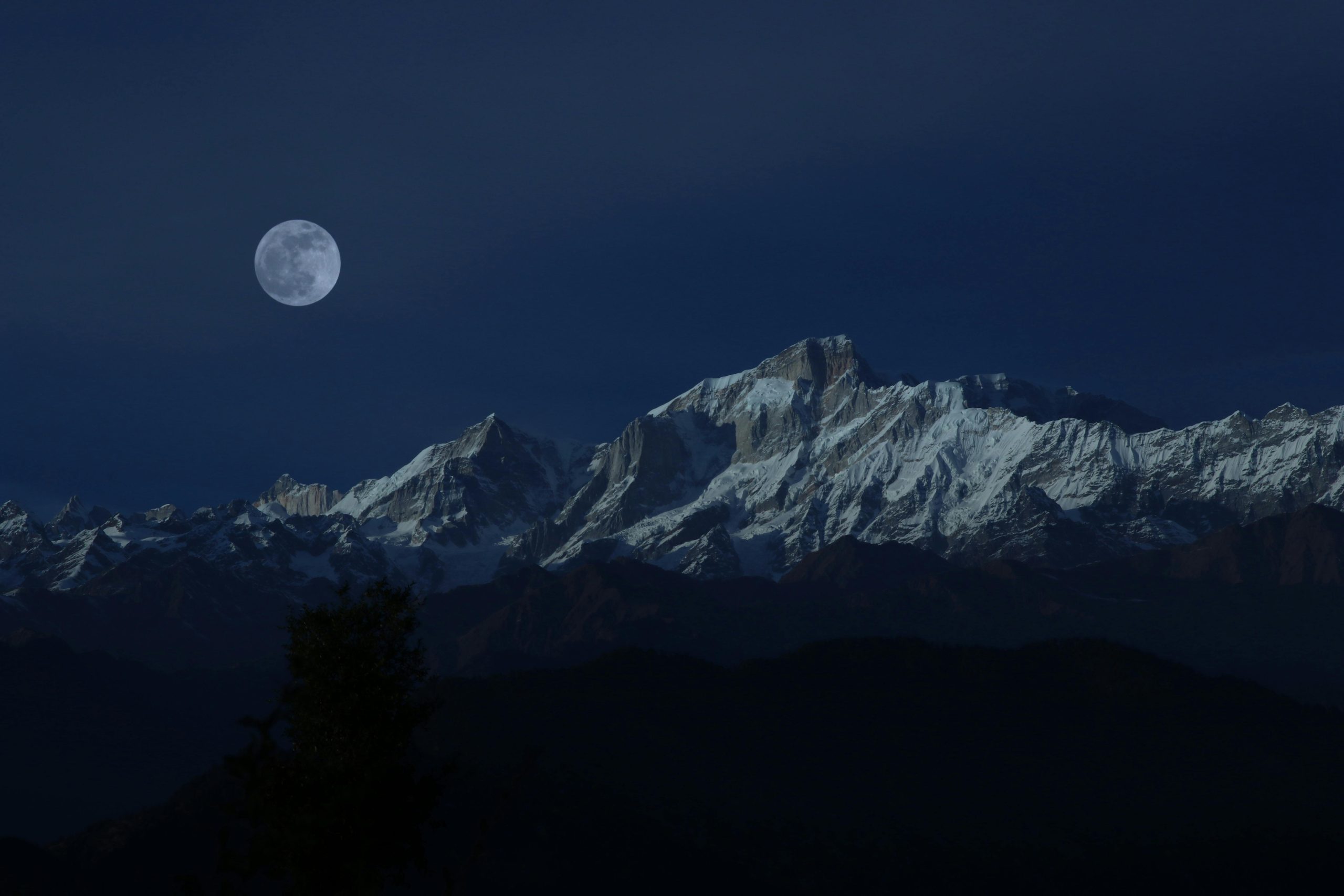
Partial clouds or sudden breaks in cloud cover at night reduce insulation over the campsite. Clouds trap radiational heat and slow cooling, but when they thin or disappear, warmth escapes quickly. Forecasts may not capture this rapid change, leaving campers colder than expected. Cirrus streaks or thin patches allow the air to radiate energy into space efficiently. Observing cloud patterns and anticipating their effect on heat retention helps prepare tents, sleeping bags, and campers for lower temperatures as darkness deepens.
9. Frost on Metal or Surfaces

Early frost on tent poles, car hoods, or outdoor gear signals that air and ground temperatures have already dropped to freezing or near-freezing levels. Metal surfaces lose heat faster than the surrounding air, serving as an early warning for the night ahead. Campers noticing frost before midnight should protect sensitive equipment, add insulation, and adjust sleeping arrangements. This early crystallization indicates that the night will continue cooling, and remaining unprepared could result in uncomfortable or unsafe exposure to freezing conditions.
10. Smoke Hanging Near the Ground

If campfire smoke drifts horizontally or lingers near the ground, it reveals stable, dense air near the surface. Cold air settling prevents warm air from rising, intensifying surface cooling. Smoke that fails to rise freely signals that the campsite is likely to experience sharper temperature drops than predicted. Observing smoke behavior in the evening can help campers anticipate frost formation or icy ground conditions. Preparing extra insulation and keeping sleeping bags sealed tight is essential when smoke clings near the tent area.
11. Damp Ground Becoming Firm or Dry
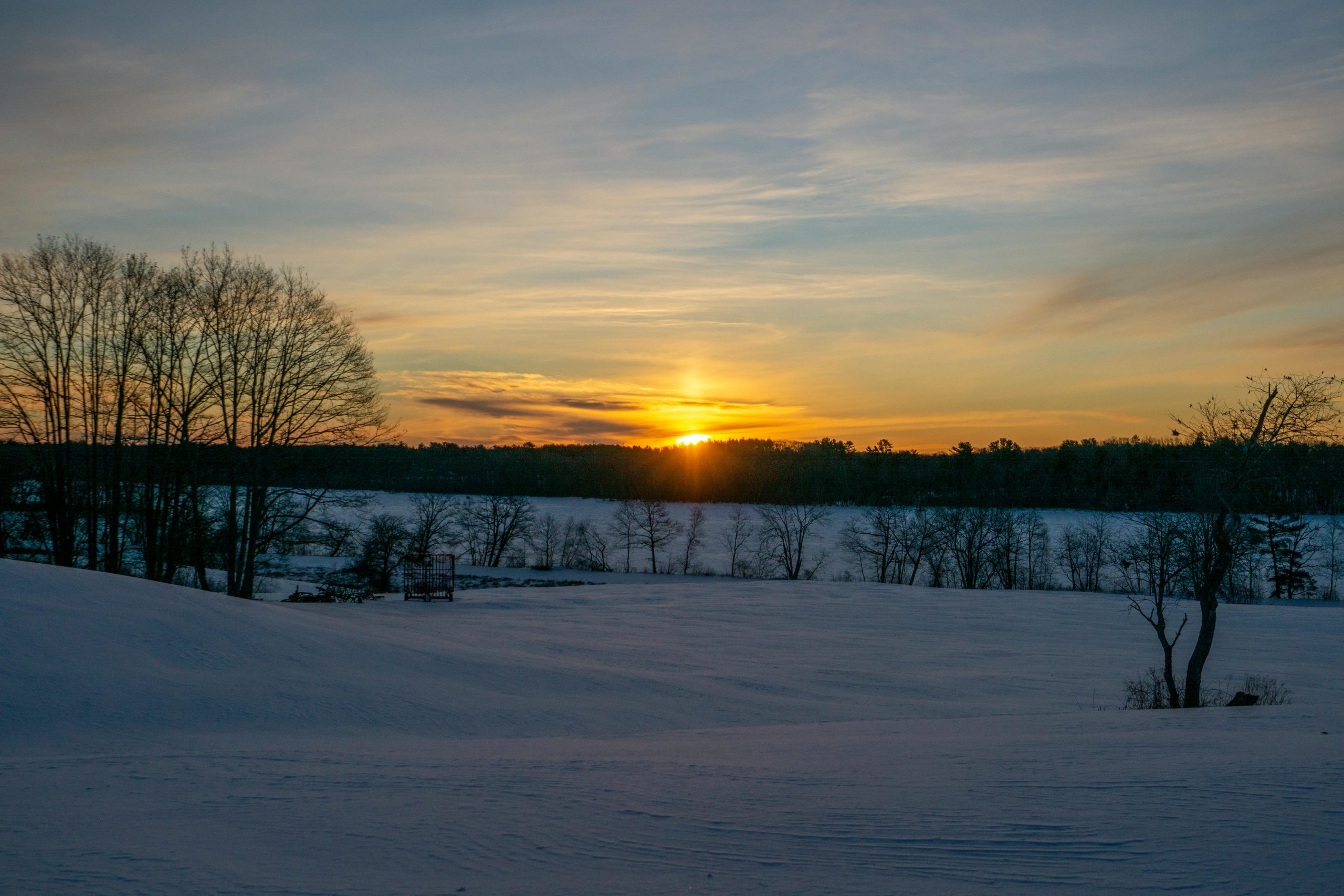
Soft or muddy soil that quickly becomes firm after sunset indicates rapid heat loss from the ground. Cooling pulls moisture into the air, and soil hardens as temperatures fall. Campsites on dry or sandy terrain experience even faster cooling. Firming ground and rapid evaporation suggest that frost is likely, and sleepers may feel the chill through pads or tents. Awareness of these subtle changes enables campers to elevate sleeping pads, insulate gear, and prepare layers to withstand unexpectedly colder nights than the forecast predicted.
12. Visible Breath Early

Seeing your breath before full darkness signals that the air is near the dew point and cooling rapidly. This early condensation occurs in calm, dry conditions and warns that the night will continue to drop forecast values below. Campers noticing visible breath should immediately add layers, close tent vents partially, and protect sensitive gear from freezing. It’s an early and reliable indicator that the surrounding air will remain cold, with the potential for frost formation and icy surfaces, even if daytime temperatures are comfortable and mild.
13. Wildlife Seeking Shelter
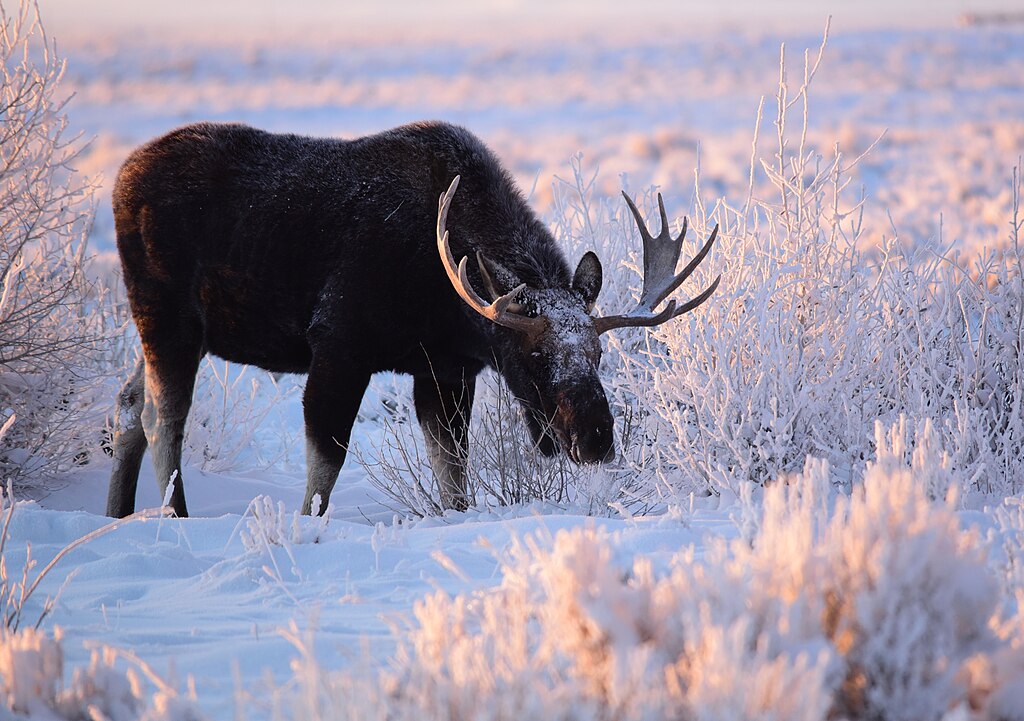
Animals sense temperature drops before humans. Birds returning early to roosts, squirrels disappearing before dusk, or mammals curling in sheltered areas all signal rapidly cooling air. Observing these behaviors allows campers to prepare for unexpected cold nights. Wildlife reactions serve as natural thermometers, providing an early warning system. Adjusting clothing, sleeping arrangements, and tent insulation in response ensures comfort and safety. When animals behave unusually at dusk, it is often a reliable precursor to a night colder than the forecast.
14. Light Fog Forming in Low Spots
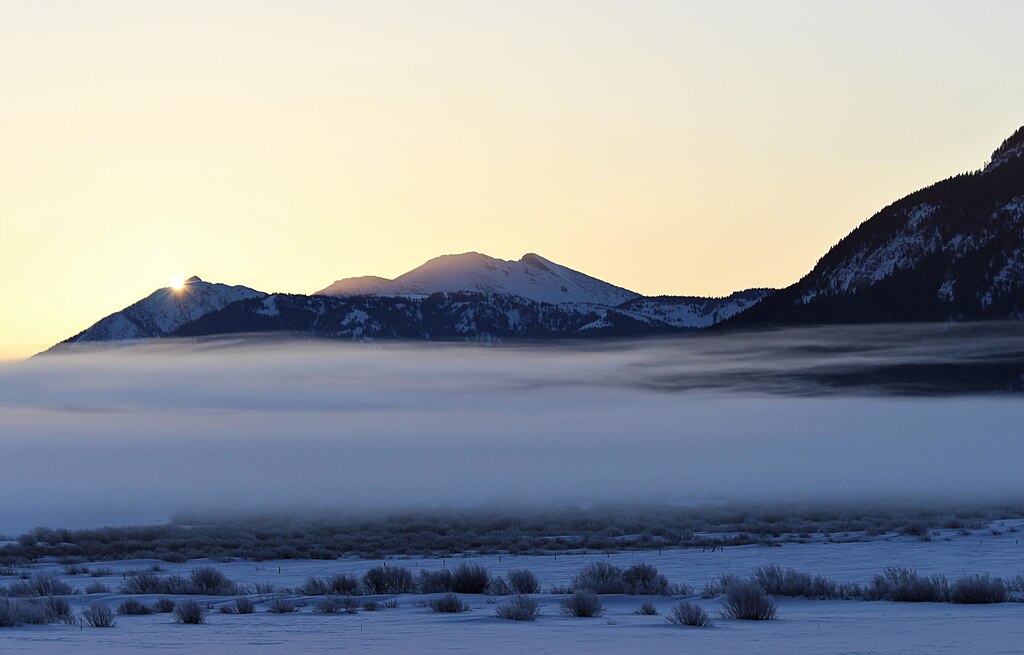
Early evening fog settling over valleys or meadows indicates air reaching its dew point. The ground and surrounding surfaces lose heat quickly, creating visible mist. Campsites in these low areas will experience colder and damper conditions than forecasted. Fog formation shows that the surface air layer is cooling efficiently. Campers in these areas should elevate tents if possible, use insulating pads, and cover gear. Fog is not just scenic; it is a natural signal of a sharp temperature drop, especially in low-lying or moisture-rich environments.
15. Bright Moonlight Without a Halo
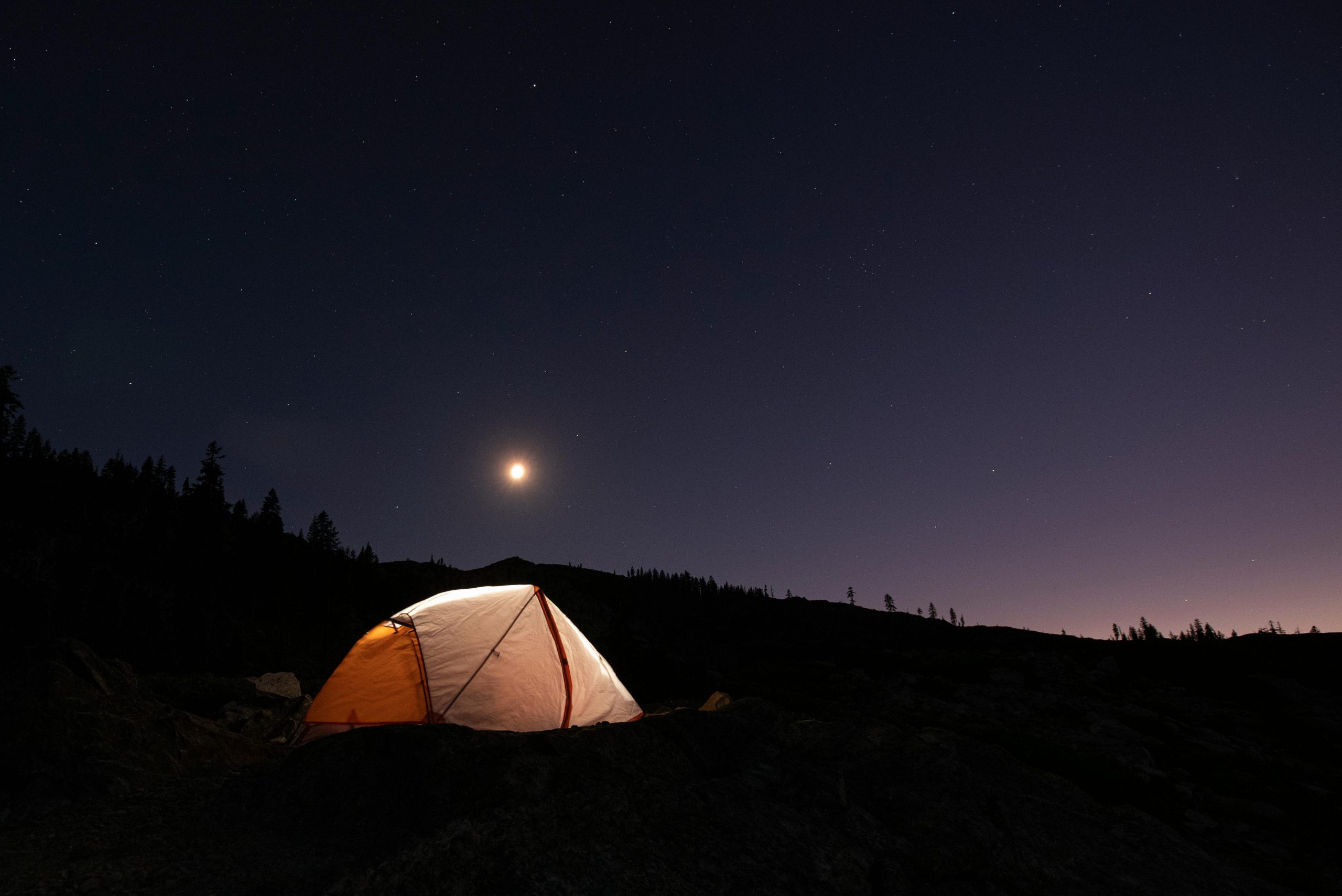
A clear, bright moon with no surrounding halo shows dry air and minimal atmospheric moisture. Moisture usually traps heat, so its absence allows energy to escape freely, accelerating cooling. Deserts, high plains, and elevated terrains experience this most strongly. Campers under these conditions will likely feel the cold more intensely than forecasted. Observing moon clarity at night gives a reliable visual cue to anticipate lower temperatures. Layering clothing and insulating sleeping pads are crucial when the moon shines sharply on dry, clear nights.
16. Early Rapid Temperature Drop
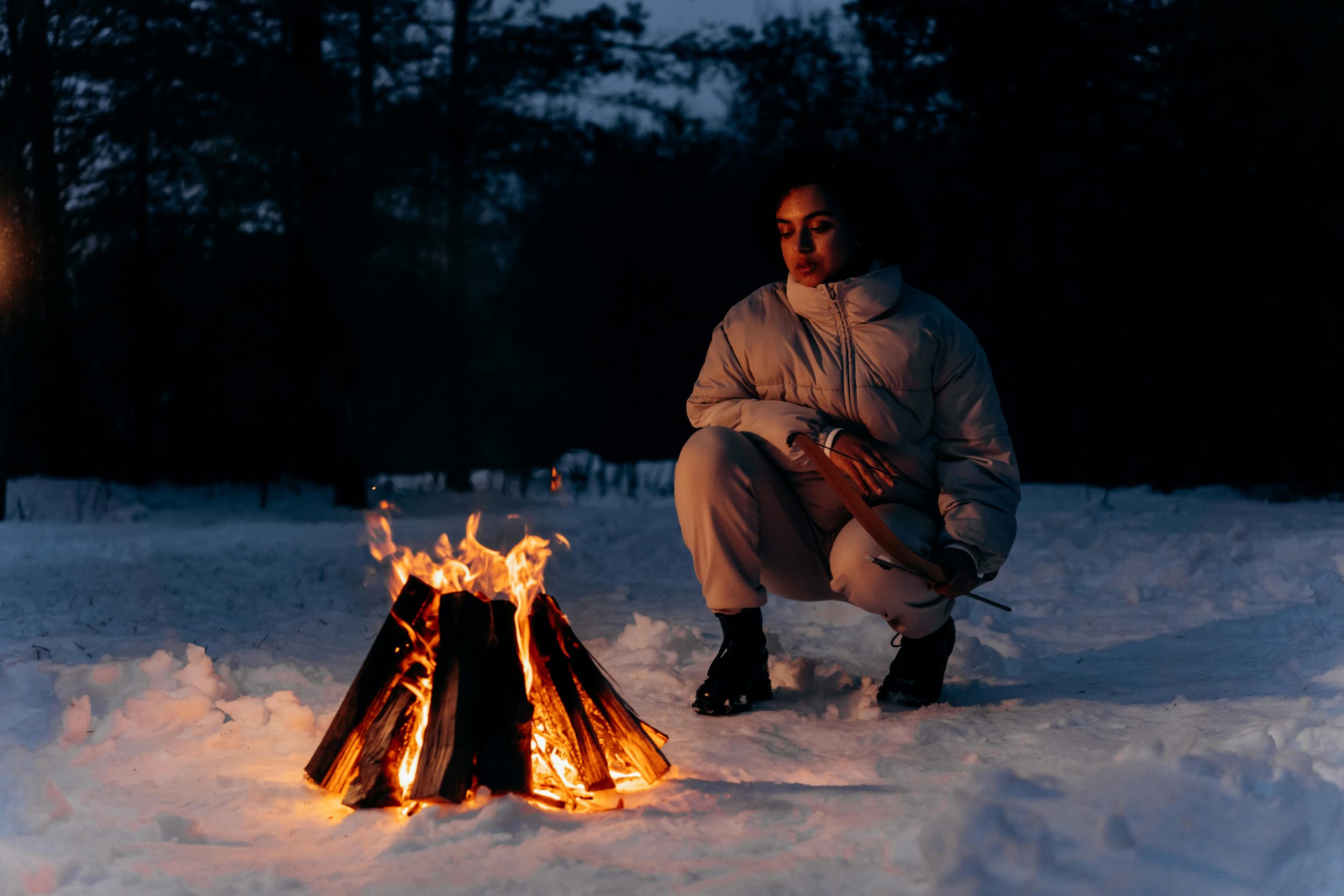
If temperatures fall quickly in the first hour after sunset, it signals that radiational cooling is occurring at an accelerated rate. Air lacking moisture or cloud insulation loses heat rapidly, and this early trend predicts a colder-than-forecasted night. Observing thermometers or feeling the chill firsthand allows campers to prepare immediately. Layering, insulating tents, and securing warm bedding early ensures comfort. Rapid early cooling often precedes frost formation and icy surfaces, making awareness critical for safe and enjoyable camping.
17. Distant Sounds Carrying Farther
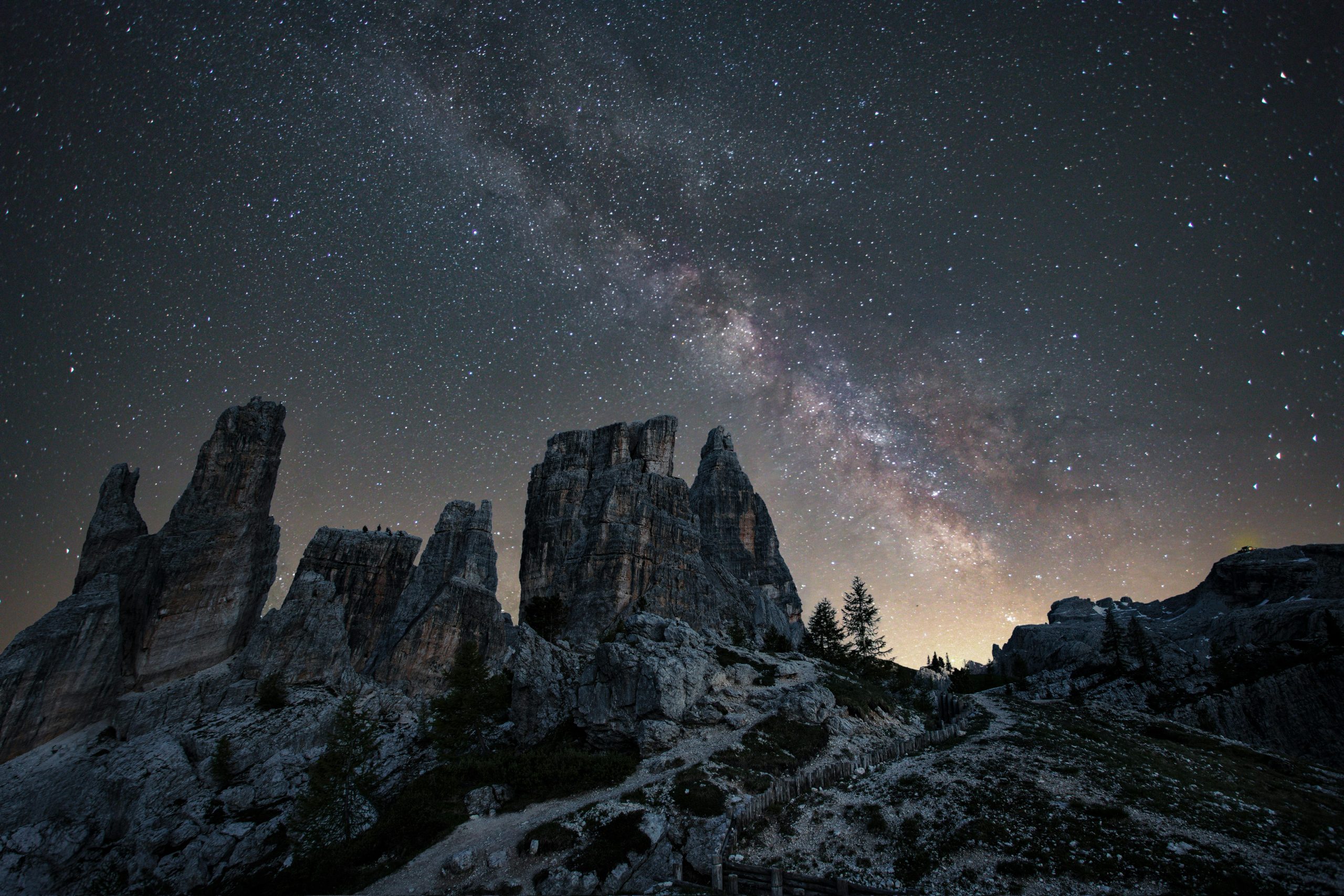
Sound travels farther in cold, dense air. Hearing distant wildlife, flowing water, or human activity more clearly than during the day indicates a temperature inversion. This natural amplification of sound signals dense, cold air settling near the surface. Campers noticing enhanced acoustic clarity should anticipate colder conditions, particularly in valleys or low-lying areas. The phenomenon is subtle but reliable: clear, crisp sounds often mean the surrounding environment is colder than forecasts suggest, requiring extra layers and insulated gear for overnight comfort.
18. Smoke or Breath Hanging in the Air

Persistent smoke or visible breath lingering at eye level shows stable, dense, and cold air near the ground. This trapped layer intensifies nighttime cooling and indicates that frost or ice could form before dawn. Observing smoke behavior from campfires or seeing your own breath cling in the air provides immediate feedback on conditions. Campers should use this natural warning to secure sleeping areas, insulate sensitive equipment, and dress warmly. It is one of the most visible and actionable signs of a night colder than the forecast.
The post 18 Signs a Campsite Will Get Colder Than the Forecast appeared first on Bushcraft Base Camp.