

Choosing a backpack involves more than seeking the lightest option, because thoughtful design plays a far greater role in long term comfort, stability, and durability. Many hikers discover that supportive structure, smart organization, and weather-resistant materials create a smoother experience on the trail than shaving a few ounces ever could. A well-balanced pack reduces fatigue by distributing weight correctly, while breathable panels and adjustable straps help maintain comfort across changing conditions. Durable fabrics protect equipment from rough terrain, and practical storage features allow quick access to essentials without slowing momentum. Understanding these key features allows hikers to choose backpacks that support their journey with dependable performance. This combination of smart design and comfort-focused engineering often matters more than weight alone.
Supportive Suspension System
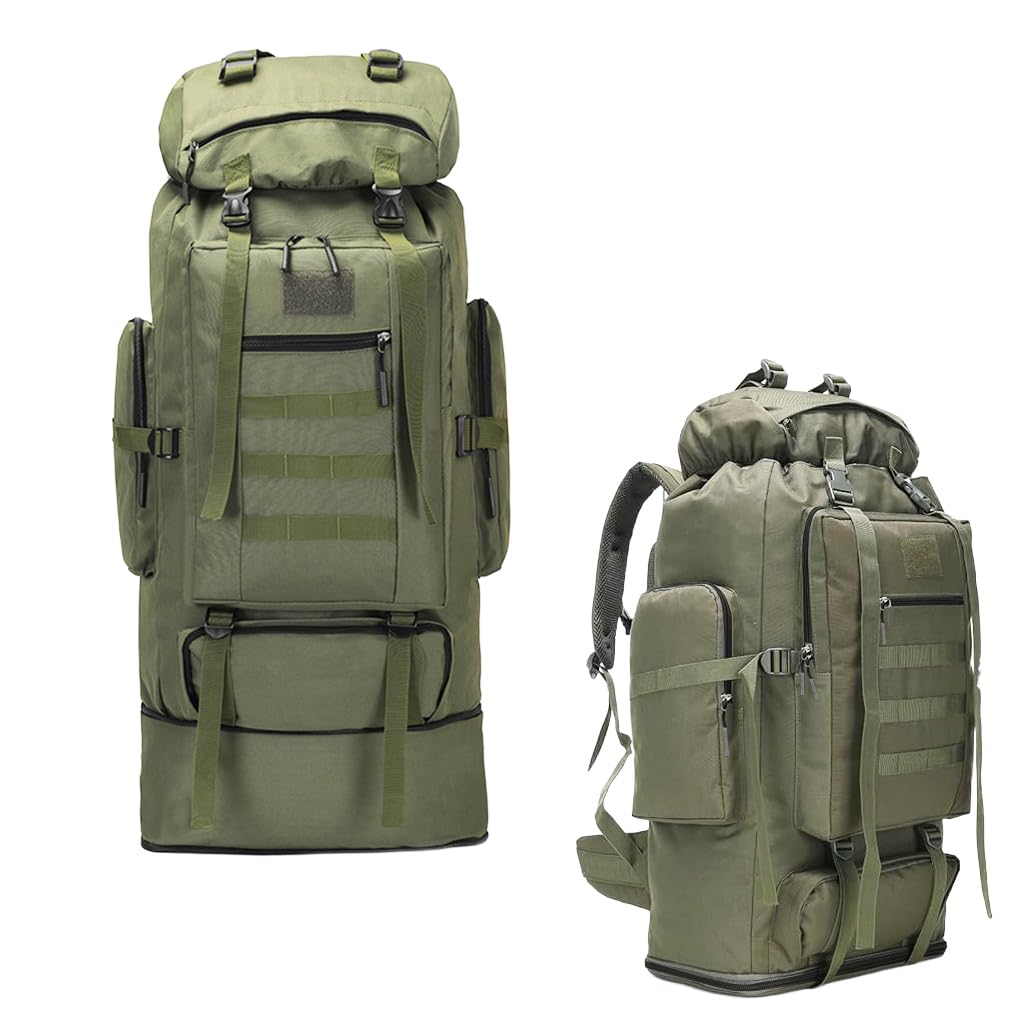
A supportive suspension system enhances comfort by distributing weight evenly across the hips and shoulders. Modern designs use flexible frames or stays that move naturally with the body, reducing strain during long climbs or uneven terrain. This support prevents the pack from pulling backward and improves posture on extended hikes. The system also stabilizes the load during quick movements, helping maintain balance when stepping over rocks or navigating narrow paths. Even though suspension adds slight weight, it significantly improves endurance and reduces pressure points. Many hikers consider this one of the most important backpack features because of its immediate and ongoing comfort benefits.
Adjustable Torso Length
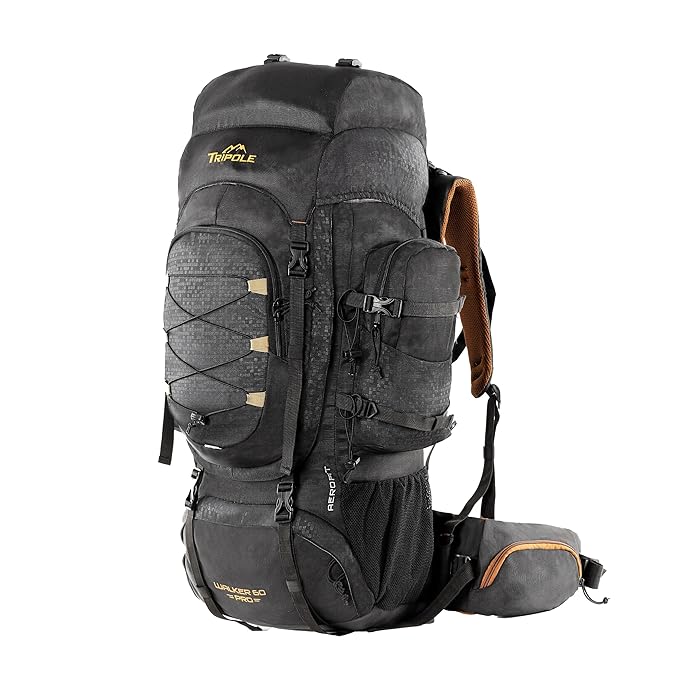
Adjustable torso length ensures a precise fit by aligning the shoulder straps and hip belt correctly along the body. When the torso setting matches a hiker’s proportions, weight distributes naturally without causing back or neck strain. This feature supports proper posture and prevents discomfort that develops during long hours on the trail. It also provides flexibility when wearing layers or sharing the pack between different users. Adjustable frames offer more control over how the load feels throughout changing terrain, making the pack more stable and comfortable. Although this system adds some structure and material, the improved fit and reduced fatigue make it an essential component of a well-designed backpack.
Structured Hip Belt
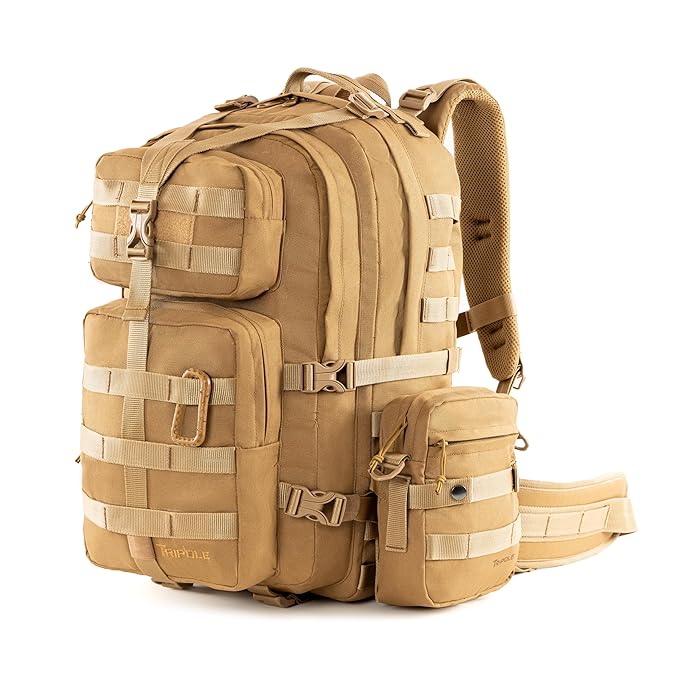
A structured hip belt transfers most of a pack’s weight from the shoulders to the hips, which can support heavier loads with less strain. Firm padding helps maintain shape while soft fabric prevents chafing during long hikes. A well-built hip belt enhances stability by keeping the load centered and reducing sway on uneven ground. Some designs pivot slightly to match natural movement, allowing smoother steps during climbs or descents. Hip belts often include small pockets for snacks or essentials, adding convenience without requiring pack removal. This feature adds a small amount of weight but significantly improves comfort and endurance during extended outdoor travel.
Breathable Back Panel
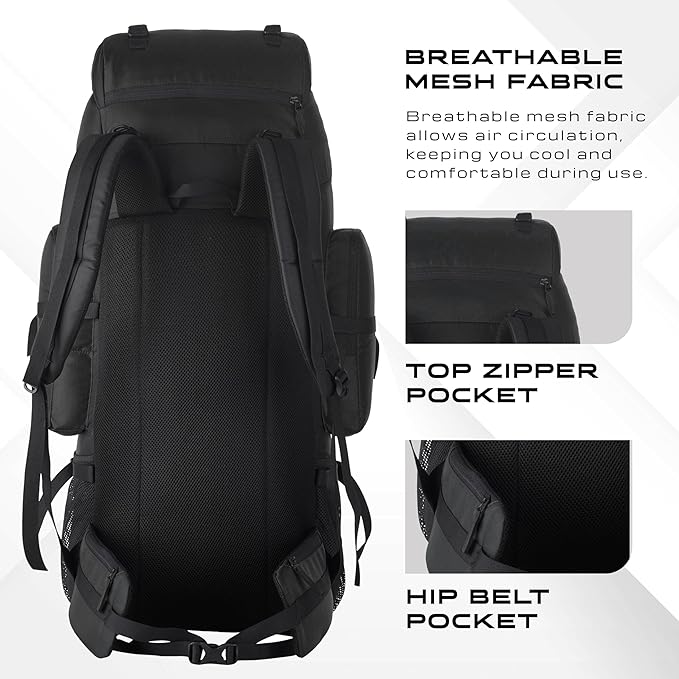
A breathable back panel helps maintain comfort by promoting airflow between the pack and the hiker’s back. Ventilated mesh or suspended designs reduce heat buildup that can cause discomfort on steep climbs or warm days. Improved airflow also prevents excessive sweating, helping clothing stay dry and reducing friction that may lead to irritation. Many back panels follow the natural curve of the spine, offering structural support while enhancing ventilation. This combination keeps hikers more comfortable through long treks and varying conditions. Although breathable systems add materials, they create a more enjoyable hiking experience by controlling temperature and moisture more effectively than solid back designs.
Durable Exterior Fabric
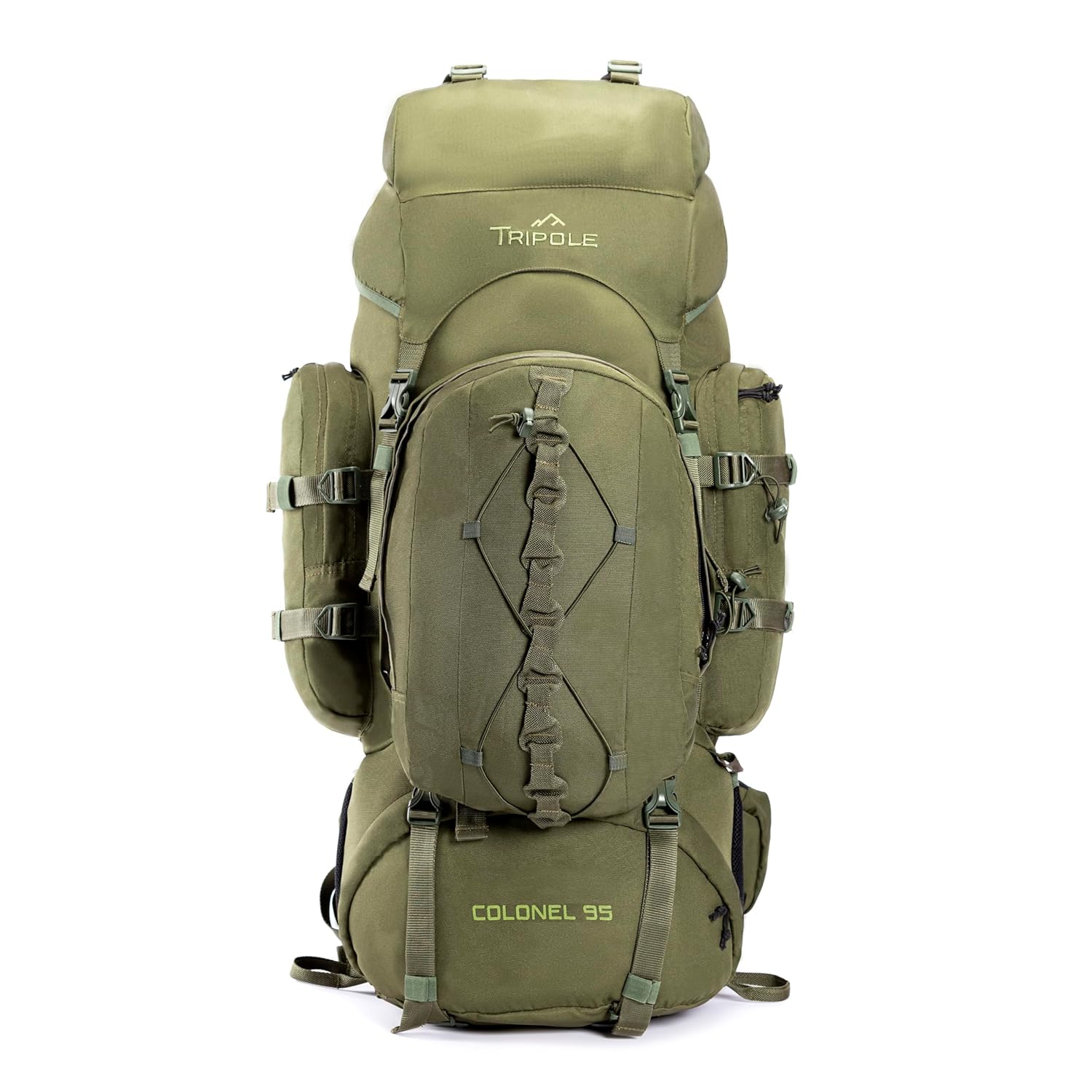
Durable exterior fabric protects a backpack from tears, abrasion, and weather exposure, especially in rugged environments. High-denier nylon or reinforced polyester resists punctures from rocks, branches, and rough trail conditions. These fabrics also hold shape under load, preventing sagging that can affect balance. Many durable materials include water-resistant coatings that help keep gear dry in unpredictable weather. While heavier than ultralight fabrics, their longevity and strength reduce the need for frequent repairs or replacements. Durability becomes particularly valuable during extended trips where reliability matters more than minimal weight savings. A sturdy exterior remains one of the most practical features for frequent or challenging trail use.
Multiple Exterior Pockets
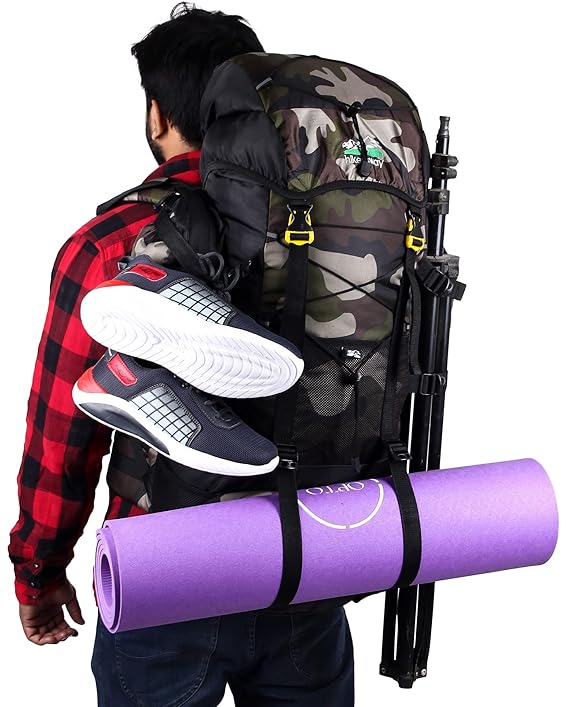
Multiple exterior pockets improve organization by keeping frequently used items easy to reach without unpacking the main compartment. Side pockets store water bottles or extra layers, while top and front pockets hold maps, snacks, gloves, or small tools. This arrangement helps hikers maintain rhythm and reduce unnecessary stops during the day. Pocket placement also supports balanced weight distribution, enhancing stability on uneven ground. Well-designed pockets provide enough space to separate gear logically while keeping essential items secure. Although pockets add material and zippers, the convenience and efficiency they create far outweigh the minimal weight they contribute to the backpack’s overall design.
Stretch Mesh Pockets
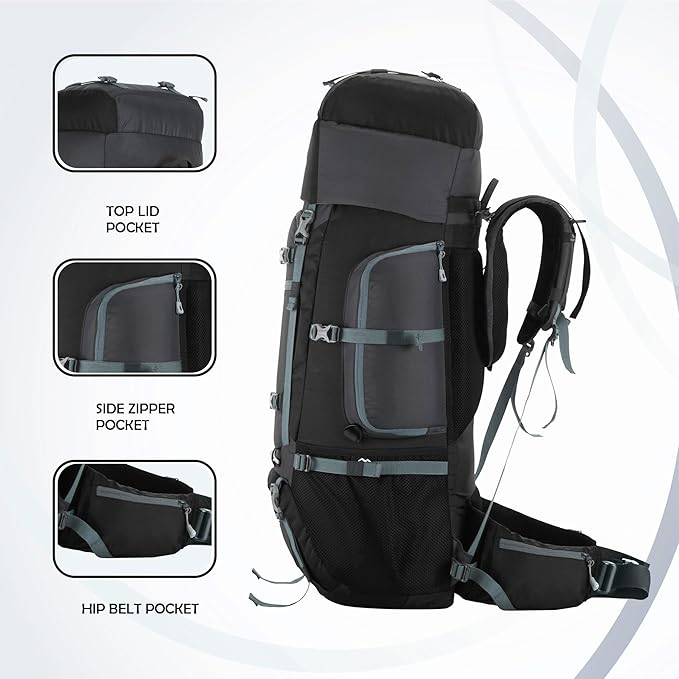
Stretch mesh pockets offer flexible storage that adapts to items of different shapes and sizes. The stretchy material allows pockets to expand around bulky gear such as rain jackets or water bottles while staying secure. Mesh construction improves breathability, which helps dry damp items during the hike. These pockets also provide quick access to necessities without requiring the pack to be opened. Their placement on the sides or front ensures stability while keeping the main compartment organized. Although mesh adds fabric, its lightweight structure and practicality make it one of the most appreciated modern backpack features for versatile outdoor use.
Load Lifters
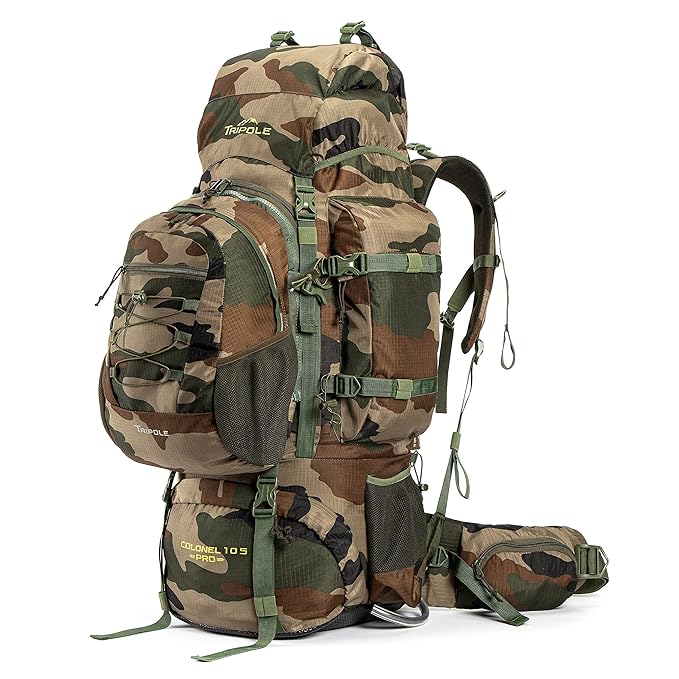
Load lifters improve pack stability by pulling the top of the backpack closer to the shoulders. This small adjustment prevents the load from leaning backward and reduces strain on the upper back. Properly adjusted load lifters help maintain upright posture and improve control during steep ascents or rocky descents. They allow hikers to fine-tune how weight feels at different stages of the hike. Even though load lifters are simple straps, their impact on comfort and balance is significant. They enhance the overall support provided by the suspension system and contribute to a more secure and predictable hiking experience.
Easily Accessible Hydration Sleeve
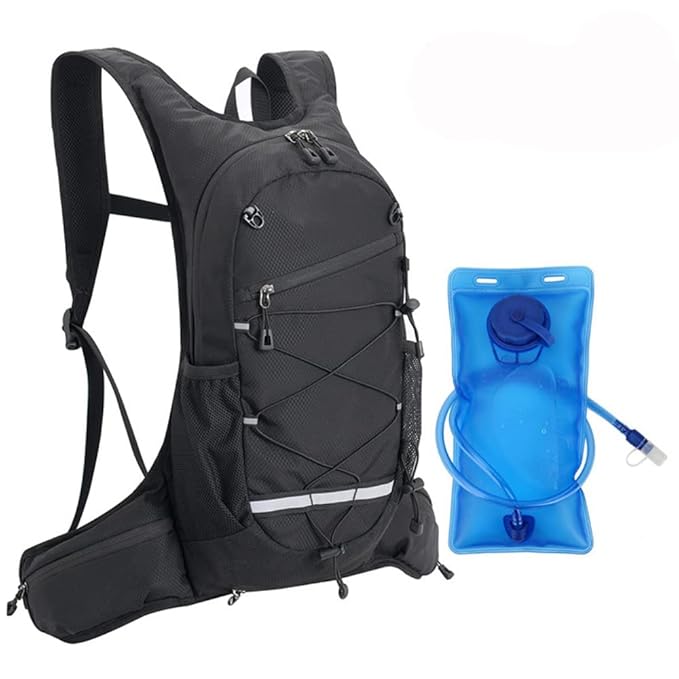
An easily accessible hydration sleeve supports consistent hydration during long hikes by storing a water reservoir inside the pack while routing the hose along the shoulder strap. This setup allows simple, frequent sipping without stopping or removing the pack. The sleeve positions the reservoir near the spine, improving balance and stability. Many designs include insulation that helps maintain water temperature in hot or cold conditions. This feature encourages healthier hydration habits and reduces the effort required to access water. While hydration sleeves add some structural components, they greatly increase convenience and performance, especially on long or strenuous routes where steady hydration matters most.
Weatherproof Zippers
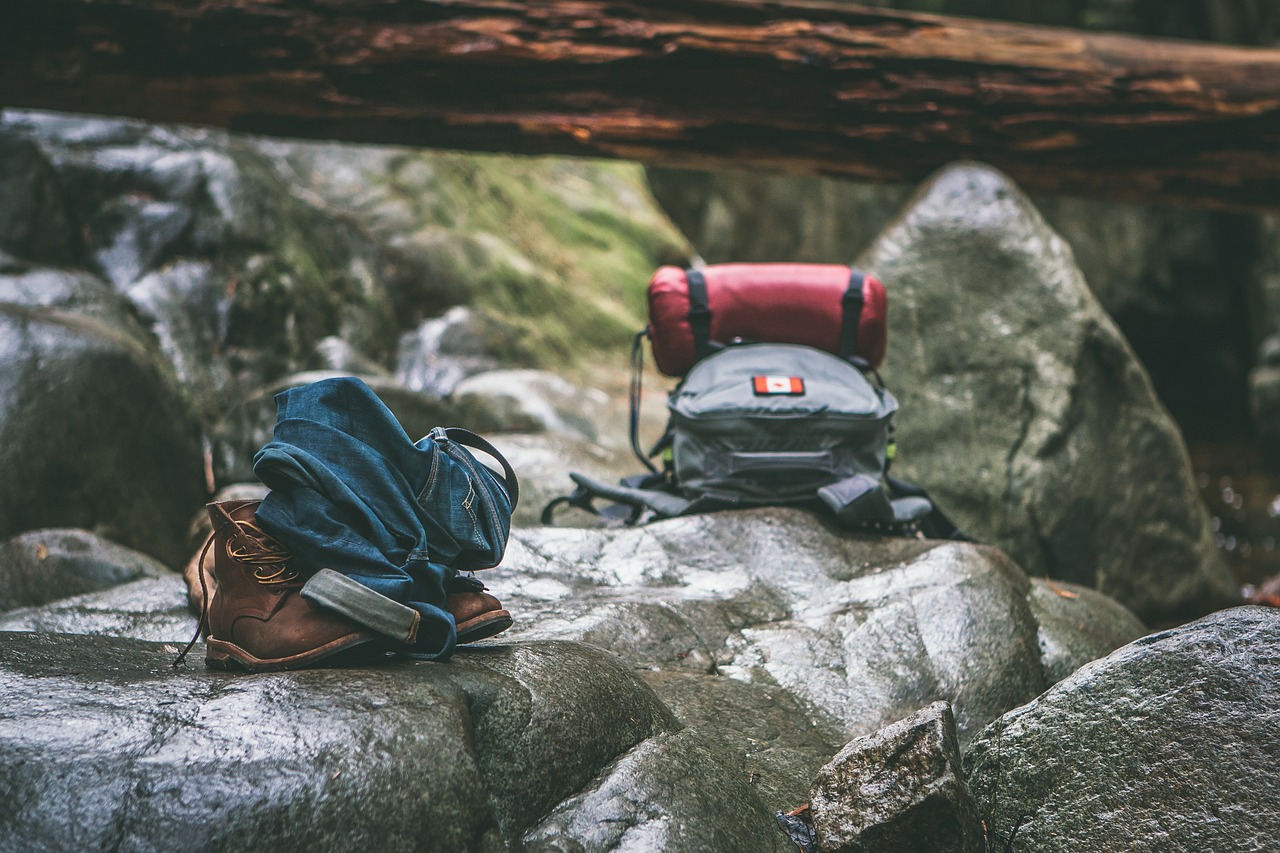
Weatherproof zippers protect gear by sealing openings against moisture during unexpected rain or snow. Coated surfaces and tight sealing systems prevent water from entering pockets or the main compartment, keeping clothing, electronics, and maps dry. Weatherproof zippers also resist corrosion and abrasion, extending the pack’s lifespan. Although they may feel slightly stiffer than standard versions, their reliability makes them a valuable feature for hikers who encounter varied weather. They add minimal weight while offering substantial protection and peace of mind. For those hiking in regions with unpredictable conditions, weatherproof zippers remain a practical and dependable backpack enhancement.
Reinforced Bottom Panel
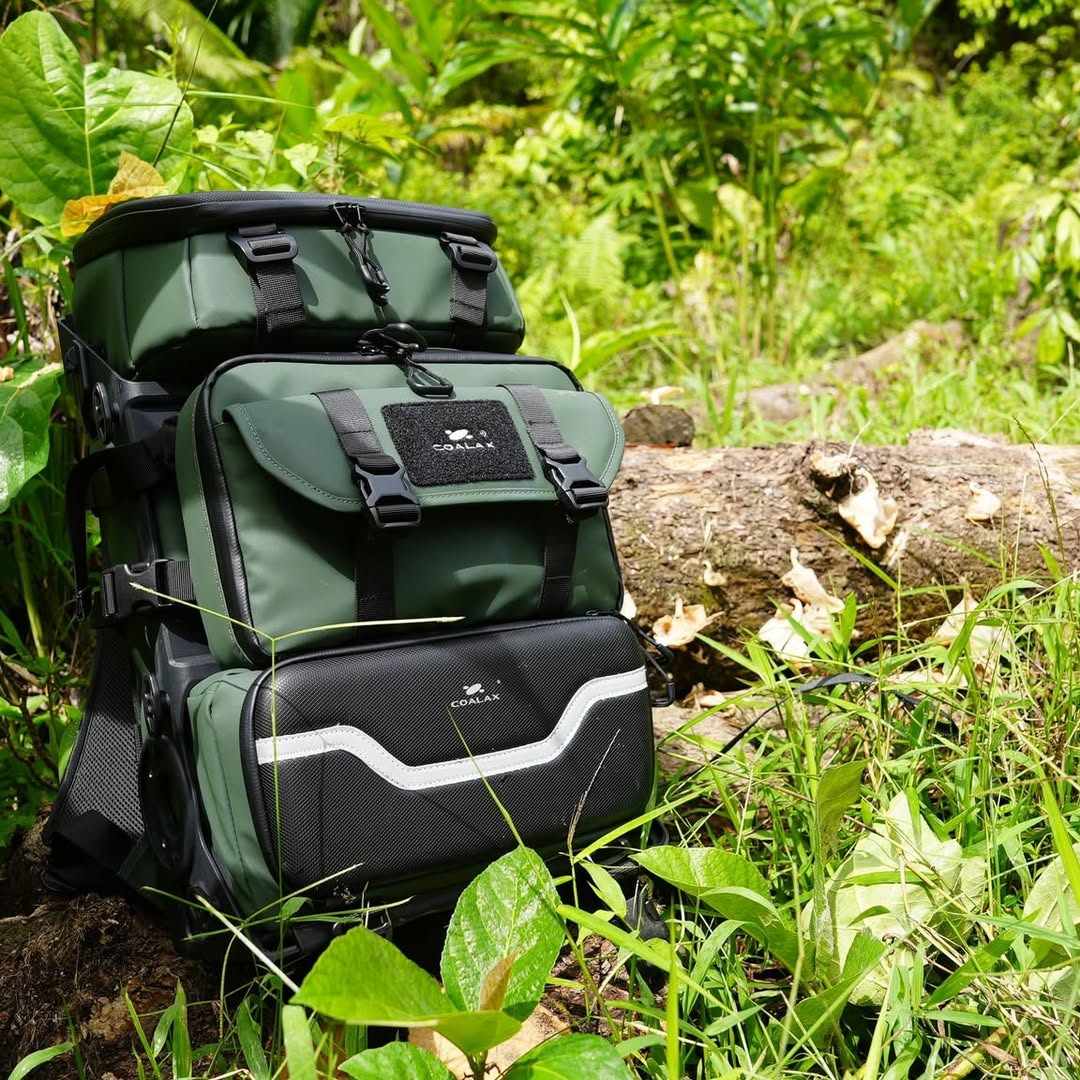
A reinforced bottom panel increases durability by protecting the pack from abrasion when placed on rough ground, rocks, or shelter floors. This high-wear area experiences frequent contact and benefits from thicker materials or added layers that prevent punctures or fraying. Reinforcement also helps the backpack maintain shape under load, keeping gear stable and evenly distributed. This feature is especially helpful for hikers who take frequent breaks or camp on rugged terrain. While reinforcement adds extra material, the durability and reliability it provides make it a valuable addition for maintaining longevity and performance.
Compression Straps
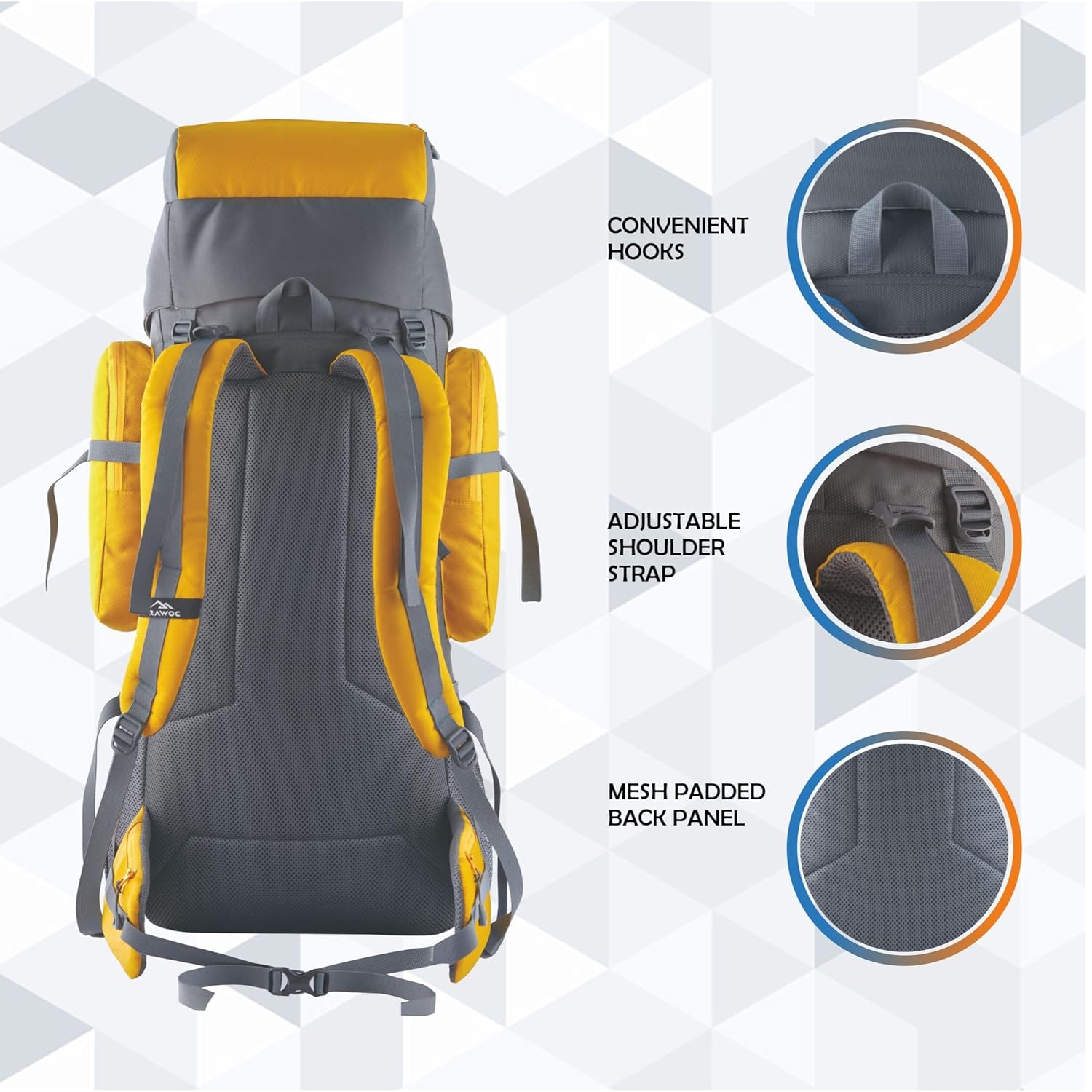
Compression straps improve pack stability by tightening the load and preventing gear from shifting during movement. This controlled shaping helps maintain balance, especially when the pack is not completely full. Compression straps also allow hikers to secure items like jackets or sleeping pads to the exterior of the pack without disrupting weight distribution. Adjustable straps make it easy to customize the pack’s profile based on current load and trail conditions. Although simple in design, compression straps contribute significantly to comfort and efficiency, making them essential for hikers navigating varied terrain.
Quick Access Hip Belt Pockets
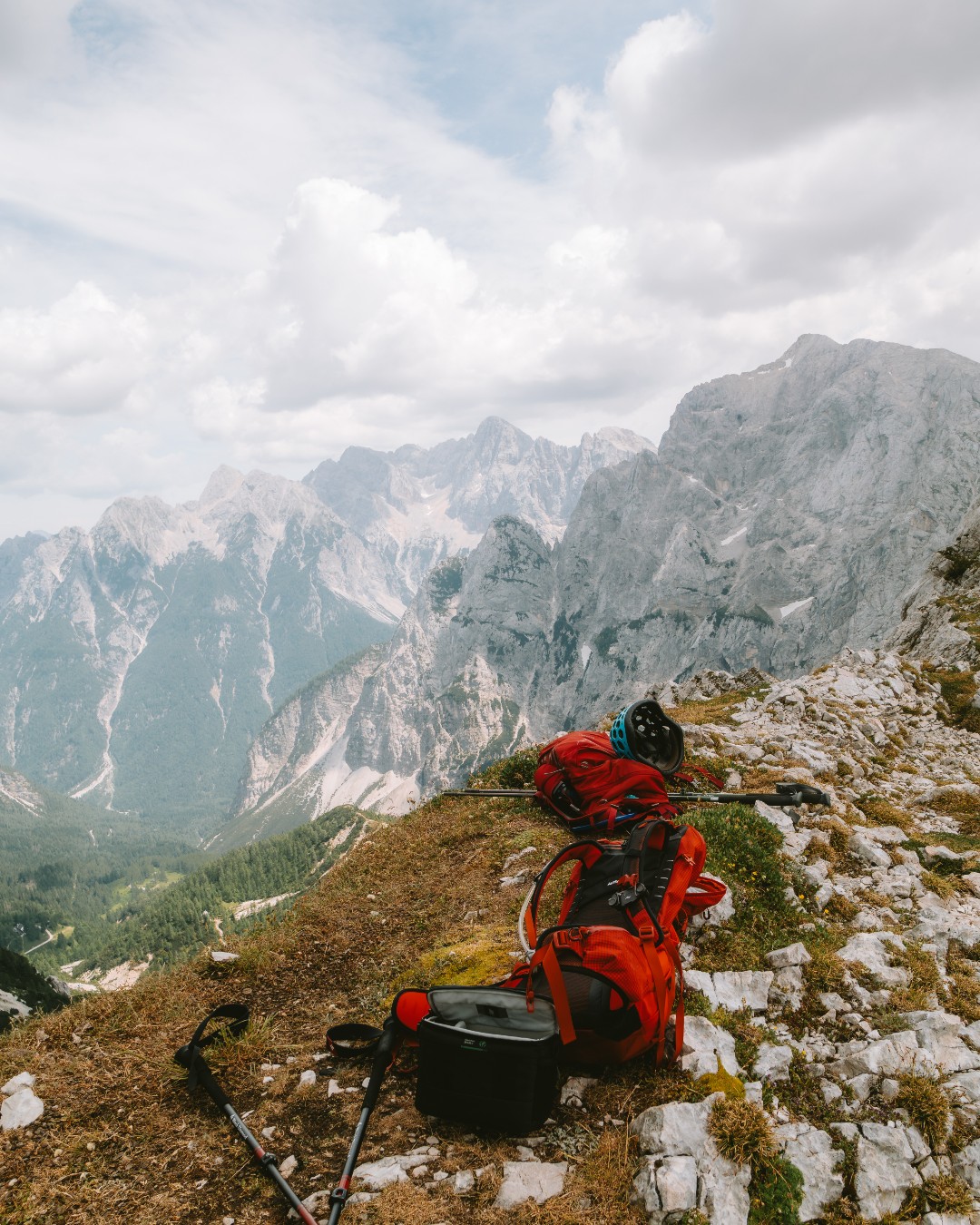
Quick-access hip belt pockets keep small essentials within reach while maintaining momentum on the trail. Items like snacks, sunscreen, or small tools remain accessible without removing the pack. These pockets sit securely along the hips without affecting balance or movement. Stretchy or zippered materials help store items safely while still allowing quick retrieval. Hip belt pockets support efficient travel and reduce interruptions during long hikes. Although they add small amounts of material, their convenience and practicality provide meaningful improvements to overall trail experience, making them a commuter and backpacking favorite.
Ice Axe or Trekking Pole Loops
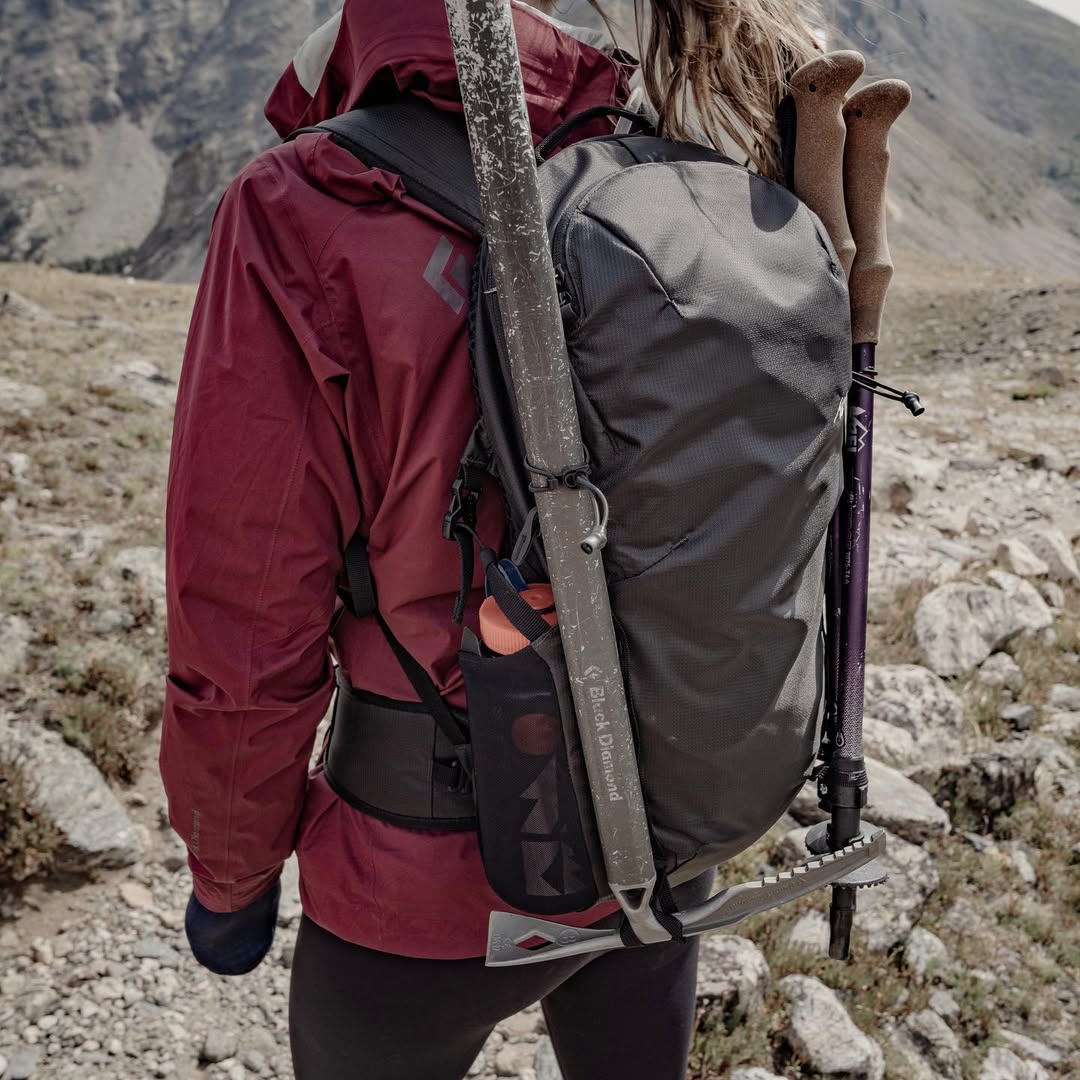
Ice axe or trekking pole loops provide secure attachment points for tools that support travel through challenging terrain. These loops keep the equipment stable and prevent swinging that could disrupt balance. Their placement allows quick retrieval when steep slopes, snowfields, or uneven paths require extra support. Loops add versatility to a backpack, making it a more dependable option for varied environments. Although they add minimal material, their functional value becomes clear when conditions shift unexpectedly. Hikers who explore mixed terrain appreciate the adaptability and preparedness these loops provide.
Internal Frame Structure
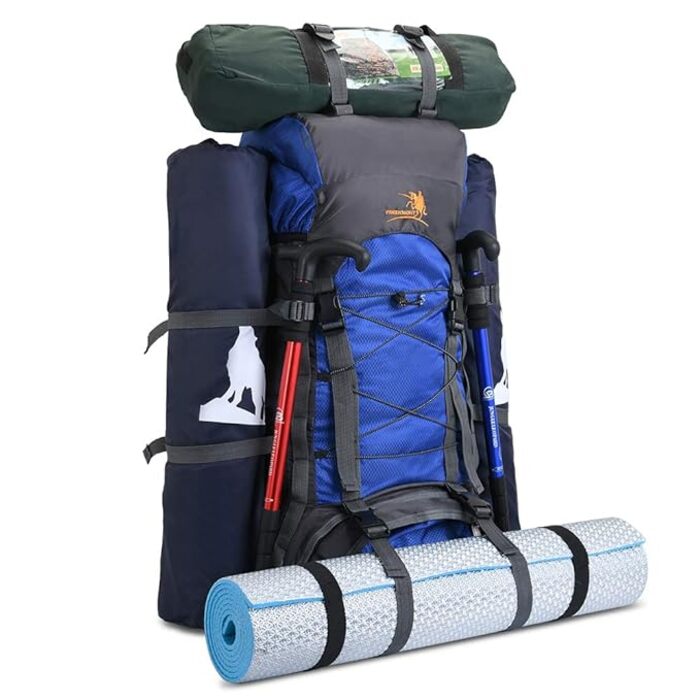
An internal frame structure helps maintain the backpack’s shape and improves load transfer to the hips. Frames use lightweight metals or composites that provide rigidity while allowing natural movement. This support prevents sagging, enhances balance, and helps the pack remain stable on rugged or uneven terrain. Internal frames also keep the main compartment organized by preventing collapse. Although frames increase weight slightly, their contributions to posture, comfort, and loading efficiency make them essential for extended trips or heavier gear setups. Many hikers consider internal frames the backbone of a dependable backpack.
Stable Shoulder Straps
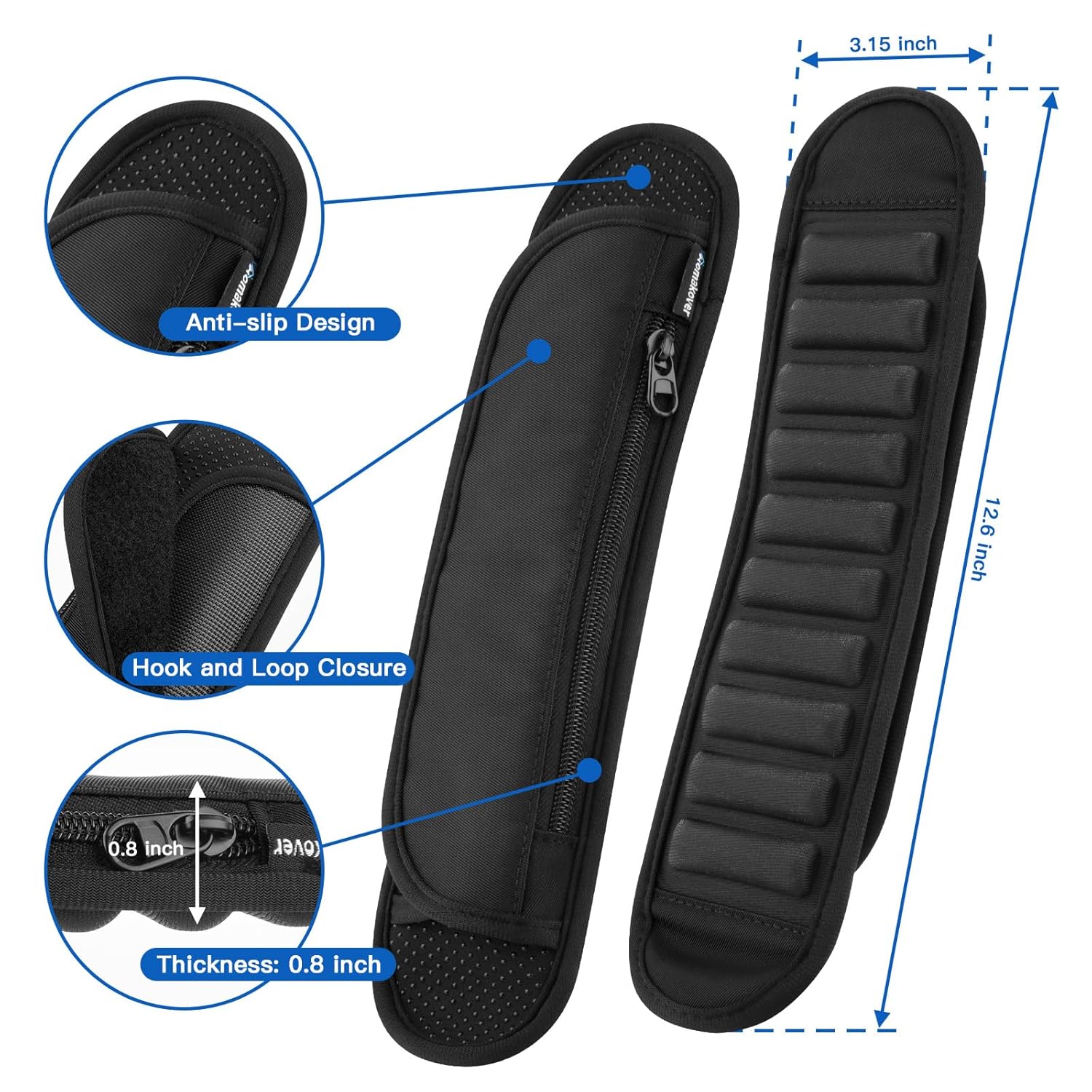
Stable shoulder straps improve comfort by distributing weight across the shoulders and reducing strain during long hikes. Padding helps prevent chafing, while curved designs follow the body’s natural contours for better alignment. Adjustable anchor points allow users to fine-tune fit depending on body shape or clothing layers. Properly fitted straps keep the pack positioned correctly and prevent unnecessary shifting. Although padded straps add some material, they contribute greatly to comfort, especially on longer or more challenging routes. Their supportive function becomes noticeable from the first mile of a hike.
Spacious Front Stash Pocket
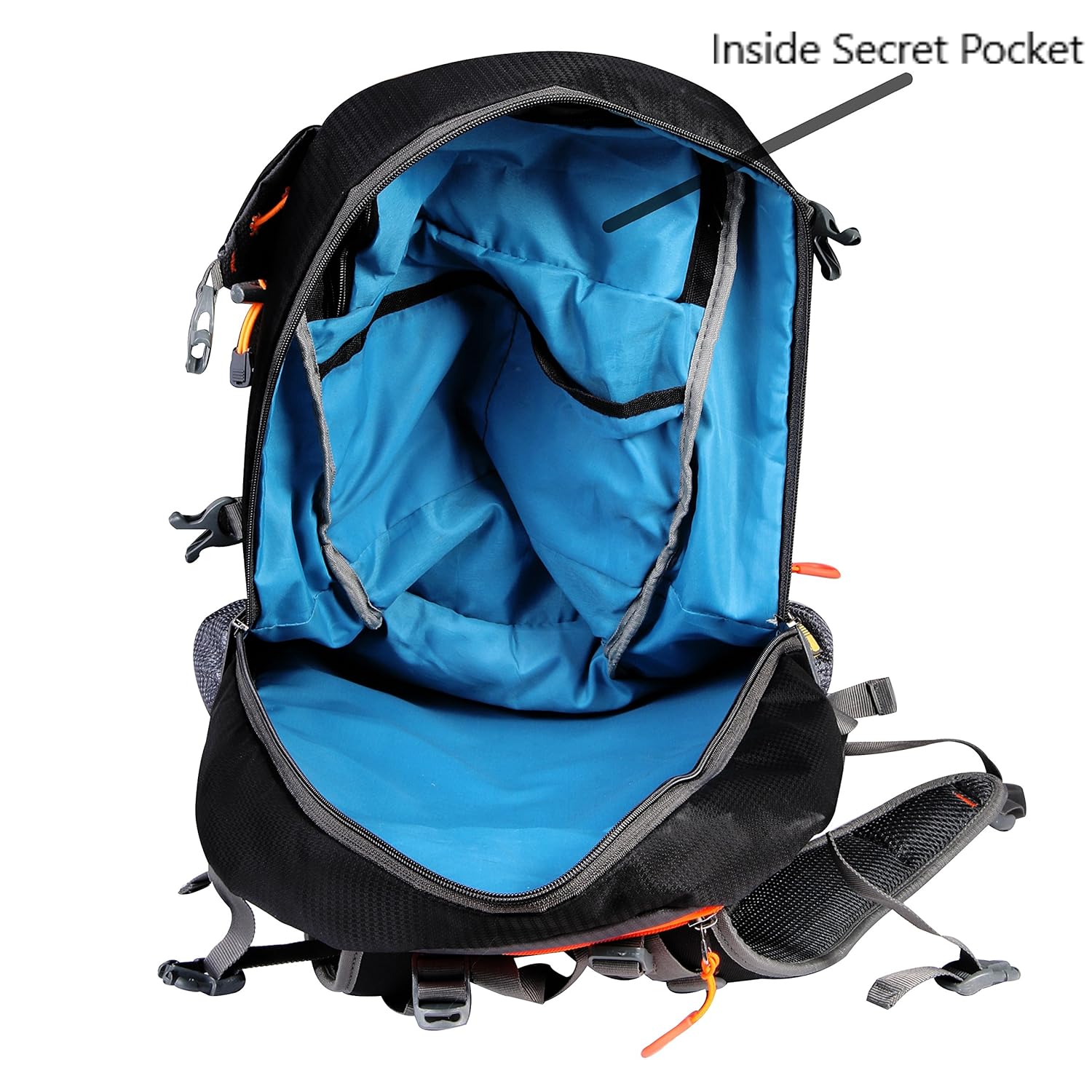
A spacious front stash pocket offers quick access to items like rain jackets, gloves, or dry layers without needing to open the main compartment, which helps maintain steady movement on the trail. Its expandable design accommodates bulky or oddly shaped items while keeping them secure and separate from the rest of the gear. This pocket proves especially helpful during changing weather, allowing hikers to adjust layers quickly without unpacking. Many stash pockets use stretchy or reinforced materials that adapt to varied shapes while maintaining a streamlined profile that does not interfere with balance. Even with the added fabric and stitching, the organizational convenience of this feature reduces delays, supports efficiency, and makes gear management feel more intuitive during long hikes.
Sternum Strap for Added Stability
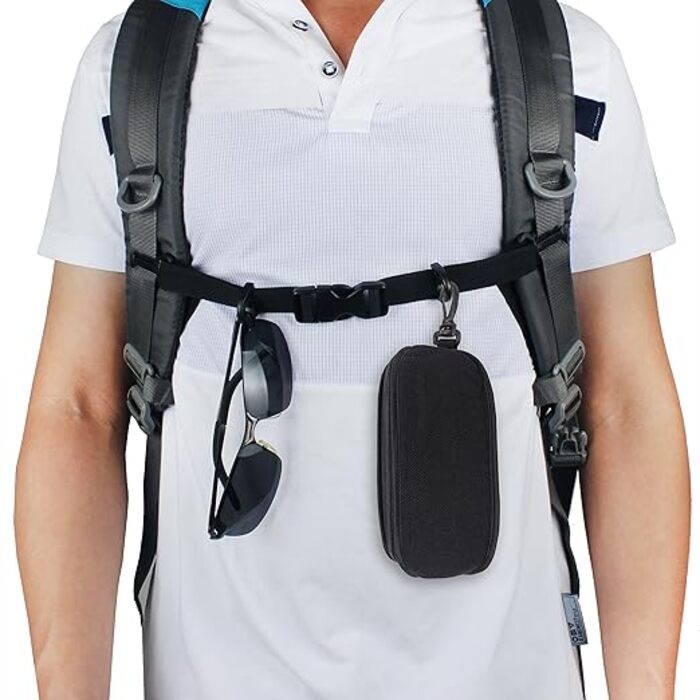
A sternum strap enhances stability by securing the shoulder straps across the chest, preventing them from sliding outward during movement and helping the pack remain centered on the body. This stabilizing connection supports balance on uneven trails and improves overall load control, especially when carrying heavier gear. Adjustable positions allow the strap to accommodate different body shapes, seasonal clothing layers, and personal comfort preferences. The sternum strap also encourages better posture by keeping the shoulder harness aligned correctly on steep climbs or long mileage days. Although it is a small component, its influence on comfort, security, and pack fit becomes clear on extended hikes, making it an essential and practical feature in modern backpack design.
Integrated Rain Cover
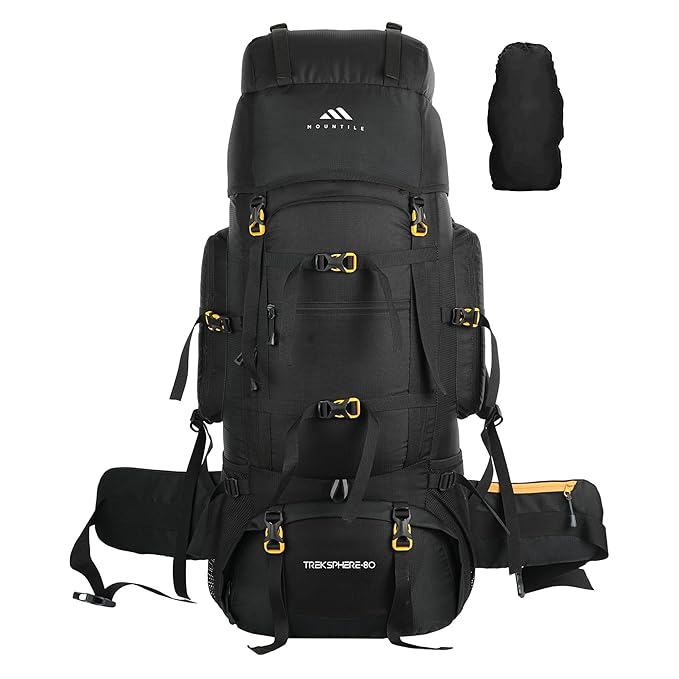
An integrated rain cover protects the backpack from moisture during storms by deploying quickly from a dedicated pocket and providing full coverage over areas that commonly absorb water. Its fitted design shields fabric panels, zippers, and seams from rain or snow, helping maintain the pack’s overall weight and preventing gear inside from becoming saturated. Keeping the pack dry also supports comfort, because wet materials often add unnecessary strain during long hikes. Integrated covers remain attached to the pack, removing the need for separate storage or additional accessories that might be forgotten at home. Although they add a small amount of fabric and stitching, their dependable performance in unpredictable weather makes them a valuable and practical feature for hikers in varied climates.
The post 19 Backpack Features That Matter More Than Weight Savings appeared first on Bushcraft Base Camp.